A Room of One's Own · Companion Guide
一间自己的房间
当女性被挡在知识门外,她必须先挣得一笔收入与一扇能关上的门,才能让被压抑的声音开始写作。
That Moment on the Lawn
One autumn afternoon, the narrator slips to the edge of a Cambridge college's lawn, searching for quiet inspiration. The moment her foot touches the grass, a porter in black robes steps forward—sir, only researchers and scholars may walk the lawn; ladies must use the gravel path. She retreats to the stones, heads to the library, and is stopped at the door again. She'd planned to casually offer a few thoughts on women and fiction, but now two rebuffs have struck her with real questions.
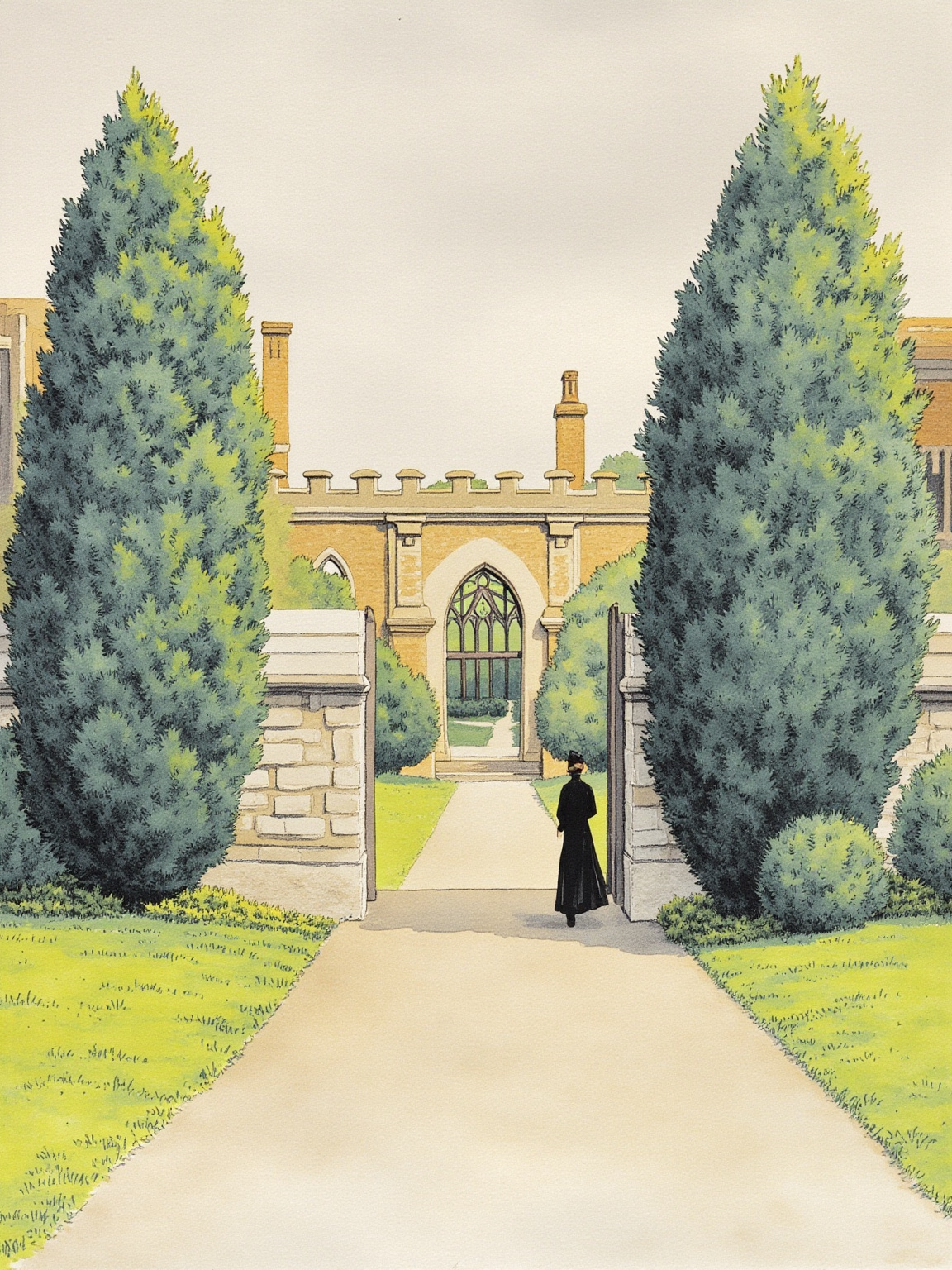
A woman must have money and a room of her own if she is to write fiction.
一个女人如果要写小说,必须有钱和一间自己的房间。
金句 · 核心论点
This scene becomes the engine of the entire book. Woolf doesn't say "I've been discriminated against"—she makes you see it: a person who wants to walk on academic grass has to be vetted by a porter just to walk. The lawn is metaphor; the gravel path is reality—women excluded from the domain of knowledge for centuries.
What This Book Is
A Room of One's Own is a long essay published in 1929, growing out of lectures delivered the previous year at two women's colleges at Cambridge. Woolf thoroughly dismantled and rewrote the lecture notes, spreading her argument across a walk through London and Cambridge, punctuated by novelistic flashbacks. It's not a paper, not a manifesto—it's more like someone shutting themselves in a room and laying out all their fury, irony, and humor on the table for you to see.
The most frequently quoted line in the Chinese-speaking world—"a woman must have money and a room of her own if she is to write fiction"—comes from this book. It's printed on canvas bags, stuck to the walls of independent bookshops, hung at women's writing workshops. Woolf herself probably never imagined this sentence would travel farther than her novels.
Who Is the Narrator
You hear an "I," but this "I" could be Mary Beton, Mary Seton, Mary Carmichael—she jokes self-deprecatingly: today Mary Beton, tomorrow Mary Carmichael, the day after Mary Seton—it's a Woolf wearing a mask. She doesn't write autobiography, nor does she pretend to be neutral. She's cold, caustic, occasionally laughing, like a clever woman who's decided not to sulk.
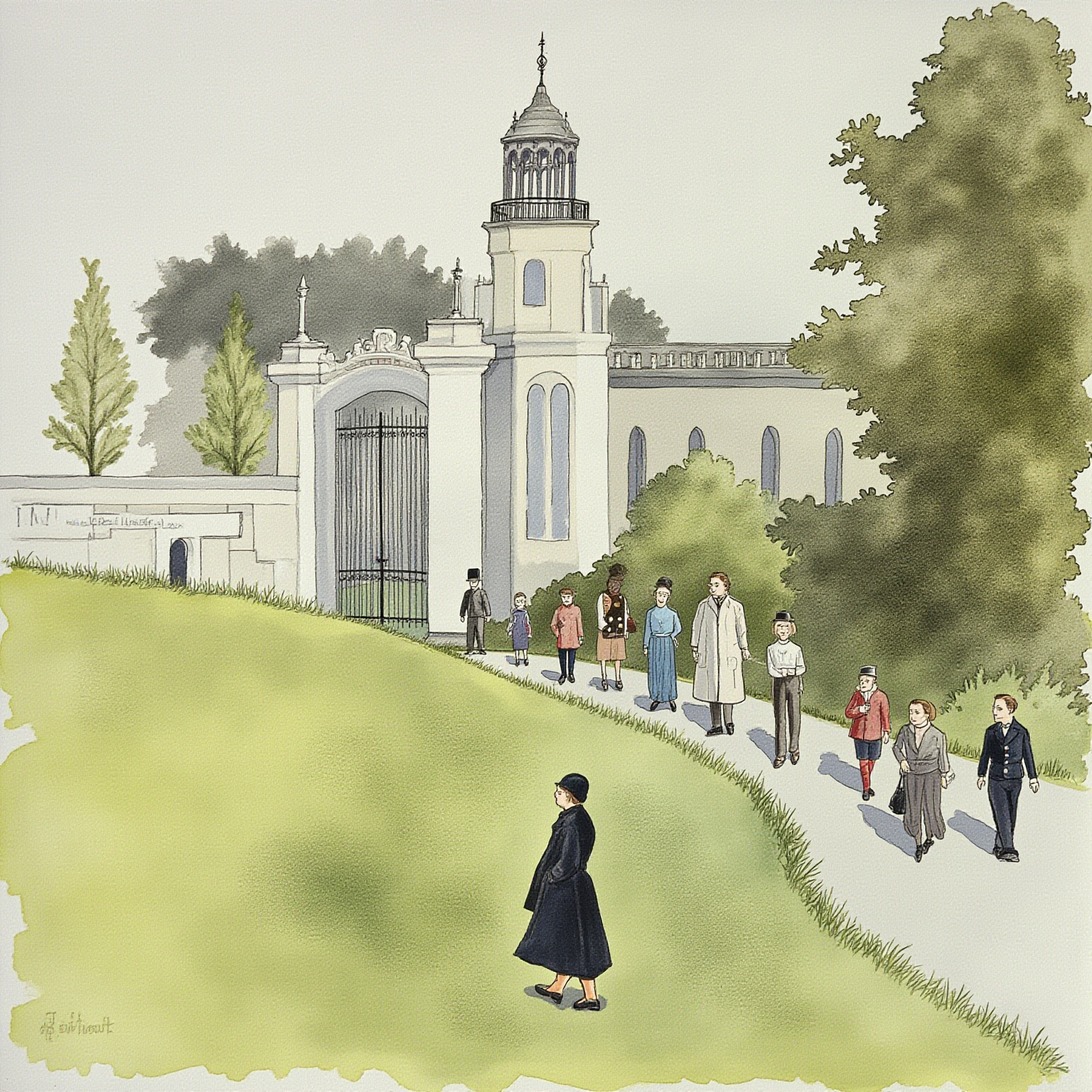
I would venture to guess that Anon, who wrote so many poems without signing them, was often a woman.
我斗胆猜测,那位写下许多诗篇却不署名的无名氏,往往是个女人。
金句 · 女性文学传统
She said she received an annual payment of five hundred pounds a year, left by her aunt who died riding in Bombay—this gift that continued until death, not a one-time grant, freed her from anger. Remember this detail: Woolf emphasizes not "I have money" but "I have a steady sum, independent of husband and father." This is the fulcrum of her argument.
The Anger in the Museum
The narrator goes to the British Museum in London to look through the scholars' treatise On the Intellectual, Moral and Physical Inferiority of Women. She opens one book where a male professor asserts women's intellectual inferiority; she closes it, opens another where he asserts women are naturally hysterical; she flips through again and the authors' signatures are all "T.W.H."—Dr. T, Mr. W, Professor H—all men. She doesn't slam the table, but she makes you hear that low, sustained anger.
Looking at these books, she asks a pointed question: what are these men writing? They are writing a fiction called "woman." The woman is feeble, uneducated, locked in the parlor, and the man maintains his illusion of superiority by writing about this woman. The narrator sees through this closed loop on the spot, then hands you her sharpest blade: to write fiction, a woman must first have five hundred pounds a year and a room of her own.
Woolf didn't say "women are oppressed"—she let you see a table, a wallet, a door that can be closed.
Judith Shakespeare
In the middle section she tells a fictional story. Shakespeare had a sister named Judith, her mind equally churning with verses. Unfortunately she was born in sixteenth-century London, her father wouldn't let her study, forced her to marry a wool merchant. She ran away from the marriage, went to the London theater to find her brother, the troupe mocked her, the playwrights took advantage of her, she got pregnant, had no way out, and killed herself on a winter night. No one wrote an epitaph for her.
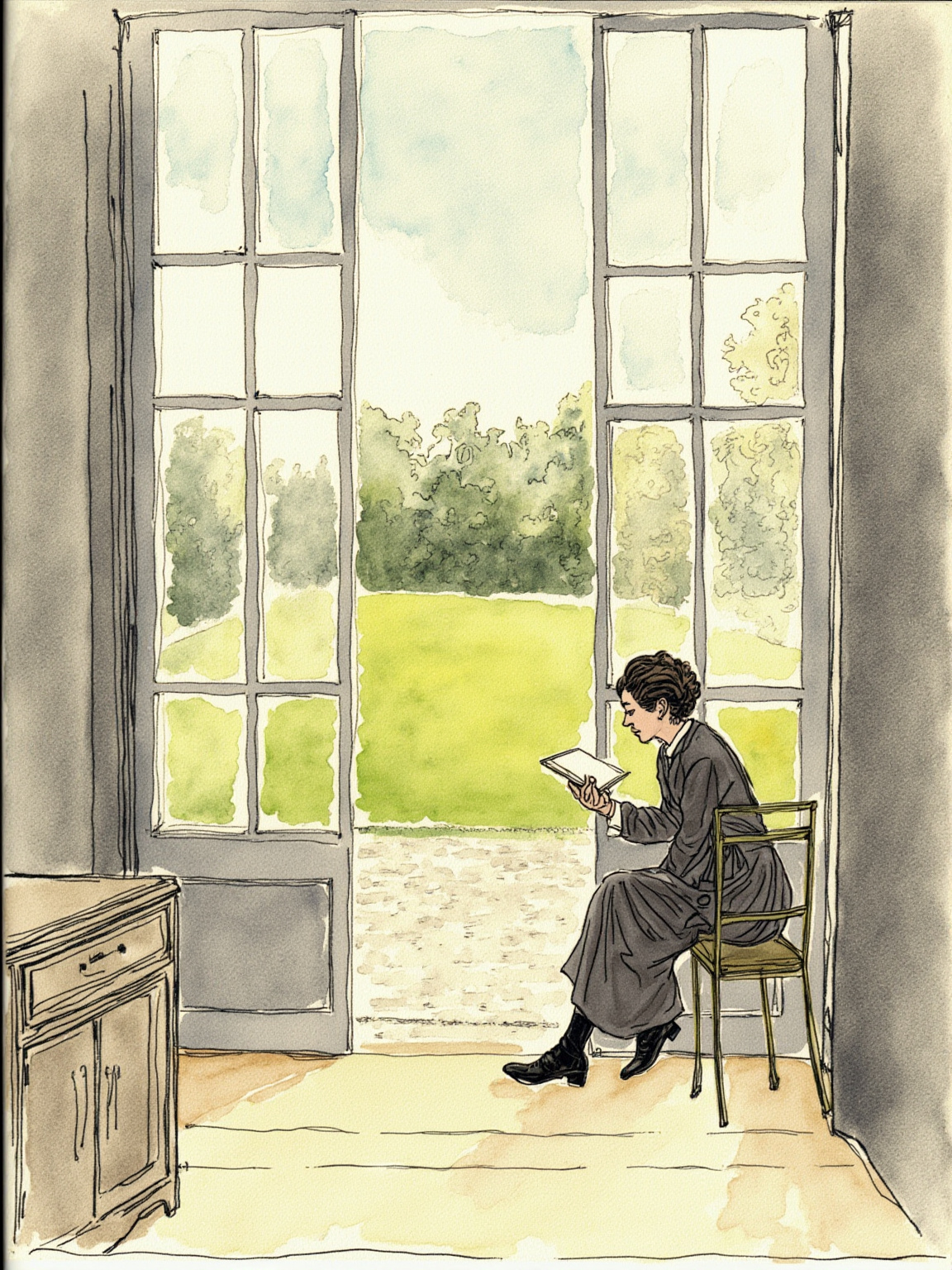
Chloe liked Olivia. They shared a laboratory devised by other women, and because of that shared inheritance, their thoughts were not for men.
克洛伊喜欢奥利维亚。她们共享一间由别的女人建起的实验室;正因为共有这笔遗产,她们的思想不必为男人而发。
金句 · 玛丽·卡迈克尔
These are the most uncomfortable pages in the book. It's not history—Judith never existed; Woolf uses hypothesis to perform an anatomy: if talent is equal, a man can build a life through the theater, but a woman can only be suffocated by the rules imposed on her. Woolf finishes this story, then looks up and asks the reader to remember: for centuries, how many Judit hs have been quietly buried.
The Obscured Sisters
The narrator turns to women's own tradition. In the seventeenth century, the Countess of Winchester wrote poetry in manuscripts and locked them away; Margaret Cavendish dared to publish, but feared the world's ridicule. The first woman to make a living from writing was Aphra Behn, supporting herself and her children with her pen, yet was mocked throughout her life as "unwomanly." Jane Austen had to hide at the corner of the drawing-room table, writing quietly after guests left. The Brontë sisters paid to print their poetry collection but dared not use their real names. George Eliot lived with Lewis for ten years before she dared to appear publicly.
Woolf does not arrange them on a pedestal of heroes; she arranges them as a river that has been choked off. Each one wrote in darkness, each one paid another kind of price: poverty, shame, mockery, dismissal. Each one never read the work of the previous generation of women—because the previous generation's work was never published, never preserved. So each of them could only feel their way forward from scratch.
Mary Carmichael's Sentences
Near the end, she imagines herself a twentieth-century female editor, proofreading a manuscript by a young woman writer named Mary Carmichael. She reads the line "Chloe liked Olivia" and stops to laugh—for centuries novels have been about men looking at women, and now, for the first time, the gaze between two women has gone around the man.
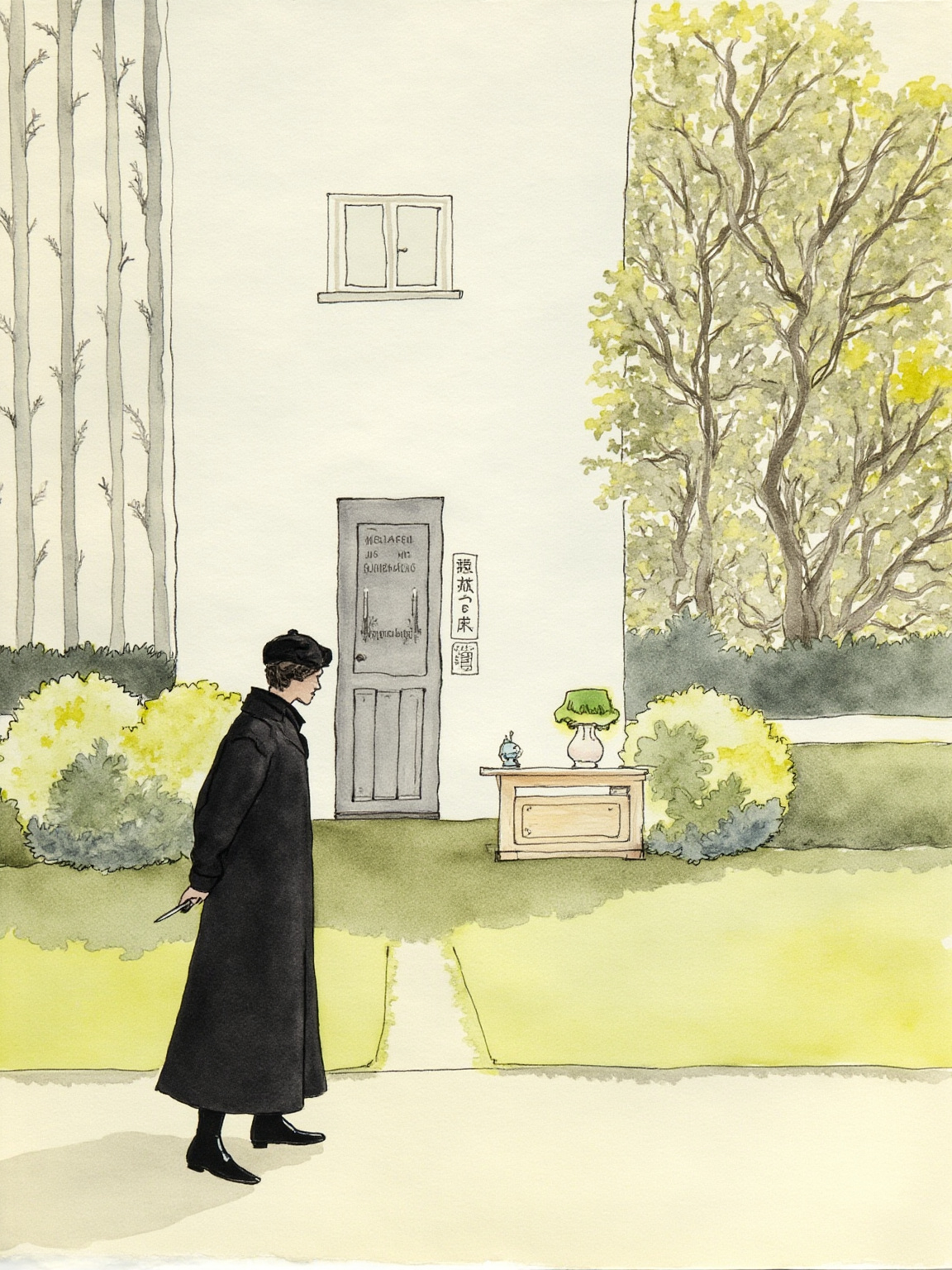
Lock up your libraries if you like; but there is no gate, no lock, no bolt that can fasten upon the imagination.
即便把图书馆都锁起来,也没有什么门闩、锁钥或铁栓能够禁锢想象。
金句 · 文学与想象
What Woolf wants to say is not merely "women loving women," but this: women can finally write a sentence uncolored by the male gaze. This "narrative that goes around men," in her view, is the beginning of a new syntax. She then proposes "the androgynous mind"—great writing requires the author to possess both masculine and feminine temperament, able to switch freely, not bound by any single identity.
An Appeal in Twilight
In the end she walks to the Thames, the willows drooping, the sky darkening. She stops arguing. She says: you need not hurry to write a work for the ages—just take up your pen and write all kinds of things—travelogues, studies, reviews, essays—just as long as the name is yours. Shakespeare's sister will not climb out of her grave; she will live on in a different way within every woman who picks up her pen.
The tone shifts from sharp to solemn, then to something like a summoning whisper. Woolf doesn't promise "if you write, someone will read" — she only says: writing itself is Judith's birth.
What makes this book worth reading
Three reasons. First, it breaks down the abstract "gender injustice" into a yearly annuity, a table, a door, a rejected manuscript — you remember specific objects afterward, not buzzwords. Second, that fictional passage about Judith is one of the harshest gender tragedies in literary history; it doesn't rely on wailing, it pins you with a single hypothetical. Third, it's a model of modernist prose: essays contain novelistic flashbacks, arguments contain self-mockery, investigations contain imagination. You can hardly find another book that turns a lecture into something like this.
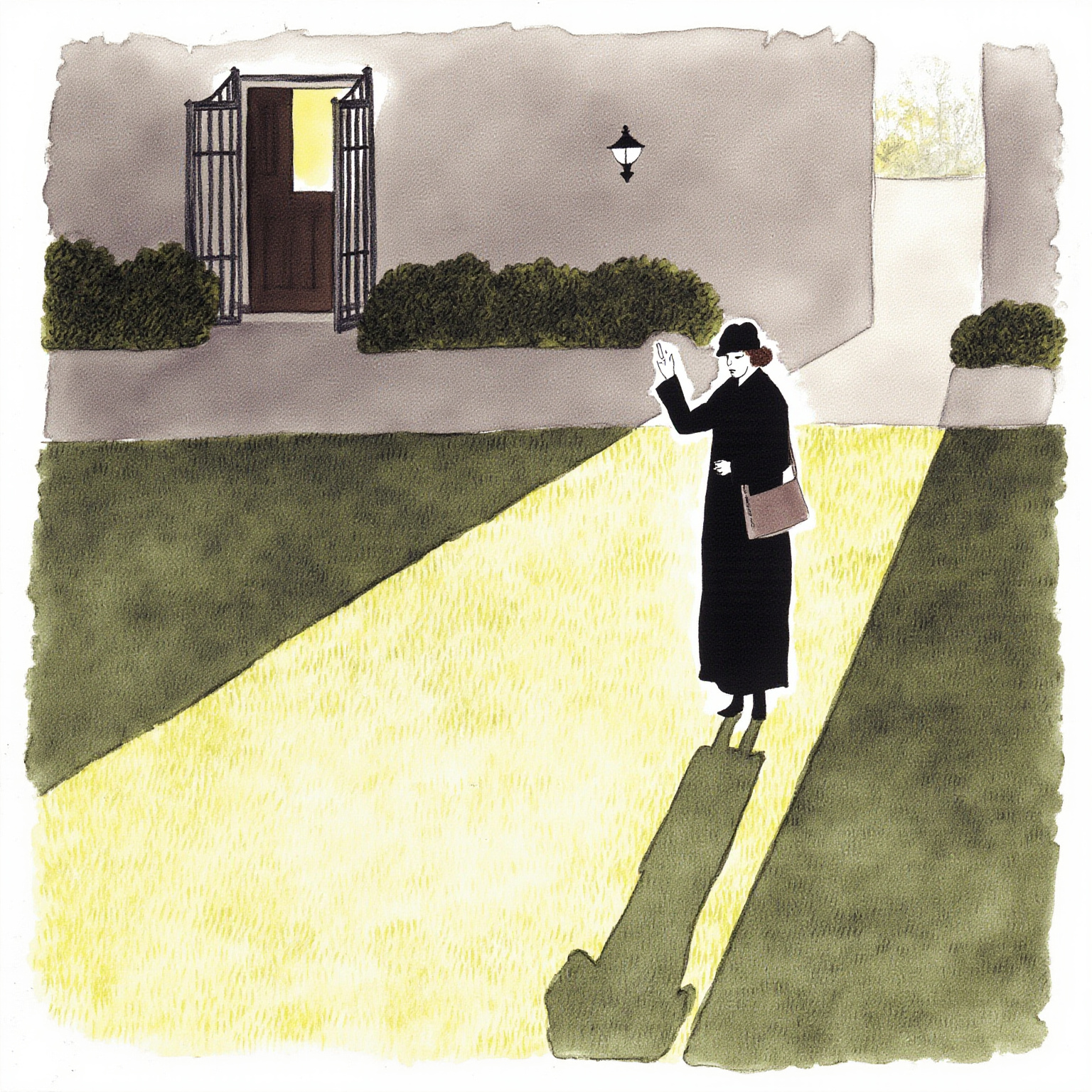
The future of the world lies in the hands of the young, and the young must be taught what the world really is.
世界的未来在年轻人手中,而年轻人必须知道世界究竟是什么。
金句 · 面向未来的写作
For today's readers, its force hasn't dulled. A room of one's own can be a rented desk, an income that doesn't require you to bow to any face, a stretch of time with no one knocking. Woolf makes this as concrete as it can get — and at the same time as universal as it can get.
Knowing the plot, why is it still worth reading
Because Woolf isn't writing an essay — she's taking a walk. Her sentences turn at the places you least expect: just when you're about to be angry, she tells a dry joke; just when you're about to laugh, she shows you a seventeenth-century woman locking her manuscript into a cabinet, her knuckles. That restrained, light, restrained rhythm throughout is something no commentary can give you. Reading it once is like listening to an utterly clear-headed woman walk with you through autumn London for an afternoon, and incidentally, for once, explaining the world to you properly.
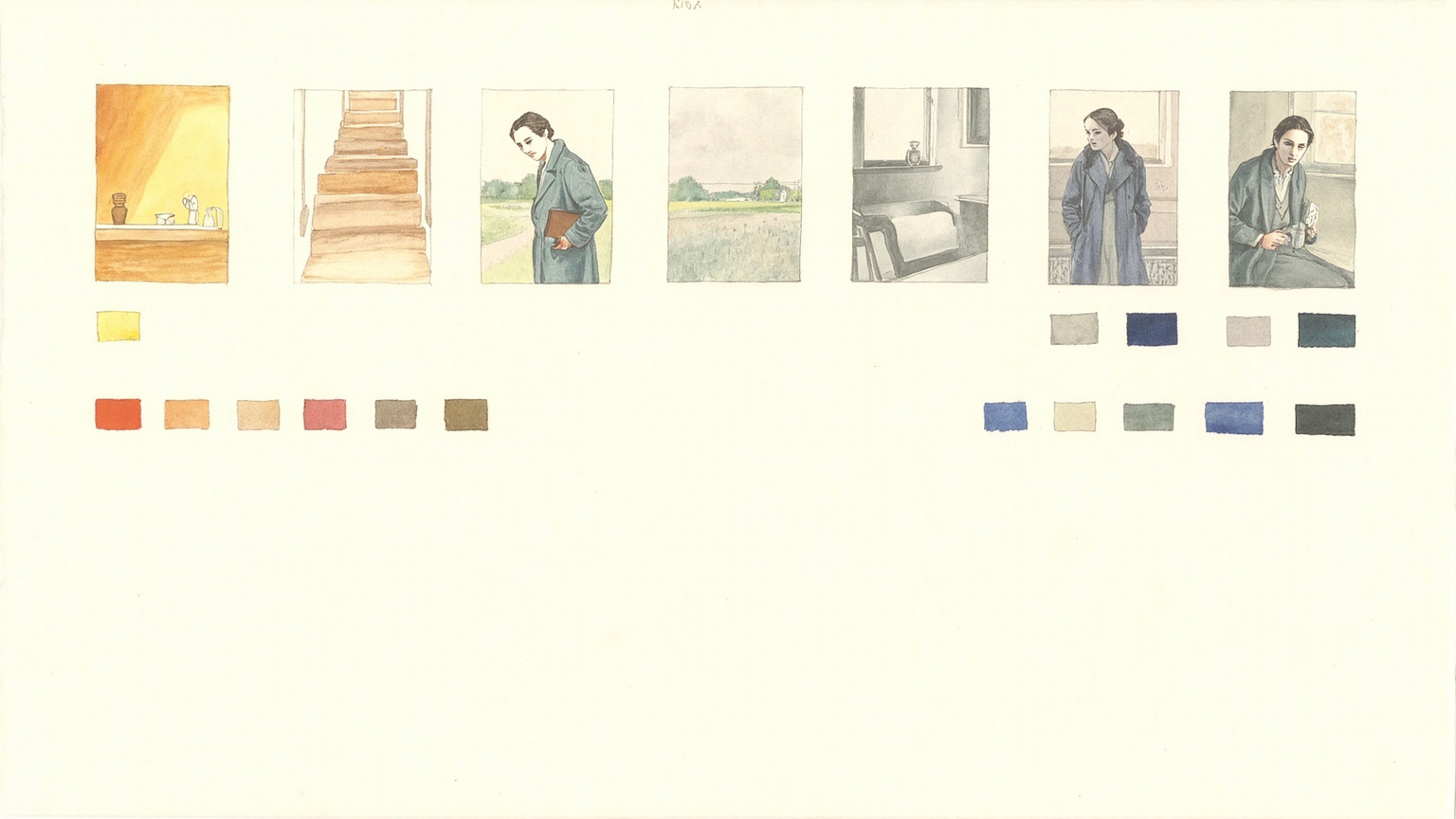
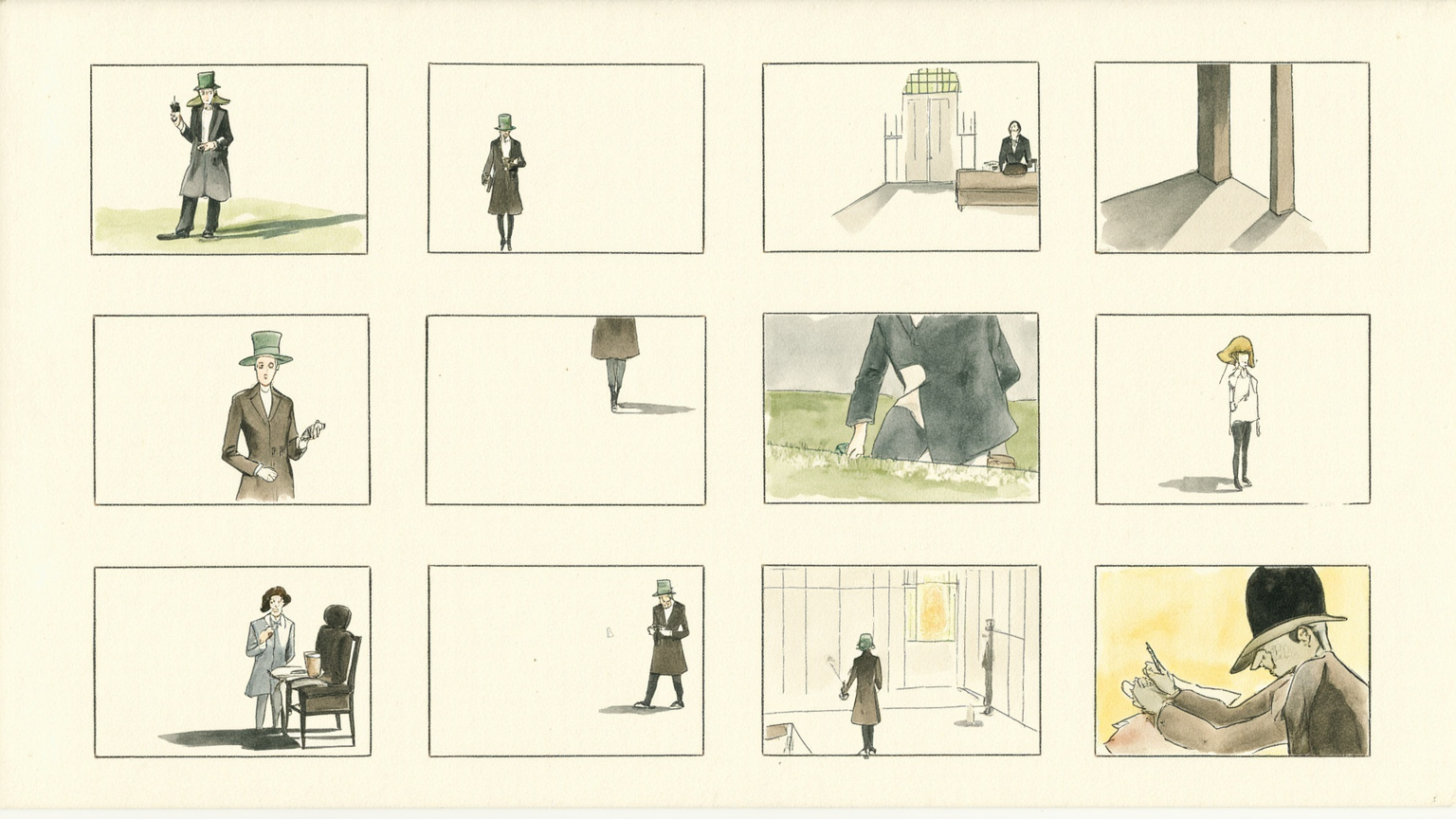
Art Direction4 plates
Before the guide was written, this book got a visual foundation — every illustration you just read grew out of it.