An American Tragedy · Companion GuideStories · Issue 00
An American Tragedy in 10 Minutes — A Poor Boy Eaten by His Own Dream
Dreiser's scalpel: the murderer is not the boy but the pyramid society promised him
Text and illustrations produced by the pipeline
ImaReadFolio 02 — 07
Opening: The Oar on the Lake
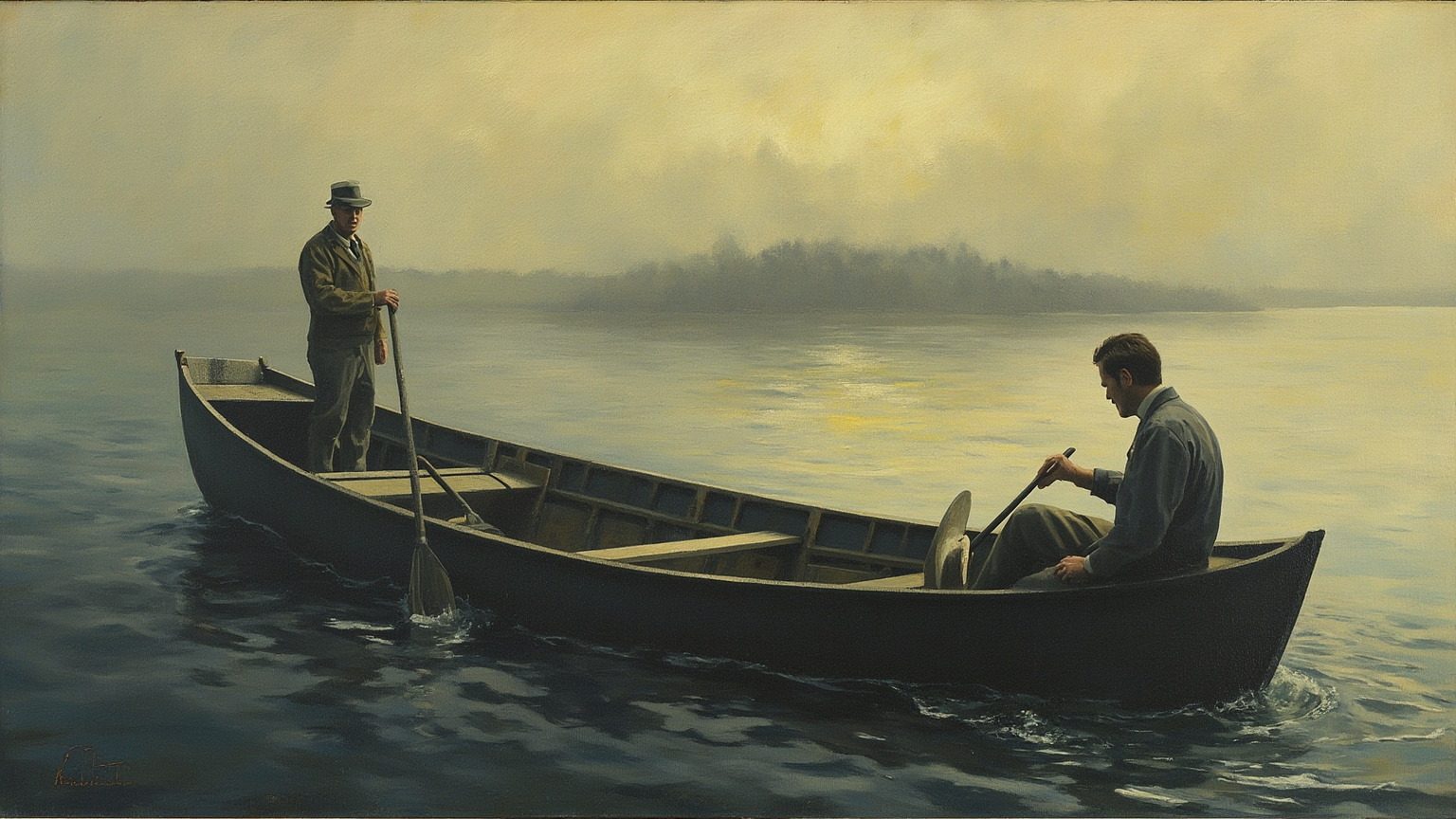
A rented rowboat crosses toward a deserted little island on a lake in upstate New York. In the stern sits a poor young man barely into his twenties, the oar dipping into the water stroke after stroke. The girl across from him, his lover from the factory floor, has no idea she is the destination of this trip. The oar goes into the water. She goes into the water. Only once she has stopped struggling does he row back to shore and start calling for help.
This is the central scene of Dreiser's An American Tragedy. It is not there to shock you. It is an argument. What put this poor young man in that boat was not his own heart. It was the whole set of promises Gilded Age America made about success.
What This Book Is
An American Tragedy is Theodore Dreiser's novel, published in 1925 in two volumes and revised into a single edition in 1926. It grew out of a real drowning in Herkimer County, New York, in 1906: a poor young man named Chester Gillette drowned Grace Brown, a factory girl he had gotten pregnant. Dreiser spent ten years turning that local news story into a diagnosis of American society itself.
It is widely regarded as the high-water mark of American literary naturalism in the twentieth century. Naturalism treats a person as the product of desire, social pressure, physical impulse, and chance acting together, with no noble hero, only an ordinary person getting ground down. This novel pushes that idea as far as it goes. It reached Chinese readers early: Shanghai already had several translations by the 1930s, and it shaped generations of readers here.
Characters and World
The protagonist, Clyde Griffiths, grows up in a street-preaching family in Kansas City. His father, Asa, hauls a portable organ to the corner to preach; his mother keeps the household fed. As a teenager Clyde works odd jobs at a cheap hotel, then flees town after witnessing a car accident. His uncle, Samuel Griffiths, later takes him in and puts him to work as a floor hand in the collar factory in Lycurgus, a small city in upstate New York, all cold overhead lights, conveyor belts, and rows of women at their stations.
ImaRead2
ImaReadFolio 03 — 07
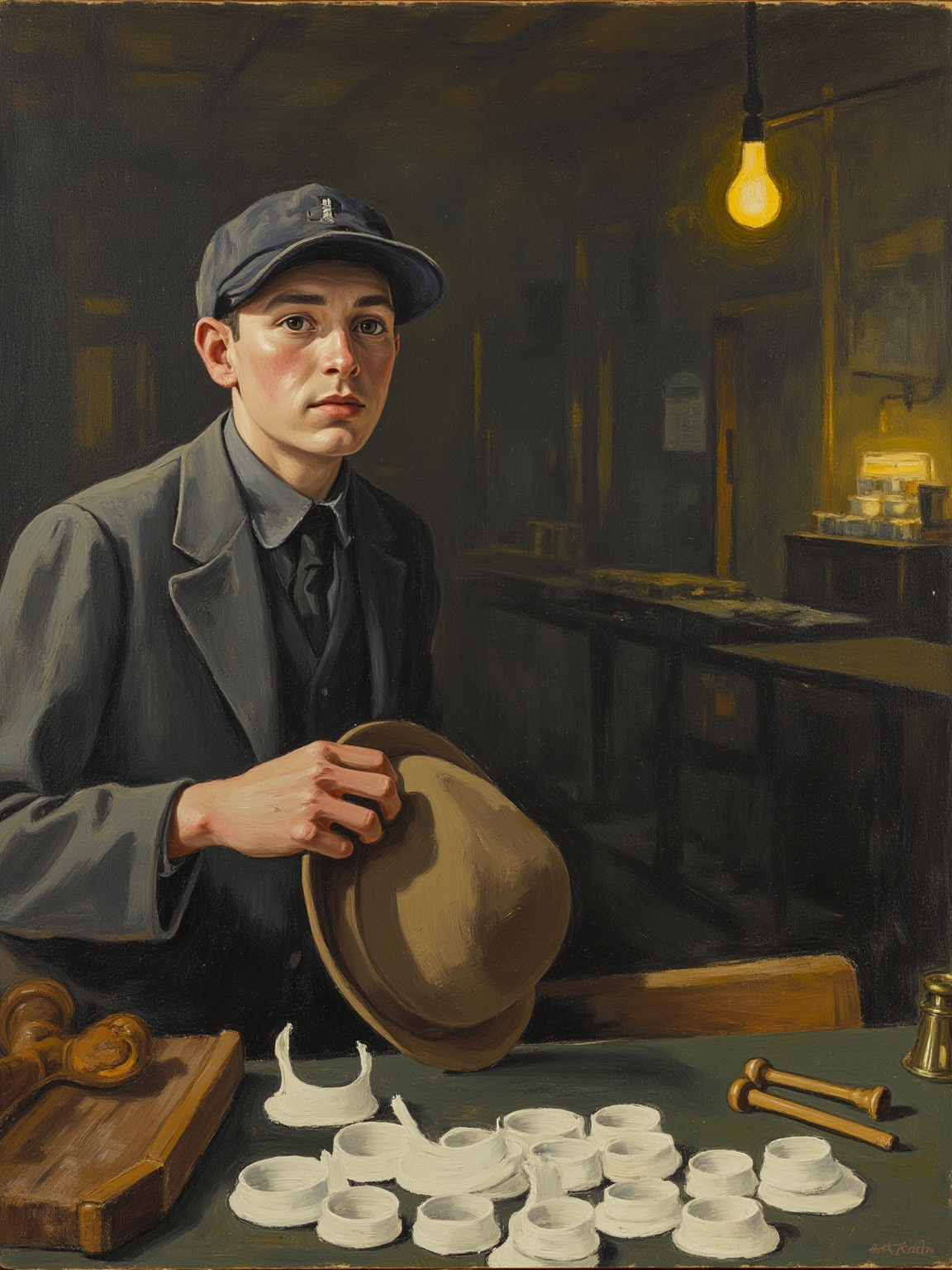
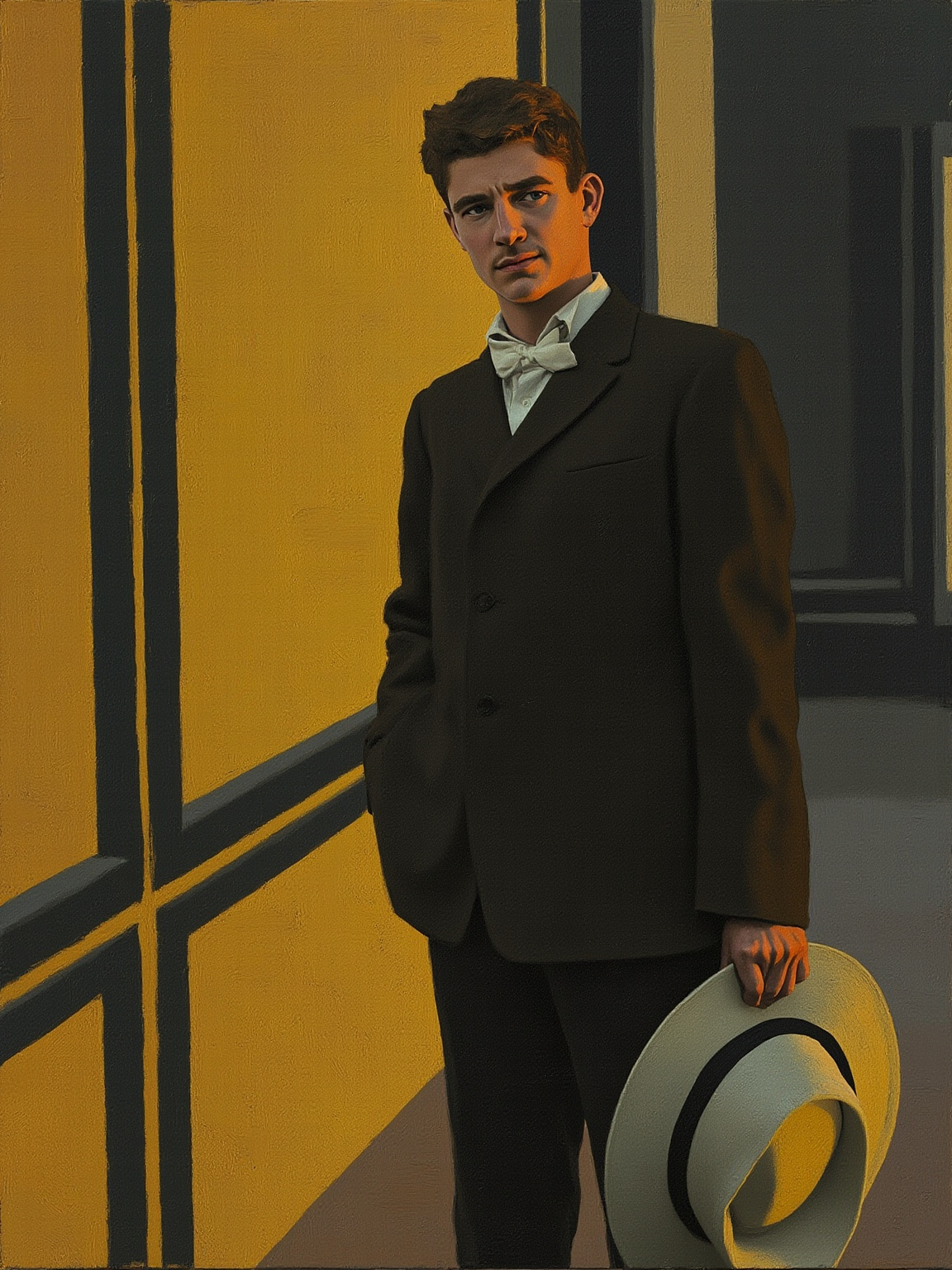
Uncle Samuel owns the Lycurgus collar factory, a hard, self-satisfied businessman. His cousin Bella Griffiths brings Clyde into the family parlor and on to the parties at the Finchley house, where the wealthy set gathers. There he meets Sondra Finchley, blonde, alluring, and devoted to the party circuit, and for the first time society's highest promise of success has a face.
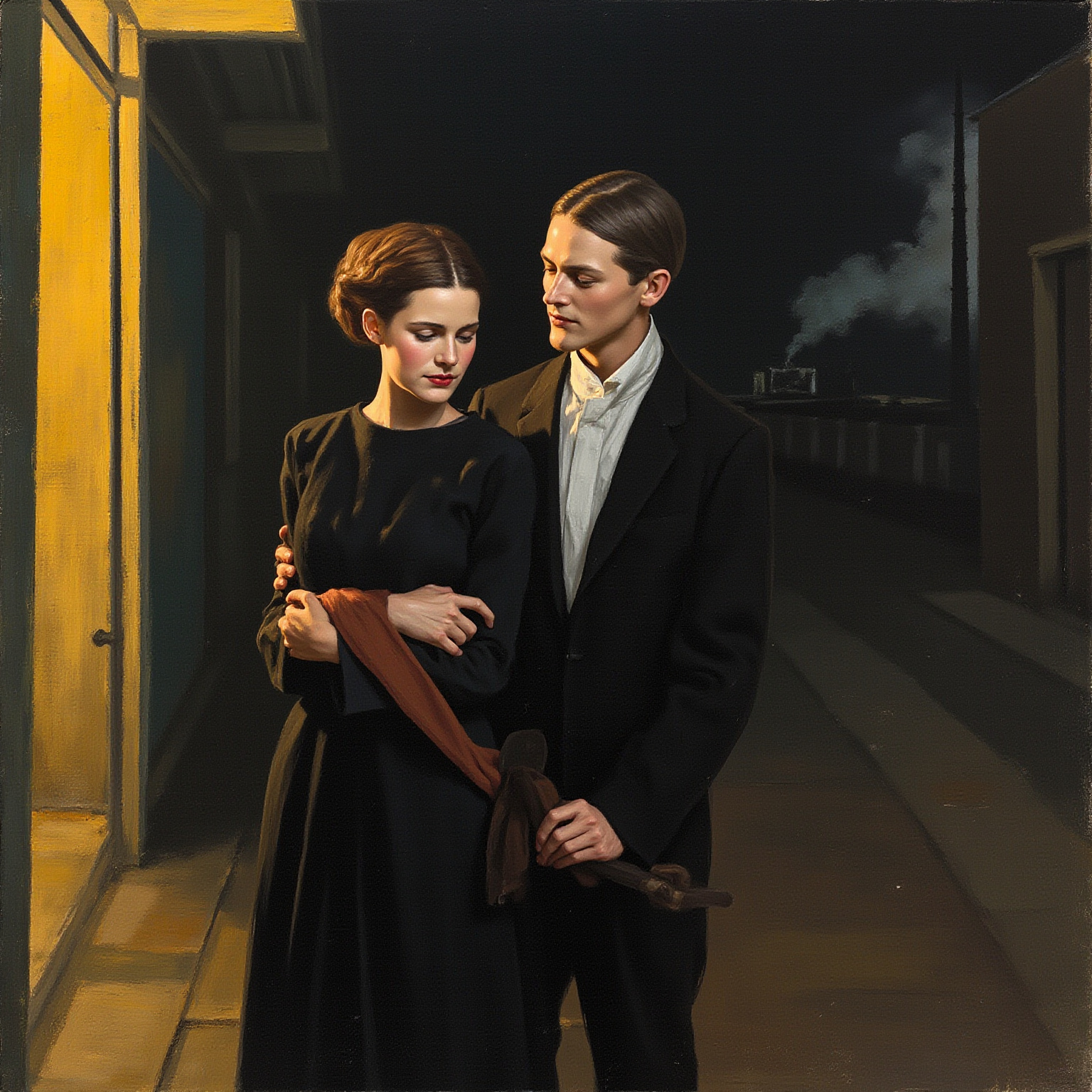
Roberta Alden is a factory girl, a farmer's daughter from the country, devout and kind. She is the only person Clyde ever truly loves, and the one this tragedy grinds down most completely. District Attorney Orville Mason, an ambitious local politician who turns a murder case into campaign capital, runs the machine that takes over in the trial of Book Three.
ImaReadFolio 04 — 07
ImaReadFolio 05 — 07
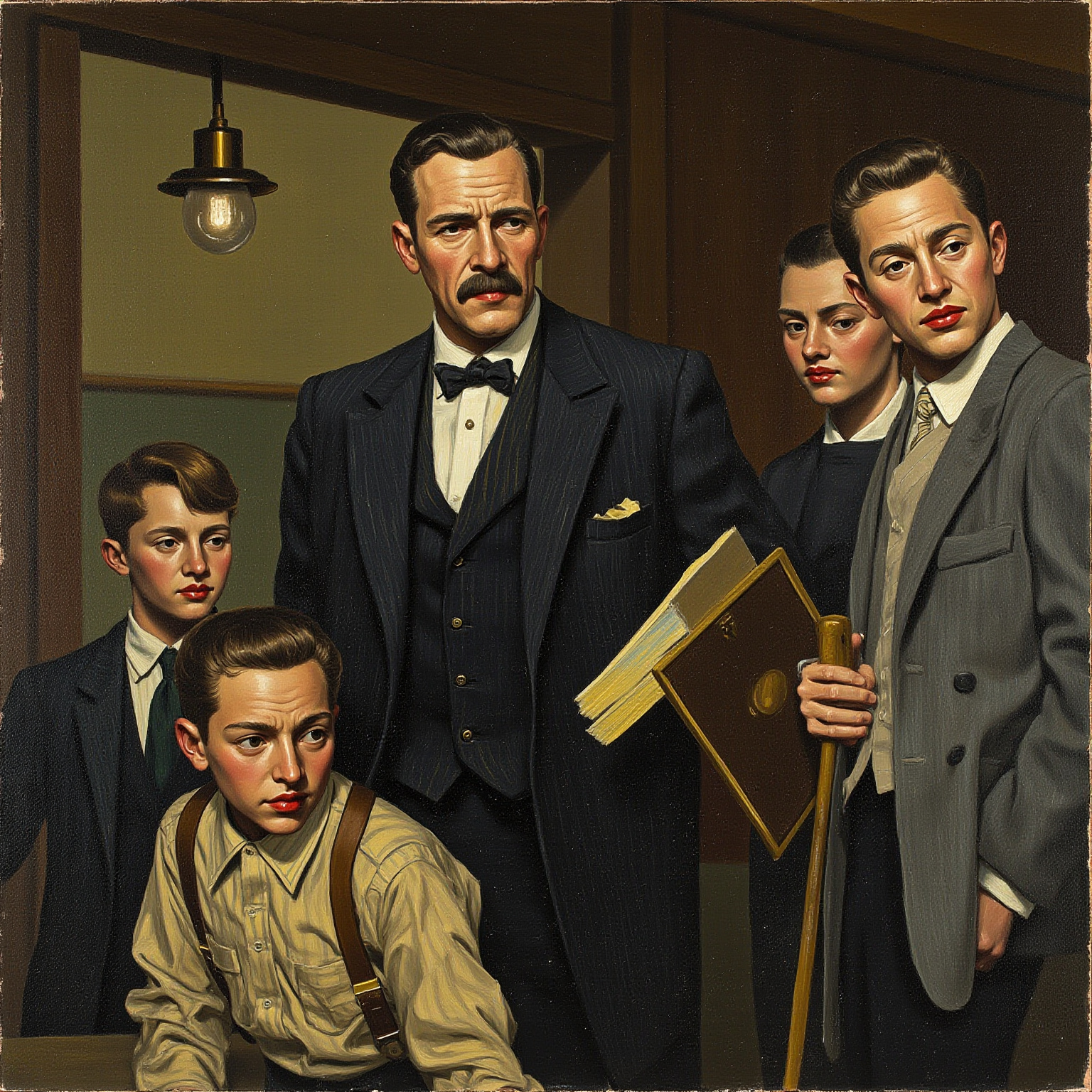
ImaReadFolio 06 — 07
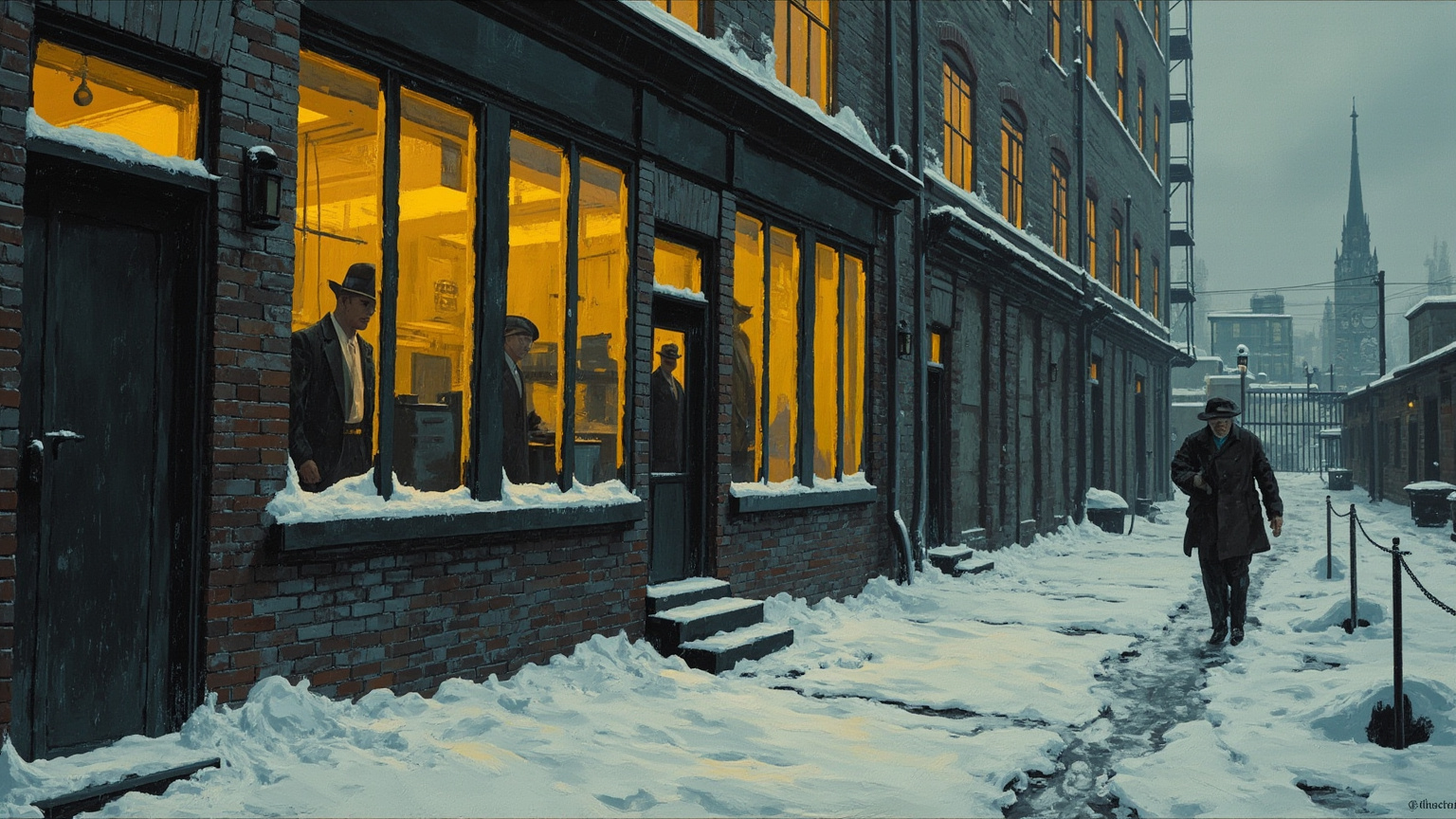
Clyde is convicted and sentenced to death. Dreiser spends no ink inside the prison: no cell, no exhibits, no apparatus. He gives us only the outcome: the poor boy dies, at the foot of the pyramid he was promised he could climb.
In his cell he arrives at something like self-knowledge, but it comes too late to matter. Most readers flip back to page one here, trying to work out how that sensitive boy running errands on the streets of Kansas City ended up in this cell.
ImaReadFolio 07 — 07
A companion guide gives you the map. The novel is the ground. What this book actually withholds comes down to three things a summary cannot give you: Dreiser's near-clumsy, unadorned way of dissecting a scene, writing slowly, at length, in a way that makes you want to skip ahead, and it is exactly that clumsiness that makes the social pressure of the era feel real; the smell of the moment the cold overhead light hits the factory floor; and the chill of recognition you get flipping back to page one once you have finished, a physical reaction that only comes from having stood inside the whole book, and no summary can hand you that.
There is a moment like this in the text: Clyde walks into his uncle's parlor for the first time, the fire in the grate burning down to white, and he stares into the gilt-framed mirror on the wall and sees, at the cuff of his borrowed suit, a wrist rougher than any hand in the room. In that instant he understands he does not belong here, and just as clearly, that he can never go back to the factory floor either. Dreiser takes this scene slow and light, two full pages, without a single line spelling it out, carried entirely by that wrist swaying in the mirror. You have to reach that page yourself to understand why this book's blade goes all the way to the bone.
ImaRead7
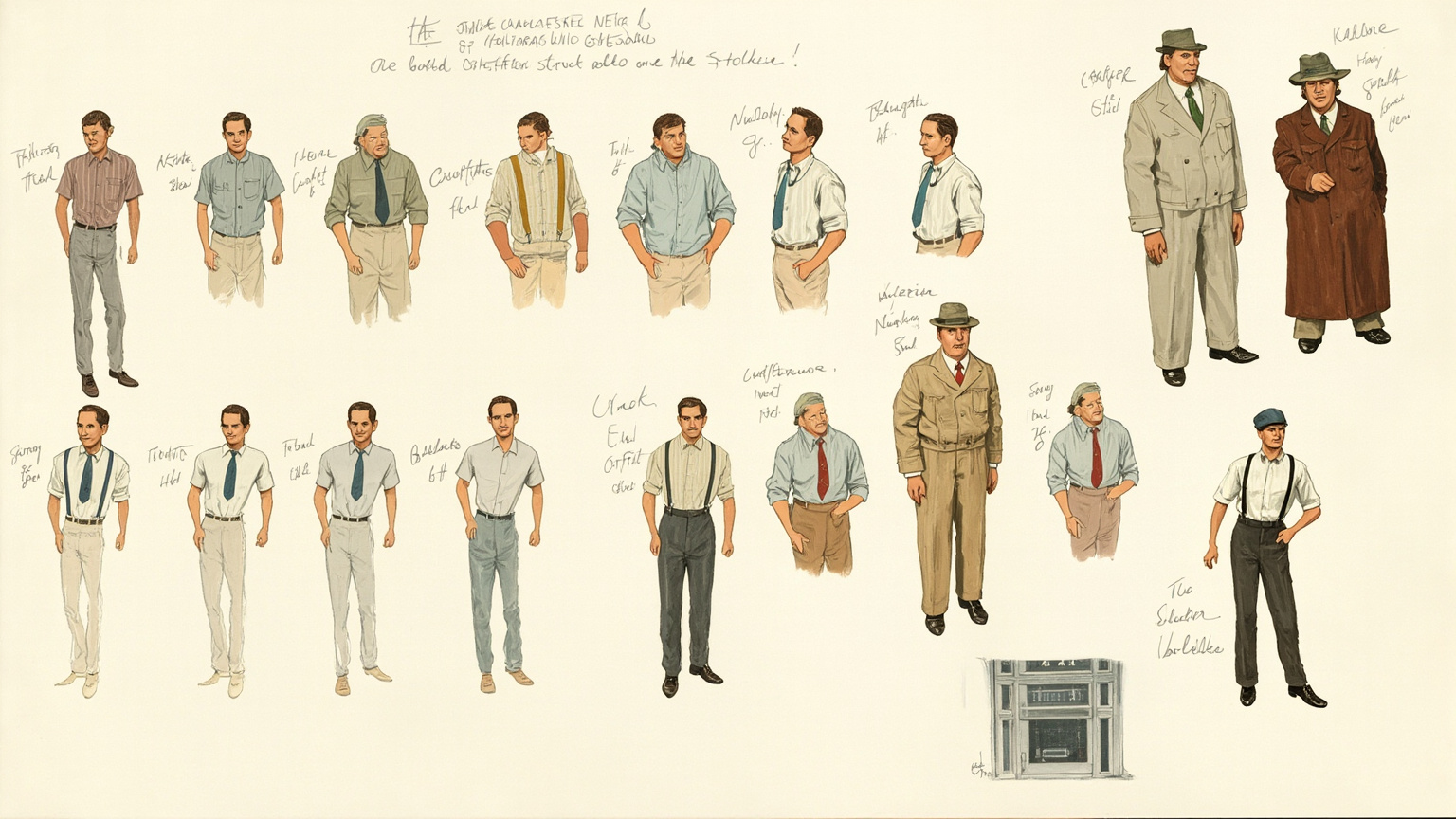
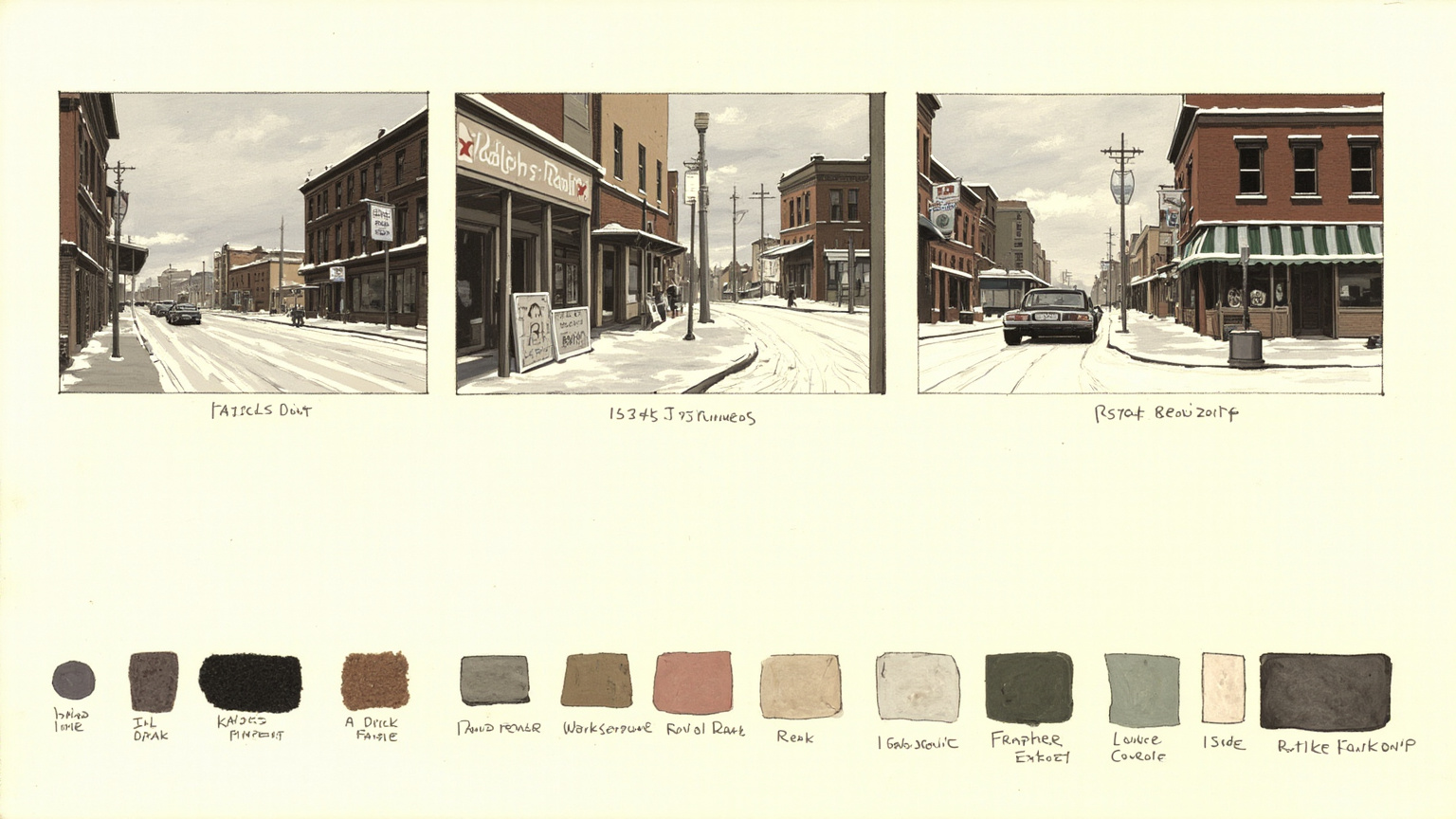
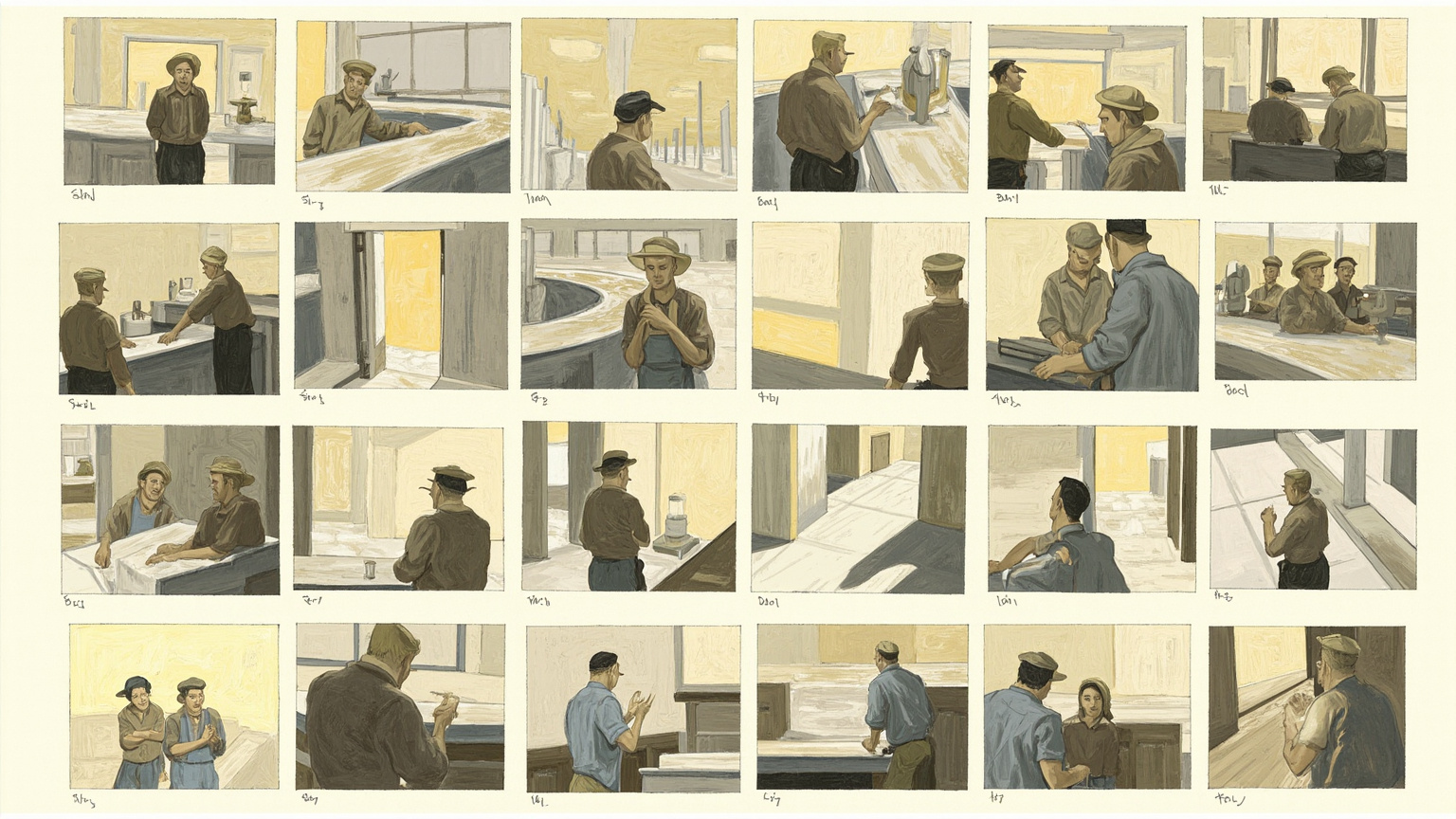
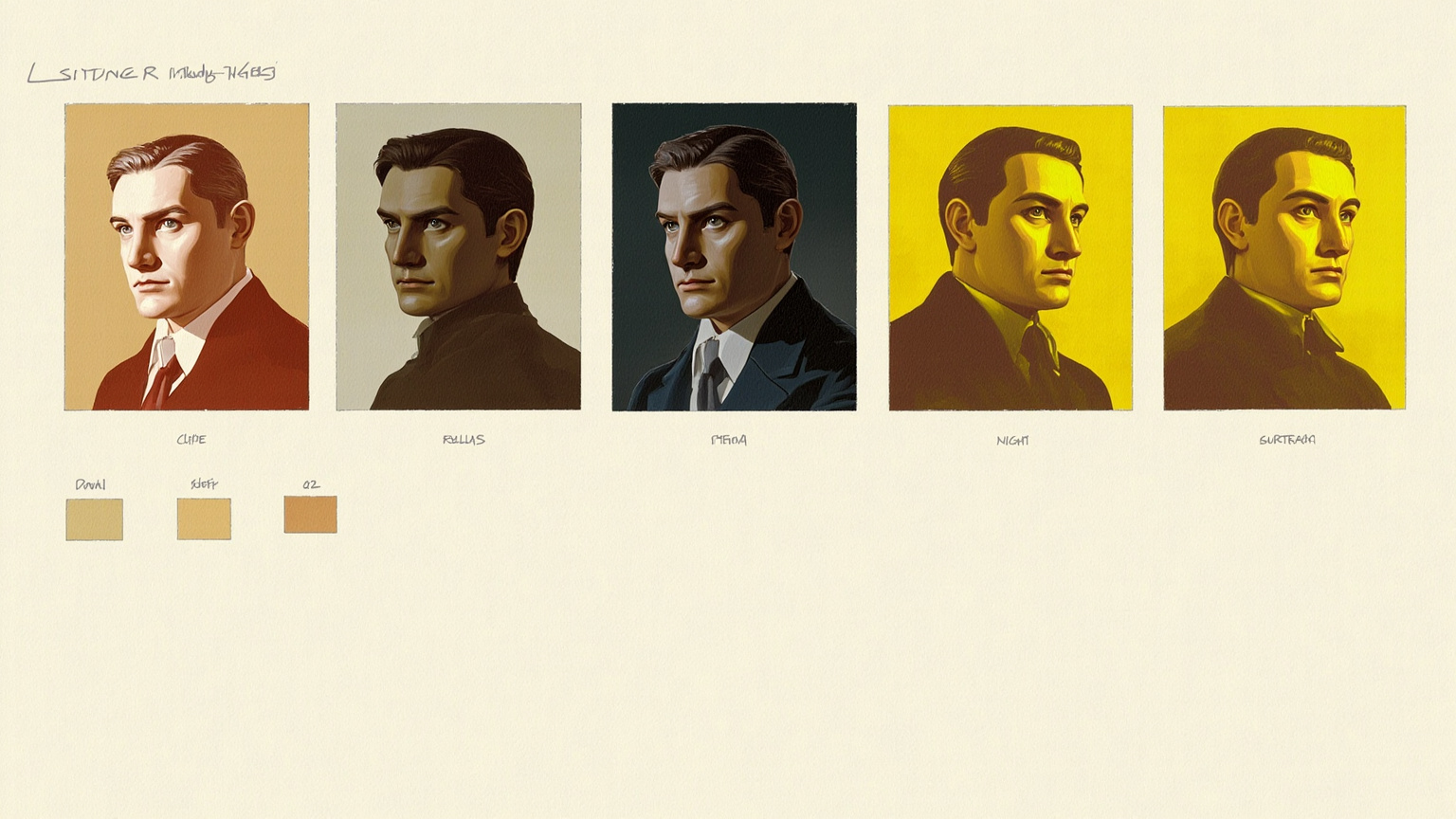
Art Direction4 plates
Before the guide was written, this book got a visual foundation — every illustration you just read grew out of it.