Black Elk Speaks · Companion Guide
黑麋鹿如是说
一个拉科塔长者把童年异象讲成部族遗嘱——土地被夺、亲族离散,他仍替后人守住那条看不见的精神纽带。
Opening: a vision that follows him from childhood into old age
A pipe lies before Black Elk. The smoke rises, the drums stop, and he still remembers the visions that came to him again and again as a boy: his people, the land, a sacred power demanding he carry out a mission. The vision gave him no safe path. It pushed a child straight into his tribe's deepest suffering.
This book follows how he took up that charge. The story moves through a boyhood on the Great Plains, through the Black Hills, the buffalo, and Lakota camps, and through the loss of land, the scattering of the tribe, and the wound left by Wounded Knee. It is not a book that runs on grief alone. Black Elk keeps asking the same question: why was I chosen, and what can I do for my people?
What kind of book this is: one man's memory speaking for a history
Black Elk Speaks was told by the Lakota elder Nicholas Black Elk and set down in English by John G. Neihardt, published in 1932. It carries the weight of oral autobiography, tribal memory, and spiritual quest at once, so that it reads both as one man looking back on his life and as a suppressed people reclaiming the right to tell its own story.
What sets it apart is that Black Elk is never held at a distance as a figure to be observed. He is afraid, he is confused, he feels the pull between his calling and the world as it actually is. Dreams, buffalo, the Black Hills, and ceremony together make up his spiritual map, and it is this view from the inside that has kept the book alive.
People and world: the land is not a backdrop, it is the root of every relationship
Black Elk is both narrator and subject: a Lakota elder and holy man who was also, at different times, a warrior, a healer, a participant in ceremony, and a witness to his people's history. As a boy he saw visions of his people, the land, and a sacred power, again and again, and these experiences later led him into healing, prayer, and religious life. His family and the elders of the tribe were the first school where he learned to read the world.
The story unfolds on the Great Plains in the late nineteenth and early twentieth centuries, centered on the Black Hills of what is now South Dakota. The Plains are not empty land waiting to be conquered. The buffalo, the grasslands, the camps, the natural world itself all carry spiritual meaning. For the Lakota, leaving the land their people had lived on for generations meant losing more than shelter and food. It meant losing the world their culture and their faith had grown out of.
Neihardt matters too, but his role needs to be stated plainly. He did not speak for Black Elk in a handful of borrowed phrases. He took an oral account from another language and another way of life and shaped it into a text English readers could reach. That transcription let the story travel further, and it leaves behind a question worth sitting with: what happens to a traditional voice when it passes through English publishing to reach the world.
How the story moves: from a child who sees the world to an elder who guards the story
As a boy, Black Elk does not understand why those images keep returning. They pull at his people, the land, and a power beyond himself, and they plant fear in his body. The dreams are never cut off from daily life; the sacred world presses right up against family, prairie, and tribal life. The reader is not left outside looking in at a mysterious figure. Instead, we follow a child slowly learning to make sense of his own memory.
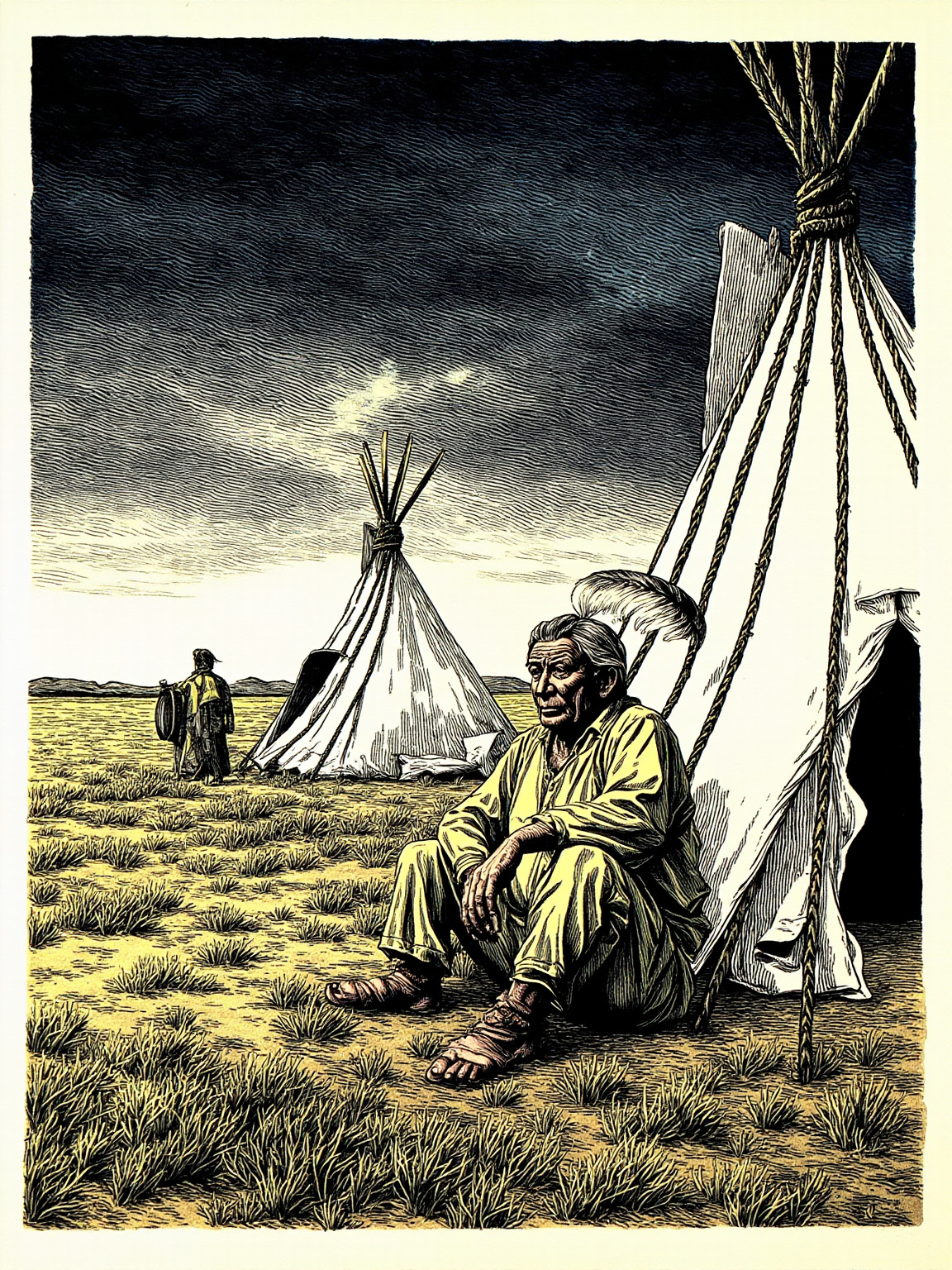
I was a child, and I did not know what the visions meant; yet I trembled, for they were great and many.
我那时还小,并不知道那些景象是什么意思;可它们又多又重,我只能发抖。
金句 · 第2章 · 童年的异象
Grown, he learns healing, prayer, and ceremony under the guidance of the elders. The sacred vision starts turning into concrete duty: he has to look after his people, and he has to keep hold of an invisible thread of faith even as it comes under pressure. The book never treats healing as a display of magic; the weight falls on learning, reverence, and responsibility. Black Elk does not become a hero all at once. He simply keeps showing up where duty asks him to.
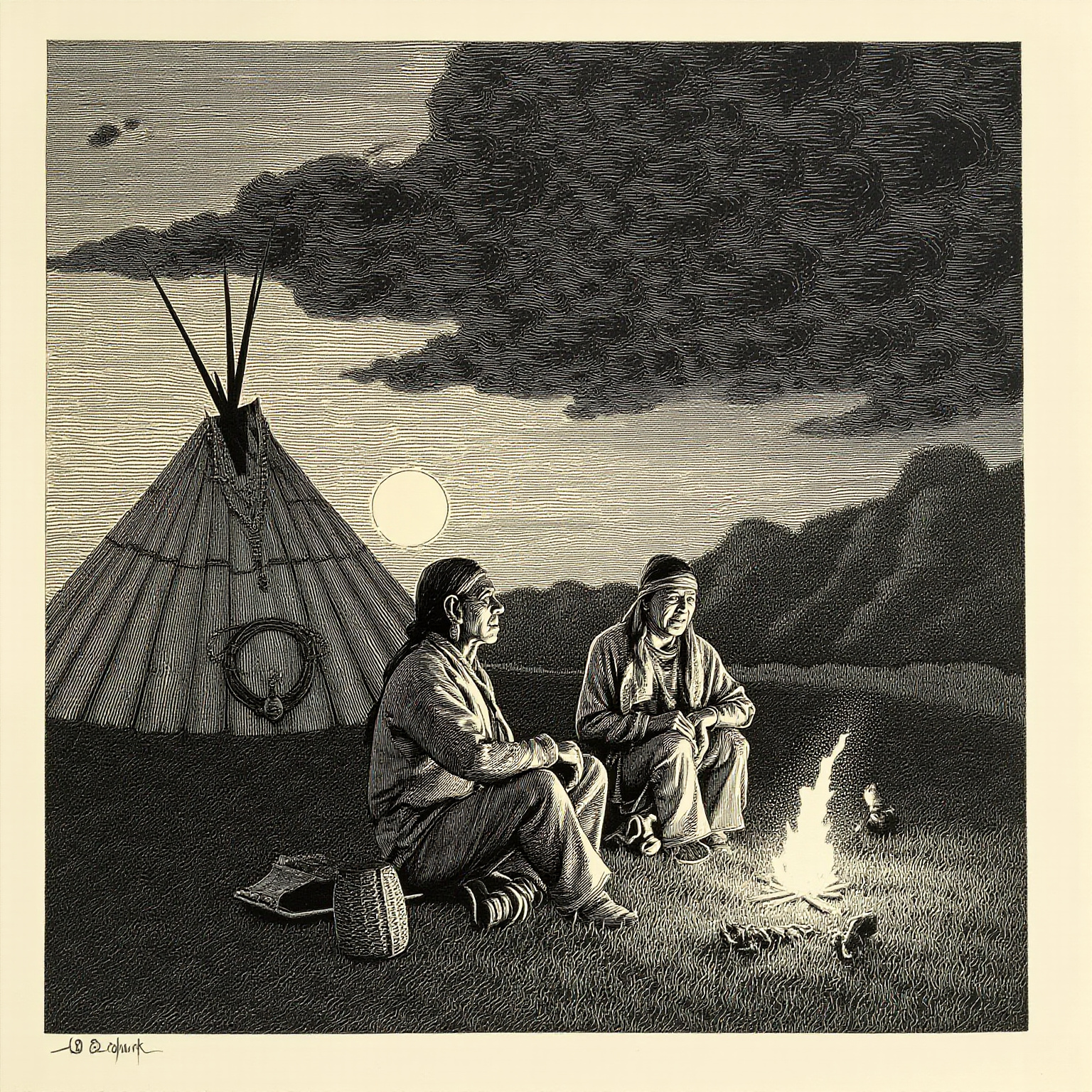
All my life I have been a man who walked the sacred road, even when the road was hard to see.
我这辈子走的都是那条神圣的路,纵使那路常被遮住。
金句 · 第6章 · 圣者的道路
On a Plains not yet cut off by colonial power, the buffalo, the Black Hills, and the Lakota camps together shape his inner world. They are not scenery on a checklist. Through them he learns how life is ordered. Black Elk stands among them, listening for how the land connects to his people's memory.
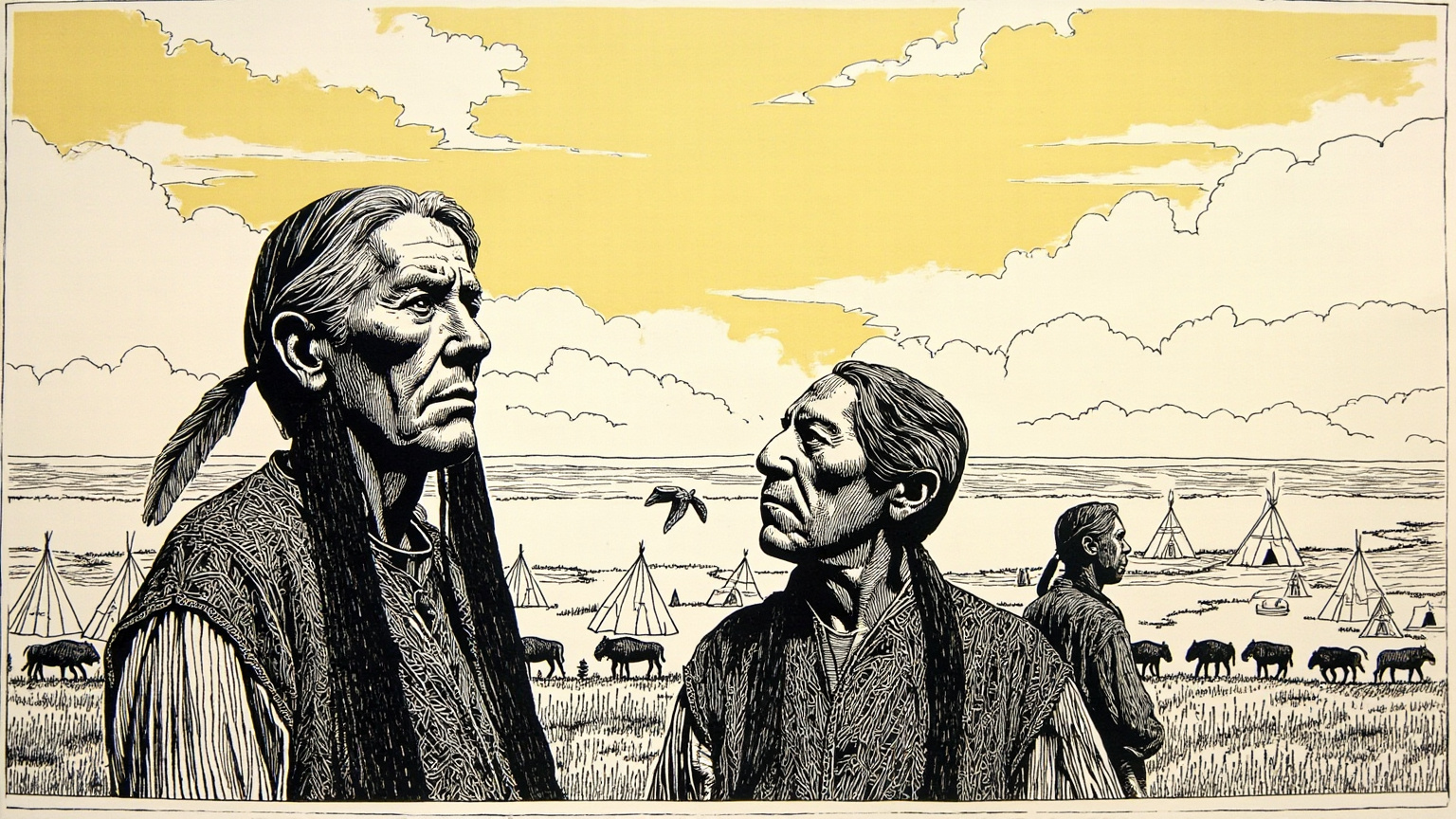
The Black Hills were not scenery to us; they were the center of the world, and the center of being.
黑山对我们从来不是风景;那是世界的肚脐,也是生命扎根的地方。
金句 · 第10章 · 大地之脐
American expansion, forced relocation, and assimilation policy close in, and the Lakota are driven from land their people had lived on for generations. Families are broken apart, camps can no longer stay put, and the order of life Black Elk had known is severed. The book compresses this large history into the small details of moving, leaving, and getting through a day, so that what the reader feels is not abstract oppression but the sense that once land is lost, even memory is forced to move house.
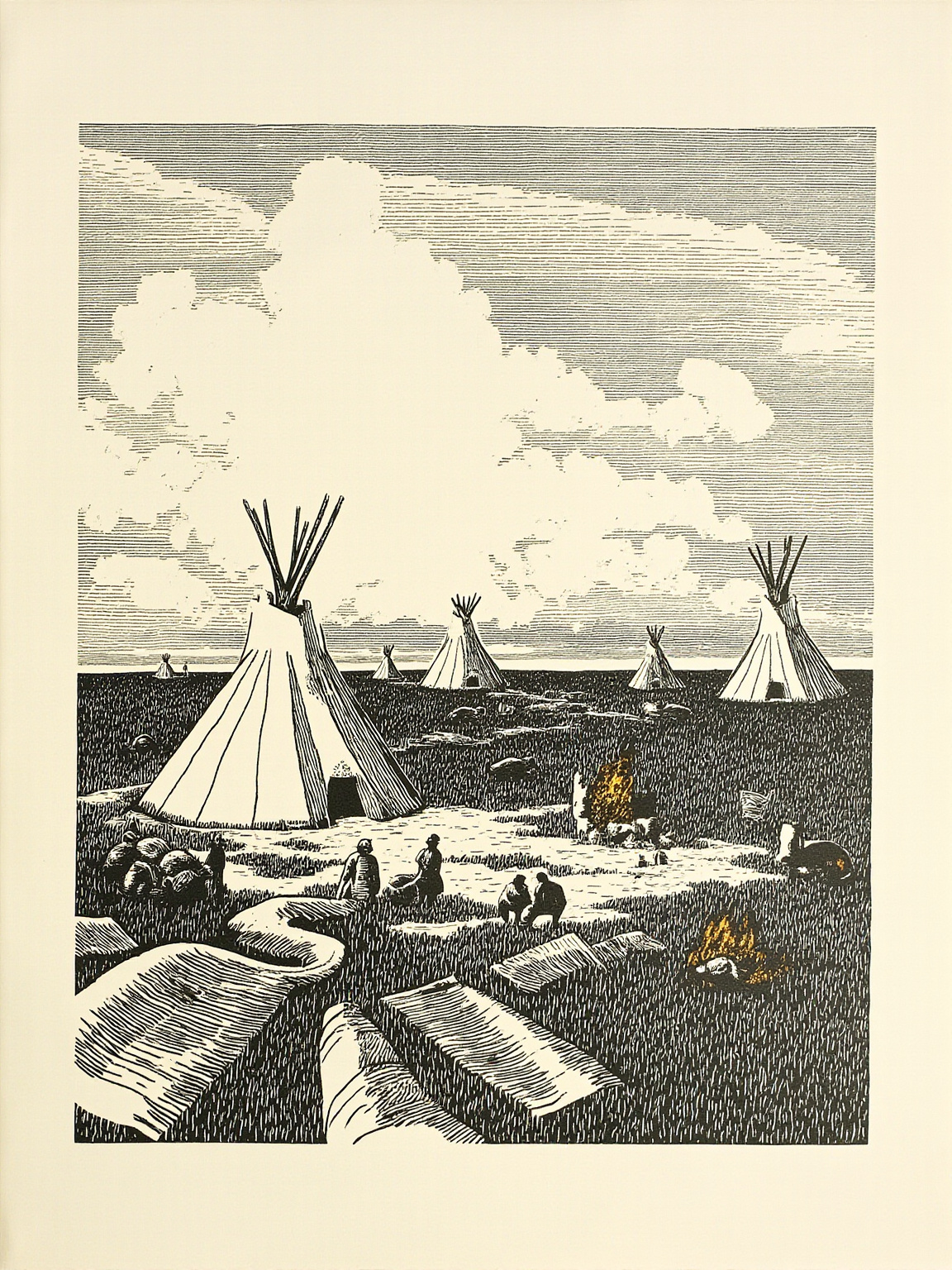
The people were once a nation, and the land was ours from the first light of day.
我们也曾是一个民族,从天地初开便拥有这片土地。
金句 · 第15章 · 离散之始
Wounded Knee becomes a wound the book cannot go around. It does not stage the violence as spectacle. Instead it lets Black Elk and his people carry the weight of loss, mourning, and simply continuing to live. The pace tightens here without warning. His own vision, the tribe's traditions, the land's memory, all show how fragile they are against one act of historical violence. The restraint in the writing is what makes the grief linger.
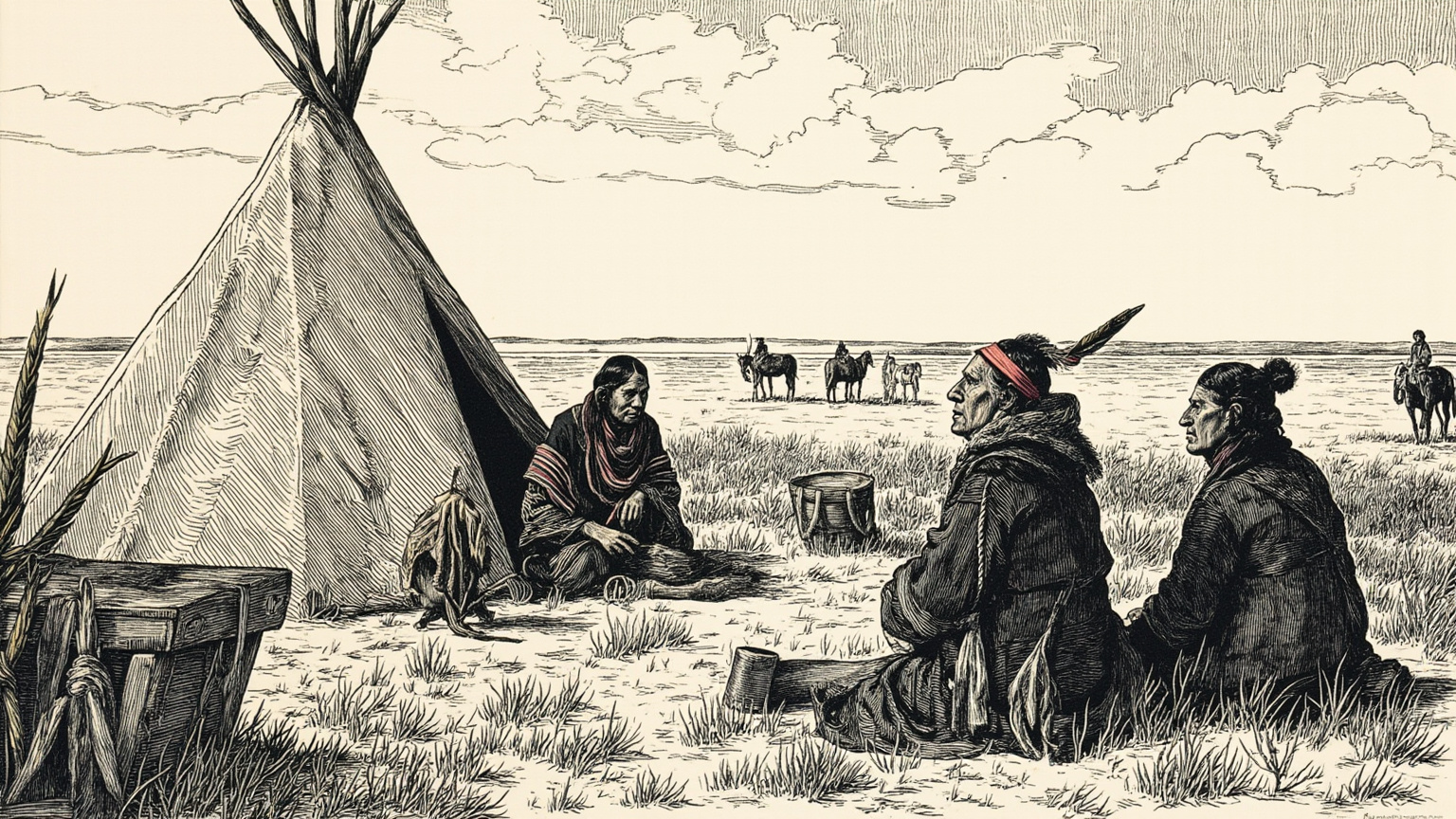
A people’s dream died there, and the dream is a thing that never dies.
一个民族的梦就在那里死去了——可梦是一种永不死去的东西。
金句 · 第24章 · 伤膝之后
After the scattering, Black Elk goes on living as elder, holy man, and witness. He keeps telling the sacred story, keeps his people's memory, and hands hope on to the next generation. The book offers no easy victory, because tradition cannot go back to the land it came from and can only keep growing in memory and in the telling. What is hardest to sit still through, in his old age, is watching him translate the images that once appeared to him as a boy, sentence by sentence, into a story a child can understand. Keeping the story alive now means holding open a spiritual source the future can still return to.
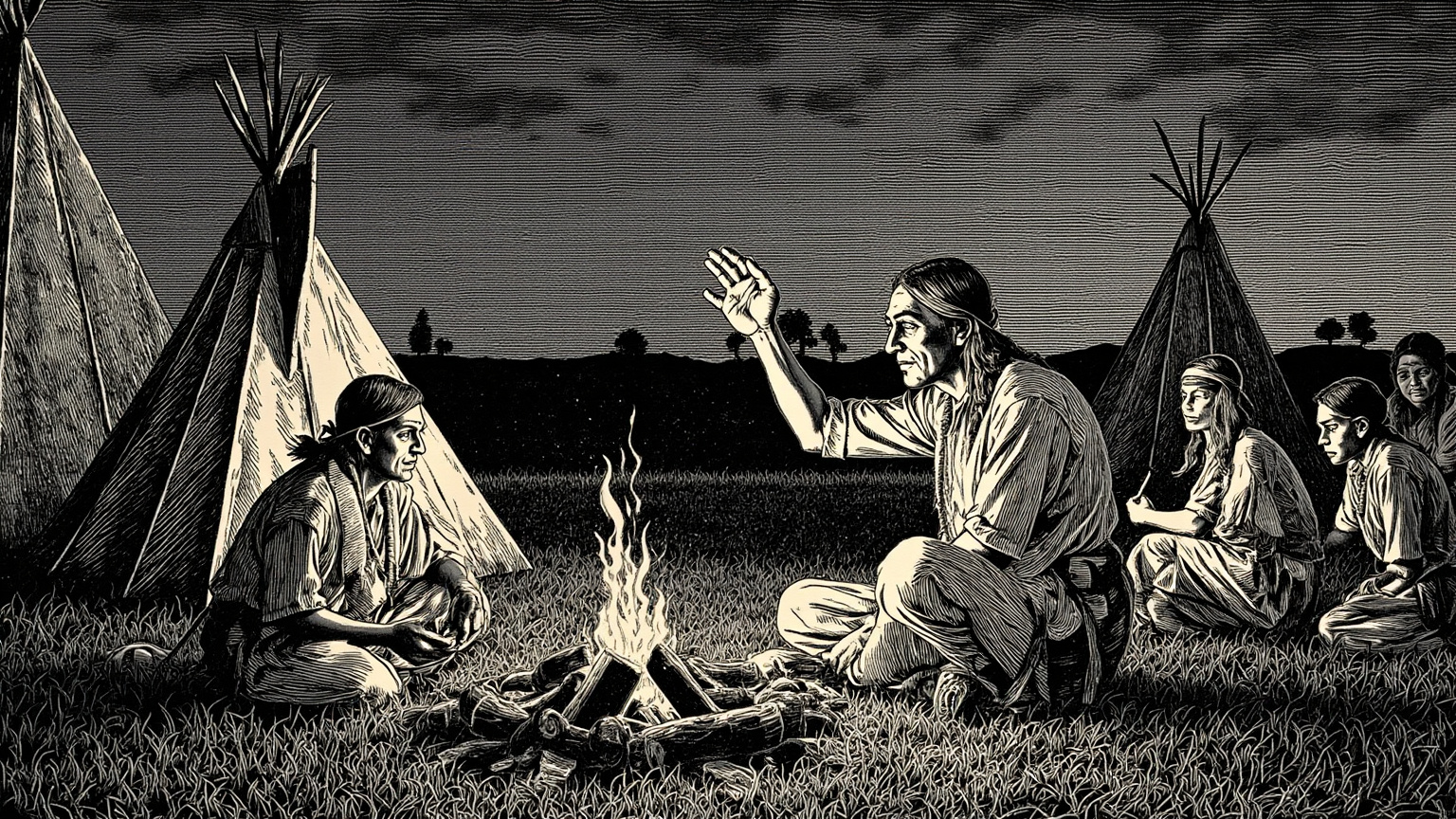
It is not the end, for the story is still being told, and the circle will go on.
故事还没有讲完,这个圆会一直转下去。
金句 · 第26章 · 圆圈未闭
At the level of oral testimony and English transcription, Black Elk's voice enters a wider world of publishing. Neihardt shaped the Lakota experience Black Elk narrated into an English text, and only through that shaping can readers hear this witness spanning family, tribe, and history. Two things need to be held at once: this is Black Elk's own life, and it is also a public text that has passed through recording, editing, and circulation.
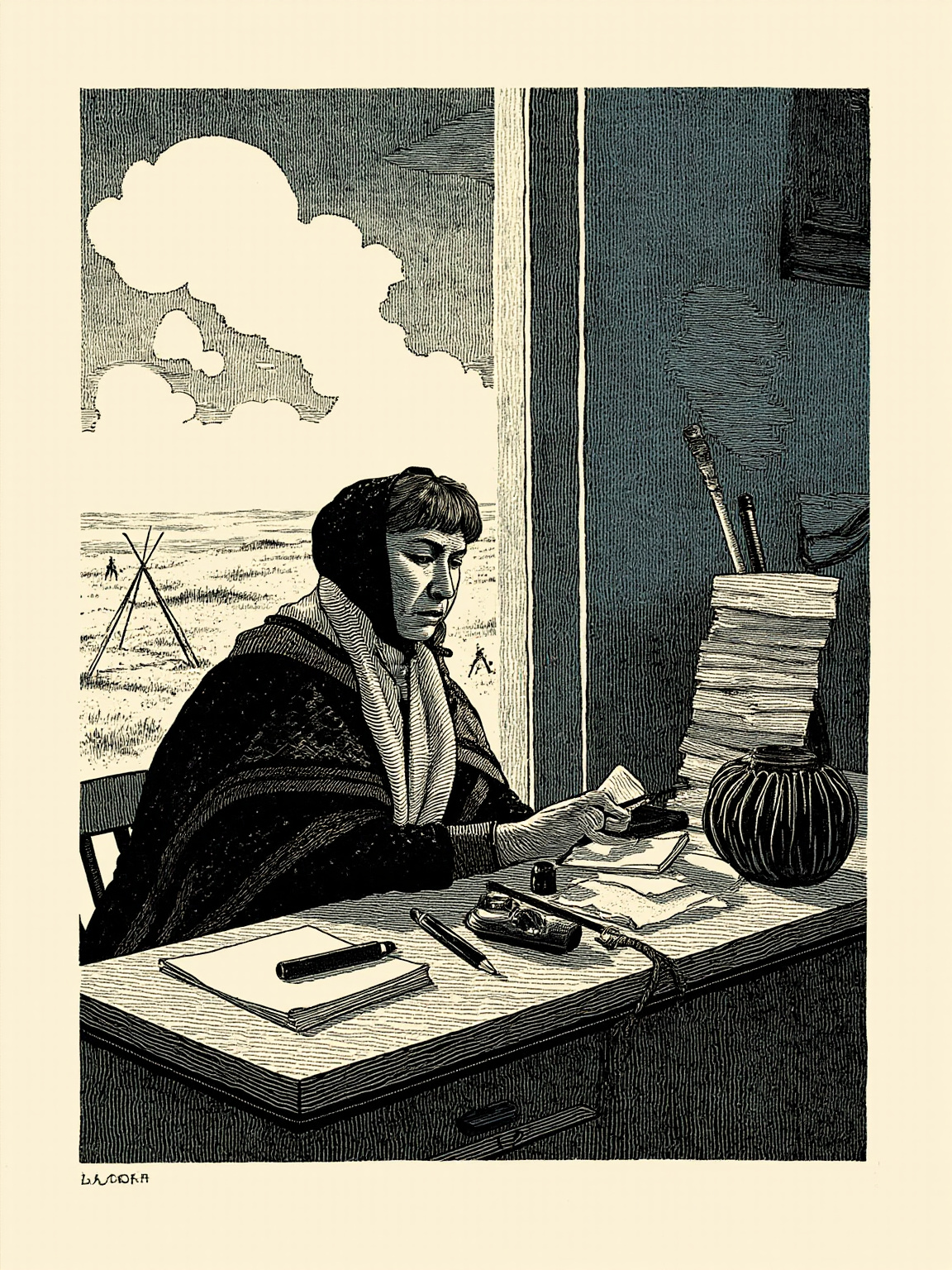
He takes the images that once appeared to the boy he was and translates them, sentence by sentence, into a story a child can follow, keeping open a source the future can still return to.
Theme and craft: history written into one man's spiritual journey
The book takes up spiritual searching without placing the answer somewhere out of reach. Black Elk keeps asking how his vision, his people's suffering, and his own duty connect, trying to walk the path he was given through a chaotic age. The vision carries real weight. It is his answer to his people, the land, and a sacred power, and it demands action from him, along with failure and uncertainty.
Memory, mourning, and survival run through the book as another thread. Personal recollection here preserves history, but remembering is not the same as replaying the violence. Through Black Elk's telling, readers see how trauma gets spoken, carried, and passed to the next generation. Oral tradition here is how a culture keeps breathing, not simply where its facts are kept.
For readers today, the thing most worth carrying back into ordinary life is this: cultural memory cannot survive on ideas alone. It needs people, stories, ceremony, and a living relationship with the land. Black Elk's dignity and quiet keep the book out of the trap of turning a foreign holy man into a spectacle. What it gives us instead is a whole life, one with fear, confusion, duty, and hope all in it.
Read the book itself: beyond the map, there is the feel of the wind
A guide can give you the route, but it cannot replace the prairie, the Black Hills, the smoke, and the silence in the book itself. Reading Black Elk's own words, you meet a particular physical sense of presence. He does not stand at a distance summarizing history. He walks back through the camps and the open land inside his own memory. Only by reading on can you feel how a voice stays restrained beside a wound, and how it slowly turns one man's fear into responsibility for his people.
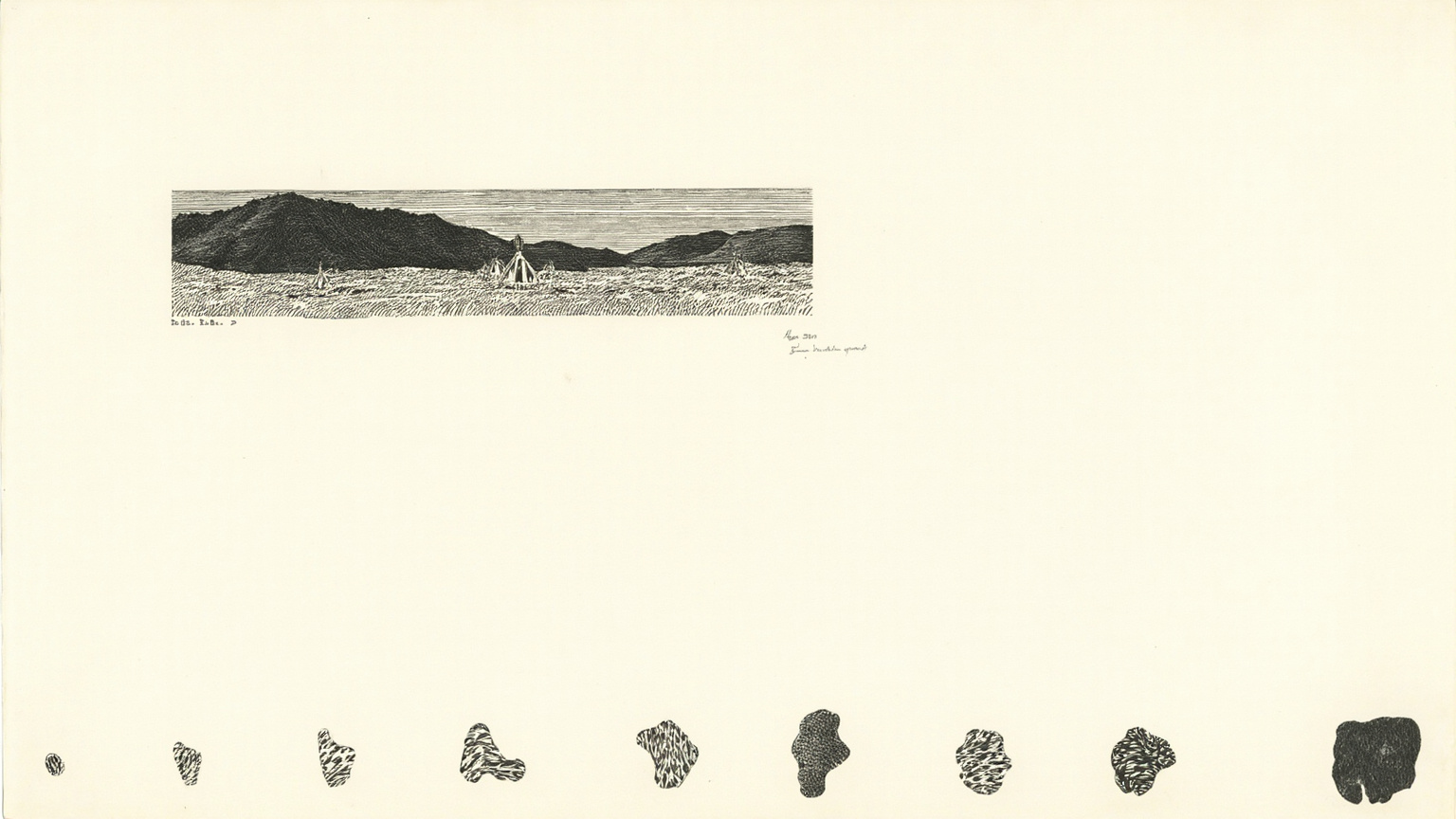
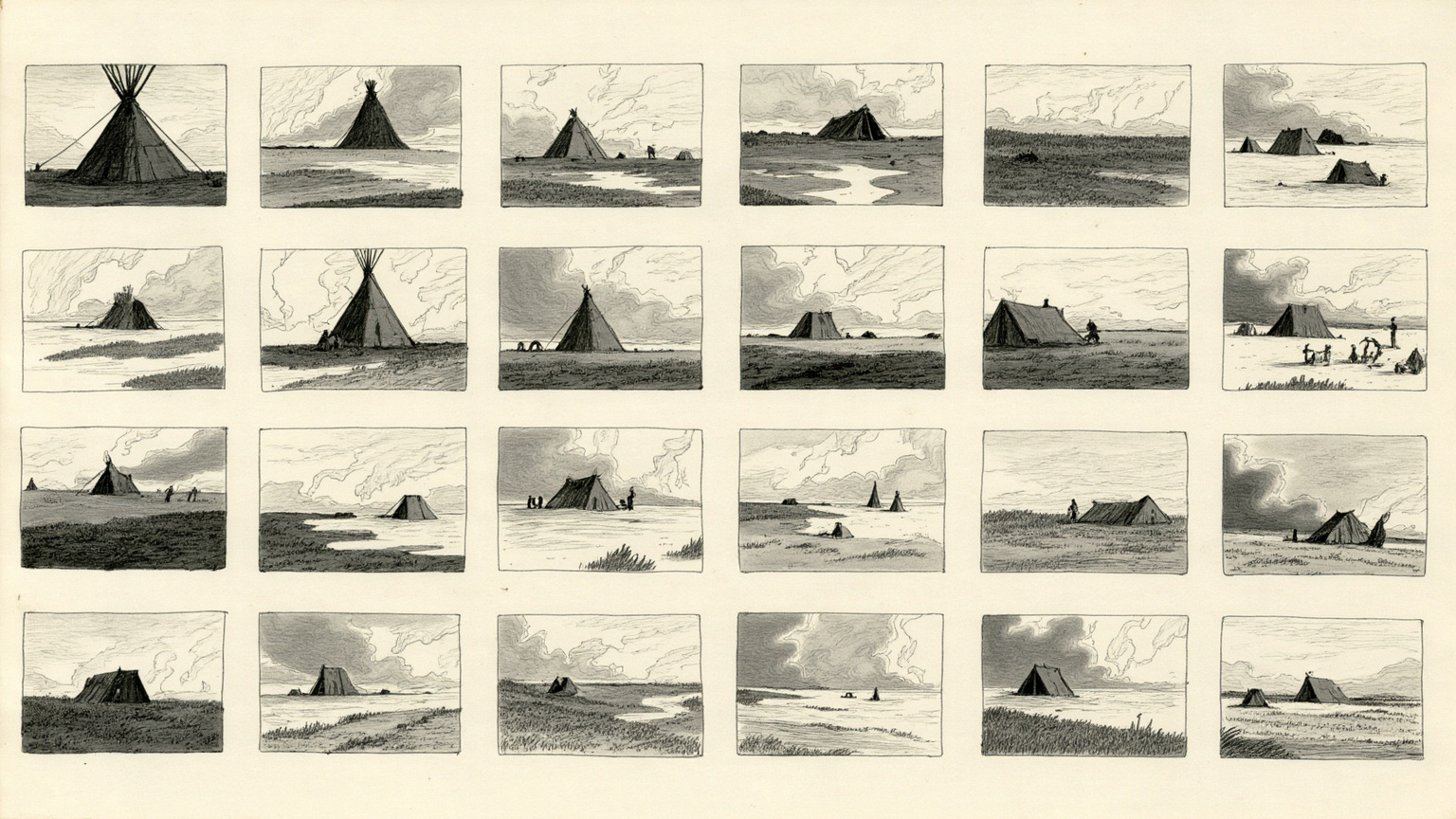
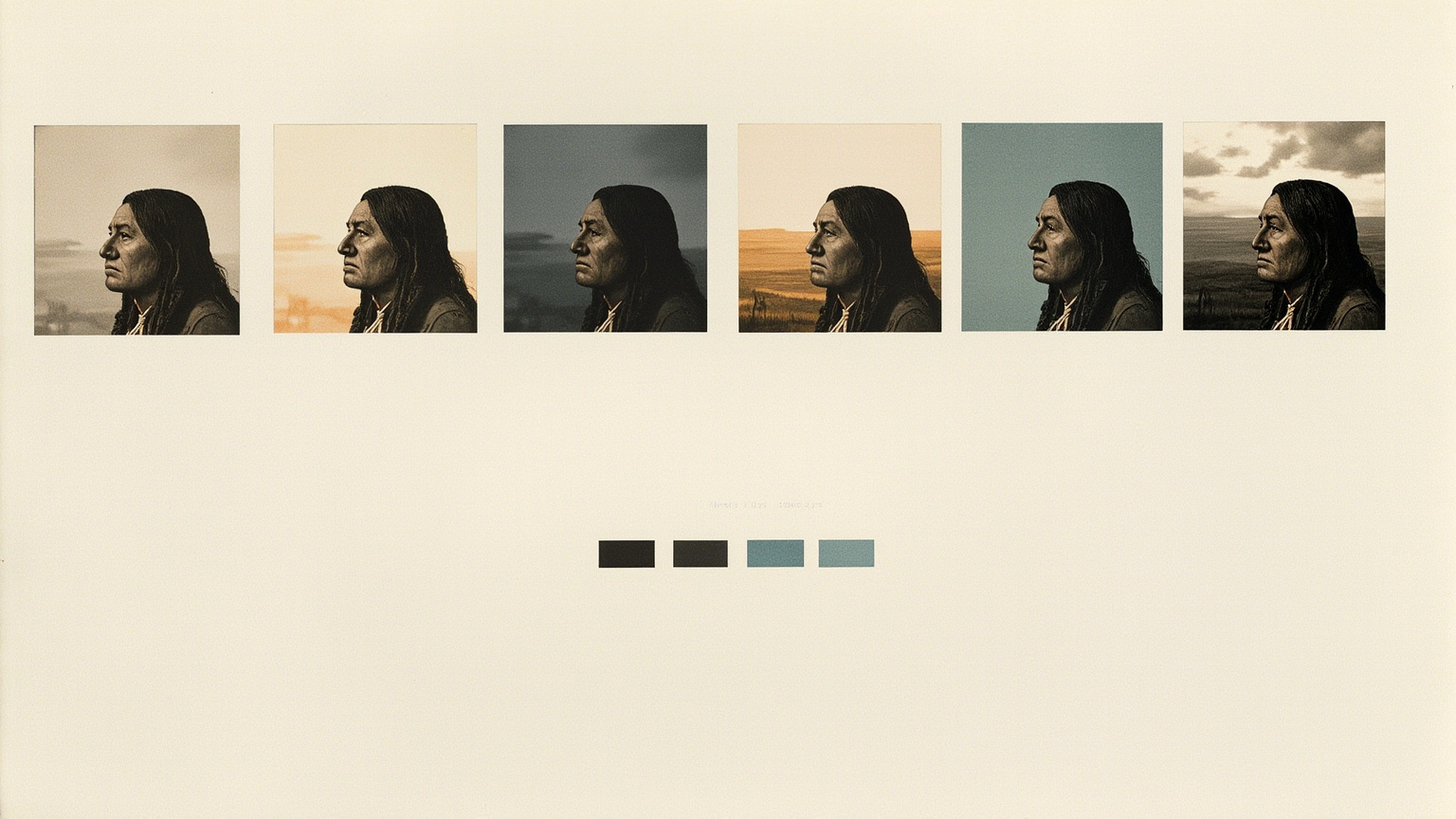
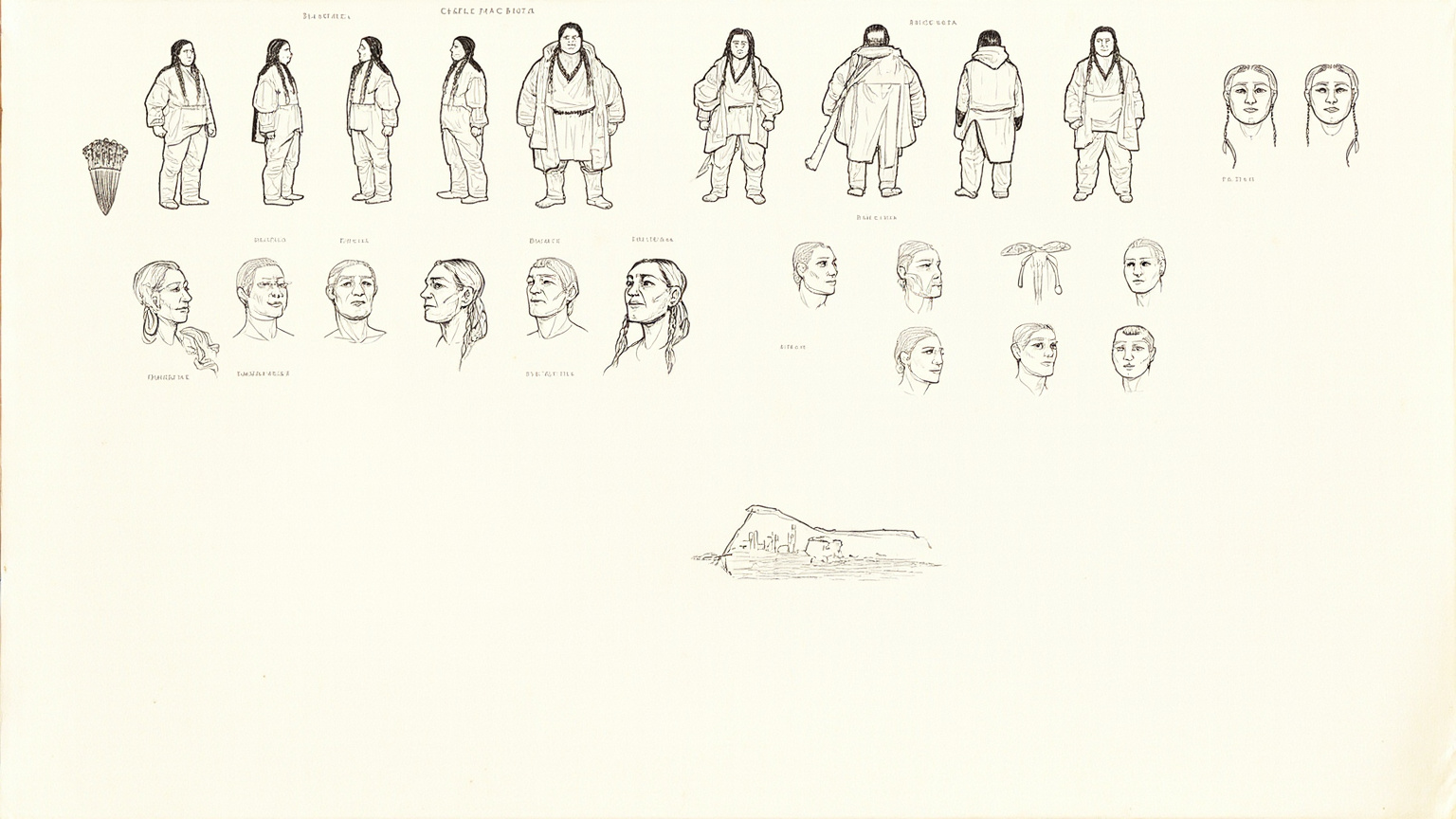
Art Direction4 plates
Before the guide was written, this book got a visual foundation — every illustration you just read grew out of it.