El Filibusterismo (The Reign of Greed) · Companion Guide
起义者
一个换了脸的复仇者回到西属马尼拉,用珠宝谄媚总督、用炸弹算计权贵——他以为自己能烧毁暴政,却最终在石榴纹油灯沉入帕西格河的那一刻承认:以不义推翻不义,终归失败。
The Pomegranate Lamp That Went Into the River
A lamp carved with pomegranates sits on the wedding table, its gold and red filigree glowing dull in the close tropical dusk. Inside it is packed with explosives. Simoun sent it as a gift. The wedding will seat the whole colonial elite of Spanish Philippines. No one knows the fuse is already burning toward them.
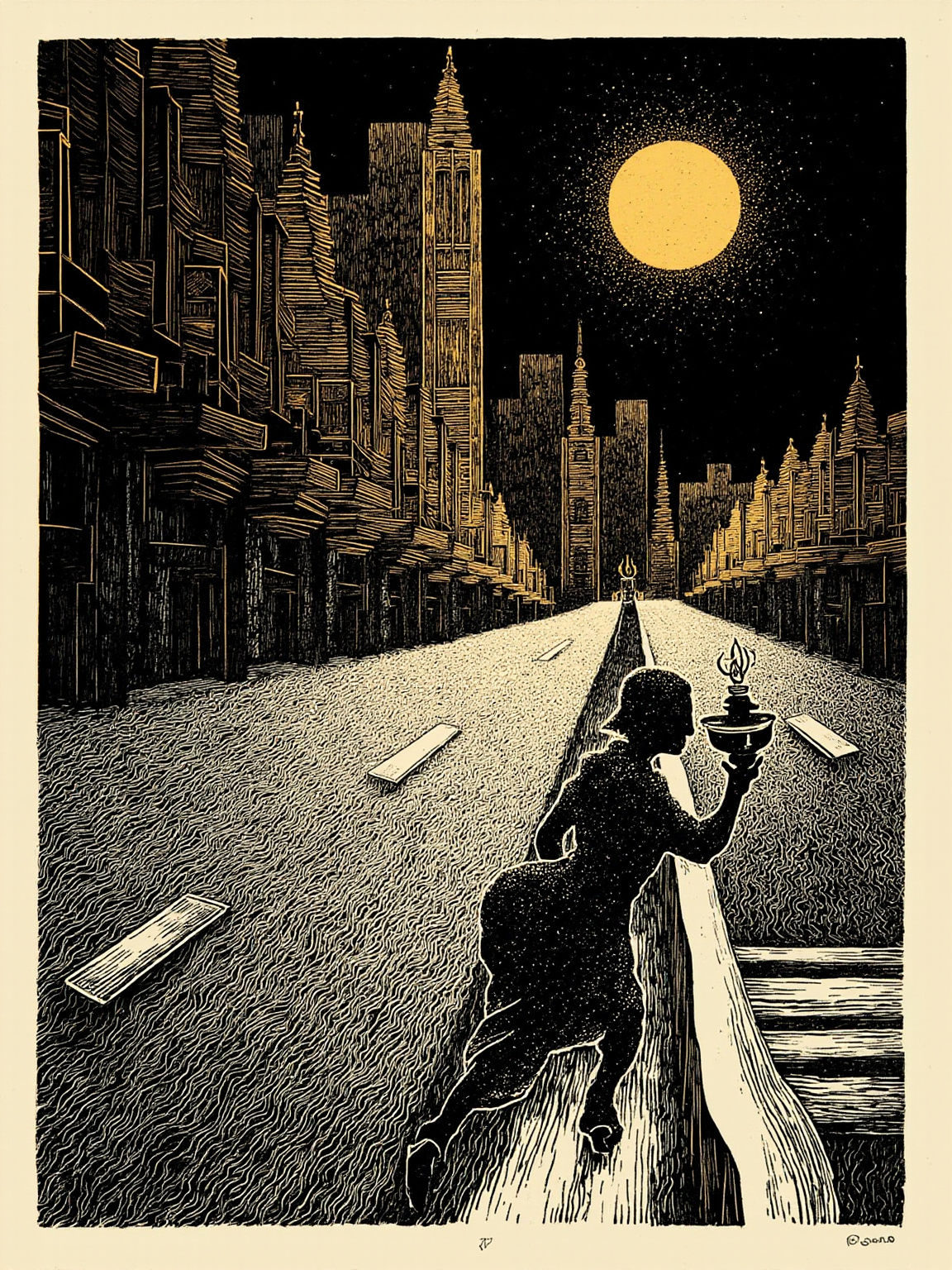
What Kind of Book This Is
The book is El Filibusterismo, subtitled The Reign of Greed. Its author, José Rizal, is the national hero of the Philippines, a doctor, a sculptor, a gifted linguist, and the man the colonial government executed by firing squad. He wrote only two novels in his life. This is the second, and the one that put him in front of the rifles.
In 1891, a small print shop in Ghent, Belgium ran off the first Spanish edition. The moment it reached the Philippines, the colonial government banned it, and friars tore pages out of students' hands. It was already too late. Five years later, in 1896, the Philippine Revolution broke out, and history has treated Rizal's two novels as the fuse that lit it.
The People and the World
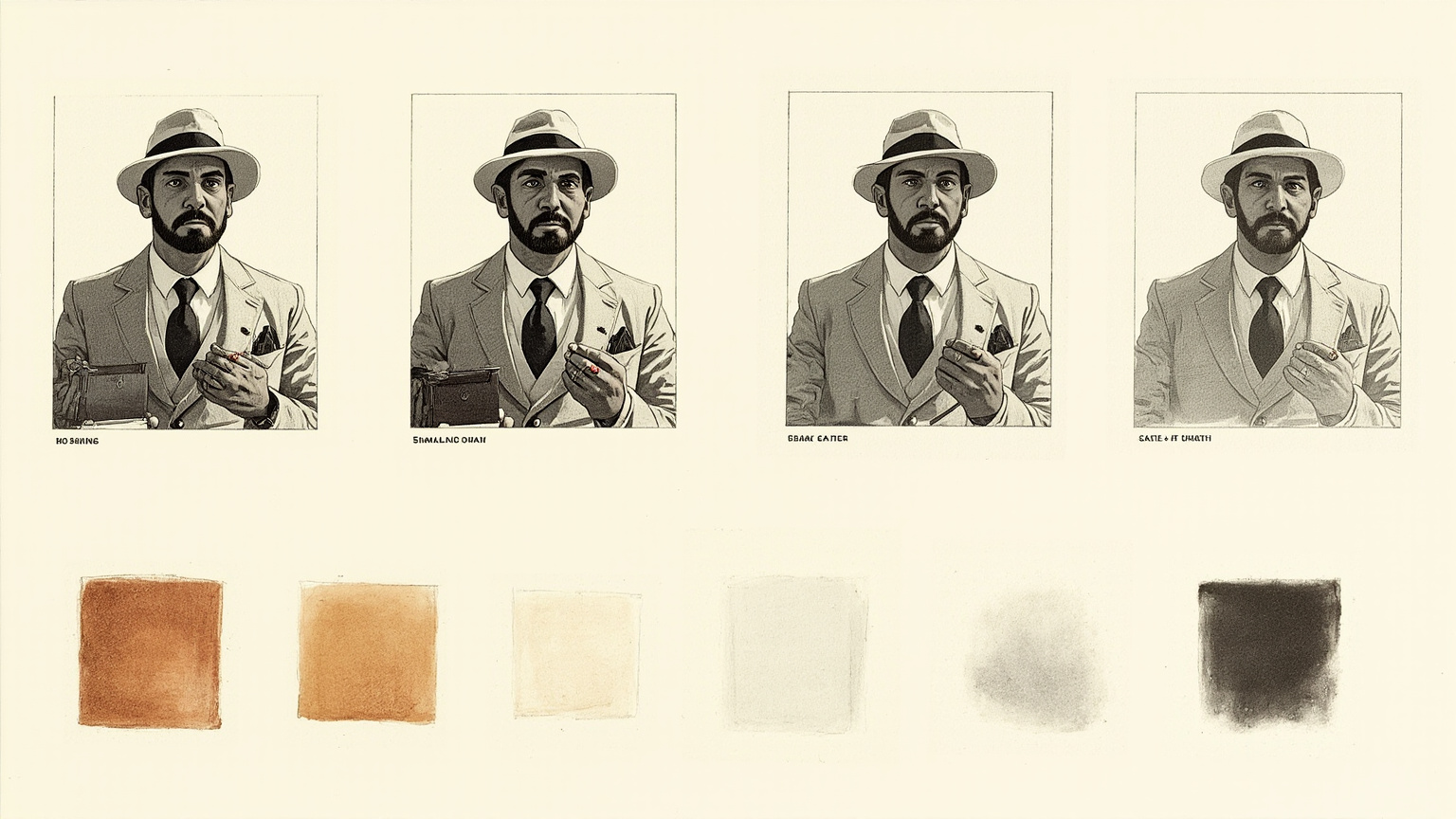
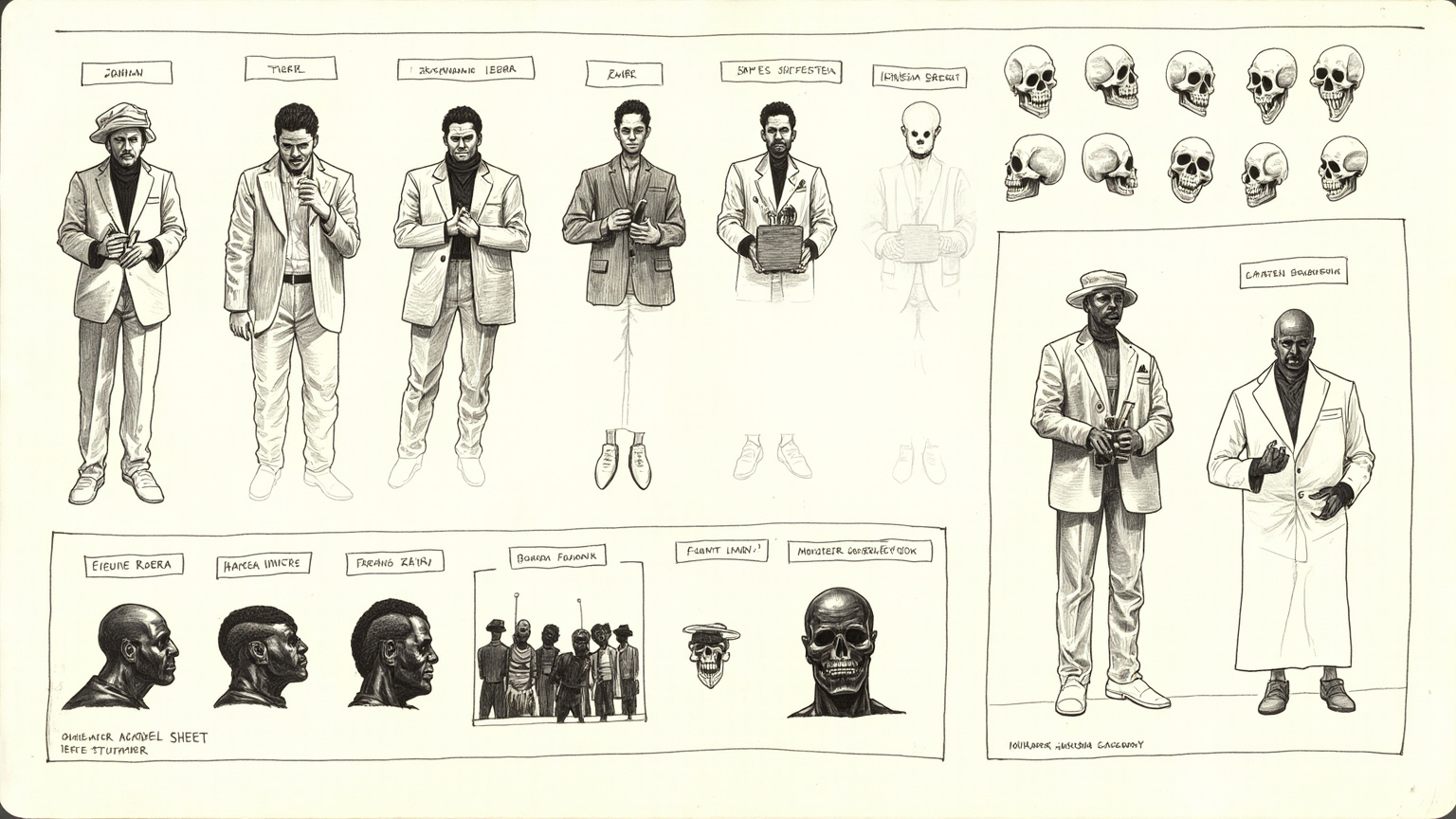
Start with one face: Simoun. A jeweler who spends lavishly and moves like a mystery, his suits cut to perfection, welcome in the inner chambers of the governor-general's palace. He is actually Crisóstomo Ibarra, hero of the previous novel, falsely accused of rebellion thirteen years earlier, presumed dead, exiled abroad. Now he has come home wearing a different face, meaning to blow the colonial system apart with money and dynamite.
Then two young men: Basilio and Isagani, medical students about to graduate, the first cool-headed, the second a romantic, both bent on founding a school that would teach in Spanish and break the Dominican friars' hold on the country's universities. Basilio is the son of Sisa, the mad mother from the earlier novel; Isagani belongs to the same generation. Between them lie two roads to save the nation.
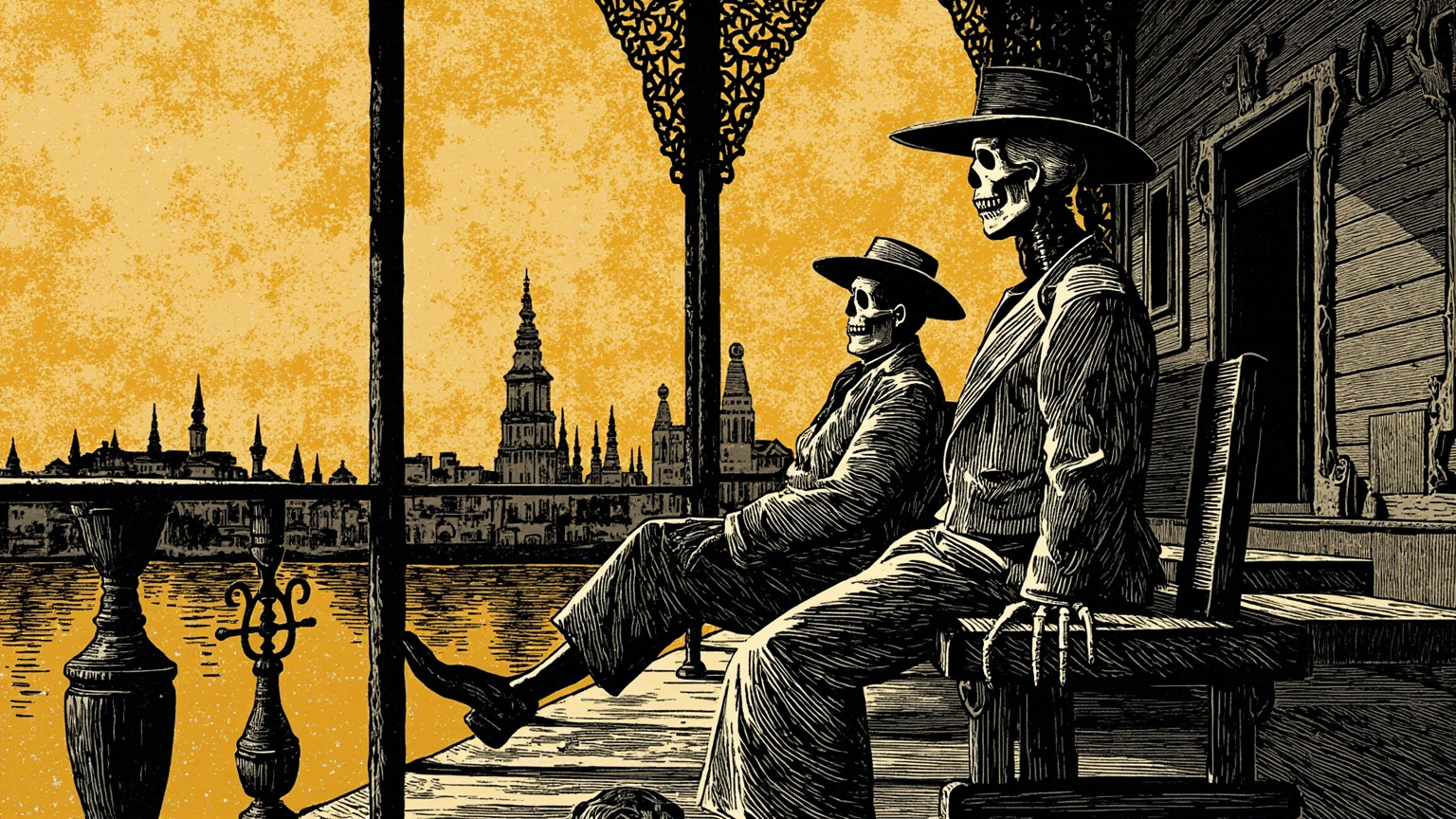
He had returned, but not as the man who had left; thirteen years had changed the lad into something colder, harder, more bitter.
他回来了,但已不是当年那个离开的人;十三年把那个少年变成了一种更冷、更硬、更苦的东西。
金句 · 第3章 · 十三年的脸
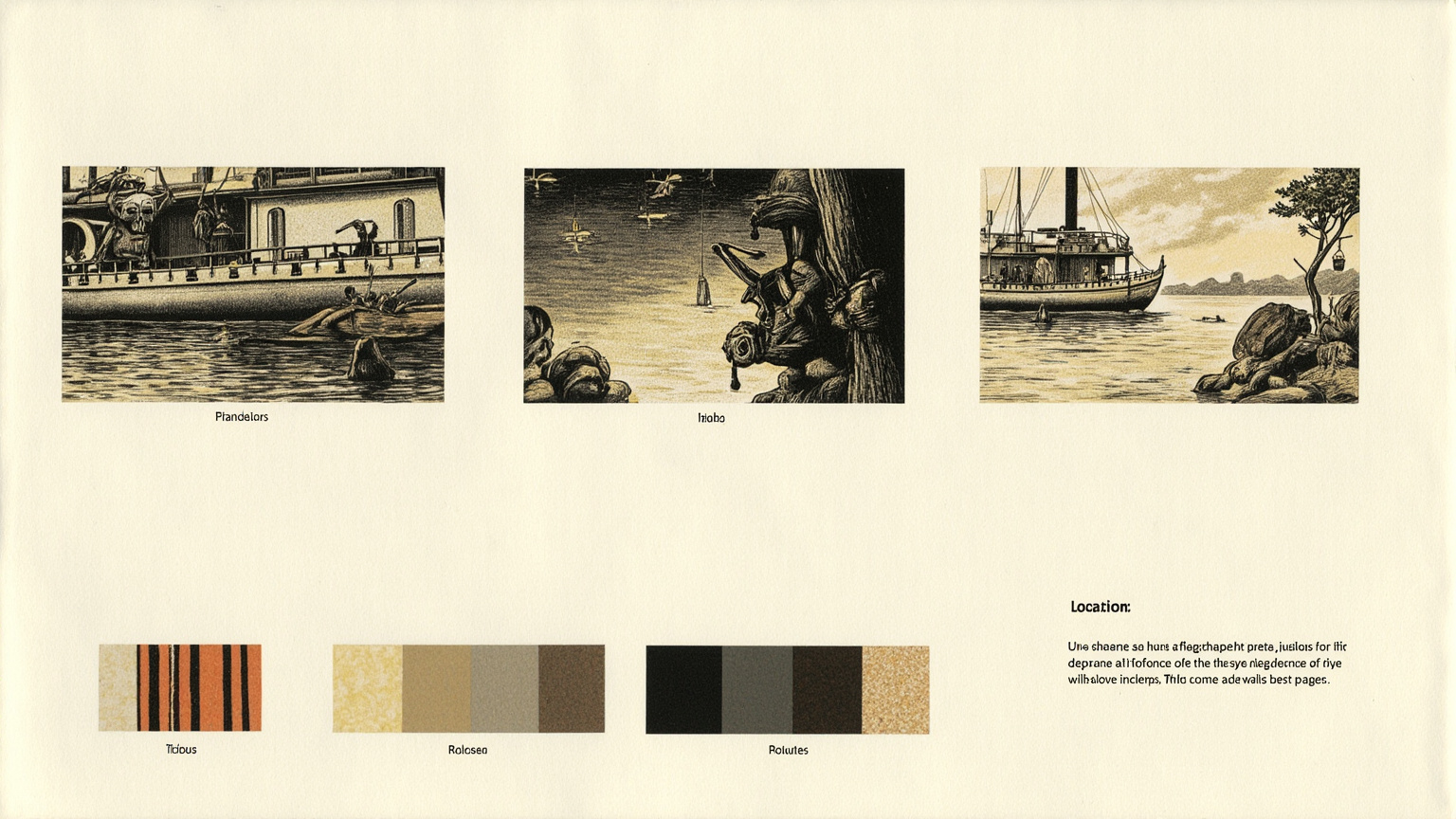
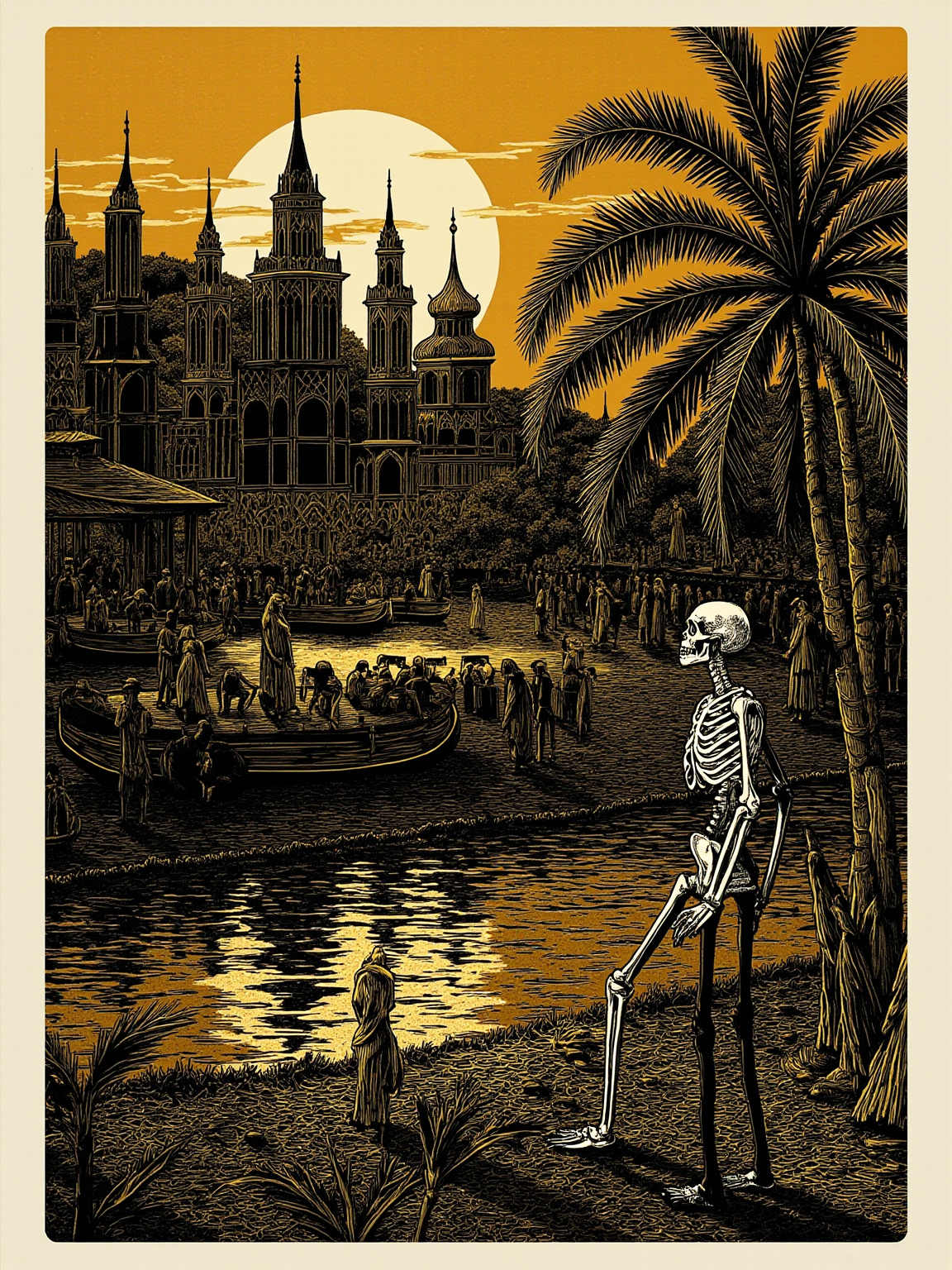
The story unfolds in the sweltering dusk of late nineteenth century Spanish Philippines: a steamer on the Pasig River, the Malecón seafront in Manila, the Ibarra family tomb in San Diego, black friars' cassocks and church bell towers, diamonds locked in an ebony case. On one side, Spanish courtyards and shuttered windows dressed up past the point of belief; on the other, friars, tax collectors, a church that seizes land. A fuse is burning.
How the Plot Unfolds
Act One: A New Face Comes Home
Ibarra did not die. He has been living in the Philippines for thirteen years under the name Simoun, wealthy jeweler, his face changed, his identity changed, even his temper changed. Thirteen years is long enough to distill grief into poison. This time he wants no reform, no petitions, no mercy. He means to rust the machine from the inside using the one currency the colonizers love best, gold, and then take out the entire colonial elite at its grandest banquet.
He whispers into the governor-general's ear, pushing him toward harsher measures against any Filipino who resists. He brokers deals for colonial officials and middlemen, letting one act of dressed-up tyranny after another slip through under cover of his jeweler's reputation. Reading this part still makes my skin crawl: he turned himself into a gear in the very machine he hated, just so the machine would tear itself apart.
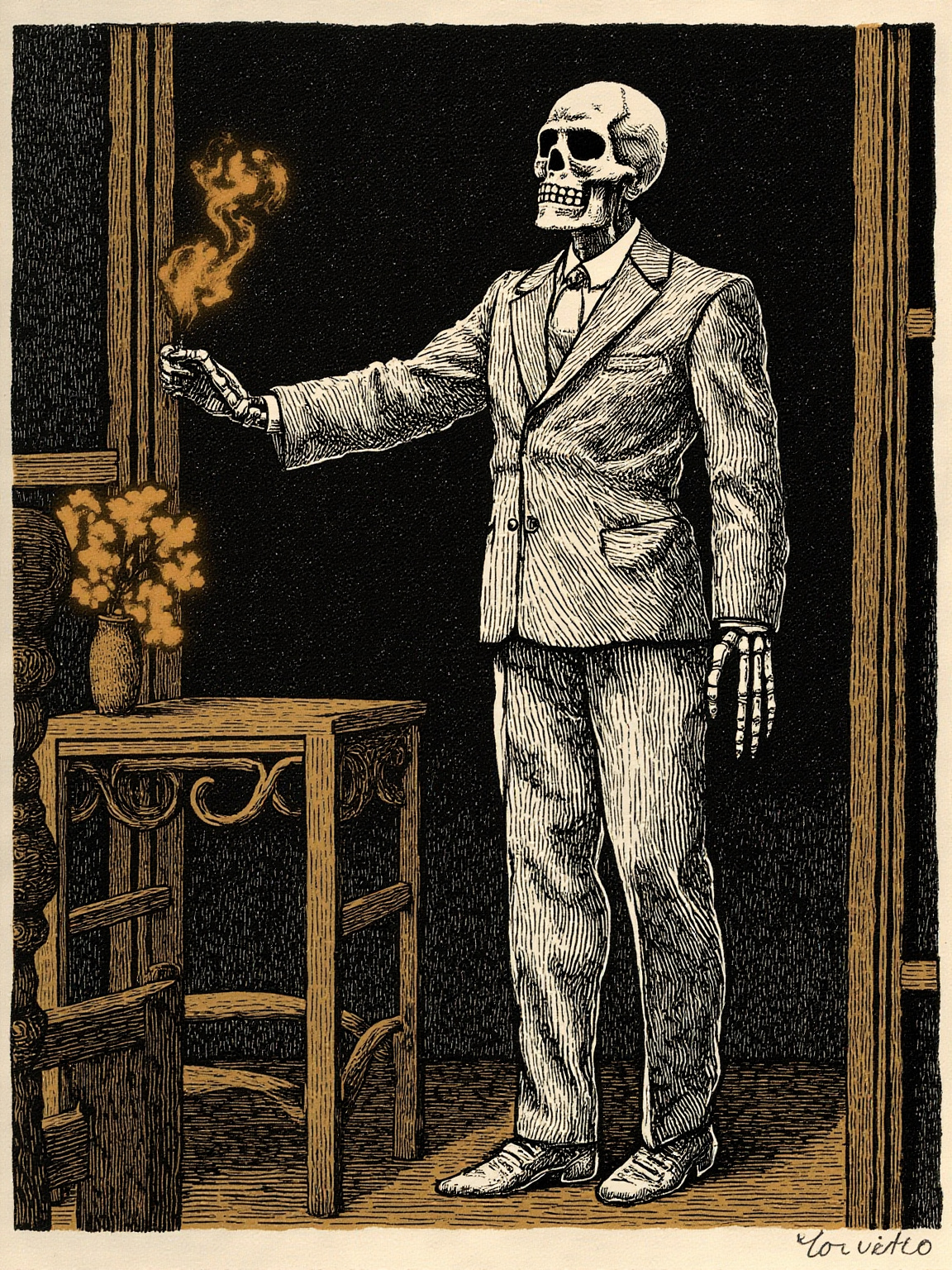
He wished to tighten the bonds of tyranny so that they might break under their own weight.
他想把暴政的锁链绞得更紧,让它终有一天在自身的重压下断裂。
金句 · 第3章 · 暴政的锁链
Act Two: Two Boats on the Pasig
One day sometime in the 1890s, the steamer Tabo pushes up the Pasig River toward Laguna de Bay. It is really carrying two Philippines. On the upper deck, Simoun trades toasts with the governor-general, his smile pitched exactly right. Below, in the mist dripping off the steam pipes, Basilio and Isagani go over the charter for their Spanish-language school again and again.
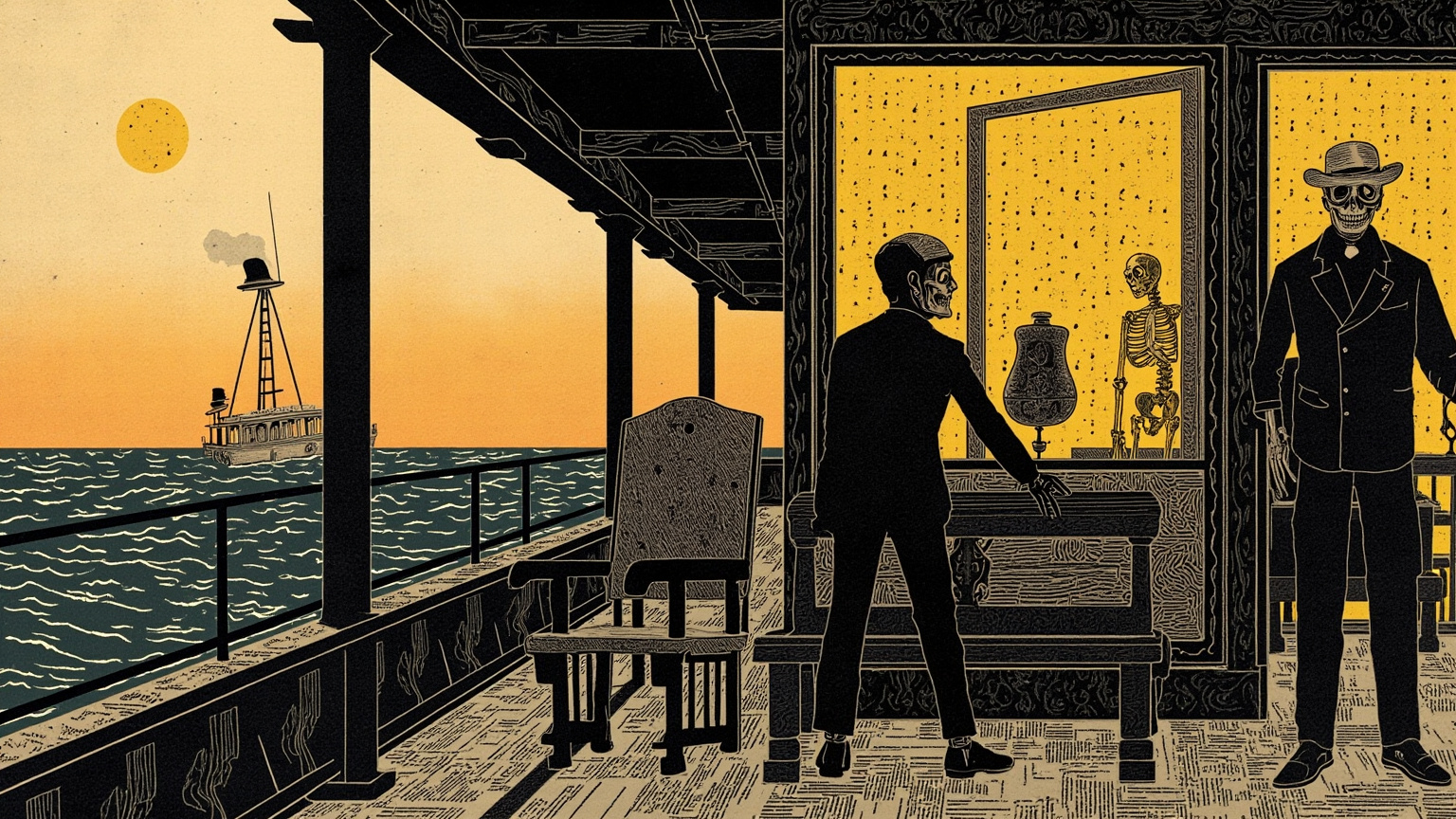
On one side of the steamer smoked cigars and were spoken compliments; on the other, youthful heads bent over musty volumes.
船的这一头,雪茄烟雾缭绕,满口恭维;船的那一头,少年人的头俯在发霉的书卷上。
金句 · 第4章 · 蒸汽船上的两套语言
Bow and stern speak two languages that cannot understand each other, though they belong to the same country. One side still believes the system can be slowly improved; the other is already digging its grave. Rizal presses both onto the same iron deck, a choice far more brutal than simply announcing that the nation is split.
Act Three: The Truth at the Grave
Christmas Eve, San Diego. Basilio goes alone to his mother Sisa's grave; she died in his arms, the same year he was falsely accused. A jeweler is crouched in the old Ibarra family tomb, digging for treasure. Basilio freezes at the sight: the face half-lit by candlelight and streaked with dirt belongs to Ibarra, the man every textbook calls dead.
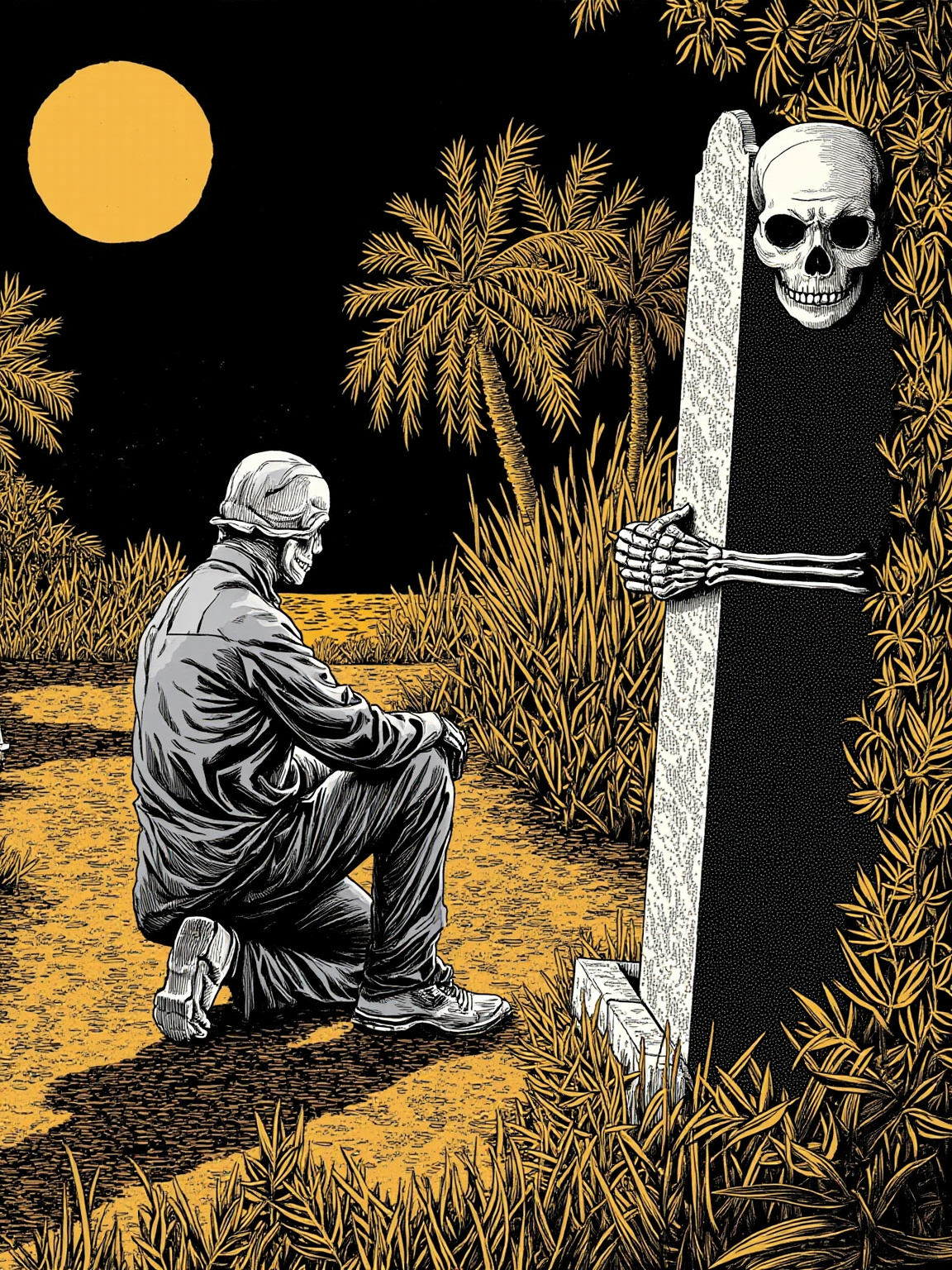
Simoun asks him to join right there. Basilio refuses. He still believes the system can change, still wants to earn a future for the Philippines through the school, through a diploma, through peaceful means. What he does not know is that he has just turned down the one heir Simoun's entire plot of revenge was built around. Worse, in that same moment Simoun learns from Basilio's own mouth that María Clara is dead. The man standing before him, cold as iron a second ago, comes apart on the spot.
Act Four: Cabesang Tales Runs Out of Road
Simoun is not the only road not taken. In Barrio Sagpang, Tiani, the village head Cabesang Tales spent a lifetime clearing a piece of land he could call his own. Then the friars' estate arrived, the taxes tightened, and the land was gone. Tales resisted and was kidnapped. His daughter Juli ran from door to door trying to borrow the ransom. He appealed to the colonial courts, to the friar order, to the village council. Every door shut on him.
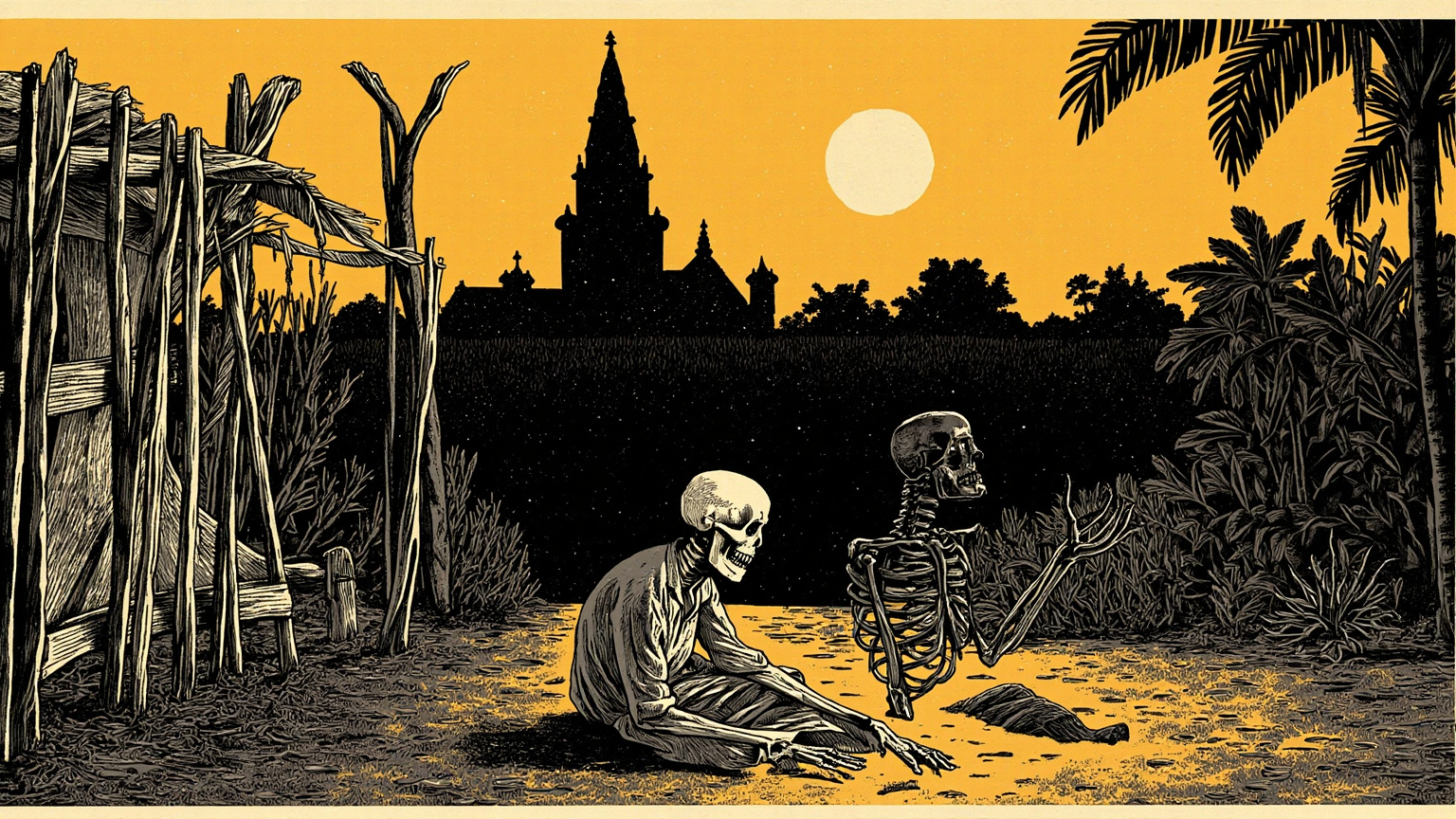
A pistol was exchanged for a little golden case that once held the relics of a dead love.
一支手枪,换走了一只曾盛过一段死去爱情遗物的小金盒。
金句 · 第16章 · 左轮与小金盒
Simoun offers him a revolver, and Tales trades it for a small gold locket handed down through his family, the same locket that once held a childhood keepsake shared by his daughter and María Clara. Tales takes to the hills and shoots dead the friar who seized his land and the new tenant who replaced him. Rizal writes none of the rage directly here, only a gun traded for a locket. It carries more weight than any accusation.
Act Five: The Pomegranate Lamp Enters
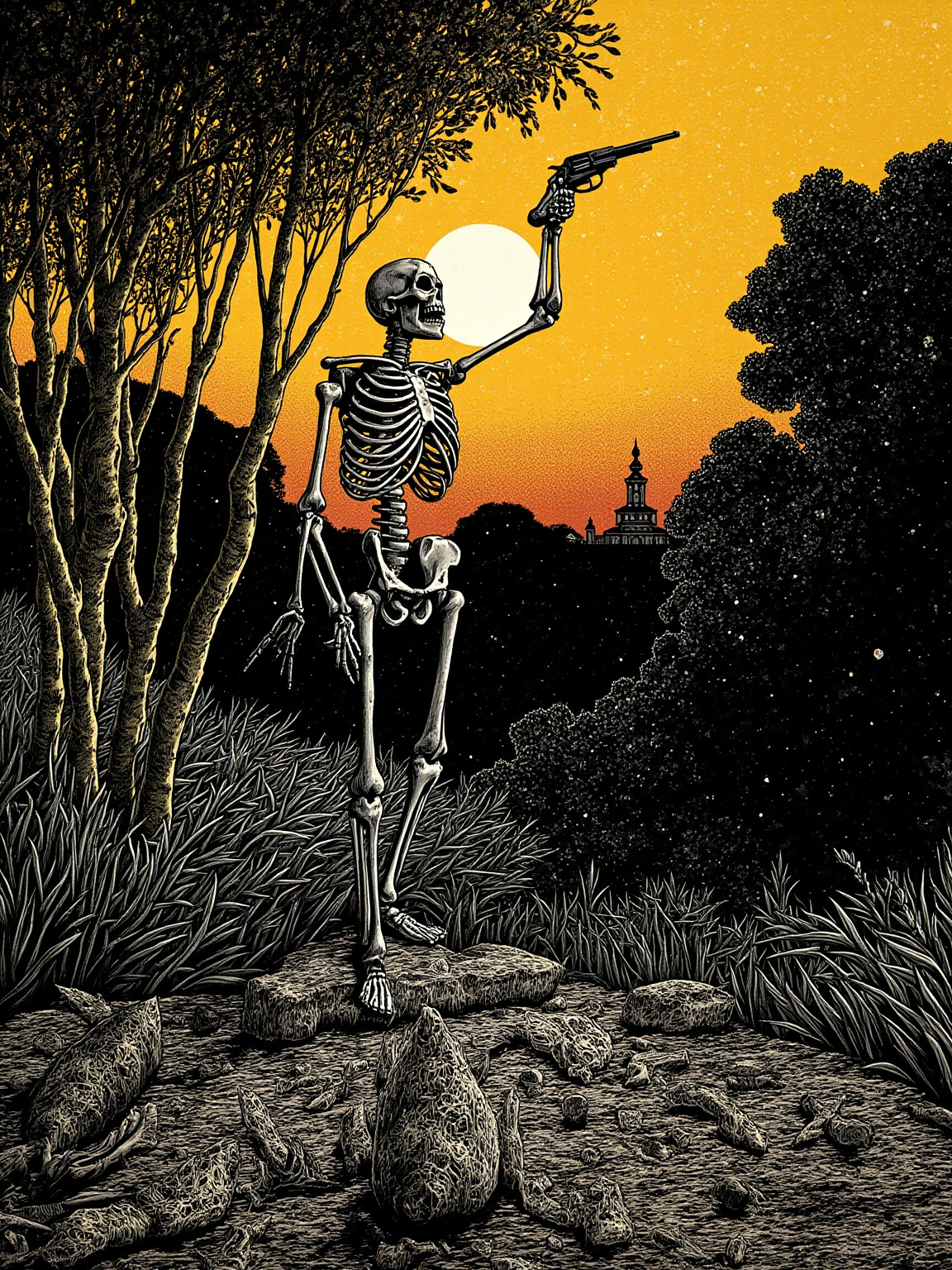
Juanito Peláez, Manila's flashiest returned student, is marrying Paulita Gómez, a young woman of good family. The wedding is set in the grandest hall in Manila, and Simoun's gift is a lamp carved in the shape of a pomegranate, exquisite work. No one would refuse a present so refined and proper. It is packed with explosives.
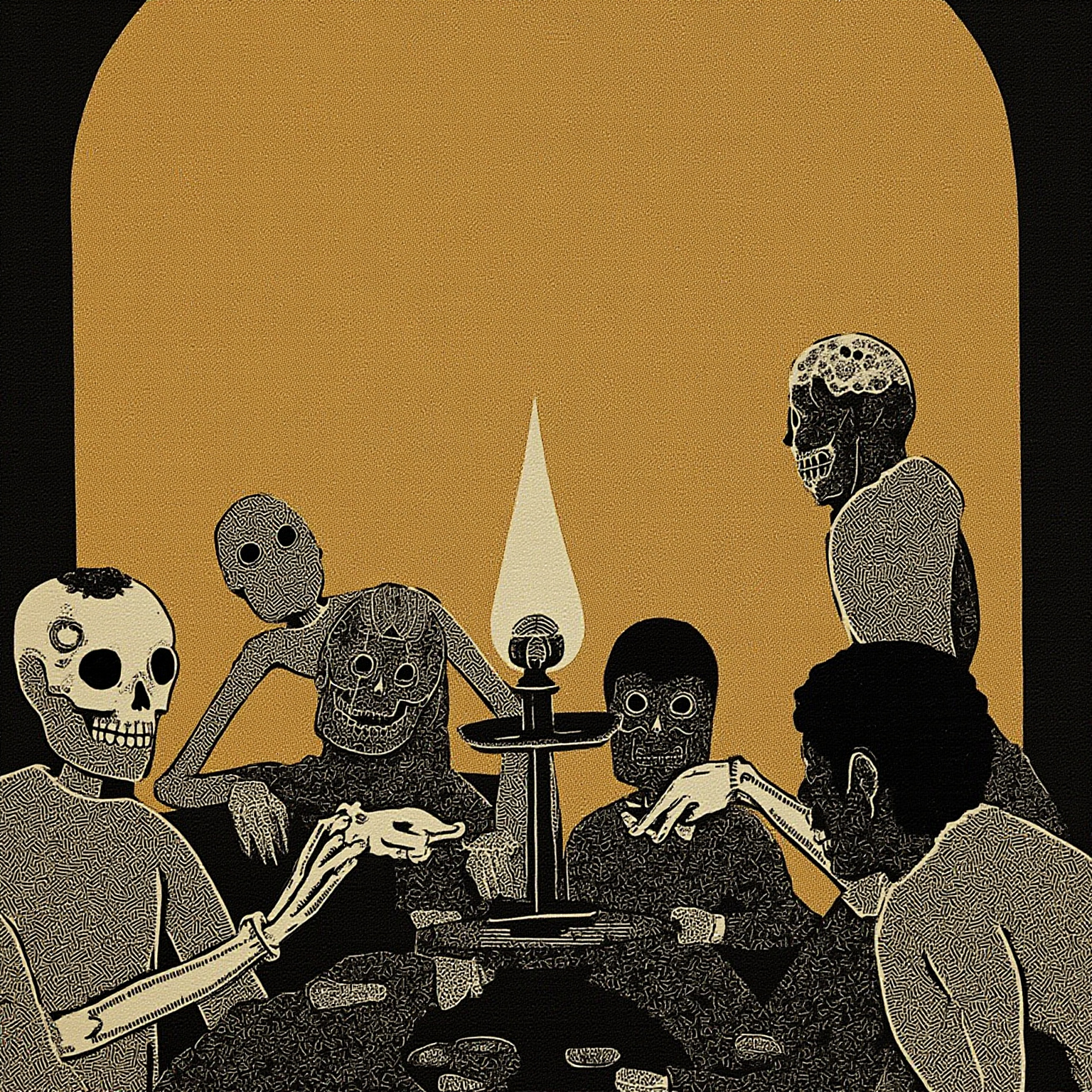
I have come to offer you everything — wealth, power, vengeance — if you will join me.
我来找你,是要把一切都给你——财富、权力、复仇——只要你肯与我同行。
金句 · 第27章 · 墓前的邀约
Simoun is gambling: the colonial elite, the middlemen, the friars, the new gentry, all of them will be under one roof tonight. One lamp. One fuse. A trap fourteen years in the making, built by an exile's own hands out of jewelry and hatred. Looking back, Basilio always felt he had sensed something in that room a second too late.
Act Six: The Lamp Goes Into the River
The banquet is halfway through. Basilio, his conscience gnawing at him, makes an excuse to step outside for air and runs into Isagani. In a few words, he lays out the whole of Simoun's plot. Isagani's face changes, and he turns and walks off.
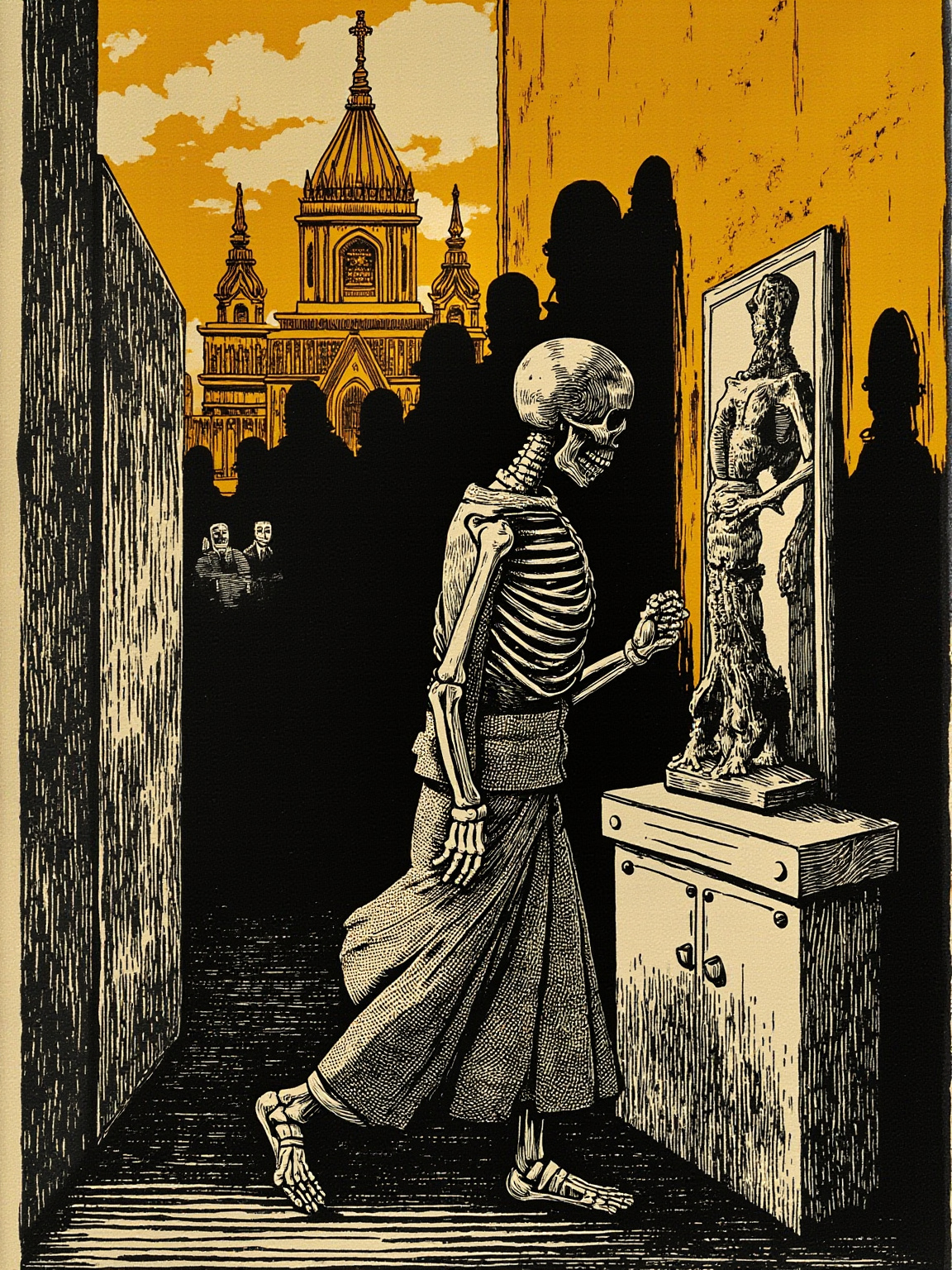
Isagani walks back to the table, looks once at the pomegranate lamp, once at the colonial elite raising their glasses beneath it, and says nothing to anyone. He picks the lamp up, walks out of the hall, down the stairs, straight to the river, and throws it in.
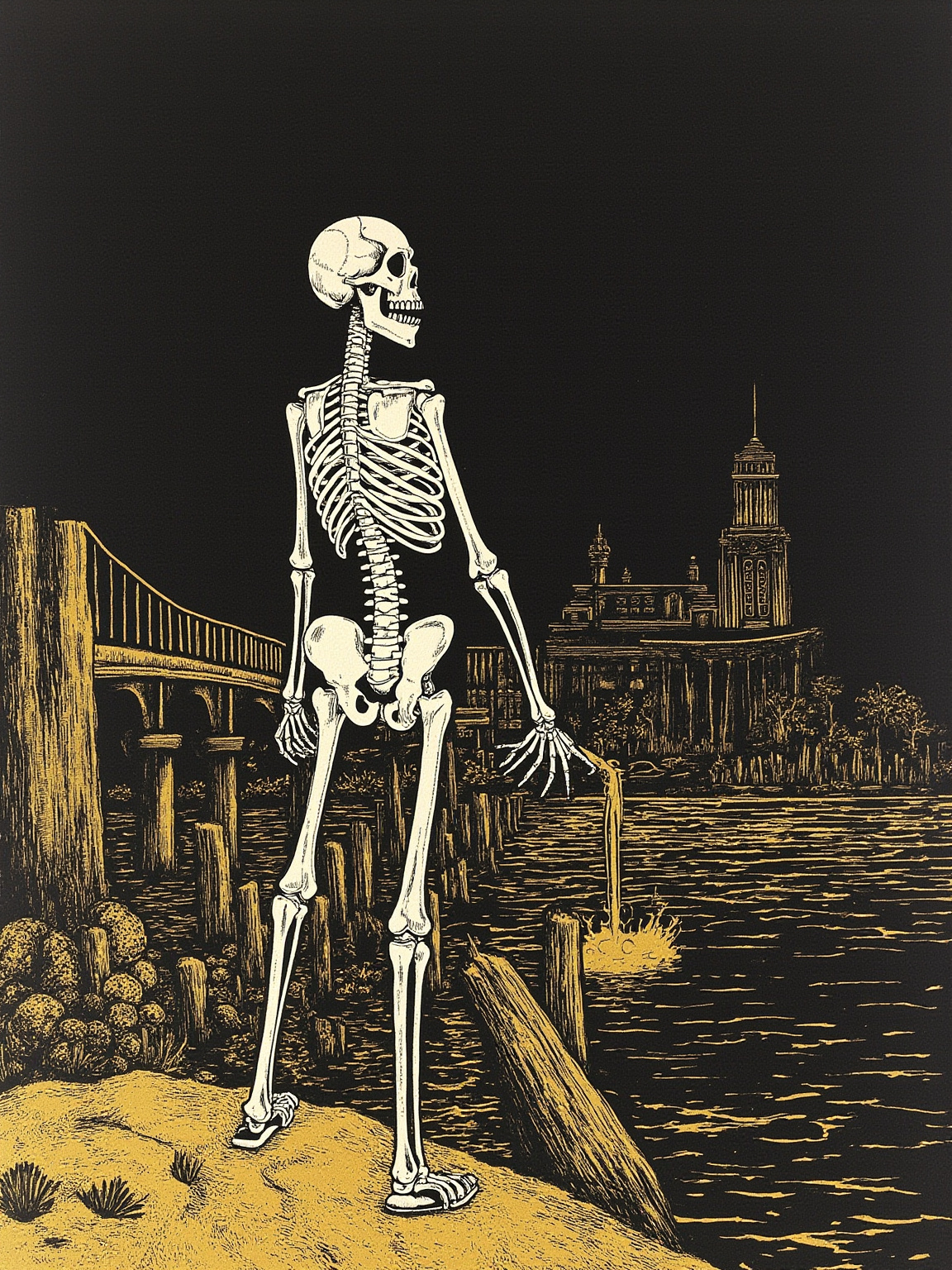
Without a word to anyone, without farewell to the glittering throng, he took the lamp in his arms and walked toward the river.
他没有和厅里那群衣香鬓影的人说一句话,没有告别,径直把那盏灯抱在怀里,朝河边走去。
金句 · 第39章 · 石榴纹油灯入水
The massacre is stopped. A whole night of vengeance dissolves because one romantic young man could not bear it. Isagani never asked anyone whether this was the right thing to do, never asked whether Simoun's fourteen years of grief deserved this kind of settling. He simply could not stand it. This is the sharpest cut in the entire novel: the man who stops the killing is also, in his own way, committing one.
Act Seven: A Deathbed Confession
With nowhere left to run, Simoun takes refuge in the house of Padre Florentino, a Filipino secular priest who has kept his distance from power and wealth and lives alone in poverty. Dying, Simoun confesses the entire plot. The priest answers him with a single line: a plan carried out by unjust means will fail in the end.
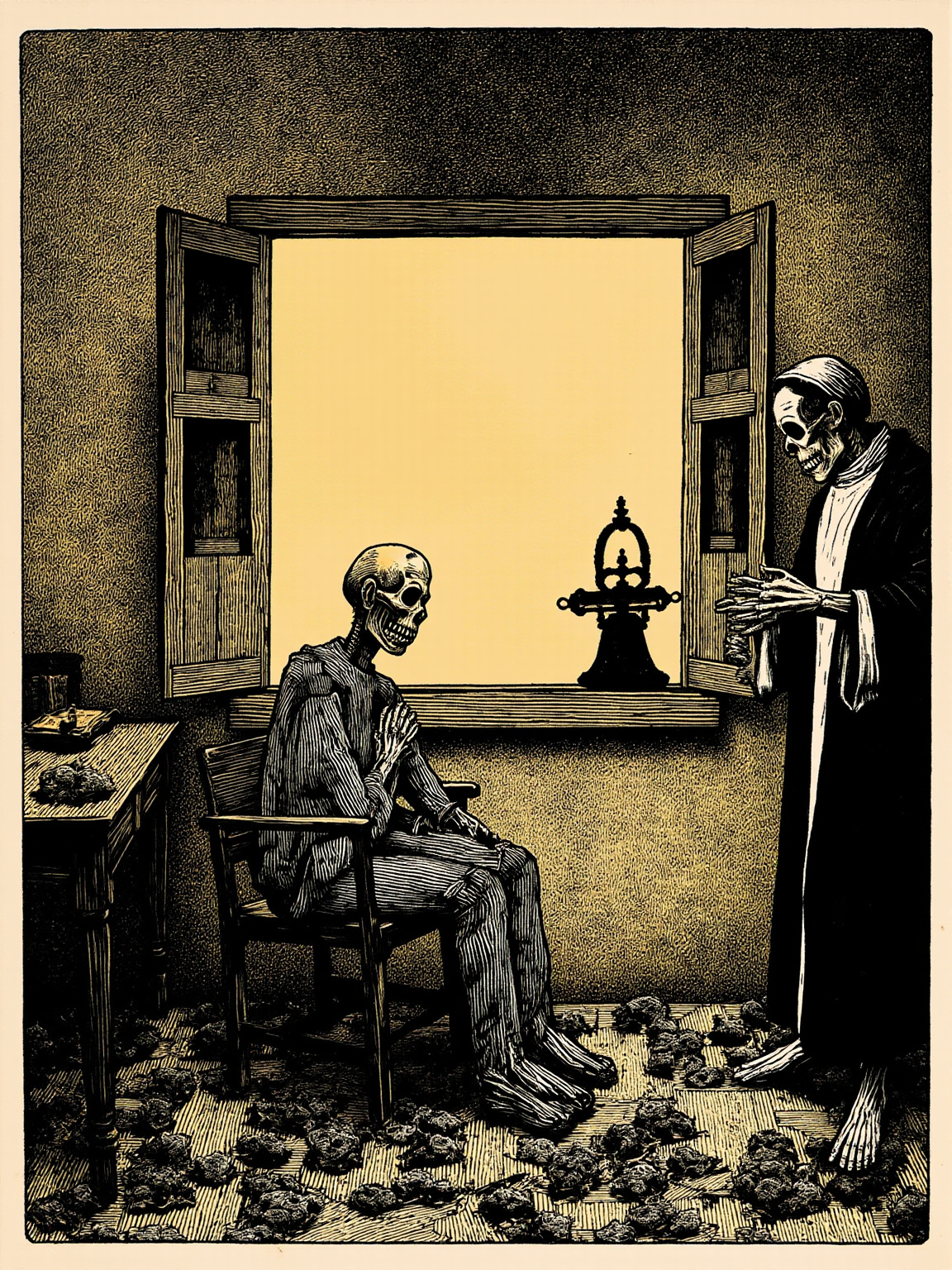
Simoun does not argue. He swallows poison and dies quietly in that room. A man who spent fourteen years sharpening himself into a blade admits, at the end, that the blade was pointed the wrong way. This is the moral of the whole book, and the most honest thing Rizal could say to the reform-minded youth he himself represented: I have looked into the deepest despair there is, and I still cannot put my name to it.
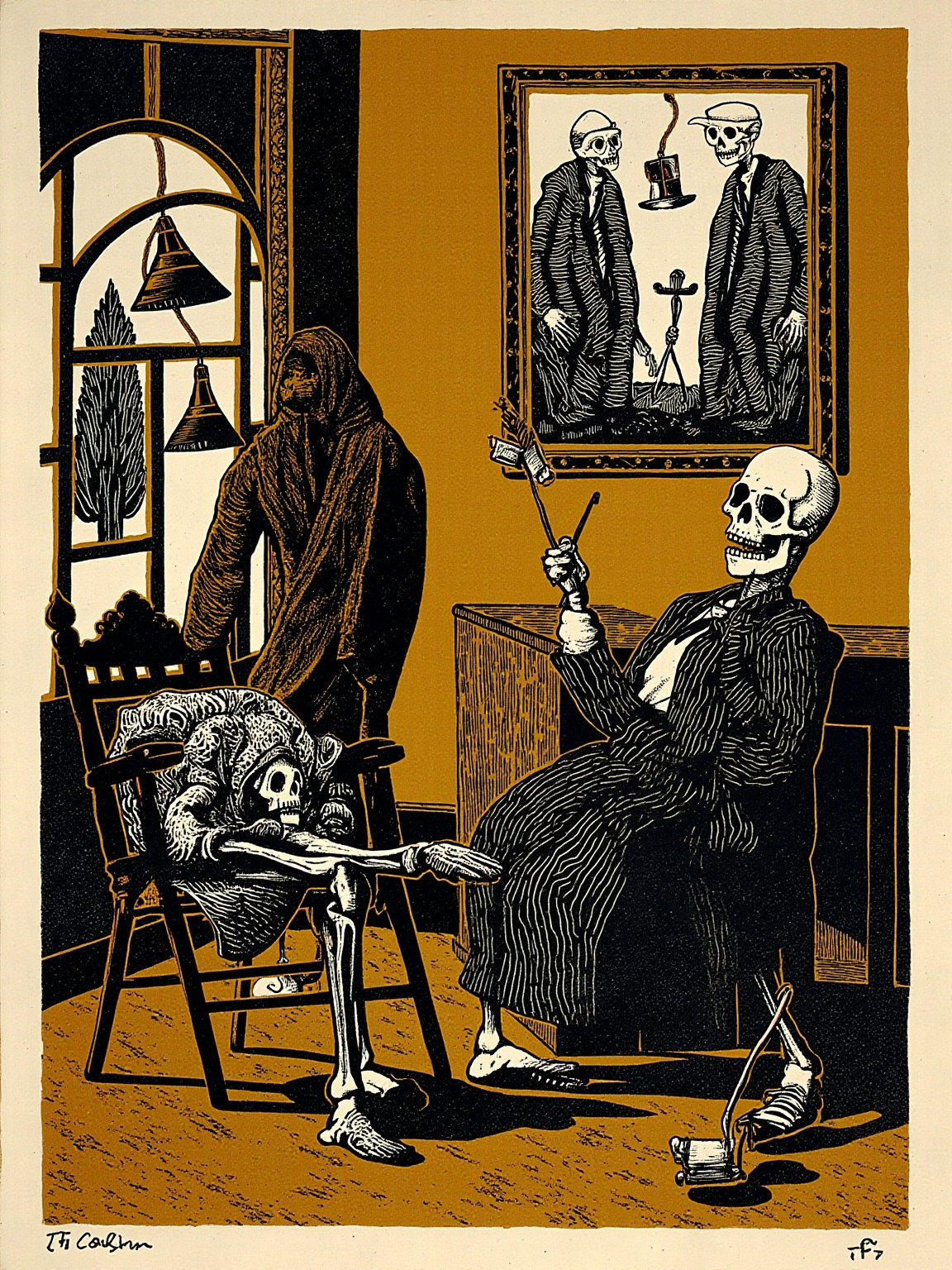
Plans based on injustice, like houses built upon sand, will not endure.
建在不义之上的计划,正如立在沙上的屋子,撑不住。
金句 · 第62章 · 临终忏悔
The Larger Thing It Is Saying
Reading this novel as a failed revenge story sells it short. It is a tragedy about two roads to saving a nation colliding head-on: one side believes in education, petitions, slow reform from within the system; the other believes injustice can only be overturned by a more thorough injustice. Rizal sent his best young people down both roads, and neither road ends well.
The novel is also a mirror held up to how easily the colonial system can be worked: the governor-general, the friars, the bureaucrats, the middlemen all give way, one by one, before Simoun's jewelry and his whispers. Rizal's point is that this is not one loose screw. The whole machine runs on a broken logic.
A vengeful man who wore another face admits defeat, Rizal's coldest and most final answer to anyone in the nineteenth century who thought hatred could overthrow hatred.
Why Read the Novel Itself Today
There is a layer no summary can reach: the look on Isagani's face as he drops the lamp into the river, what passes between him and Basilio, the sound of the water in his ears afterward. None of it is available to you unless you read the sentences Rizal actually wrote. The worst way to meet this book is as a summary. The best way is to open it tonight.
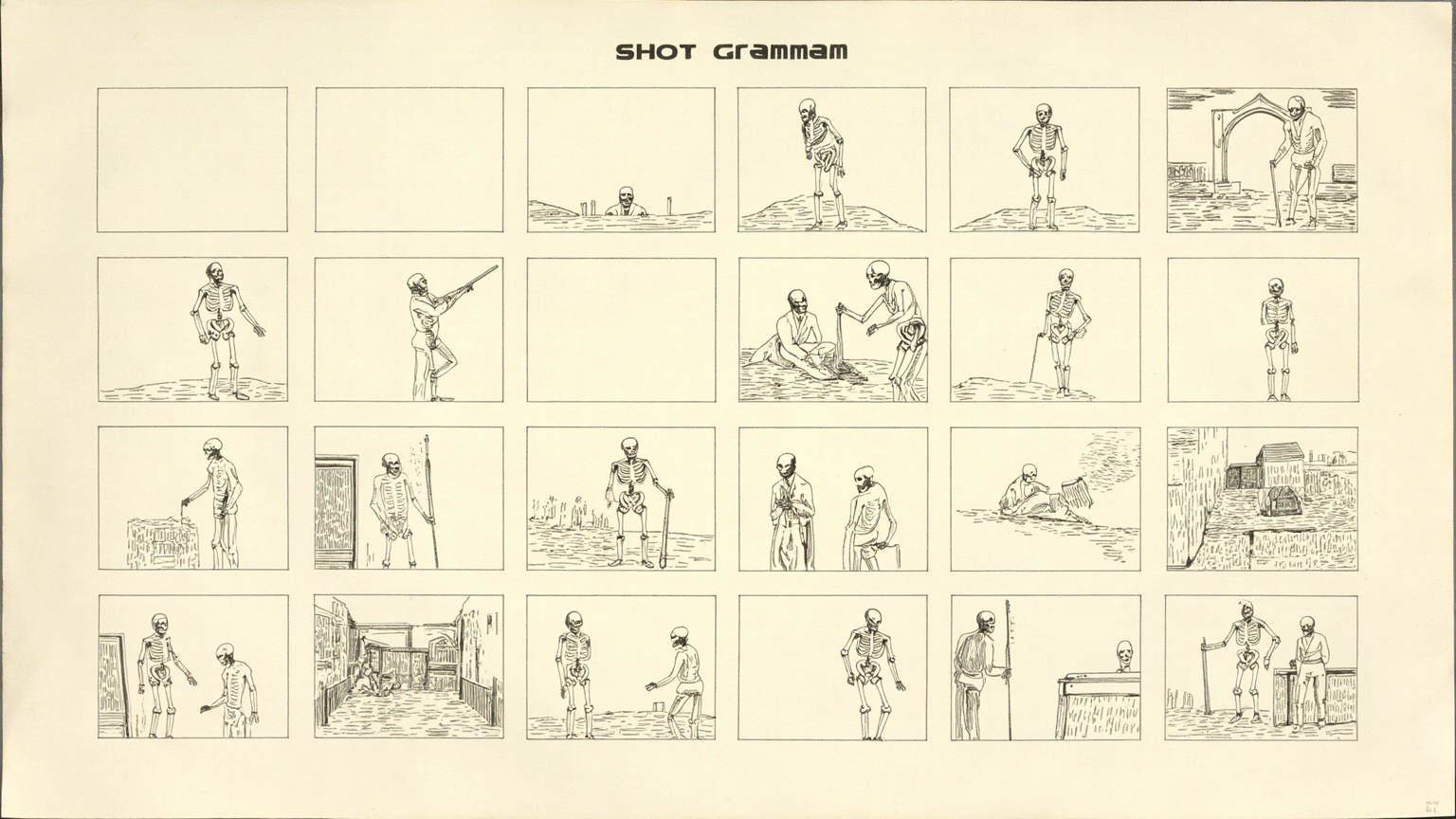
Art Direction4 plates
Before the guide was written, this book got a visual foundation — every illustration you just read grew out of it.