The Interesting Narrative of the Life of Olaudah Equiano, or Gustavus Vassa, the African, Written by Himself · Companion Guide
奥劳达·艾奎亚诺生平自述
被掳的伊博少年用二十三年攒下四十英镑,亲手把自己从奴隶市场上买回来——再把同一支笔递进议会大厅。
Opening: The Weight of One Freedom Paper
In 1766, on a small island in the Caribbean, a Black man counted forty pounds onto a table and received, in exchange, a paper bearing his name — a certificate of manumission, signed by his own master's hand. The ink was still wet when he walked out the door. His name was Olaudah Equiano. Eleven years earlier, a hand had clamped over his mouth under a tree in West Africa and dragged him away. Since then he had been sold from owner to owner, carried from country to country, renamed more than once. What bought him back was not a rescuer, not an escape, not any relief ship. It was his own money, saved coin by coin over years.
Twenty-three years later, in London, he turned that experience into a book, timing its release to the year Parliament was debating the Atlantic slave trade. Among the abolitionist testimony laid on members' desks was this one.
What Kind of Book This Is
The Interesting Narrative of the Life of Olaudah Equiano was first published in London in 1789. The title page carries two names — Olaudah Equiano and Gustavus Vassa, the second forced on him by an English ship captain, after the name of a Swedish king. It is widely regarded as the first African narrative to reach a broad audience, and the founding work of the slave narrative as a literary form; later narratives, including Frederick Douglass's, took fire from it.
Set against a wider frame, it is more than a memoir. It is a piece of evidence produced inside the late-eighteenth-century English Enlightenment: the author was alive, had signed his name, and put the pen directly in front of members of Parliament. Nine English editions and one American edition appeared in his lifetime, and it was translated into Dutch, German, and Russian — an international bestseller of its day, not a manuscript left in a drawer.
Characters and World
The protagonist is the narrator himself, Olaudah Equiano. By his own account he was born in the mid-eighteenth century in Essaka, an Igbo village in West Africa. At eleven he was kidnapped along with his sister, and never saw her again. What he wanted was plain from the start — his own name back, and the tree where he and his sister used to play. But the world would not let him walk a straight line to it. He was forced onto a different road: buy himself back first, and settle everything else after.
The white people around him fall into two kinds. The betraying kind is embodied by Michael Henry Pascal, captain of an English merchant ship, who bought the boy Equiano, carried him across the ocean to England, took him in and out of the Seven Years' War aboard his ships, promised him freedom — and the moment the war ended, sold him to the captain of a slave ship. He is the double face of white kindness and white betrayal in one man. The other kind gave him a ladder up: the Guerin sisters in London, who took him in and taught him to read and write, and Robert King, the Quaker merchant in the Caribbean who let him run a small trade of his own and save toward his freedom, and who, in the end, signed the manumission papers himself, the last link in the chain of Equiano buying himself back. One more figure passes briefly through: Mrs. Davis of Philadelphia, who spoke of his buying his freedom before he dared bring it up himself.
The world of the story is stitched together from three pieces. The Igbo village in West Africa is the lost childhood. Barbados, Virginia, and Montserrat, the ports, sugar warehouses, and docks of the Caribbean, are the geography of being sold and resold across the water. And London in the second half of the eighteenth century, with its soot-blackened streets, coffeehouses, and the corridors outside Parliament, is where he saved his ransom, settled down, and finally turned his story into abolitionist testimony.
How the Story Unfolds
One: Essaka, the Day He Was Taken
Everything starts from the moment he and his sister were seized together. Two children in a courtyard, adults appearing out of nowhere to clamp hands over their mouths and drag them off, sold on to household after household. In the confusion he lost his sister and never saw her again. The writing here is brief but the weight is enormous — the author does not linger on the horror. He folds an entire childhood into a single line, something close to and so my sister and I were parted, and leaves the rest of the book to unfold it slowly.
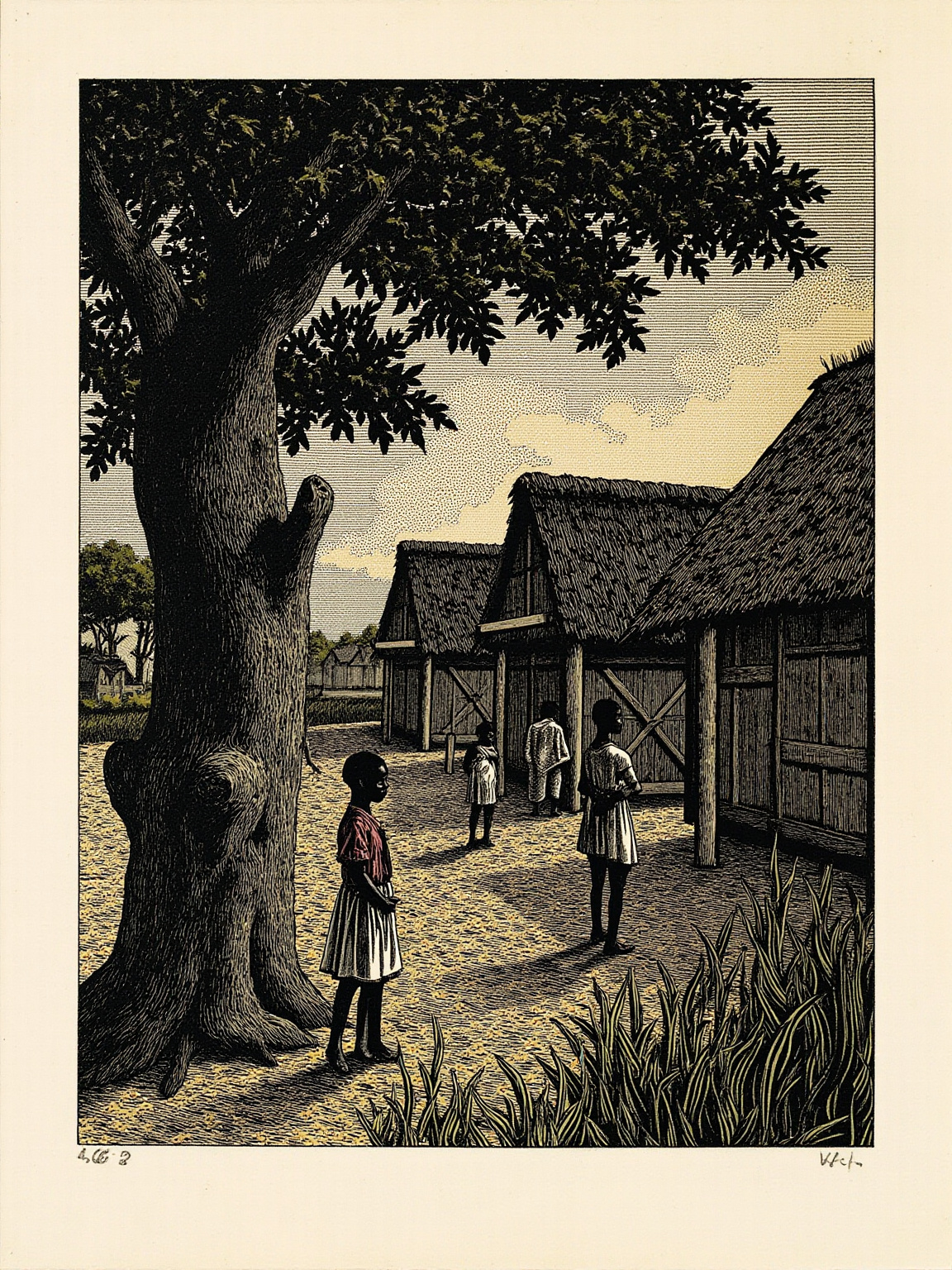
My sister and I were separated, and never had it been my lot to see her again.
我和妹妹被隔开,自此以后,再没有机缘见到她一面。
金句 · 第一章 · 被掳那一天
Two: Across the Atlantic, Body and Name Change Hands for the First Time
He was marched to the coast and put aboard a transatlantic ship, ending up in Barbados and then Virginia. It was in Virginia that Pascal, the English merchant captain, bought him. Pascal renamed him after a Scandinavian king of the day — Gustavus Vassa. From that moment, the name of the Igbo boy Olaudah Equiano ceased to exist in any legal sense; what survived was property signing documents under a European monarch's name. The sharpest stroke in this section is the renaming itself: taking a person's original name is a quieter cut than taking his body, and a far harder one to reverse.
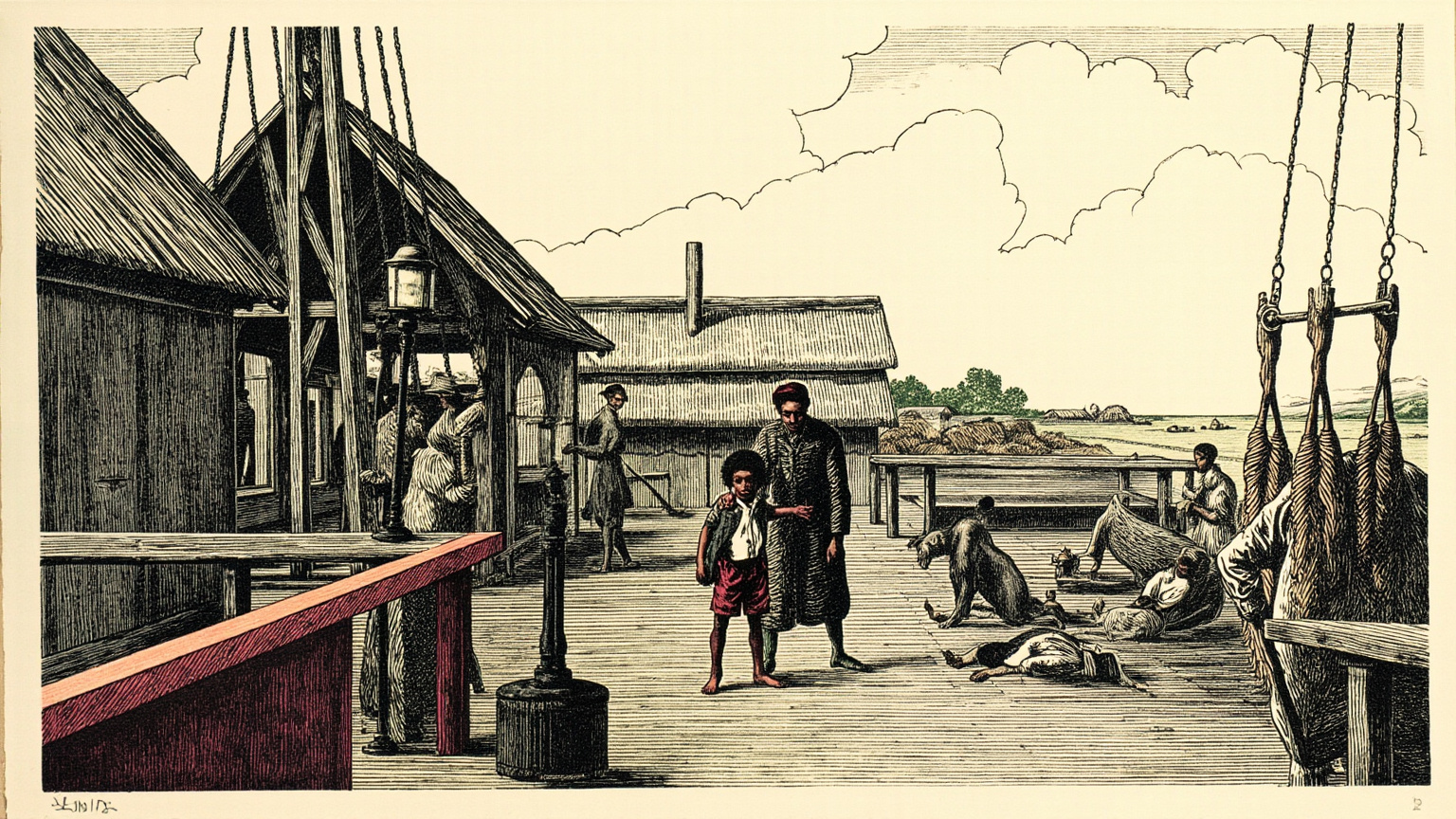
I was carried thus to the vessel, and there I was immediately put under the decks, where I was so disgusted with the stench that I fainted.
我被一路带到船上,立刻被塞进甲板之下;舱里那股恶臭让我作呕得昏了过去。
金句 · 第二章 · 跨大西洋的舱底
Three: England and the Seven Years' War, the First Time Freedom Seemed Close
Pascal brought him to England. The Seven Years' War was in full swing, and Equiano followed the captain between ship and shore, stepping for the first time into English drawing rooms and churches. It was also during this period that the Guerin sisters, Pascal's cousins in London, took him in and taught him to read and write. He learned, for the first time, how to spell out words on paper. In the writing, this stretch reads almost like a different life opening its door to him: English winters are cold, but there is a fire in the grate; not every white person treats him as cargo. The trouble is that door swung half shut behind him.
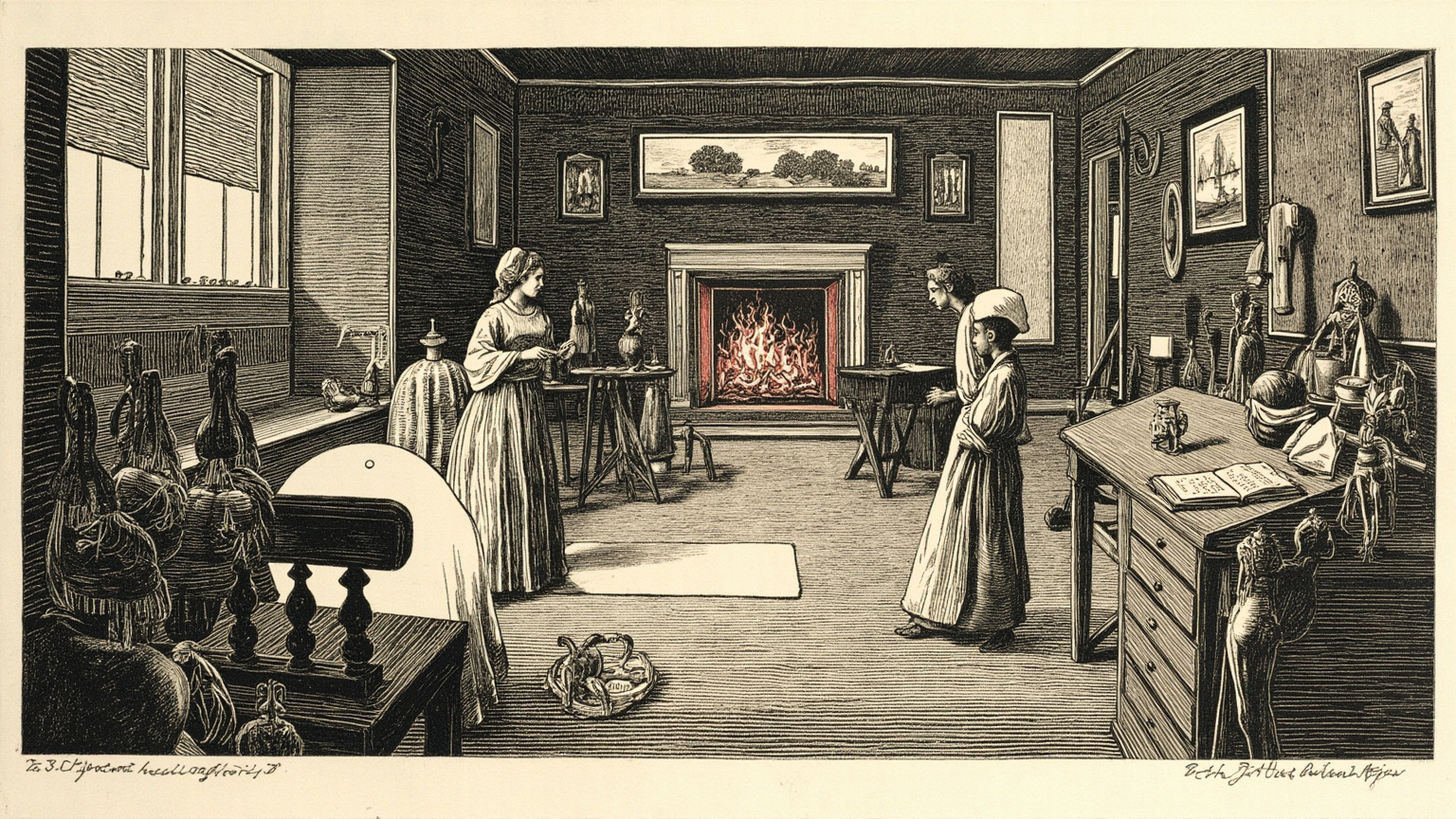
I was named Gustavus Vassa, after the king of Sweden.
我被改名作古斯塔夫斯·瓦萨,跟的是那位瑞典国王的名字。
金句 · 第二章 · 名字第一次易手
Four: Pascal's Betrayal, the Deepest Cut of the Voyage
The war ended in 1763, and the freedom Pascal had promised never arrived. Instead of keeping him on, Pascal sold Equiano to the captain of a slave ship, a man in the business of shipping Black people. It meant that a young man who could now read and write, who had spent years inside English drawing rooms, was about to be packed back into the hold with the cargo. This is the coldest passage in the book. The author does not rage. He simply writes that Pascal put a paper into his hand, then turned and left the ship. The force of this cut lies in where it comes from: not a stranger, but the man he had almost let himself trust.
Five: Robert King, the Years of Saving Coin by Coin Begin
He passed through several more owners in the Caribbean before landing with Robert King, a Quaker merchant in Montserrat. King's arrangement was different from the others: he let Equiano work for him and run a small trade of his own on the side, setting aside what he earned toward his own price. Passing through Philadelphia, he called on Mrs. Davis, a woman of some wisdom who told him he would not be enslaved much longer, a small stone of certainty set down inside him before he had dared say the word out loud himself. The pace of the writing slows here. Where earlier he was dragged along, now for the first time he keeps his own accounts, manages his own money, decides for himself which small deal to take. Saving becomes the verb of his life.
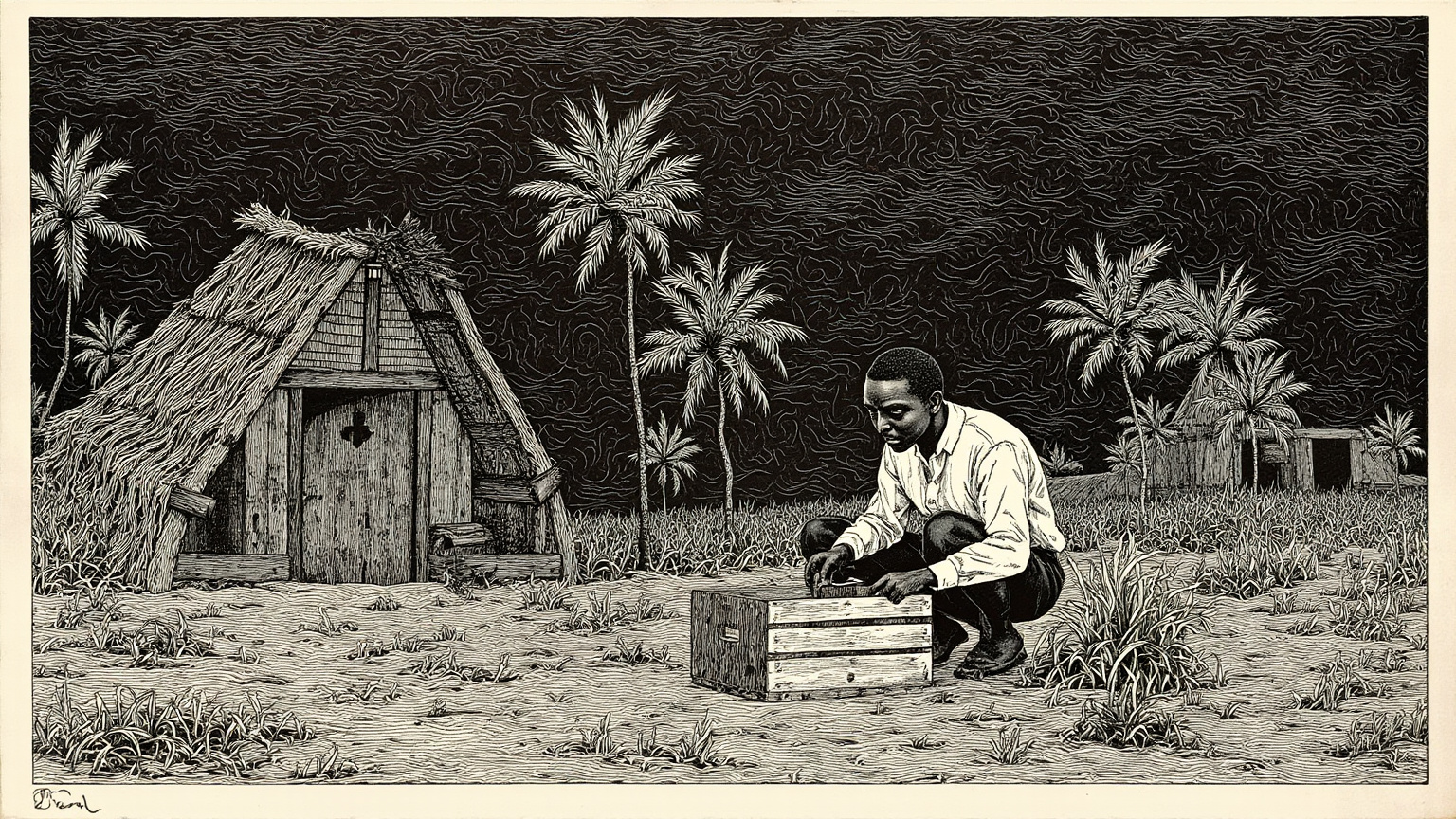
He encouraged me to go and work for myself, that I might be able to purchase my freedom.
他反倒鼓励我去做自己的营生,让我攒出那笔赎身的钱来。
金句 · 第五章 · 罗伯特·金放手让他攒钱
Six: 1766, Forty Pounds to Buy Back a Name
In 1766 he closed his ledger and laid forty counted pounds in front of Robert King. King made no trouble for him, and signed the manumission papers with his own hand. This is the spine of the book: everything before it, the kidnapping, the sales, the renaming, the broken promise, exists to earn this single sheet of paper. The craft here is that the author does not stage this as a fanfare of victory. What he writes is: I paid the money. Three actions: pay, sign, walk out the door. For the first time, he stands in the Caribbean air as a whole man.
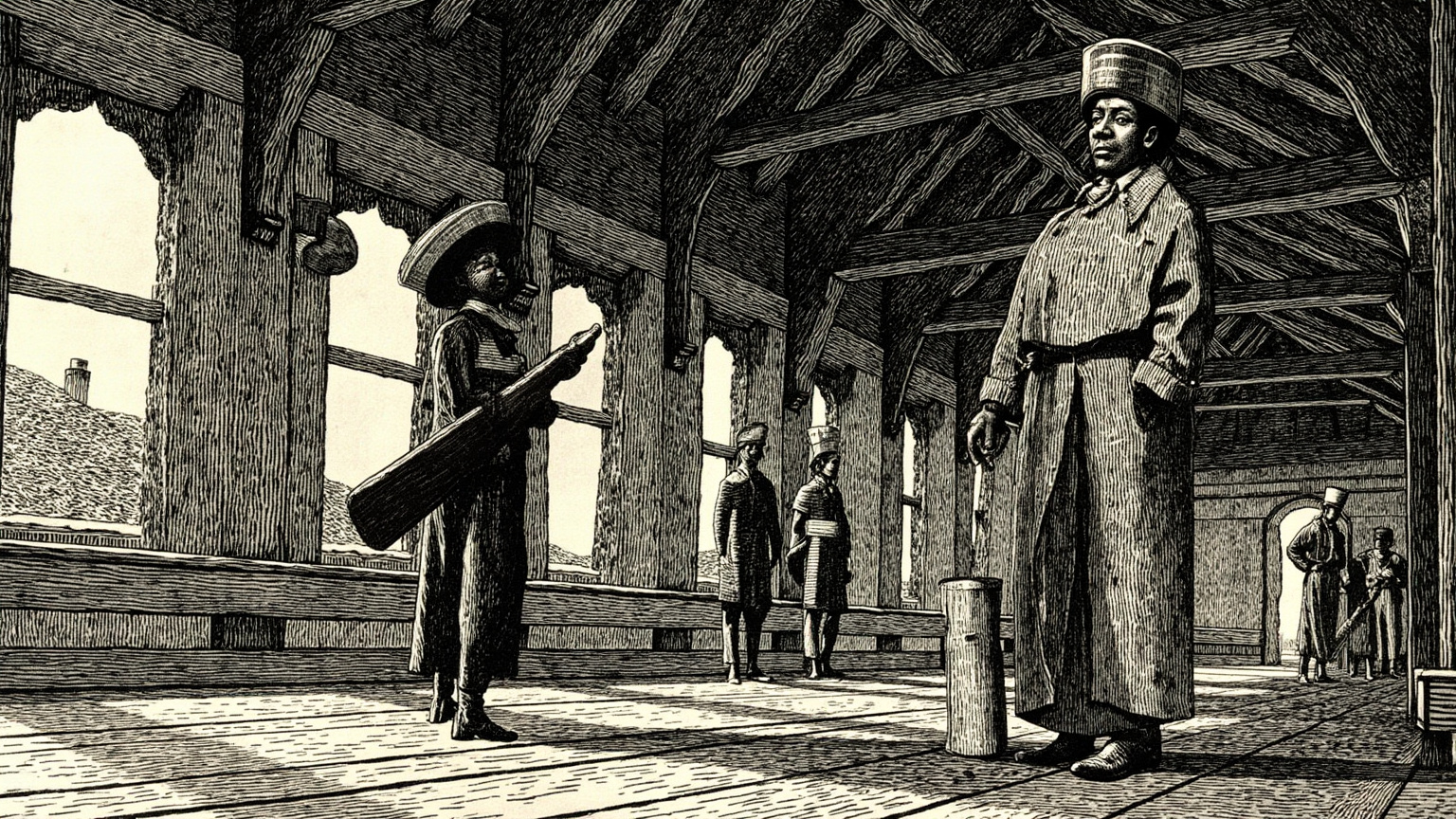
I purchased my freedom, and obtained it, in the year 1766, for the sum of forty pounds.
我把自己赎了回来——一千七百六十六年,整整四十英镑,那张纸从此写上了我的名字。
金句 · 第六章 · 四十英镑与一纸自由状
Seven: London and 1789, Turning a Life Story into Testimony
After gaining his freedom he settled in London, joined the abolitionist group Sons of Africa, and in 1788 presented a petition to the Queen. The following year he timed his book's publication precisely: Parliament was debating the Atlantic slave trade. The subtitle reads Written by Himself, the author was alive, the signature was real, and members of Parliament could point to his name and cite him directly. At this moment, the I is no longer someone entered into another man's ledger. He has sat down at the table himself and rewritten a life that had been torn apart into a piece of testimony fit for the record.
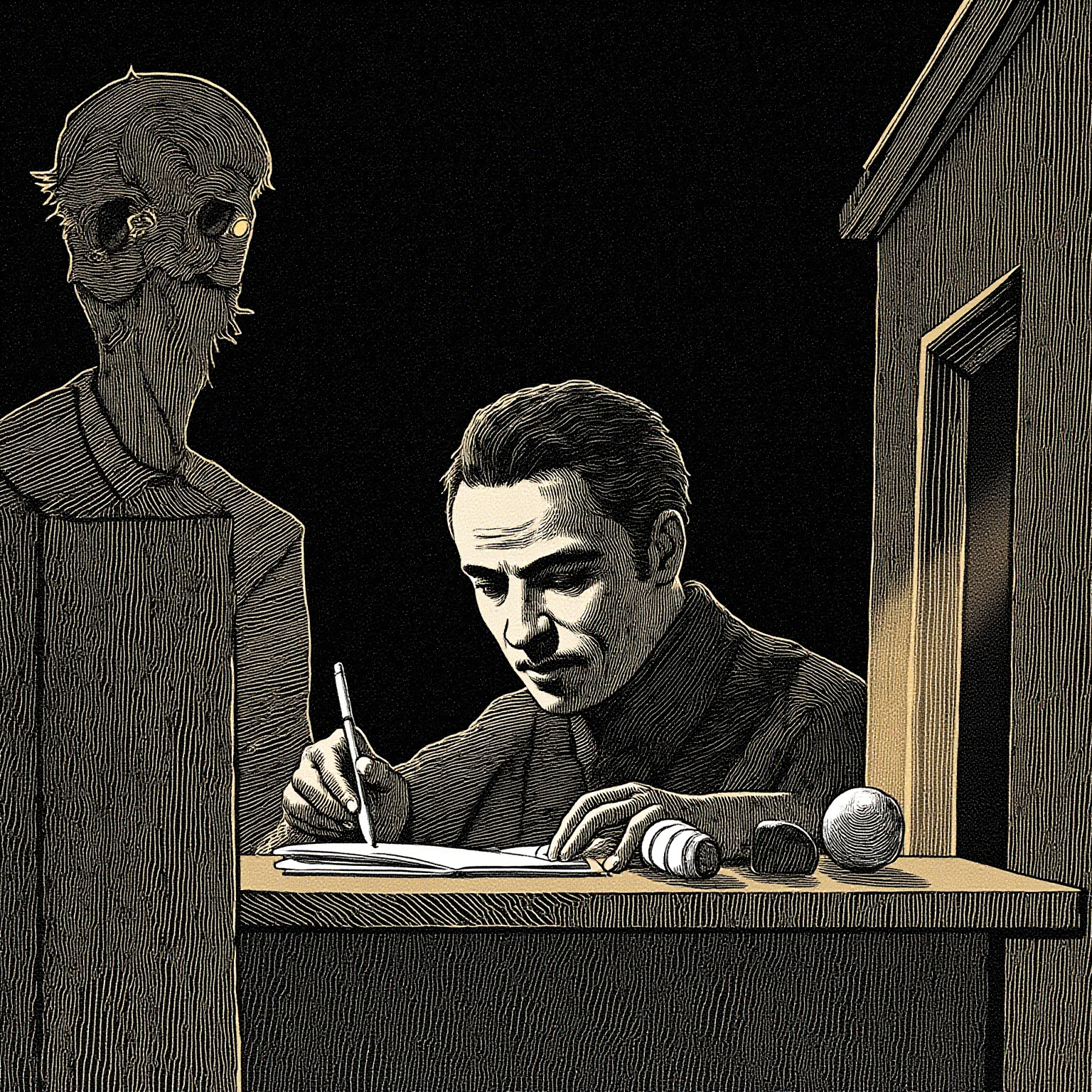
I was myself interested, and determined to lay its contents before the public; that some may be enabled to judge of the truth of what is therein related.
我身为当事之人,便决意把这些写在纸上交给世人,让他们自己去分辨这里头哪一句是真话。
金句 · 第七章 · 自述变成议会桌上的证词
Theme and Craft
What this book is really about is not suffering but redemption, in the literal sense: buying back. The throughline runs kidnapping to the Middle Passage to a series of owners to saving his own money to signing his own freedom papers. Freedom does not fall from the sky, and no one grants it to him; he pries it loose from himself, coin by coin. That line has almost no precedent in the eighteenth-century English-speaking world: the usual abolitionist pamphlet came from a white author's pen or leaned on a Christian conversion story. Equiano's Narrative sends the I out from inside Africa on its very first page.
There is a second theme underneath: writing as a second act of claiming himself. He was renamed, sold from hand to hand, stripped of his own name, and what the author does with the pen is reassemble that whole chain of losses back into order. The two names side by side on the title page are themselves a statement: Olaudah Equiano did not disappear. Gustavus Vassa was a skin he once wore, and his real name is one he took back with his own hand. The writing stays restrained to the point of coolness; it moves not on tears but on ledgers and dates, each entry pushing freedom another inch across the table. The first time I read this far, I went back and reread the renaming passage, and only then understood why he put two names on the title page.
For readers today, the book sets a coordinate that is hard to write around: the slave narrative as a literary form starts here, and so does the record of how a man treated as property remade himself into a person through writing. It is also an early demonstration of what real political action can look like, timed to land in the middle of a parliamentary debate, cited immediately by the abolition movement, a private memoir walking straight onto the table of the legislative process.
The spine of this book is not being rescued but buying himself back — freedom bought off the market with his own money, then handed to the public again in writing.
Why Read the Original
A summary can lay out the facts plainly enough: the kidnapping, the renaming, the betrayal, the buying back, the taking up of the pen. What it cannot give you is the cold of that eighteenth-century London winter night at the desk where he wrote it. It cannot give you the warmth of his hand as he turned pages between his ledger and his Bible. It cannot give you the pause when the Guerin sisters taught him to write and he spelled out his first word and sat there, stunned by it. It cannot give you the quiet, unspoken reclamation of seeing Olaudah Equiano and Gustavus Vassa printed side by side on the title page. None of that lives in the plot summary. It lives only in the sentences themselves. The book is not long, but every paragraph carries weight; it is worth sitting down and reading for yourself.
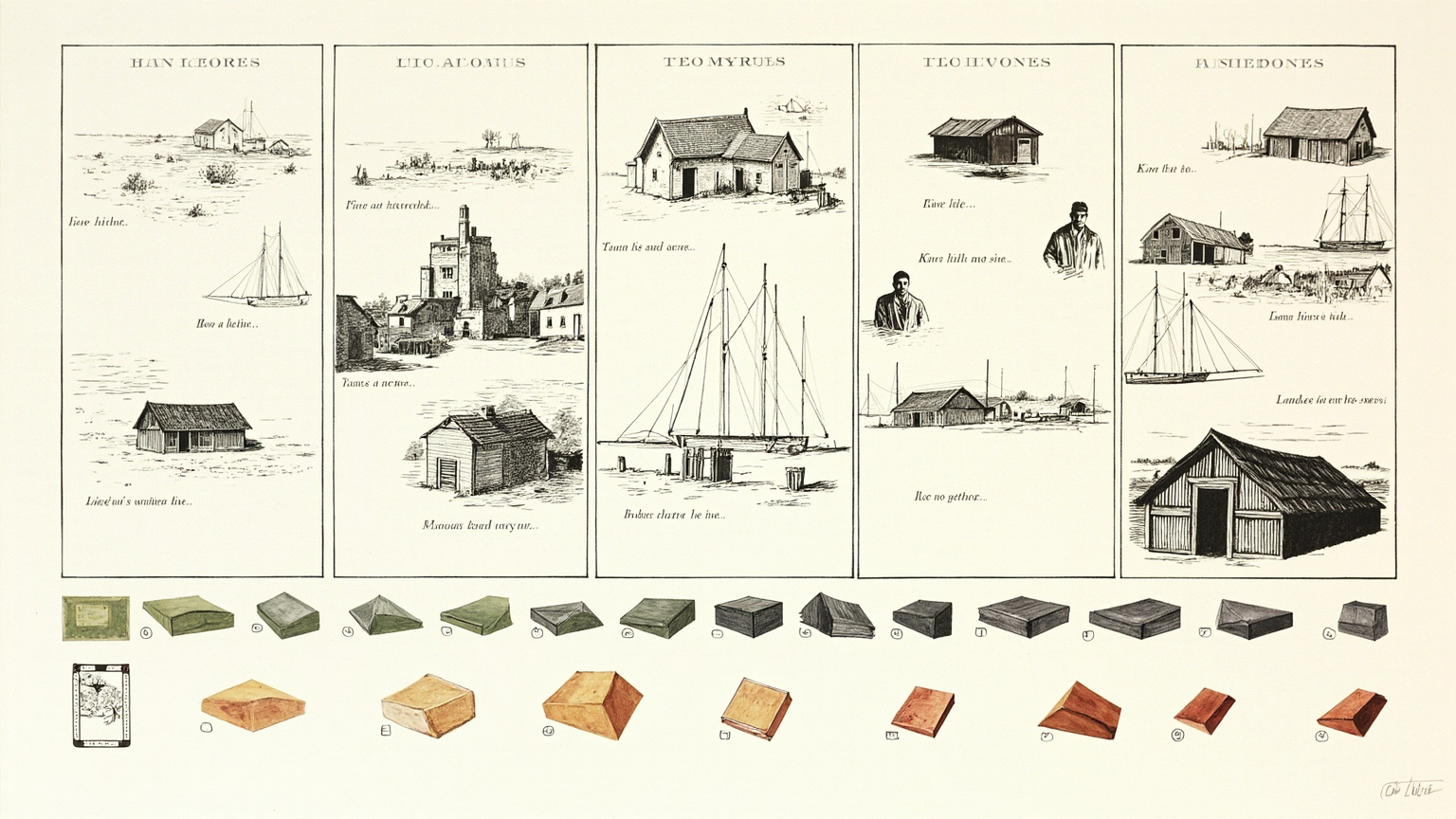
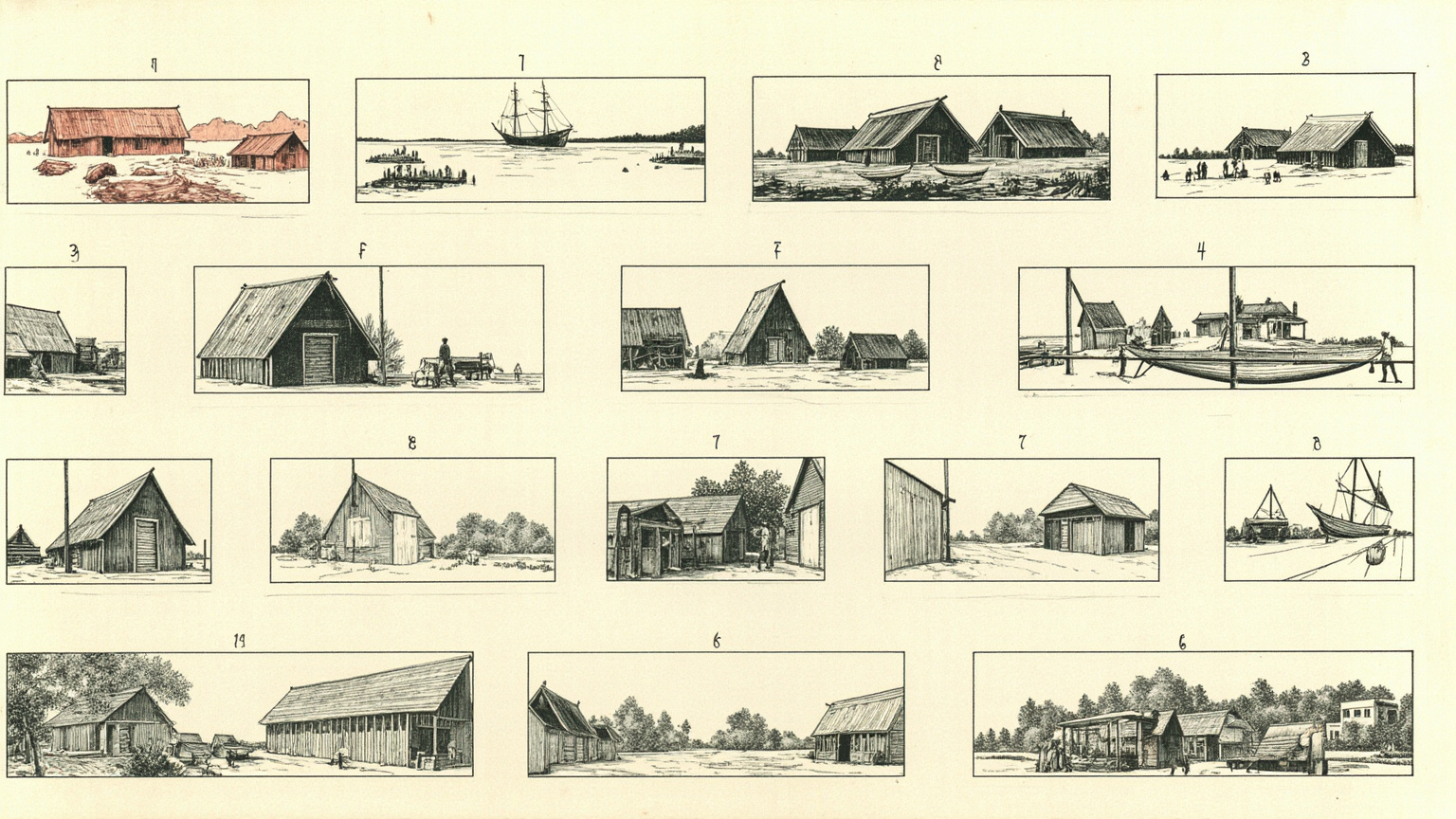
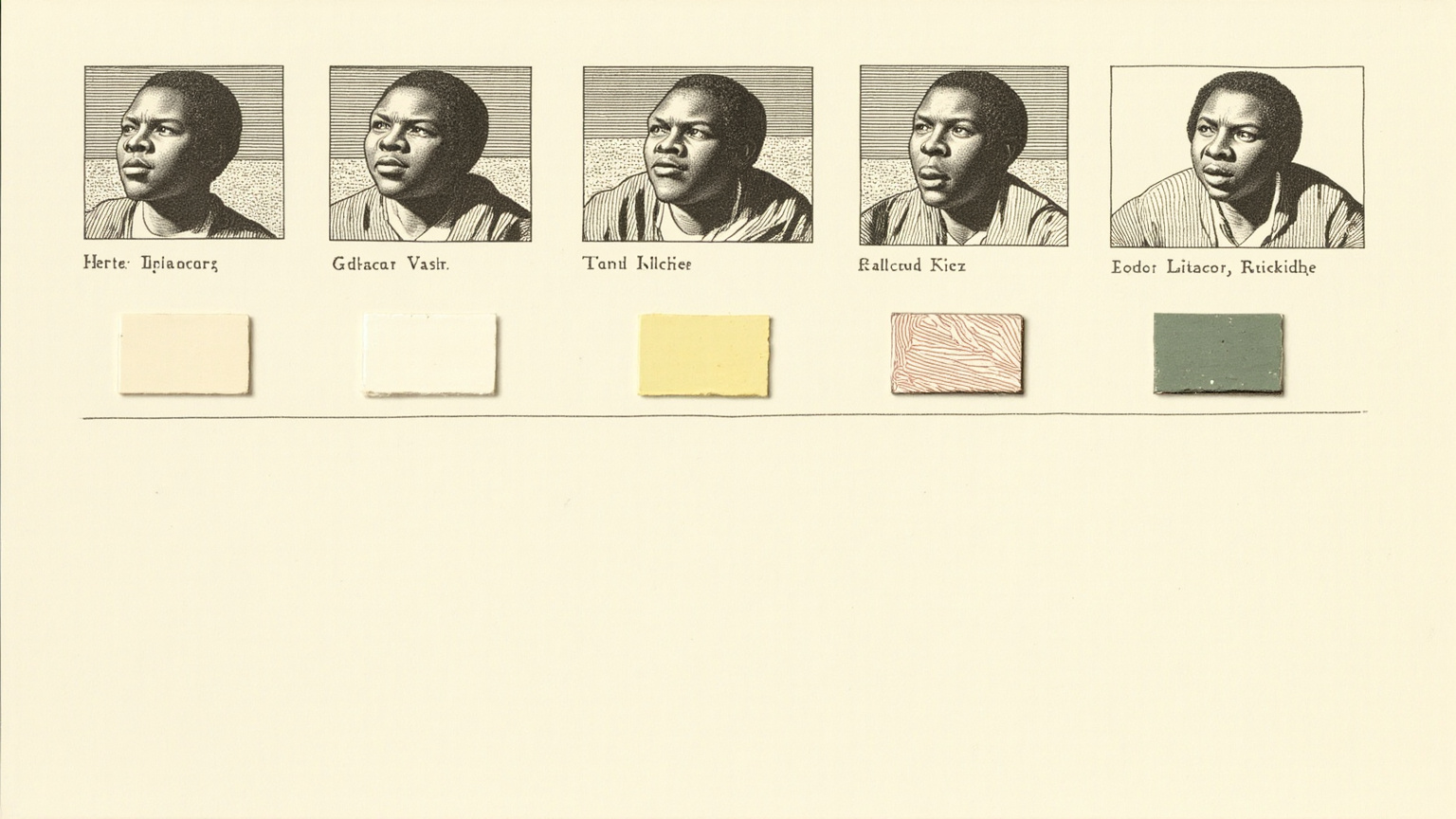
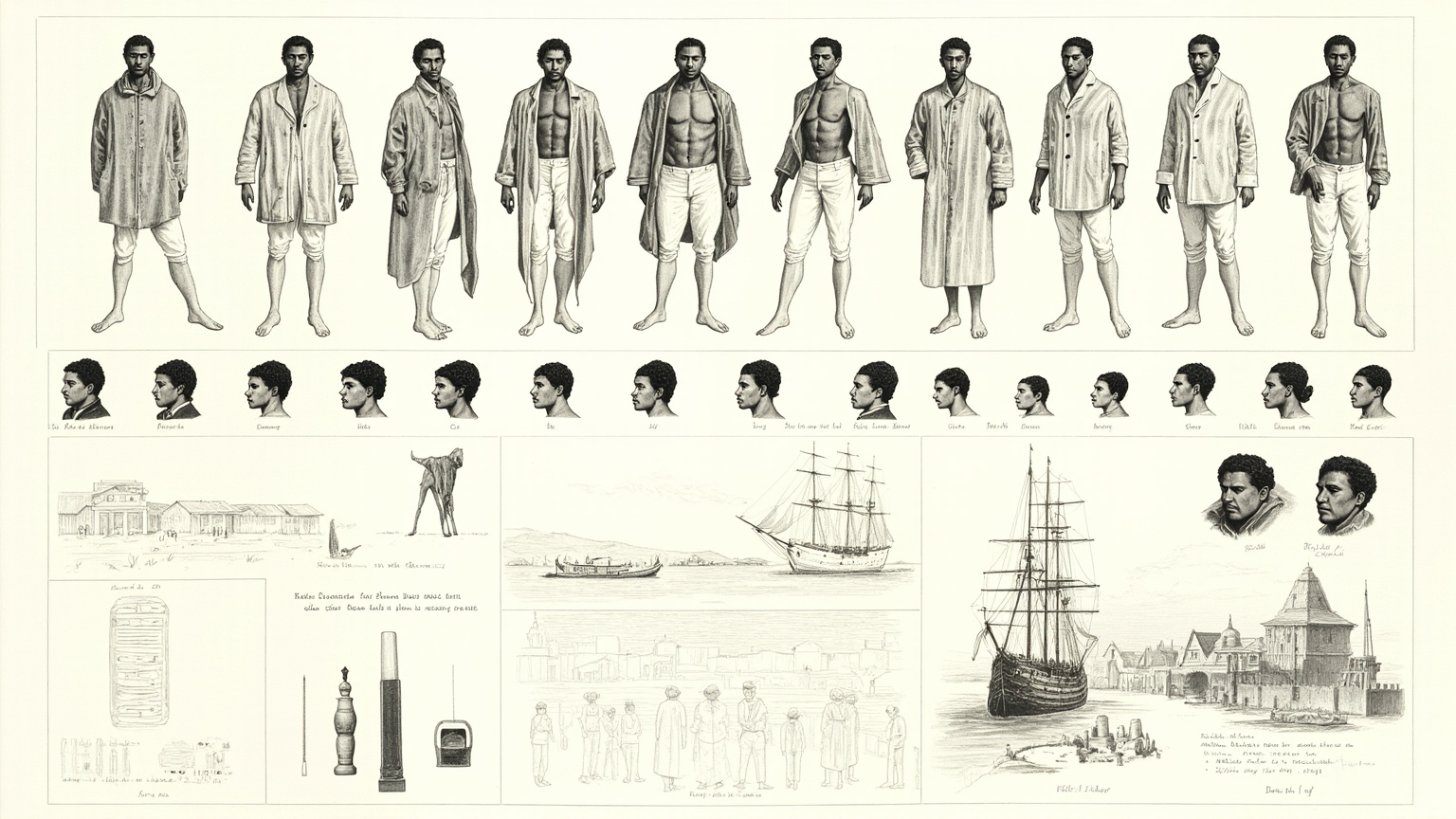
Art Direction4 plates
Before the guide was written, this book got a visual foundation — every illustration you just read grew out of it.