Heaven and Hell (De Caelo et Ejus Mirabilibus et de Inferno, ex Auditis et Visis) · Companion Guide
天堂与地狱
一位前矿业工程师用田野报告的笔法,把来世编进了条目与编号里——冷静到让人后背发凉。
A Business Trip Report
A report from a business trip, written for people who never made the journey, its pages yellowed, its categories filed with bureaucratic precision — tear off the cover and you would take it for one more mineral survey mailed home by some eighteenth-century Swedish natural philosopher. The title makes you do a double take: Heaven and Hell, subtitled From Things Heard and Seen. The traveler was Emanuel Swedenborg. His destination: the far side of death.
What Kind of Book Is This, Exactly
First published in Latin in 1758, the book falls into three blocks: Heaven, the World of Spirits, and Hell. It reads like a theological treatise crossbred with a field log — numbered chapters, small subheadings, entries lined up one after another, the author noting who was singing, where the fog was sinking, how a city went dark, all in a tone flat enough to describe an abandoned mine shaft. It is remembered precisely because its author is such a study in contrasts: a Swedish mining engineer who compiled technical manuals and wrote papers in natural science, later filed under both scientist and mystic, the two labels sitting barely a line and a half apart in his biography.
Cast and World
This book has exactly one protagonist: Swedenborg himself. He is the recorder, the thing recorded, and the man who lay awake at night claiming he could hear the spirit world. He has no companion, no interlocutor, no antagonist. His world splits into two layers: on one side, a desk in Stockholm, a coffeehouse in London, a compass and a slide rule down a mine shaft; on the other, the spirit world he claimed to enter, a place built out of light, fog, and the ruins of cities. The rule is simple: the dead do not return to dust, they move onto another map, and Swedenborg carried a passport and a notebook. He called what he wrote things heard and seen, and set it all down entry by entry.
The Arc: How the Report Took Shape
I. The Years of Mine Shafts and Slide Rules
The first half of the story happens outside the study. The young Swedenborg was steeped in Sweden's mining industry and technical writing, moving from ore composition to engineering machinery to natural philosophy, respectable, solid work, the kind of Enlightenment scholarship meant to make a nation stronger. This background matters: it explains why the reader flinches on reaching Heaven and Hell. He was no charlatan, no medium working a seance. He had once written experimental reports about as sober as prose gets.

I was chiefly engaged in writing works on the mineral kingdom, and on subjects of mechanics and engineering.
我大半的时间都在撰写关于矿物界的著作,以及机械与工程方面的论题。
金句 · 前传 · 矿坑与计算尺的年代
II. The Line He Crossed Around Fifty-Seven
Then, in some year, the record puts it around age fifty-seven, he claimed to hear voices from the other side and see faces in light. The shift reads nothing like a dramatic breakdown; there is no ruined marriage, no shattered family. It reads more like an internal transfer notice: research redirected from natural science to theology and the recording of the spirit world. From then on his life split in two. By day he might still be proofreading a volume of theological manuscript; by night he claimed to rise and travel to another layer of the world. His prose shifted gears to match, from the treatise mode that describes the visible world to the things heard and seen mode that describes the invisible one.
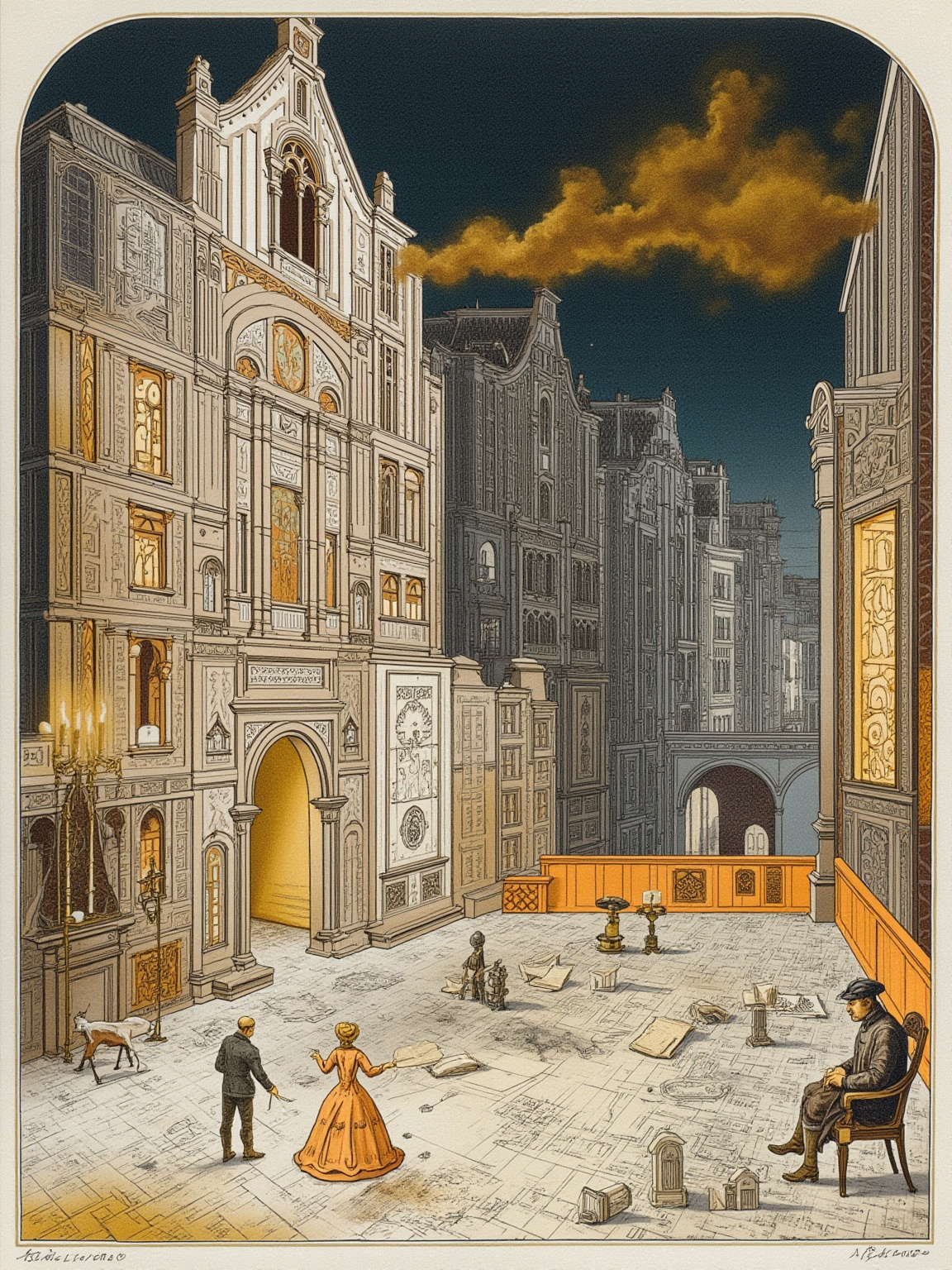
I have been called to a holy office, and to this end I have been introduced into the world of spirits.
我蒙召担任一项神圣的职分,为此我被引入了灵界。
金句 · 转折 · 57岁前后的那条界线
III. 1758: A Calm Dossier
In 1758 he gathered years of testimony into Heaven and its Wonders, and Hell, from Things Heard and Seen. The full title reads like minutes from a committee meeting, and the author uses exactly that flat, official language to hold in a stomach full of the outlandish — that mismatch is the thing most worth turning over in your hands. It is nothing like the Divine Comedy, with its guide, its verse, its forward-moving plot; there is no Virgil here, no Beatrice. It reads more like a survey log filed by time, place, and person, each entry written up like a lab record: location, circumstance, what was heard or seen, a fragment of dialogue, the hour of return. Reading it, you forget you are holding a book about the afterlife and start to feel like you are paging through a long-haul expedition's field notes.
IV. A Three-Tier Map: Heaven, the World of Spirits, Hell
The book falls into three parts: the upper tier, the transitional layer in between, and the one leading down. The author gives that middle layer, the World of Spirits, a section all its own — a kind of airport departure lounge where the dead wait, get sorted, get classified, and then fly off toward one extreme or the other. It is a deliberately cool treatment. He does not stage a banquet in heaven or choreograph tortures in hell; what he does is label each zone, number it, note its bearings. Which is exactly why this book about the next world reads less like a tract of faith and more like a zoning map some colonial administrator drew up for a newly discovered territory.
V. The Hell Side: Not a Drop of Blood
Swedenborg's hell has almost none of the usual flesh-and-blood torture. It is not Dante's funnel of nine fiery circles — that is a different tradition and should not be mixed in with this one. What you get instead is a valley of fog sinking downward, a handful of extinguished cities, empty streets, a cold-toned wasteland, and the airless pressure of light being drained out of the room. The first time I read his description of hell, I kept waiting, on reflex, for an executioner, a lake of fire, iron spikes. None came. Instead there was a cold with no obvious source, and it was that cold that ran down my spine on its own. This author does not scare you. He empties you out.
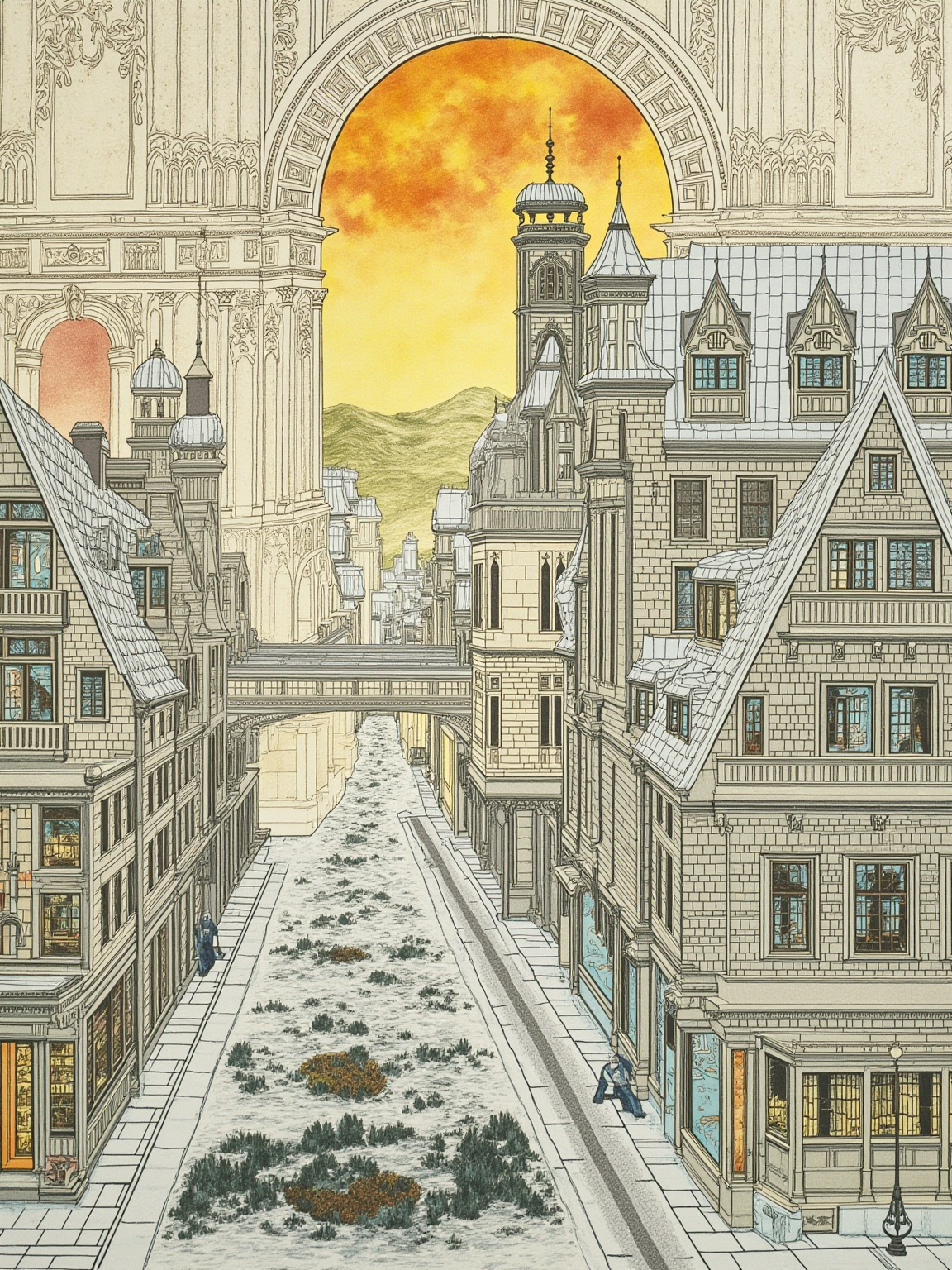
Those who are in hell are in the light of no faith, and in a light which is as the light of a fading fire.
身处地狱者,乃处于毫无信念之光中,犹如将熄之火的残照。
金句 · 地狱篇 · 熄灭之城
VI. Kant's Cold Stare
The story has to pause here, because someone is at the door. Not a reader, Kant. Kant wrote a long essay taking Swedenborg's spirit-world claims apart, and he did not mince words: he asked whether this whole business of commuting to the afterlife on business was a form of self-deception, the mind mistaking its own inner static for genuine experience. That takedown gave Heaven and Hell an odd afterlife of its own in the history of ideas: cited both as a wellspring for mysticism and as the textbook case in arguments about where reason's authority ends. A book about the afterlife that a philosopher can use as a specimen for where our reason should stop has clearly driven its stake deep into the eighteenth century's intellectual map.
VII. Echoes Down the Years: Blake, Emerson, and D. T. Suzuki
Nearly three hundred years on, this odd little book still gets pulled off the shelf. William Blake lifted light straight out of Swedenborg's visions. Emerson borrowed the grammar of an inner universe for his essays, weaving the spirit world's light and correspondences into his own transcendentalist writing. D. T. Suzuki reread the Nordic engineer through the lens of Eastern mysticism, folding Swedenborg's correspondences between mind and world into the vocabulary of Zen. Which is to say: almost nobody actually believes Swedenborg made it to the afterlife and back. But nearly every writer curious about how another world might be imagined has borrowed something from him on the way past. The book's real legacy is not its conclusions — it is the way it generates the question in the first place.
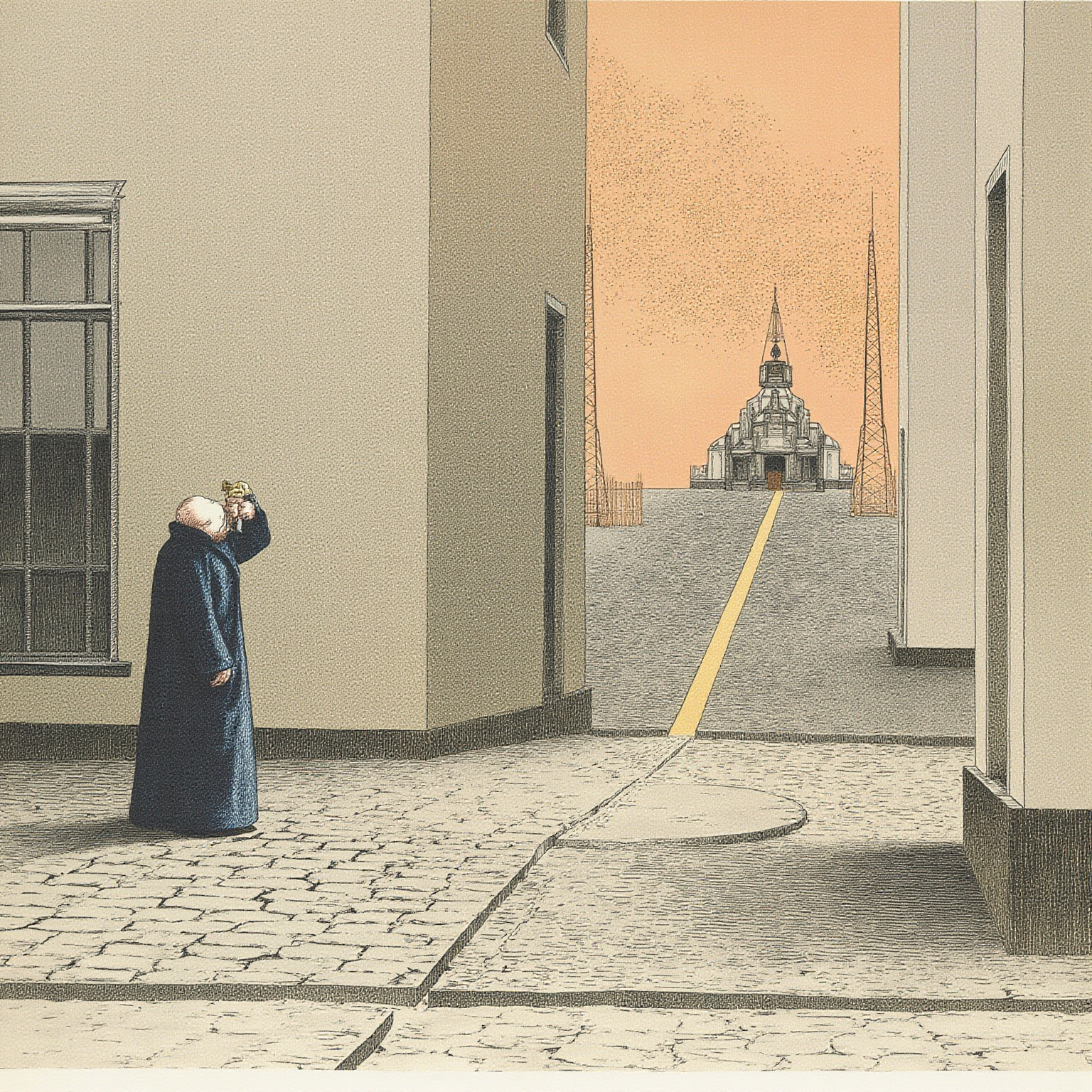
Theme and Method: What a Scientist Writing Theology Actually Wrote
What actually makes this book hard to sit still with is the mismatch between the man and his mode: someone who once analyzed ore samples processes the afterlife into a filing system, someone who once handled a compass down a mine shaft logs an angelic chorus by voice part. That mismatch functions as method, not gimmick. He turns his scholar's hand on a subject that was never supposed to be scholarship, and in doing so forces the reader into the same posture, asking the same question: where is the boundary? Where should reason stop? It still gets read today because that question was never settled. A calm dossier on the next world turns out to be, itself, a test of how far calm can carry you.
He doesn't scare you. He empties you out.
Why You Should Still Read the Book, Even Knowing the Plot
This guide gives you the map; the text itself is the ground. A secondhand account can tell you what the book covers. What it cannot give you is the sensation of being led forward, entry by numbered entry, through cataloged categories and cold fog valleys, the strange physical feeling of a religious subject handled in the register of a lab report, the kind of chill that only creeps up your back page by page. You will not get, secondhand, the restrained courtesy of Kant's rebuttal, or see exactly what each later writer quietly carried off from this heap of Latin. Giving you all of that is the whole point of a book.
This little 1758 volume looks unremarkable on a shelf today. But open it past the second page and you will find yourself led, in the flat tone of a field report, by a former mining engineer, into an afterlife filed and numbered like a survey. Come back to the real world when you are done, and even the teacup on your desk seems to have grown one more silent side.
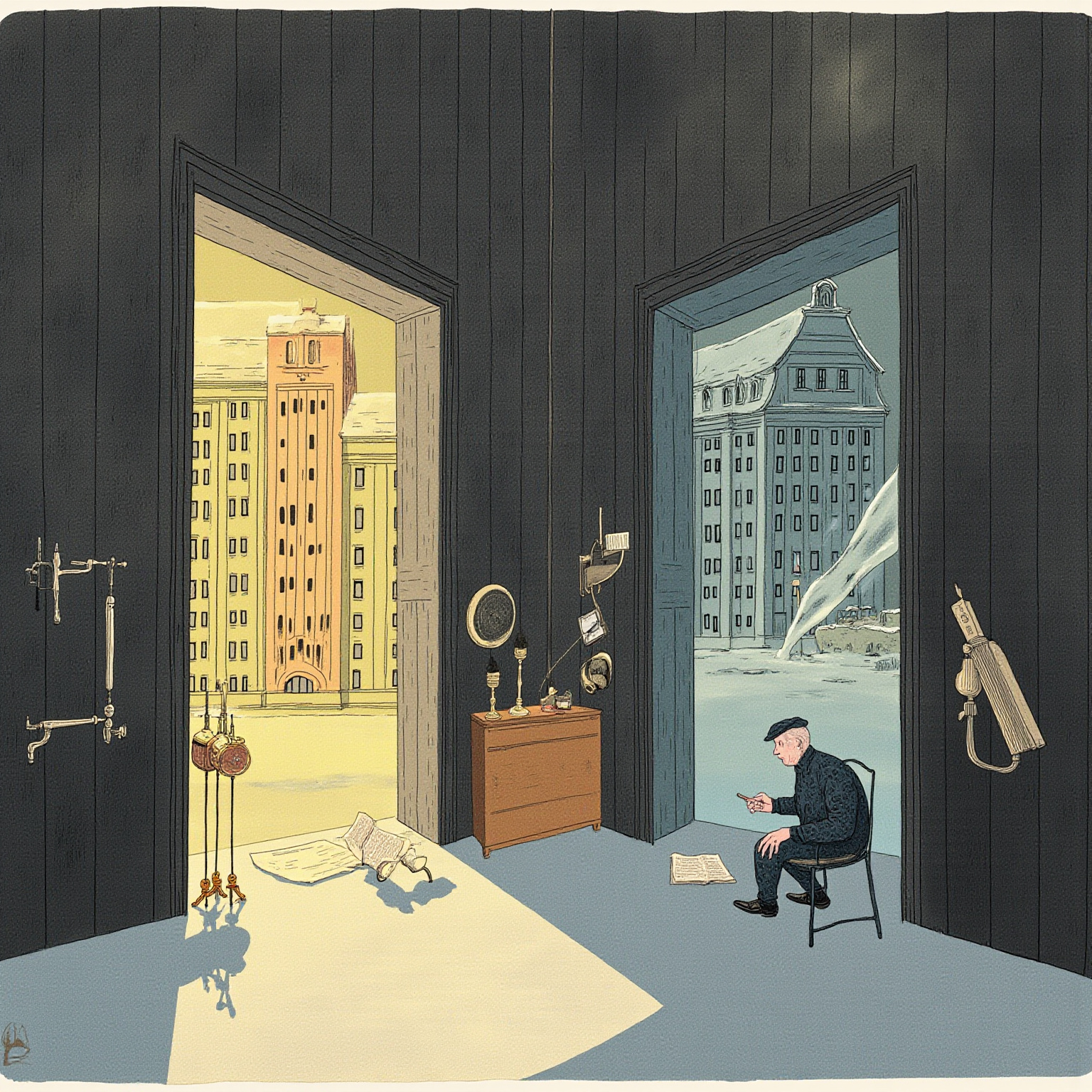
What is the source of this claim, that I have been introduced into the world of spirits, and have spoken with angels?
试问这种声称的根据何在——我竟被引入灵界,与天使们交谈。
金句 · 尾声 · 回响与质疑
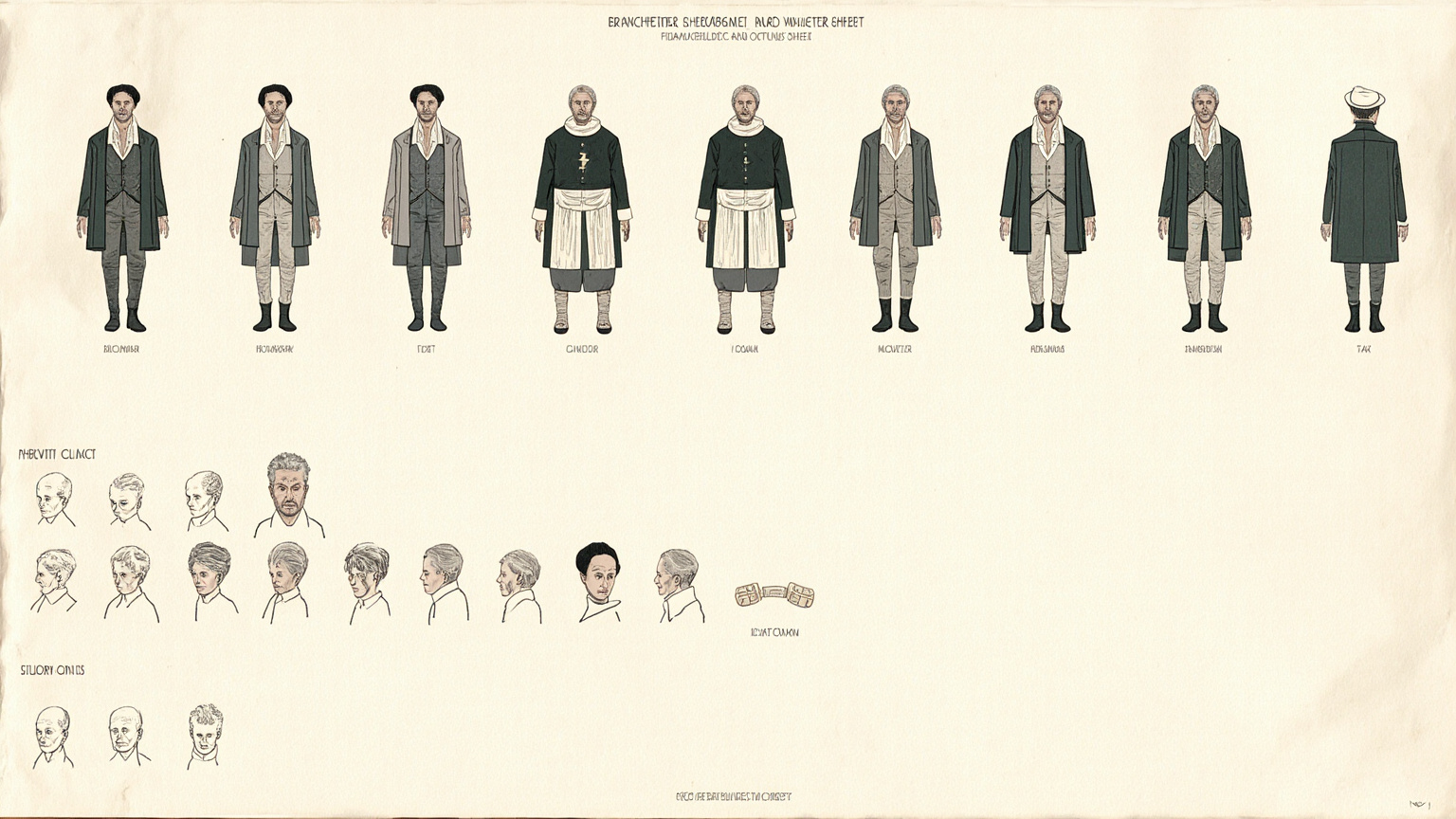
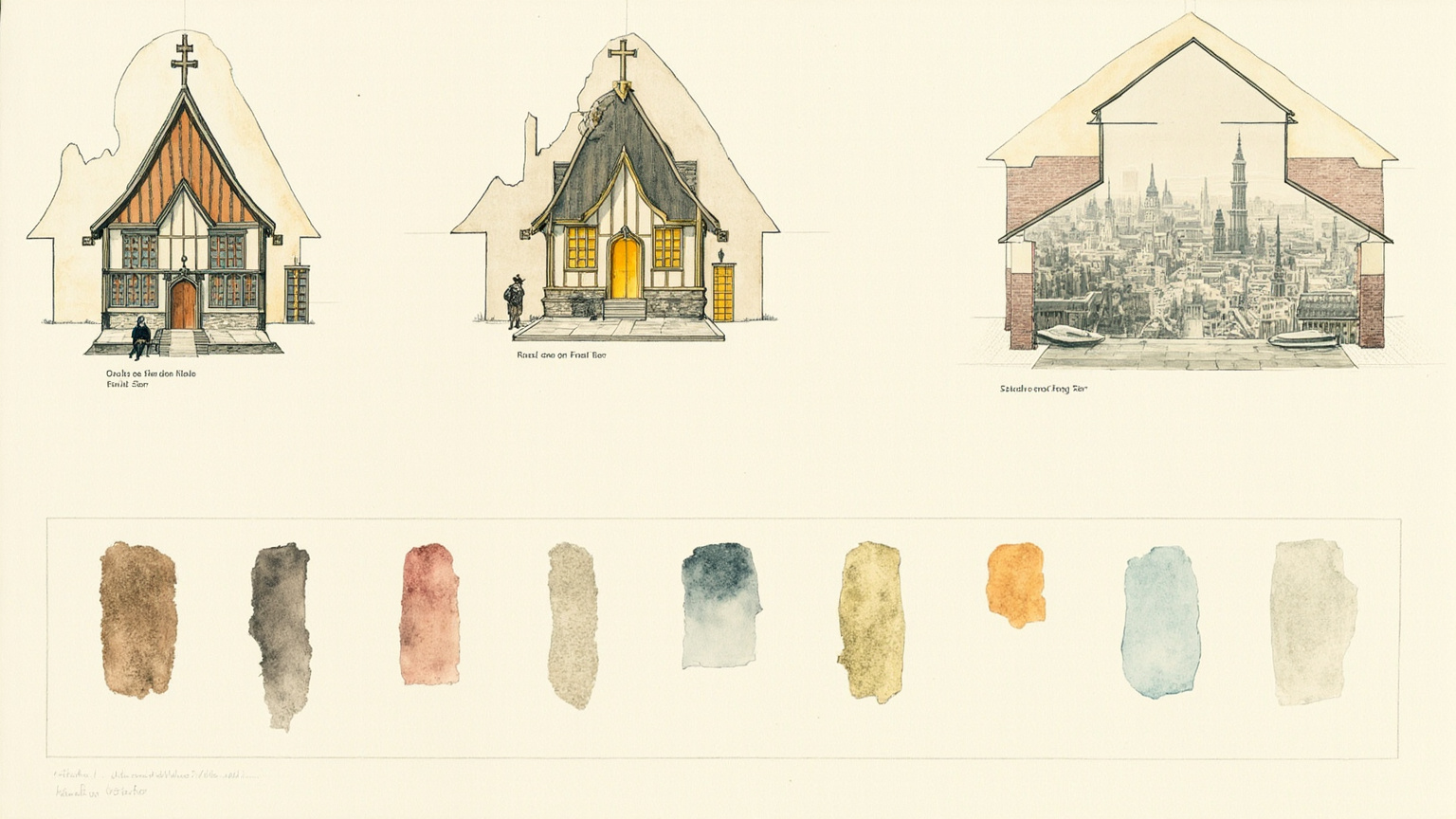
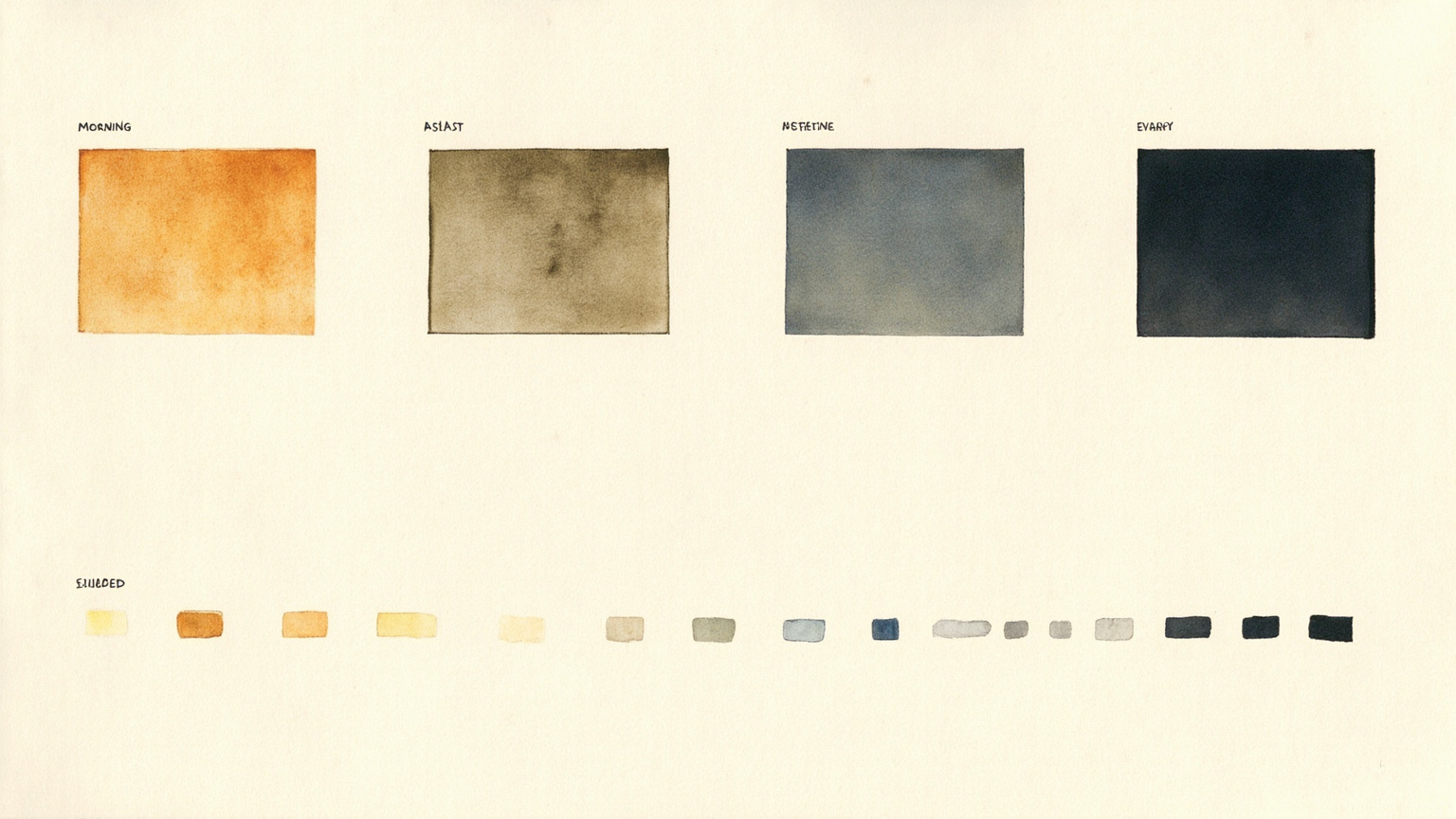
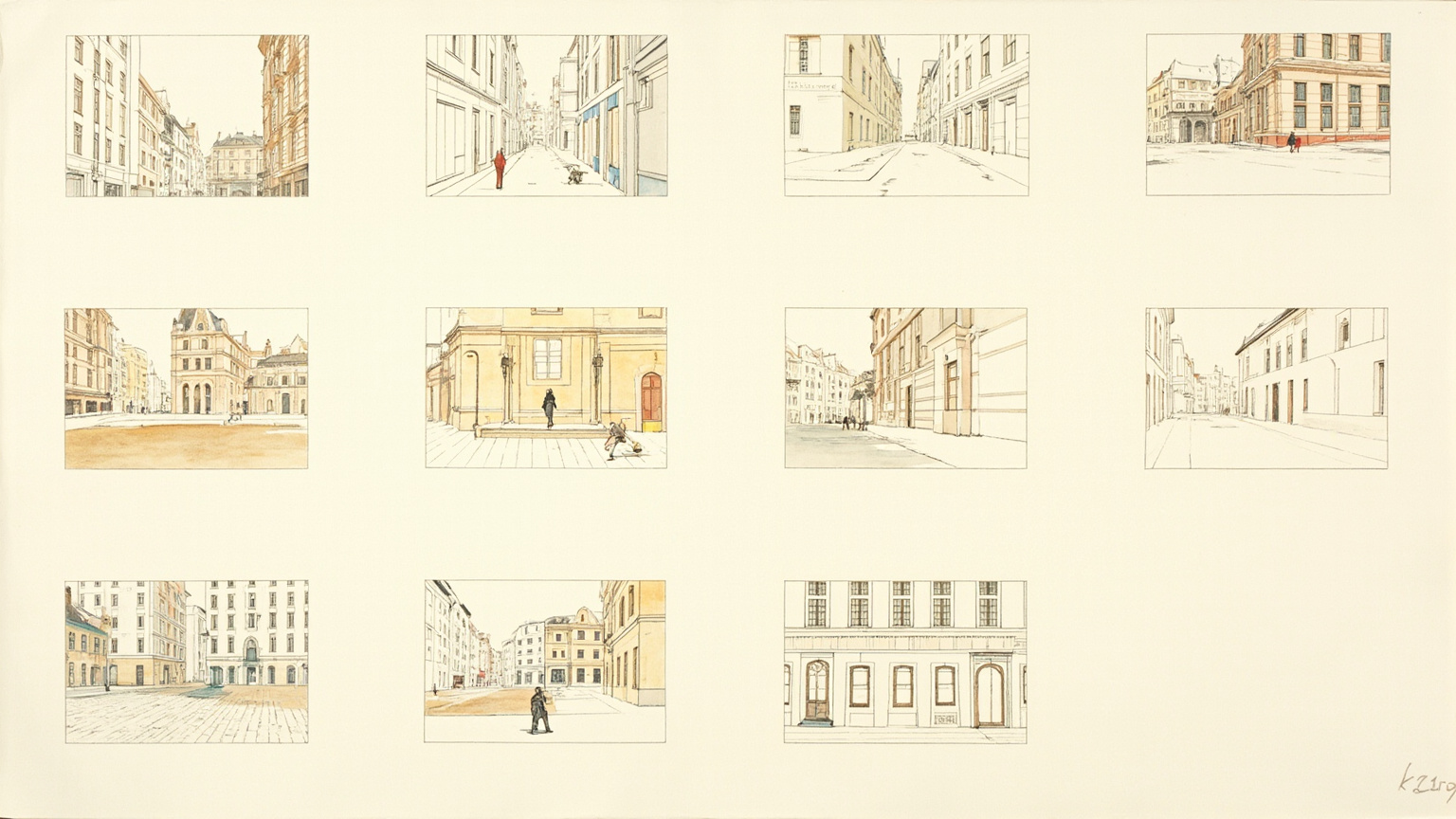
Art Direction4 plates
Before the guide was written, this book got a visual foundation — every illustration you just read grew out of it.