Henry V · Companion Guide
亨利五世
一个刚戴稳王冠的少年国王,跨海去拿回一张本不存在的继承权,在诺曼底的泥泞里让英格兰的长弓盖过法兰西的甲胄。
Opening: A Chest of Tennis Balls, a King's Rage
The French Dauphin has a wooden chest carried into the London palace. When the lid is lifted, inside are tennis balls. The messenger delivers his words with a slight bow, his smile hiding a blade: you're young, go play with your balls, but keep your hands off France. The giver is a Dauphin barely out of his twenties; the recipient is an English king in his twenties—a new monarch on the throne less than a year, still warming the seat. The French wrap insult in a gift and send it, betting the young king will simply swallow it.
What This Book Is
Henry V is a British history play written by Shakespeare, staged in London around 1599. It's not a recreation of some court secret but a national epic forged from historical material: how England emerged from civil war in the early fifteenth century, how the longbow replaced armor, how a young man who took the crown at twenty-eight became the name in the history books. When Shakespeare wrote it, Queen Elizabeth still sat on the Tudor throne, so the Henry V on stage was also answering a question for Tudor England: who are we, and why do we deserve to win.
Within Shakespeare's sequence of English history plays, this one closes the arc—Prince Hal's story begins in Henry IV as a tavern thief and rogue, and ends in this play with him scattering French nobles on the battlefield. The way it's remembered is specific: whenever the English-speaking world writes a pre-battle speech, nearly everyone has to go through his.
Characters and World: The Late Medieval in the Mud
Center stage is a newly crowned English king, Henry V—born in 1386, died in 1422, under thirty when he took the throne, still carrying the shadow of that tavern rogue from the previous act. On either side stand people from both worlds: on one side, the Archbishop of Canterbury hands him the legal basis for his claim to the French crown; on the other, his old tavern companions—bragging Pistol, thieving Bardolph. Alongside Henry is an old Welsh soldier, Fluellen, full of military lore, upright to the point of pedantry, the spine of his Welsh company. On the French side, King Charles VI is old and sickly, propped up by the Dauphin, who is arrogant, speaks prettily, and looks down on this new English king. The French constable boasts before Agincourt that he will capture Henry alive. Princess Catherine is still a girl, knows some broken English, and waits for an arranged marriage.
The rules of this world are brutal: it's late medieval France and England in the latter stages of the Hundred Years' War, the fight now spanning generations, where the loser surrenders territory, pays tribute, and gives up daughters. On the battlefield, the word is the longbowman's arrow storm, not the noble's armor and warhorse. A crown weighs on one man's neck—he must appease and purge the nobles while explaining to the soldiers why they should die.
Plot line: From a box of tennis balls to the mud of Agincourt
The play opens in the London palace. The Archbishop of Canterbury spreads out a scroll and lays out England's historical claim to the French throne — the argument is tenuous enough to be almost funny, but no one dares poke holes in it. Then the French Dauphin's tennis balls arrive at just the right moment, pouring gasoline on the fire. The new king has been crowned only a few days when he declares war. Shakespeare writes this cleverly: the legitimacy rests on legal documents and religious authority, but what actually draws the sword is that box of tennis balls and an insulting letter. He lights the fuse of state on a private slight.
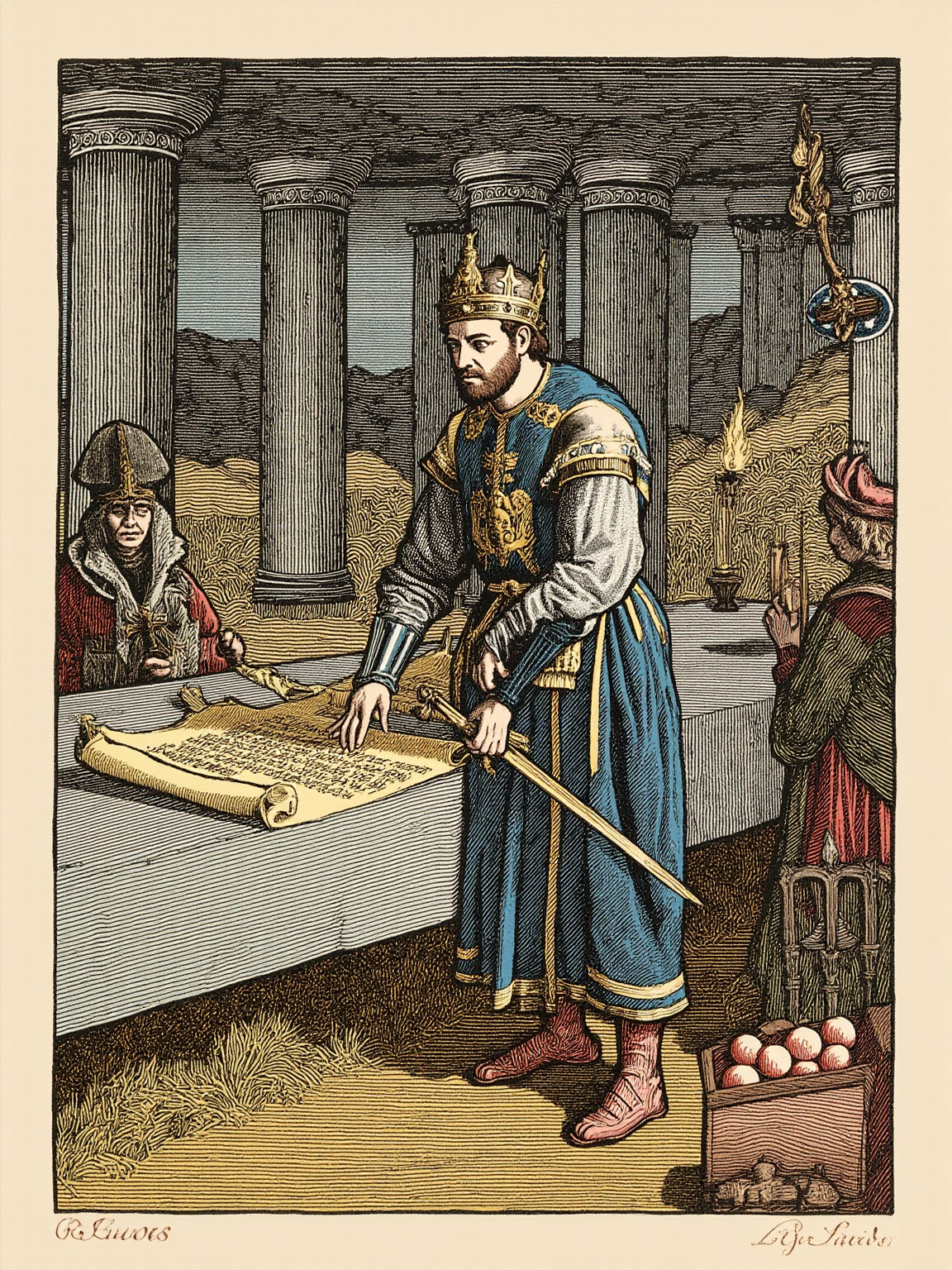
When he is come, an ass, and no I: but he is no ass for all that; but when I take up a tennis-ball in my hand, I strike it my master, and I thank him for the motion.
等他真的来了,会看见一头驴——可他算不得驴,虽然顶着一副驴脸。我把那只网球捏在手里,分明是在抽我的主子,只是他自个儿还得谢我这一拍之赐。
金句 · 第一幕第二场 · 网球与王冠
The night before departure, Southampton docks. Henry exposes the treasonous plot of the Earl of Cambridge and other nobles on the spot — they've taken French money and plan to kill him en route. The conspiracy is uncovered, the traitors executed. The fleet weighs anchor. This is the play's cold blade: he's leading men to fight in France while someone is selling him out in his own court. Shakespeare makes an execution and a departure happen at the same time, reminding the audience that the sword in this king's hand and the flag flying on those ships are the same thing.
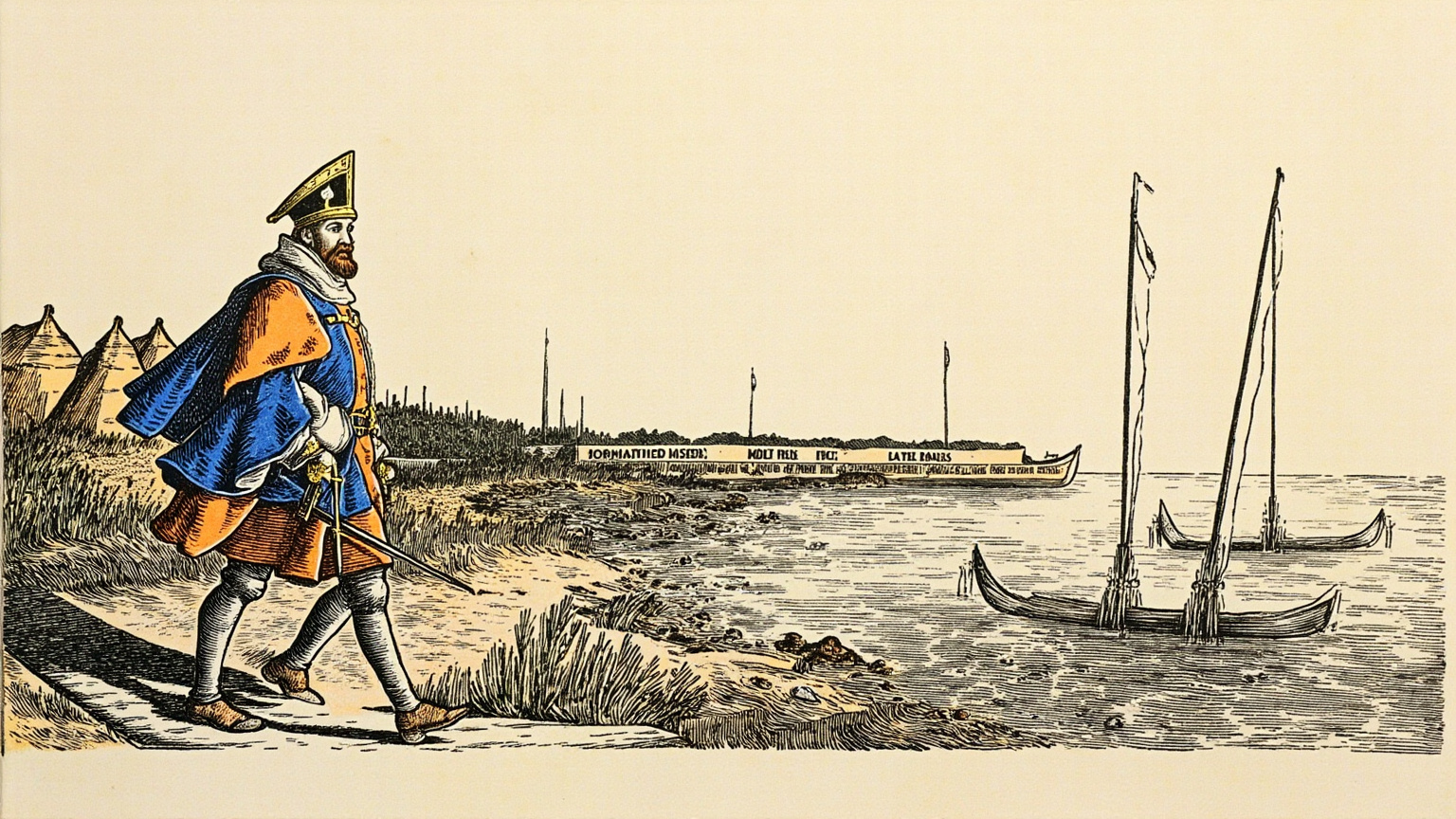
Then shall our names, familiar in his mouth as household words, Harry the King, Bedford and Exeter, Warwick and Talbot, Salisbury and Gloucester, be in their flowing cups freshly remembered.
那以后,我们的名字——亨利王、贝德福德、爱塞特、华瑞克、塔尔博、索尔兹伯里、格洛斯特——就会像他家里那些常挂嘴边的字眼一样,被人端起酒杯时一遍遍念起来。
金句 · 第二幕第三场 · 南安普顿的名单
Crossing the Channel, the first stop is Harfleur in Normandy. The siege is grueling — the English are sick, exhausted, and the city walls still stand. Henry puts on his armor and rushes to the front lines himself, shouting that famous line: "Once more unto the breach, dear friends." The day the town falls, he collapses in his camp from illness. Shakespeare writes this passage with restraint: no triumphal jubilation, only siege engines, soldiers carrying wounds, and a king too tired to stand.
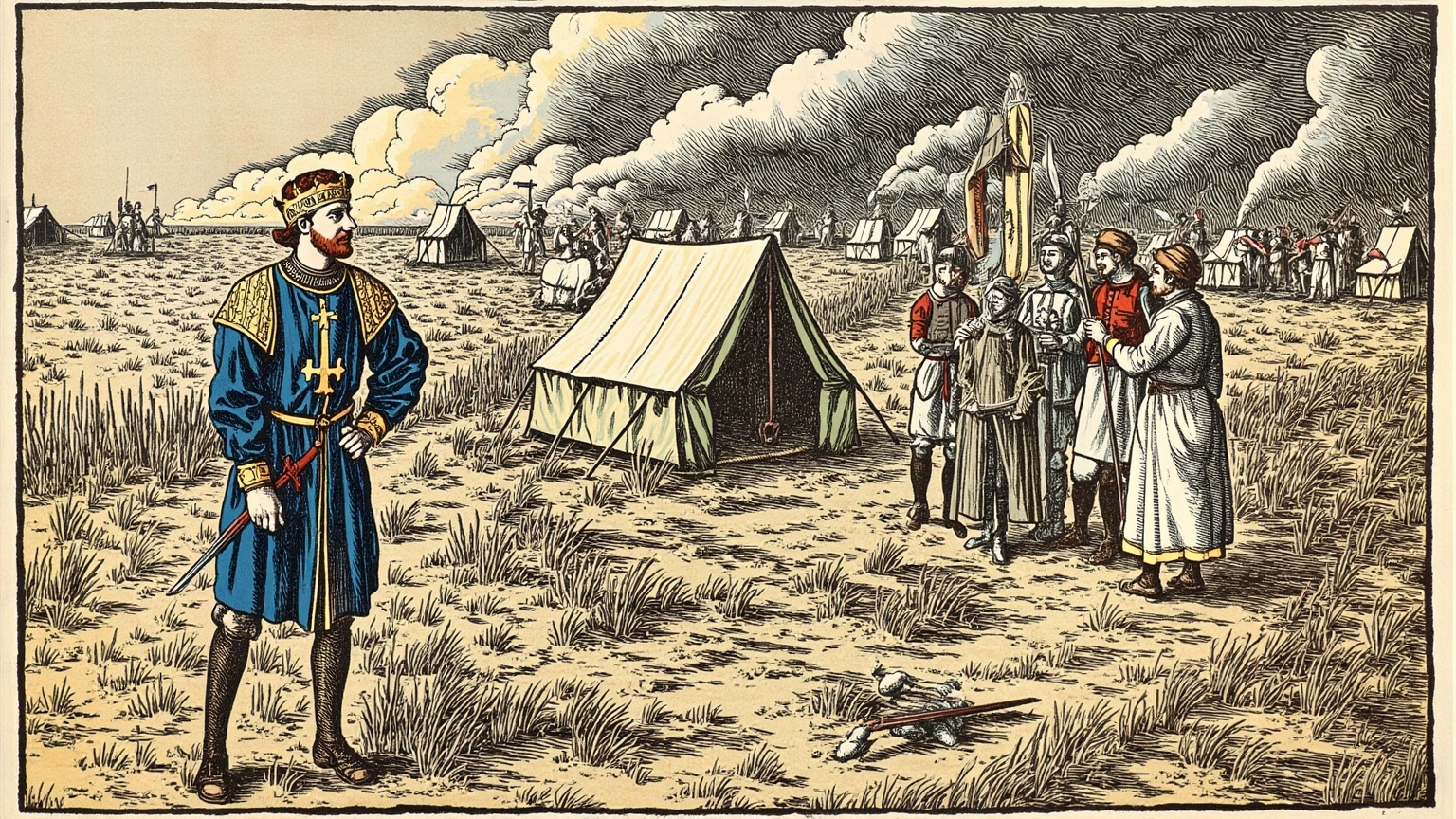
Once more unto the breach, dear friends, once more; or close the wall up with our English dead.
再冲一次,亲爱的朋友们,再冲一次;不然,就拿我们英格兰人的尸首把那段墙口堵上。
金句 · 第三幕第一场 · 城墙缺口前
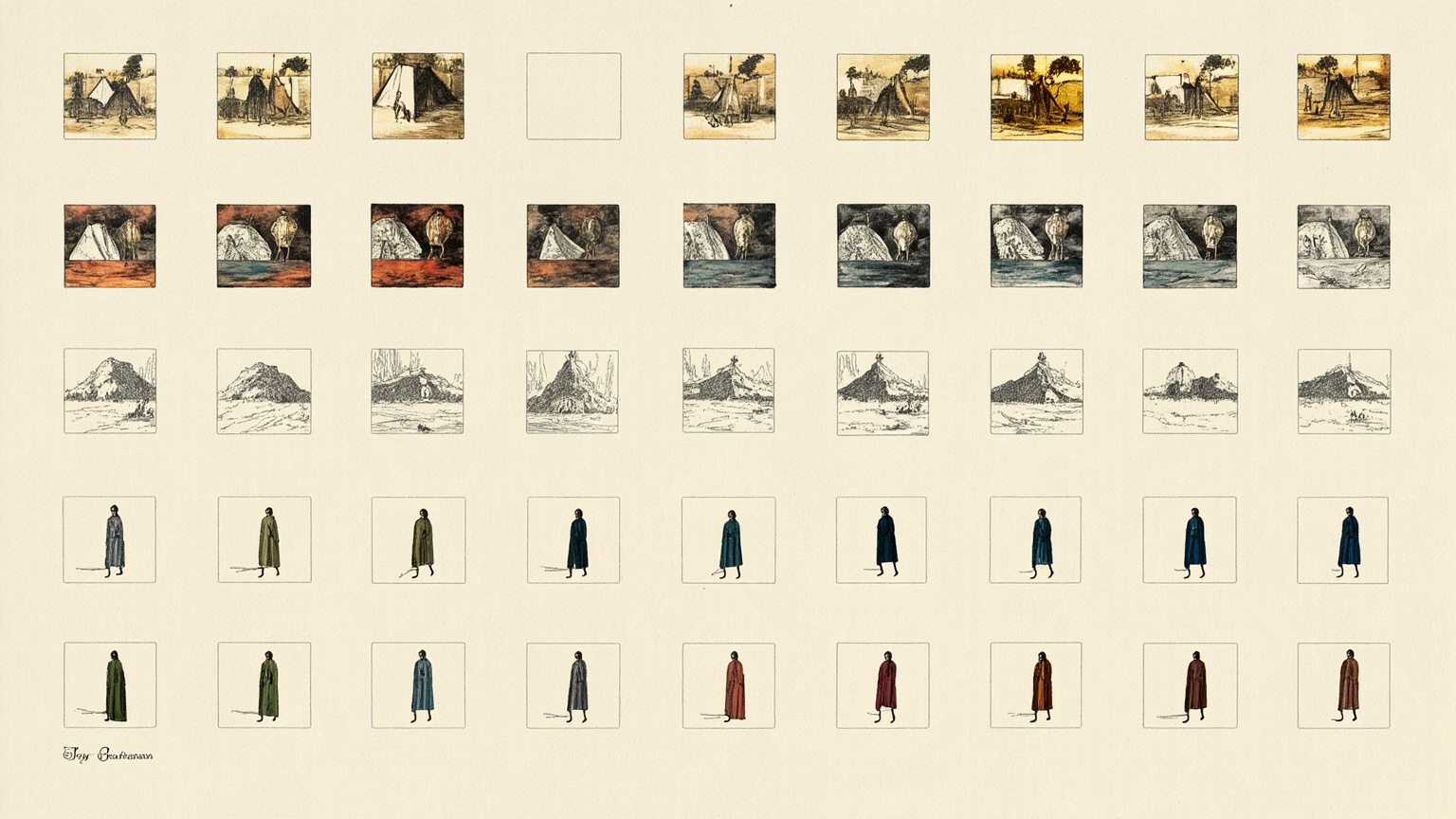
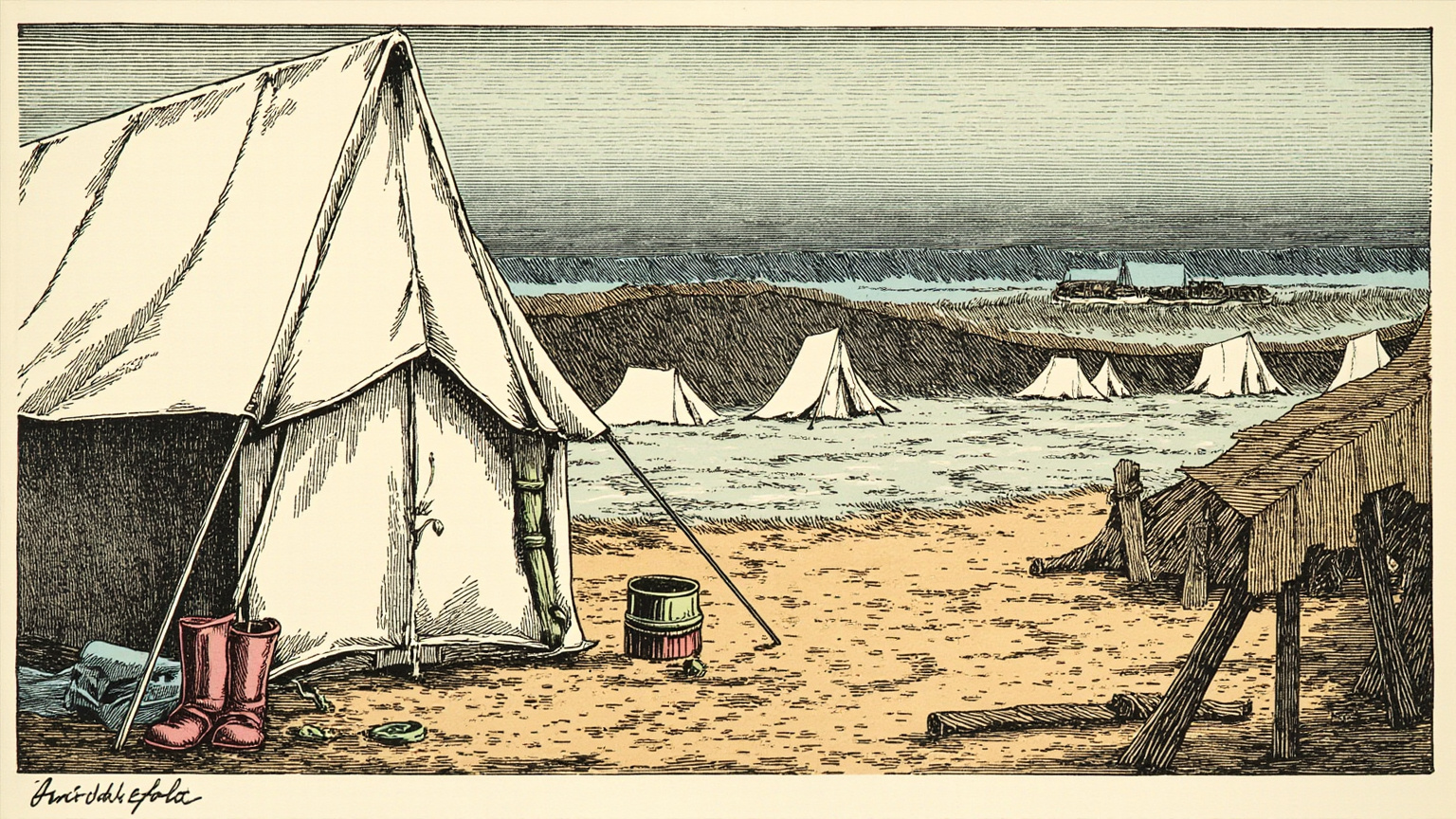
On the march from Harfleur to Calais, the French army blocks the road with overwhelming force. The night before Agincourt, Henry slips away alone, dons an old cloak, and mingles with the soldiers around their campfires. No one recognizes him. He listens to them curse: this war is the king's fighting, it's their bodies that will die. Someone says they'd hang him if they could get him back to London. Henry offers no rebuttal — he simply takes the burden on himself and returns to his tent. This is the quietest passage in the play, and the most painful.
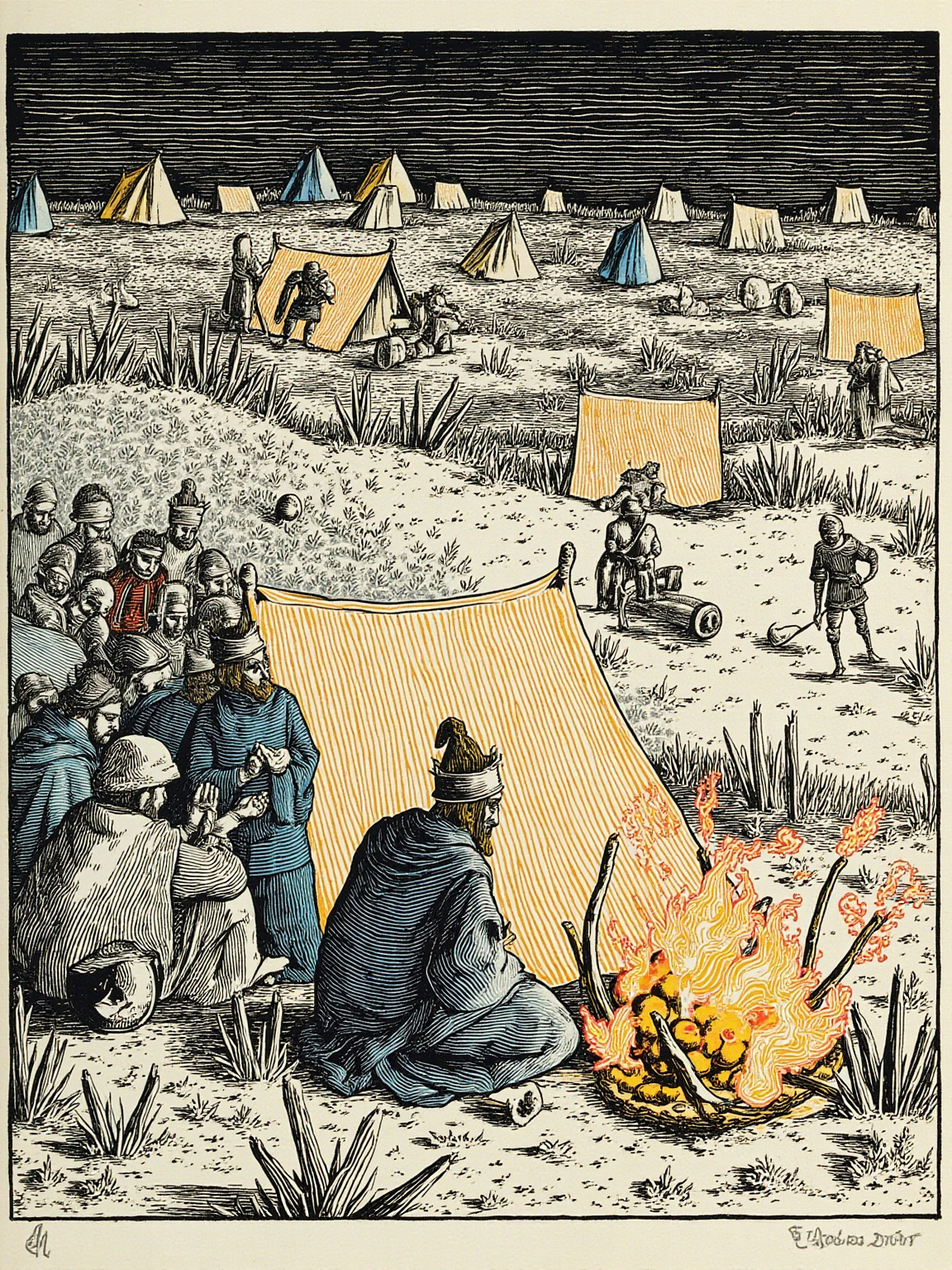
What infinite heart's ease must kings neglect, that private men enjoy!
做平民时随手可得的那份心安,做了王,竟要丢得这样干净。
金句 · 第四幕第一场 · 篝火旁的孤王
The next morning, St. Crispin's Day. Henry addresses his soldiers before the battle — this speech was written by Shakespeare, not recorded in history, yet it has become one of the most quoted pre-battle speeches in English. "We few, we happy few, we band of brothers" — this isn't about tactics; it's about turning a group of paid mercenaries into men willing to take arrows for each other. Then the battle begins: rain of arrows from the longbowmen, French heavy cavalry mired in the mud, shot down, broken apart, surrounded. French nobles are captured or killed in great numbers; the English win against overwhelming odds.
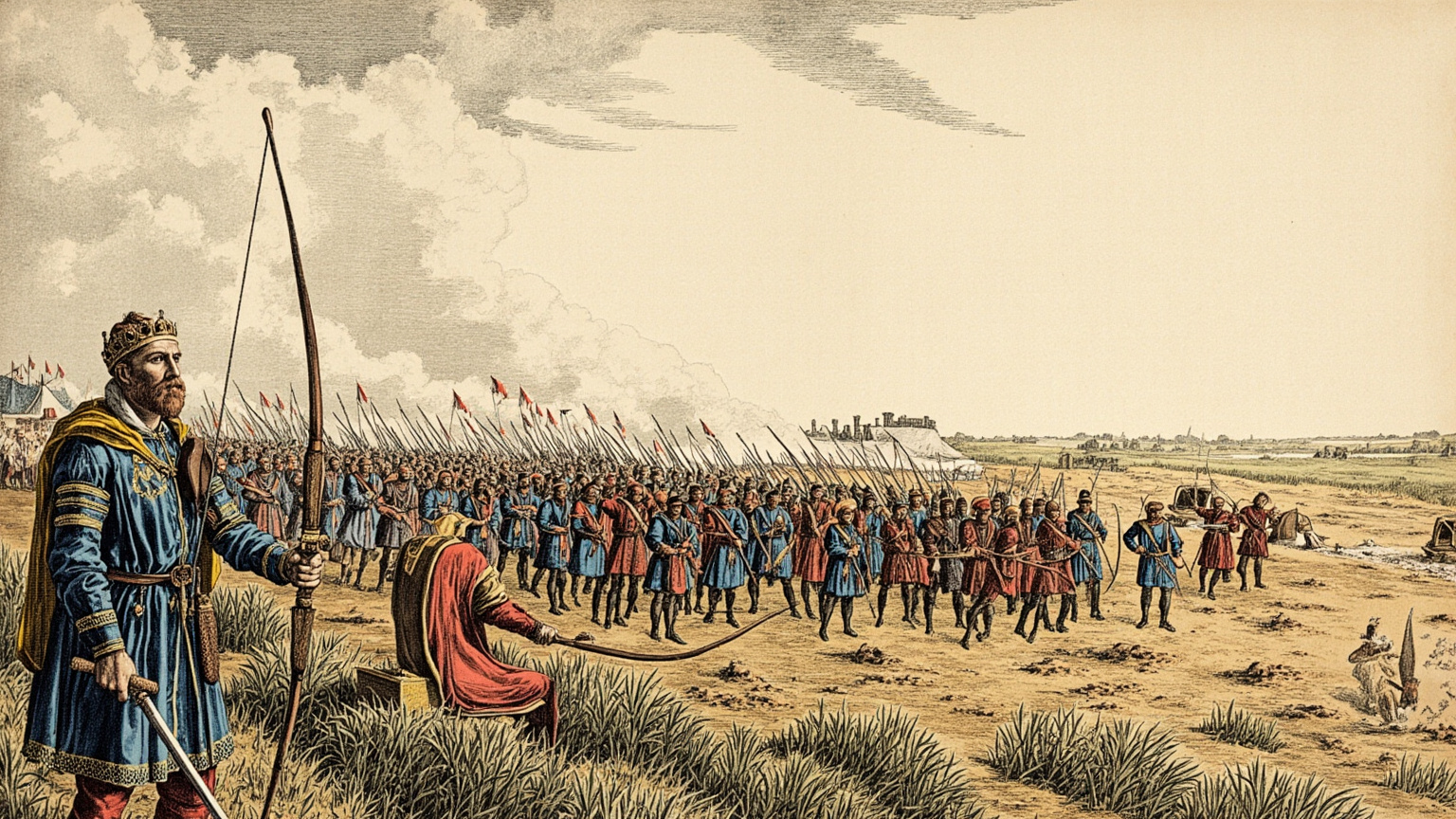
We few, we happy few, we band of brothers; for he to-day that sheds his blood with me shall be my brother.
我们少数人,我们幸运的少数人,我们这一支兄弟连;今天谁同我一道流过血,谁就是我的兄弟。
金句 · 第四幕第三场 · 圣克里斯宾节演说
After the victory, Shakespeare immediately turns to something cold. Bardolph — Henry's old drinking buddy from their tavern days — now steals a communion cup from the French camp. Henry orders him hanged, no exceptions. The man he once stole chickens and messed around with dies on this campaign over a single cup. Shakespeare won't let you read him as "the old friend" anymore: he's king now, and anyone who stands in the way of military discipline dies.
The final stop is the French court at Troyes. The treaty is negotiated: Henry marries Princess Catherine, and the succession to both English and French thrones is arranged. The last scene is the proposal — Henry stammers through his broken French to Catherine, who knows only a few words of English. Shakespeare turns a cold political marriage into something like an awkward courtship between two people feeling their way: she can't understand him, he can't explain himself clearly, and through the gap in language a real smile breaks through. This passage lets you exhale: even this decisive warmaker stutters when proposing.
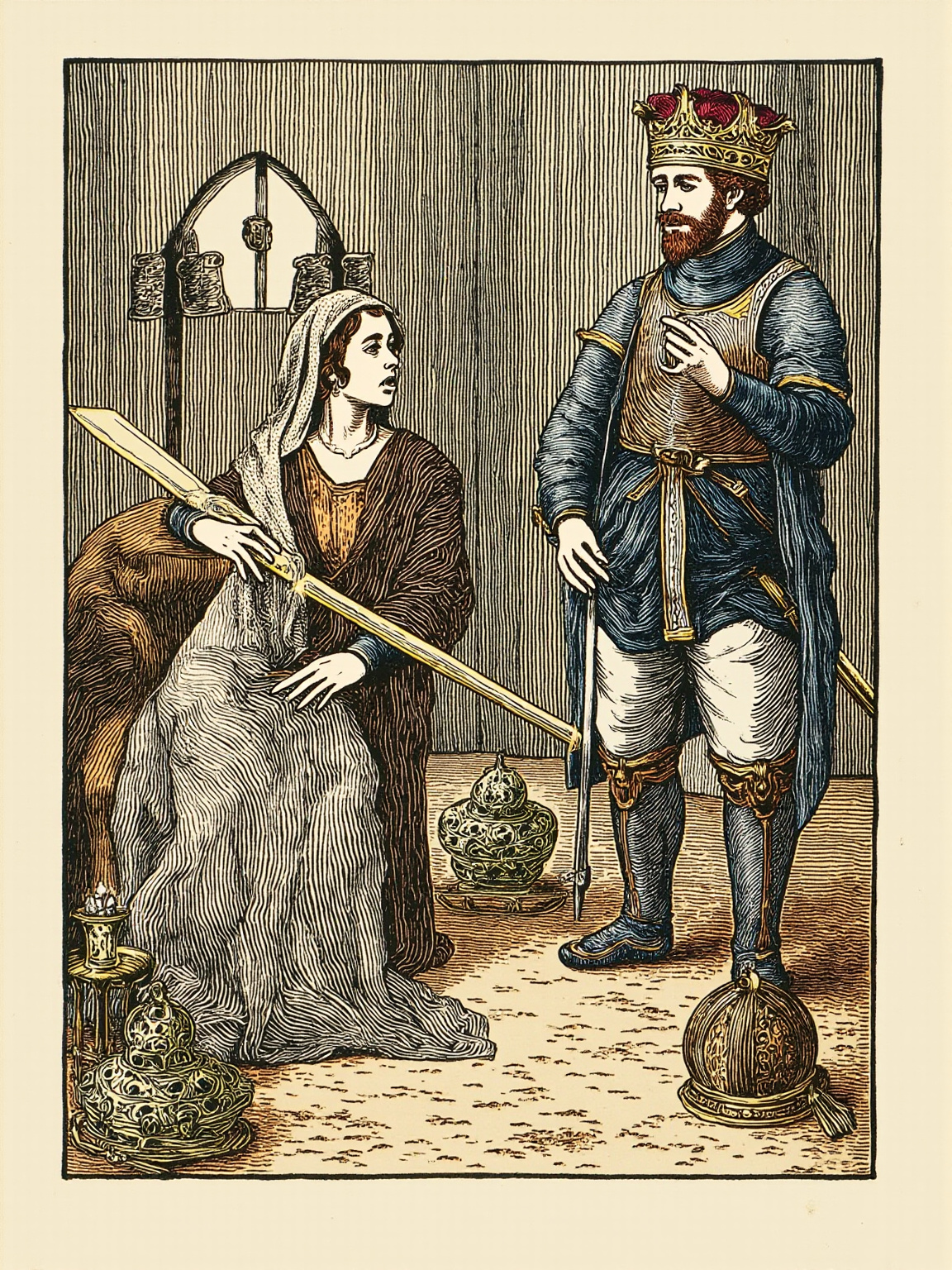
I am glad thou canst speak no better English; for if thou couldst, thou wouldst find me such a plain king that thou wouldst think I had sold my farm to buy my crown.
幸而你法上那样蹩脚的英语说不出别的了——不然你会发现我这王当得这样素朴,怕要疑心我把卖了田地的钱才换得这顶王冠。
金句 · 第五幕第二场 · 笨拙的求婚
Theme and Technique: How the Crown Grew Heavy
Shakespeare tears the word "kingship" in two for the audience to see. One half is the pre-war legal documents and execution orders. The other half is that lonely silhouette by the campfire at night, getting cursed by his own soldiers. Henry V is both iron-willed and self-reflective—he knows this war is fought over a claim to the throne, knows his men will die, knows even he needs someone to carry the burden for him. That makes the character more than a hero; he carries guilt and he carries responsibility.
Shakespeare has another ambition: to write about England forged into one under a single flag. English, Welsh, Scots, Irish—longbowmen and heavy cavalry, veterans and recruits, nobles and commoners. A Welsh veteran like Fluellen and an English veteran like Pistol are placed in the same unit, neither replaceable. The victory at Agincourt is this diversity pulling itself together into unity. When Shakespeare wrote this play, it was the Tudor period; he was building a myth for a Protestant, unified England just out of civil war: "we few, we band of brothers."
The most brilliant technique is stuffing the hero's speech and the muddy battlefield into the same morning. The St. Crispin's Day speech is quoted repeatedly by readers and audiences, but Shakespeare immediately turns the battlefield into a slaughterhouse—arrows from the longbowmen fall in rows, French cavalry flounder in the mud. He makes you hold two things at once: a group of people willing to die for each other, and how utterly worthless those deaths were.
Why Read the Text: The Map Is Not the Territory
The commentary can tell you what Henry V did, who won at Agincourt, which lines from the speech are famous. But there's one thing it cannot give you—the weight of Shakespeare's sentences on stage. Reading St. Crispin's Day speech yourself is one thing; hearing an actor deliver it to a tired group of soldiers on the night before battle is another. Similarly, Henry and Catherine's final stumbling proposal only truly reaches you when you read him mispronounce that word in French and her burst out laughing. These moments aren't in the plot—they're in the gaps between the words, and that's exactly what the text alone contains.
Shakespeare writes a story about a winner, but at the moment that winner is most triumphant, he quietly lets him sit alone by the campfire, listening to a group of people curse him.
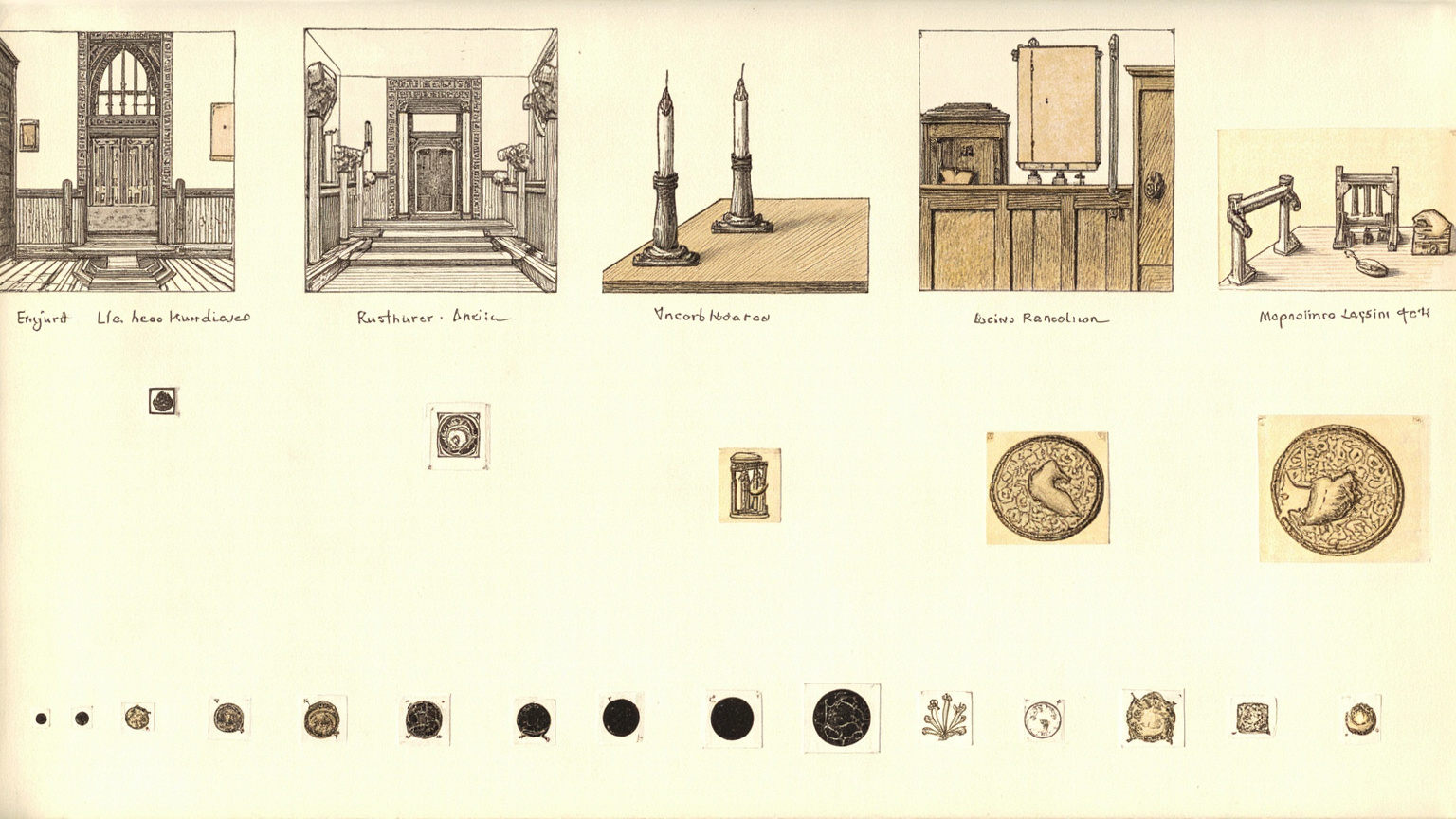
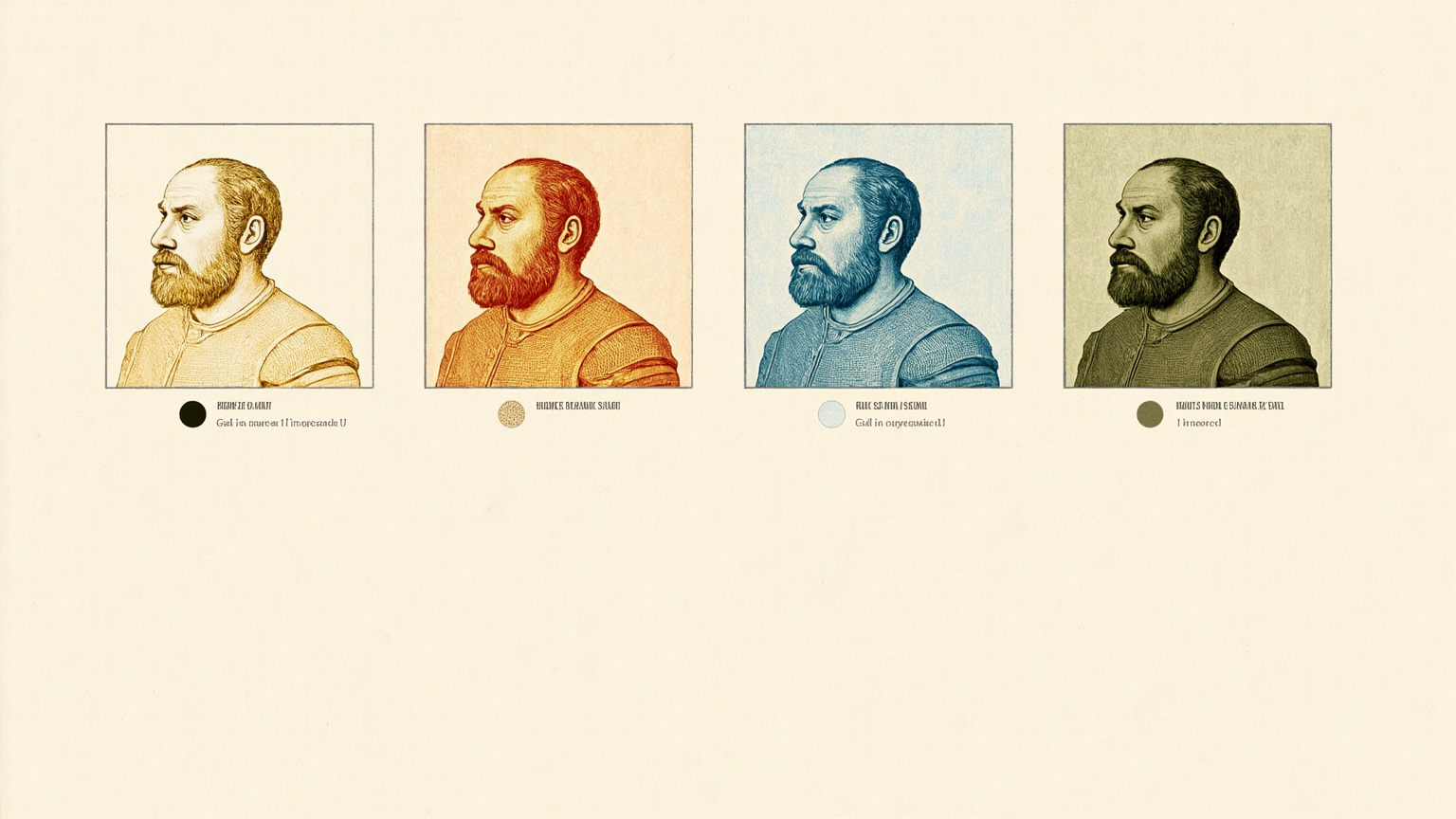
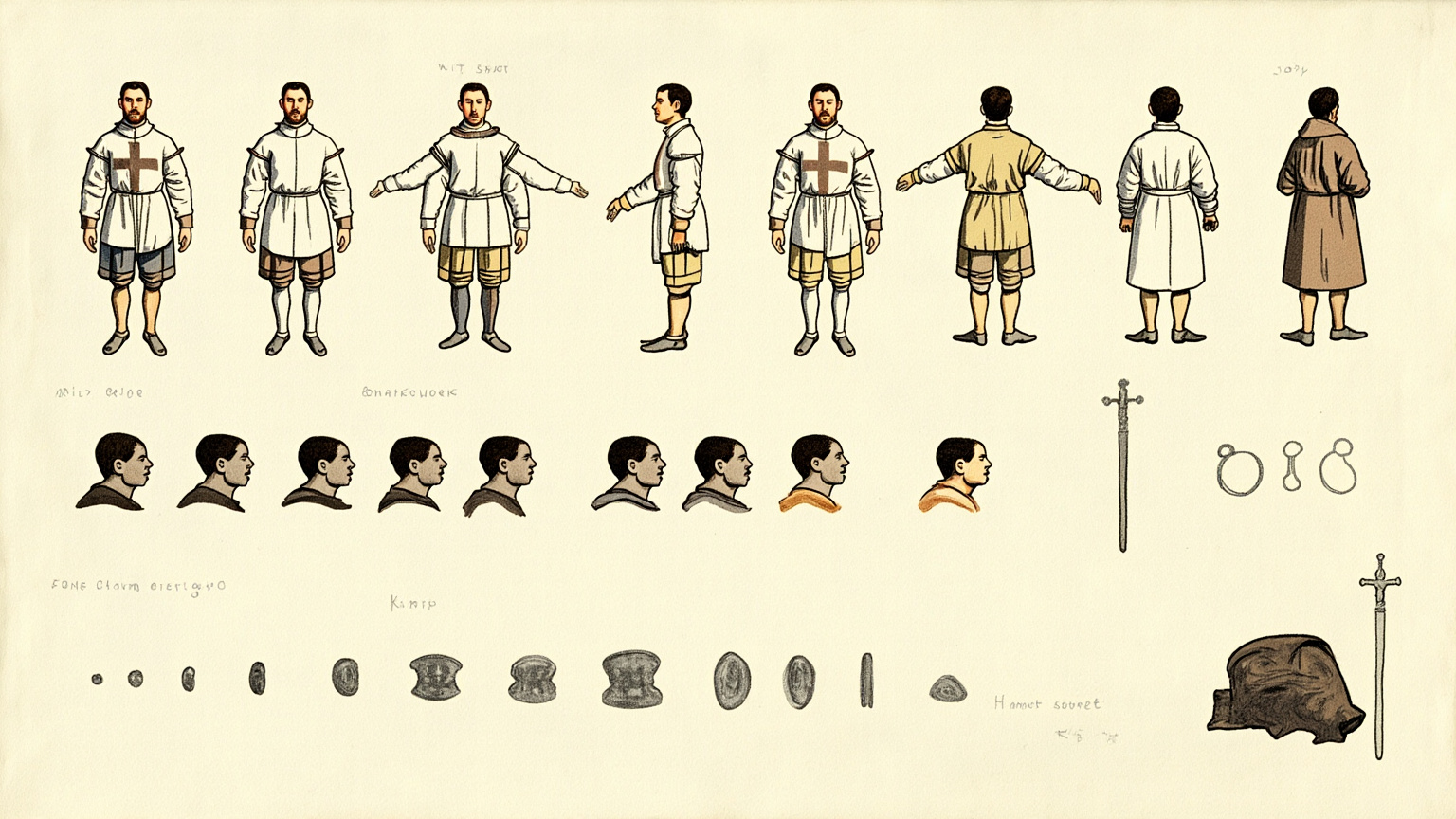
Art Direction4 plates
Before the guide was written, this book got a visual foundation — every illustration you just read grew out of it.