Kappa (河童) · Companion Guide
河童
一个精神病院二十三号病人反复讲述的异国见闻——那个把人间倒过来摆的井然秩序,竟让他再也无法回家。
A Little Thing With a Tiger's Face and a Beak
The fog over Kamikochi was thick enough to blind him to his own hand. He should have been following the Azusa River back to the mountain hut, but his foot missed its step. Crouched ahead of him was a creature not quite a meter tall — a tiger's face, a beak, a shallow dish set into the top of its head, its skin flickering blue-gray with the fog. He went after it.
Two steps into the chase, the ground gave way to a cliff. He fell. When he woke, he was lying in the grass of another world. That is how Ryūnosuke Akutagawa's Kappa opens — a novella finished in 1927, months before Akutagawa took his own life, which an early English translator subtitled Gulliver in a Kimono.
Why This Thin Book Is Still Remembered
Akutagawa lived only thirty-five years, and most of his reputation rests on short stories — Rashomon, The Spider's Thread, Hell Screen. In his final months he poured everything sharp he had into a slim, twenty-five-thousand-word book, and killed himself a few months after finishing it. Japan later named July 24 Kappaki — Kappa Day — in his memory. Scholars generally treat the book as Japan's first mature work of dystopian fiction; Susan J. Napier, in The Fantastic in Modern Japanese Literature, calls it exactly that — Japan's first full-blown dystopian novel.
It is thin, but it is packed full: satire, fable, a madman's confession, a philosophy of disgust with the world, all crammed into one small bottle.
Who Is Patient No. 23
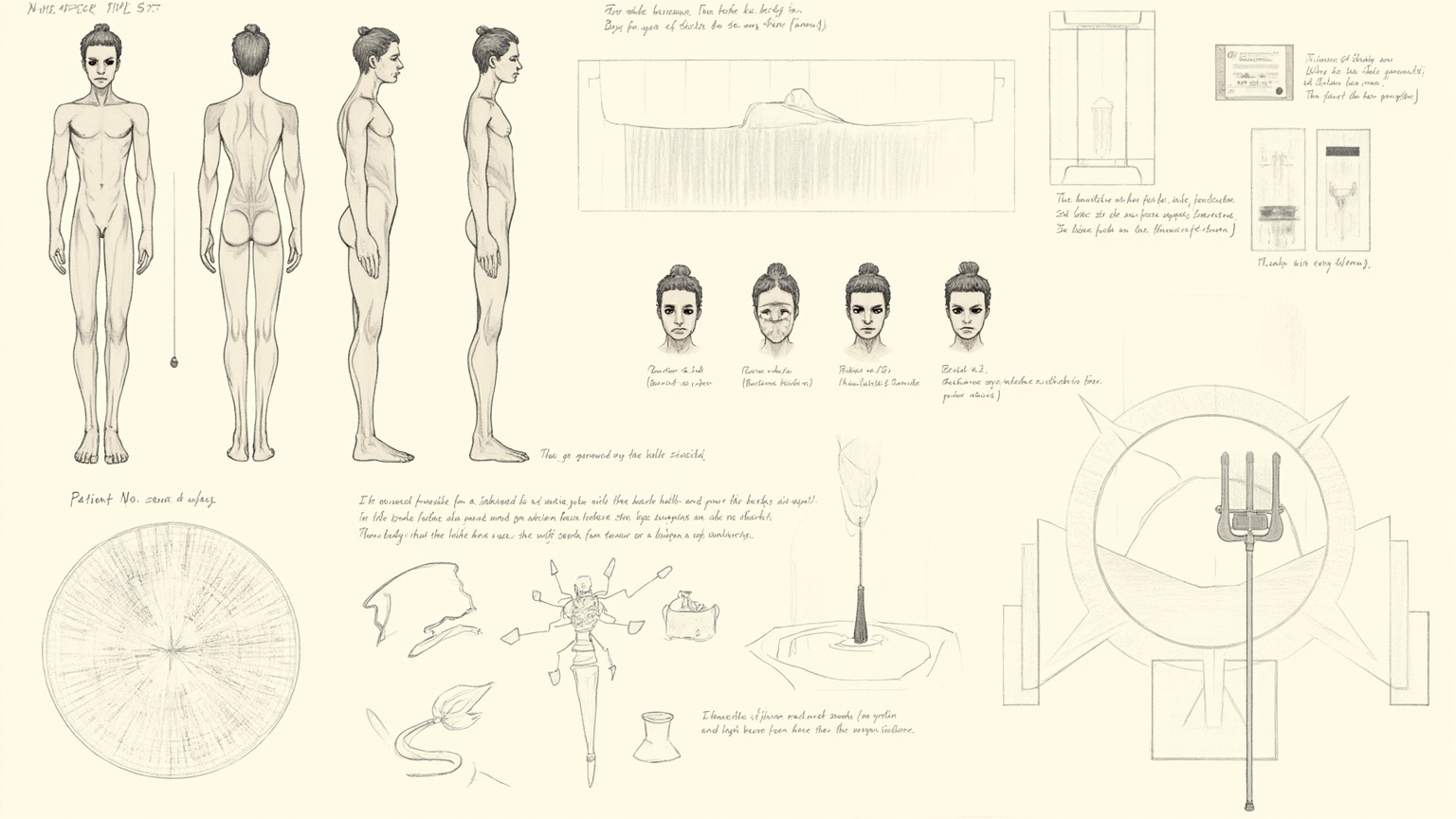
The whole novel is told in the first person, by a man lying in a private room of a Western-style asylum. A number plate is fixed above his bed: 23. There are bars on the window. He tells anyone willing to listen how he stumbled into the land of the kappa, and how he made it back. This frame — a madman recounting his own adventure — is Akutagawa's sharpest move in the whole book: you are told from the very first page that the story is worth nothing as testimony, and you still cannot stop being pulled along by it.
In the land of the kappa he meets three of them. One is Geeru, an ordinary citizen who loves nothing more than showing newcomers around. One is Maggu, a philosopher, buried in writing a book of aphorisms called The Words of a Fool. The last is Tokku — a poet already dead before the novel opens, who sits across from the narrator by way of a séance, discussing whether he will be remembered.
Streets, Chimneys, Glass Windows
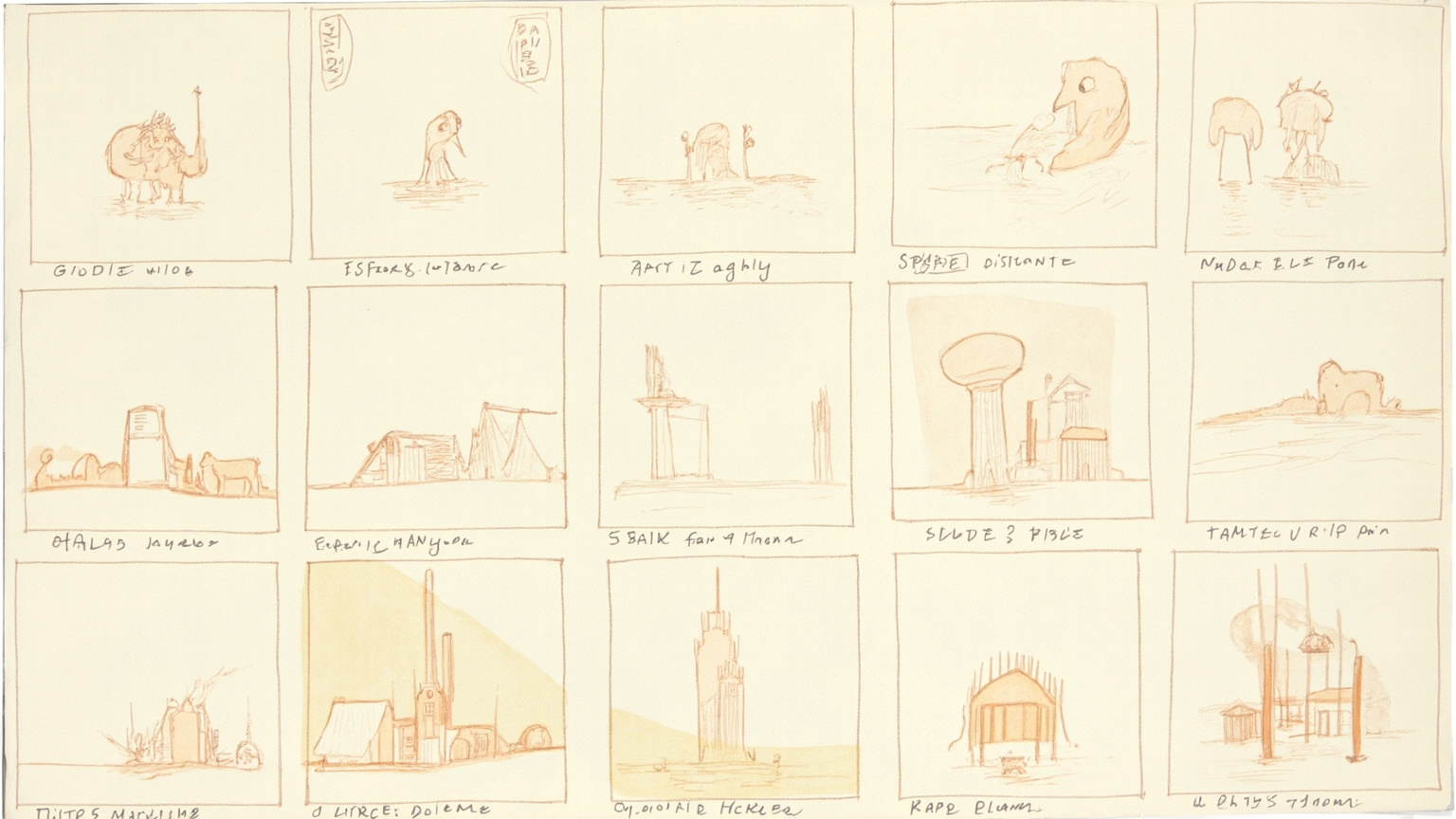
The land of the kappa is no wilderness. It has streets and shops, factories with white smoke rising from their chimneys, workers behind glass windows on an assembly line, bookstores, concert halls, courts, temples. Everything runs in good order, everyone behaves. At first the narrator is almost pleased — this beats the fog over Kamikochi by a wide margin.
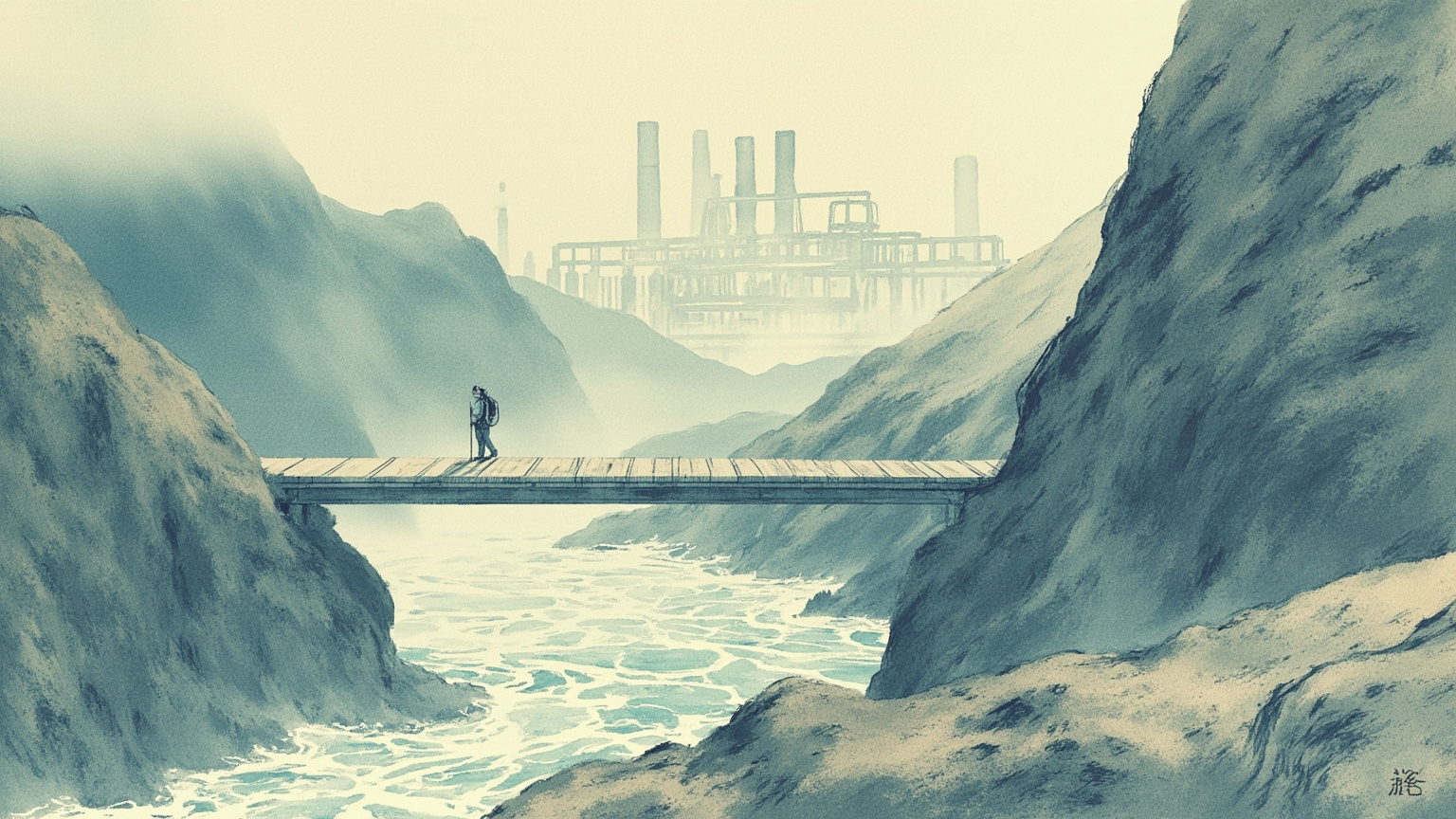
I had only taken a few steps beyond Kamikōchi when I lost sight of the Azusa River in the fog and missed my footing on the trail.
才过了上高地没几步,梓川便没入了雾里,我的脚在山径上踩了个空。
金句 · 开篇 · 上高地的雾中坠落
The trick of Akutagawa's writing is that he is in no hurry to show his hand. He has the narrator walk the reader through the streets, stopping at every new sight to ask what it is, and Geeru patiently explains. Asked about the mating season, Geeru says the kappa simply chase each other up and down the streets — Akutagawa plays it for laughs, and the reader does laugh.
Gas, Unemployment, and the Meat on the Table
Halfway through the laugh, Geeru tells him how the land of the kappa solves unemployment: a gas chamber. Workers who lose their jobs are shut inside, killed, and their meat is butchered and sold in the market as food — and the kappa eat it without a second thought, the way we might fry up a slice of ham for breakfast without thinking twice.
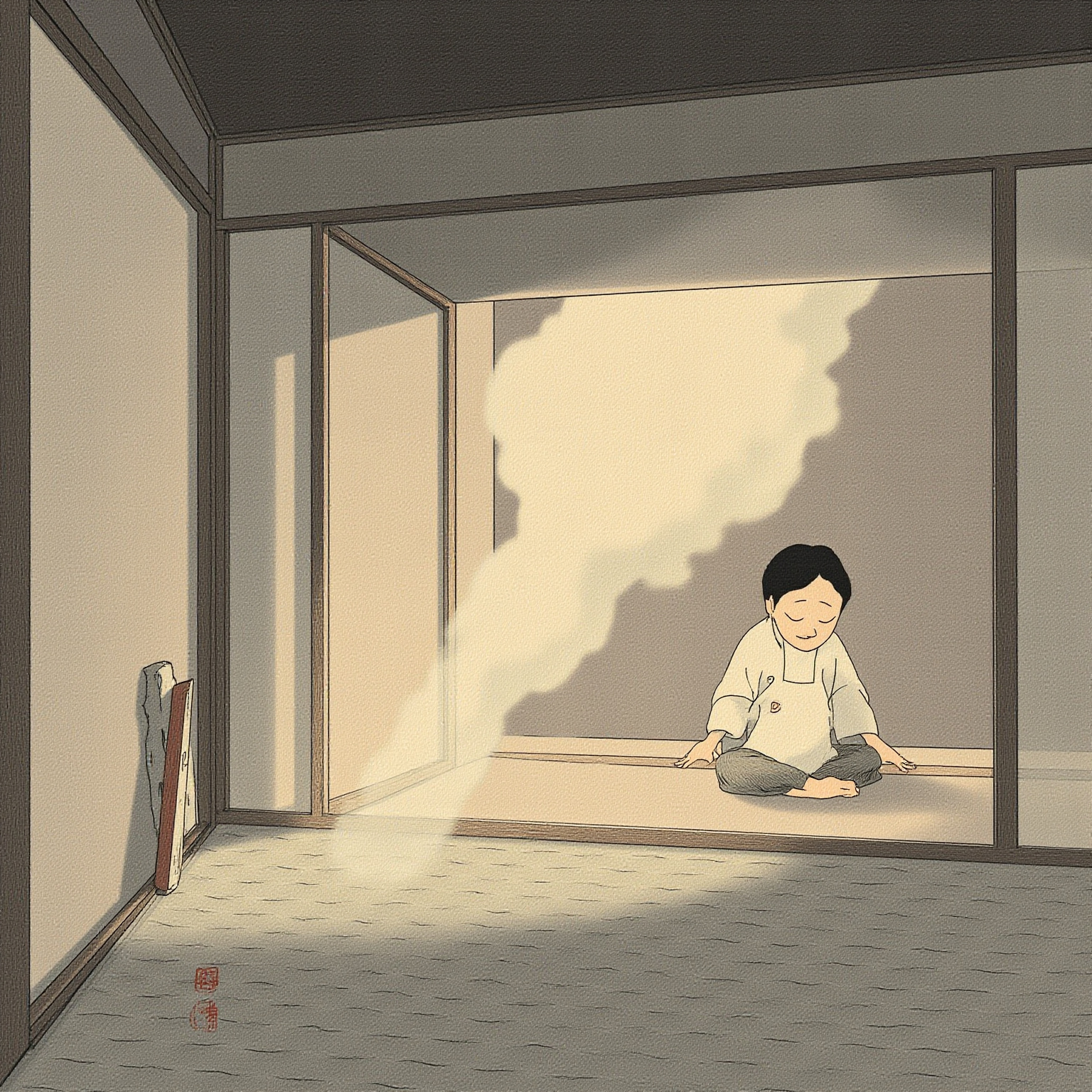
Among us, anyone who has been unemployed for a long time is killed in a gas chamber and the flesh is used as food.
在我们这里,凡是长期失业的,便送进瓦斯室杀掉,肉拿来当食物。
金句 · 第6章 · 格儿讲失业工人的处置
This is Akutagawa's scalpel. There is no melodrama, no outrage — the kappa simply find the arrangement reasonable, and that is exactly what makes the reader's spine go cold. Your own mind fills in the human equivalents as you read: slums, child labor, a ledger that converts a life into profit. Akutagawa never once writes the words this is just like the human world, and yet by the time you notice, he already has you pinned to the chair.
The Words of a Fool and the Poet Called Back From the Dead
The philosopher Maggu is racing to finish his book of aphorisms, The Words of a Fool. Akutagawa has the narrator hear its most famous line straight from Maggu's own mouth: 'A fool always takes everyone else for a fool.' One sentence, and it sweeps both the land of the kappa and the human world into the same net.
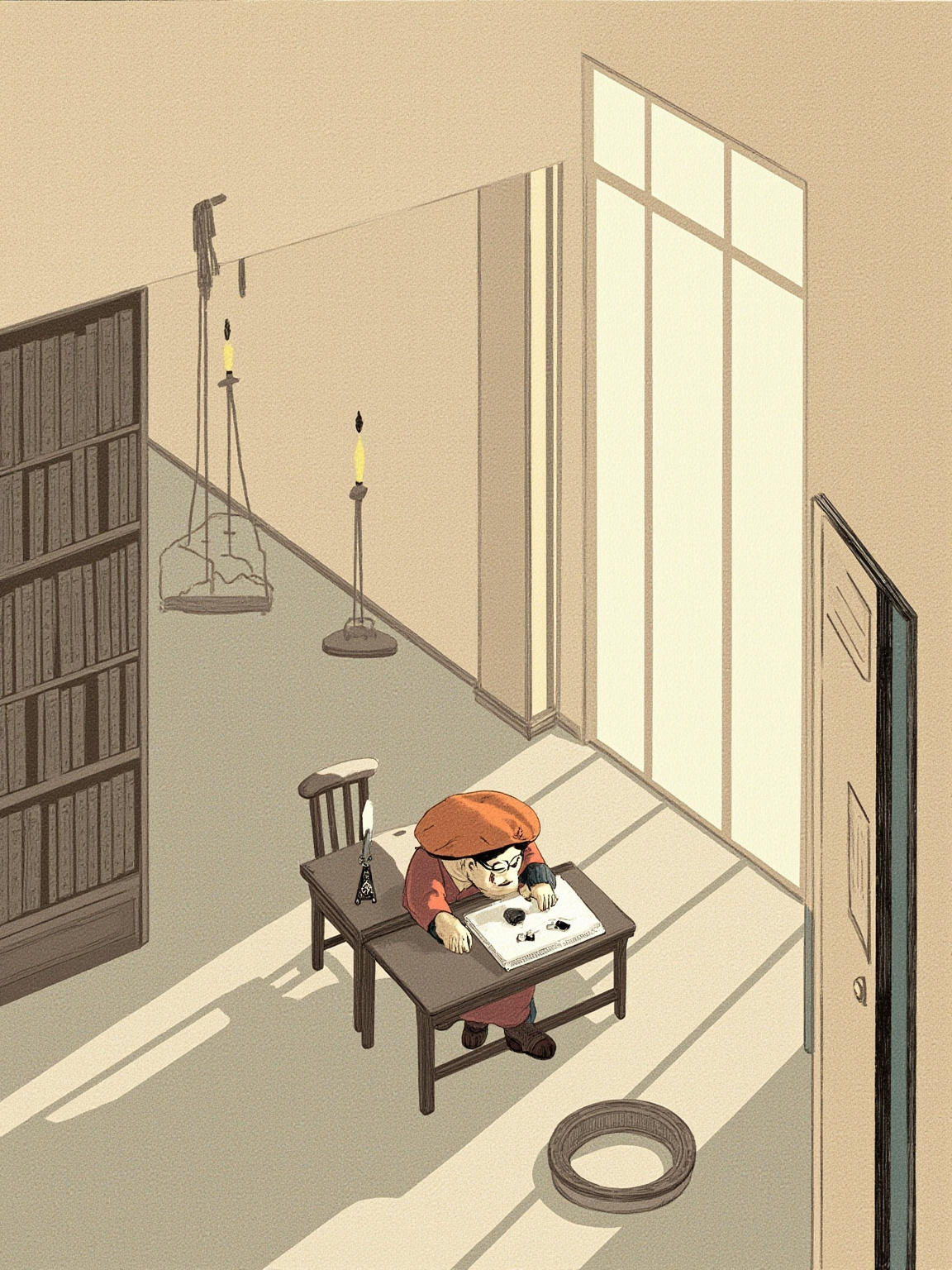
All fools believe other people to be fools.
愚者总把别人当愚者。
金句 · 第9章 · 《愚者之言》
Next comes Tokku — the poet who is already dead. Akutagawa summons him by séance. The two sit down together to talk about suicide and the fame that follows it. Tokku admires Kleist, Mainländer, and Weininger, men who each ended their own lives by their own hand; he praises Montaigne for defending death by choice; he despises Schopenhauer, a pessimist who nonetheless would not go through with dying. Tokku's own death is his own choice, and Akutagawa simply sets it down as a fact of the plot — not glorified, not condemned, not staged as a protest against the real world.
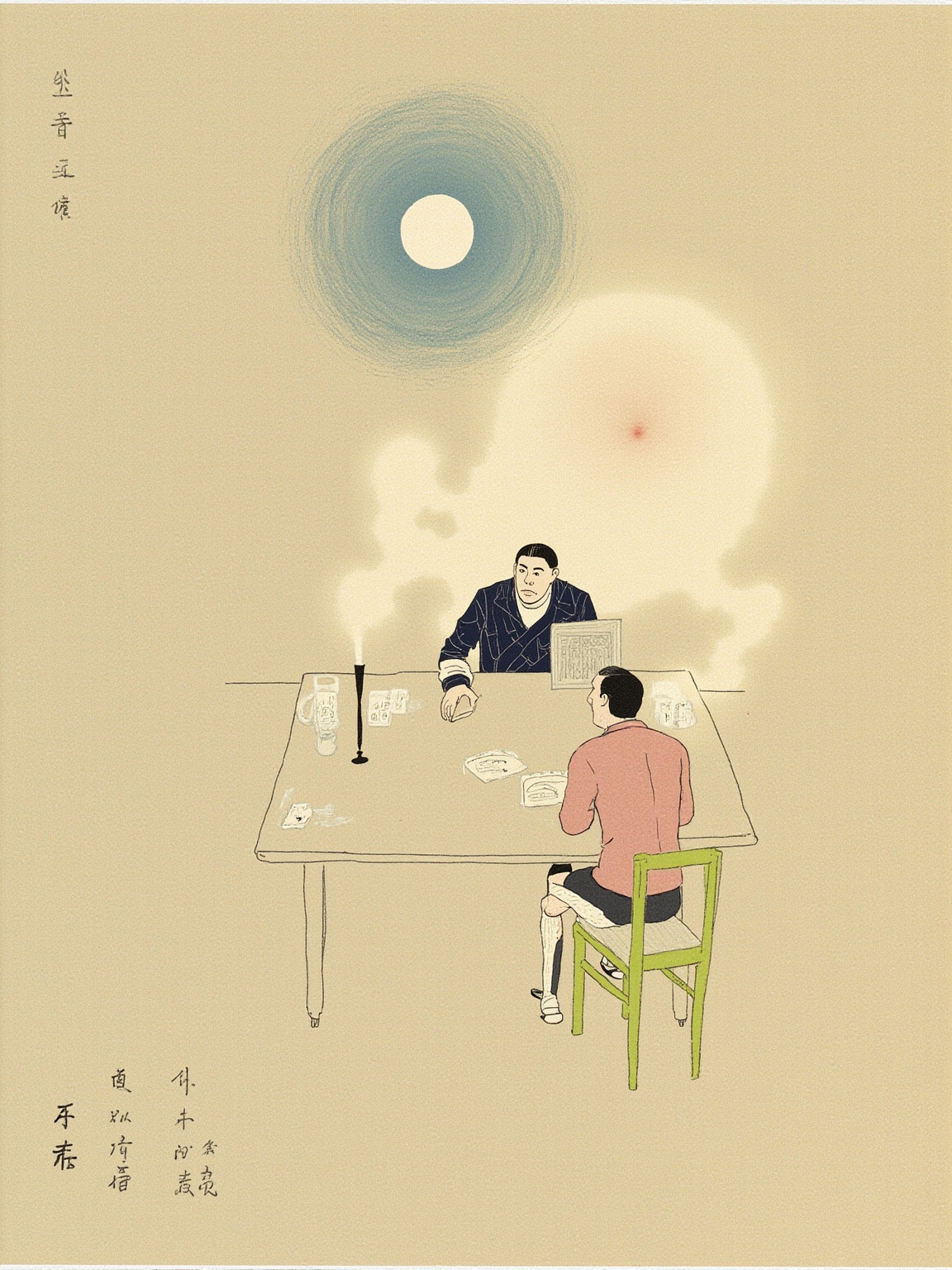
There is nothing uglier than the face of a human being. Let me go back to Kappa Country.
再没有比人的脸更难看的了。还是让我回河童国去吧。
金句 · 第14章 · 对家属的告白
The Tokku chapter is where Akutagawa backs himself into the tightest corner in the whole book. A few months after finishing it he killed himself, leaving a note behind for his family — so you cannot read Tokku's words without thinking one layer further than the page asks. But Akutagawa will not let you read the novel as a suicide note that easily — the absurdist shell of the whole book exists precisely to block that cheap kind of recognition. The first time I read Tokku's remarks on Montaigne, I sat with it a long while: a writer putting his most private choice into the mouth of a fictional kappa — is that confession, or is it disguise?
He Made It Back, to the Wrong Place
The narrator finds his way back to the human world. He is as delighted as a child seeing an airplane for the first time. An old kappa warns him before he leaves: 'If you come to regret this later, don't blame me.' He shrugs the warning off and jumps.
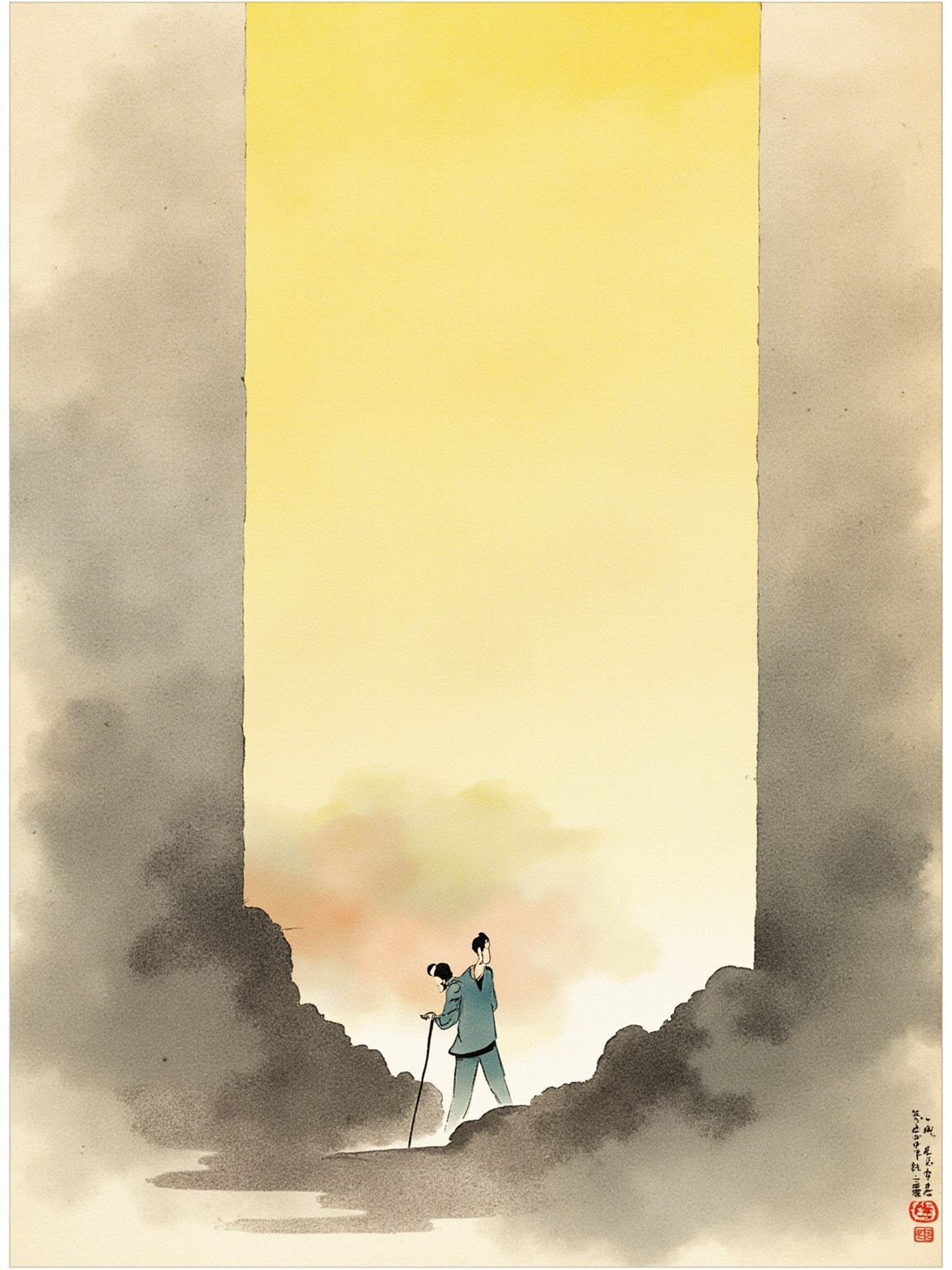
I was as happy as a child seeing an aeroplane for the first time.
我高兴得像一个头一回望见飞机的孩子。
金句 · 第15章 · 找到归路那一瞬
Back at Kamikochi, back among human beings, back with his own family, he begins to loathe them almost at once. The kappa strike him as cleaner; human faces now strike him as monstrous. He says he wants to return to that satirized foreign country — and the moment the words are out, his family has him committed.
This is where the novel's real inversion completes itself: the man disliked the other world when he was in it, and dislikes this one now that he is back; the madman everyone pities turns out to be the one seeing clearly, and the people who won't listen are the ones who put him to bed. Akutagawa lets the moment pass almost without comment — the narrator just keeps retelling what he saw to anyone who will listen, 23 fixed above his bed, the window bars laying their slanted lines across the light.
Halfway Through Laughing, You Notice the Face in the Mirror Is Yours
Akutagawa builds the shell out of the absurd, but what it holds is the sharpest social satire late Taishō and early Shōwa Japan produced. The factory line in the land of the kappa, the unemployed workers turned into meat, the postures of artists and capitalists, the slickness of the temples, the propriety of the courts — every one of these is a mirror held up to the human world, only Akutagawa has glazed it with good manners, which makes the reflection sting harder.
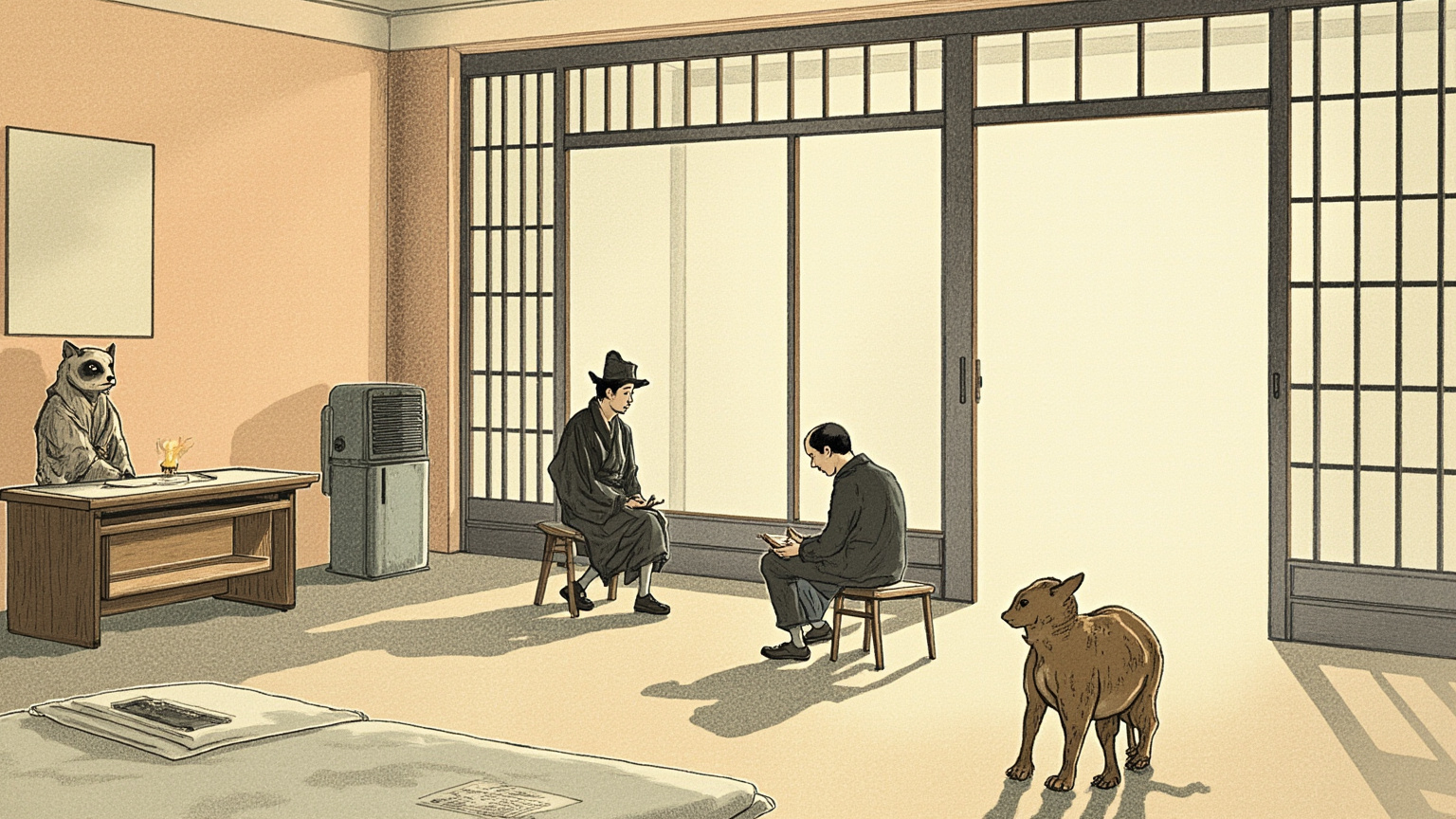
Every one of the follies of mankind can be matched by an equal folly in Kappa Country — only theirs is the mirror image of ours.
人间每一种荒唐,在河童国都能找到一一对应的荒唐——只不过是对着镜子翻过去的。
金句 · 第7章 · 格儿街头解说
But it is more than a social satire. What it is really about is loathing the human world with nowhere to escape to. An unborn kappa can refuse to be born, and Tokku has already made his own choice — Akutagawa writes both with a cool, absurd detachment, never framing either as deliverance or salvation. A man disillusioned with the world past the point of repair wrote a book about disillusionment — but he did not write it as an indictment, and he did not write it as a sermon. He wrote it as an adventure that a madman keeps retelling to visitors, over and over, from a hospital bed.
So do not read this short book the way you read a story. It is brief, its structure is simple, and yet when you finish it you will likely find yourself staring out the window at the people on the street for a moment — then start to wonder whether it is Patient No. 23 who is mad, or whether the world has always been this absurd, and no one but a kappa has been willing to say so out loud.
Akutagawa turns the human world inside out and sets it down in a land of kappa. You walk in laughing. You only realize, on the way out, that the one laughing was you.
Why It's Still Worth Reading Even Once You Know the Plot
A guide like this one can tell you what happens in the land of the kappa, but it cannot give you the feeling of being pushed, inch by inch, by Akutagawa's own sentences. His prose is clean to the point of cruelty, and every paragraph works like a scalpel — you already know where the wound will be, and the cut still lands.
There is the moment where Geeru explains the unemployed workers — that look of what's strange about that on his face is something only Akutagawa's own touch can lift off the page. There is Tokku on Montaigne, a few weightless-seeming lines carrying the furthest a writer can go underneath them. There is the stubborn calm of Patient No. 23, telling his story to visitors again and again from his hospital bed — a calm that only the rhythm of the original prose can release.
Go read those twenty-five thousand words. You will probably finish them in two hours, and they will stay in your head for days after.
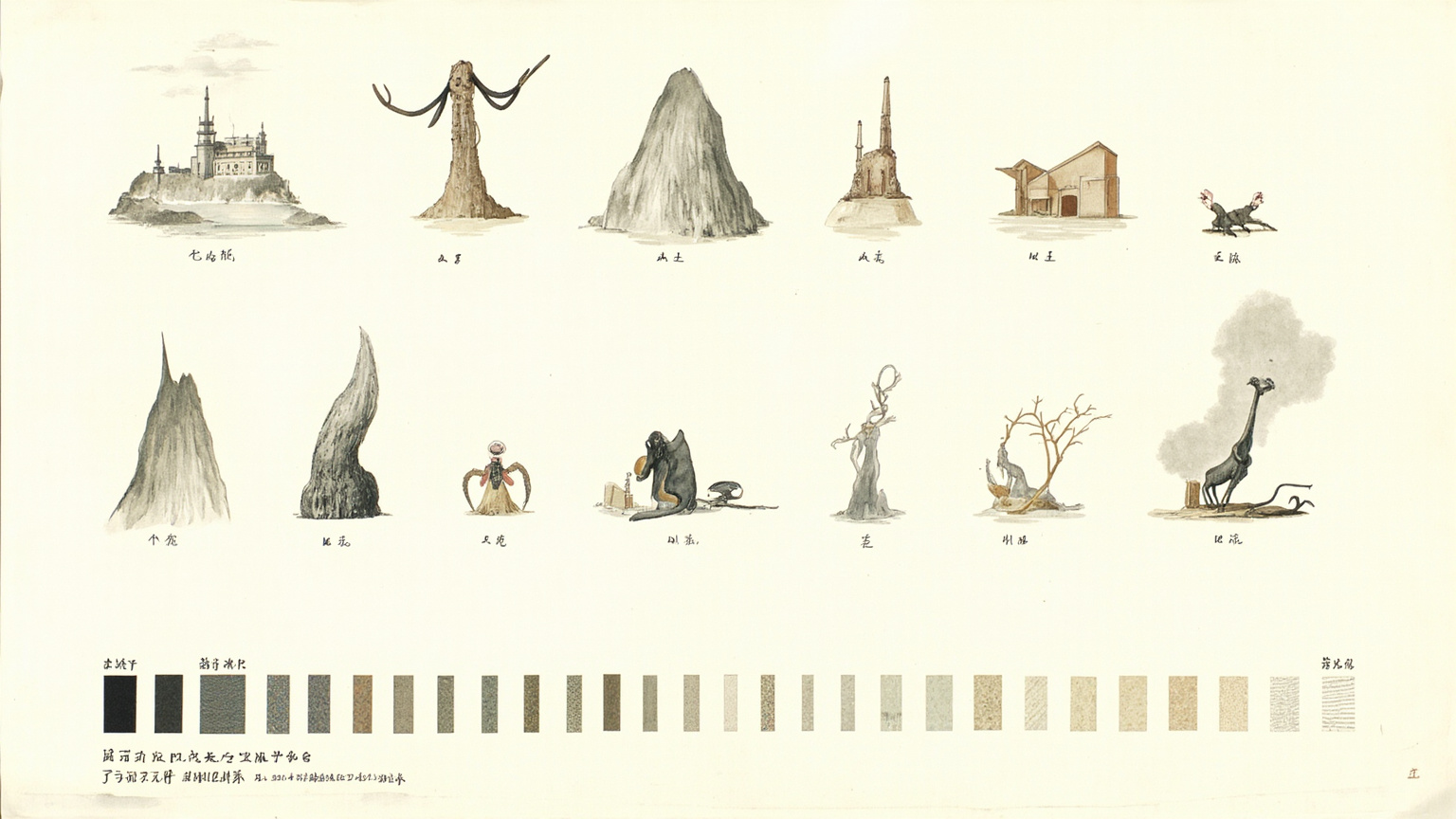
Art Direction4 plates
Before the guide was written, this book got a visual foundation — every illustration you just read grew out of it.