What Clarin wrote down is a city, not an affair
Text and illustrations produced by the pipeline
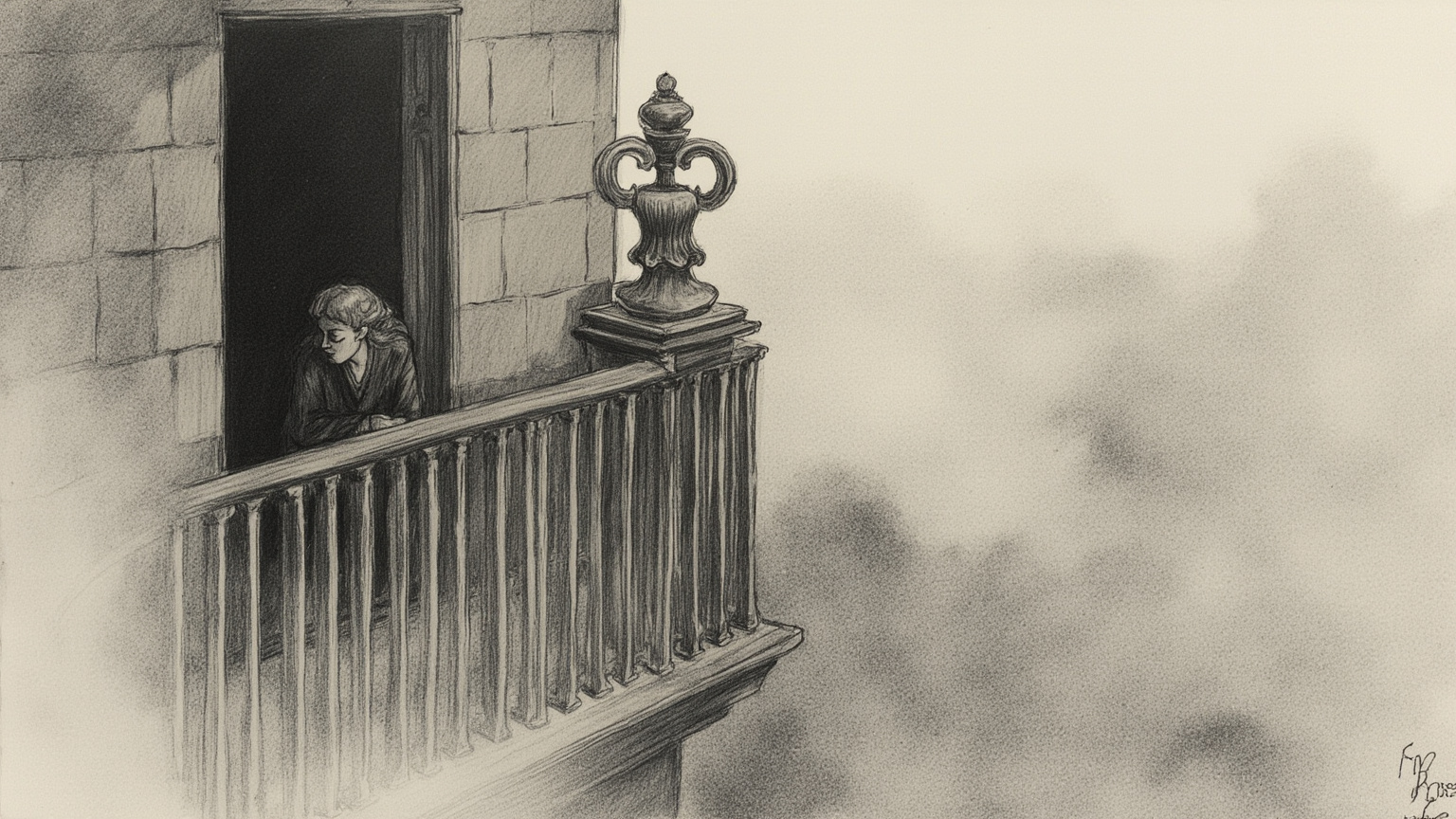
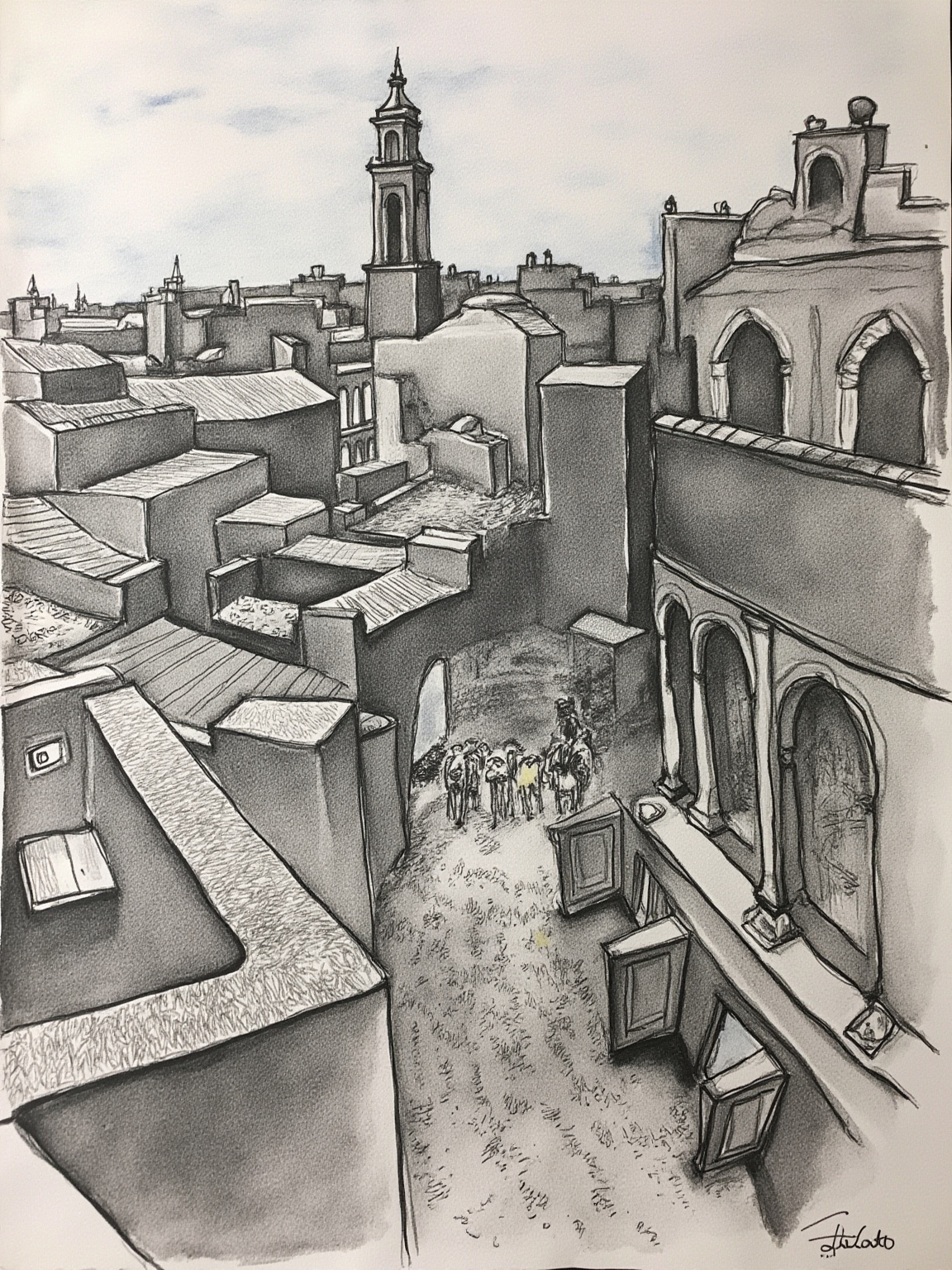
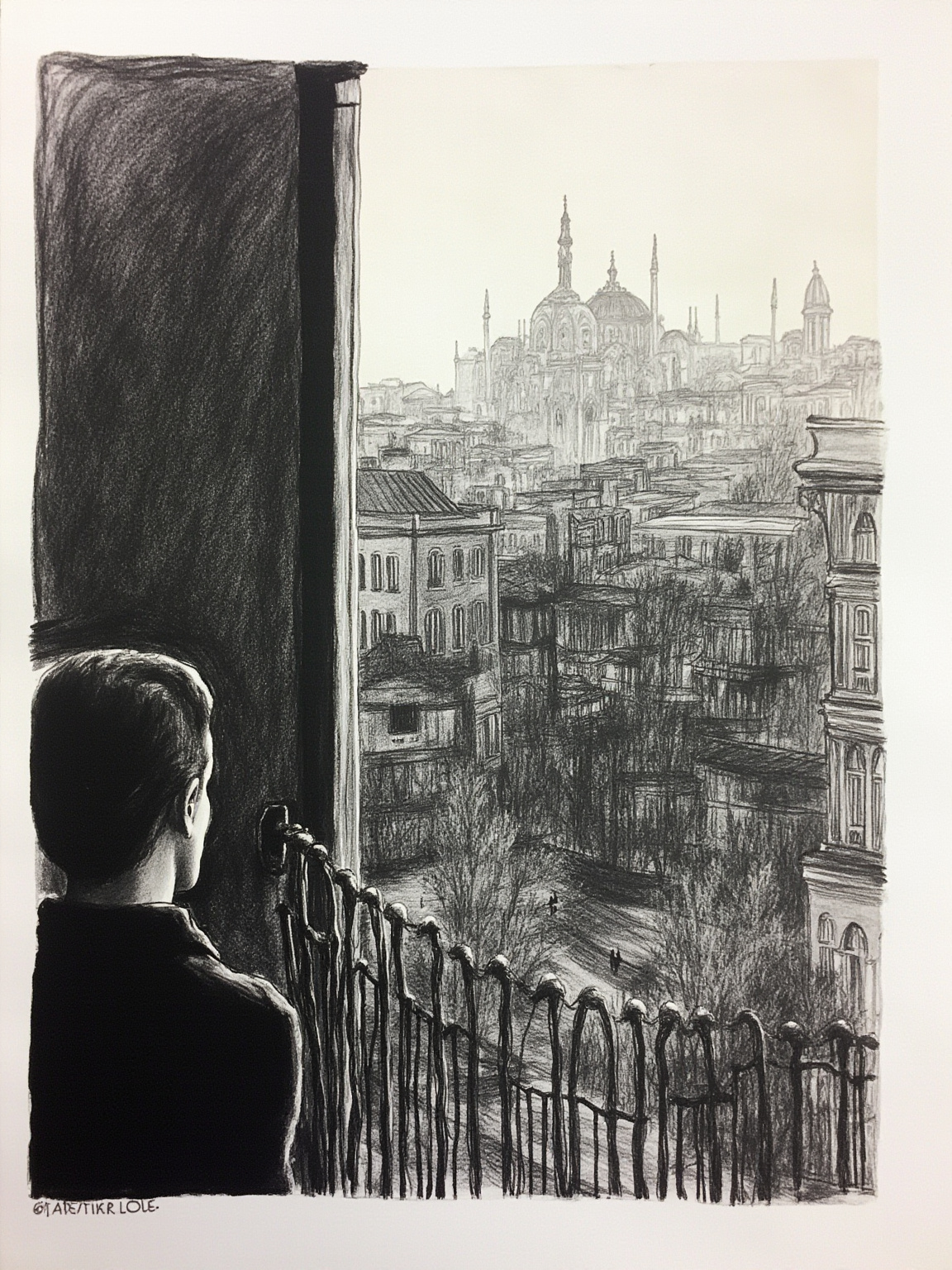
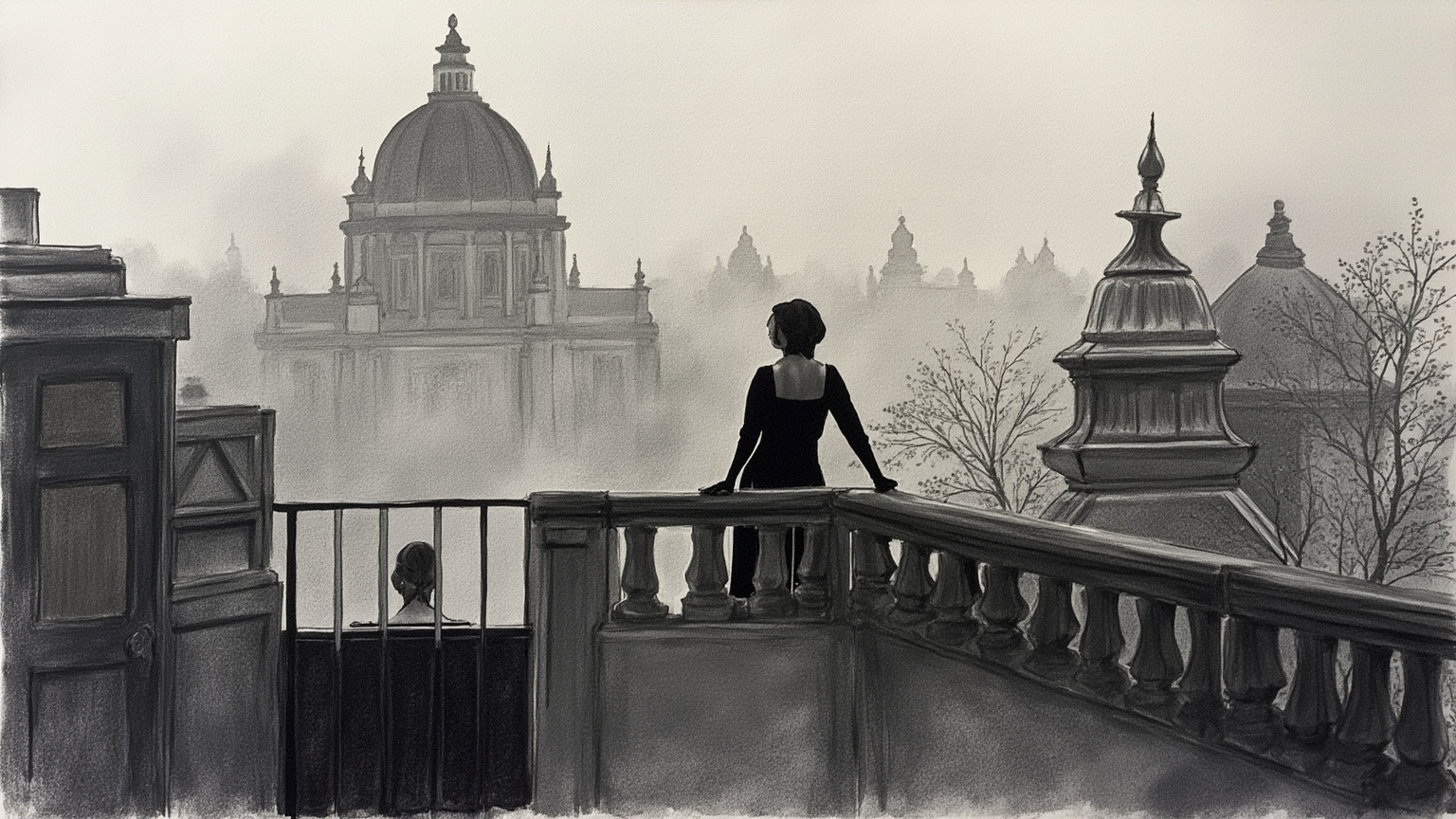
Invisible eyes stand at the stone rail of the cathedral bell tower. Looking down from there, the whole of Vetusta spreads out in a light rain: the old town's narrow lanes twist like a wrung-out towel, the noble houses go dark window by window, the new district's boulevard ends at the casino club, and the vineyards and estates beyond blur together under a lead-gray sky. The novel's first chapter gives no character the first word. It puts you up high instead, and walks you over the whole city before anyone speaks.
Vetusta is fictional, modeled on Oviedo in Asturias, a damp, rain-soaked stone city in the mountains of northern Spain. Clarín wrote its temperature, its humidity, the smell of every alley into what later became recognized as the most important Spanish-language novel of the nineteenth century. There is no orange-and-whitewashed Seville here, no courtly Madrid glamour. The climate runs the other way: a chill that gets into the bone for most of the year.
La Regenta was first published in Madrid in two volumes between 1884 and 1885. Its author, Clarín, was one of the most important critics and novelists of late nineteenth-century Spain, the pen name behind Leopoldo Enrique García-Alas, who died young and left behind a slim body of work. These two volumes became the great achievement of his life. The book is often paired with Flaubert's Madame Bovary: both follow a young provincial wife trapped in a suffocating marriage. The difference is where Clarín points the camera. He pulls it off his heroine and turns it on the whole city watching her.
In literary history the novel stands as the great achievement of Spanish-language realist-naturalist fiction, and any later novel that wants to show a city devouring one of its own has to reckon with it. It is remembered not for a dramatic plot but for its panoramic method: laying open every capillary of a society for you to see.
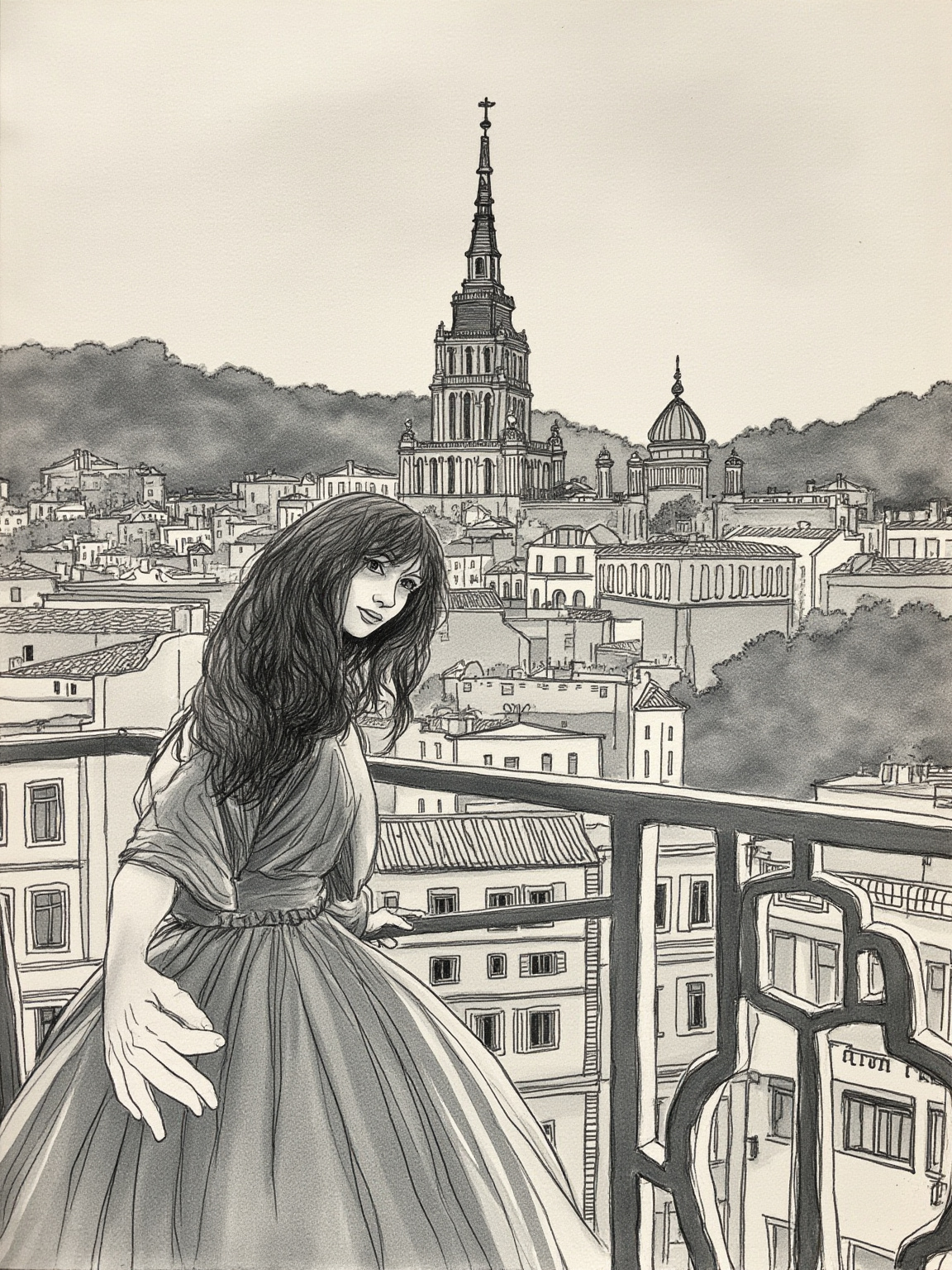
Ana Ozores, the Regenta, is the book's emotional center, married young into an upper-class family, to a husband decades older, dull, sincerely devout, and utterly without spark. Trapped in a loveless marriage, she gets through her days on novels, daydreams, and whatever comfort she can find in the cathedral confessional, with the whole of Vetusta watching from the wings.


The real ending happens in the cathedral. Ana faints there and is subjected to an invasive touch, a moment the novel keeps to the barest minimum and never dwells on. This is not punishment. It is collusion. It is not one man's violence but the swallowing motion of Vetusta finally taking in the woman it marked. The city wins, and the last image holds on the provincial city itself: lead-gray, damp, forever watching.
What Clarín wrote was never an affair. It was a city closing its hand slowly around the woman it had marked.
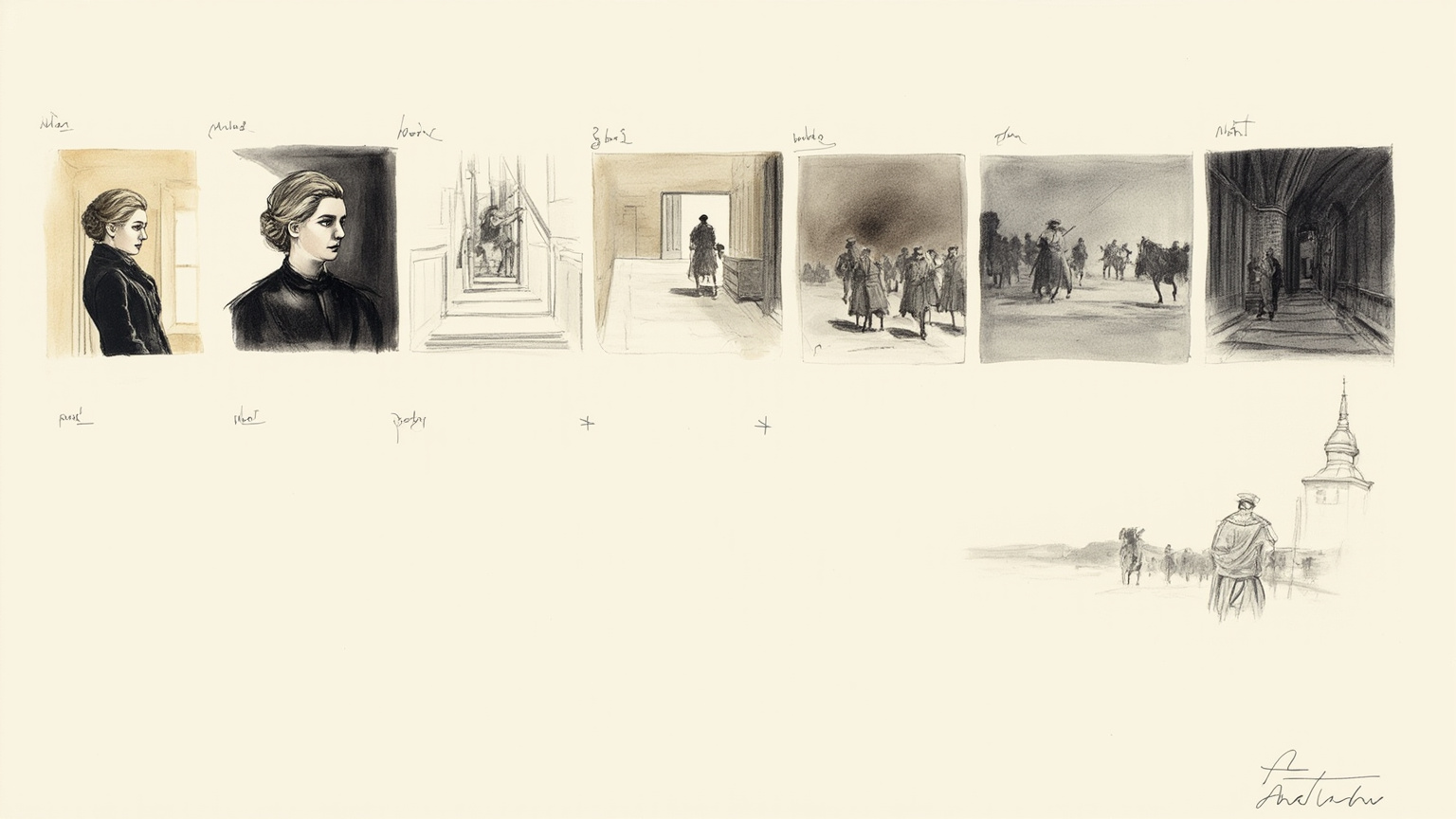
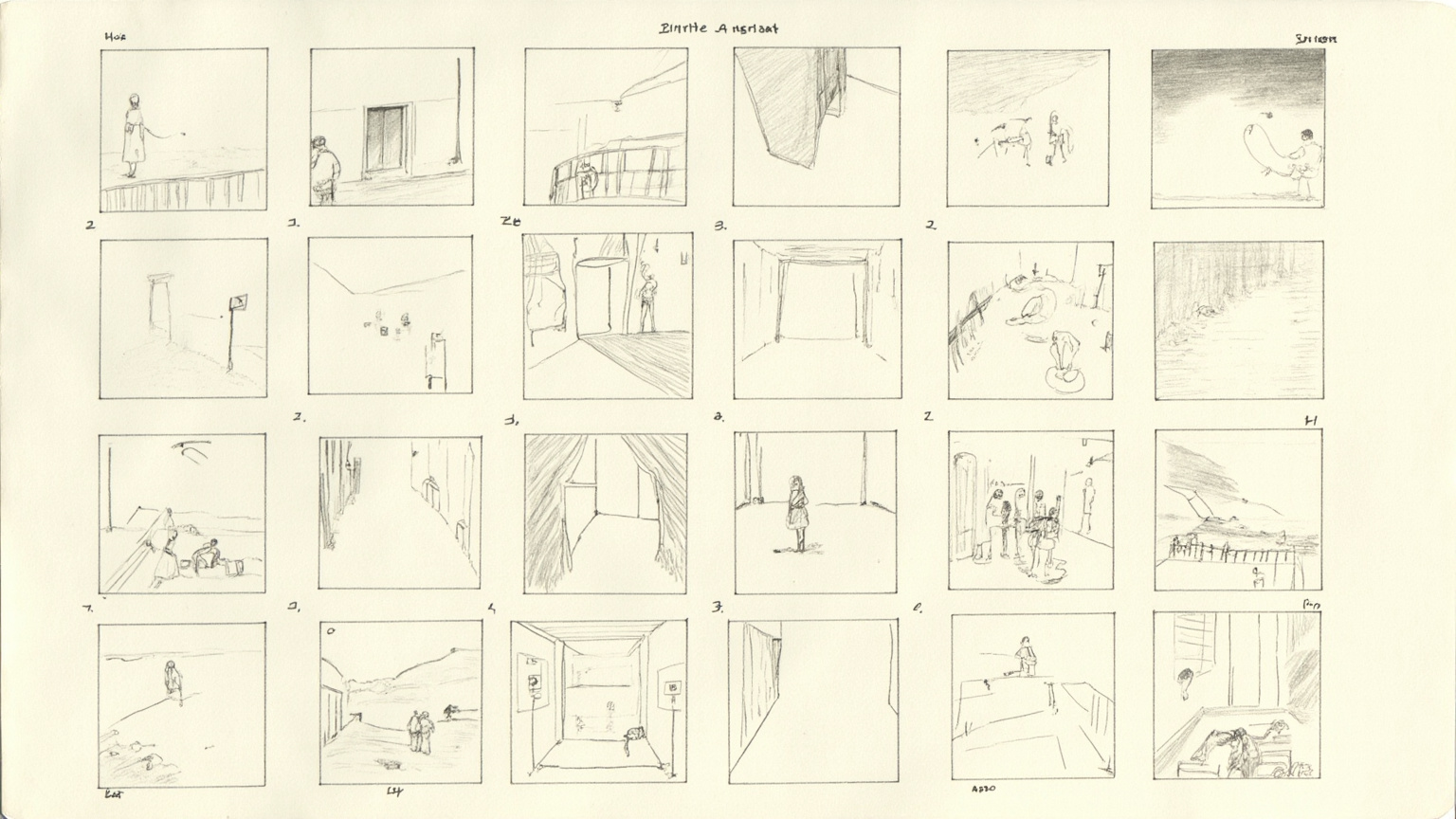
Before the guide was written, this book got a visual foundation — every illustration you just read grew out of it.
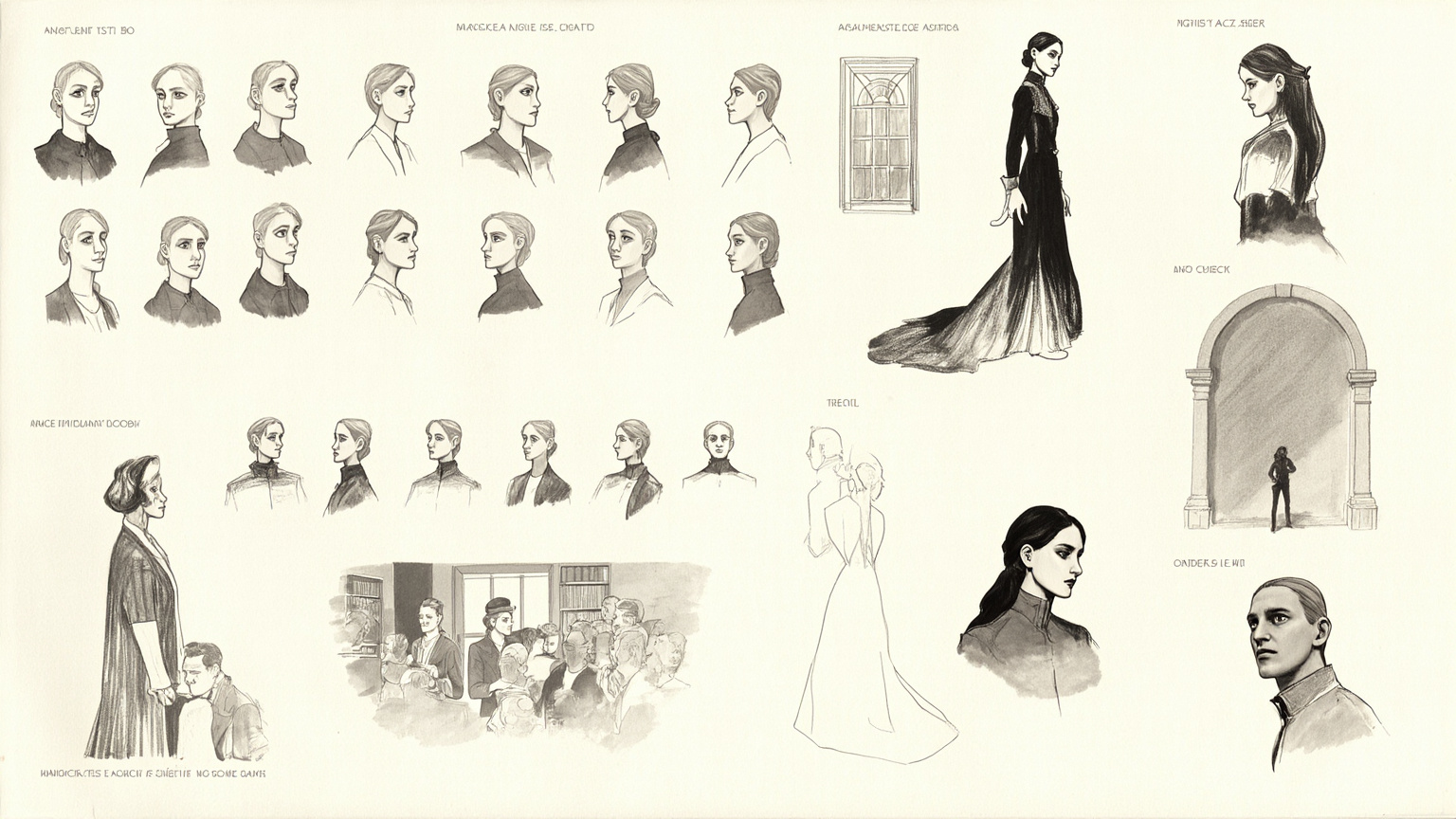
Two men close in on her. One is Don Fermín de Pas, a priest at the very top of the city's church hierarchy, ambitious, a brilliant talker, hungry for worldly glory, and his obsession with the Regenta is a byproduct of the pull between his clerical office and his own ambition. The other is Don Álvaro Mesía, a cavalry officer and the city's most accomplished seducer, tied to every scandal Vetusta has ever gossiped about, and it is he who first sets his sights on Ana. The two close in from opposite sides, the church and the salon, while her husband's dullness is the wall behind her that never gives way.
The city itself supplies a chorus of minor players: casino regulars, salon hostesses, wives trading glances from their theater boxes, idlers loitering outside the confessional. None of them drives the plot. What they do is chew Ana's private life over and over until it becomes public property.
The story opens with that view from the bell tower. The whole of Vetusta lies spread out in the drizzle, the old town's narrow lanes, the new district's casino, the vineyards out past the edge of the city, and the opening tells you something plain: you are not here to follow one person's story, you are here to watch how a city runs. Clarín writes the city itself as the protagonist. The characters are only what it happens to be watching.
The camera settles on Ana Ozores. She is young, beautiful, married to a man many years her senior, the Regente himself, Don Víctor Quintanar. The marriage is a trade of money for status, and it has no warmth in it at all: a husband who is dull, sincerely devout, and utterly without charm. Ana's days run like this: novels fill the morning, daydreams fill the afternoon, the cathedral confessional fills the evening. She is trapped in a gray inner life that is not hunger so much as suffocation. Clarín never gives this suffocation a line of interior monologue. He gives it entirely through gesture: her fingers trembling as she turns a page, her face paler leaving the confessional than it was going in.
Only once that suffocation is fully drawn do the two men closing in step onto the stage. One is Don Fermín de Pas, a priest at the summit of the city's church power, a brilliant talker with his ambition worn openly, and read as social critique he is no cardboard villain of the cloth but a man torn between his clerical office, his worldly ambition, and his own possessiveness. The other is Don Álvaro Mesía, a cavalry officer and the city's most practiced flirt, tied to every affair Vetusta has ever known, and it is he who sets his sights on Ana first. The two close in together, one through the church, one through society, while the husband behind her cannot so much as put up a hand to stop it.
The city is no bystander. It is a co-conspirator in its own right. Ana's every move is broadcast live through the salons, the casino, the theater boxes, the idlers outside the confessional: every outing, every glance, every word she confesses becomes gossip for a hostess's salon, a low laugh among the men at the casino, a whisper passed between two wives in a theater box. The priest's possessiveness, the officer's seduction, the city's watching eye weave together into a net nobody can see, its threads made of talk, its mesh the wooden grille of the confessional.
Both nets tighten at once. She wavers under first one man's advances, then the other's, and it is not that either man has bewitched her, it is that the net itself has her gasping for breath. What she falls into is not one man's arms. It is a corner a whole city has driven its prey into, with nowhere left to go. This is where Clarín shows his hand: he never writes a scene of desire. He writes a city nailing a woman in place, her husband's dullness the inner lock, the city's gossip the outer seal.
In the novel this turn gets a single line of plot summary: in the aftermath of an autumn hunt outside the city, the magistrate Don Víctor Quintanar calls out the cavalry officer Don Álvaro Mesía over his wife, and it is the husband who dies. Clarín never stages the scene. The reader is simply told it happened, because he refuses to let a duel steal the show; the city's stare is deadlier than any blade.
What La Regenta is really about is the violence of a city. It twists three pressures into one rope around Ana's neck: the suffocation of a provincial bourgeois marriage, the worldliness and hypocrisy of a provincial church, and the surveillance network built out of small-town gossip. Marriage is the lock, the church is the instrument, gossip is the crowd gathered to watch. This is not a novel against adultery. It is a novel against a social structure that turns a private life into a public execution.
Clarín's method is the naturalist crowd portrait: he lets the voices of countless ordinary citizens merge into the novel's chorus, turning Ana's private life into a public event. There is no passage of plain psychological confession anywhere in the book. The suffocation comes entirely through gesture, glances, secondhand report, and the city's weather. The first time I got partway through the middle chapters, I went back and reread that opening bell-tower chapter, and only then realized the aerial view was never a landscape description. It was a prophecy. He had already told you, from the start, that this city is a hunter.
Sensationalism, voyeurism, gossip, turning someone else's private life into content for the whole network to pick over: the machinery is still running today, just wearing different clothes. Clarín drew its complete anatomy a hundred and forty years ago, and every part of it is still in place. A reader who holds this book up against social media today will squirm more than any provincial Spanish reader ever did.
The essay gives you the map. The novel itself is the damp, cold city. Clarín's prose has a texture that goes all the way through you, not cold exactly but wet: reading it, you can feel the stone walls sweating, the paint peeling off the confessional's wooden grille, a candle throwing light only two inches across the stone floor. No summary can hand you that physical sense. And the city has a sound to it too, whispers in the salons, laughter at the casino, the cathedral bell's echo, and in the book they are actually ringing. It is a two-volume novel; give it two volumes' worth of patience, and somewhere in one of its overcast chapters it will stop you cold.