The Tale of Lục Vân Tiên (Lục Vân Tiên truyện) · Companion Guide
蓼云仙传
竹林里拔出来的剑,水乡里失明的眼——盲诗人写就的越南忠义第一书
Opening: A Sword Drawn from the Bamboo
The bamboo leaves are still trembling when the road clears. A young man in a blue robe stands in the middle of the path, sword in hand, the girl he has just rescued behind him, the scattered bandits ahead. This is the most famous opening in Vietnamese literature, the signature scene of the Nôm narrative poem Lục Vân Tiên. Vietnamese theater still reaches for this exact image whenever it stages a scholar-swordsman: the bamboo road, the moonlit robe, a marriage settled in a single stroke of the blade.
The poem was written in southern Vietnam in the mid-nineteenth century, by a poet who had lost his sight fighting the French. A blind man writing a blind man; the rescued girl carrying the weight of fidelity; the betrayed scholar carrying the weight of refusing to break. That is where the poem's gravity comes from.
What kind of book this is
Lục Vân Tiên is one of the heaviest narrative poems in Vietnamese literature, written in the native Nôm script. Its author, Nguyễn Đình Chiểu, lived through the Nguyễn dynasty of the nineteenth century, from 1822 to 1888, a patriot who fought the French and a poet who had gone blind. The whole poem runs in lục bát, the six-eight verse form unique to Vietnam, one line of six syllables followed by one of eight, pushing forward in that alternation. Its standing in Vietnam is the real thing, a text people actually know by heart, from village schools in the south to teahouses up north. It gets recited, sung, adapted for the stage, and handed down generation after generation. Calling it one of the handful of books Vietnamese people carry in common, out loud, is not an exaggeration.
It is remembered because it took loyalty, filial piety, chastity, and righteousness, four imported Confucian virtues, and set them down in the water country of southern Vietnam: the bamboo groves, the moonlight, the fishing lanterns. It tells a street-level story, the kind that makes people cry, and that is how it became genuine popular literature instead of something left on a scholar-official's desk.
Characters and world: four names carry the whole play
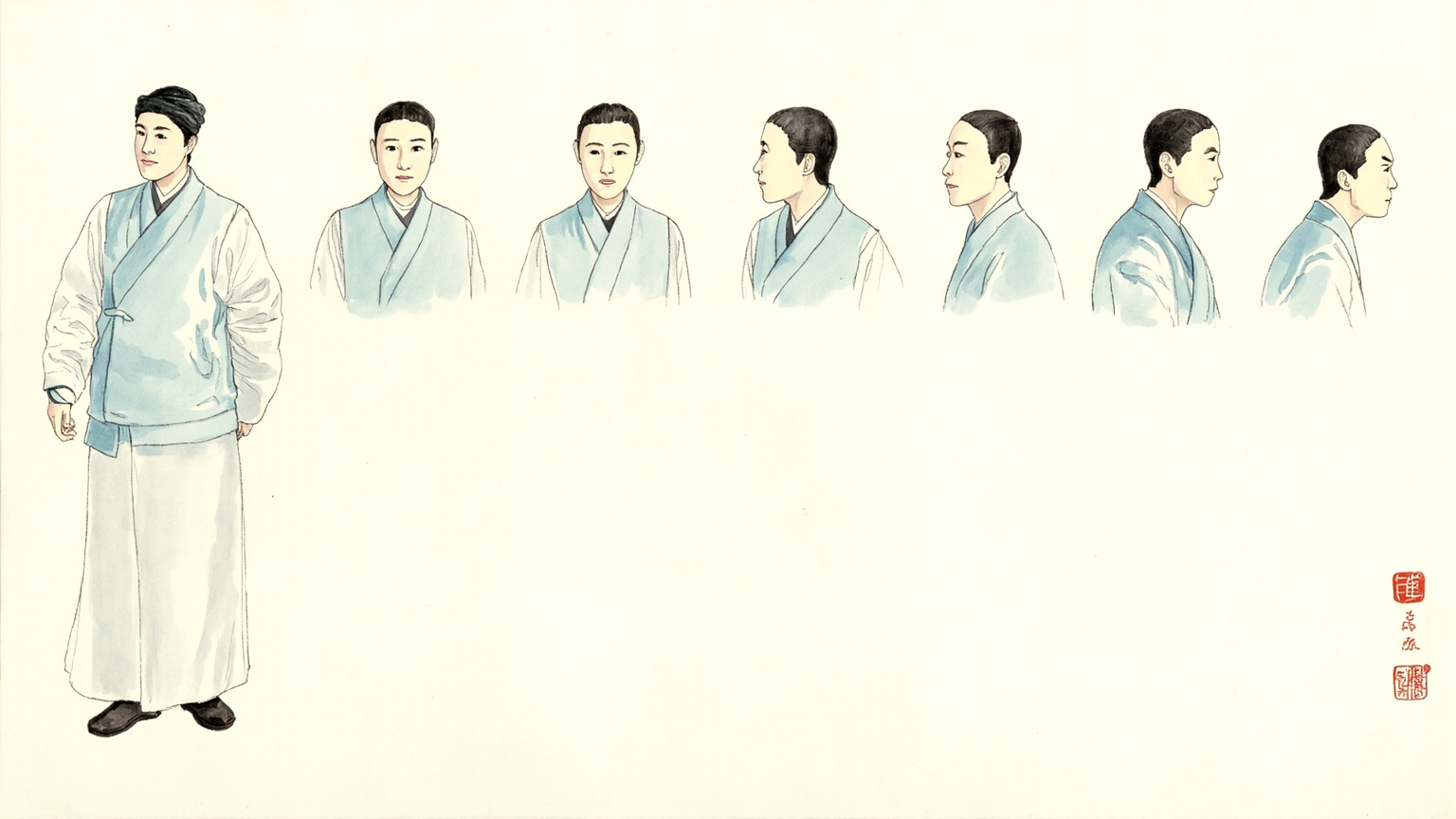
The protagonist, Lục Vân Tiên, is a young man from the southern countryside who can handle both the sword and the brush, a scholar-swordsman, gentleness and swordsmanship in the same man, nothing like the pale, delicate bookworm of convention. He sets out for the capital to sit the examinations, and draws his sword the moment he sees an injustice on the road; this is the founding image of the scholar-swordsman archetype in Vietnamese literature. The girl he rescues is named Nguyệt Nga, and from the moment the bandits corner her on the mountain path, the two of them are as good as bound for life. A third traveling companion, Trịnh Hâm, starts out as his old schoolmate and friend, then takes a bribe from lesser men and becomes the hand that strikes him down, the negative model of a friend who betrays friendship.
The world is mid-nineteenth-century Nguyễn-dynasty Vietnam, generally the stretch from around Huế south to the water country of the Mekong and Saigon: bamboo mountain paths, the examination halls of walled towns, ferry crossings on the official road, fishing villages on the water, a hermit's thatched hut. The visual register is not the gray brick and tile of the Chinese heartland; it is ink-wash southern Vietnam, bamboo thickets, moonlight, straw hats and cloth sandals, scattered fishing lanterns.
How the plot moves
The story begins in a bamboo grove. On his way to sit the examinations, Lục Vân Tiên comes across bandits attacking travelers on a mountain path, draws his sword, scatters them, and saves Nguyệt Nga; the two of them are engaged on the spot. This is where loyalty and righteousness start, and it is the source image for the scholar-swordsman motif in Vietnamese literature: gentleness and swordsmanship together, a blade drawn not for any faction or old grudge but simply because he saw wrong being done. The craft here is that one line of betrothal sets up every joy and grief to come; the reader knows at once that these two will be separated, and that separation means they must, eventually, come back together.
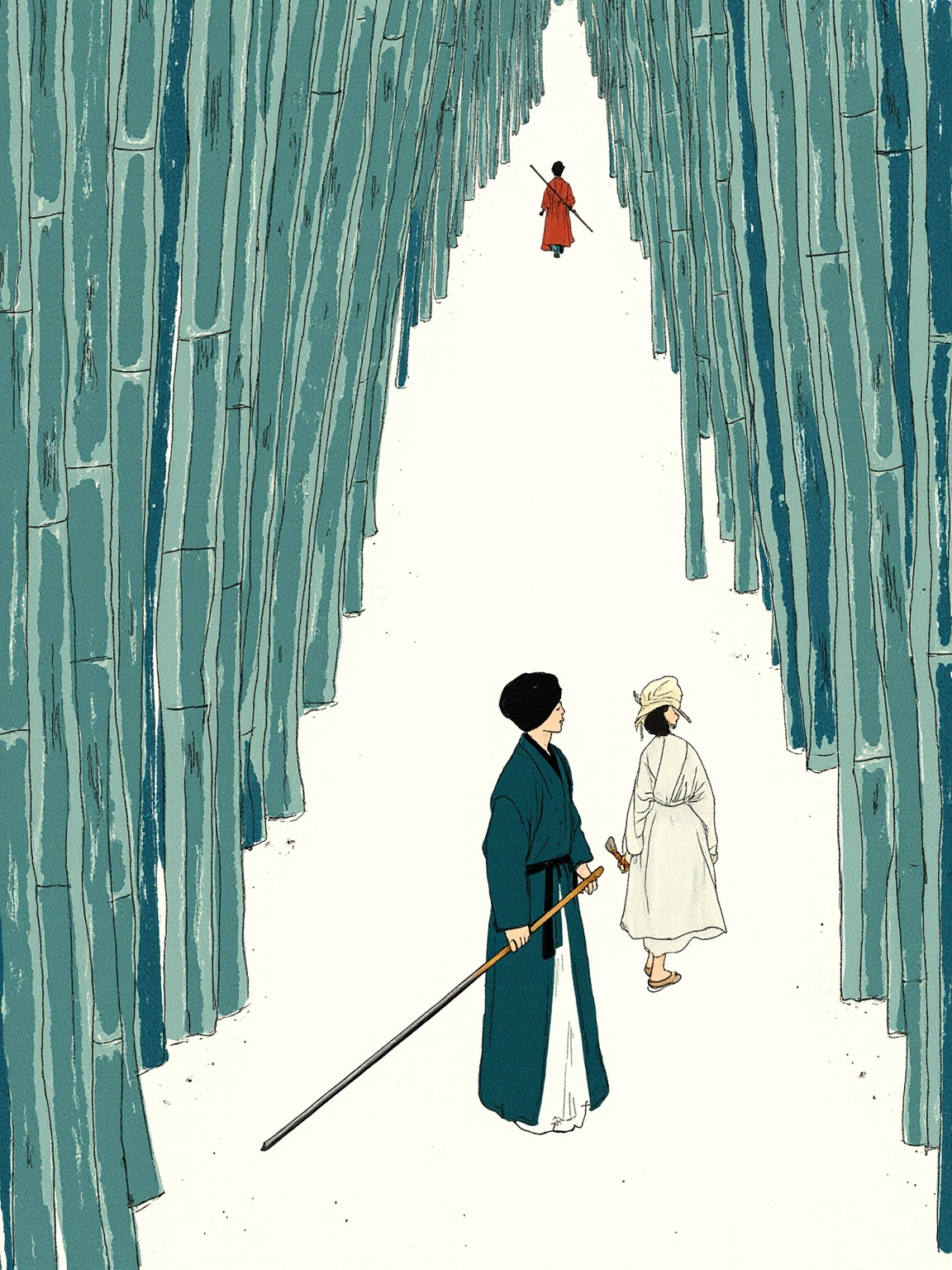
The bamboo still rustled when the young man in blue stood in the road, sword drawn, the bandits already scattered behind him.
竹叶未歇,青衫已出剑——山道上倒了一片,匪众四散,只留他一人独立当途。
金句 · 开篇 · 竹林拔剑
Then Trịnh Hâm, his traveling companion on the road to the examinations, takes a bribe from lesser men and strikes at him along the way. Lục Vân Tiên goes into the water; he survives, but he is blind from that point on. This is the cruelest cut in the whole poem: a man of loyalty and righteousness falls, in the prime of his life, from an examination candidate into a blind drifter with nothing. The craft here is the sudden change of pace: the bright scene of bamboo and sword-flash goes dark and slow all at once, the verse dimming along with the hero's own eyes. The first time I read this passage I stopped short. How can the lục bát meter turn this heavy, this fast.
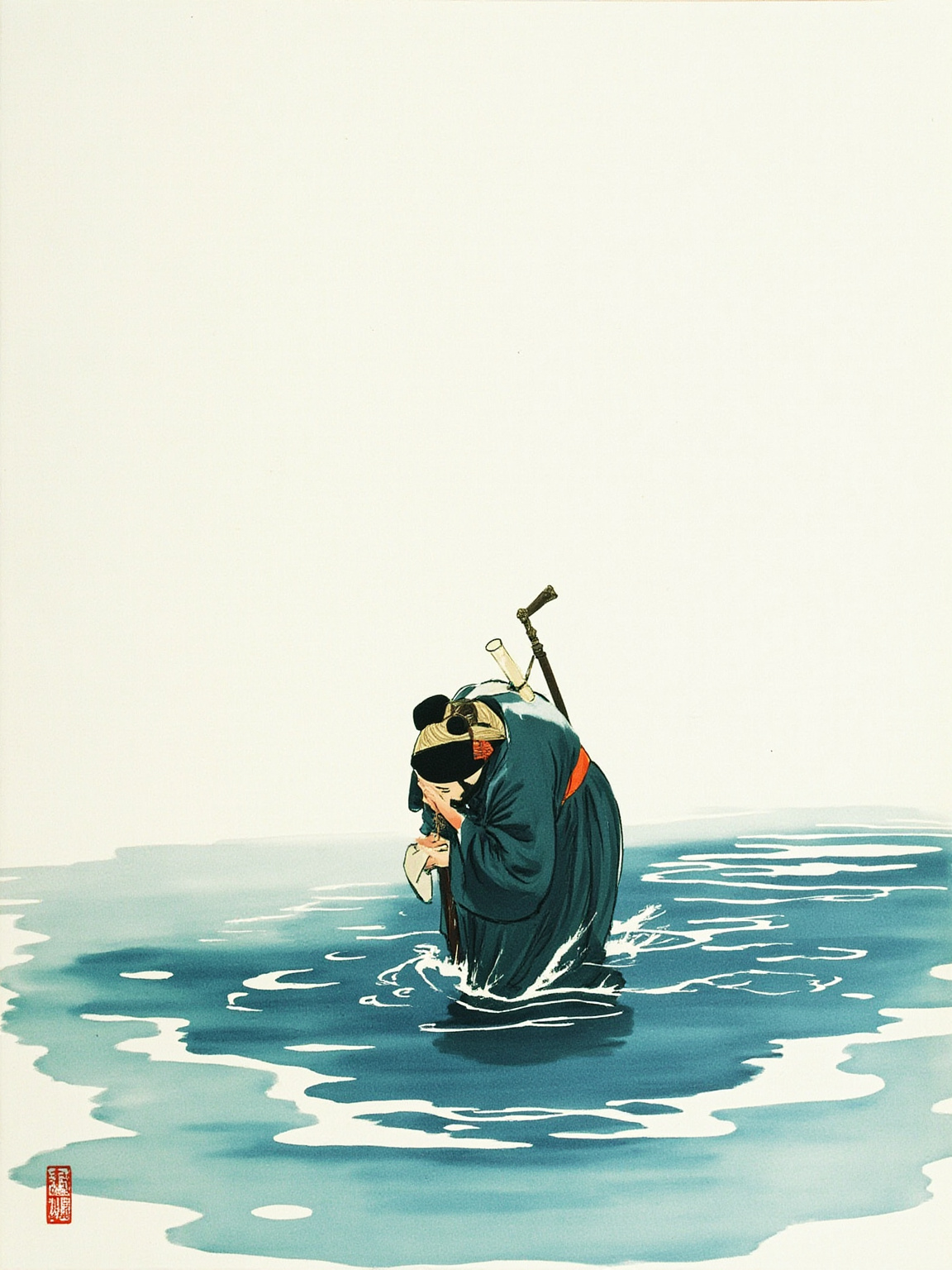
He fell into the river and rose again—but the light that had shown him the road was gone, and would not return.
落水未死,从此失明——曾照见前路的目光一去不返,他只剩一双眼看不见的人世。
金句 · 转折 · 江上失明
Lục Vân Tiên drifts through the world, scraping by selling calligraphy, playing the zither, telling fortunes. A blind old man in a thatched hut takes him in and instructs him in medicine, divination, the zither, and props up his spine with a philosophy of staying unbroken while blind. This passage is close to a self-portrait of the author: Nguyễn Đình Chiểu himself went blind fighting the French, and was himself a blind poet of the Nôm tradition. The craft here is the mirroring; the blind old man in the hut and the blind young scholar in front of him reflect each other, the old man guiding the young one as if guiding his own younger self, and the lines of comfort he offers land harder than anything in the stage version.
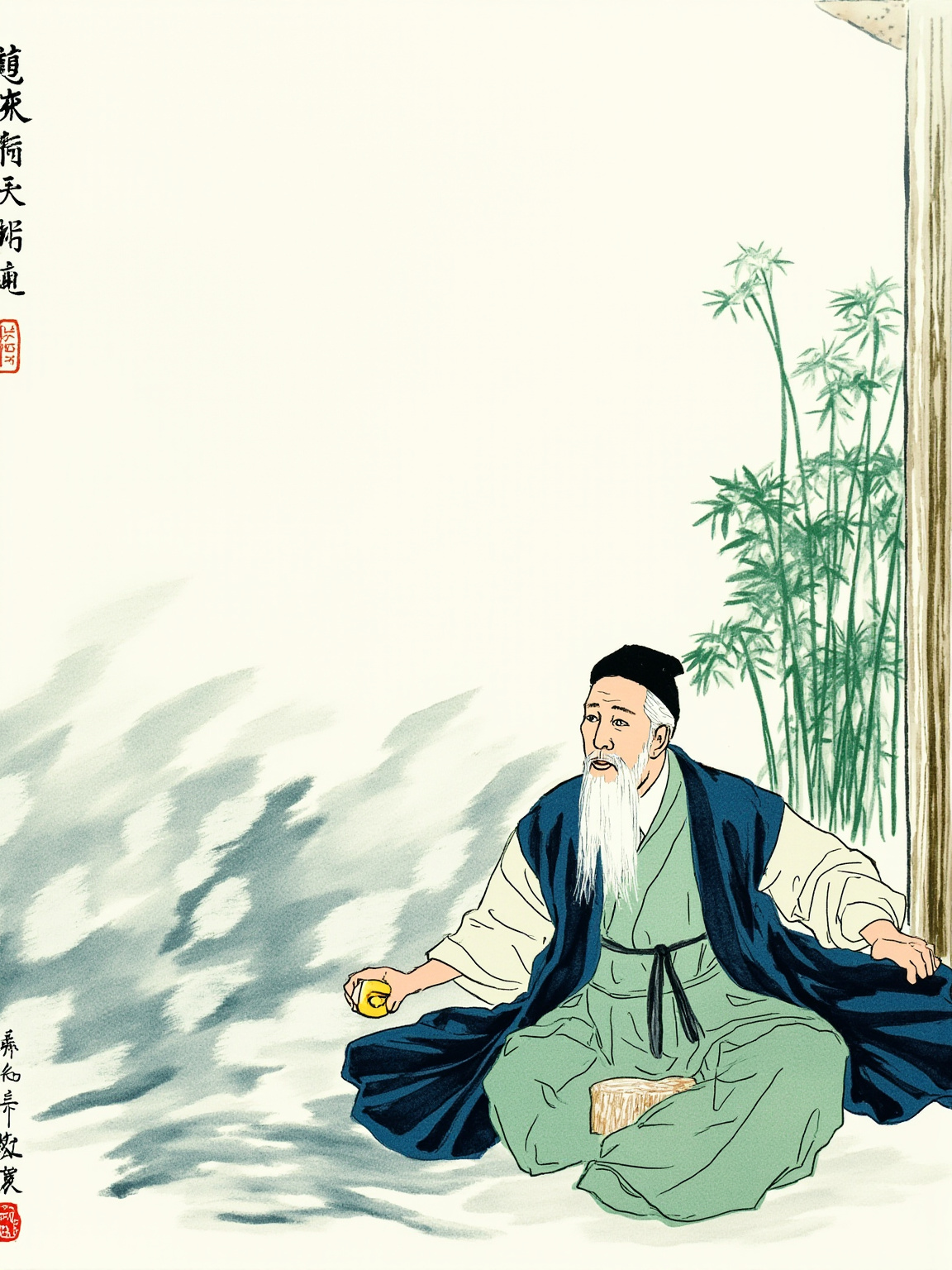
In a thatched hut by the water, one blind old man taught another blind young man how to stand upright without sight.
茅檐之下,一盲翁点化一盲儿——教他看不见世路,也要把脊梁立直。
金句 · 草庐 · 盲翁点化
Meanwhile Nguyệt Nga is forced by a powerful family to remarry. She refuses, and throws herself into the river to make her resolve plain, but downstream a fishing family pulls her out and raises her, and she grows up poling the boat, mending nets, coiling line, hardening into an adult inch by inch amid the lantern light and oar-splash of the river. This is the functional beat of holding to chastity followed by eventually being saved; the poem gives the result, not the process. What carries this section is not incident but duration, the long stretch of waiting that follows being saved. She has no idea whether Lục Vân Tiên is alive or dead; she simply lives her days out in the smoke of the fishing family's cook-fires. This is a layer particular to Vietnamese water-country storytelling: the river is not scenery behind the characters, it is one of the characters.
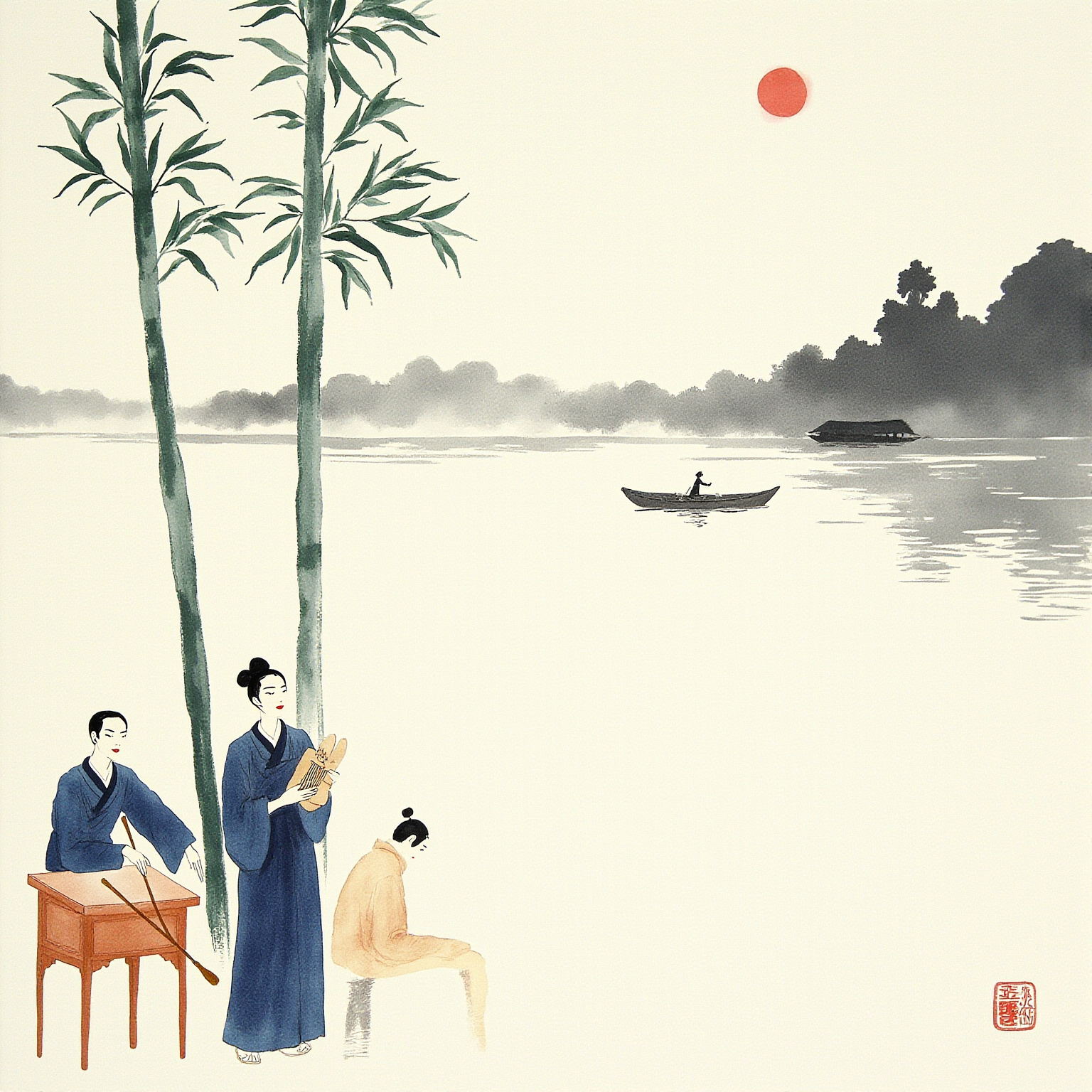
Rather than bend, she walked into the river; the current took her down, and the fisherfolk's lamp received her below.
宁投清波,不屈权门——江流送她往下游去,渔家的一盏灯在远处接着。
金句 · 江畔 · 月娥投江
Running through the examination hall and the court is a single corrupt, well-connected official: having failed to force Nguyệt Nga into remarriage, he turns and tampers with the examinations, framing Lục Vân Tiên's chances, rigging the process, bribing the graders, pinning a false charge on a candidate who has done nothing but sit for the exam. One thread of intrigue runs all the way from the riverbank to the examination hall. Lục Vân Tiên does not stay trapped in his blindness; he is honored for putting down a rebellion and formally cleared by the court, loyalty and filial piety moving from the private register into the public one, belonging now to the state. This section works as a rebuke to the corruption of Nguyễn-dynasty officialdom: the loyal and righteous man is struck down in the dark, but manages, through military merit, to wash his standing clean, while the villain is nailed to history's pillar of shame. The craft here is in the weight the word vindication carries; the lower the poem presses him down beforehand, the harder that word lands when it finally lifts him up.
Years later comes the reunion. Lục Vân Tiên and the long-separated Nguyệt Nga find each other again, and the four virtues, loyalty, filial piety, chastity, righteousness, each settle into their place: loyalty in his military service, filial piety in how he conducted himself, chastity in Nguyệt Nga's resolve the day she went into the river, righteousness in the spine Lục Vân Tiên never once let bend. This is where the great motif of Vietnamese Nôm narrative poetry closes: bitterness ends, sweetness arrives, what has been long parted comes together again. But the moment of coming together is not joy. It is one long exhale.
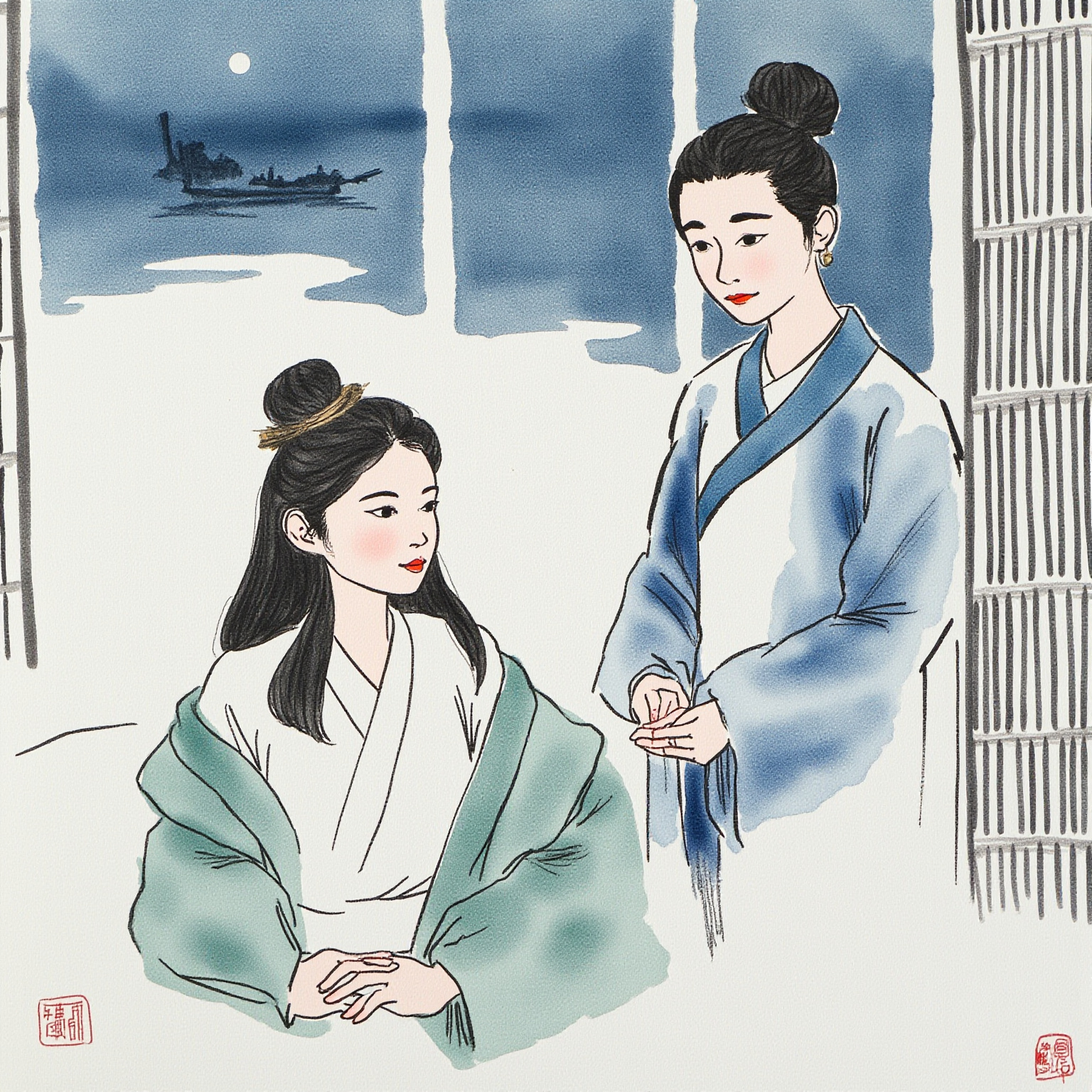
After long years apart, they met again by the same river—the moonlight still cold, the reunion still warm.
多年离散,江月依旧清冷;一朝重逢,渔火犹带旧时温。
金句 · 终章 · 江畔重逢
The poem's ground: the native beauty of southern Vietnam's water country
The one thing not to skip when reading this poem is its recurring imagery: bamboo groves, moonlight, ferry crossings on the Mekong or near Huế, fishing lanterns, straw hats and cloth sandals. None of this is decoration; it is the narrative itself. The hero draws his sword in a bamboo grove, loses his sight by the water, builds his resolve back up in a thatched hut, and is reunited by the light of fishing lanterns. This is not the Jiangnan or the north of Chinese literati painting; it is the water and land unique to the eastern side of mainland Southeast Asia, humid, big-mooned, flat water, dense bamboo, and the pace of the poem slows and lightens along with it. This is the most visible way that the aesthetics of Vietnamese Nôm poetry set themselves apart from Chinese scholar-and-beauty fiction or Japanese monogatari.
What it is really saying
On the surface this is a story about loyalty, filial piety, chastity, and righteousness. What it actually does is take those four Confucian words out of the ethics of the scholar-official class and rewrite them as street-level drama in the water country of southern Vietnam, something that can be sung, that can make people cry, that can be passed on to a village woman who cannot read. This is the most successful localization of Confucian ethics in all of Vietnamese Nôm literature, and it is why the book has been remembered, and not forgotten, for more than a century.
The second layer is the spine underneath it all: staying unbroken while blind. Nguyễn Đình Chiểu himself lost his sight and went on fighting the French, teaching, and writing in Nôm verse regardless; he wrote that same blind man's backbone into Lục Vân Tiên, and into the blind old teacher who guides him. Two blind men in one book, holding each other up; there is barely a second case of this anywhere else in Vietnamese literary history. It is not inspiration. It is grit.
Why it is considered well made
A single book that laid down the motifs, the character archetypes, and the aesthetic template for Vietnamese narrative epic poetry all at once. It can hold a conversation with Romance of the Three Kingdoms or Water Margin, but it stands on completely different ground: water country, bamboo groves, the Nôm lục bát meter, the four words of loyalty and righteousness. What sets it apart from the merely delicate scholar type is the scholar-swordsman archetype, gentleness and swordsmanship together, a blade drawn only because he saw wrong being done. Whenever Vietnamese theater stages a scholar-swordsman since, he opens looking like Lục Vân Tiên.
A blind poet writing a blind scholar: the sword drawn in the bamboo grove only shows its true weight once it reaches the water.
Why it is still worth reading the poem once you know the plot
A companion guide gives you the map. The poem itself gives you the sound of that particular stretch of water and land. Knowing the plot does not let you hear the lục bát meter, one line of six syllables, one of eight, pushing forward in that alternation, and it will not give you the exact beat where moonlight leaks down through the gaps in the leaves; that only comes from reading it with your own eyes. For the section where Nguyệt Nga throws herself into the river to make her resolve plain, a summary can only tell you four words: she was eventually saved. The empty, held shot of the river in the actual verse, the few lines of fishing lanterns, you have to move through them yourself to understand what waiting really means. The lines where the blind old man sits across from Lục Vân Tiên and guides him lose half their breath in any translation, Chinese included; the cadence of Nôm belongs to Vietnamese, not to Chinese characters. Knowing the skeleton and then going back to read the flesh that grows on it, that is this book in its true shape.
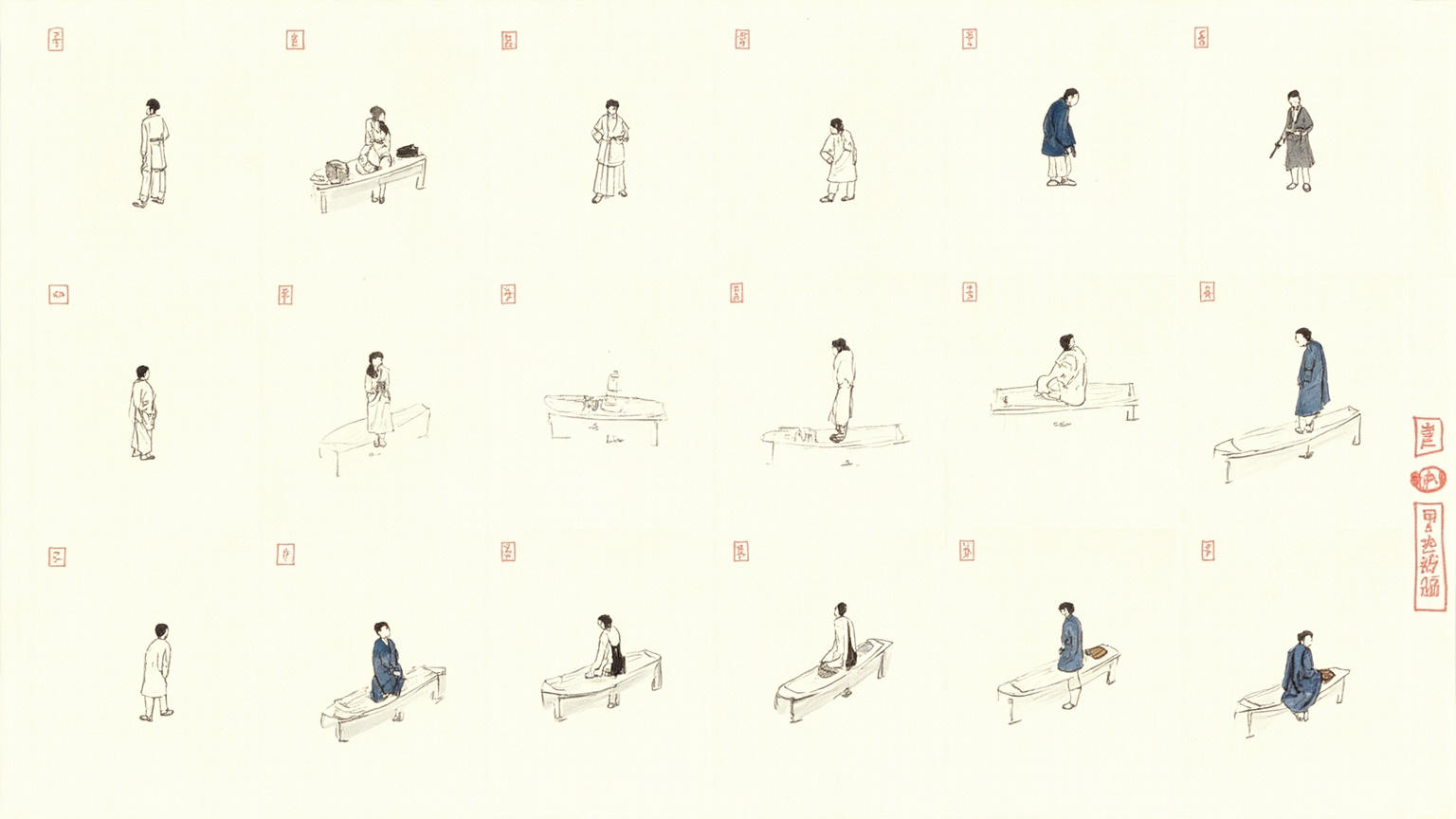
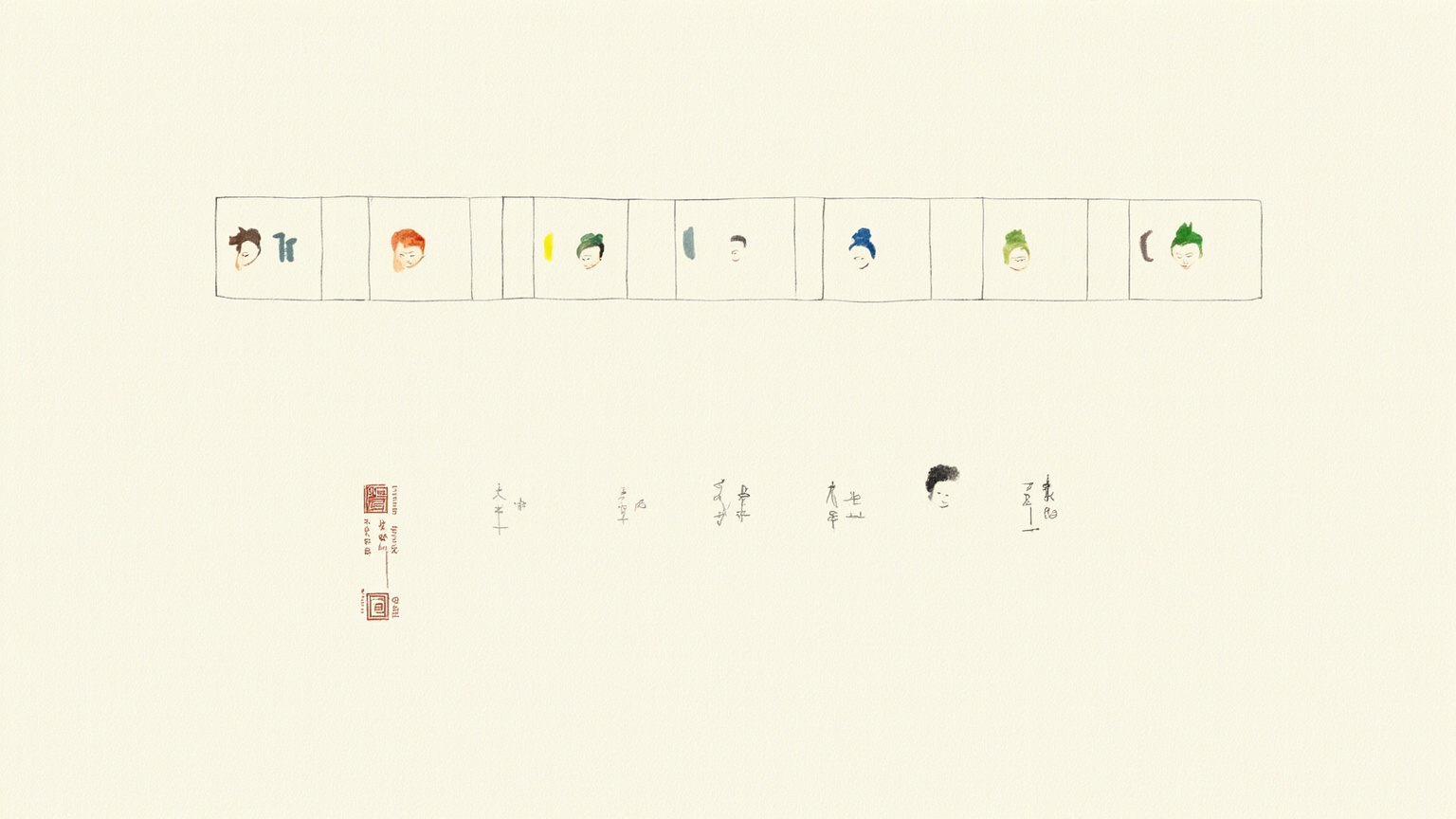
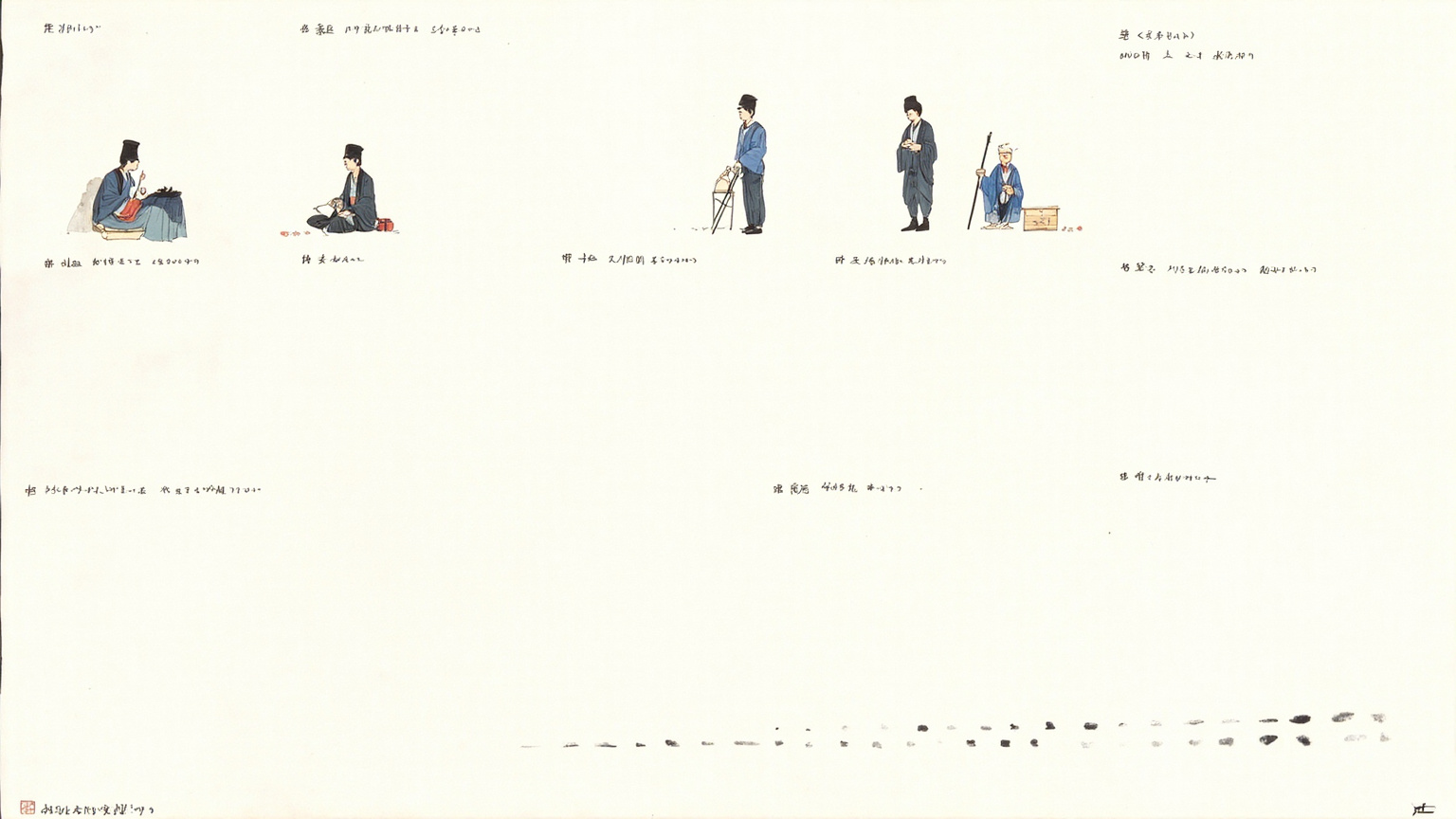
Art Direction4 plates
Before the guide was written, this book got a visual foundation — every illustration you just read grew out of it.