Martín Fierro (El Gaucho Martín Fierro, 1872 + La Vuelta de Martín Fierro, 1879) · Companion Guide
马丁·菲耶罗
一个会弹吉他、爱喝酒、能骑马套索的潘帕斯高乔人,被国家强征、诬告、流放,最终连自己的阿根廷都回不去。
A Cup of Mate Goes Cold on the Pampas
Fierro's horse was not even tied up when the leva rode onto his ranch with a squad of men. The reason: he was needed at a frontier fortín, to stand against the malón, the mounted raids that indigenous nations launched across the frontier. It is not an entrance built for a hero — it reads more like being hauled out of a nap and dropped face-first in the mud, and that is exactly how José Hernández wrote it. His gaucho is never the romantic figure of pastoral verse. He is a part the state machine reaches down and grabs, simply because it happens to be within reach.
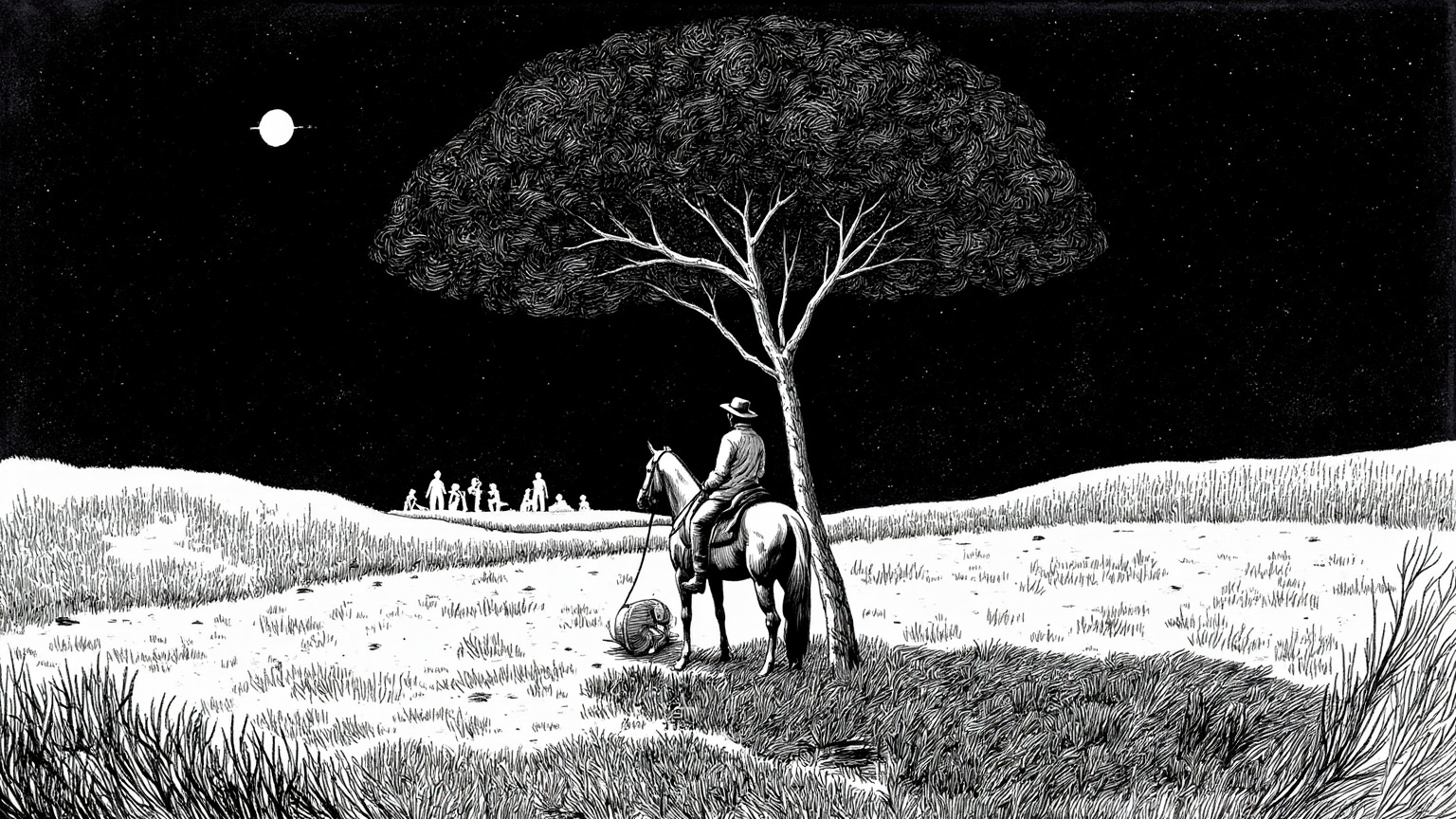
I had my horse and my saddle, and I never thought a summons would come for me.
我那时有马有鞍,从没想过会有征令落到我头上。
金句 · 第一部 · 征召
What This Book Is: Argentina's Don Quixote
Martín Fierro comes in two parts. The first, El Gaucho Martín Fierro, appeared in Buenos Aires in 1872 in a print run of barely two thousand copies and sold out almost at once. The sequel, La Vuelta de Martín Fierro — The Return of Martín Fierro — followed in 1879, and together the two make up Argentina's national epic. Its author, José Hernández (1834–1886), was himself an active figure in Argentine politics and journalism, and he wrote the poem at the height of the country's drive toward central government. To Argentines, this book holds roughly the place Don Quixote holds for Spaniards: every child in the country reads it, whether or not literature ever crosses their path again.
The Man on the Pampas, and What He Wants
Fierro is a standard gaucho of the pampas: he plays guitar, he drinks, he can rope and ride with anyone. What he wants is a life of herding cattle, singing payada — the guitar duels where two singers trade improvised verse — and sitting down over mate. The state will not let him have it.
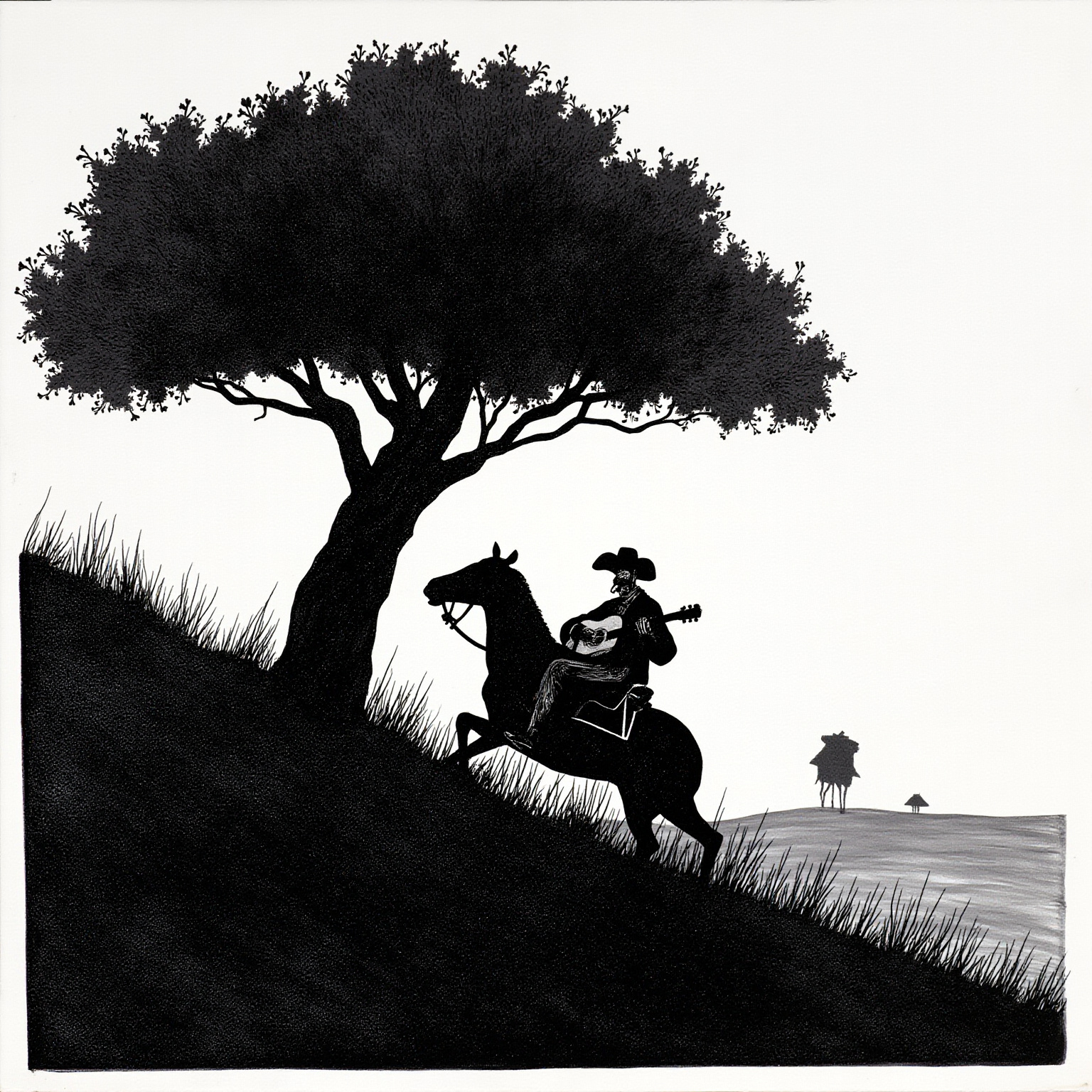
I sang with my guitar, and a man with a thirst is bound to the wine.
我和着吉他唱,爱酒的人总归离不开那杯酒。
金句 · 第一部 · 高乔人之歌
The person closest to him in the sequel is Cruz, another gaucho on the run, whom Fierro meets on indigenous land. The two trade verses in a payada and call each other brothers, then ride on together. It is the warmest stretch in the whole poem: no blood oath, no cut palms, just two guitars, two strong voices, and the words 'I claim you as my brother.' The man who takes them in at the camp is an old man named Vicente, white by birth, taken captive years before and half assimilated since, now a minor caudillo within the tribe. He teaches the two gauchos how to survive caught between two worlds, all the while circling back to the same three social diseases: pride, greed, vanity.
Plot Line One: From the Ranch to the Frontier Fort
Fierro was press-ganged by the leva, and only at the frontier fort did he learn the truth of it: the pay never came, the promised leave never arrived, and old soldiers froze and starved to death just outside the gate. He watched his comrades carried out dead and was never even given a horse of his own. He did fight back — he killed an indigenous chief in battle — but what followed was not a commendation. He was falsely accused of threatening an officer and forced to flee into the wilderness. A man who had killed the enemy became the fugitive.
The first part ends in disarray. With nowhere left to go, Fierro crosses the frontier line into indigenous territory. A gaucho who had carried a gun for Argentina now stands outside it.
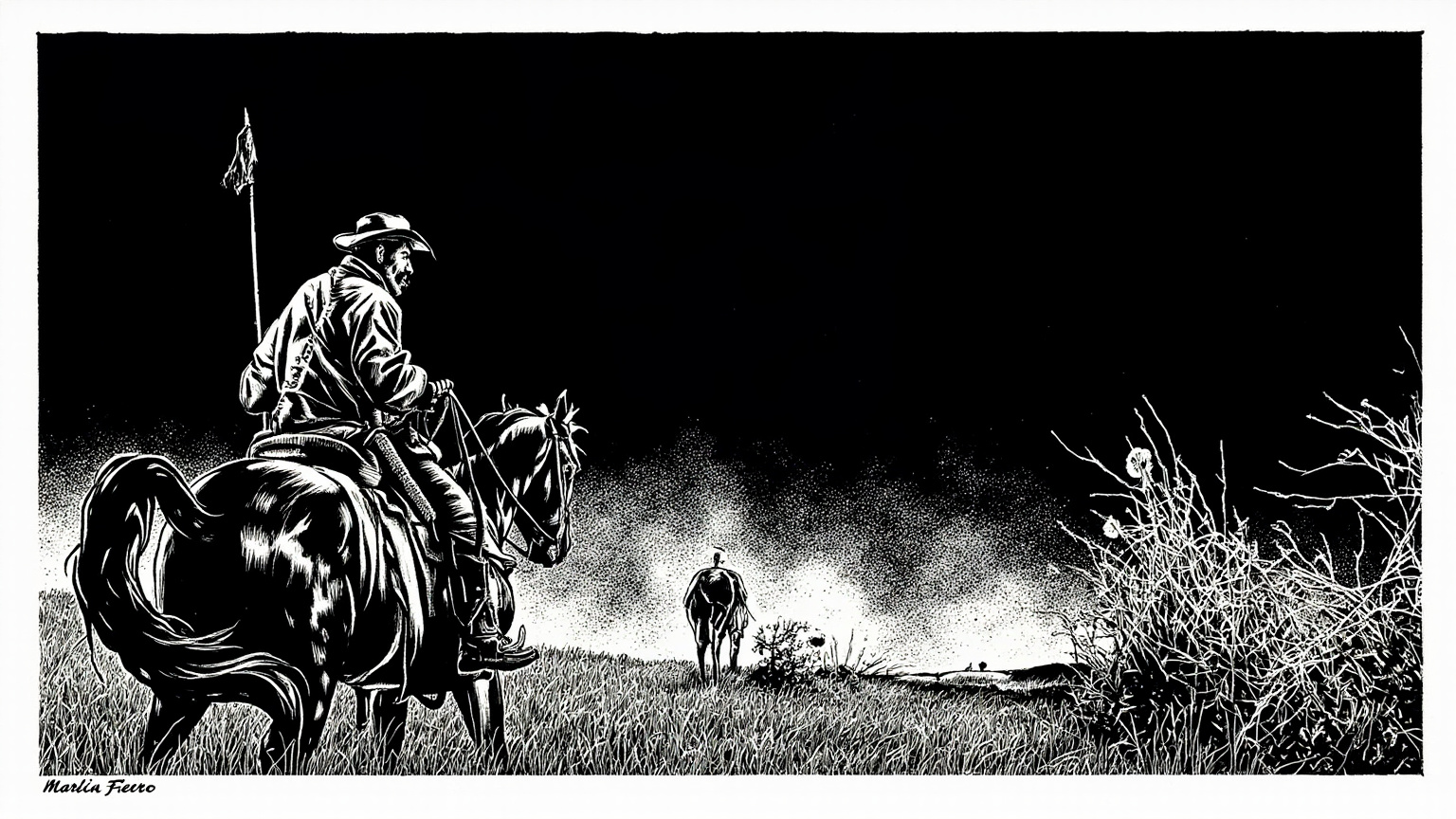
I crossed the frontier, and there was no longer any shelter for me in my own land.
我跨过了边境线,便在自己国土上再无一处可栖。
金句 · 第一部 · 逃亡的边疆
Plot Line Two: In the Indigenous Camp
Old Vicente takes him in. This white caudillo, bearded and wrapped in an indigenous blanket, teaches him two things: first, how not to starve on the plains, and second, that the real danger in this world is not the indigenous peoples. It is the three diseases of pride, greed, and vanity. He says it with a smile that is half mocking, half pitying — he has watched too many strong men go down to exactly those three.
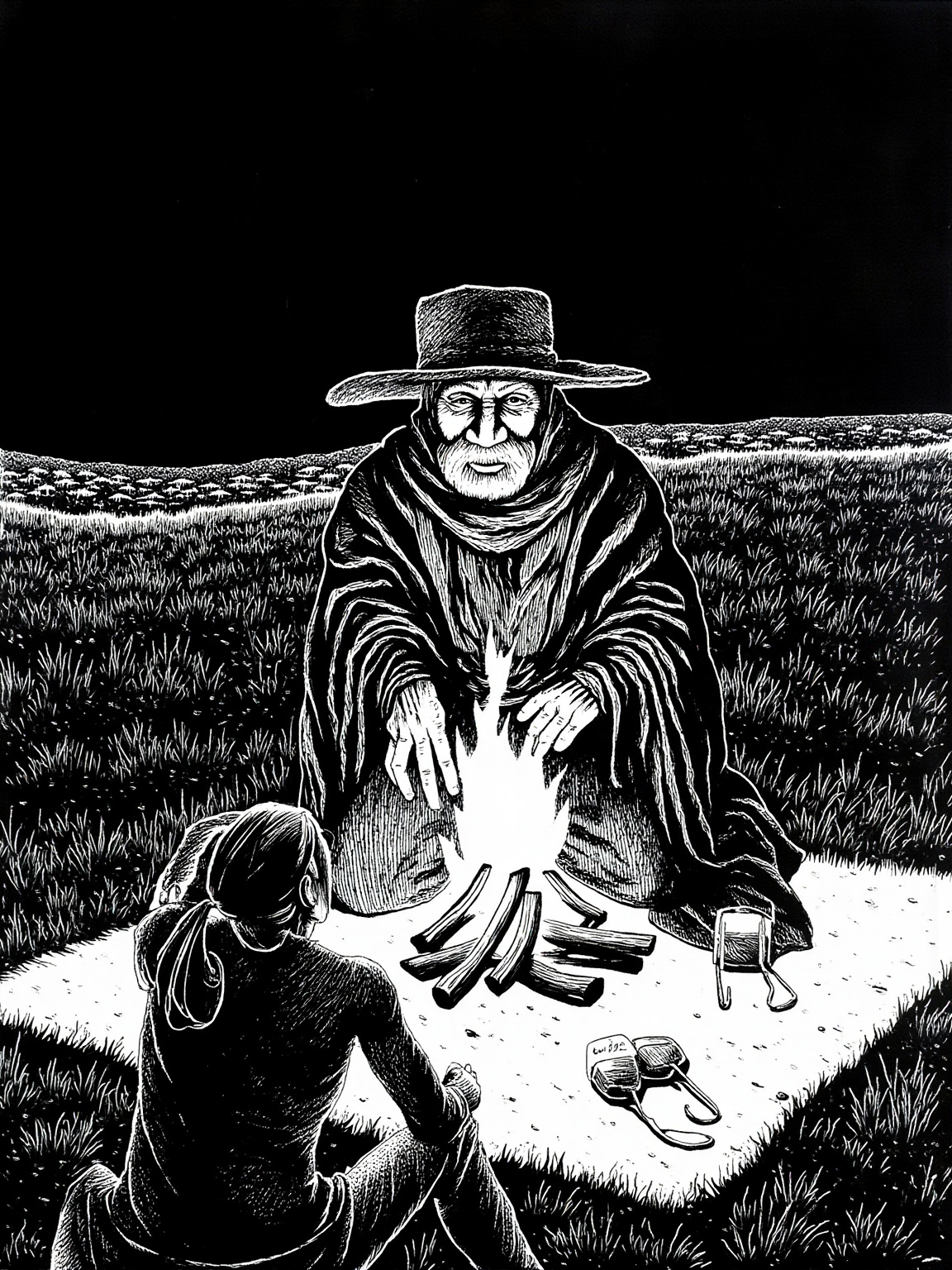
There are three things, my son, that bring a man to ruin: pride, greed, and vanity.
孩子,世上毁人的有三种病:傲慢、贪婪、虚荣。
金句 · 第二部 · 比森特老人三大病
I stopped short the first time I read Vicente's lines of counsel. In a national epic of Argentina, the wisest voice in the whole poem does not belong to some politician in Buenos Aires. It belongs to an old drifter, taken captive so long ago that he barely counts as Argentine anymore.
Plot Line Three: A Guitar Makes Two Men Brothers
On the plains, Fierro saves another gaucho fugitive: Cruz. The two of them sit down, take out their guitars, and trade payada verses through the whole night. This is how they become brothers — not by cutting their palms and mixing blood, but by singing each other the whole of a hard, stubborn life. By the time they finish, it is daylight, and they ride on side by side.
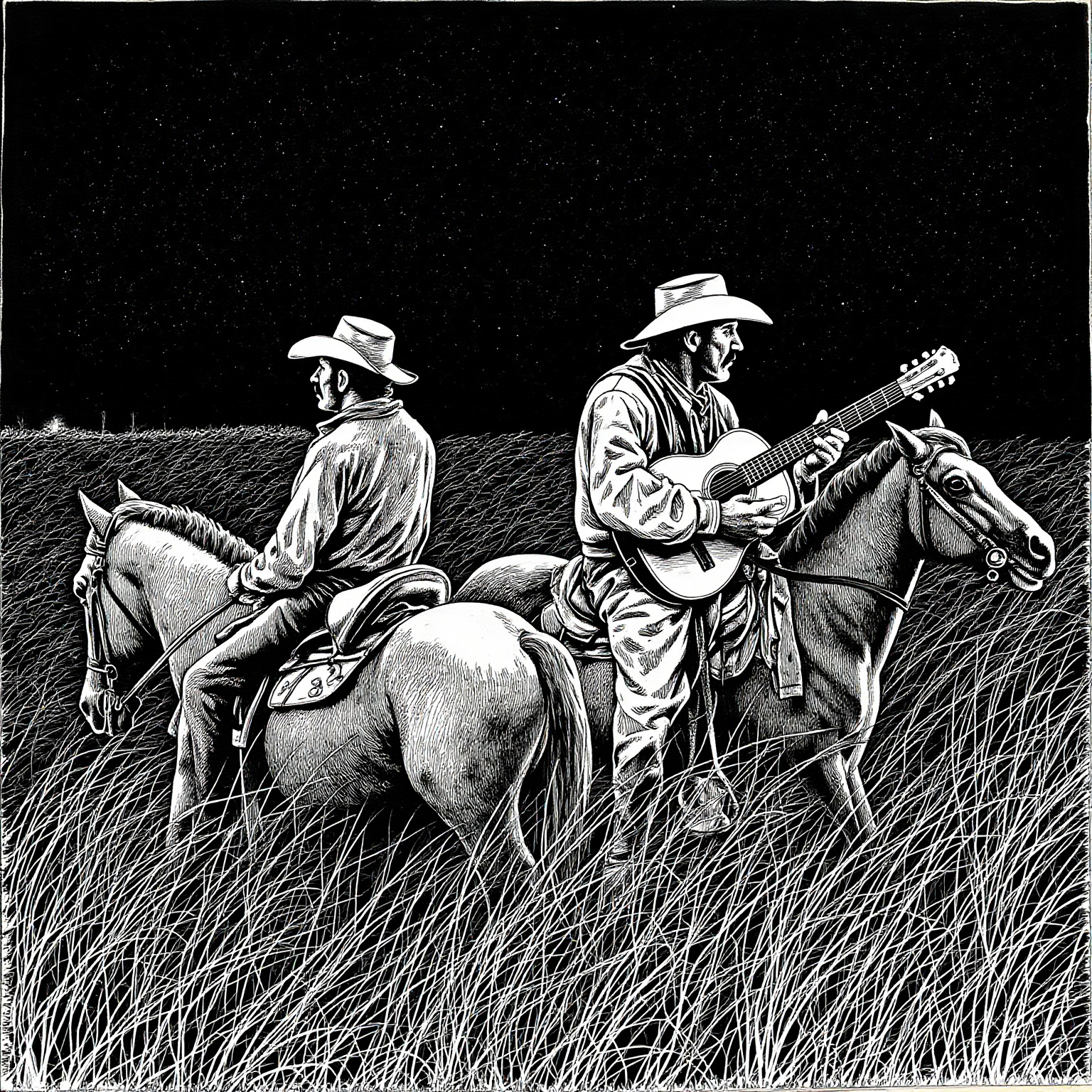
We pulled our guitars out, and we sang till the dawn came in.
我们掏出吉他,一直唱到天亮。
金句 · 第二部 · 菲耶罗与克鲁斯认兄弟
What sets Cruz apart from Fierro is his silence. He does not complain, he does not accuse. He simply moves fast and true. Fierro is the voice. Cruz is the blade.
Plot Line Four: Raiding, an Adopted Family, and a Cautiva
The two of them live off raided livestock, and along the way take in a few orphans of white descent, captured as small children and now grown into their early teens. The children still remember scraps of songs in Spanish, and Fierro and Cruz become something like godfathers to them. Among these children is a white woman, a cautiva held captive for years, whose infant son has already been killed. It is the heaviest single image in the whole poem, and the poet does not linger on it.
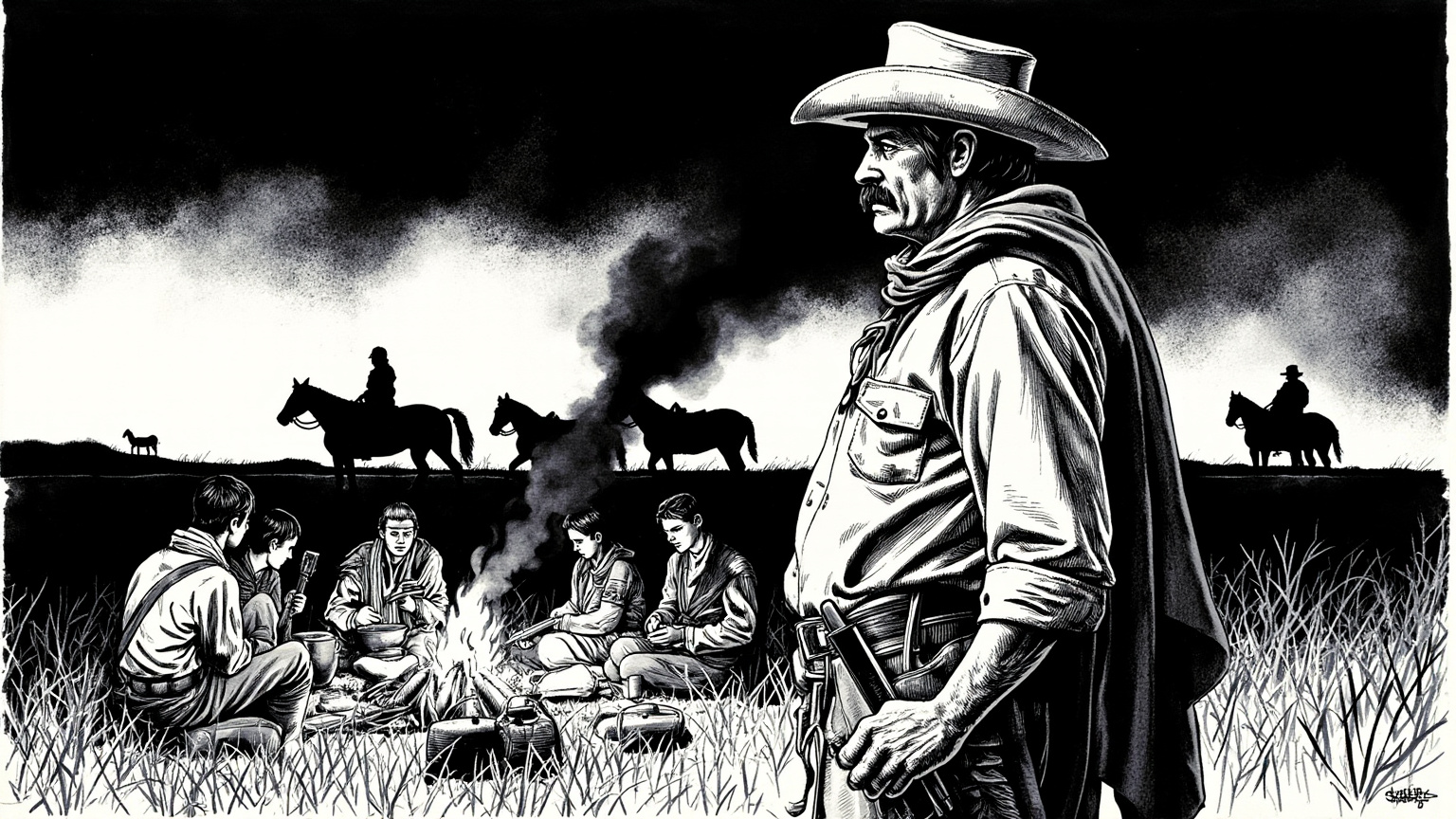
Plot Line Five: Rescuing the Woman, Leaving the Country
The raiders come again. Fierro rides straight into them, knife in hand, and pulls the cautiva off the horse. The sequel is titled La Vuelta, the Return, but returning does not mean going home. It means leaving Argentine soil for good, taking Cruz, the orphans, and the cautiva with him, to look for a life on the far side of the border. It is the most famous open ending in the poem. By the time the word Return is spoken, Fierro already knows there is no Argentina left for him to go back to.
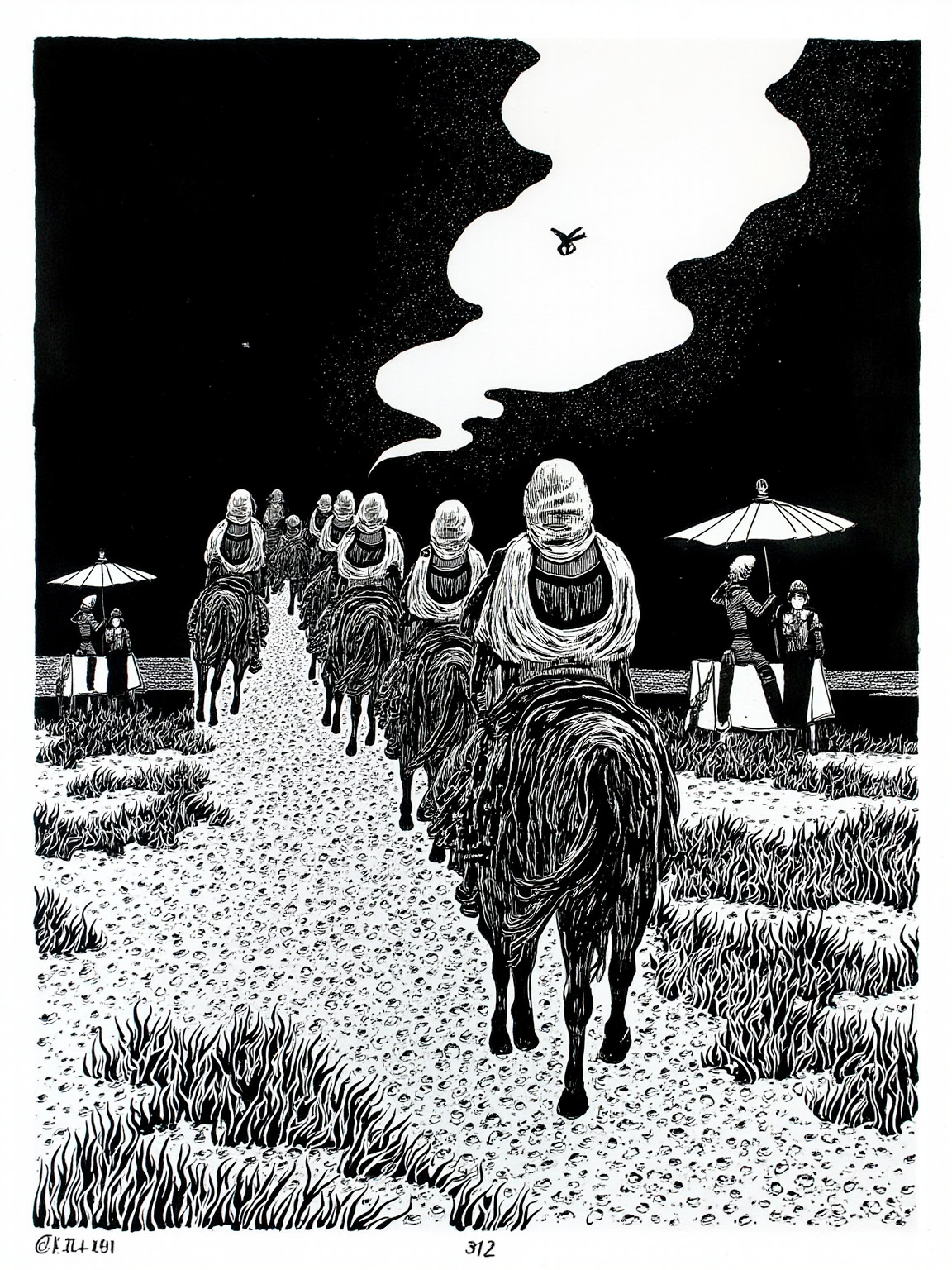
I spurred my horse, knife in hand, and cut her loose from the raiders.
我一夹马腹,提刀冲进去,把那女人从掳掠者手中夺了回来。
金句 · 第二部 · 救下 cautiva
Coda: Lament and Counsel
Fierro closes the poem with a long stretch of counsel, mourning how the gaucho as a class has been ground down by the state, the courts, and 'civilization' acting in concert. He warns his readers, young gauchos above all, not to walk his road, not to repeat his fate. This is not reconciliation. It is an indictment. The poem closes less like an ending than a will — a tragic legacy left to an entire way of life.
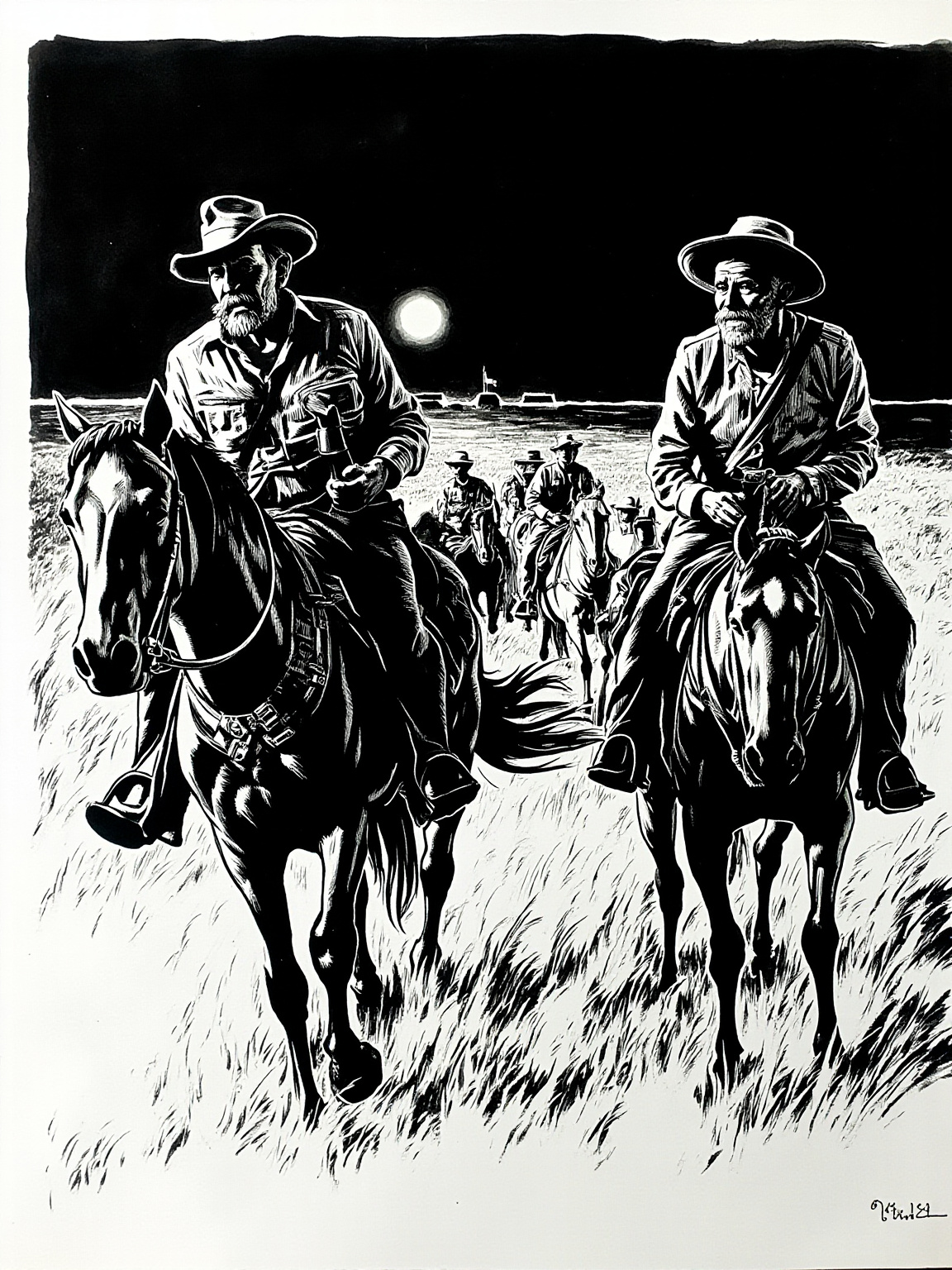
What It Is Saying, and Why It Works
Read Martín Fierro as a personal adventure story and you miss what it is actually doing. It is writing the death of an identity: the gaucho, turned by the state, step by step, from a free herdsman into forced labor at a frontier fort, then a falsely accused fugitive, then a wanderer exiled from his own country. Fierro is not an outlaw by nature. He is a product of this society. The 'savage' malón of the indigenous raiders and the 'civilized' courts, newspapers, and town governments turn out, in the poem, to be two fingers on the same hand.
When the word Return is written down, the rider already knows: his Argentina is gone for good.
What You Get From Reading the Poem Itself
A guide can give you the map. It cannot give you the land. Vicente's lines on pride, greed, and vanity were written to be sung, line by rhymed octosyllabic line — reading it in translation and hearing it sung are two different experiences entirely. The all-night payada where Fierro and Cruz become brothers is the beating heart of the poem's friendship, and no summary can reproduce it in a paragraph or two. And there is the texture of the pampas itself: the mate gourds, the lassos, the regimental flags, the dogs, all the scattered objects that build up that particular flavor of the plains, which no amount of retelling will ever recreate. Knowing how it ends is still worth reading for, because what you find there is a rare literary stance: a man buried alive by his own state, standing up to write his own epitaph.
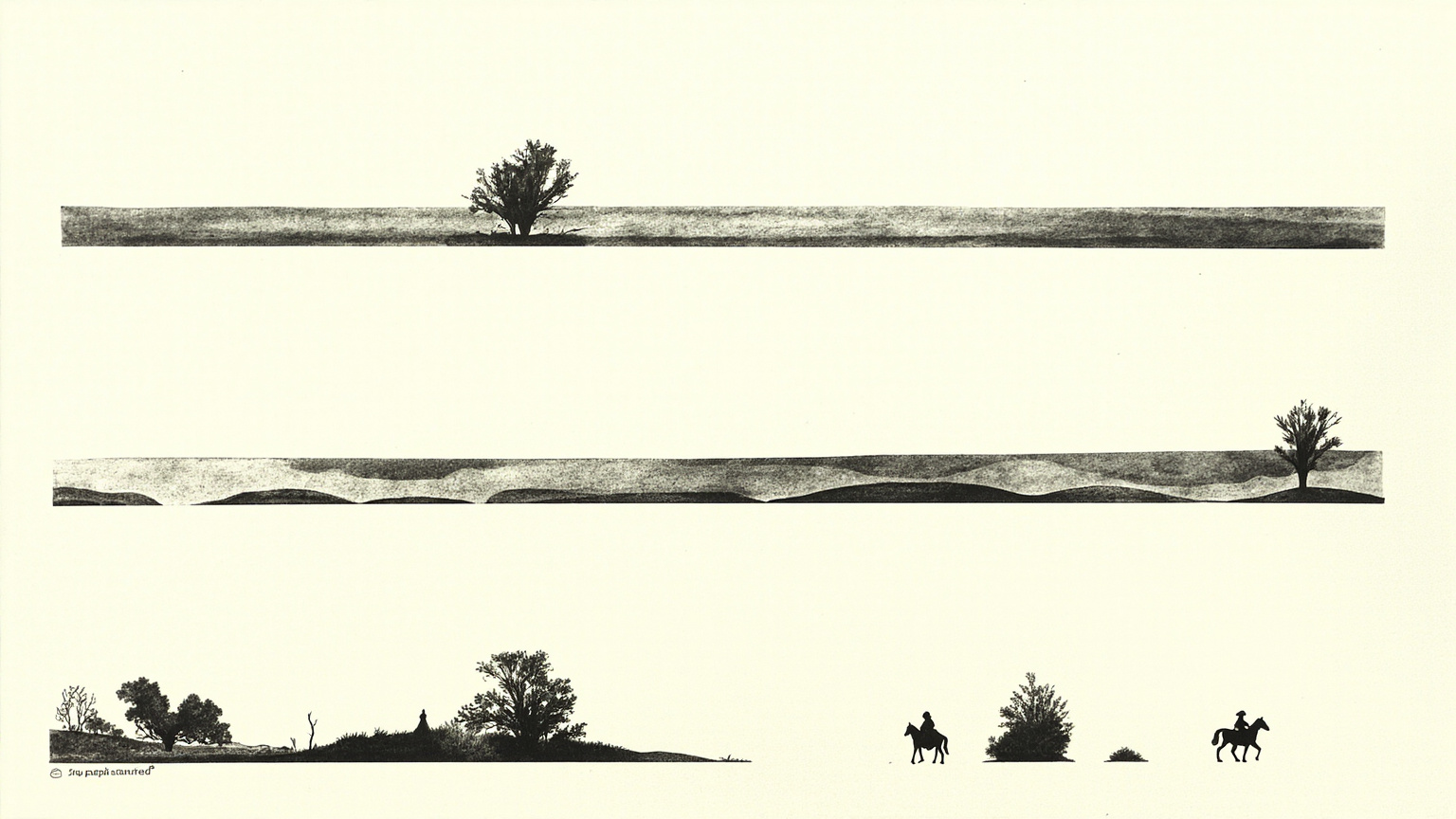
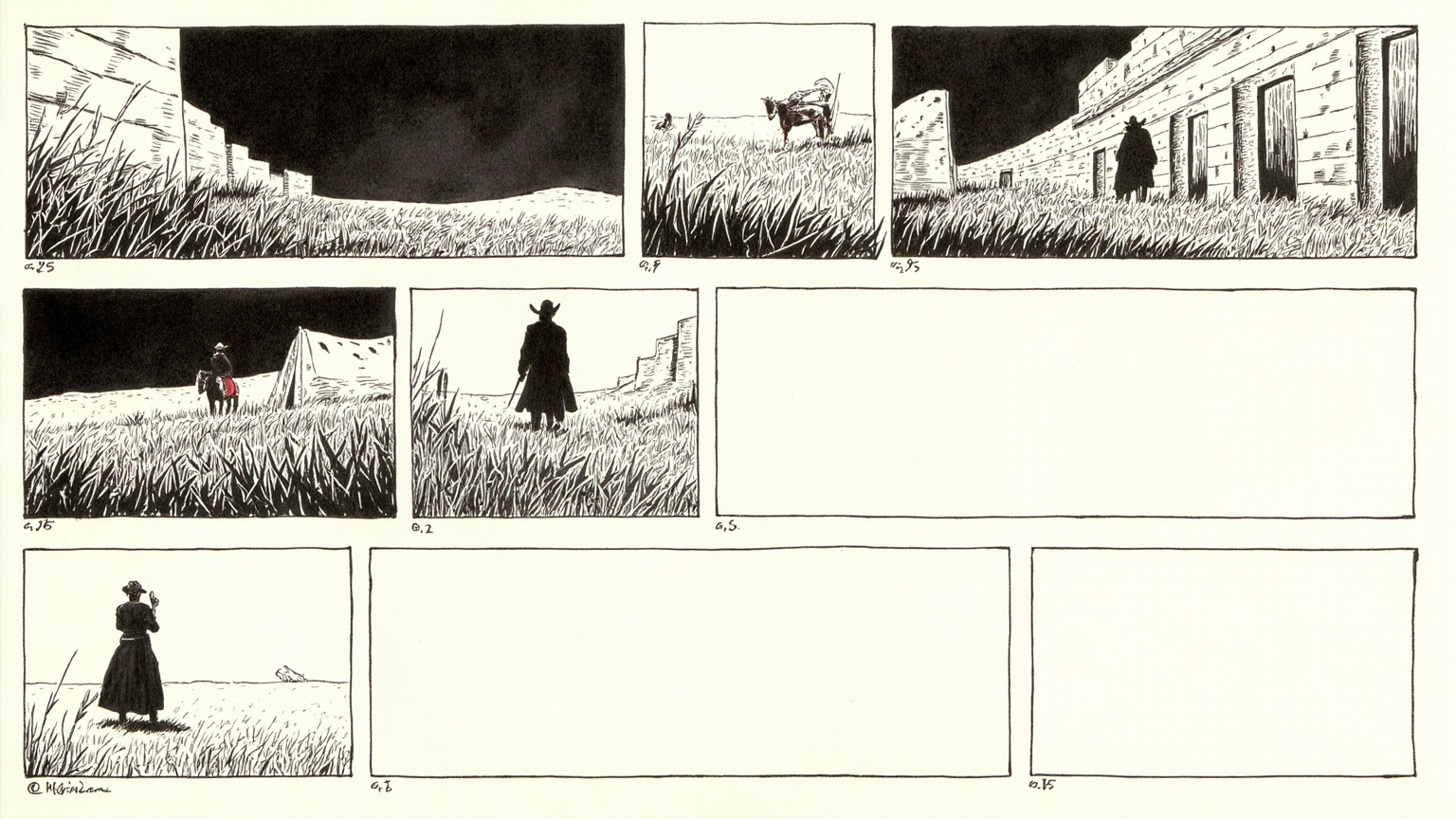
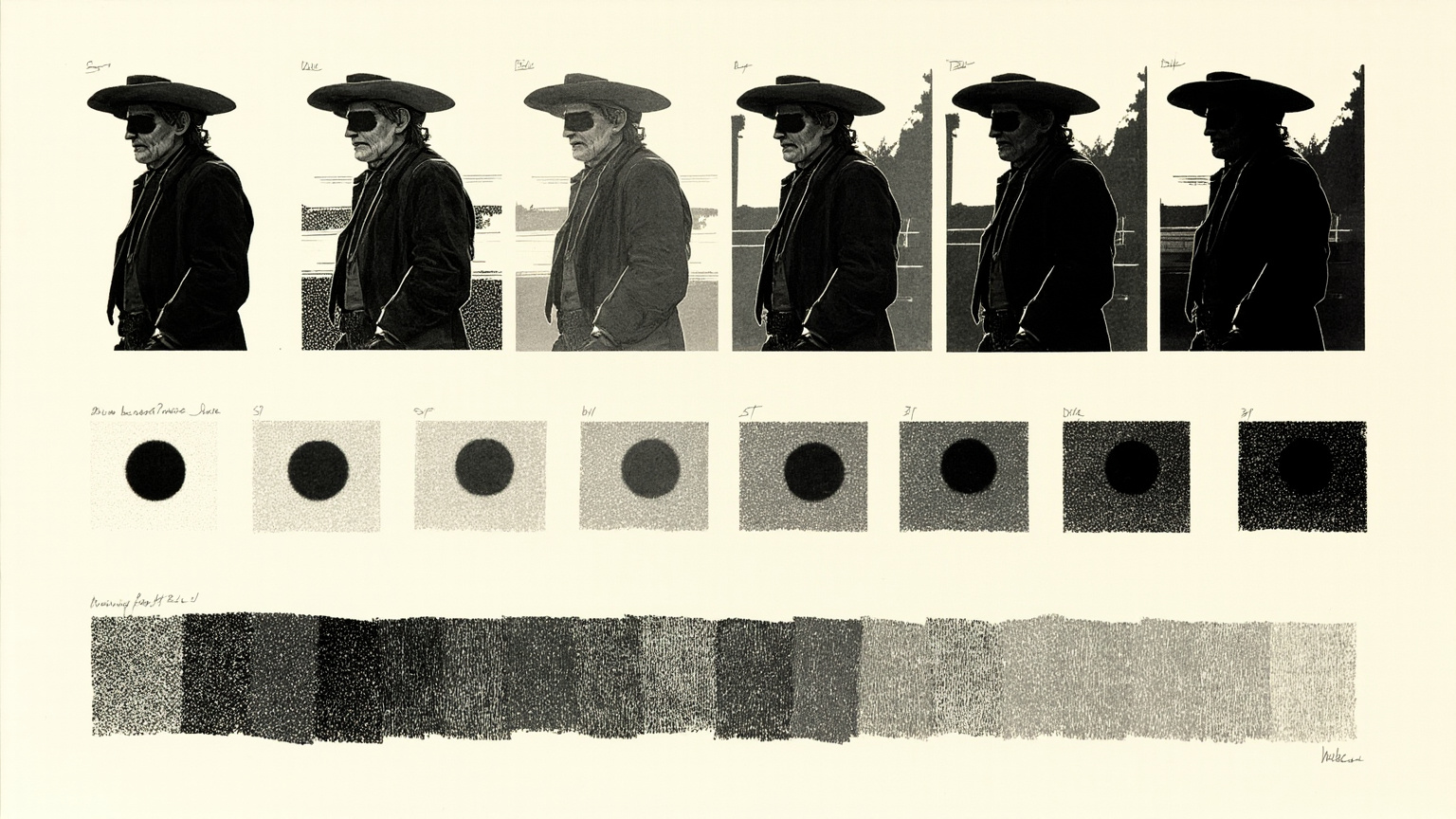
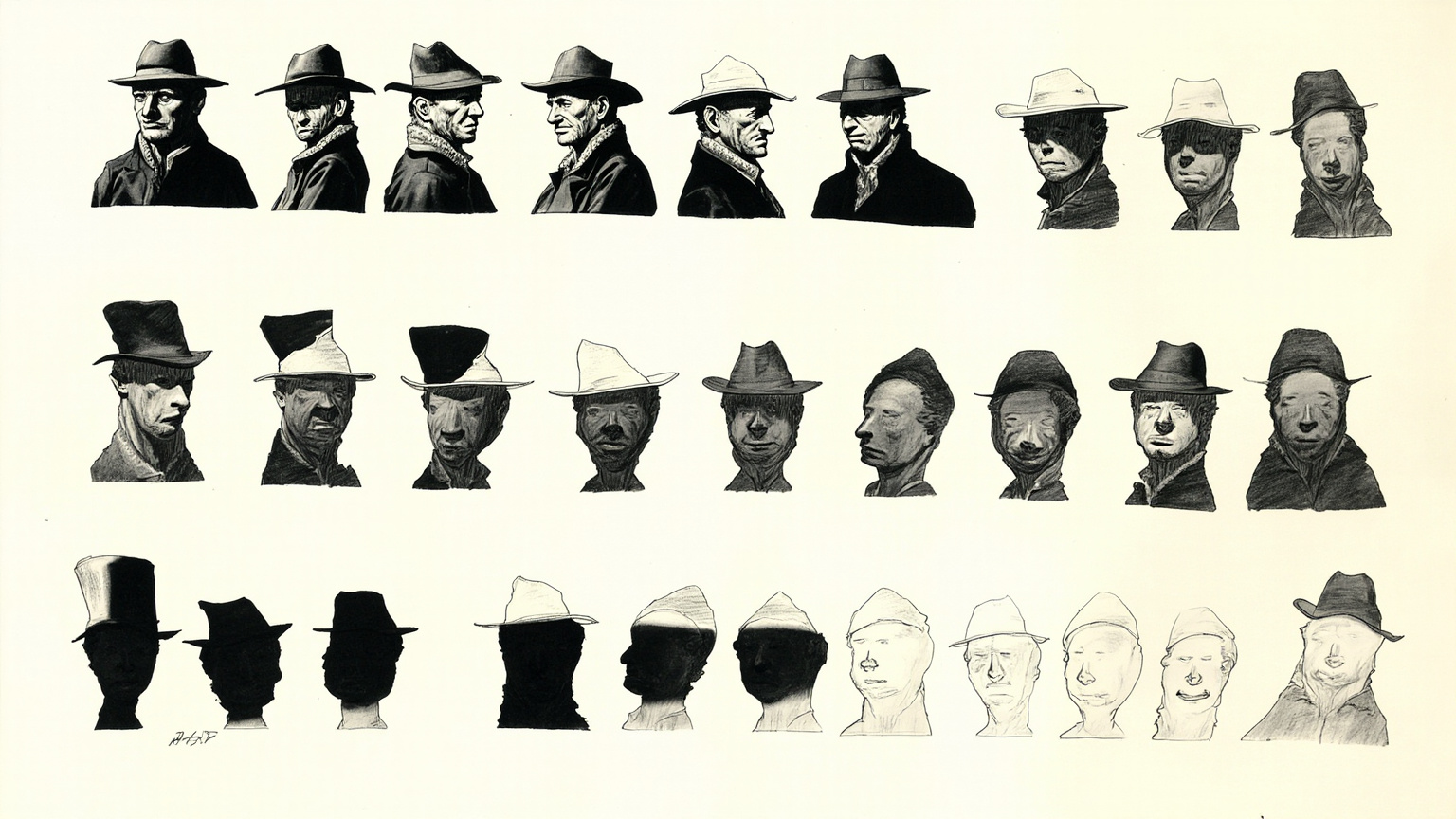
Art Direction4 plates
Before the guide was written, this book got a visual foundation — every illustration you just read grew out of it.