Moll Flanders (The Fortunes and Misfortunes of the Famous Moll Flanders, &c.) · Companion Guide
摩尔·弗兰德斯
新门监狱里睁眼的女人,用半生婚姻与偷窃替自己算账,末了在烟草田里把罪债一笔笔勾销。
Opening
A ring, tossed onto the table between her and the man. Not a token of love — a settlement. This is the world Moll Flanders lived in: between men and women, there is always a ledger.
What Book Is This
In 1722, Daniel Defoe — yes, the author of Robinson Crusoe — slipped a female thief's "confession" onto the shelves of London bookshops. The full title was The Fortunes and Misfortunes of the Famous Moll Flanders, but no one remembers it that long. It shares the same era and the same cold, accounting prose style as Robinson Crusoe, but shifts the camera from a desert island to London streets, Bath's thermal springs, Virginia tobacco fields. It gets repeatedly singled out in later British literary history: the earliest long novel in English with a lower-class woman as first-person narrator, and the ancestor of every "female rogue's memoir" that followed.
Character and World
Moll herself has no name. "Moll Flanders" is the label the world gave her, like the small print on a surveillance photo. She opens her eyes in the stone walls of Newgate Prison; her mother was a female convict transported to Virginia for theft. She gets picked up by decent people, raised until her teens, and then realizes she has no property, no surname, no one to depend on — a clarity that chills the heart.
Around her spins a revolving door built of men and pounds: the mayor of Colchester's eldest son, selfish and sharp, gets her into his bed then passes her to his younger brother; the younger son, Robin, truly loves her, dies of illness five years into their marriage — one of the few genuine feelings Moll ever experiences. The second husband is a cloth merchant who squanders the family fortune, leaves a mountain of debts, and vanishes into thin air. Then comes the kind Virginia plantation owner — who turns out to be her half-brother. Then there's Jemy, the highwayman, a gentleman by birth who took to the road after bankruptcy. They end up together on a convict ship. Women in this book are not objects to be saved; they are assets to be repeatedly tallied.
There's one more shadow figure that can't be omitted — the old bawd Governess in the London thieves' quarter. She is Moll's mentor, her accomplice, and the fence who moves the goods, the one who smooths things over for Moll in Newgate Prison. She represents another way of living: not dependent on men, but surviving the entire seventeenth century on her craft and her weathered face.
Plot Summary
The story begins at Moll's birth—but she wasn't born at home. She was born in a Newgate Prison cell. The judge finished reading her mother's exile sentence, and the baby was handed over. She was adopted by a kindly family, then sent to serve as a companion to the mayor of Colchester's daughter. A poor child waits on a rich one—mud on the hem of her dress, ledgers in her eyes. When Moll was in her teens, she realized for the first time: she owned not a single inch of land, not one coin, not even a surname that was hers.\n\nWriting note: Defoe doesn't begin with sentiment—he shows you the household register first. This passage reads like a social survey, calm to the point of cruelty.
The mayor's eldest son took a fancy to her. She was probably not yet twenty, and in her innocence she went along, thinking it was a proposal. But the eldest son only wanted a mistress, not a wife—he tricked her into marrying his brother Robin to bury the scandal. Robin was the one who truly treated her well, and died of illness five years into their marriage. Moll's first serious marriage closed so briefly.
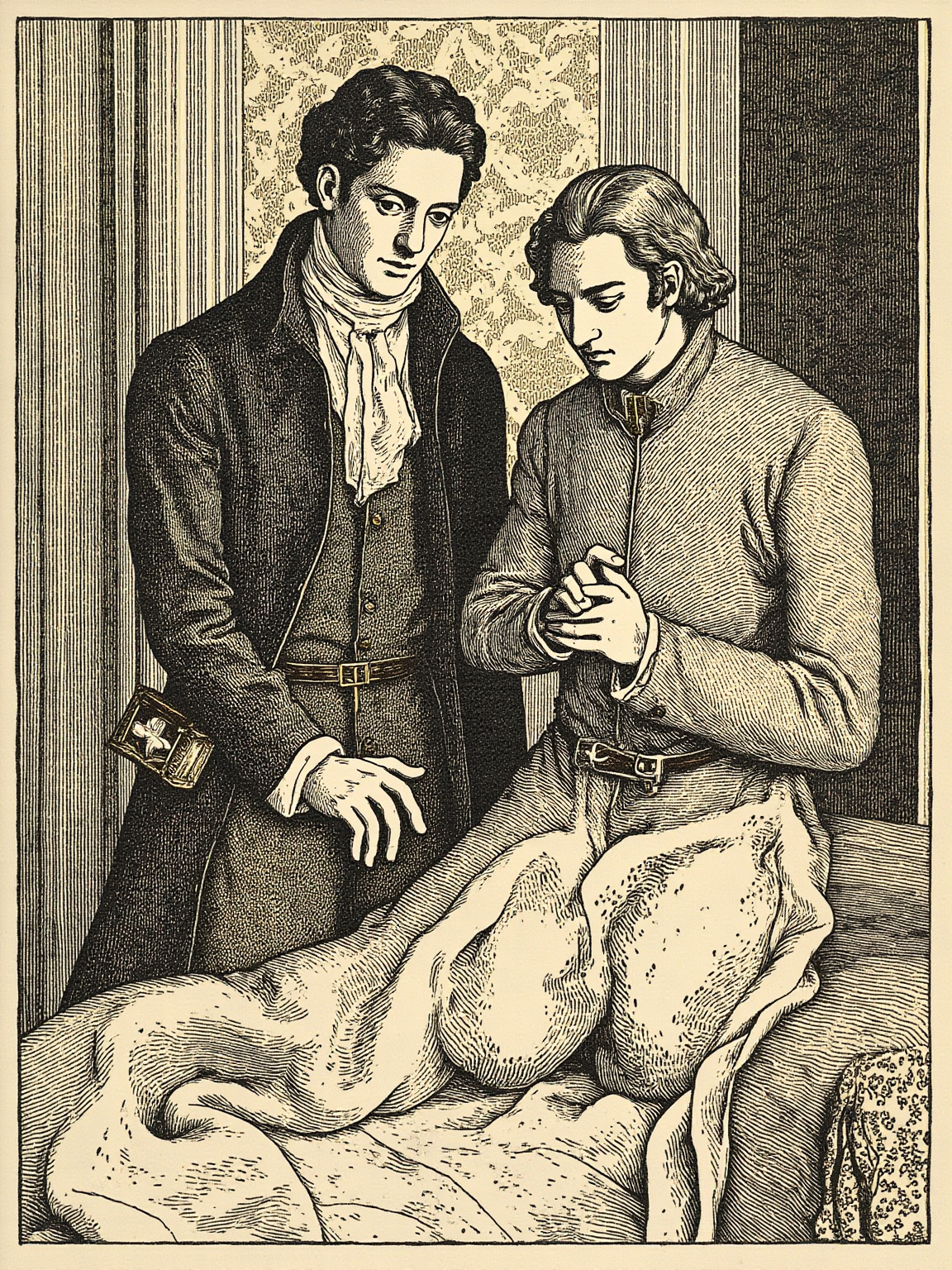
I was born in Newgate, and had no father or mother but the prison.
我生在新门监狱,没有父亲,也没有母亲——只有那座牢房。
金句 · 楔子 · 狱中出生
Her second husband was a London cloth merchant who opened a shop, spent freely, and lived on credit. Moll had been married only a few years when the cloth business failed and creditors came knocking. Her husband quietly climbed over the wall and ran, leaving an empty shop and a pile of debts. From this point Moll was forced to make her own living—she married again, was widowed, married again, was a mistress, did business, driven by money from one room to the next.
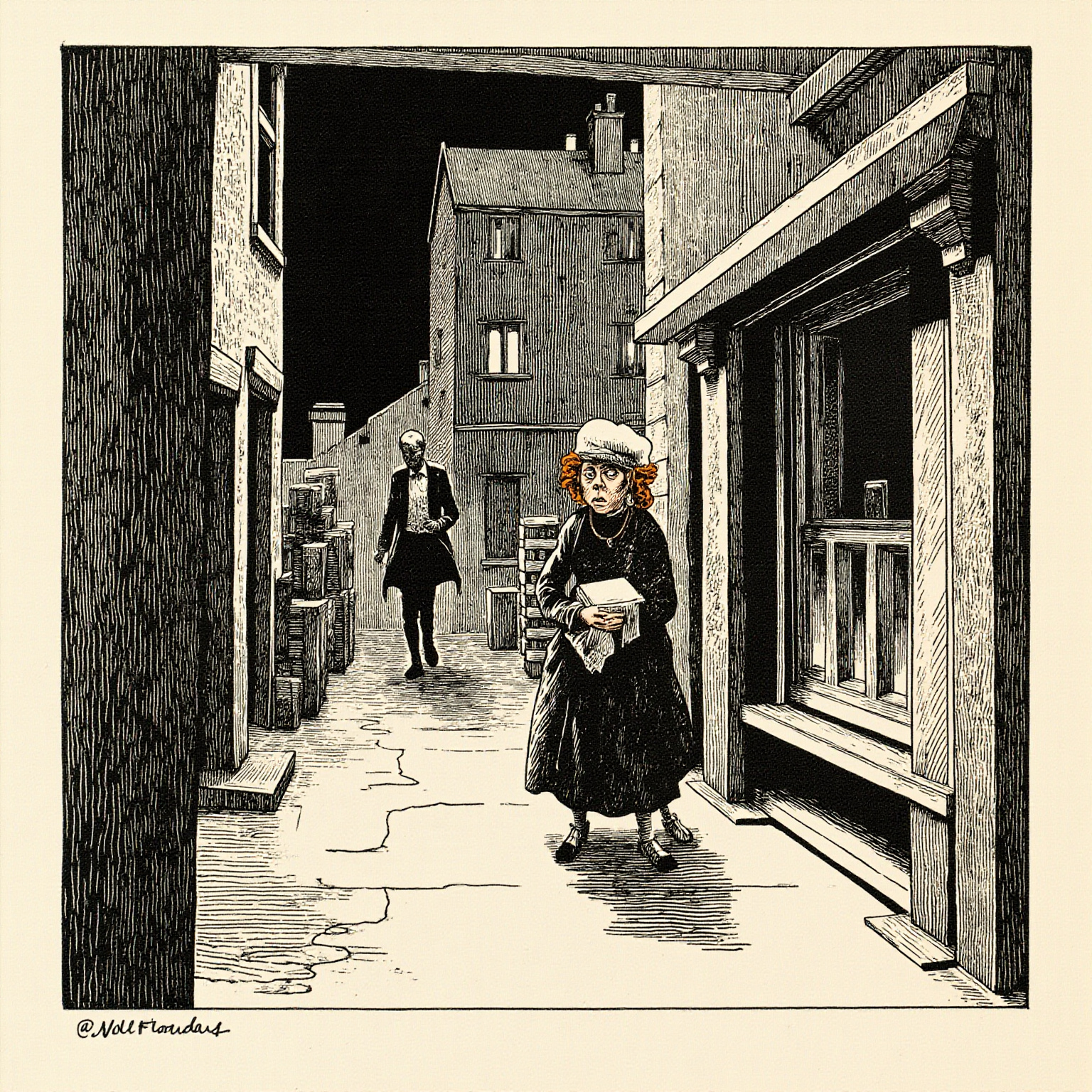
My husband, having turned merchant, turned bankrupt too, and the shop was empty as his purse.
我的丈夫做了一回商人,也做了一回破落户,店空了,钱袋也空了。
金句 · 第五任丈夫之后 · 伦敦布铺倒闭
Clinging to one last lifeline, Moll crossed the Atlantic to marry a kind plantation owner in Virginia. For the first time she felt her life was stable—until a letter forwarded from England revealed her origins: her husband was her half-brother, born of the same mother. The marriage was immediately voided, and Moll fled back to London in panic. This is the most chilling page in the book.
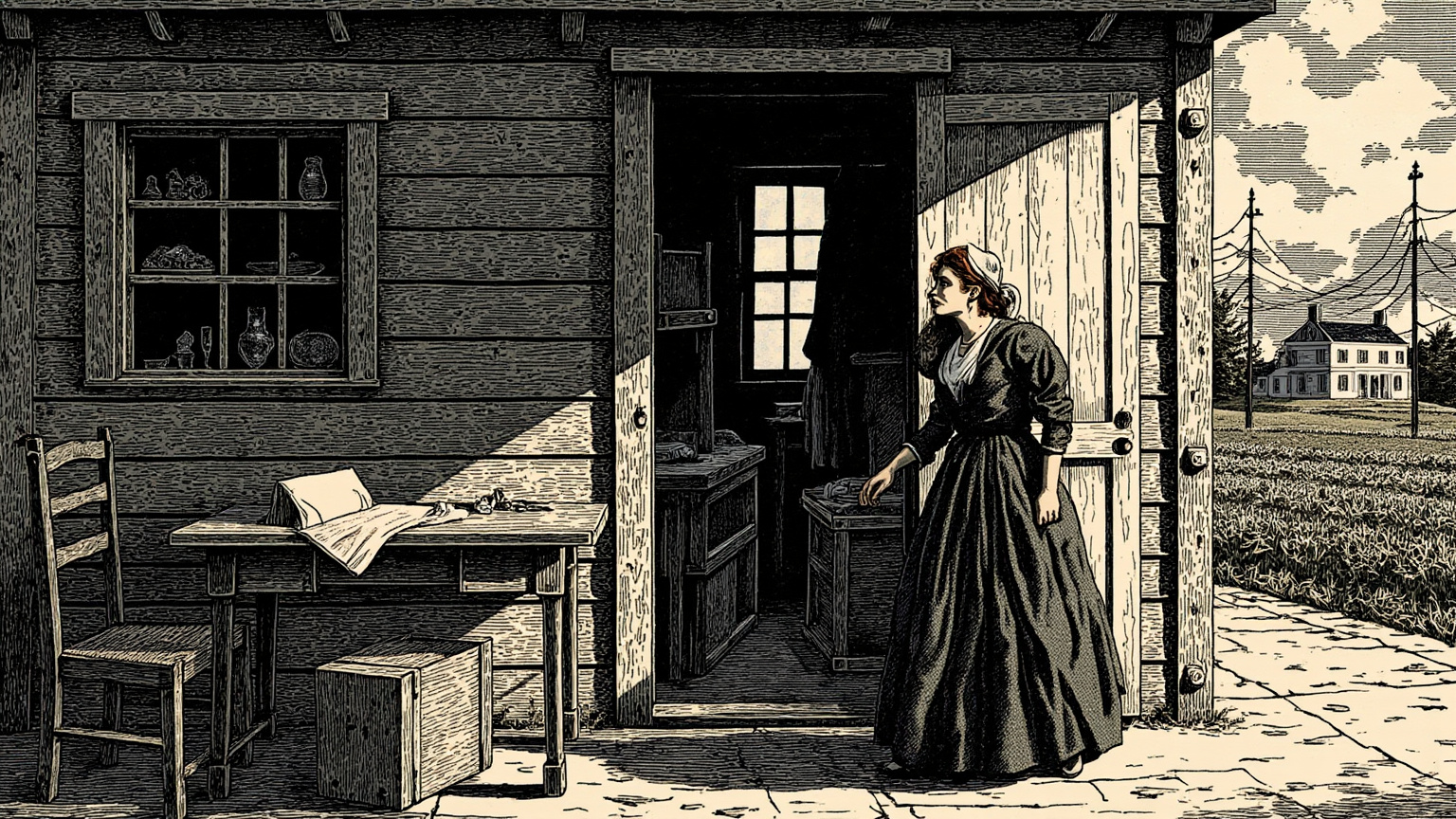
I found I was married to my own brother, and the discovery turned all my comforts into bitter.
我这才晓得,自己竟嫁的是嫡亲兄长——这一刻,安稳全化作苦水。
金句 · 弗吉尼亚种植园 · 身世之信
Back in England with no money, Moll was thrust into London's underworld. She posed as a lady of quality, infiltrating high-society homes to lift rings, watches, and embroidered handkerchiefs. She also wandered markets and shops, treating theft as a serious trade. A madam called Governess took her on as an apprentice, moving stolen goods and creating cover stories. The name "Moll Flanders" began appearing repeatedly in Newgate's records.
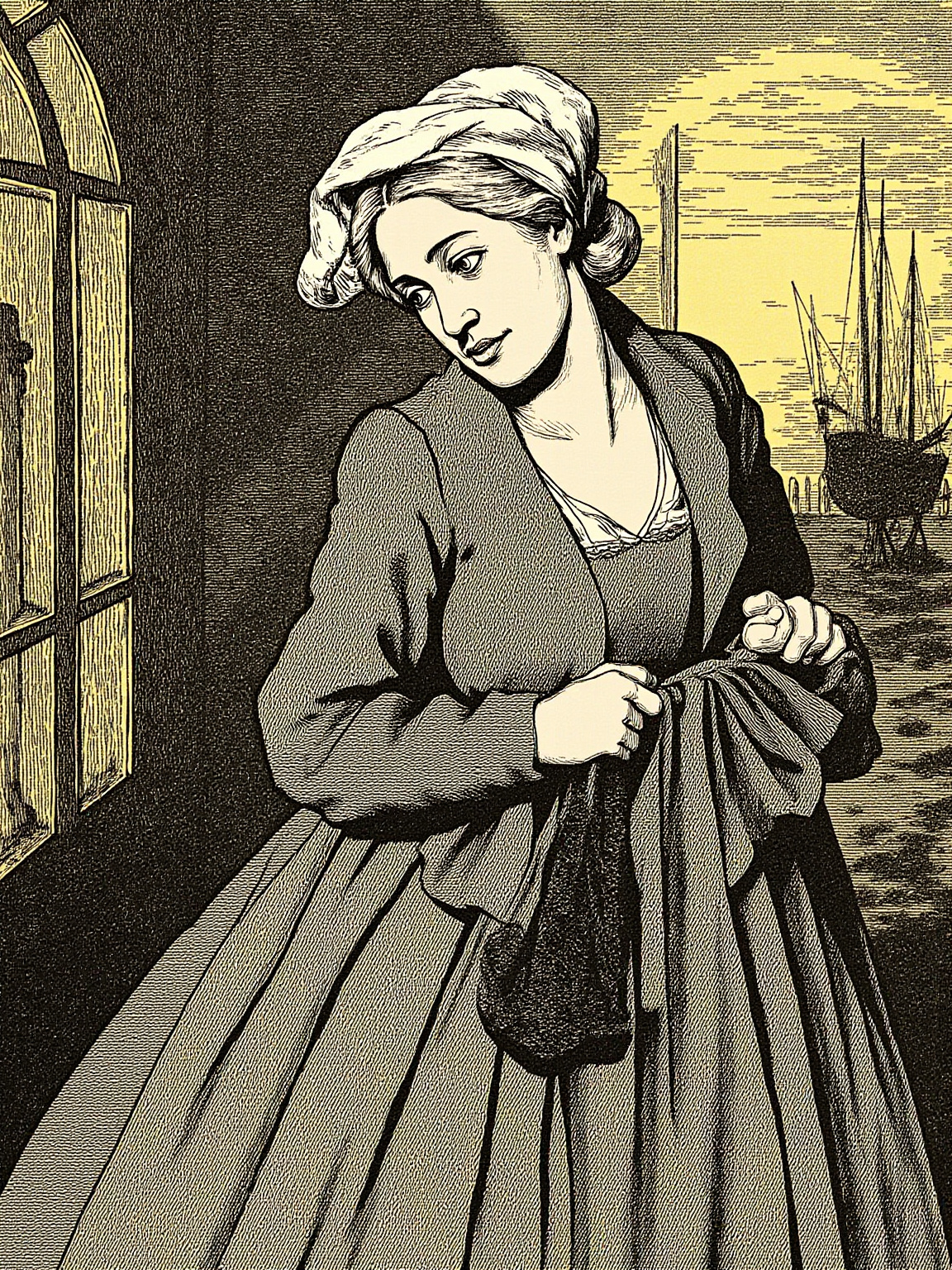
I had the best of education, but the worst of luck; the town was my school, and the pickpocket my mistress.
我受的是世上最好的教育,遭的却是最坏的运气;伦敦就是我的学堂,扒手便是我的先生。
金句 · 伦敦贼窝 · 老鸨门下
During this time she met Jemy—a gentleman born, bankrupt, then reduced to highway robbery. They fell genuinely in love and married, but before their honeymoon ended he was arrested and she found herself in the dock at Newgate. Two trials, two sentences, and finally both were transported to Virginia. Moll's whole life, born from these prison walls, ended with her being dragged from the same walls onto a convict ship.
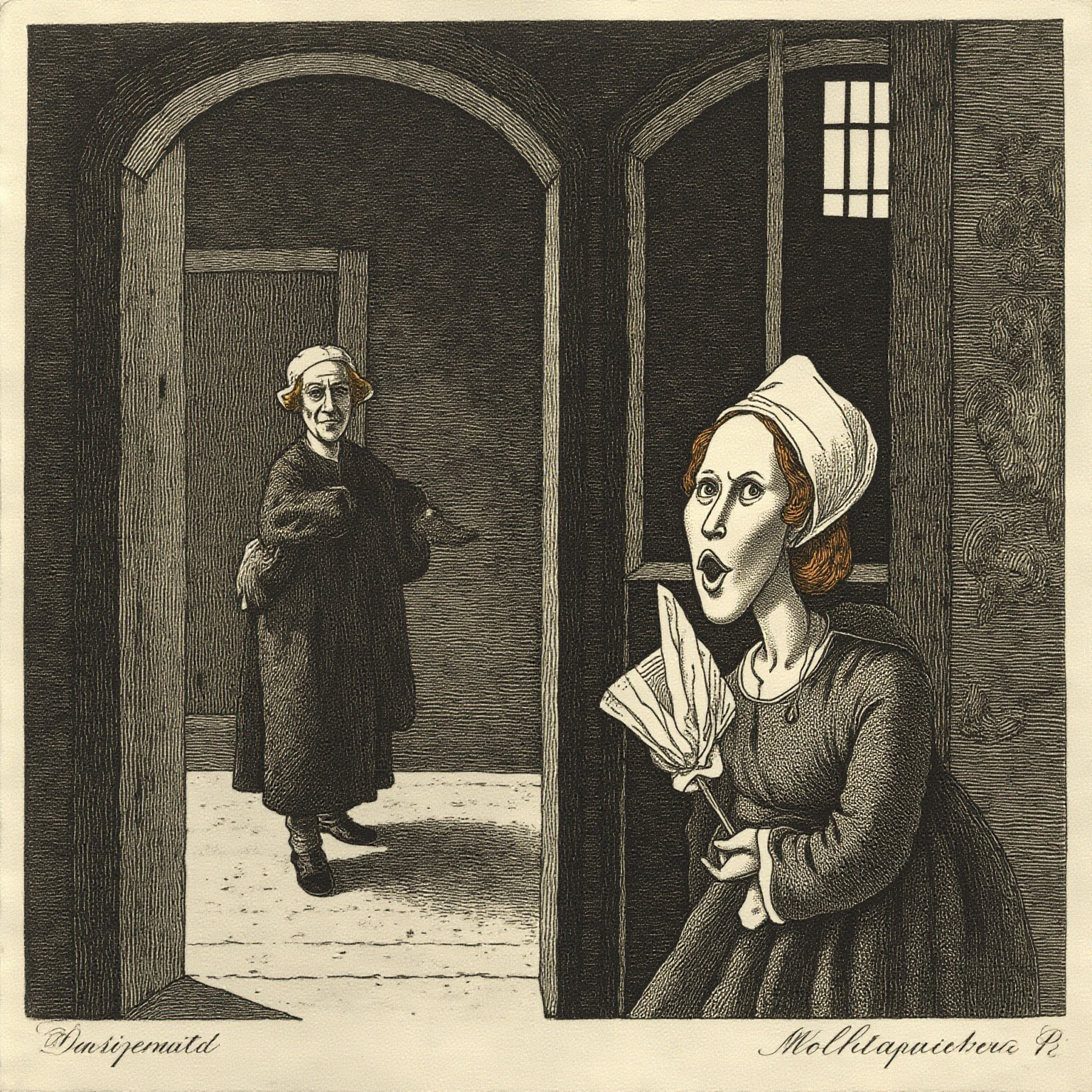
We were now at the height of our wickedness, and the Lord began to deny us his mercies.
我们那时正作恶到顶,连天主也开始把怜悯收回。
金句 · 拦路强盗与判决 · 新门受审
In Virginia, Moll finally met the mother she had never known. A mother and daughter lived together for years under the names of mother-in-law and daughter-in-law, and when the truth came out, they say both were stunned silent. She reunited with Jemy, borrowed money to buy a tobacco farm, worked the fields herself, kept the books, paid off the debts. In old age she wrote this confession, claiming repentance and peace—but between the lines, she's still doing the accounts.\n\nWriting note: Defoe won't let her rise to transcendence. Moll to the last page is still obsessing over those pounds and shillings. That's what makes this book anti-romance.
Theme and Technique
On the surface this reads as a confessional memoir. Moll recounts her sins and begs God and the reader for forgiveness. But halfway through, you realize: her "sin" is simply having no money, and her "confession" is an accounting of poverty. Money is the real engine of this book — husbands are ledgers, marriage is a contract, theft is a sideline, and even her confession reads like a financial statement. Defoe isn't writing a moral tale; he's writing an economics of seventeenth-century working-class women.
Another brilliance lies in its detail. How thick are Newgate Prison's stone walls? How do London cloth shops extend credit? How many tobacco harvests a year in Virginia? How many classes of berths on convict ships — Defoe writes like he's conducting a social survey. These numbers aren't decoration; they're the wire mesh that traps Moll inside. And then there's the first person. Moll isn't an object being observed; she's the one holding the pen, speaking for herself. She boasts, self-mocks, plays the victim, makes excuses — this voice is the first time English fiction gives a working-class woman such a full hearing. All those later female narrators from Charlotte Brontë onward stand on her shoulders.
Reasons to Read the Text
The commentary gives you a map, but the text is the territory. Even if you already know about the incest, the confession, you still have to open Defoe's cold ledger pages yourself — Moll's tone when she does the accounts, the sweat on her palms in the moment before she's caught, the pause when she reads a letter from home. These things only three hundred years of English can give you. You can read it as social history, as a con woman's coming-of-age story, or as the earliest "women's financial guide." But however you read it, you'll stumble over Moll's refusal to give up, her occasional self-forgiveness. That's a fall worth taking yourself.
Moll Flanders is not about a woman becoming wicked. It's about a woman who was never protected, calculating her way through life, one ledger at a time.
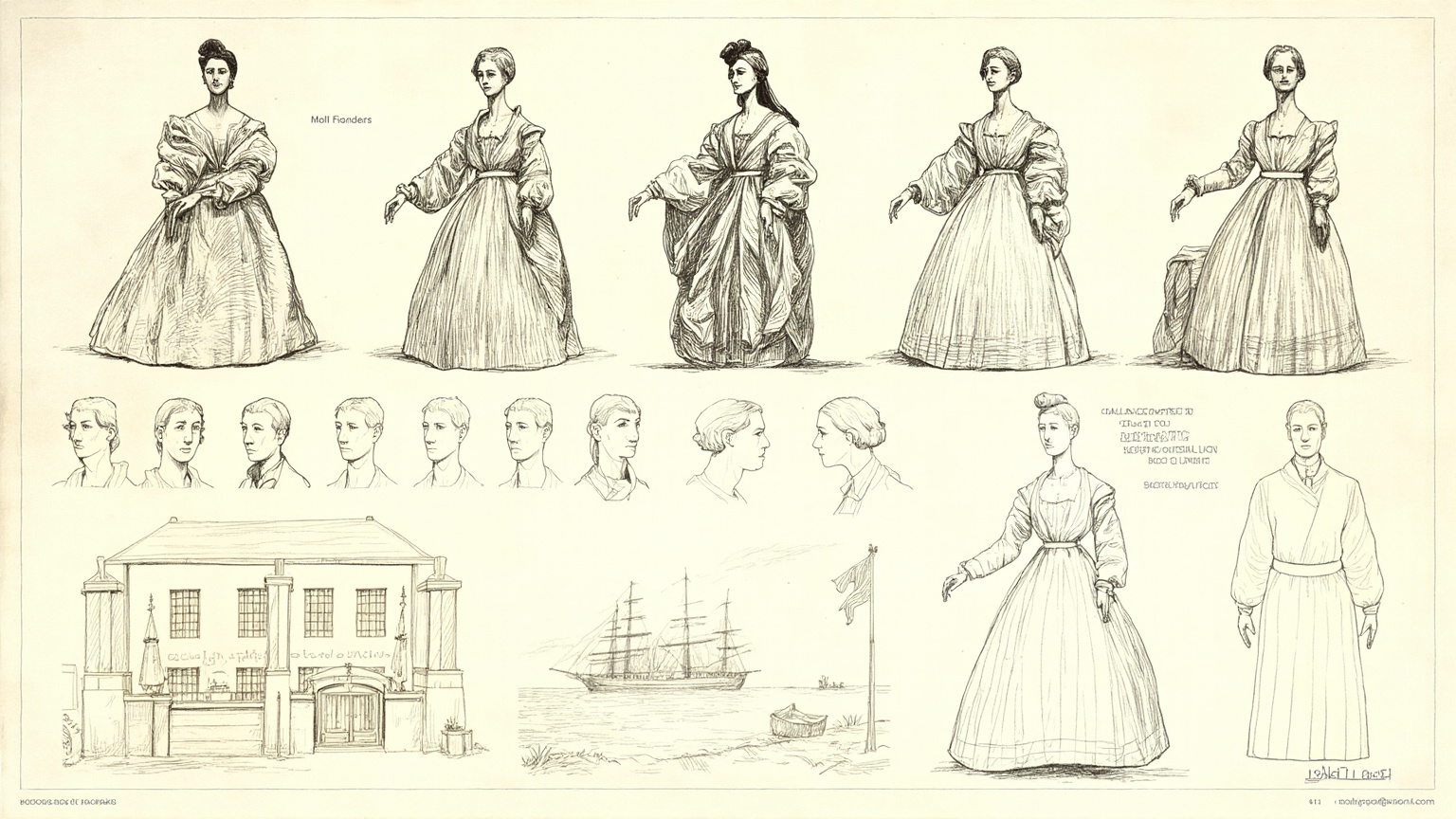
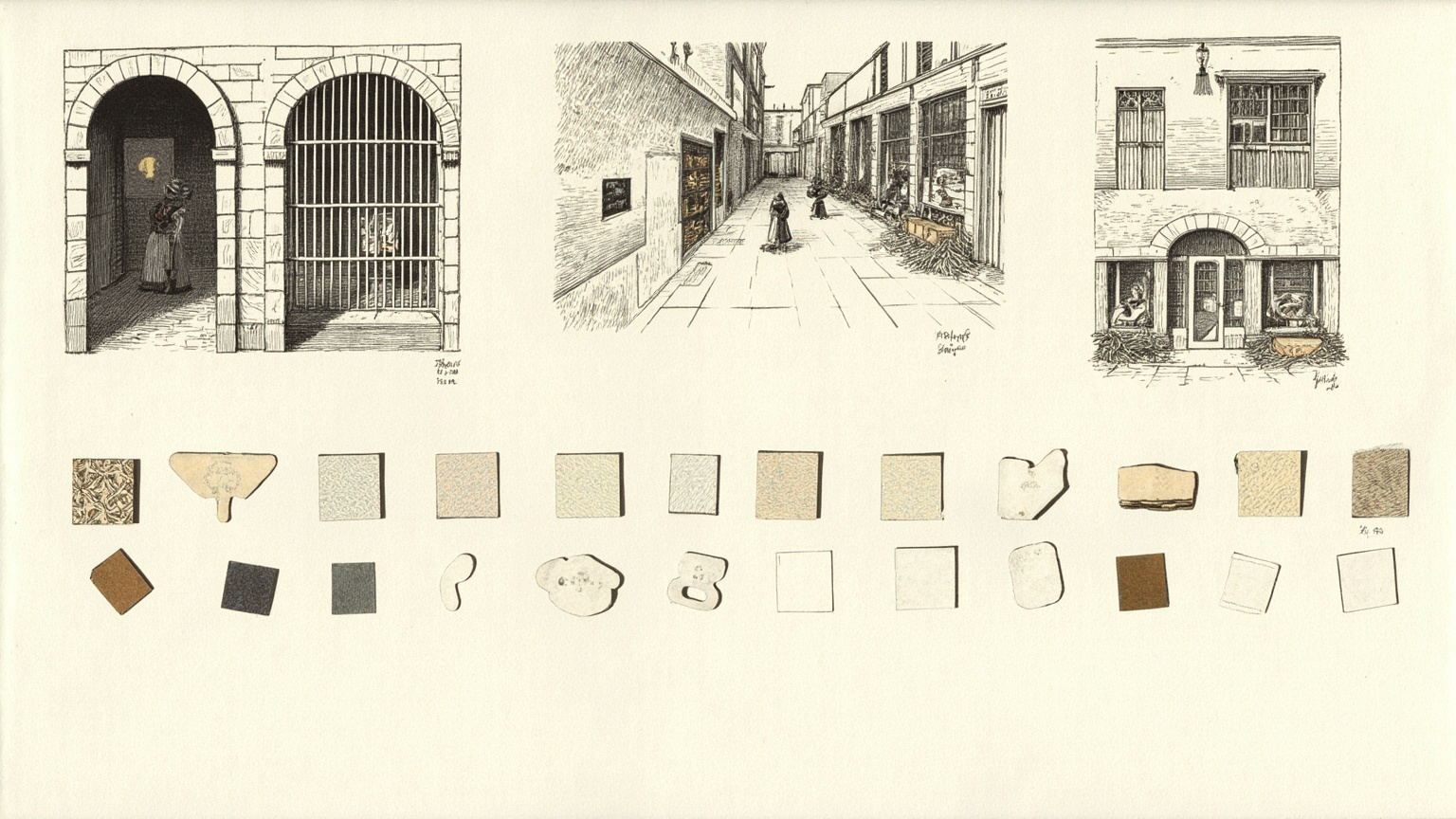
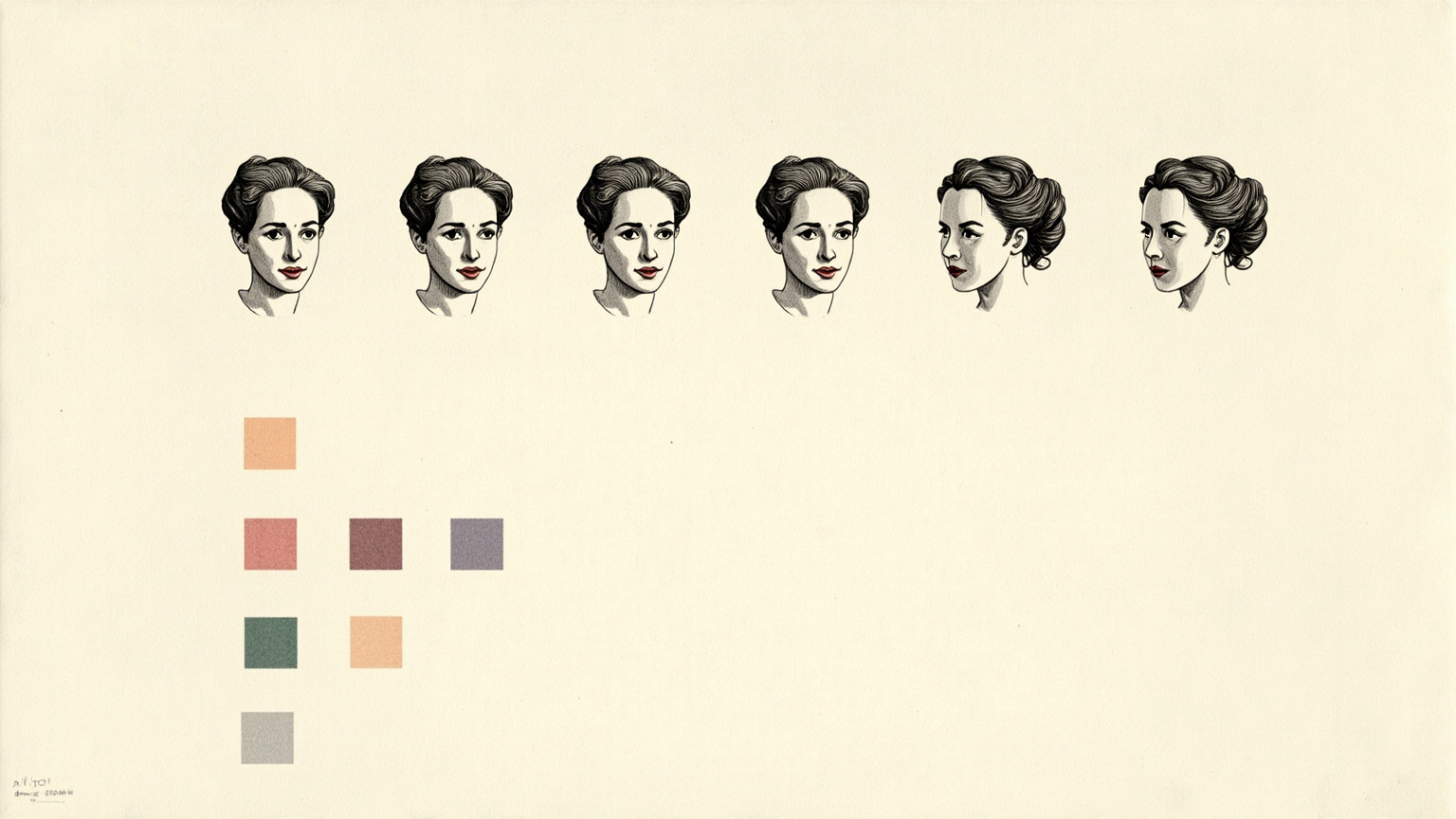
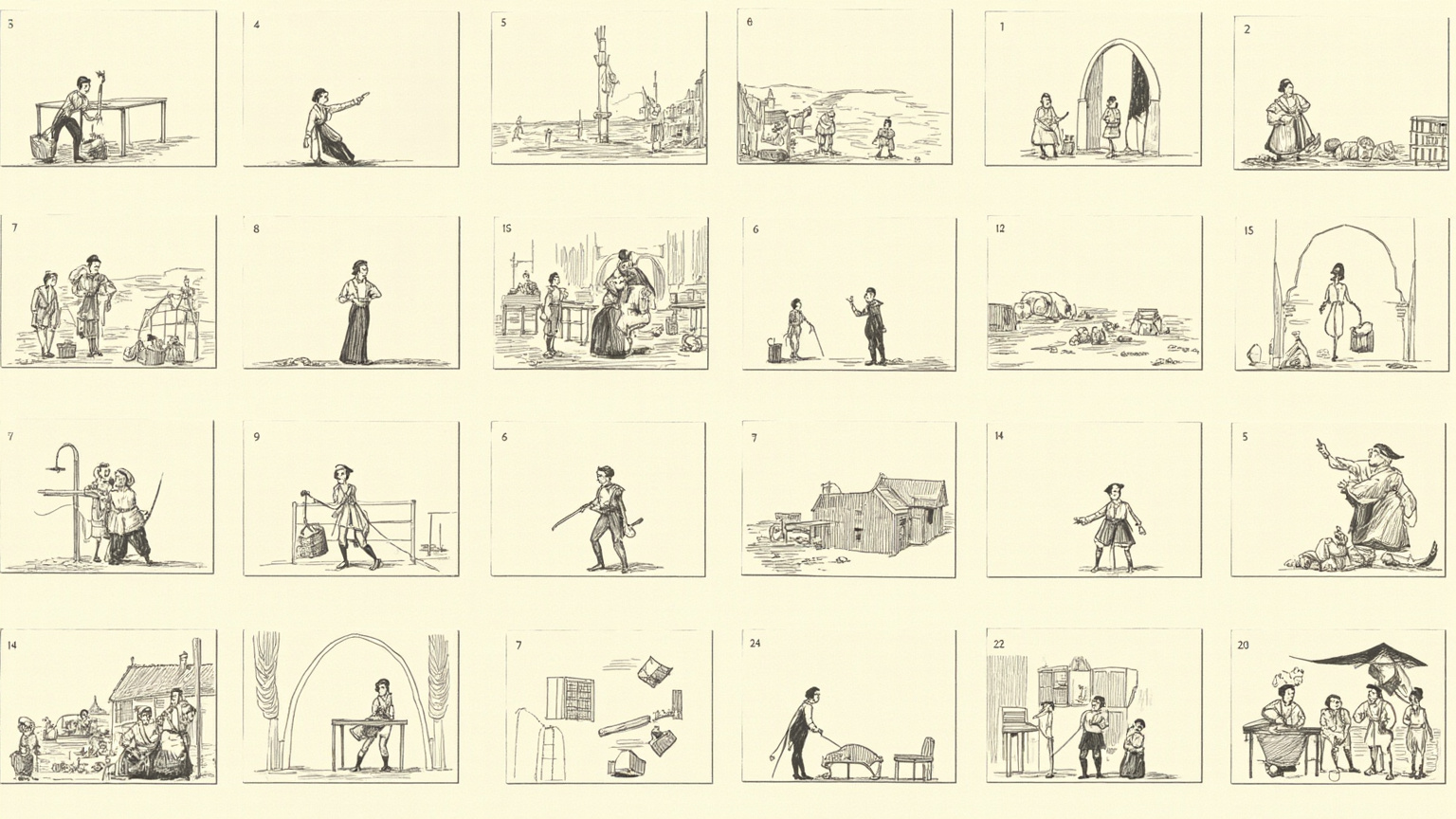
Art Direction4 plates
Before the guide was written, this book got a visual foundation — every illustration you just read grew out of it.