Paul and Virginia (Paul et Virginie) · Companion Guide
保尔和薇吉妮
一座热带山谷育出的纯真,被一封巴黎来信与一场飓风一起沉入了印度洋。
Two Palm-Thatched Huts, and a Drowning
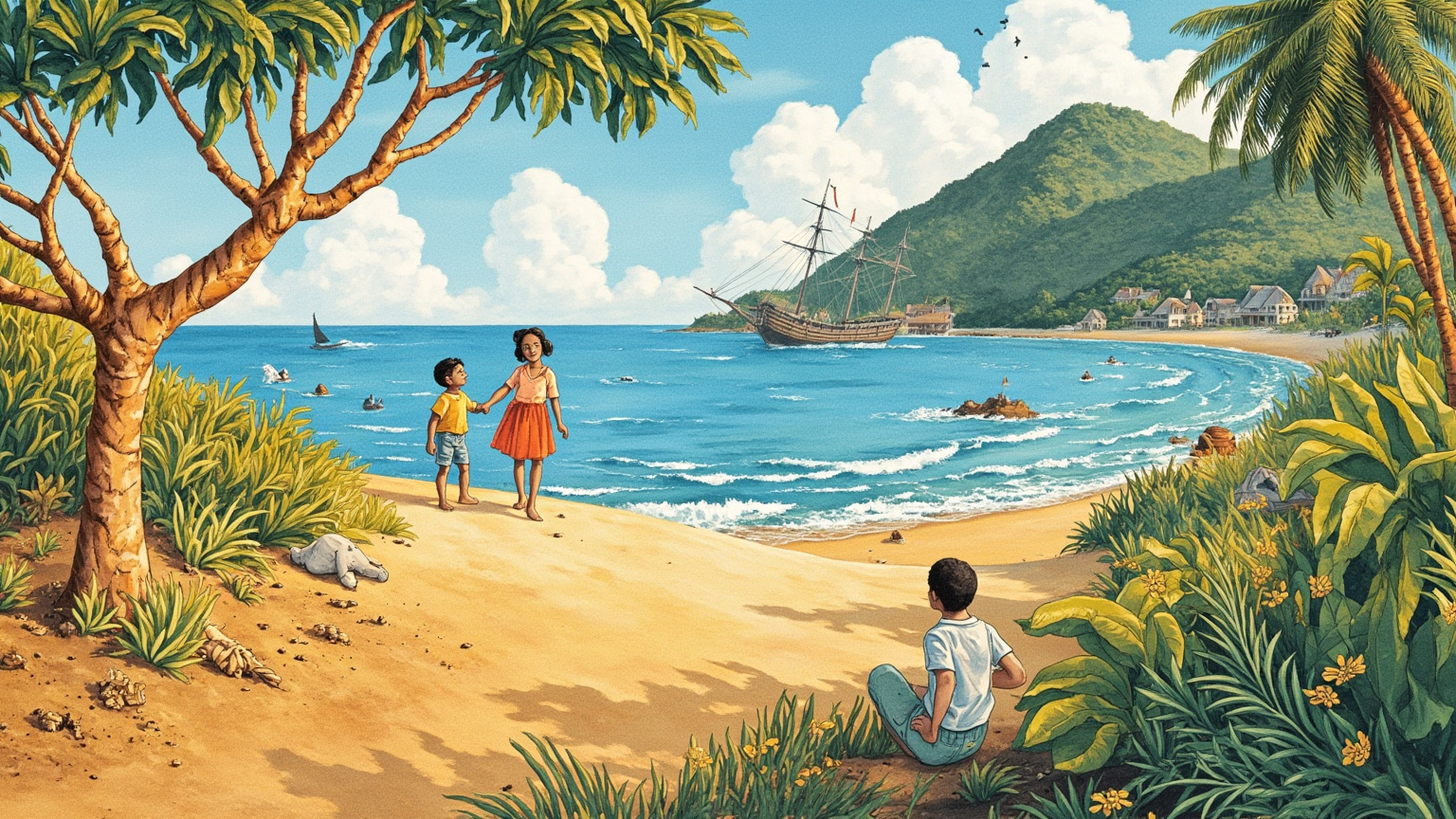
A small tropical island in the Indian Ocean. Rust-red volcanic soil, two thatched huts standing side by side, a waterfall dropping off a cliff, a bay closed in by reefs. Two mothers raised their children there: Madame de la Tour, born into a good Norman family and cut off by them for marrying a poor gentleman, had crossed to the island with her husband, who died of fever soon after they landed, leaving her carrying Virginia; Marguerite, a Breton peasant girl abandoned by a gentleman who had promised to marry her, had drifted here pregnant and given birth to Paul. They shared one vegetable garden, one cow, two breadfruit trees, and a whole childhood. No father was ever in the picture - one is dead, the other never appears at all. The two children bathed together under the waterfall, played together in the shade of the banana grove, and were raised together by both mothers - and that is how Virginia and Paul grew up, a girl and a boy of the same valley.
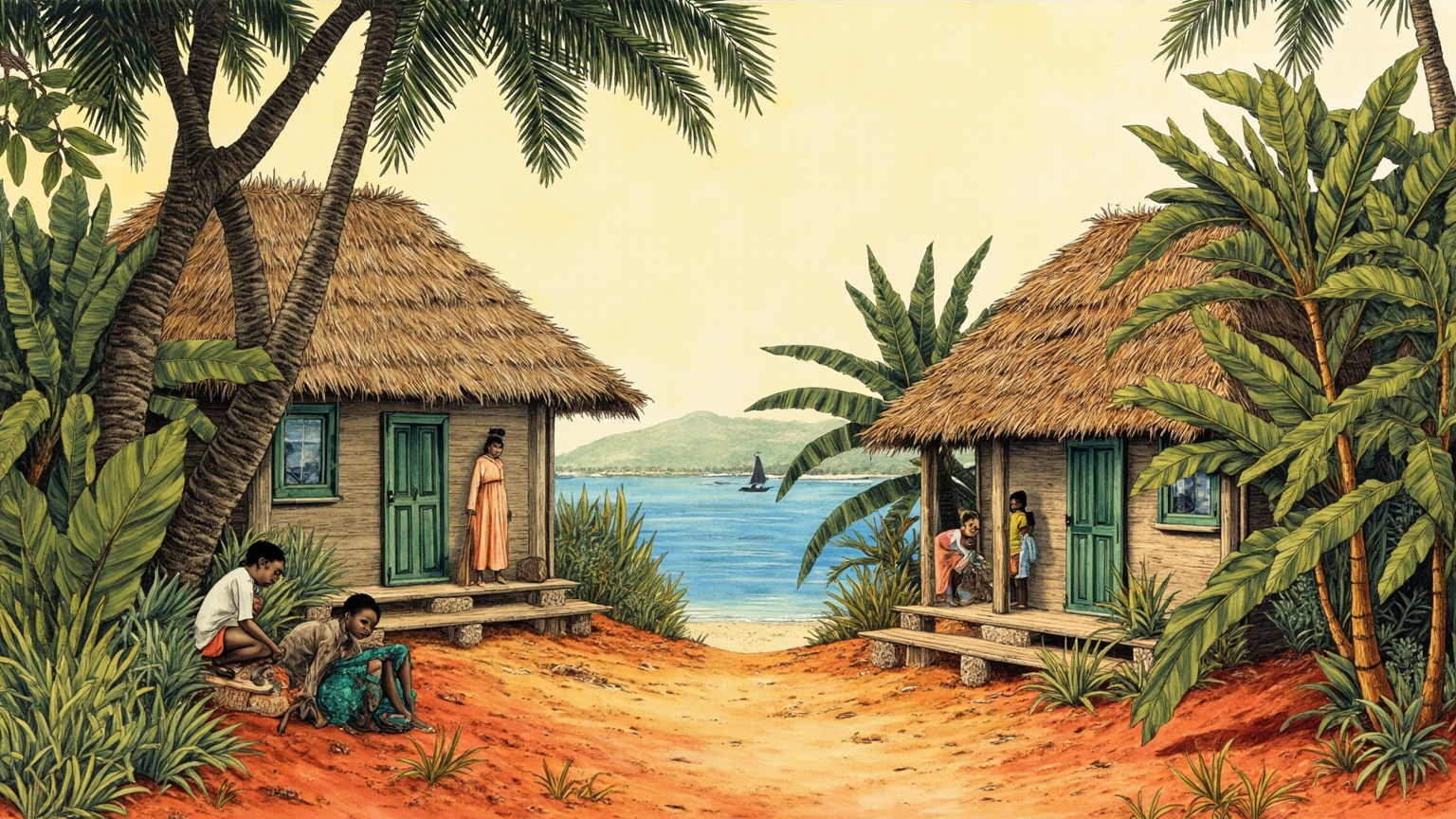
Their two cabins stood at the foot of a young spur of these mountains, near the river which falls into the sea through a narrow opening in the rocks.
她们的两间茅屋就搭在这列山一道年轻支脉的脚下,靠近那条穿过石缝泻入大海的河。
金句 · 开篇法兰西岛山谷
Why It's Remembered
This novel was one of the bestsellers of the years just before the French Revolution. For nearly a century after it appeared, almost every educated girl in Europe owned a copy - it taught a whole generation what a young woman's death was supposed to look like. Its author, Bernardin de Saint-Pierre (1737-1814), was a natural philosopher as well as a novelist, and a follower of Rousseau. He took Rousseau's idea that nature is good and moved it out of philosophy and into the life of two children, then settled the bill with a girl's death. The book is a bridge: Rousseau's philosophy of nature on one end, the Romanticism of the following century on the other - and this tropical valley is the pier it stands on.
The Characters: Four People, Four Origins
Virginia is the posthumous daughter of Madame de la Tour; Paul is the illegitimate son of Marguerite, a Breton peasant girl. One comes from a fallen good family and one from the fields, and that seam is exactly where the book later tears them apart. And the guide keeps them straight. Back in France, Madame de la Tour still has a wealthy aunt - the same aunt who cut her off for marrying beneath her, and the same one who later summons Virginia to Europe to "finish her education." There is no noble benefactor on the island at all: the household that looks after these two families, and the voice that tells the whole story to a visitor, belongs to an old man who is never named. Of the two mothers, the author writes Marguerite as the plainer and hardier one, while Madame de la Tour is pulled all her life between birth and respectability - and it is she who finally gives way, under pressure from the governor and the priest, and lets her daughter board the ship.
Childhood in the Valley, Before Propriety Arrived
This stretch is the brightest part of the whole book. The two children splash in the pool under the waterfall, nap in the shade of the banana grove, barely dressed and never ashamed of it - the author writes this tropical valley in an almost pastoral register, as a womb of goodness. The kindly old neighbour has both children taught their letters, while the inheritance promised from France reaches across an entire ocean. Education and inheritance are what carry propriety and property into the valley. Paul goes to the good old planter's house and comes back in a coat and trousers; Virginia learns to play the piano and recite verse. What makes this section work is that it gets the reader to genuinely fall in love with that light - enough that the loss of it, later, actually costs something.
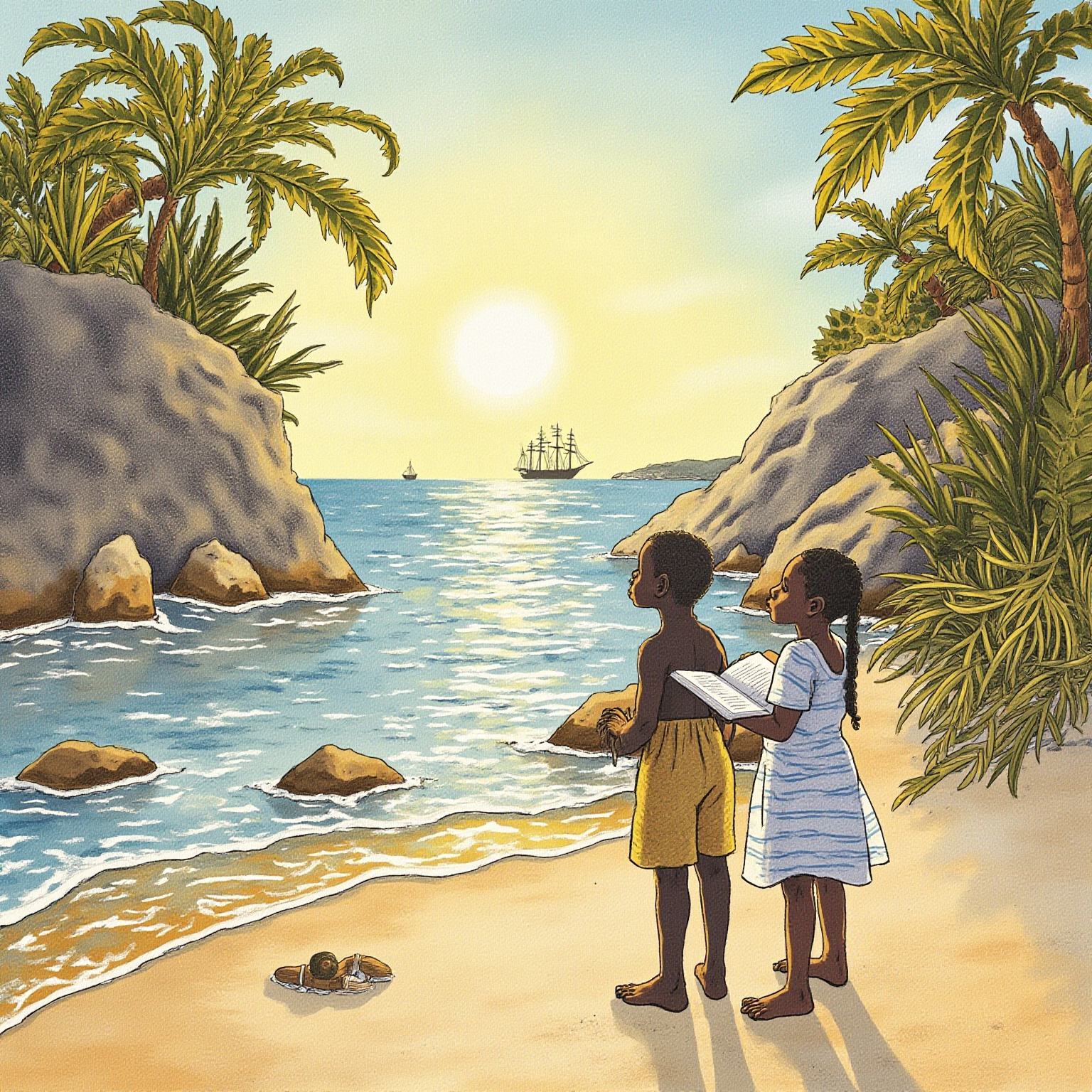
They were almost always together; they knew no other pleasures than those of their valley, and no other companions than each other.
他们几乎总在一起,除了这片山谷里的种种欢娱,再不知道别的快乐,除了彼此,也再没有别的同伴。
金句 · 山谷童年章 · 瀑布戏水
The Letter Arrives
Virginia's aunt in Paris - her father's sister - writes demanding that she be sent to Europe to "finish" her education, with a sizable inheritance attached. The aunt stands for a different force: rank, inheritance, propriety, Paris. The two mothers agonize over the girl's future and, in the end, give way. Madame de la Tour stands on the shore holding her daughter and weeping, and still Virginia boards the ship. This is the coolest-headed scene in the whole book - the author doesn't reach for wailing and breast-beating, just a mother's hand letting go of the rail, and the ship growing smaller.
Paul's mother sends him to the good old planter's house to learn manners, and he stays behind on the island alone. In the spring, two years on, as Virginia's return draws near, Paul gets pulled into an incident helping a runaway slave - a mother he'd felt for - and comes close to being taken for an accomplice himself. It is one of the earliest passages in the book to register any unease about slavery in the colonies. And yet the same author writes the two enslaved members of the household, Domingue and Marie, in the sentimentalized "faithful slave" mode common to eighteenth-century European literature. That these two strands sit side by side in one book is itself a useful specimen of how Europeans of the period imagined the colonies.
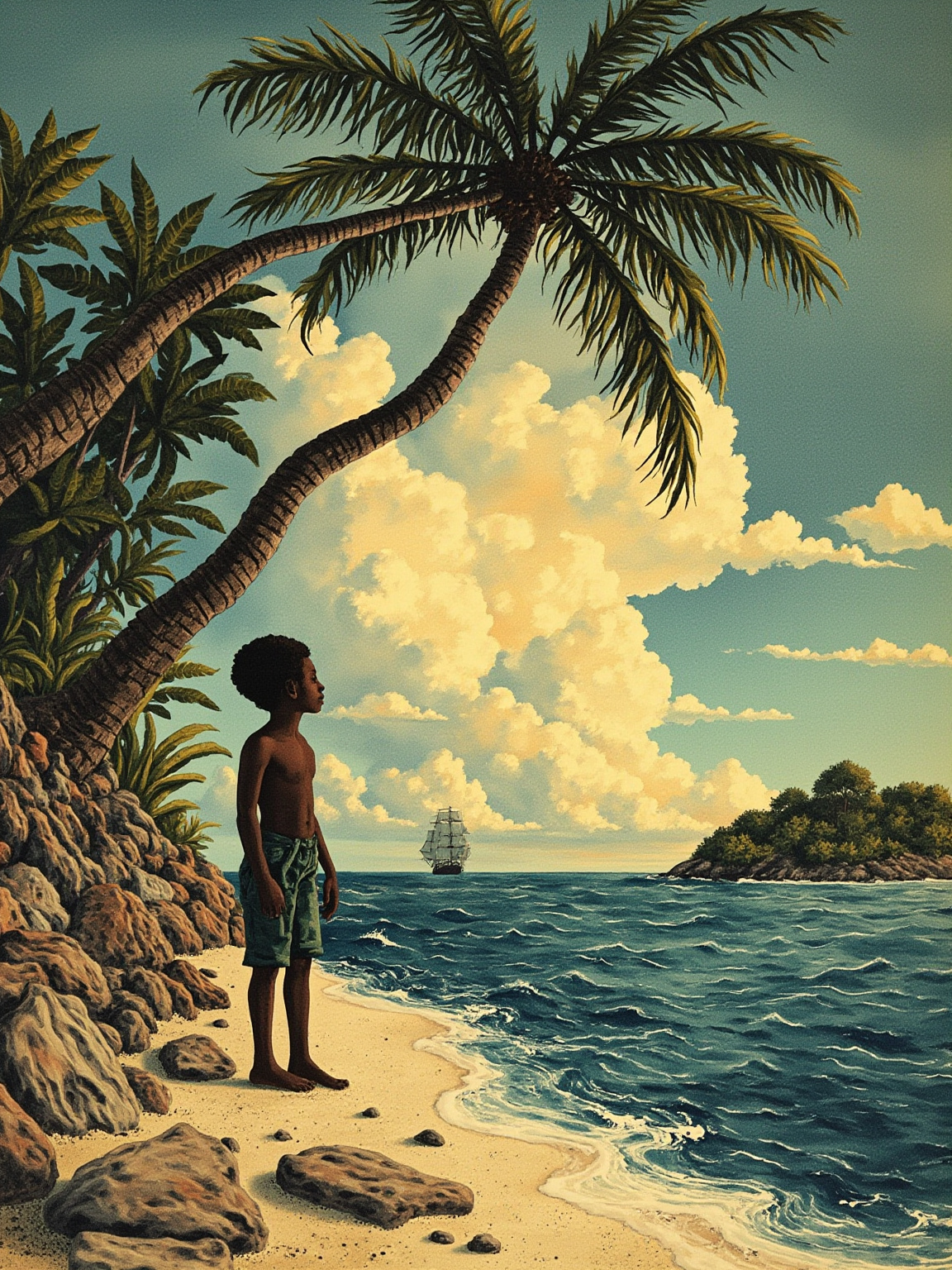
I have seen a mother fall at the feet of a slave-driver, weeping and imploring mercy for her child.
我曾看见一个母亲跪倒在监工脚下,泪流满面,只求饶了她的孩子一命。
金句 · 殖民地逃奴章 · 保尔的目击
The Voyage Home: Nine Words in the Hurricane
Two years pass. Virginia is coming home. The ship breaks apart on the reefs a few miles offshore, caught in a hurricane - the crew tell the women to strip off their dresses and swim, so the men can pull them onto the rocks one by one. Virginia would rather go down with the ship, clutching the keepsake her father left her, than undress in front of strange men. Her body washes back onto the shore once the storm passes.
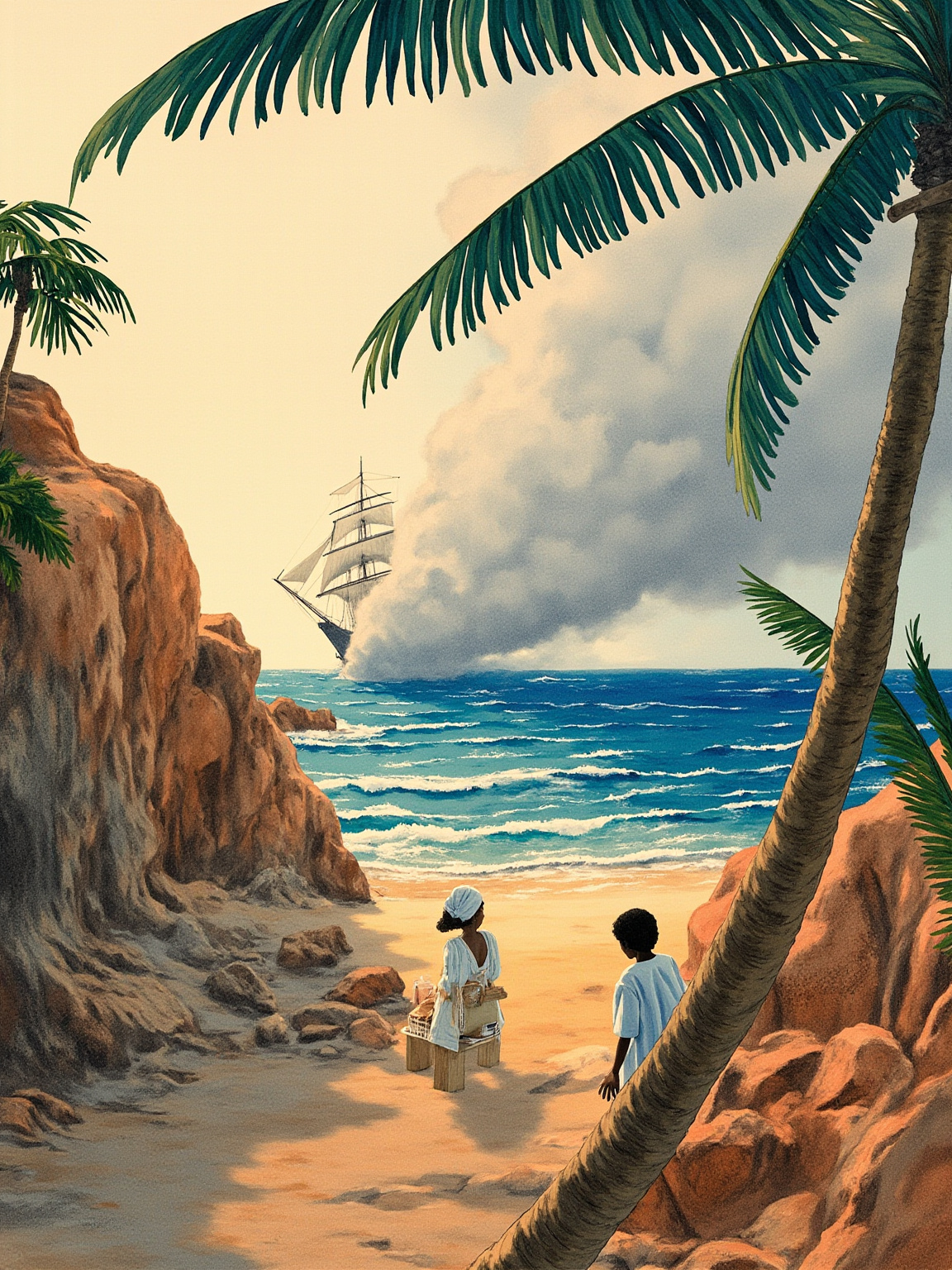
Virginie refused to expose herself even to the eyes of a husband; she clasped the clothes she had begun to put off back to her body, and her eyes were raised to heaven.
薇吉妮不肯让自己哪怕在丈夫的目光前裸露,她把刚要脱下的衣裳又紧抱在胸前,目光仰向了天。
金句 · 飓风沉船章 · 礁石前
Madame de la Tour watches from the shore as the ship goes down. Her daughter is gone. Within days, she follows her. The estate Monsieur de la Tour left behind - the fortune built up out of a lifetime of good intentions - ends up belonging to two children who are no longer there to inherit it. The author closes the book on a single question: why does a mother, wanting her daughter to be "respectable," end up sending her to her death instead? That is how the book ends - an ending that has been rewritten, appealed, and argued over for two hundred years.
What the Author Is Really Saying
On the surface it's an elegy for a dead girl. Underneath, four forces are pulling at the same two children: nature, propriety, a mother's love, death. The valley is a womb of goodness; Paris is the knife that kills the child - and the cruelest cut of all is the one the mother hands over herself, in the name of "what's best for her." The author, a follower of Rousseau, is writing the fable that civilization is a fall: a person's passage from innocence into society is not progress, it's a descent. Virginia doesn't die in a shipwreck. She is killed by propriety.
What a strange fatality was that of Madame de la Tour, who, to give her daughter rank and fortune, sent her to perish on the rocks!
拉都尔夫人是怎样的命数——她原是为了让女儿有门第、有家业,才送她到那片礁石上去死的呀!
金句 · 全书终章 · 收束的质问
But the book is more than its philosophy. It is also one of the earliest European novels to register unease about slavery in the colonies - the scene Paul lives through is a rare moment in eighteenth-century literature of real sympathy for a runaway slave's situation. A sentimental gloss and a genuine critical conscience sit side by side here, and that mixture is the book's true, complicated record of how it handles the colonies.
Why It's Worth Reading Even Once You Know How It Ends
A guide gives you the map; the text is the land - and that's especially true here. This novel reads less like fiction than a field guide to tropical plants bound together with two children's diary. Long stretches of it are given over to the light in the coconut groves, the smell of breadfruit, the color of the volcanic soil, the way the valley turns green when the rains arrive. None of that survives being summarized. You have to walk into that light yourself, fall in love with the two children playing under the waterfall yourself - only then will you understand why Virginia's death isn't melodrama, it's a verdict. For two hundred years, readers have imagined a hundred more sensible ways she could have lived: swim for it, strip and survive, get scooped up a moment sooner by some gentleman. But Saint-Pierre needs her dead. His stubbornness on that point is the answer in itself - only her death settles the account, in full view of Europe.
Love can be an instrument of death - each mother put the child she loved most onto a ship, and the reason, in both cases, was that it was best for her.
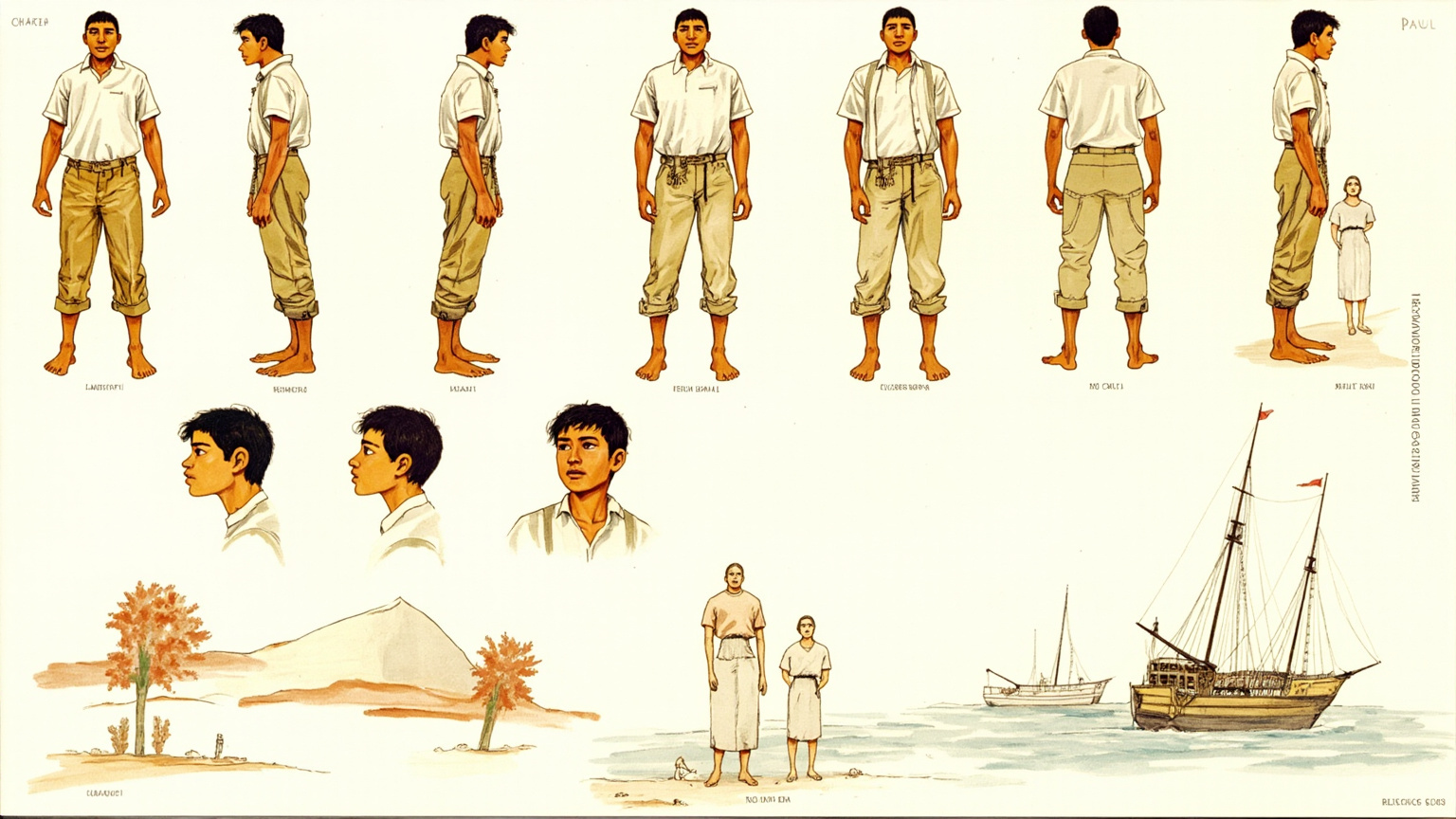
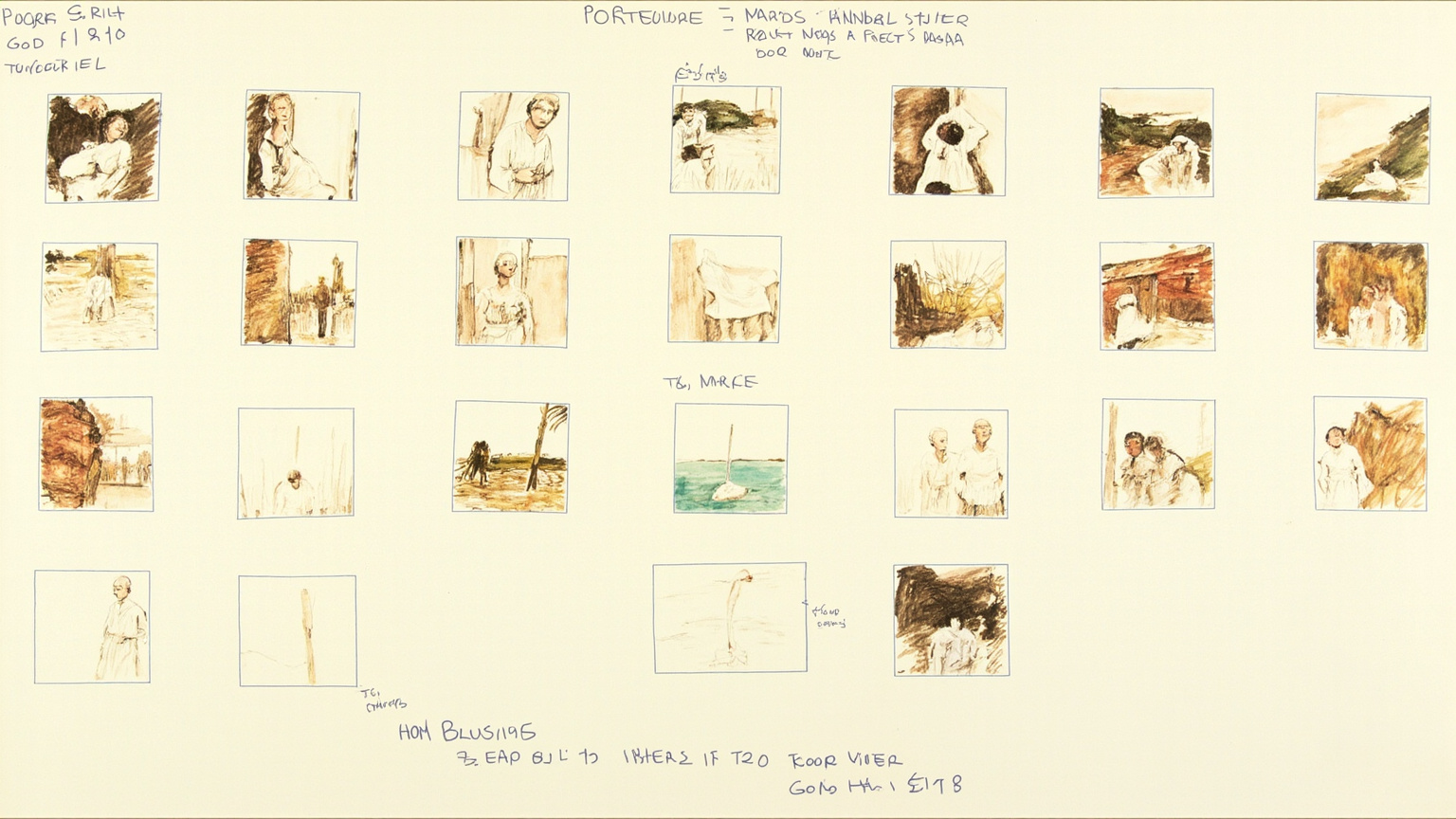
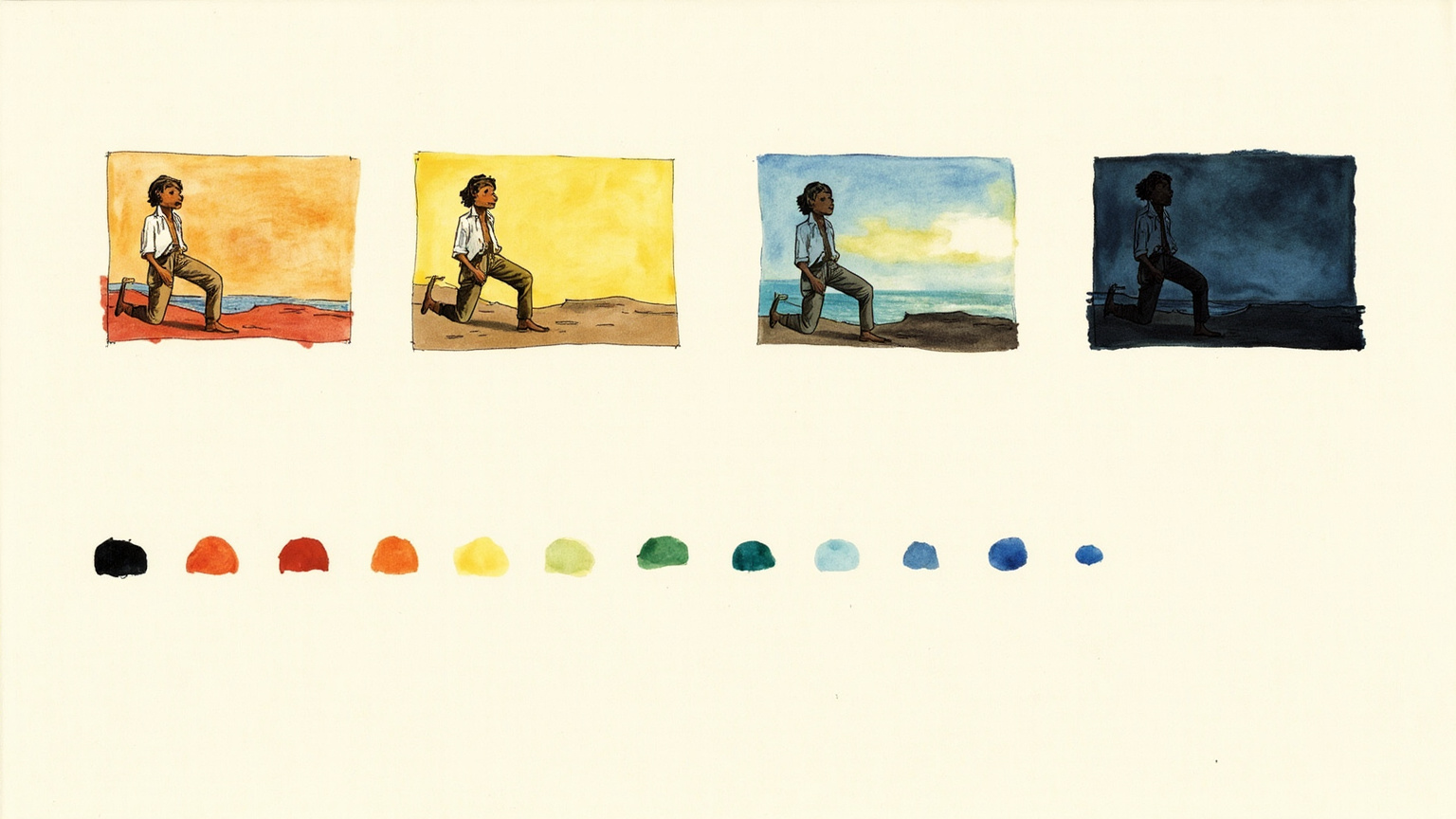
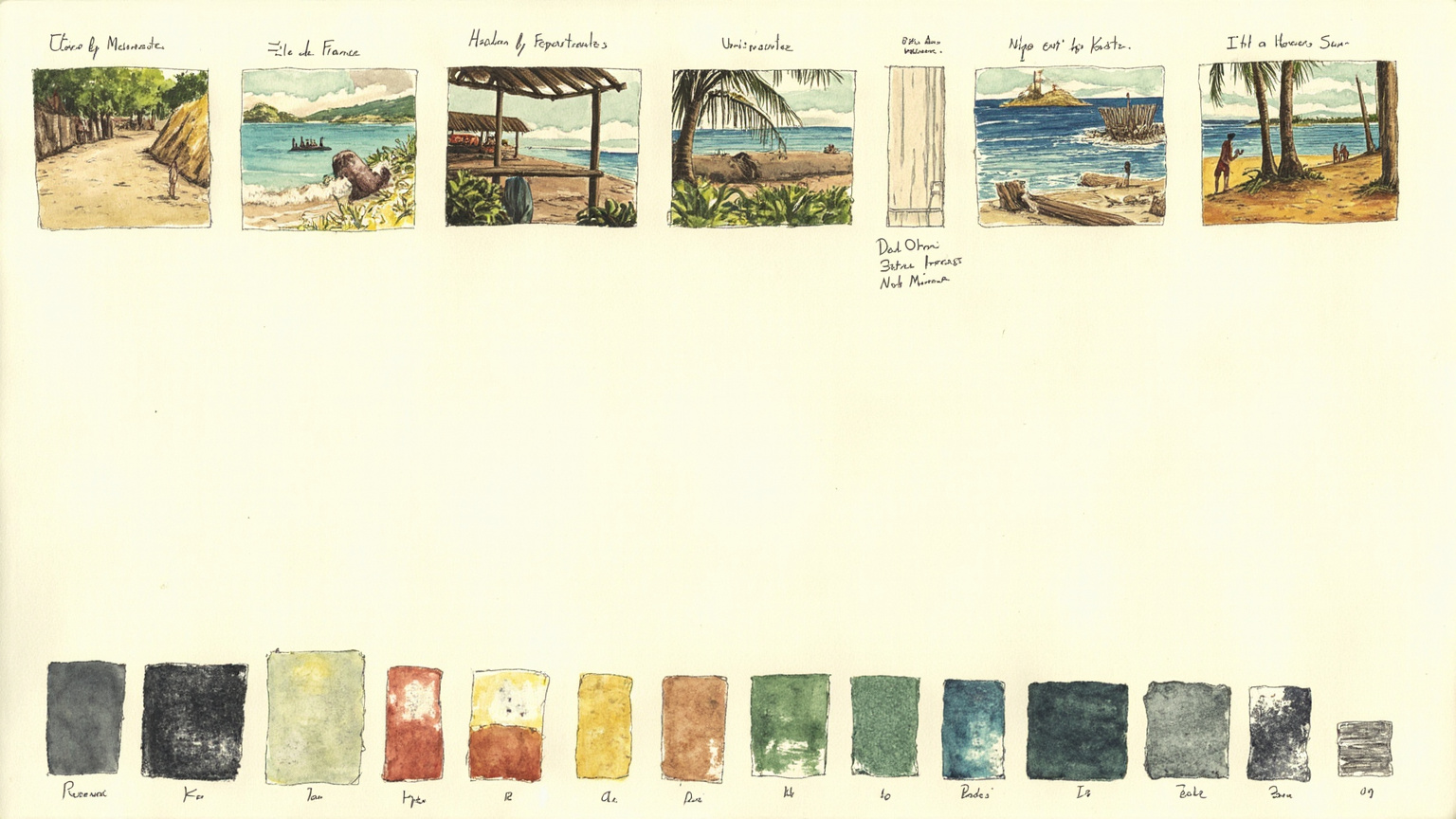
Art Direction4 plates
Before the guide was written, this book got a visual foundation — every illustration you just read grew out of it.