The Song of Songs (Song of Solomon / Canticum Canticorum / 希伯来语 שִׁיר הַשִּׁירִים) · Companion Guide
雅歌
葡萄园里晒黑的牧羊女,向春野低声唱出一卷圣中之圣——人间最炽烈的渴慕,托住天上最深的那一层。
I. Opening: A Sunburned Woman in the Vineyards
A young woman, sunburned from the spring fields, stands by the hut that guards a vineyard and tells the daughters of Jerusalem how she fell in love with a shepherd. She is dark, she says, because her brothers made her keep the vineyards and the sun burned her; that she is lovely is her own claim. She calls herself the rose of Sharon, the lily of the valleys, and tells the chorus: My beloved is mine and I am his; he pastures his flock among the lilies. It is the only book in the Bible that never once mentions God, the law, or the covenant.
And yet it is read aloud in the synagogue on one of the holiest days of the year. For two thousand years, Western mystical theology has returned to it again and again to describe the closest bond between God and a human soul. Open the book and you find the plainest thing in the world: two bodies longing for each other, searching for each other, finally reunited. Underneath that plain story, from the first line, something deeper has always been holding it up.
II. What Kind of Book This Is: Why It Is Called the Song of Songs
The book is also called the Song of Solomon; its Latin title, Canticum Canticorum, means Song of Songs. That phrasing is a Hebrew superlative, the same construction behind Holy of Holies and King of Kings. Tradition credits Solomon, whose reign is placed around the tenth century BCE, though most modern scholars date the collection to somewhere between the fourth and second centuries BCE. In the Jewish canon it heads the Five Scrolls, the festival readings, and it is the text read in the synagogue on the Sabbath of Passover. In the Christian Old Testament it stands among the wisdom books.
Why has the book endured? Because it did something no one expected: it smuggled a love poem into scripture. Rabbi Akiva's judgment on it is still quoted: the whole world entire is not worth the day the Song of Songs was given to Israel, for all the Writings are holy, but the Song of Songs is holy of holies. The claim is that the most burning song ever written turns out to carry the deepest truth in heaven. That claim has been the key to reading it for two thousand years.
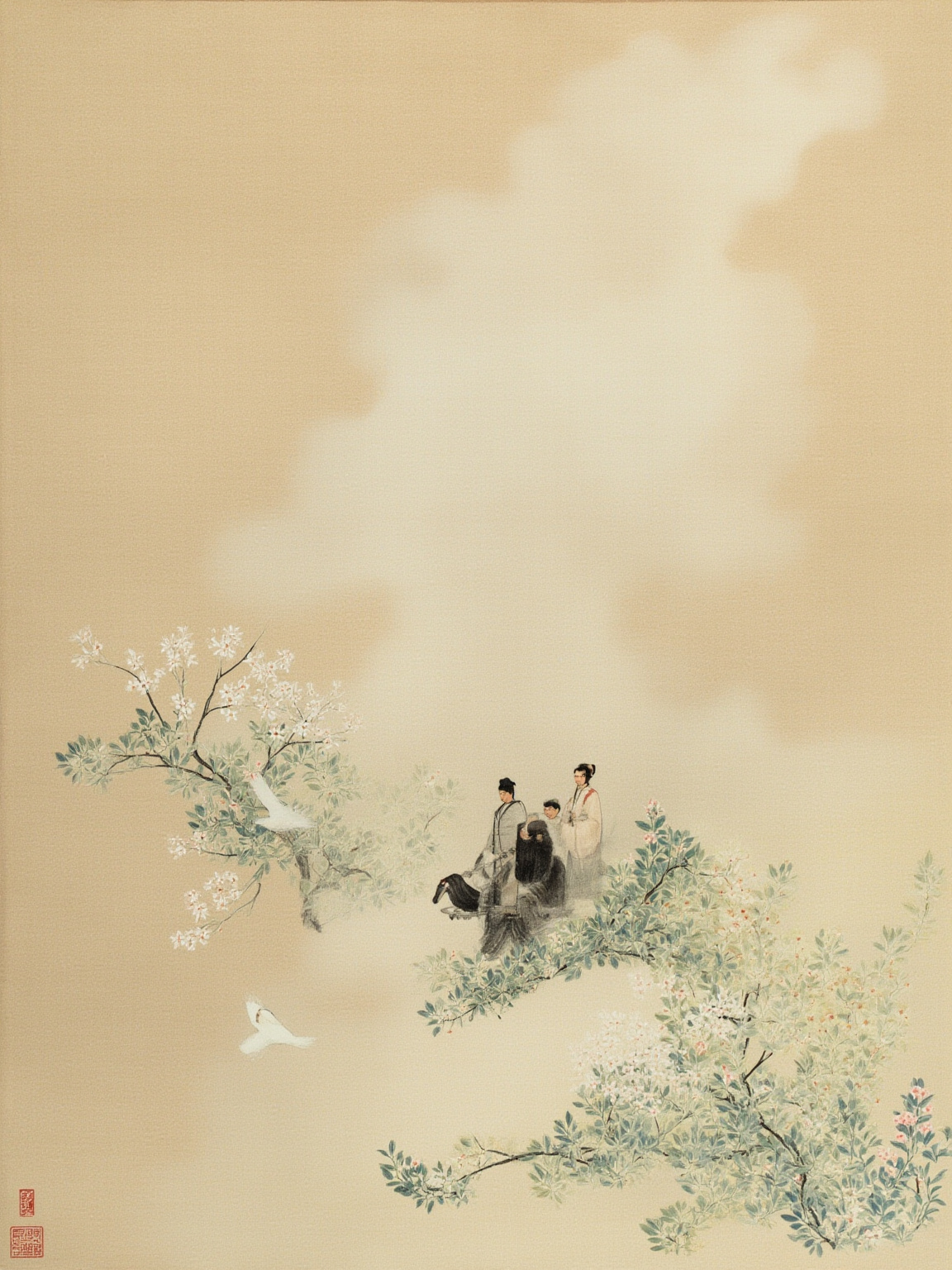
The Song of Songs, which is Solomon's. Let him kiss me with the kisses of his mouth.
愿他用口与我亲嘴;因你的爱情比酒更美。
金句 · 第1章 · 歌的开场与渴慕
III. Characters and World: The Shepherd Girl, the King, and the Chorus of Women
Only three voices speak in the whole book. The Shulammite is the woman at its center, a shepherd girl who says the sun has burned her and that she has kept vineyards; in the allegorical reading her name stands for Israel, or the Church, or the individual believer. The beloved is the man she loves and searches for. Tradition takes him for Solomon himself, but the text gives him two faces at once: a king, with his litter and his guard and the pageantry of the court, and a shepherd, glimpsed leading his flock out to pasture. That double identity is not a loose end; it has kept the poem's readers arguing for two thousand years. The third voice belongs to the daughters of Jerusalem. They are not decoration. They are the chorus, asking questions, pressing the woman on, standing in as the audience for the whole romance. Without their exchanges the book's back-and-forth structure would not hold together.
The world of the poem is the spring countryside of ancient Palestine: vineyards, a watchman's hut, the cedars of Lebanon against snow-capped ridges in the distance, the scent of myrrh and frankincense, doves and gazelles, henna and lilies, the mountain of myrrh. The book smells of open fields, not of a palace interior, of spring, not of a bedchamber. In that world the object of love is a person, and the language of love is the most concrete detail of a human body. Yet what the book finally points to lies further off than any person.
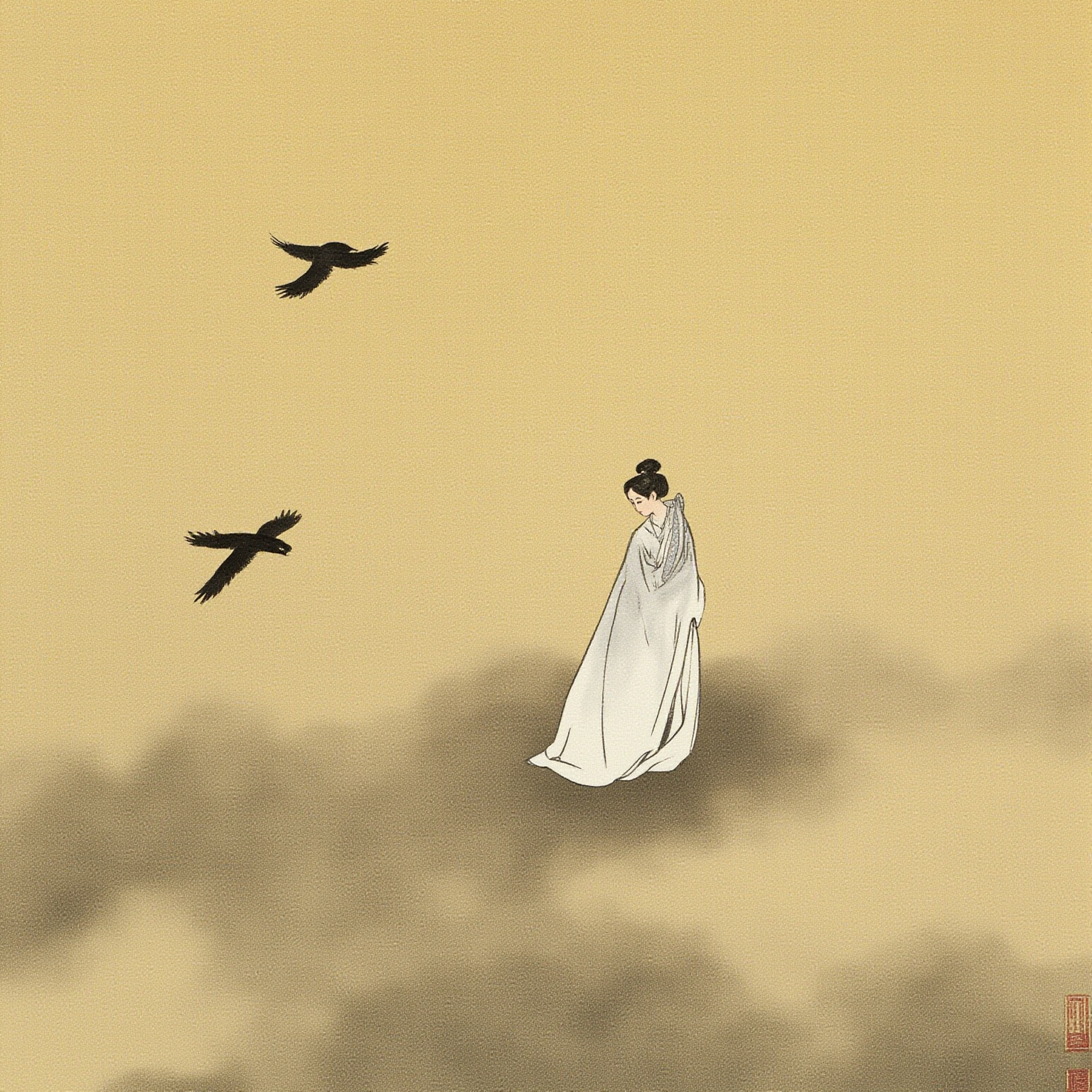
I am a rose of Sharon, a lily of the valleys. As a lily among thorns, so is my love among the daughters.
我是沙仑的玫瑰花,是谷中的百合花。我的佳偶在女子中,正像荆棘里的百合。
金句 · 第2章 · 玫瑰与百合的自喻
IV. The Arc: From Longing to a Fire No Flood Can Quench
1. Opening: A Song of Longing
The book opens on a superlative title: The Song of Songs, which is Solomon's. It drops straight into the woman's voice, sunburned in the vineyard, comparing herself to a flower, telling the chorus how much she wants her beloved. What follows is a song of longing, part monologue and part exchange. There is no plot in the usual dramatic sense, no conflict and resolution. Instead a single thread strings the whole poem together: longing, searching, union, intimacy, reunion.
2. The Beloved's Courtship: King and Shepherd at Once
The scene turns to the beloved. One reading takes him for Solomon: the litter, the guard, the walls of Jerusalem, the spices of the court all speak for him. Another notices how often the text shows him leading his flock out, pasturing among the lilies, and reads him as a shepherd from the countryside. Neither side has ever settled the question, and the standoff turns out to be productive: the king stands for glory and grace, the shepherd for closeness and companionship, and the poem never lets the two come apart. In the allegorical reading, that double identity maps onto the two faces of God, or of Christ: the one enthroned and the one who knows every sheep by name are the same person.
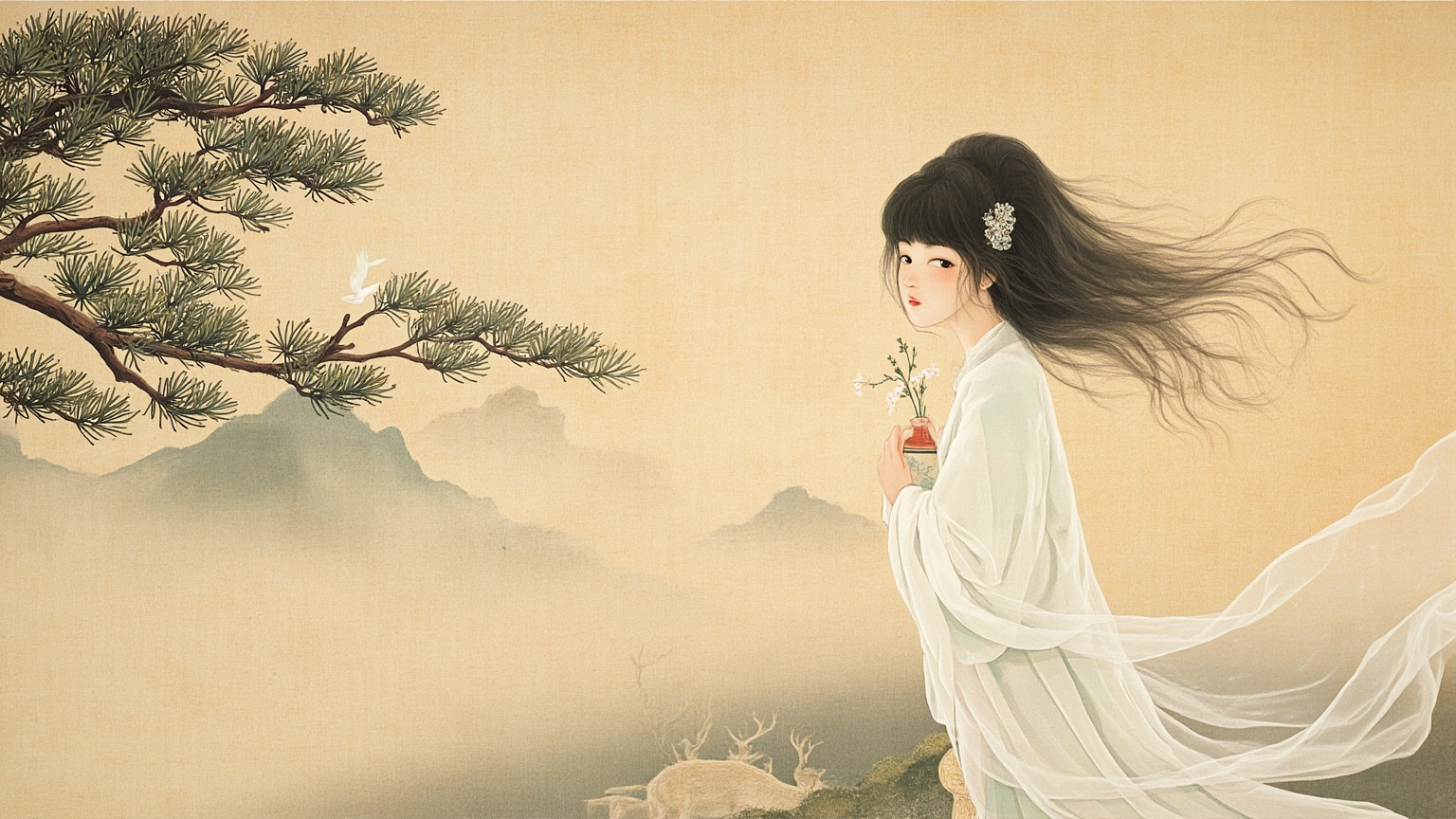
My beloved is mine, and I am his; he feeds his flock among the lilies.
我的良人属我,我也属他;他在百合花中牧放群羊。
金句 · 第2章 · 良人属我我也属他
3. Union: Reunion in the Mother's House
The middle section is the tensest stretch in the whole book. At night the woman goes into the city searching for her beloved and is roughly handled by the watchmen patrolling the walls, in a single stark line of text; all she wanted was for someone to tell her where to find him. She ends up back in her mother's house, reunited with him. It is the search-and-union motif, and in the allegorical reading it is the soul running through a world of order and law until the moment it is finally caught up in grace.
4. Intimacy: Why the Praise of the Body Is Not Unpacked Here
After the reunion, the poem settles into a long stretch of the body-praise convention common to ancient Near Eastern love poetry: how her eyes look, how her neck looks, how her garden looks. It is a fixed form, and the poem works through it in full. This guide does not walk through those details one by one; what matters for the reading is how intense the love is, not the inventory of the body, and the poem's own text can carry that part on its own. What is strange, and what should not be smoothed over, is that this body-praise convention from ancient love poetry was carried whole into Hebrew scripture and caught by a single claim: that this is the love God has for his people.

You are beautiful, my love; there is no flaw in you. Rise up, my love, my fair one, and come away.
我的佳偶,你甚美丽,毫无瑕疵。起来,与我同去。
金句 · 第4章 · 身体赞美程式
5. Close: A Love No Fire or Flood Can Put Out
The book's final passage is its most quoted. Set me as a seal upon your heart, as a seal upon your arm, for love is strong as death, jealousy fierce as the grave; its flashes are flashes of fire, a most vehement flame. Many waters cannot quench love, nor can floods drown it. Popular Chinese translations render the flame as the flame of the Lord, but that phrase is an addition; the Hebrew line has no divine name in it at all, and even here, at its climax, the book keeps its rule of never naming God. Love is measured against death, the grave, and the flood, the three oldest powers there are, and the verdict is that love outlasts them. The whole poem's argument is nailed to this one image: a heart that has been loved wants to be pressed into the other's heart like a seal, set once, and never lifted off again.
V. Themes and Craft: Why This Poem Is Called the Holy of Holies
The first theme is the most burning love there is between two people. Longing, searching, faithfulness, belonging between two bodies, it burns from the first line to the last, and it is written joyfully, intensely, without flinching away. The second theme is the real reason the poem earned its place in scripture: that human love points toward the love between God and his people, Christ and the Church, the Lord and each believer. This is the allegorical reading that Judaism and Christianity have both held to for two thousand years. Read this way, every line in the book carries a double meaning: on the surface a shepherd girl speaking of her shepherd, and beneath it God speaking of his love for humanity.
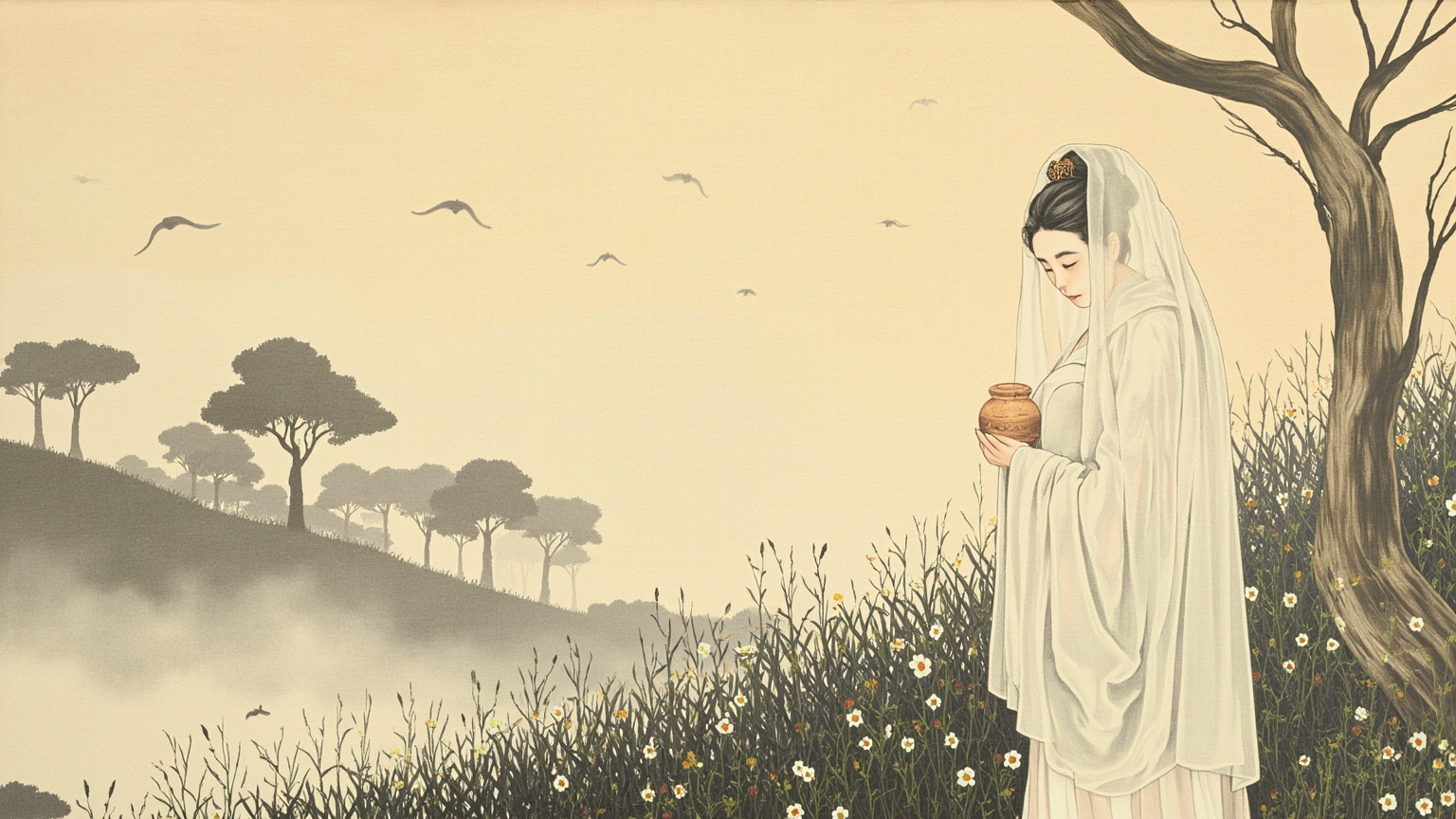
Set me as a seal upon your heart, as a seal upon your arm; for love is strong as death.
求你将我放在你心上如印记,带在你臂上如戳记;因为爱情如死之坚强。
金句 · 第8章 · 烈火与洪水不能熄灭的爱
As craft, the whole book is Hebrew love poetry, but with one strange discipline: it never names God, never mentions the law, the covenant, or the history of a chosen people. It uses only the natural world, spring fields, cedar, vineyards, doves, lilies, to hold love in a container that is entirely secular. The gamble is that if the most human song possible is sung all the way through, the readers of scripture will see the deeper layer on their own. The gamble paid off. From Rabbi Akiva to John of the Cross, from Teresa of Ávila to whoever is reading it today, that second layer has kept reading itself as self-evident for two thousand years.
VI. Why Read It Today
Read today, this poem answers less the question of what love is than whether a person can be loved without reservation. Setting love beside death, the grave, and the flood at the end does more than call love intense: it names whatever force can outlast death and floodwater, and that name is love. The vessel is a love poem, but what it hands you is a soul coming back to itself from inside that love, saying to the one who loves her: set me as a seal upon your heart. Reading a guide is not the same as knowing this book. Go read the text itself, especially the night search through the city in chapter 3, where the original moves line after line with a breathless urgency, circling the walls and finding no one, insistent enough to ask again even at her own mother's door. Read too the closing pile-up of clauses in chapter 8: love, death, the grave, the flood, fire, each one stacked heavier than the last, and where a flame of the Lord seems to belong, the original text leaves that space empty, because emptiness is exactly how this book keeps its vow never to say God's name. Only the original will actually land those two moments on you.
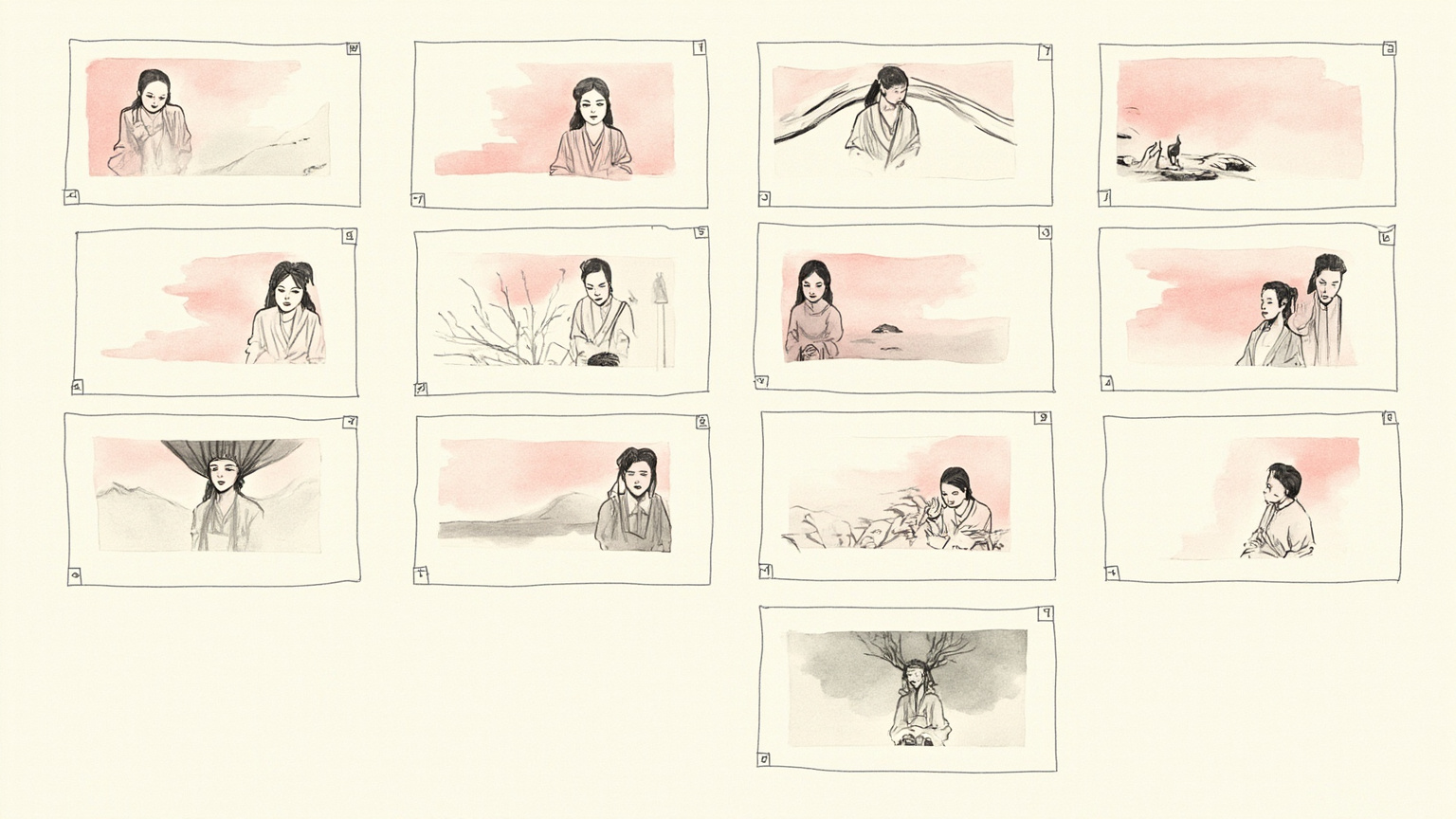
Art Direction4 plates
Before the guide was written, this book got a visual foundation — every illustration you just read grew out of it.