The Alienist (O Alienista) · Companion Guide
疯人院医生
当一位医生以科学之名重排整座小镇,最后被隔离的却是他自己。
Opening: One Wall, One Town
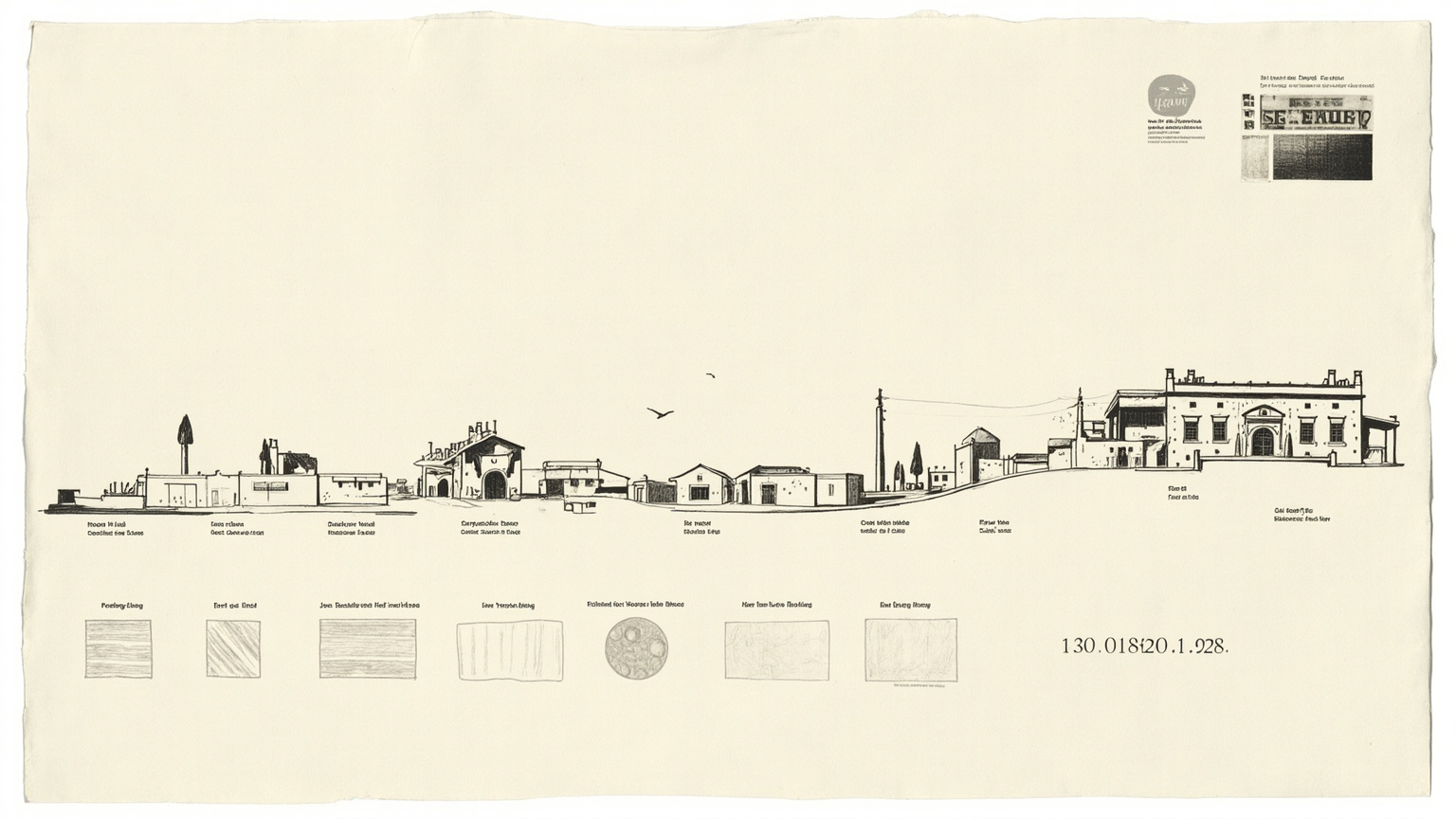
A small building painted a melancholy blue-green stands at the end of a red dirt road, palms and mango trees dropping their shade across a cobbled square. Everyone in town who passes it quickens their step. This is the first image The Alienist leaves you with: a respectable-looking, nearly harmless institution that has already swallowed a town's soul.
It is not a horror story, and there are no ghosts. Its horror is colder than that: once one doctor is allowed to decide who counts as mad, the neighbors, the friends, the priest, the poet all vanish one by one behind the blue-green wall.
What Kind of Book This Is
Machado de Assis wrote this novella in the 1880s, and it first appeared in a Rio de Janeiro illustrated periodical called Revista Illustrada. Machado would later be crowned the father of Brazilian literature, but there is nothing lofty about this book. It tells the story of one inland Brazilian town, Itaguaí, and never leaves that single stage.
It has stayed in memory for two reasons. First, it is one of Latin America's earliest political allegories about science overstepping its bounds, arriving only a little after Europe's canonical treatments of the same theme, but seen from the edge of empire rather than its center. Second, the ending is cold enough that one reading is enough to never forget it: the doctor decides he himself is the greatest madman of all, and locks himself inside the Green House.
Characters and World
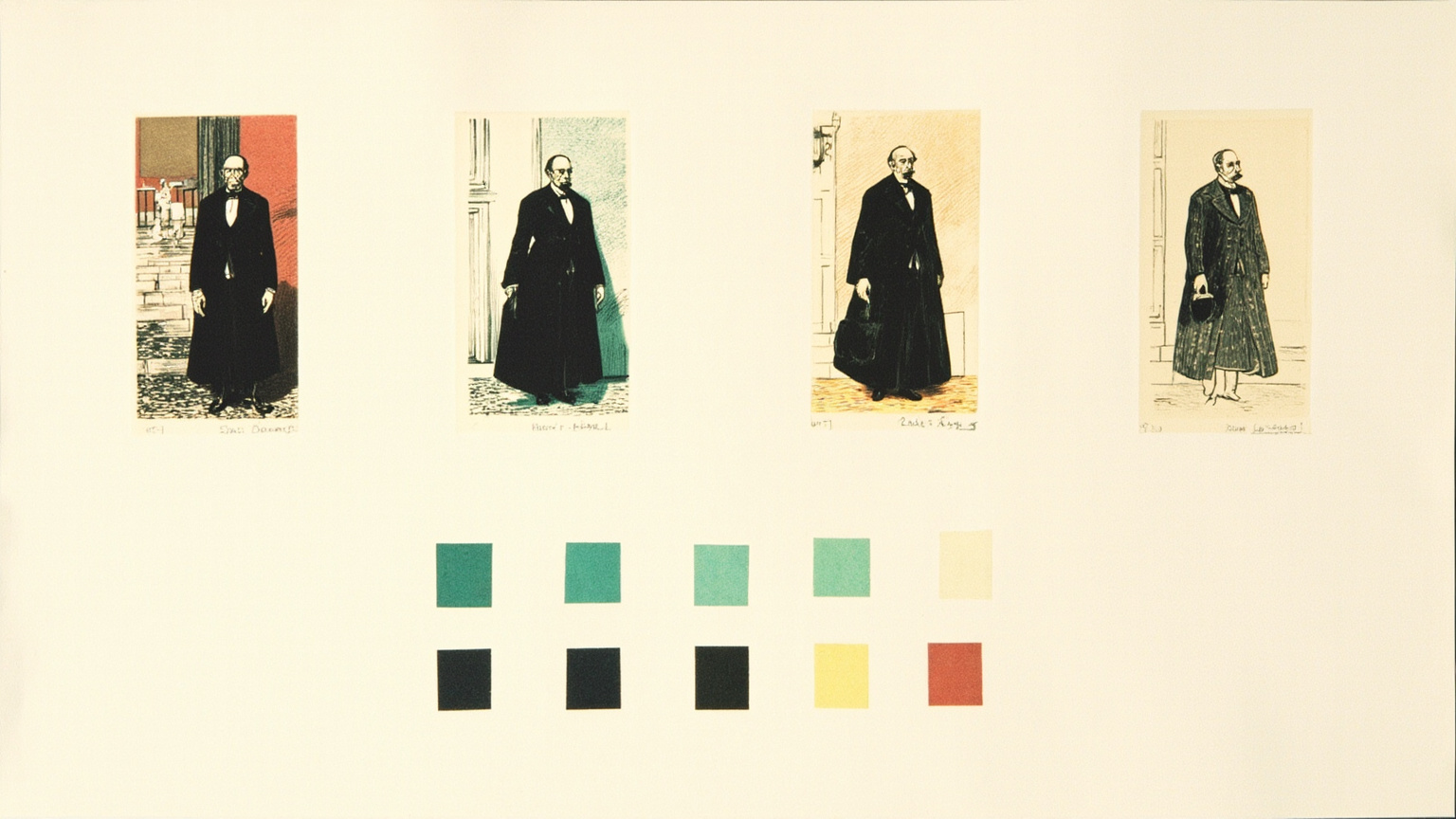
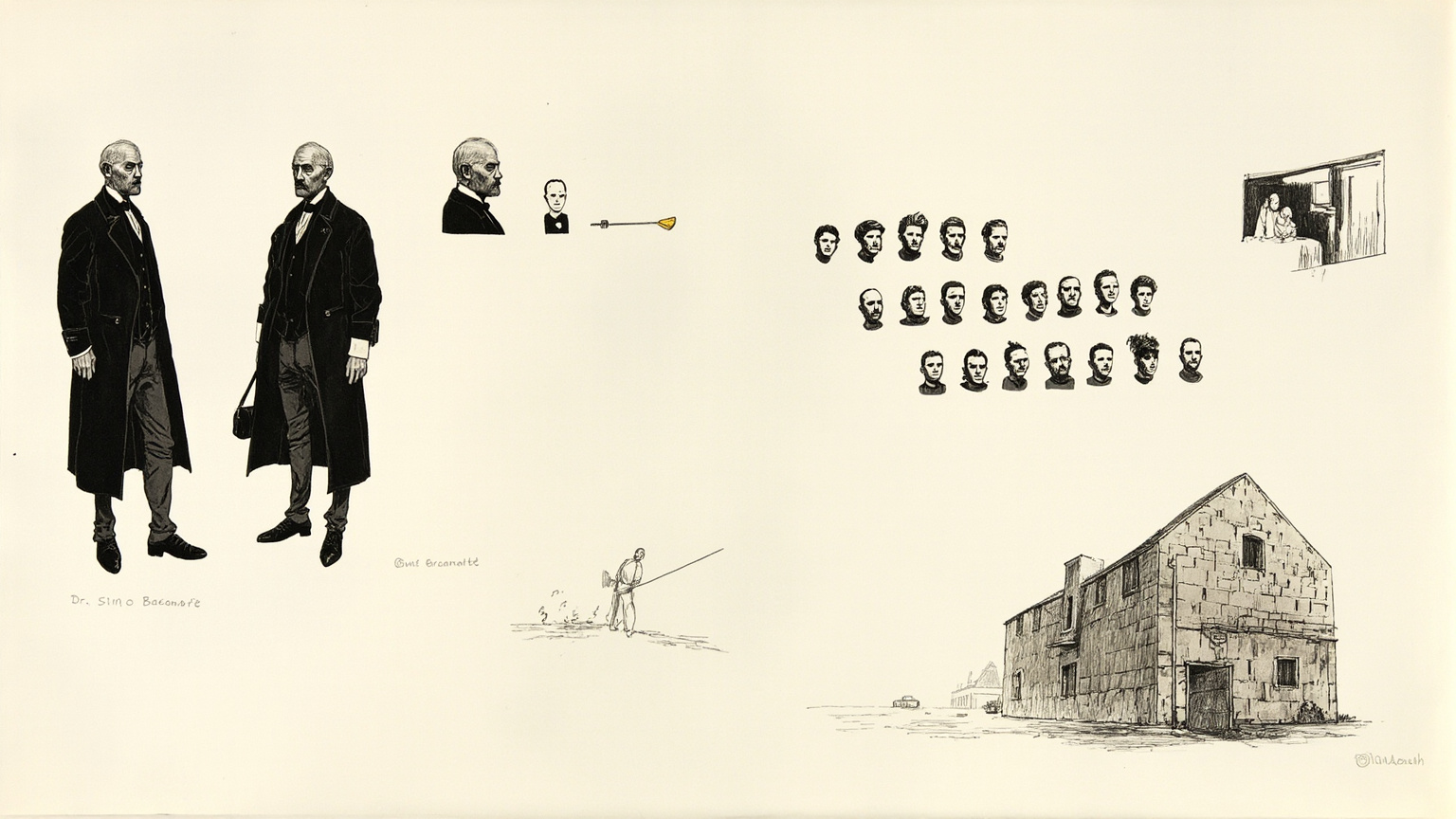
The protagonist is Dr. Simão Bacamarte, a psychiatrist who has returned home after his studies at Coimbra, in Portugal. He holds to a single creed: the mad must be separated from the sound, for the good of both science and society. It sounds like compassion. What it produces is a town split into two kinds of people, those locked up and those not yet locked up.
Backing him is António Carvalho, a scholar-legislator from Rio who later becomes the town's chief administrator, the very type of politician who clears the road for science. The town supplies a whole cast of specimens marked for confinement: a drunken poet who quotes Horace the moment he opens his mouth and weeps over Gama, a gentleman named Joaquim Magalhães whose self-improvement has curdled into something insufferable, a handful of old maids so devout they seem suspicious, one of them, Dona Maria Placides, praised as a woman whose sanity not even a theologian would dare question. Last comes Dona Eva Viana, the town's acknowledged, hopeless case of an old maid, whom Bacamarte names matron of the asylum: putting the person least like reason in charge of the ward least like normal. The joke lands, and the chill follows it in the same breath.
The rule of their world is simple: one diagnosis, one credentialed doctor, one nodding legislator, one neighbor willing to inform, and a person can be taken away, entirely within the law. The Green House needs no barbed wire. It has science instead.
How the Story Unfolds
One: The Green House Is Born
The first thing Bacamarte does on returning to Itaguaí is persuade the town council to grant him a plot of land for an asylum. The walls go up in a melancholy blue-green, a color Machado is careful to name outright: not a bright emerald but a sickly cast, the color of an old hospital nobody wants to walk into. Inside there is little more than a few wards, a few beds, dissection tools in the doctor's study, specimens in glass jars, skulls and anatomical charts nailed to the wall. That is the whole inventory. The townspeople see it as a mark of progress, and some of them are even a little proud.
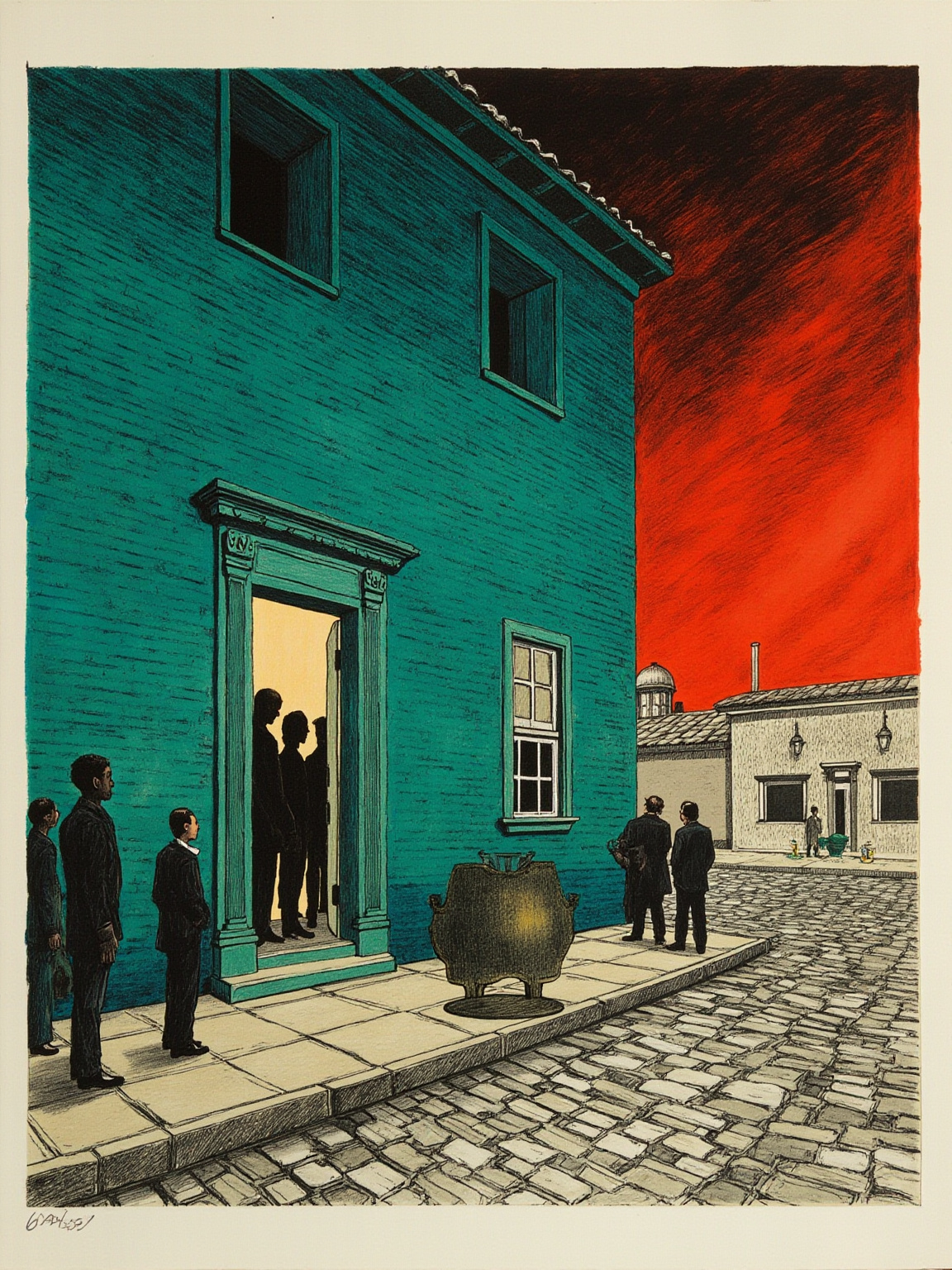
A small house, painted the most melancholy green, stood at the end of the red earth road.
红土路尽头,立着一幢漆成最忧郁的青绿色的小屋。
金句 · 开篇
Two: The Diagnosis Keeps Stretching
At first the Green House takes in only the town's agreed-upon oddities, the man who writes poetry drunk, the gentleman whose self-improvement has gone insufferable, the old maids whose piety looks like a symptom. All of it counts as not quite normal. But Carvalho keeps sending letters of support from the provincial capital, the council keeps voting more funds, and Bacamarte's list of diagnoses keeps getting longer.
The bar drops in stages: first the obviously deranged, then the merely not quite balanced, then those who write verse when drunk, then those whose self-improvement offends, then those whose piety looks suspicious, until, at the end, even being too rational counts as a disease. Almost no one resists being taken, because there is always a neighbor nearby willing to point and ask: isn't there something a little off about him?
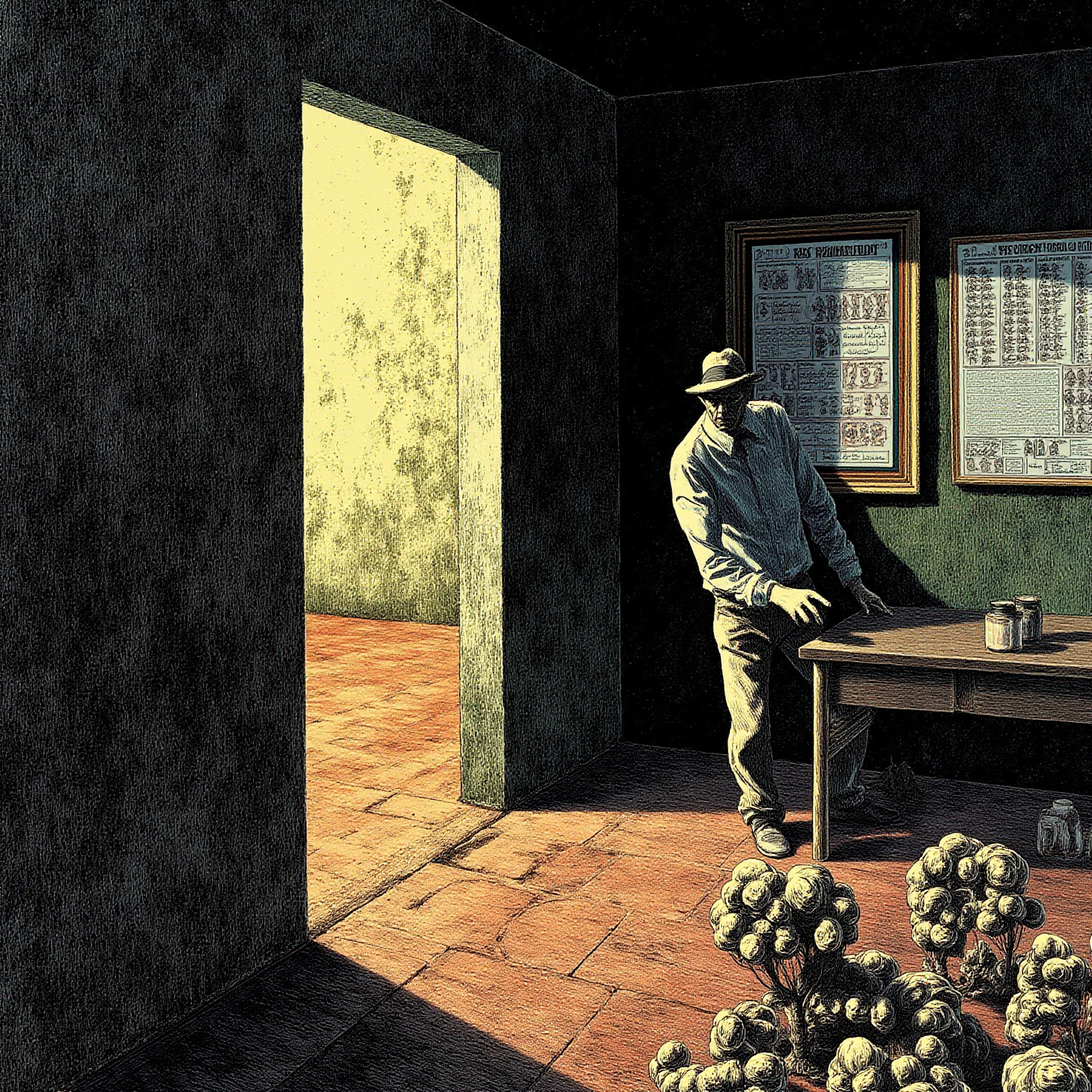
The limits of madness are not the same for all men.
疯狂的界限,对每个人并不相同。
金句 · 绿房子建立后
Three: Torches at the Gate
At some point, roughly eighty percent of Itaguaí's population has passed through the Green House. The families of the remaining fifth finally lose patience. Torches go up in the square, and someone storms the asylum gate shouting that every madman in Brazil has been rounded up and locked inside these walls.
What makes the siege both absurd and chilling at once is the poet still inside, reciting Horace to the moon from his cell window. When the warders tell him to stop, he simply switches to another meter and keeps going. Bacamarte's own diagnostic standard has nothing left to say about him, and Bacamarte has no intention of letting him out.
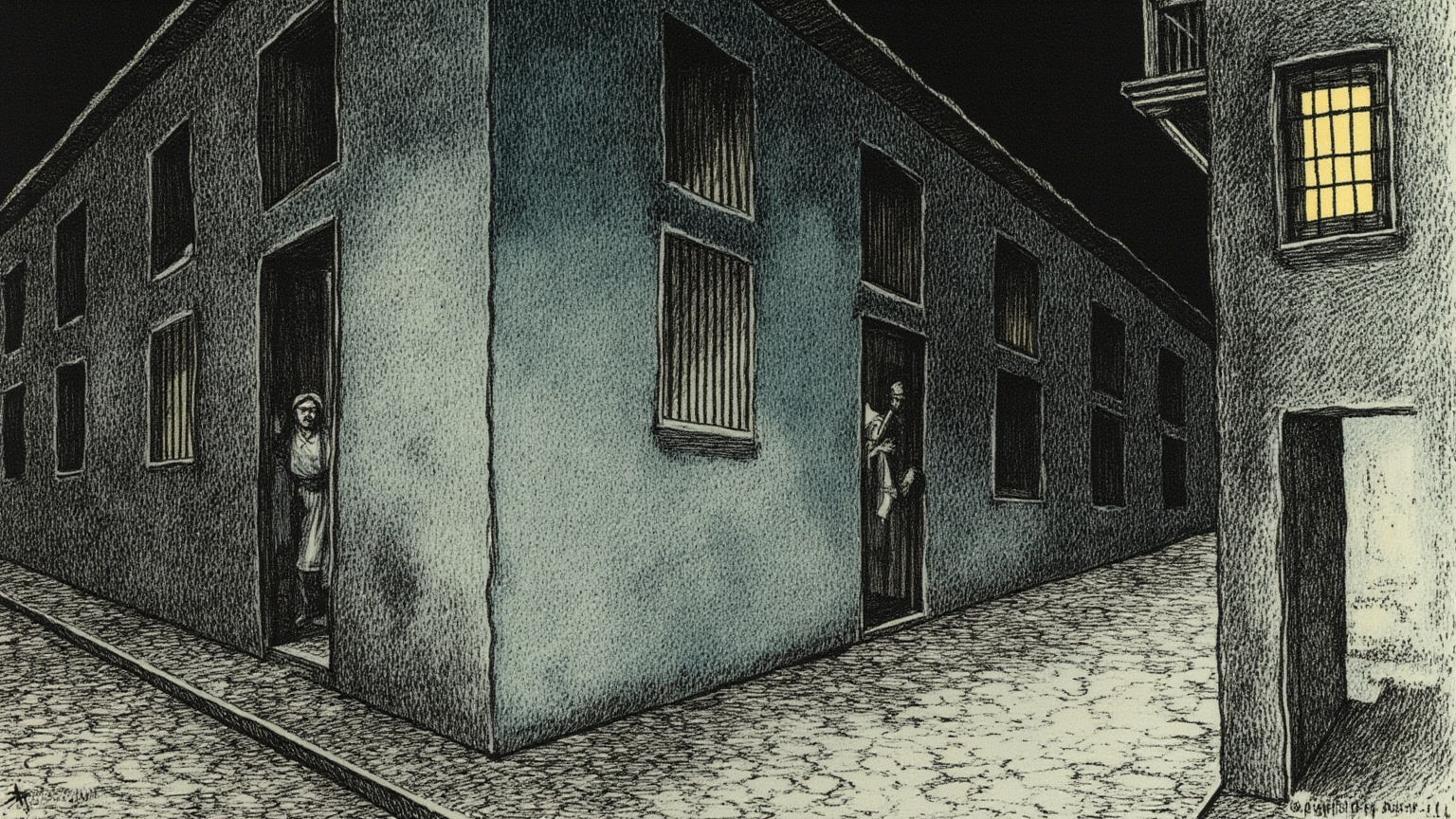
The poet continued to declaim his verses to the moon, even from the asylum.
诗人即使身陷疯人院,仍对着月亮吟咏他的诗句。
金句 · 火把围困
Four: The Authorities Wake Up, Too Late
The new mayor, Rebelo de Sá, finally orders the gates opened, not out of any sense of justice but because the town is about to riot if he does not. Once the doors are open, the count comes in: about a fifth of the confined have already died inside. The rest are technically free, but they no longer know how to walk out through the wall. They have been locked up so long that they have genuinely gone mad.
Bacamarte takes in the numbers without flinching. No apology, no defense, the way a lab technician glances at a data sheet.
Five: The Doctor Diagnoses Himself
With the Green House emptied, Itaguaí's remaining community of the sane collapses overnight; neighbors suddenly notice that the people they used to know are simply gone. Bacamarte responds by casting the net the other way, re-diagnosing everyone still outside the walls, and arrives at the line that chills the whole book: that ten to twenty percent of the town now stands perfectly balanced in mind, and the rest carry some deviation. Then comes the sentence that finishes it off: the only person perfectly, pathologically balanced is himself.
It is the coldest stroke in the book. A man who used the name of science to lock up eighty percent of his town finally admits that he himself is the one whose balance has tipped into pathology. He is not exposed by anyone else. His own diagnostic system simply consumes him.
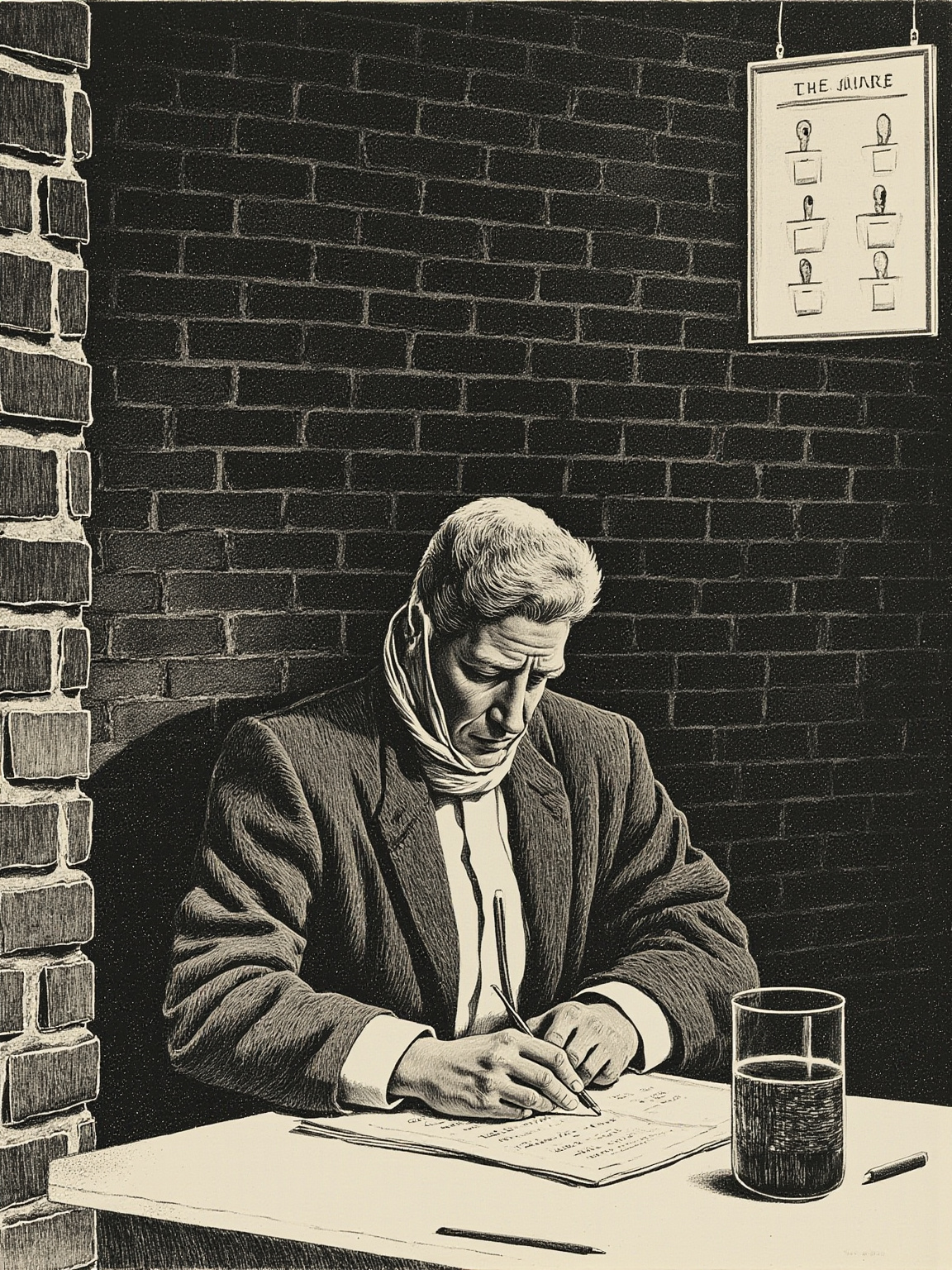
He who is perfectly balanced is perfectly mad.
一个精神完全平衡的人,正是完全疯狂的人。
金句 · 医生自我诊断
Six: Self-Confinement and a Broken Heart
Bacamarte does the one thing no villain is supposed to do: he empties the Green House of the few perfectly balanced patients still inside, locks the door, and keeps himself as the only occupant. In his study he writes up his research notes under a title as clinical as any paper, A Draft on the Formation and Future of the Casa Verde, with a subtitle noting it is meant for the use of those who come after. Seven months later he dies of a broken heart, alone.
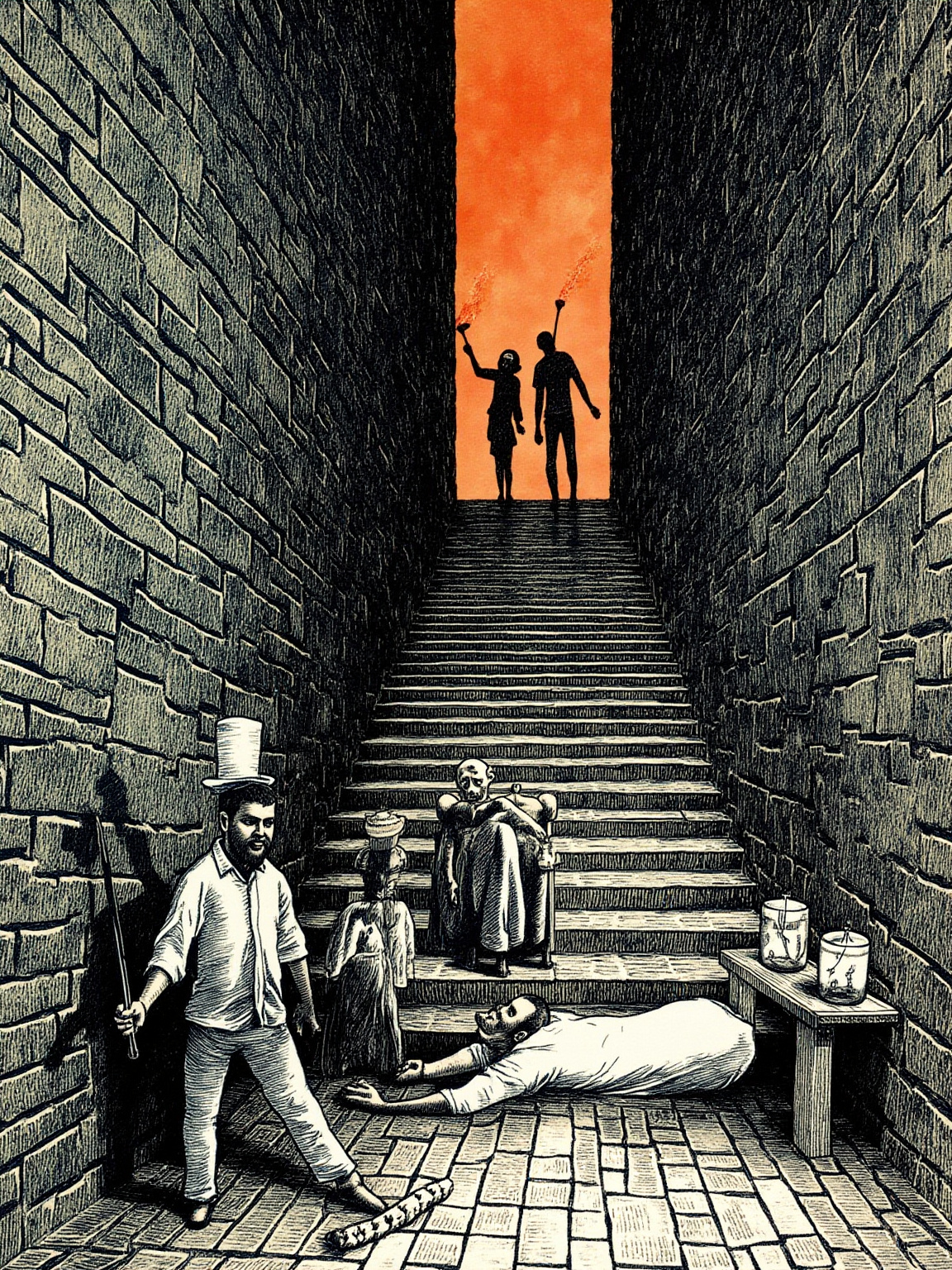
The great thing is not to cure the mad, but to separate them from the sane.
要紧的并非治愈疯子,而是把他们与健全人隔开。
金句 · 自我封院
Seven: Razed to the Ground, the Manuscript Carried Off
The townspeople eventually tear the Green House down, an ending that looks like revenge. But Machado will not let it rest there: he has Carvalho quietly carry off the Draft, the notion that preserving a scientific record outranks any moral verdict on the man who wrote it.
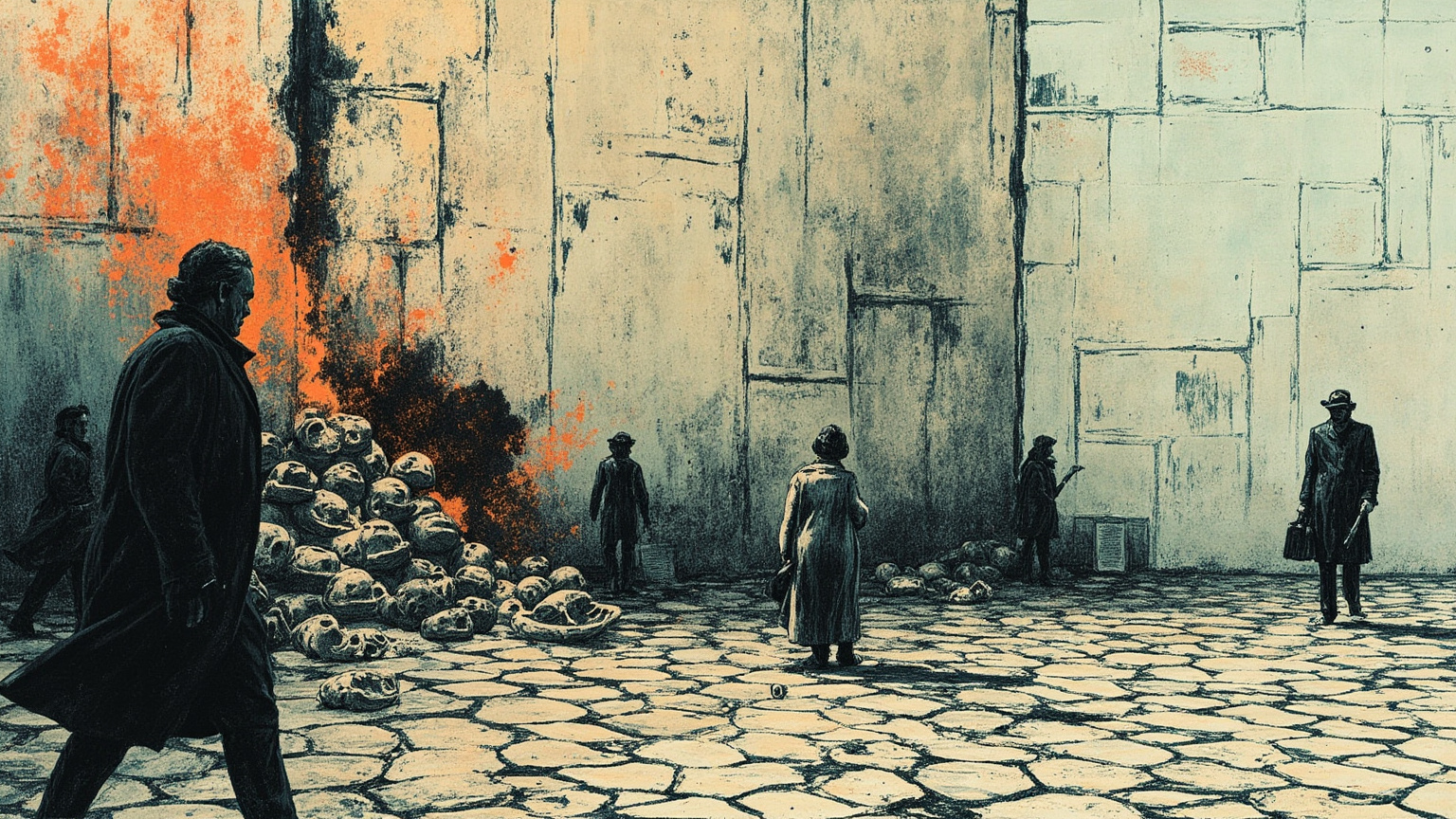
The people of the town destroyed the Green House, and the draft remained in the hands of science.
镇上的人拆毁了绿房,而那纸初稿仍留在科学手中。
金句 · 夷为平地
Themes and Craft
On the surface this is a joke of a story: townsfolk marched one by one into a blue-green house, a drunk inside reciting poetry to the moon. Underneath, it is a fable about how a machine runs when no single person has to answer for it. The legislator grants land in the name of science, the mayor permits it in the name of order, the neighbors supply cases out of private grudges. Everyone is simply doing their job, and no one feels guilty.
The reasoning madman is one of the earliest and coldest figures Machado ever put on the page: push reason far enough and it stops being distinguishable from madness. Europe would not work this idea out systematically until Foucault's generation. Machado nailed it down in one novella, in nineteenth-century Brazil.
Craft-wise, Machado works the gap between a Gothic shell and a satirical core. The blue-green walls, the specimens in glass jars, the anatomical charts by candlelight would all be standard furniture in a horror story, but every one of his brushstrokes bends toward social caricature instead. He even puts a hopelessly plain old maid in charge of the ward, her piety enlisted to police the irrational, so the reader laughs first and feels the chill only after.
Hand one person the power to classify, and an entire town quietly rearranges itself in his hands.
Why Go Read the Original
This guide gives you the skeleton and the conclusion. What it cannot replace is what happens on the page, the lines that make you laugh, the ones that turn cold, the moment that makes you sit still after you close the book. There is the doctor talking a noblewoman into the asylum with a single deft piece of medical jargon. There is the poet, once confined, still reciting to the moon, and Bacamarte coolly writing down every word of it. There is the gentleman branded too rational, watching, step by step, as the science he once trusted swallows him whole.
And there is that melancholy blue-green wall. It appears only a few times in the novella, but every appearance makes you want to take a step back. That physical reaction only happens when you meet the actual line on the page. Knowing the plot in advance does not spoil the original, it makes it more worth reading. You will find yourself counting: exactly which page does the chill start on?
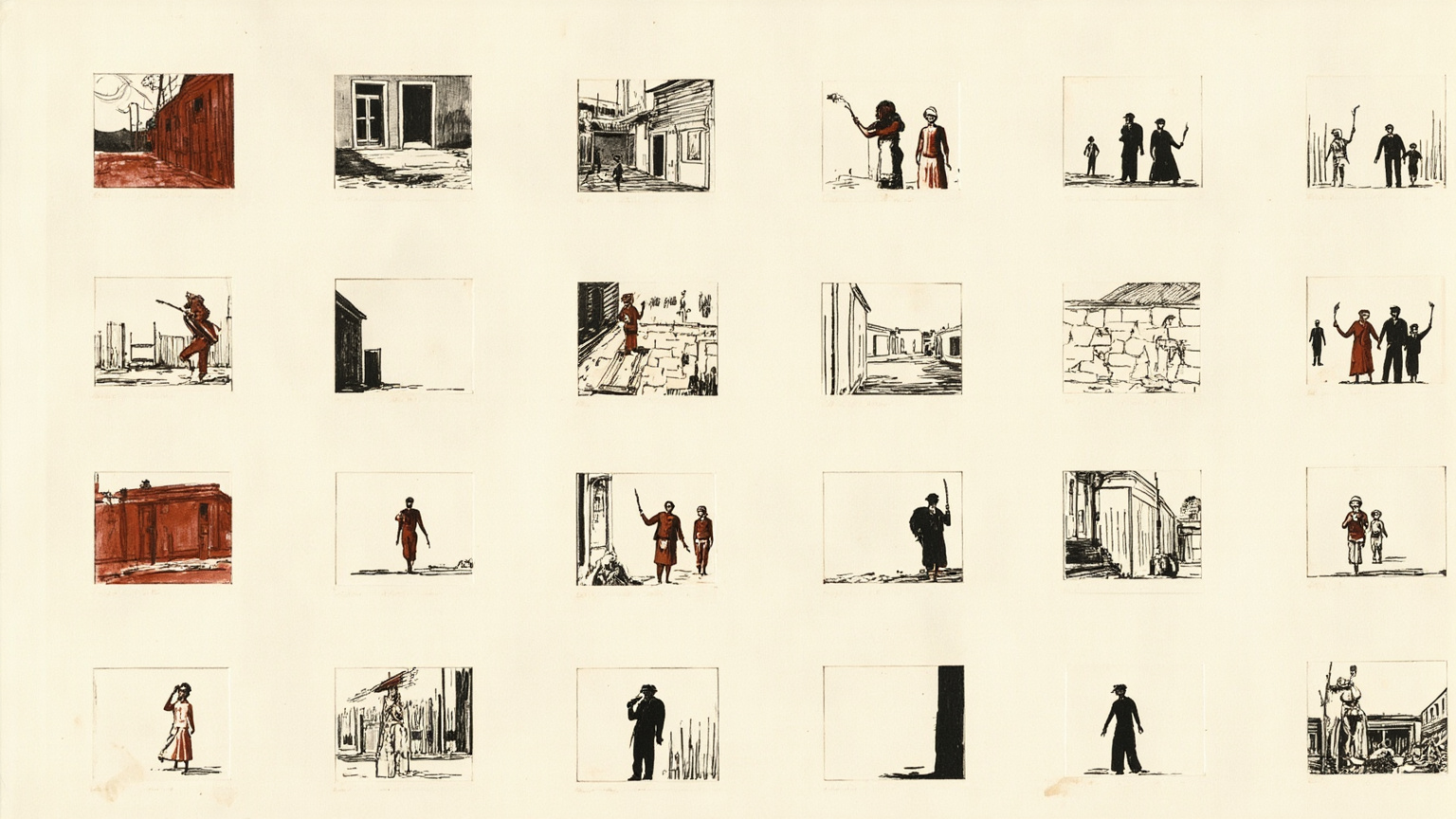
Art Direction4 plates
Before the guide was written, this book got a visual foundation — every illustration you just read grew out of it.