The Blue Castle · Companion Guide
蓝色城堡
二十九岁那年,一纸写错的诊断替她剥掉了一辈子的体面——她朝一个被全镇传成怪物的男人窗户扔石头求婚,把幻想落地成家。
Opening: A Woman Throws a Stone at a Window to Propose
A stone cracks through the cabin's window glass. Inside, the man the whole district calls a smuggler, a killer, a drunk turns around and finds a woman he has never seen standing outside. "Do you want a penniless man with a ruined name?" "Yes." It is hard to picture Montgomery, the woman who wrote Anne of Green Gables, opening a book this way. This isn't an orphanage on Prince Edward Island, isn't a red-haired girl trading quips on a windowsill. This is a twenty-nine-year-old woman in 1926, throwing a proposal at the window of a house the whole town loved to gossip about.
The first time I got here I stopped short. The pages before it are nothing but gray parlors, windows that never open, and the sharp gossip of relatives over afternoon tea. Then the scene cuts: pine woods, a lake, a stone sailing through the air. The whole book changes its breathing in that one stone.
What Kind of Book This Is
The Blue Castle is a novel L. M. Montgomery published in 1926, and the only book in her career written entirely for adults and set off Prince Edward Island. That alone is strange — Chinese readers have pinned her for decades to two posts, "the red-haired girl" and "children's literature," but The Blue Castle is her other face: cold, barbed, written for people life has already broken in. Montgomery dedicated it to a woman she knew who died young of heart trouble. It came eighteen years after the Anne books and was mostly ignored for the rest of the century. In recent years English-language readers have been digging it back out, and more than a few critics now call it her best book outright.
People and Place: Deerwood's Two Faces
The story is drawn on two entirely different maps. The first half unfolds in the fictional town of Deerwood: brick houses, lace curtains, windows that never open. Valancy Stirling, twenty-nine, the old maid of the Stirling clan, has never owned a room, an opinion, or a name of her own. Her mother has lived a widow's puritan life for decades; her cousin Olive is the sharpest tongue in the family parlor; and the afternoon teas of the two Rickenbacker aunts, descended from German immigrants, seal the whole code of manners in place. Valancy's one act of rebellion, once a month, is to hide in the closet and read the Tennyson tucked into the lining of her jewelry box.
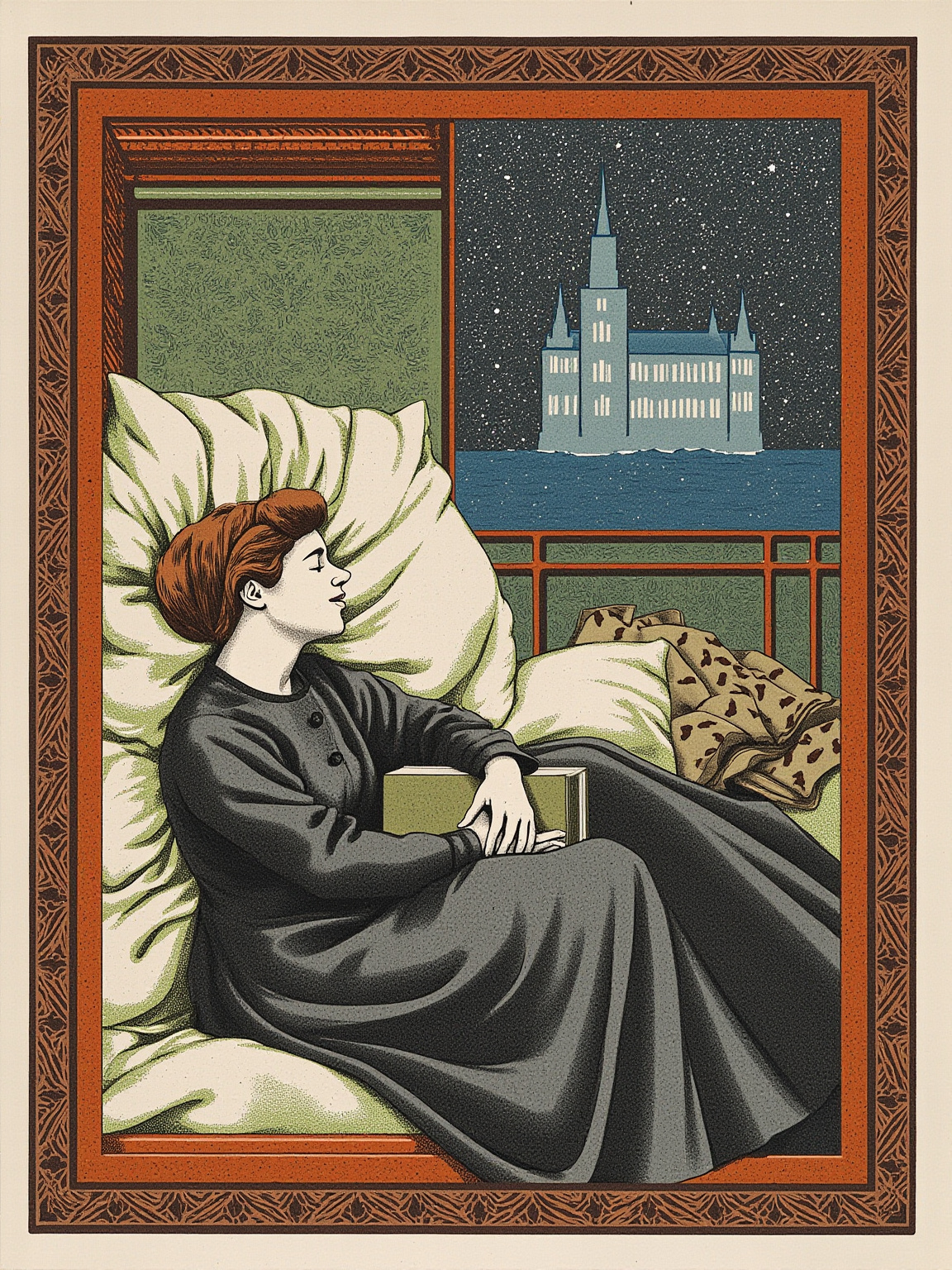
Valancy Stirling lived in a world of dreadful proprieties and deadly dullness.
瓦兰西·斯特吉斯活在一个由可怕的规矩和致命的乏味堆砌起来的世界里。
金句 · 第一章 · 迪尔伍德的客厅
The second half moves to the pine woods and lake country of Muskoka: cabins, rocky islands, rowboats, campfires, a frozen lake in winter under a sky like the aurora. Living alone on one island is Barney Snaith, the man the town calls disreputable, a smuggler, a suspected killer, a drunk, according to gossip. The truth is a recluse poet exiled by his own family, with an upper-crust London background hidden in a drawer. The hinge between the two worlds is the Spanish-style blue castle Valancy has painted in her head since childhood: blue towers, white clouds, a place no one has ever believed could exist on the ground.
A Death Sentence, Misdiagnosed
The chest pain came without warning. Dr. Trent is a professional, cold, precise man, and he writes the note that tells Valancy she has a year left to live. That same night, at the dinner table, she tells the truth for the first time: she refuses to go to church on Sunday, refuses to keep her mother company at her aunt's for tea, and tells Cecil Yale, the man her relatives have been pushing on her for years, exactly what she thinks of everyone in the world. Readers only learn later that the diagnosis was a mistake, that there was nothing wrong with her at all, but the misdiagnosed letter has already, that same night, set off a person who had been held down for twenty-nine years. The air over the Stirling dinner table feels like a cloth that has covered something for twenty-nine years, suddenly yanked away.
Montgomery handles this with real restraint. She doesn't let Valancy fall apart, and she doesn't turn her into an avenging fury. She simply lets the truth-telling attach itself to ordinary actions, one after another: a refusal, a question, a move out of the house. Every truth told is followed by something concrete done, visible to the reader. The advantage of writing it this way is that Valancy's uprising reads less like passion and more like an old debt, twenty-nine years overdue, being paid off one entry at a time.
Getting Out: The Cabin on the Lake
What pushes her out isn't romance. It's another woman. Cissy Gay, Valancy's only friend in Deerwood, has had a child out of wedlock and been shamed out of town for it; the child needs a home. Montgomery uses this scandal as a piece of social criticism lit from the side: Deerwood's "respectability" was never a neutral word, and its price is that a woman who has borne a child has nowhere left to go. Valancy moves out of her family's house on her own initiative and into a rented cabin in the Muskoka lake country, half to give the child a home, half as her own silent refusal of that whole logic of respectability. She starts doing her own washing, her own cooking, rowing her own boat, reading her book of nature essays on the rocks. For the first time in her life, truly the first time, she has a room of her own, a window facing the direction she chose, bread she baked herself.
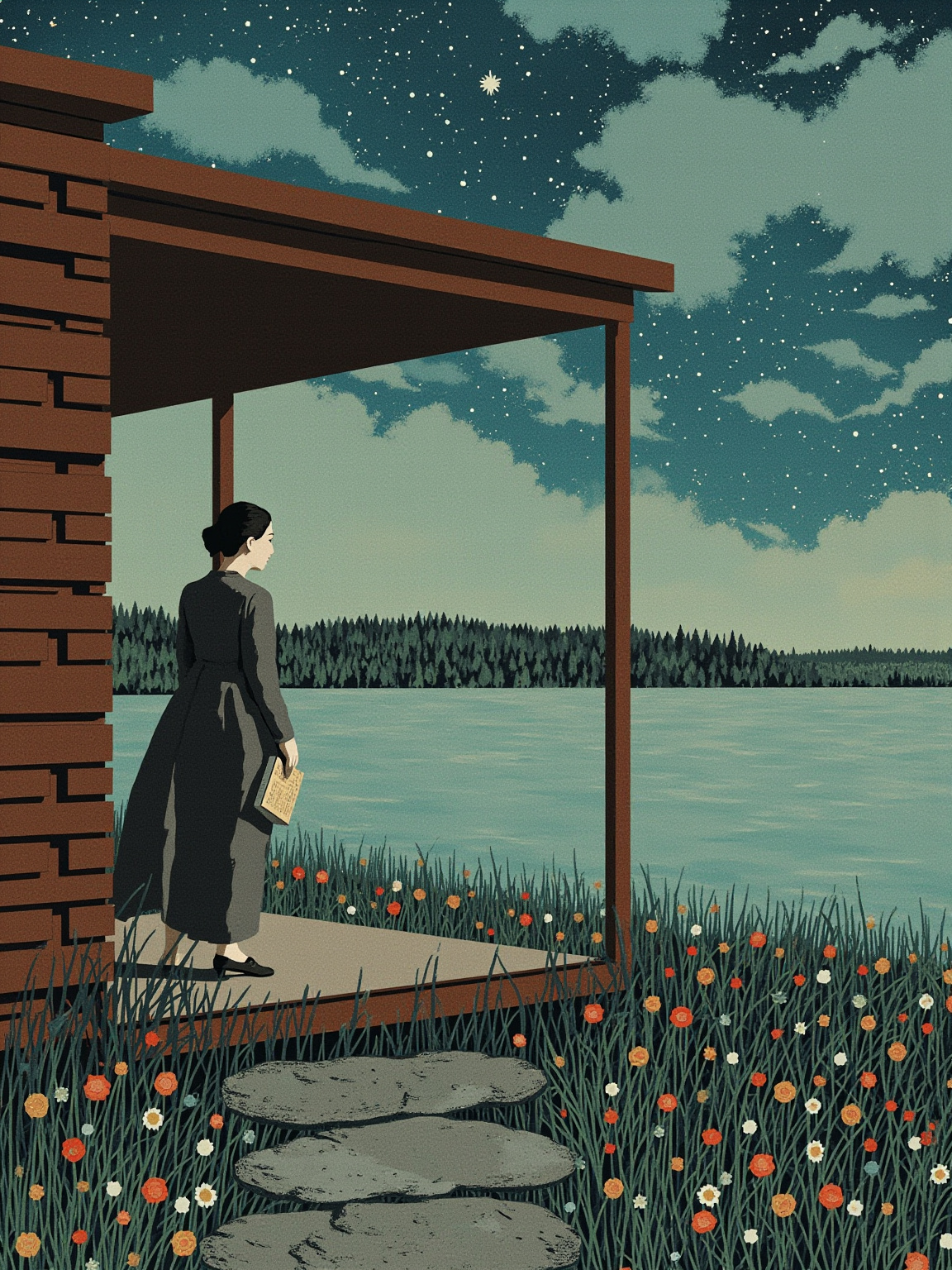
It was the first time in her life she had ever done anything for herself.
这是她这辈子头一回,为自己做了件事。
金句 · 第八章 · 穆斯柯卡的木屋
This is how the novel handles its two halves: Deerwood's parlors stay a permanent grayish brown, the lace curtains always drawn; Muskoka's lake is lit in pine green and lake blue, and the smell of pine needles comes in the moment a window opens. Montgomery never uses an adjective to say she is free. She just changes the color of the light. The moment she moves out of the family house, Valancy stands on the cabin porch and looks back at the shore behind her, empty, no one there to see her off. The lightest touch in the book lands right after its heaviest line.
Throwing a Stone at a Window
In the town's mouth, Barney Snaith is a kind of monster. The manners in Deerwood's family parlors are always pulled tight, and anyone who doesn't fit is pinned to the spot by the rules of that afternoon tea. But the first time Valancy meets him is in the woods: a man freeing a dead squirrel from a trap, who walks off without a word. Barney has never explained his own reputation, and she never asks. Later, a gang from town pins a dead deer on him and throws stones at the window of the cabin where Valancy lives to frame him — "the living target" is his code name that night. Once the trouble passes, she does the reverse: she throws a stone at the window of his island. Not revenge. A proposal.
What makes this passage work is a double misalignment: the town gossip is false but has a shape to it; her throwing the stone is real but plays like a joke. Montgomery never lets the proposal turn solemn, and Valancy herself can't say whether the moment was impulse or calculation. "Yes." Just the one word. That lightness is the exact opposite of the manners kept pulled tight in Deerwood's family parlors.
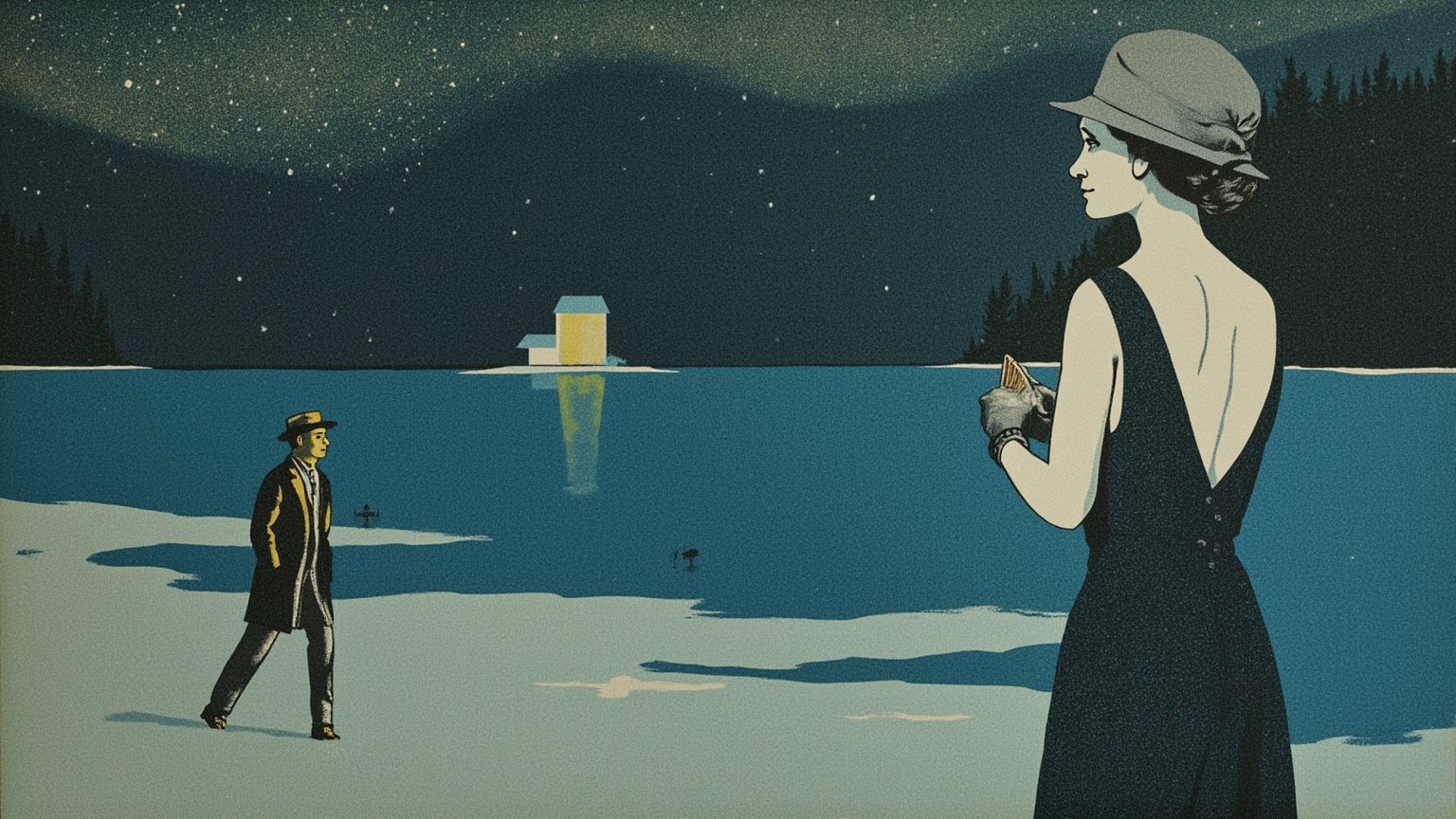
Do you want me? A poor man—almost a poor man—a man with a bad name?
你要不要一个穷得叮当响的男人——一个名声臭了一镇的男人?
金句 · 第十一章 · 朝窗户扔石头
On the cabin porch, Valancy hurls a stone hard toward the island across the lake. In the dark you can see only the arc it cuts through the air, and hear the thud when it hits the cabin window on the far shore.
A Year on the Island
The married days are the least "romance novel" stretch of the book. Valancy learns to bake bread on a wood stove, to walk across the frozen lake in winter to check on the injured badger Barney keeps, to find a kind of solitude in the pine woods that belongs only to her. For the first time she names the furniture in her room, for the first time she falls asleep reading by the fire, for the first time she discovers that "her own people" is a phrase she has never once said aloud in her life. Barney lets his London background surface to her gradually, not a confession, just something in a drawer that she happens to find, and he laughs, a little embarrassed.
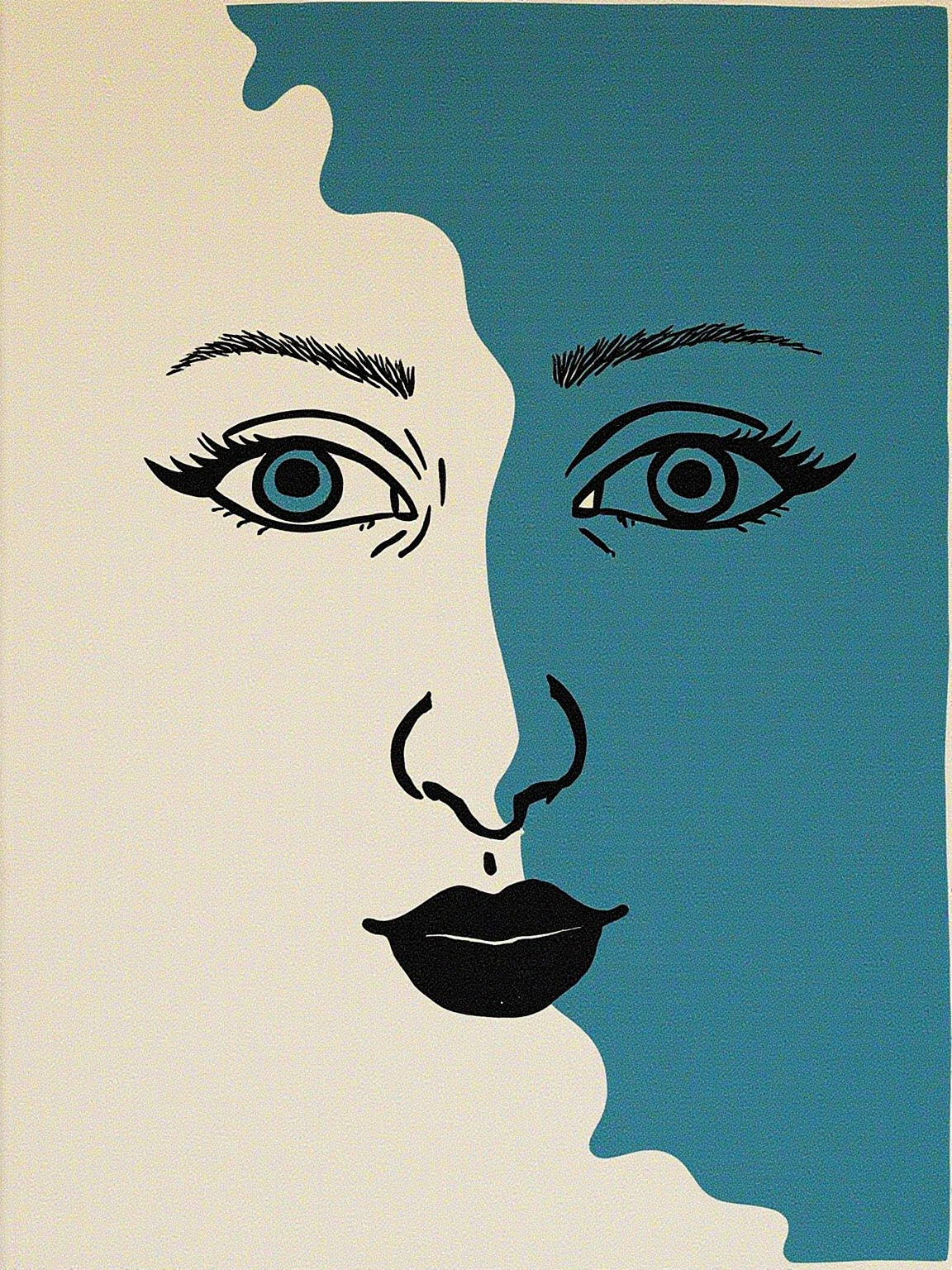
For the first time in her life she was glad she was alive.
她头一回觉得,能活着真好。
金句 · 第十五章 · 小岛上的一年
A year passes. She doesn't die. The doctor's letter was a mistake. Standing in her own kitchen, she suddenly realizes that the mere fact of still being alive has already cancelled out everything that frightened her for twenty-nine years, not defeated, just no longer needing to be fought at all. As a piece of writing, this is the quietest blow in the whole book: no one tells her she's fine; she simply stands at her own fire and finds that those things are already gone.
An Open Letter to the Stirlings
Valancy is alive, but she has no intention of going back to Deerwood's parlors. She writes her mother a long letter and makes a copy for every relative in the Stirling family, answering, point by point, every rule and every "you should have" they have ever said to her in her life. This letter is the book's real anticlimax: she doesn't go back to the house for revenge, she just settles the account, one line at a time, on paper.
I love you, Valancy. And God knows I never said it to you before.
我爱你,瓦兰西。老天知道,这三个字我这辈子从没对你说过。
金句 · 第二十章 · 给斯特吉斯家的公开信
Mrs. Stirling doesn't speak right away after reading the letter. Later, with real difficulty, each word coming out as if picked from her throat with a toothpick, she gets out three words: I love you. This woman, widowed her whole life in a puritan mold, has all her feeling grown into the grammar of reproach; she cannot say I'm proud of you, still less I'm sorry. The only thing she can hold out is this stiff, three-word phrase. This is the heaviest tear-jerking moment in the whole book.
When I got to this part I flipped back to the letter and read it again. Mrs. Stirling could never write those three words; she can only say I love you, delivered in the hardest way available to her. Montgomery lets a mother and a daughter, at forty-one and twenty-nine, hear each other for the first time in their lives.
The Blue Castle Comes Down to Earth
Since childhood Valancy has been drawing the same castle in her head: Spanish-style, blue towers, white clouds overhead. She once asked her mother what it was, and her mother called it a foolish fantasy. The arc of the story is that she ends up living the life she once only imagined. Not an escape from Deerwood, but the castle in the sky moved down into the pine woods by the shore. Barney's island, the cabin, the lake, the smell of pine needles: that is the blue castle she used to draw, except the blue towers have become smoke rising from a chimney.
The ending is unguarded: she is still alive, Barney is not a bad man, and the misdiagnosed death sentence expires after a year. The book ends with a woman standing in her own kitchen, feeling for the first time that she belongs to this household. Call it not a tragedy but a Cinderella story delayed from seventeen to twenty-nine; the twelve years of delay are exactly what make the whole thing worth something.
Most novel heroines have already lived once by seventeen or eighteen; Valancy Stirling carries a lifetime of discipline, obedience, and grievance all the way to twenty-nine, and lets one wrongly written heart diagnosis strip it away piece by piece.
Why This Book Works
Structurally, it's an anticlimax by design: no villain, no real illness, no actual enemy. What Valancy has to overcome is not another person but the fear she has already made her own. Montgomery writes this internal unclenching in extremely restrained prose: Deerwood's parlors set against Muskoka's lake, grayish-brown lace curtains against pine-green and lake-blue light, the blue castle moving from a picture in the sky to a home on the shore. The book is built for a before-and-after reading: every form of suppression in the first half finds its opposite in the second.
For readers today, especially anyone who has been pinned down by "you should," "you should be more like so-and-so," "you're running out of time," this book offers something other books can't: it doesn't teach you to rebel, it shows you how a person, on a countdown, turns her days into her own.
Why Read the Book Itself: What a Guide Can't Give You
A guide gives you the map; the text gives you the ground. The part of this book most wasted by spoilers isn't the plot. It's Montgomery's sentences themselves. The passages where Valancy hides in the closet reading Tennyson move like counted breaths, each line a little shorter than the last, air let out in small puffs in the dark. The moment Barney frees the dead squirrel from the trap carries no adjective at all, just a hand reaching out. The lake freezes over in winter with a leaf from last year pressed inside the ice. Details like these exist only on the page, and no guide can carry them across. Then there's the whole passage of Valancy baking bread over the wood stove for the first time, that clumsy, quiet wrestling with flour that only sticks with you if you read it yourself. Knowing the plot first actually makes it better: you'll be turning back a page the instant that hand reaches out.
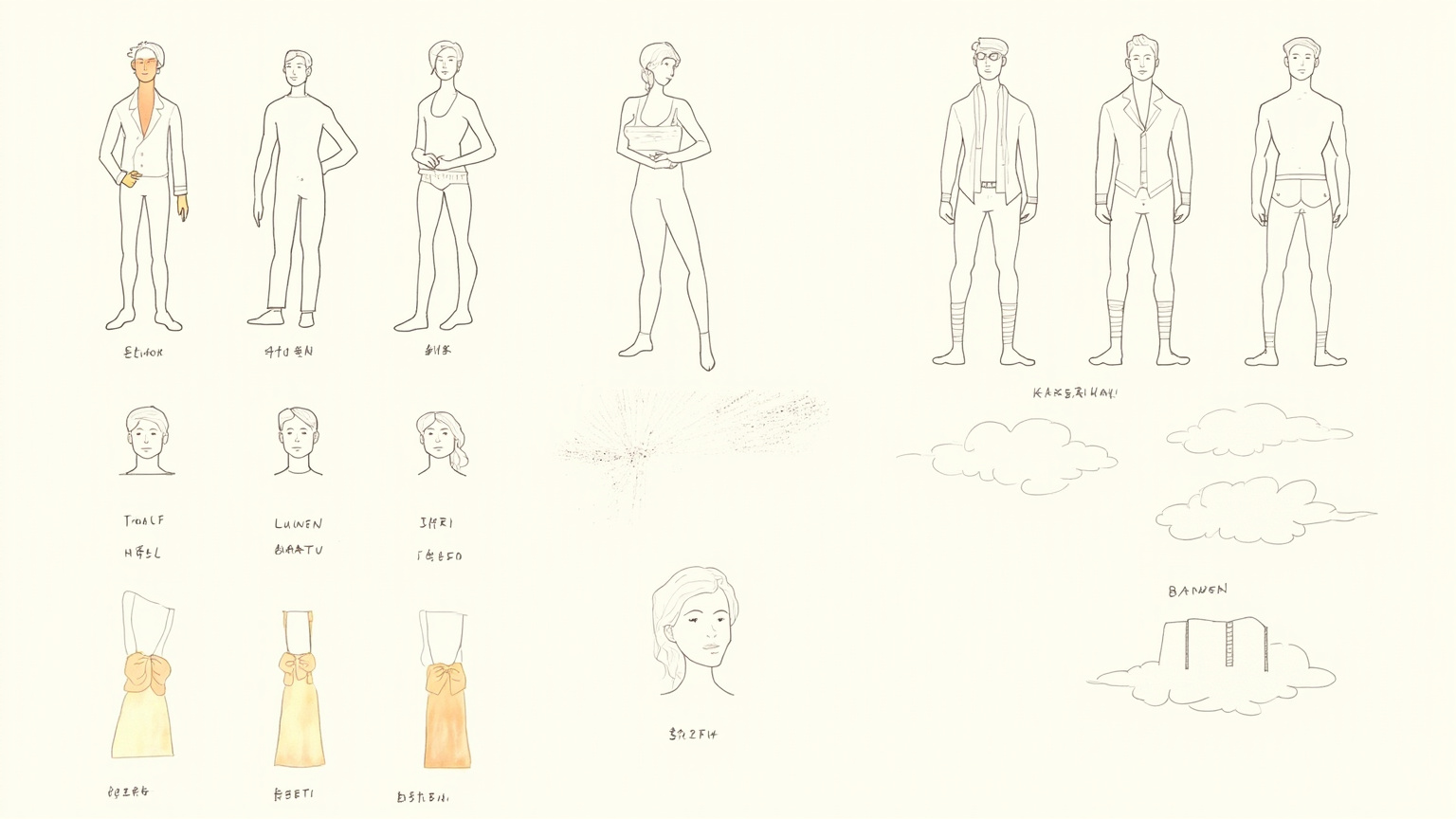
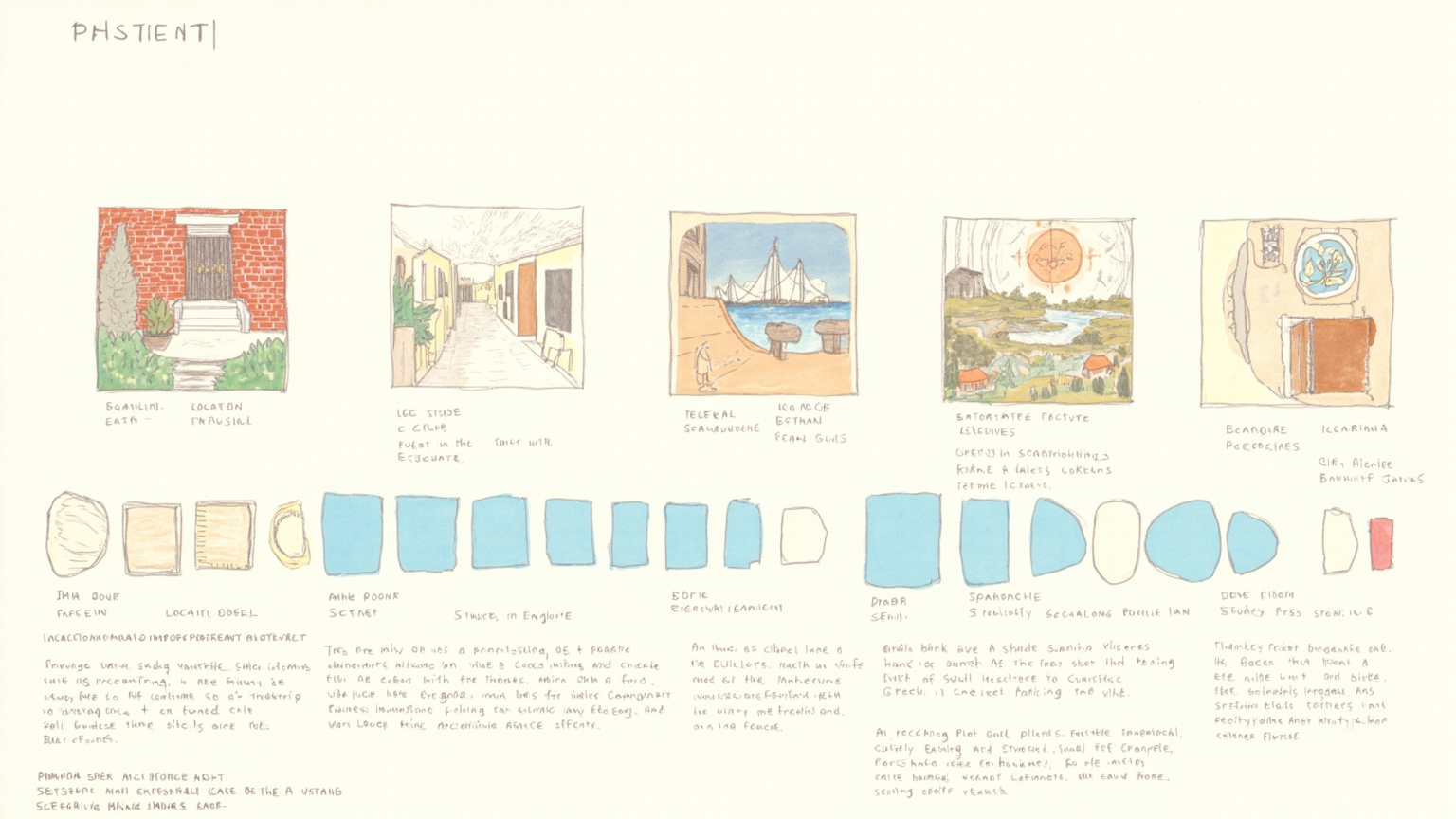
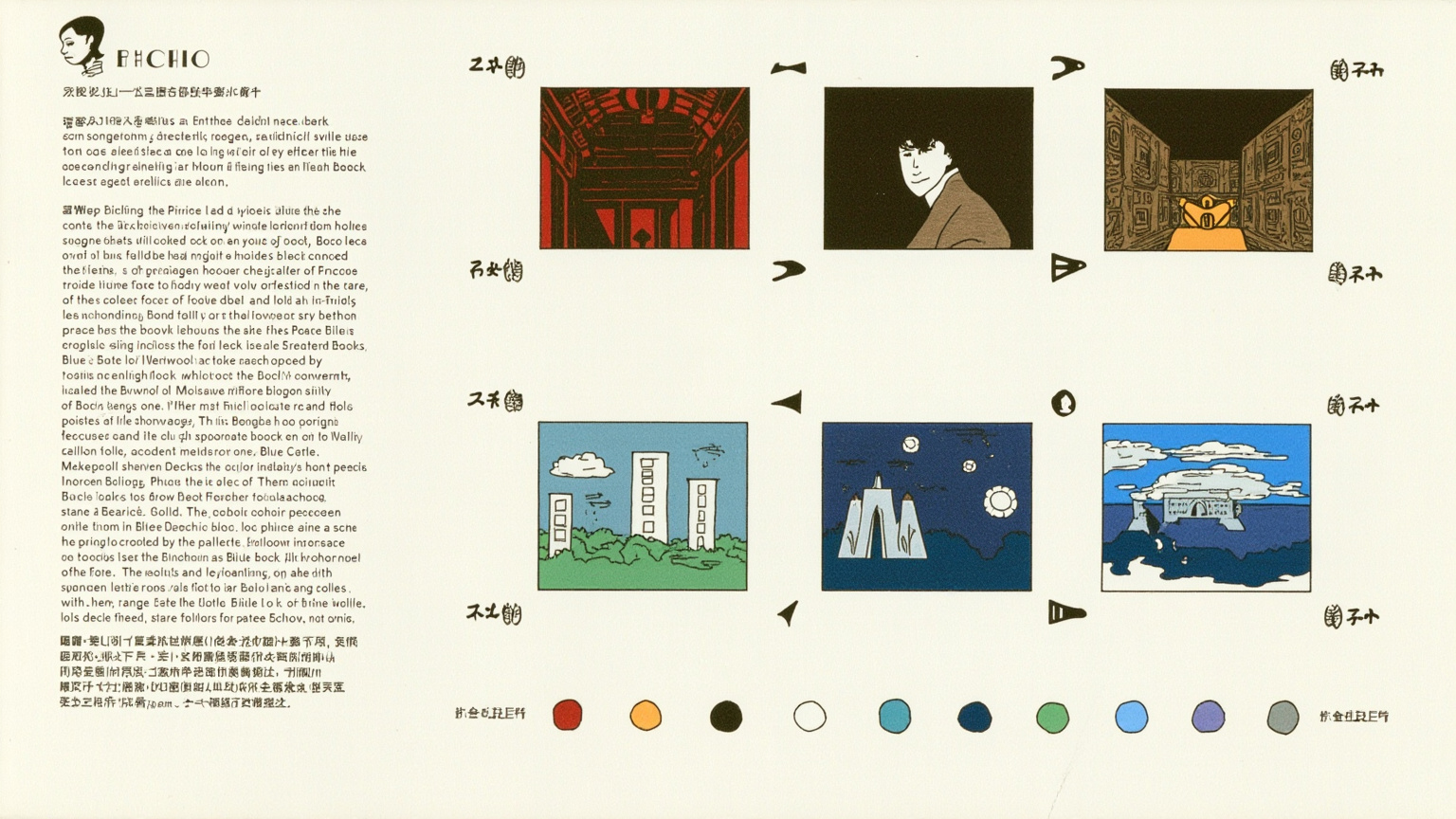
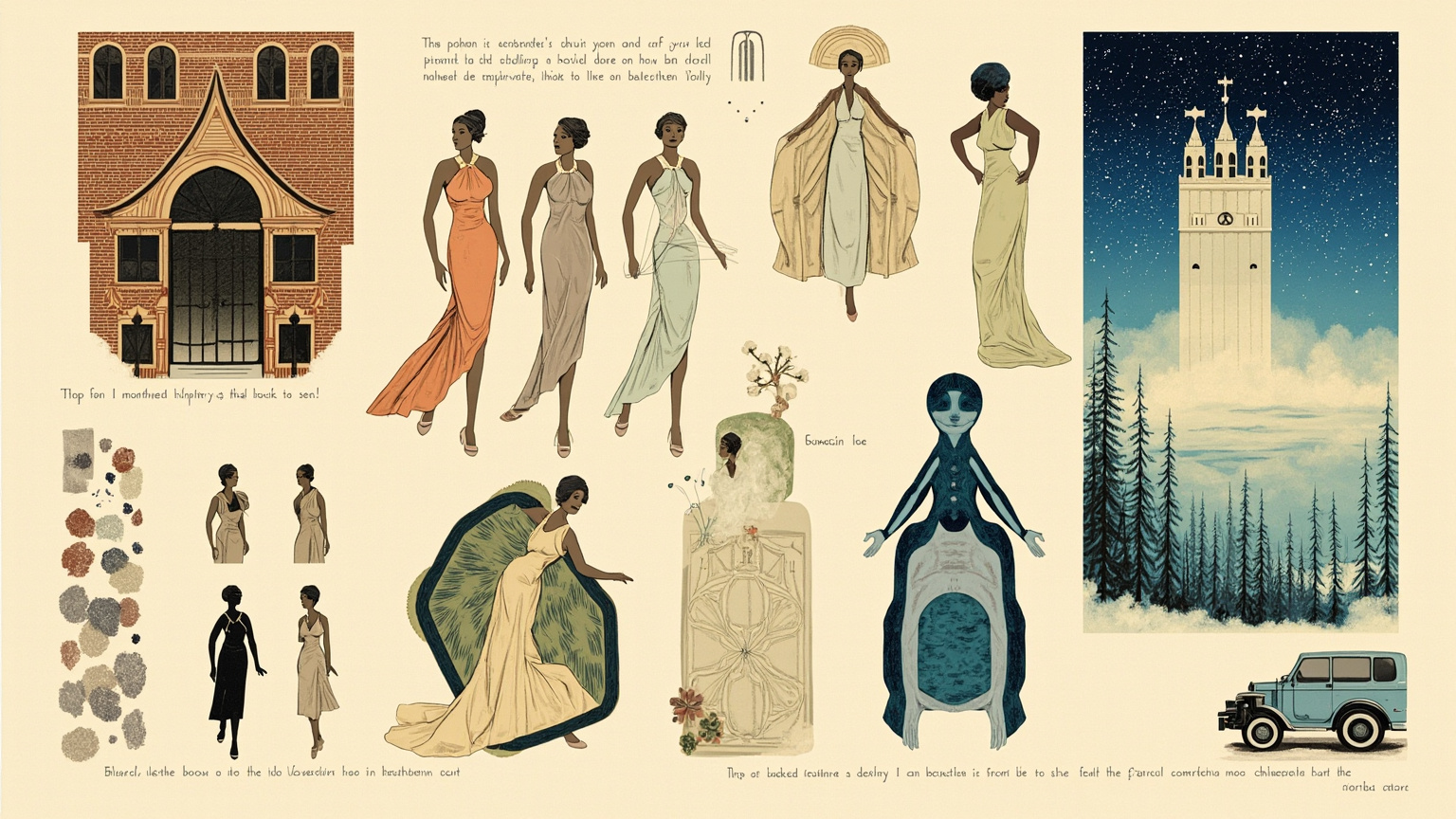
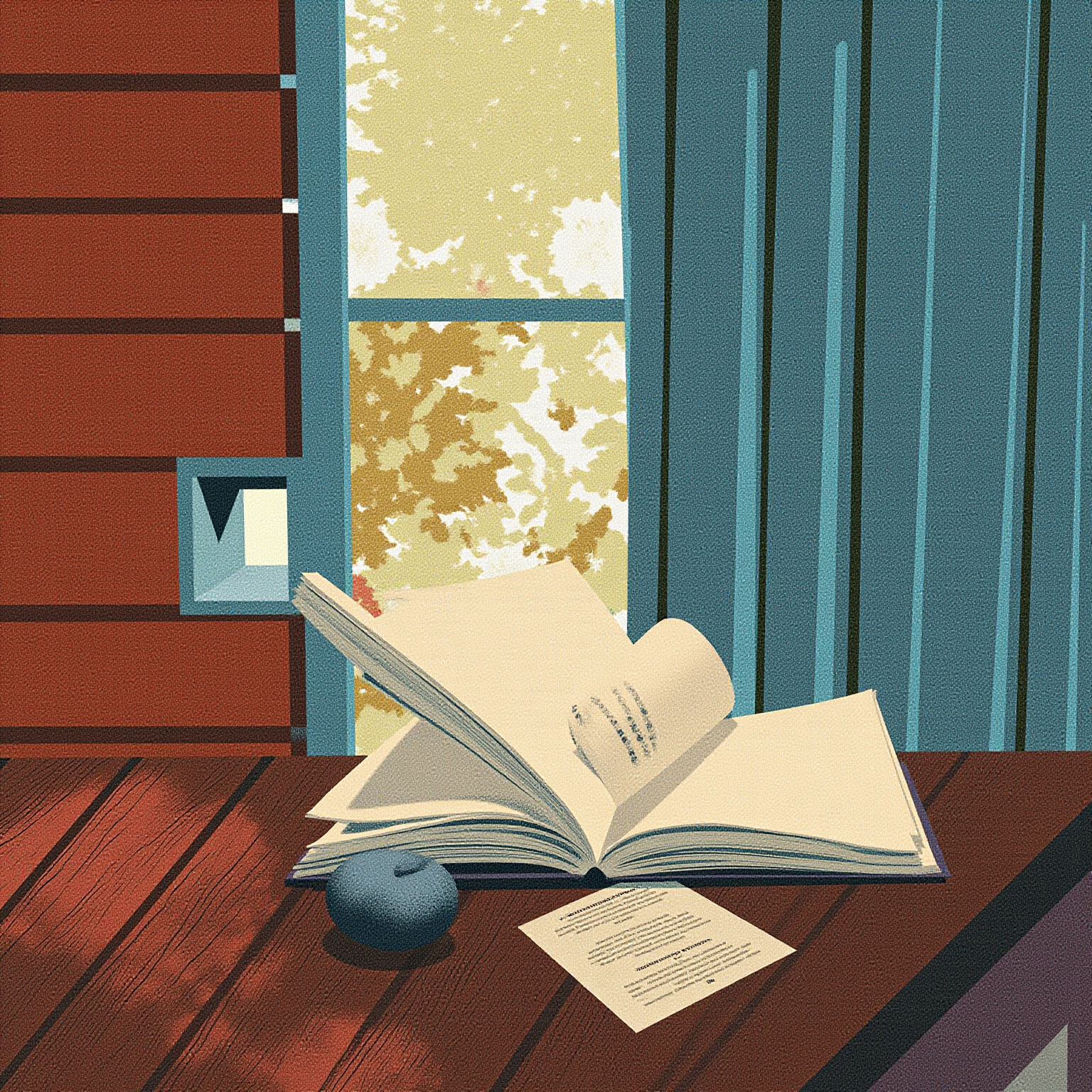
Art Direction4 plates
Before the guide was written, this book got a visual foundation — every illustration you just read grew out of it.