The Broken Commandment · Companion Guide
破戒
一个教书人的完美体面底下,藏着一道从父亲手里接过、至死也不敢说破的出身。
The opening: a snowy night, a brazier, and a name that cannot be spoken
The oil lamp cast half his face in light and half in shadow. Segawa Chūshū shoved the letter back into the drawer, his palms still damp. Outside the teachers' dormitory, snow blanketed Iiyama in Shinano—deep enough to reach his calves when he stepped into it. He was just past twenty and had already taught at this elementary school for a few years. His colleagues thought him steady, his students found him warm, the principal thought him beyond reproach. But he knew that every day he walked on ice—that crack that could open at any moment was called his origin.
He had never told anyone about this. His father had given him a commandment from childhood: speak of it, and society would cast him out. He obeyed—for over twenty years, living like a wall without a single crack. But inside that wall dwelt someone who could be exposed at any moment. This book is about how that wall cracks.
What This Book Is
The Taboo, published by Fujimura Toson in 1906, is one of the founding works of Japanese naturalism and the most frequently discussed coming-of-age novel of the Meiji era. It is remembered not for its bizarre plot but for turning a secret that society had pressed down into someone's throat into a pain everyone could feel.
In that era, Japanese letters were shifting from romanticism to naturalism—writing that clung to the skin. No more heroes and legends; instead, writing about how an ordinary person gets crushed by their own circumstances. Fujimura's novel arrived at exactly this turning point, cramming identity, shame, the dignity of an educator, all into a young teacher's body. It later earned lavish praise from Natsume Sōseki and became an unavoidable starting point for later discussions of "writing by the discriminated."
Characters and World
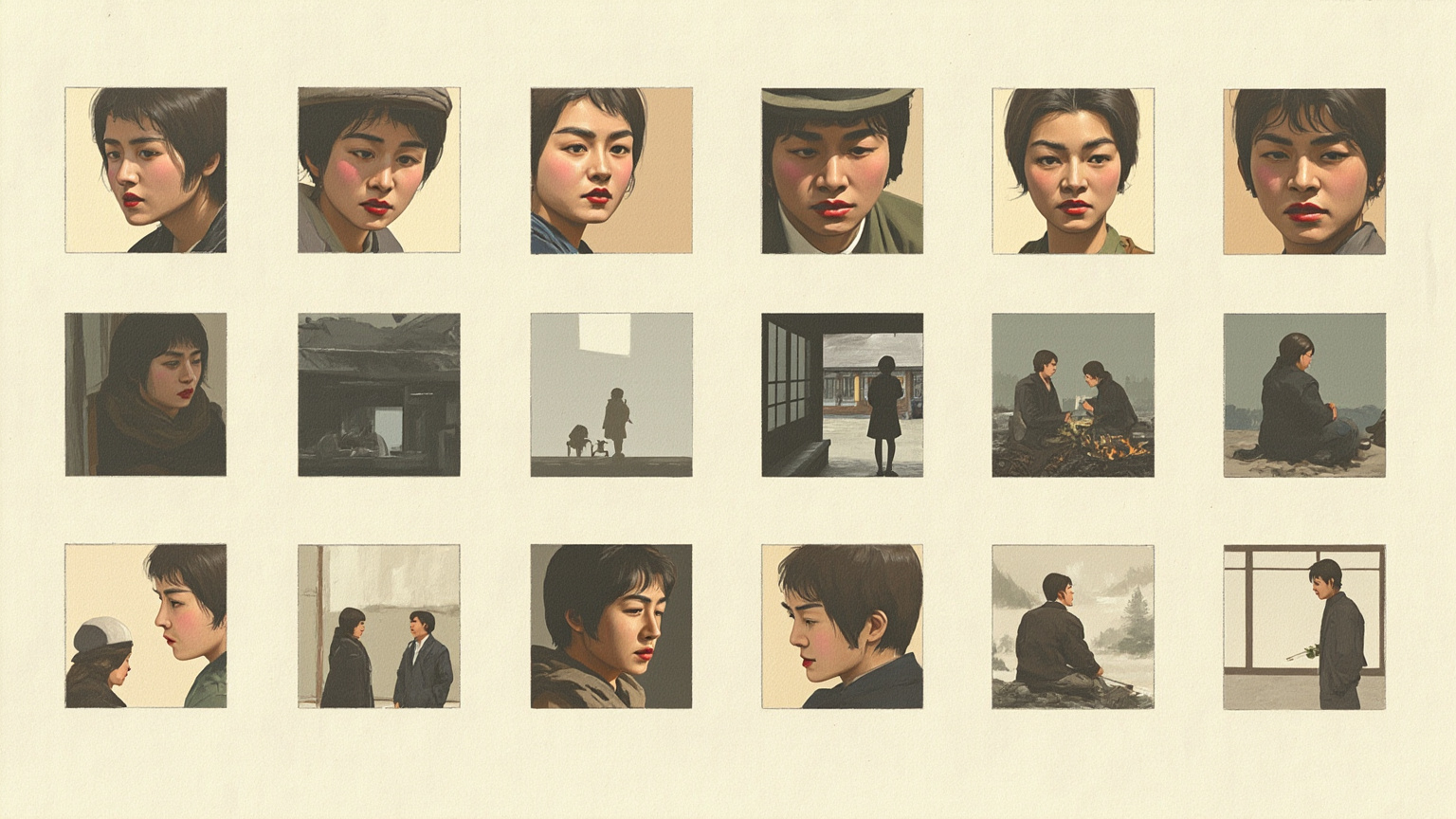
The protagonist, Segawa Chūshū, is a young teacher at Iiyama Elementary School in Shinano Province, in his early twenties, gentle and self-disciplined—the kind of person his colleagues think "has no flaws." But he carries an invisible scar: he comes from a group excluded by mainstream society, and his father warned him from childhood—once this is spoken, his job, his friends, his place in the world will all be gone. So he lives as a model, a model so perfect he almost believes it himself.
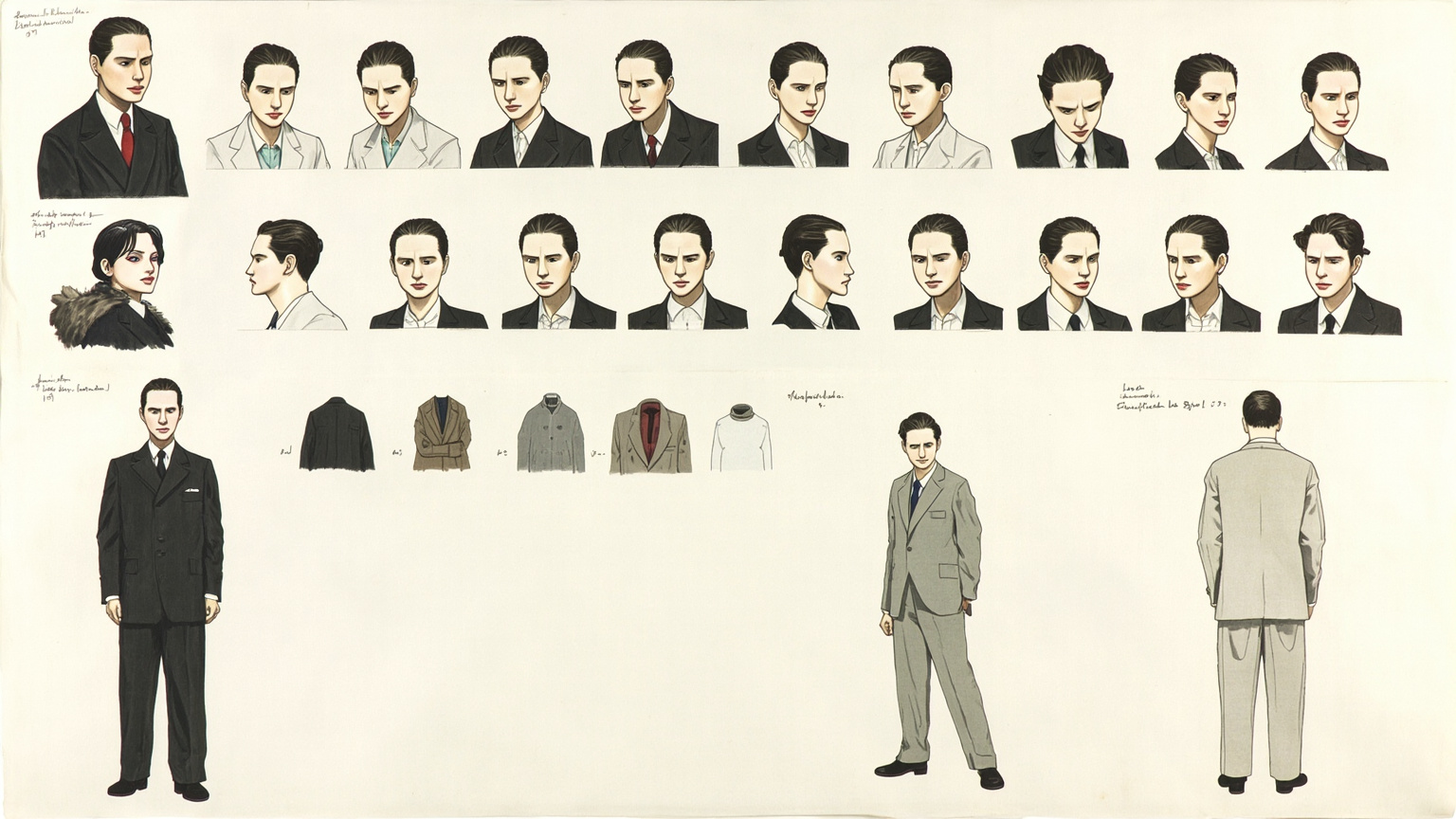
Inoko Rentarō came from the same place, but he chose the opposite road. He wrote novels, gave lectures, made his own origin his banner in public, and became a champion of the new thinking. In Ushimatsu's mind, he was the kind of man one wanted to become: open, free, sharp as a blade. Ushimatsu's colleague Tsuchiya Ginnosuke made a different contrast. He did not grasp Ushimatsu's situation, but he stood by him with plain, unpretentious decency, so that one knew the world was not all judgment.
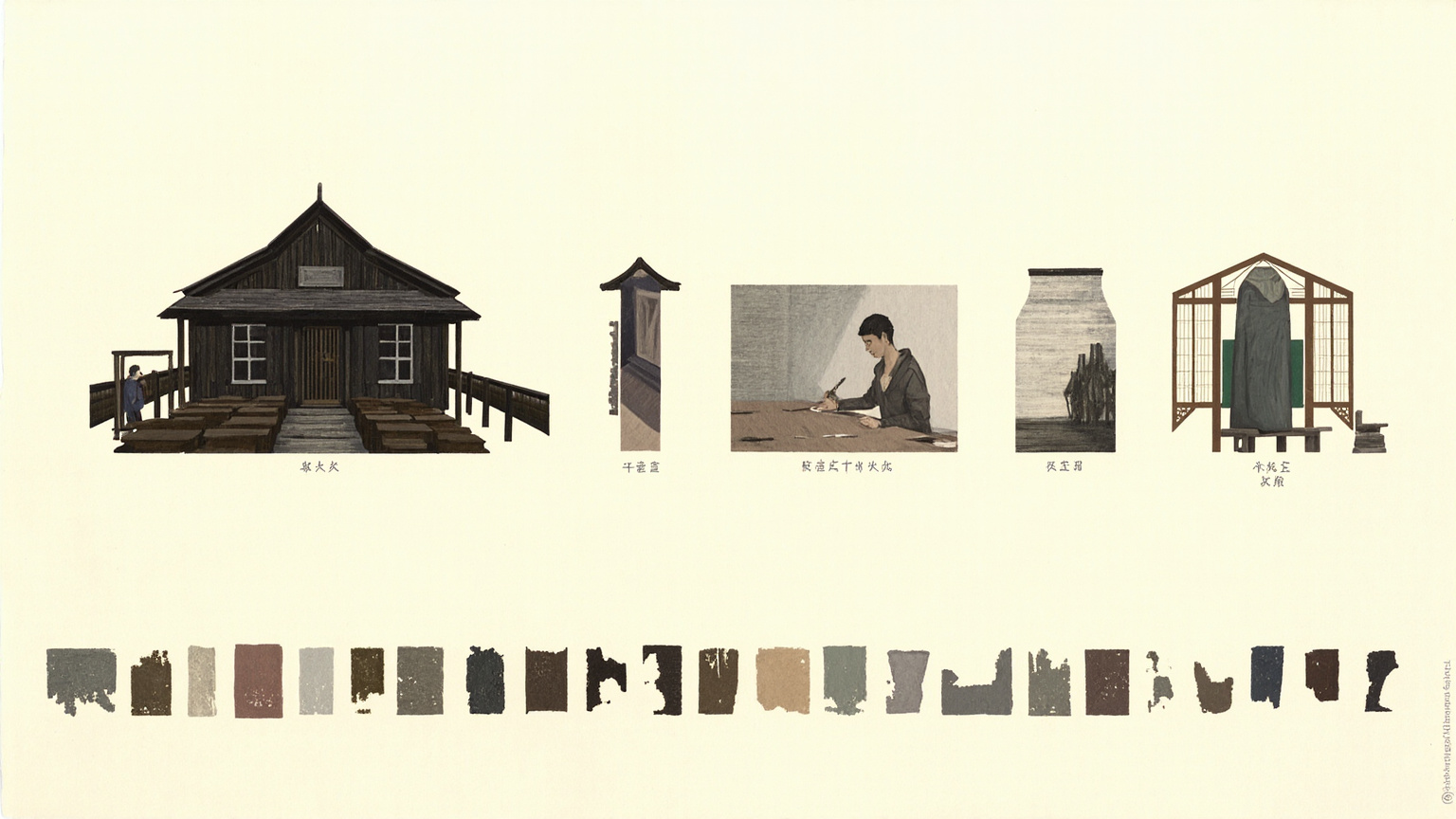
The story is set in Iiyama, in Shinano, in the early 1900s. A wooden elementary schoolhouse. The long corridors of a temple. A bridge over the Chikuma River. A teacher's dormitory with a charcoal brazier burning. The snow falls for months at a stretch. This world holds an unwritten iron law for its teachers: a schoolmaster must be morally perfect, and any stain on his person, especially his origins, once exposed, ruins him in an instant. Ushimatsu lived at the dead center of that law.
The Story's Path
1. A Snow-Country Teacher's Double Life
Ushimatsu's days were cut in two. During the day he stood at the lectern and taught children to read; after class he took tea with the principal and his colleagues, his speech genteel, his bearing beyond reproach. At night he returned to the dormitory, sat beside the brazier, and listened to his own heartbeat. Every time someone asked where he was from, what his family did for a living, he had a few seconds to invent a story — and after a while he could barely tell, himself, which parts were true and which were shell.
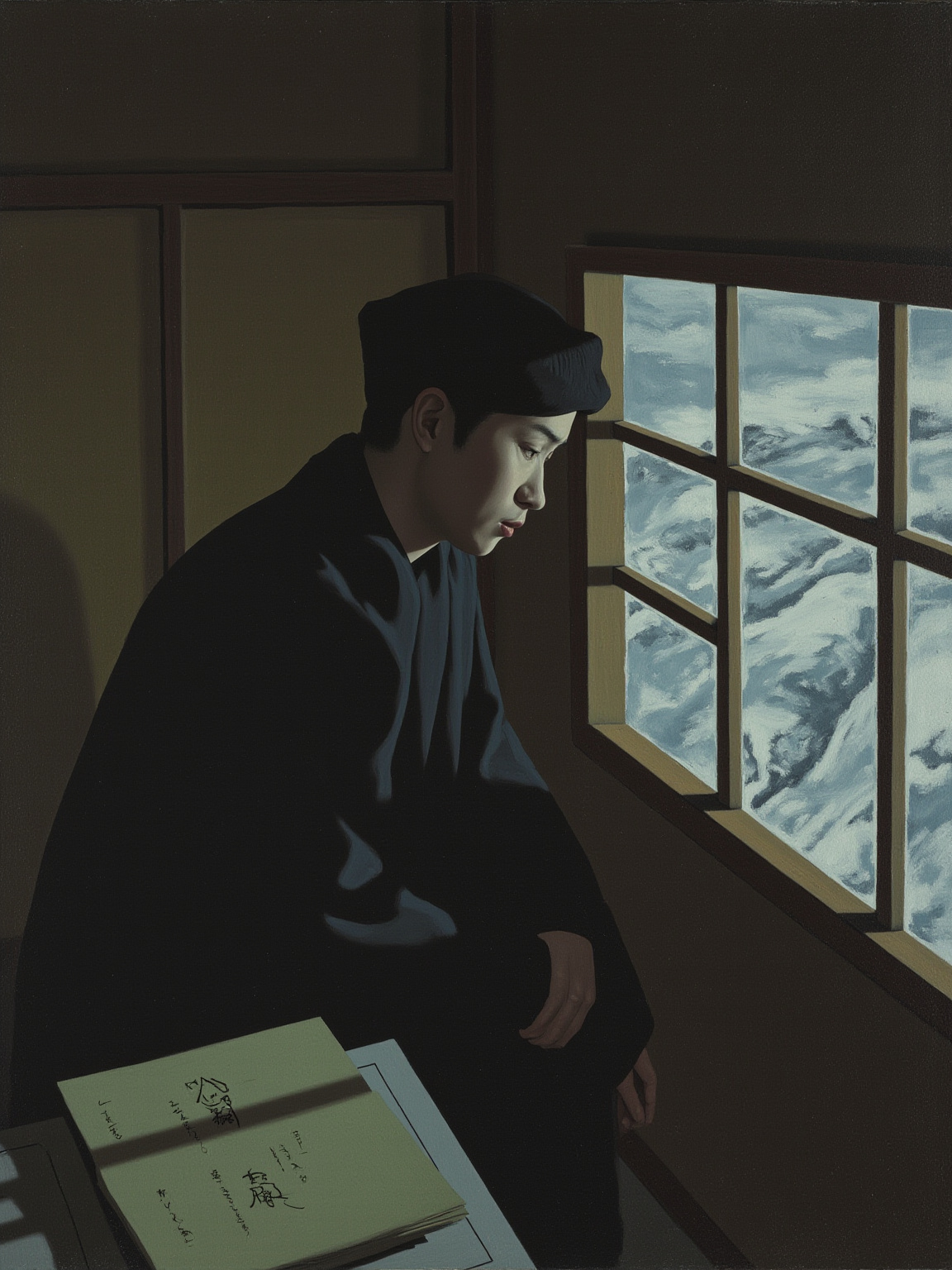
He had worn his secret like a second skin, and now the cold of Shinano worked its way through every seam.
他把那个秘密披在身上当作第二层皮,可信州的寒气一针一针,正从每一条缝里钻进来。
金句 · 序章 · 雪夜教员宿舍
2. A Book Cracks the Shell
Ushimatsu happened on a work by Inoko Rentarō. The same origin, and yet that man had stood at a lectern, stood in the pages of a newspaper, written his own name out in plain sight. For the first time Ushimatsu saw the outline of another way to live: it was not necessary to hide, forever. To admit who one was could be heard. He sat a long while in the dormitory. A piece of charcoal in the brazier shifted and crumbled with a small dry sound — and something inside him went down with it.
3. Silent Verdicts in the Schoolyard
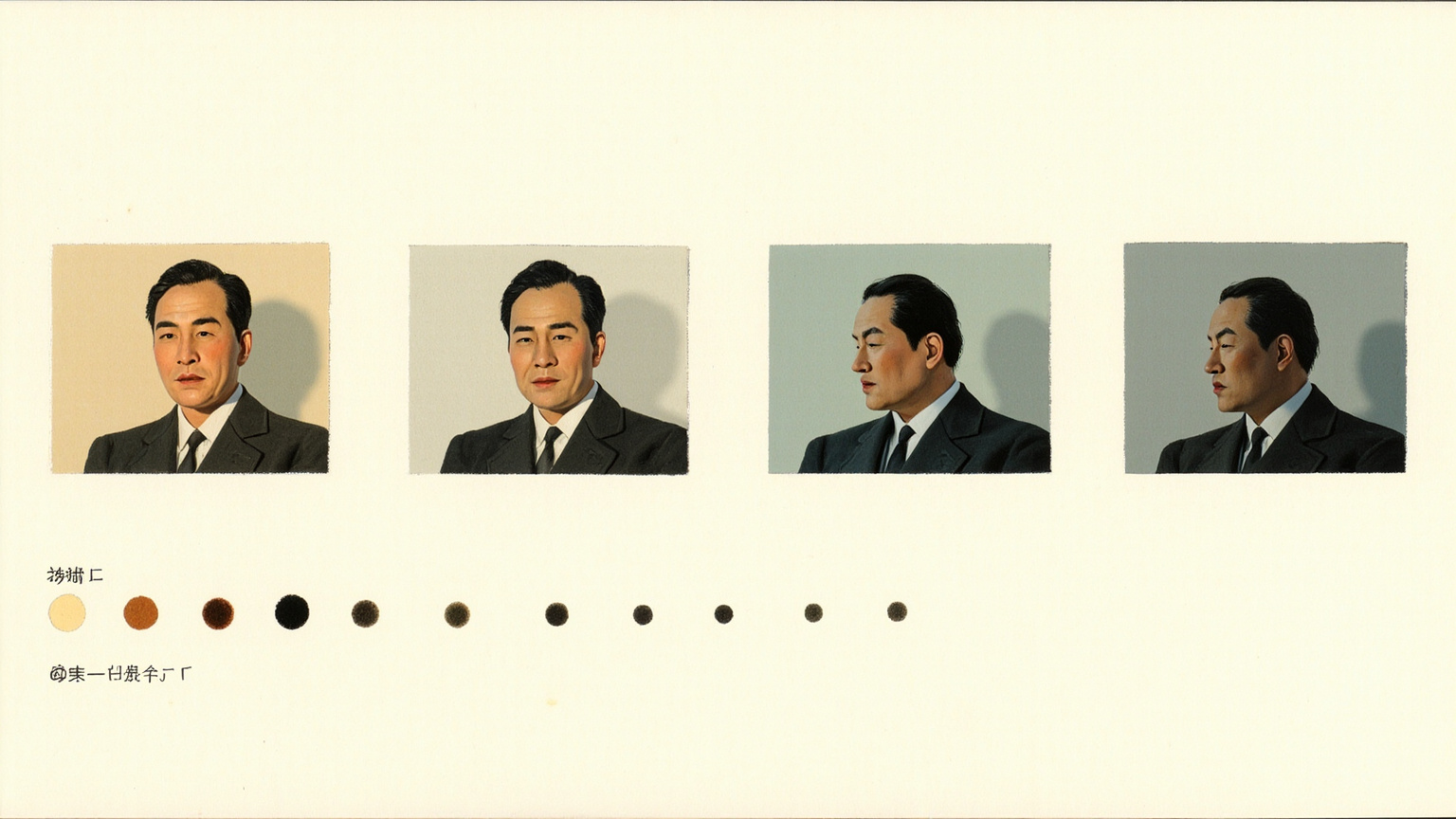
The principal is the embodiment of the Meiji educational system: a Western waistcoat, a snow-white shirt, a face that never smiles. He isn't a villain. He is the rules, and the rules say a teacher must be beyond reproach. So he begins to watch Kongen with a politeness that runs cold — checking his family register, his lineage, his father's work. Colleagues whisper too, like footprints slowly closing in across fresh snow. Kongen has done nothing wrong. But the slow dread of being found out weighs heavier than any mistake could.
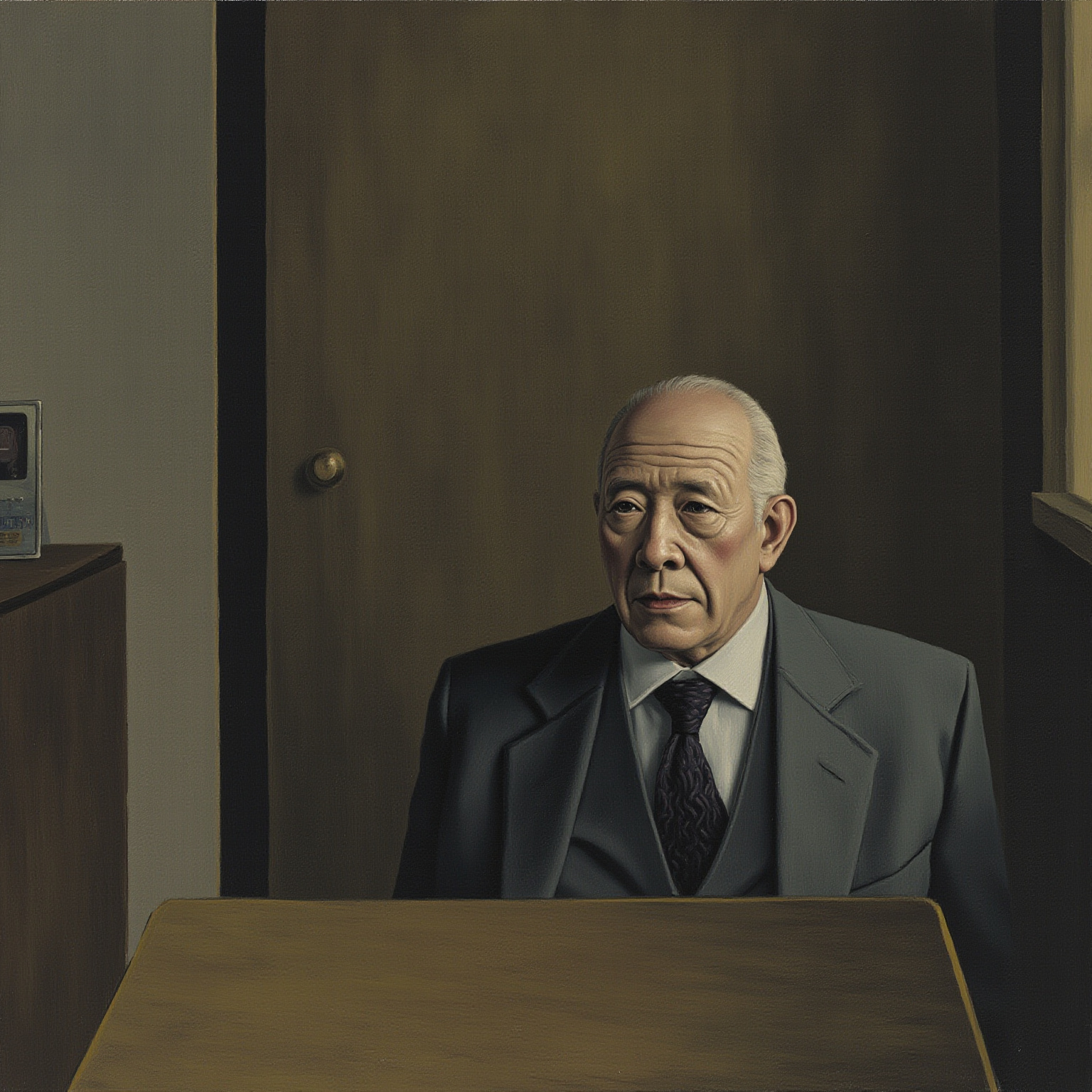
The headmaster's gaze was not unkind — it was the gaze of a system that asked him to be spotless.
校长的目光并不凶——那是一种体制的目光,要求他必须无可指摘。
金句 · 第六章 · 无声的审判
4. The Death of His Father, the Last Warning
The word comes down from the mountains: his father is dead. Kongen hurries back to find a modest hill farm, and a man who carried his son's secret to the grave. On his deathbed the old man sends word, repeating it over and over — Never speak of it. He isn't passing on a shackle. He is passing on protection, bought with a lifetime, against the day his son opens his mouth and gets trampled into the mud the same way he was. But kneeling at the coffin, Kongen understands it for the first time: this protection has itself become the heaviest weight he carries.
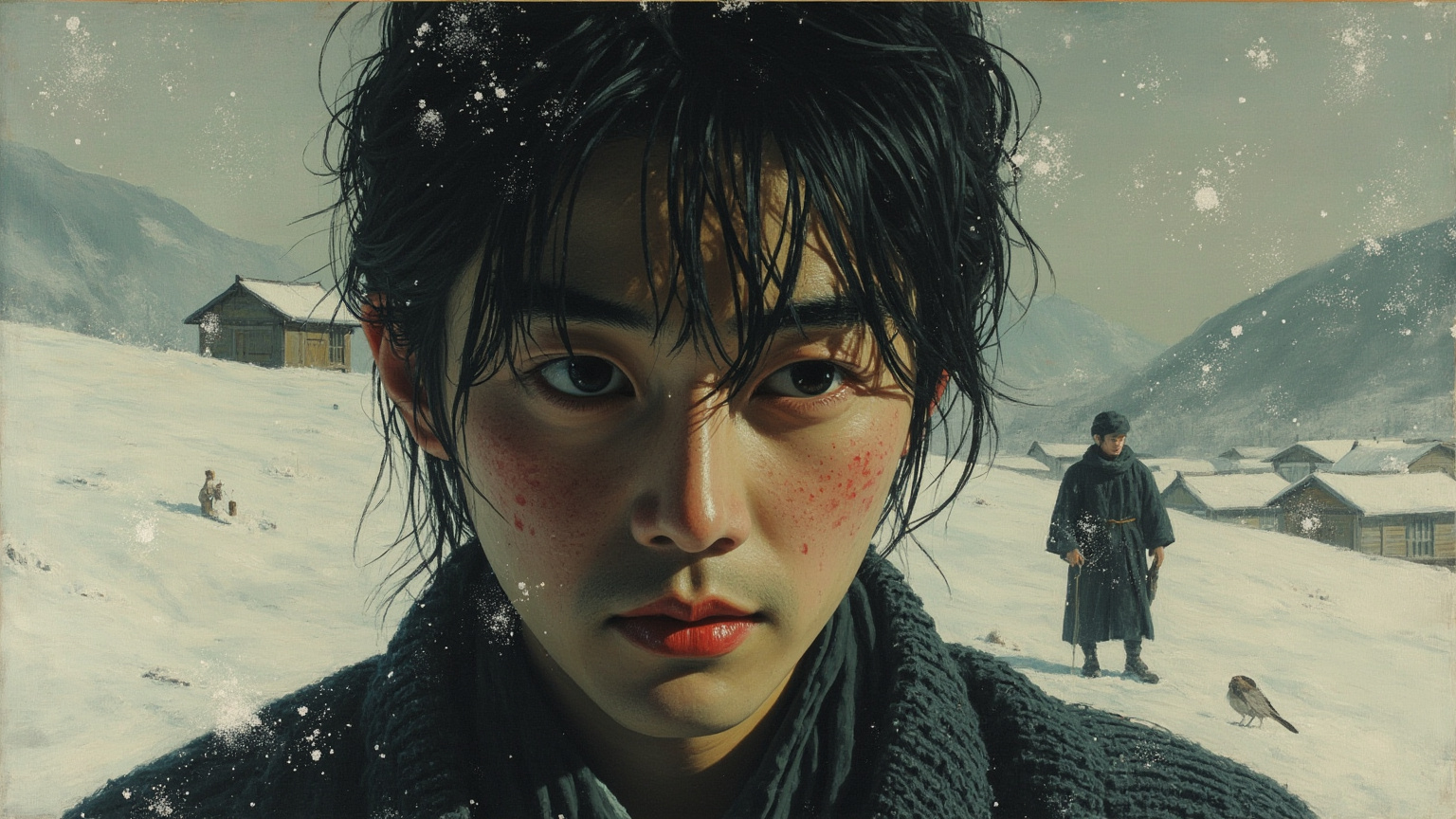
His father died still whispering the one word that had bound his son for a lifetime.
父亲咽气前还在念叨——那句话绑了他一辈子,到死也没松手。
金句 · 第十九章 · 山中丧父
5. The Death of His Model, and His Own Awakening
Before the mourning for his father is done, worse news comes from the city: Inoko Rentarō has been assassinated by his political enemies. The man who dared to speak the truth, the man Kongen had quietly wanted to become, has fallen on his own courage. That night, Kongen sits alone in his dormitory until dawn. The hibachi went cold hours ago, and the oil lamp is out. Through the window, the sky is brightening by slow degrees. And something inside him that has been pressed down for years loosens instead — if even his model could not live to see the light, then he, at least, must live once for himself.
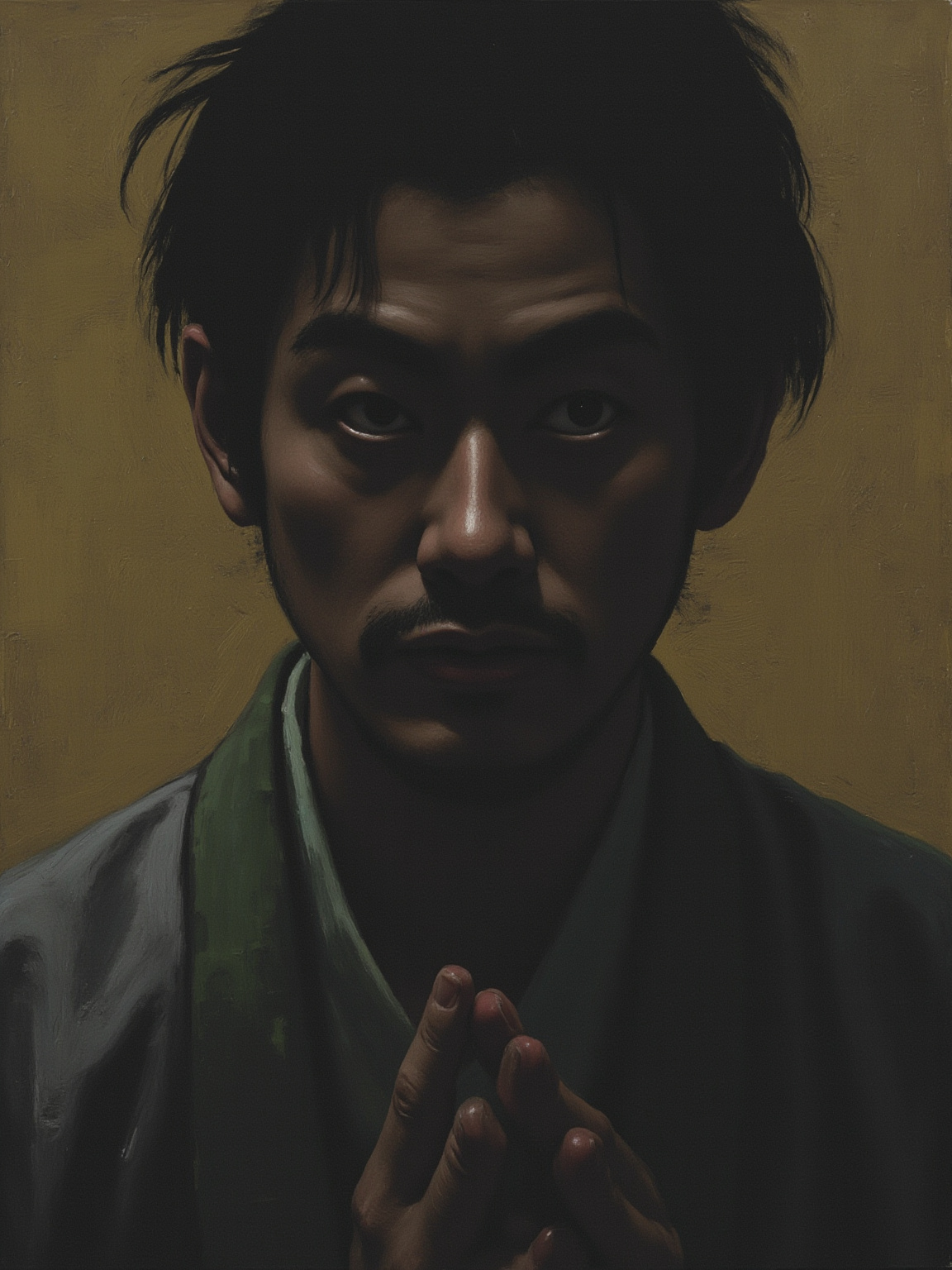
The man who had dared to speak lay dead, and the silence he left behind grew suddenly unbearable.
敢说实话的人倒下了,他留下的那片沉默,忽然变得无法忍受。
金句 · 第二十二章 · 猪子之死
6. Breaking the Vow in the Classroom
The next day he steps up to the platform. The students sit in their usual rows, watching him with that trusting, clean gaze. Kongen opens his mouth, and what comes out is not the textbook. For the first time in his life, he says it himself, out loud: the thing he has been hiding since the day he was born. The classroom goes very still. Snow is still falling. It is the worst thing a teacher can do, and the most honest thing a man can do. Using the virtue he prizes above all — sincerity — he has broken, with his own hands, the rule of being beyond reproach. In this moment he loses his standing as a teacher. And at last, he stops being a man built on a lie.
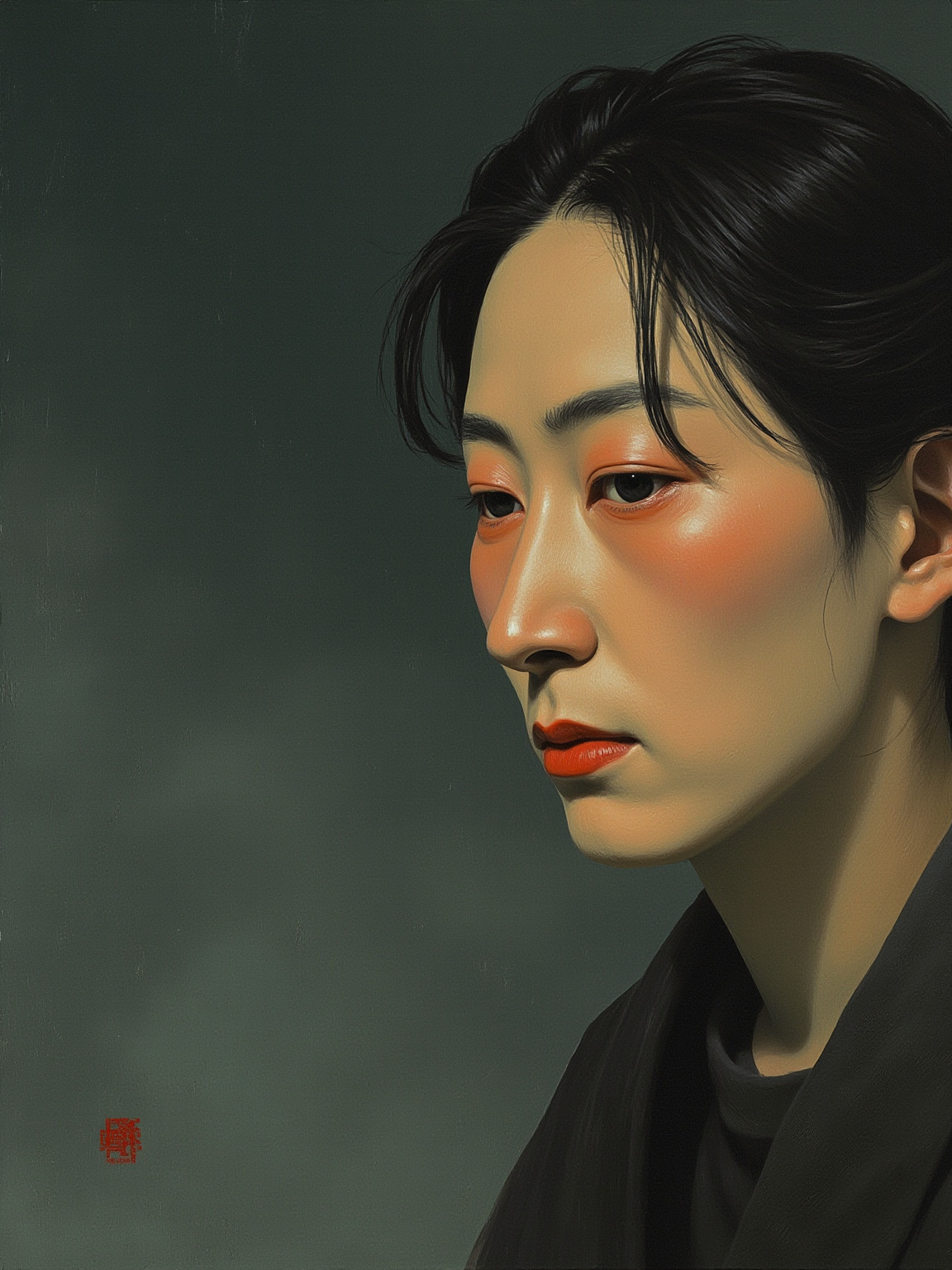
For the first time, he stood before his pupils and told the truth — and the snow outside did not stop falling.
他第一次在学生面前说出真话——窗外的雪,一刻也没有停。
金句 · 第二十七章 · 教室破戒
7. Losing His Post, Becoming a Person Again
The principal and the school decided quickly: he was no longer fit to teach. Ushimatsu did not argue, did not plead; he calmly saw through the paperwork of leaving. He returned the books, said his goodbyes. He left with Inoko Rentarō's daughter Shiho, both of them shadowed by the same darkness, leaning on each other, bound for a place where no one knew them. He lost his profession but took his name back. That is not a tragic ending; it is a man pried open from the inside, walking out with his spine straight for the first time in his life.
Theme and Method
On the surface, Hakai looks like a book about someone in an exceptional situation; underneath, it is about the unspeakable place anyone might carry in themselves. The father's commandment looks exactly like the "don't let anyone know" we were taught as children — don't let anyone know you were once poor, don't let anyone know something shameful happened in your family, don't let anyone know you are not quite presentable. Toson places these private pains at the center of a stage as wide as a snowfield. You can no longer pretend not to see.
In craft, the novel treats the interior as the main battlefield. The confessional fiction that came later simply sticks close to a single character murmuring to himself; Toson pairs each of Ushimatsu's concealments with a corresponding pressure from outside — the principal's gaze, a piece of news in the paper, the report of a death from the mountains. Inner and outer, grinding against each other, until the man finally speaks. This structure still has the sting of lived experience for readers a century on, because it is about the mechanism, not the exception.
It is not the precept that breaks. It is the skin one puts on in order to survive.
Why Read It Today
Reading it is not for learning history. We are still surrounded today by countless "Ushimatsus" — those who paper over a gap in the résumé, who hide a chapter of the past behind polished speech, who trade an unimpeachable posture for an entrance ticket no one will question. The cost of that posture is what this book rips open.
Reasons to Read the Novel
An explainer can tell you that he confessed, that he resigned, that he left. But it cannot give you Tōson's snow. The Shinano snow of 1900, falling on the eaves of a wooden schoolhouse, melting into droplets that drip and fall, each one counting off the seconds for you. Nor can it convey the shifts in Ushimatsu's body temperature as he sits by the hibachi, still wavering: hot in the early pages, cold a few pages later, warm again after that. That fine physiological rhythm exists only in the full text. And then there is the father's dying words — why they could break Ushimatsu's heart and choke him at once. That knotted pull is something any retelling would press flat. Knowing the ending before you start, though, only sharpens your ear for the sounds pressed beneath the words.
Art Direction4 plates
Before the guide was written, this book got a visual foundation — every illustration you just read grew out of it.