The Dancing Girl (Maihime) · Companion Guide
舞姬
一个看清代价的人,仍把笔尖落向体制那侧——马赛甲板上的忏悔,是写给自己的判决。
Opening
A letter is making its way across the Mediterranean, somewhere off Marseille. At the bow of the ship sits a Japanese man in a Western suit, holding a telegram that has just reached him from Berlin — two lines, no more. He doesn't open it for anyone to read, and he doesn't cry. He simply turns back to a page in the diary he had been keeping for days, and adds a few more lines in the margin with his pen. Those few added lines would become the opening work of modern Japanese literature.
A thin ten thousand words, remembered for a hundred and thirty years
The Dancing Girl appeared in 1890 in the magazine Kokumin no Tomo. Its author, Mori Ōgai — born Mori Rintarō in the 1860s — was not yet thirty when he wrote it. At a little over ten thousand words, it would count as a novella today, but it earns a place in every generation of Japanese high school textbooks for one reason: it was the first time modern Japanese fiction laid conscience and the state side by side, in the open, with nothing softened. The story follows a young man sent abroad during the Meiji Restoration to be polished into something useful for the state, who falls in love with a dancer in Berlin and then, with his own hand, discards her. The man who wrote it was that student himself.
The real opponent was never out there. The pen that judges Toyotarō is his own.
Who is who, and what everyone wants
Toyotarō Ōta, the protagonist, comes from a well-placed Japanese family and is sent to Berlin on the Meiji government's money to study law, with philosophy and aesthetics on the side. He arrives an arrogant young man who looks down on Germans and calls them barbarians without thinking twice. By the end he is both the accused and the judge — the whole book is the confession he writes in his own hand. Elise is a Berlin dancer whose mother takes in laundry; poverty and a vicious colleague at the theater have backed her into a corner. Toyotarō pulls her out of that life, and she gives him everything in return. Count Amakata, the Japanese minister to Germany, is Toyotarō's superior and can decide his return to Japan with a single word. Aizawa Kenkichi, a fellow countryman at the legation, is sent to talk sense into him, arrange his marriage, and put the ship ticket in his hand — a man who plays by the rules, not a villain. And there is Countess Amakata, who never once appears on the page, a daughter of a Tokyo noble family, lined up to marry Toyotarō once he 'corrects his course.'
How the plot moves
The story begins backstage at a theater near Unter den Linden in Berlin. Toyotarō finishes his official business for the day, drops in to see the show, and slips backstage afterward, where a dancer named Elise bumps into him. She is not like the other girls: they flutter their eyes at a well-dressed foreign customer like him; she doesn't. After her dance she stands alone, like a dove gone cold. Toyotarō later helps free her from a colleague's harassment, and one snowy night, as the two of them leave the theater, her scarf slips onto the cobblestones. He picks it up and puts it back in her hands. This is the moment he returns to again and again in his memoir, the moment he marks as the start of his 'spiritual love.' A proud young man from the East decides to 'save' a poor, ailing girl from the West.
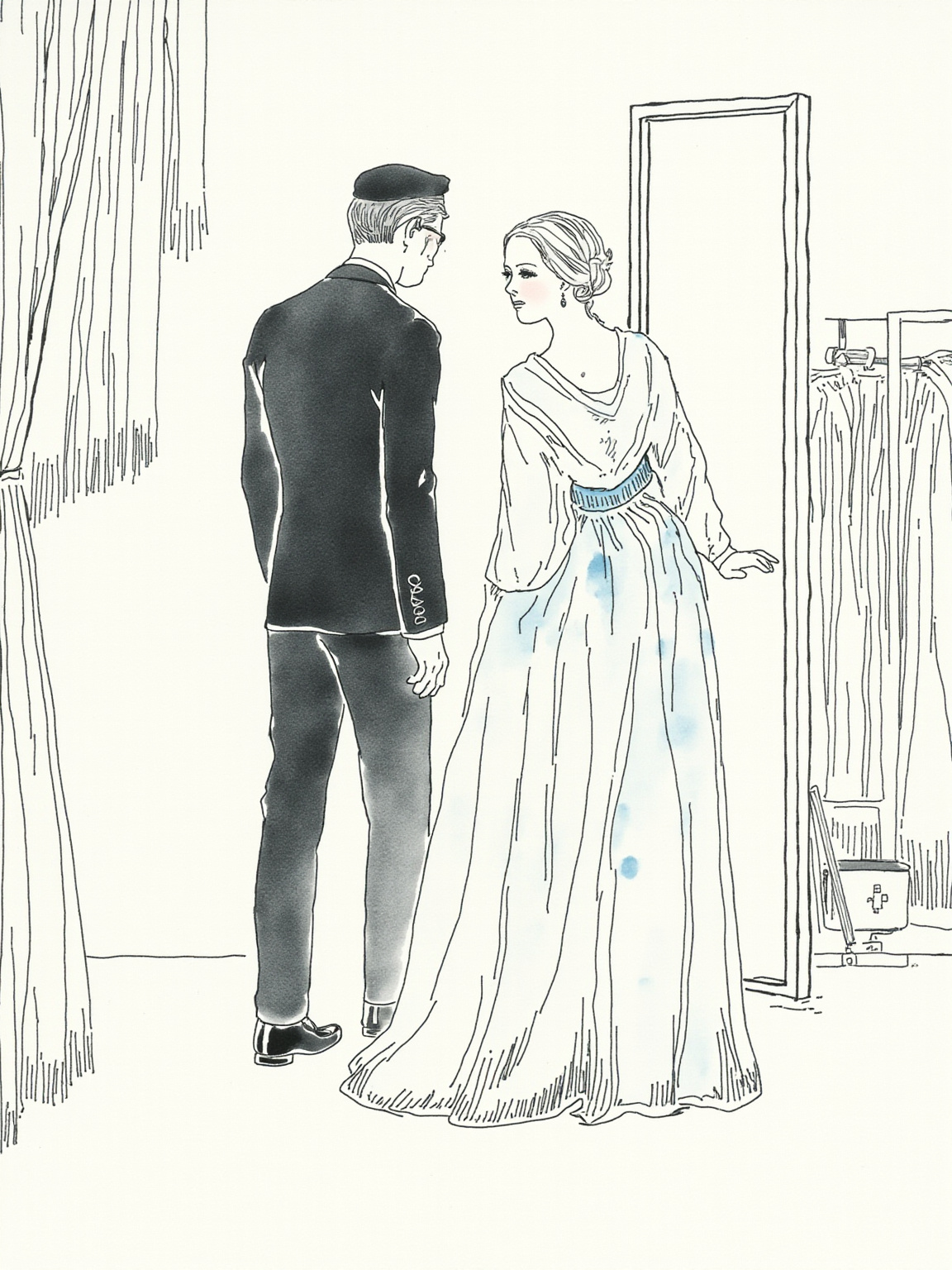
There was something about her unlike the others — a chasteness that did not invite, and did not refuse.
她有一种不与人同的清艳——既不相招,亦不相拒。
金句 · 开场 · 剧场后台初逢
In the second act, Toyotarō pulls her out of the mud of the theater, and the two of them move into a garret in the Jewish quarter on Klosterstrasse: narrow, low-ceilinged, its window facing someone else's back wall. She takes off her dancer's costume and stops performing for good; he gives her books, teaches her to read, reads poetry to her aloud. He writes this stretch of time as the most respectable chapter of his memoir: the 'purely spiritual love' German academics prized, achieved, he believes, with a poor and sickly dancer. The craft is in how Mori Ōgai handles it. He lets Toyotarō deliver this self-congratulation in his own words, and the longer you read, the more something feels off. A woman too poor to pay her own rent, kept in an attic by a foreign student — is learning her letters really what 'liberation' looks like? She has simply traded her dependence on the theater for dependence on him. The master's name has changed. Nothing else has.
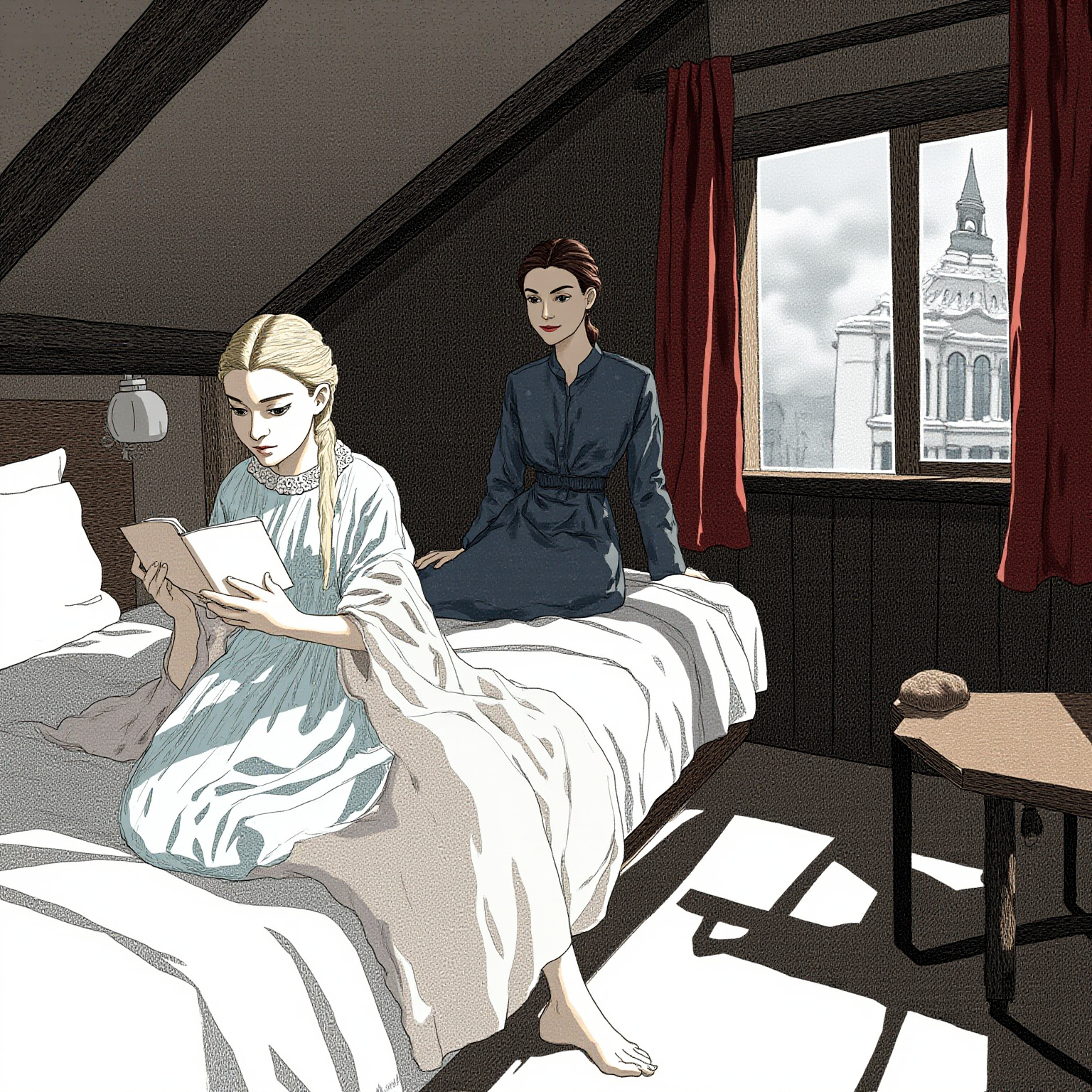
She laid aside her paint and her dancing-shoes, and I taught her to read.
她脱下了舞衣与舞鞋,我教她读书。
金句 · 中段 · 克罗斯特街阁楼
Word reaches the legation soon enough. Count Amakata sends Aizawa Kenkichi to talk to him, not a scolding but a persuasion: a student sent abroad has a certain standing to keep; the state sent you here to come back and serve it, not to start a family in Berlin. Toyotarō wavers for a while, and Aizawa lays out the trade: break it off cleanly, and in return he'll arrange an engagement to Countess Amakata, a daughter of Tokyo's nobility, with a smooth road ahead in his career thrown in. On one side, a woman in an attic carrying his unacknowledged child. On the other, a well-born wife waiting for him in Tokyo. One road leads to the top of the civil service; the other leads to being struck from the rolls. The cards are laid on the table, and the choice is his to make.
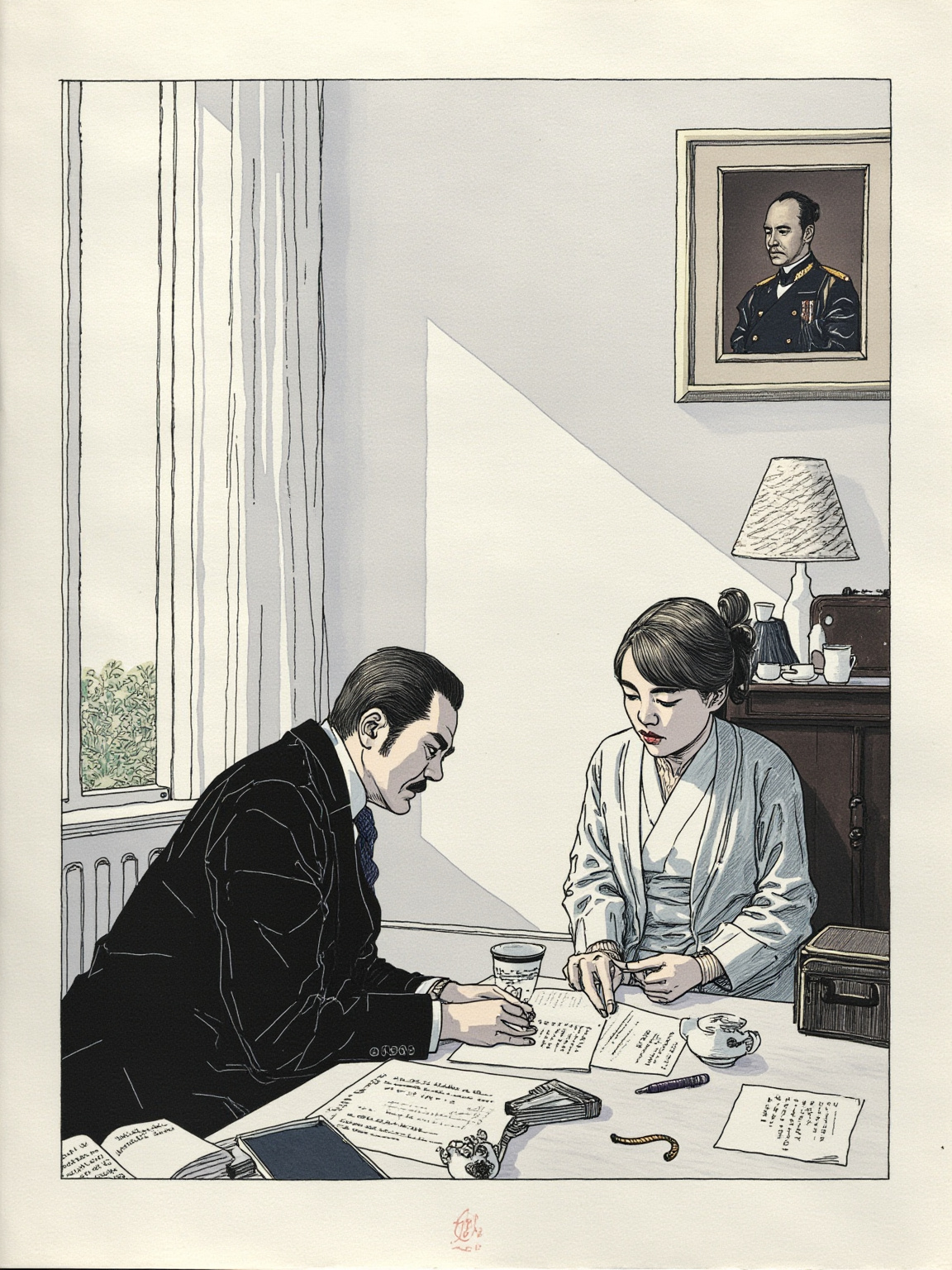
The man who is sent abroad by his country is not his own master.
国家遣来的人,身不自己。
金句 · 中段 · 使馆训诫
The third act is the quietest, coldest stretch in the whole book. Toyotarō signs the papers. Elise is pregnant by then, and he says nothing to her about it. Aizawa arranges every detail of his departure, and an invitation to a dinner at the Amakata house arrives. Before he leaves for it, he stops by the garret one last time, takes his luggage, and says no goodbye. She sits on the edge of the bed, heavily pregnant, thinking he is only stepping out for an evening's business. The door closes. From this moment the ending is already fixed; everything after is just driving in the last nails, one by one.
At the dinner Toyotarō raises his glass and makes small talk; Aizawa keeps him drinking late into the night. When he comes home drunk and pushes open the garret door, he finds Elise has broken under poverty and illness. She has just given birth, and in her collapse she has torn the infant apart like a stuffed toy. Mori Ōgai turns cruel here, in the best sense: he doesn't dwell on the affair, doesn't paint the bedroom, doesn't linger on the horror of a woman gone mad. He simply has Toyotarō stand in the doorway and see the blood on the carpet and the child's small clothes. Those hands were meant to hold a future; now they hold only a fistful of torn cloth. These are the hardest lines in the book to keep reading, written with a calm that borders on cruelty.
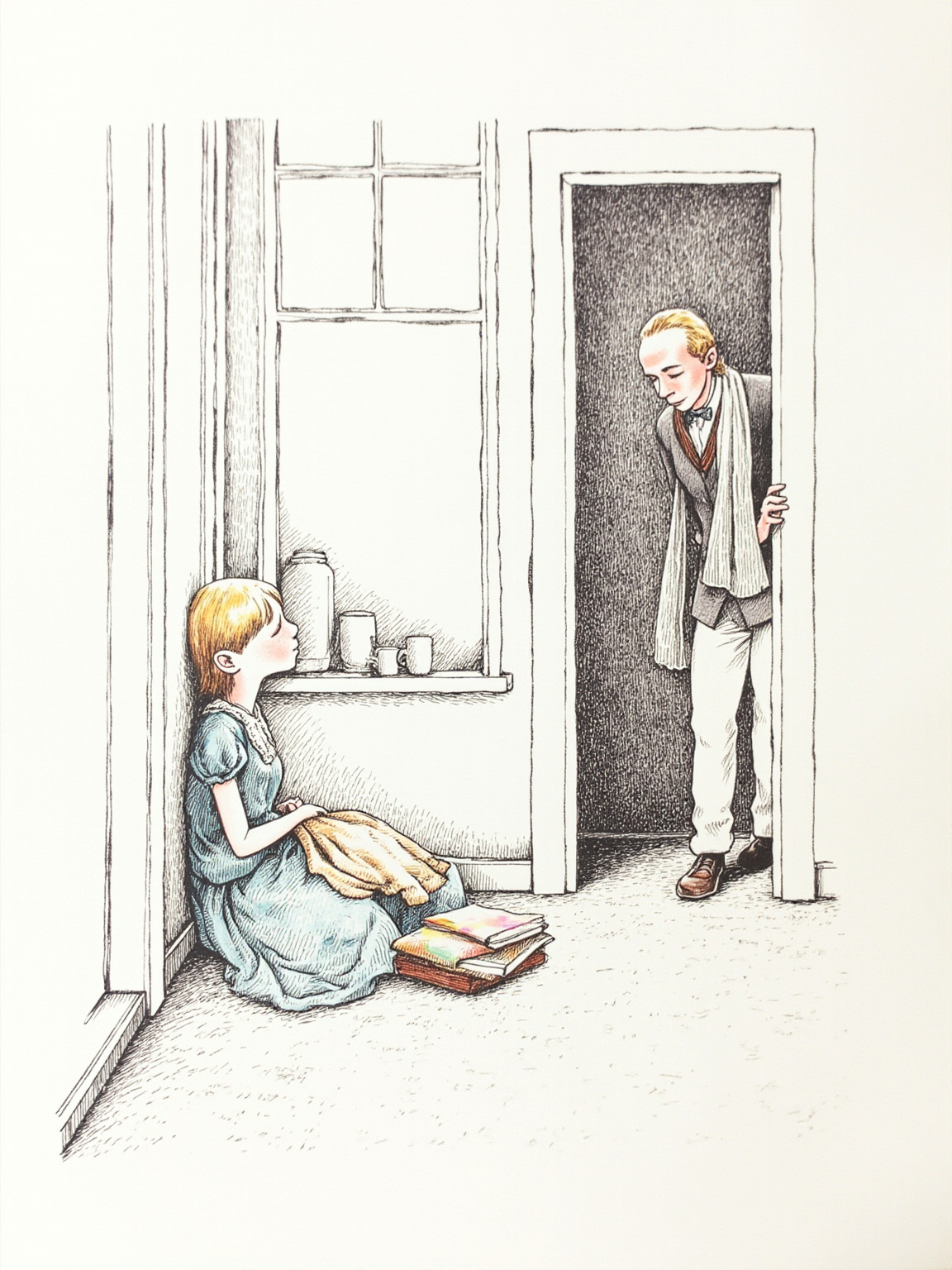
I had taken back my luggage without a word of farewell.
我取走了自己的行李,一个字也没有留下。
金句 · 末段 · 赴宴前夜
There is no trial at the end, no confrontation. Toyotarō boards the government ship sailing from Marseille back to Japan. By the time it reaches the Mediterranean, a letter has caught up with him from Aizawa in Berlin: mother and daughter are both gone. On deck he opens his diary again, goes back to the first page, and starts copying it out, revising, filling in the blank spaces, turning the whole thing into what he would later call his confession. He had already settled on his opening line: true friendship values knowing another's heart. The trick is that once you finish the book and go back to that first line, you see it for what it is: an irony. The man who wrote it is exactly the kind of man who never knew anyone's heart, least of all his own.
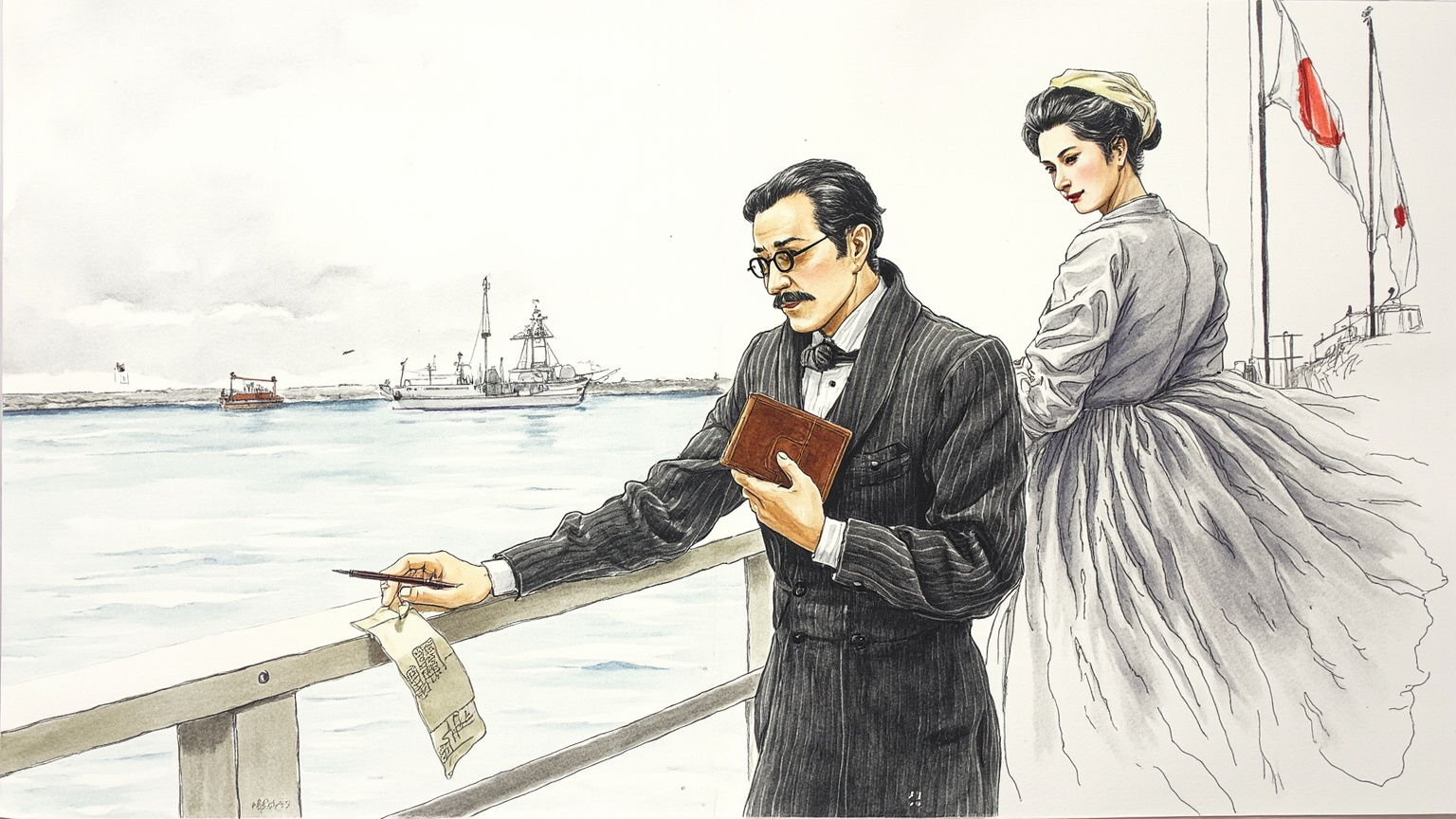
To know a man, one must know his heart; and what I had given her was but a passing fancy.
人之相知,贵相知心;我之与彼女,初不过一时之戏耳。
金句 · 末段 · 手记卷首自白
What the author is actually writing about
On the surface it looks like a triangle: the Japanese student, the German dancer, the Japanese legation. Read closely and it isn't. The real opponent is never outside him. Count Amakata is no villain, Aizawa is not the man who tears the lovers apart, Countess Amakata never even appears; they only lay the cards on the table and let him choose. Toyotarō signs the papers himself, boards the ship himself, writes the whole memoir himself. He knows, even as he writes it, that he is betraying her, and every word is both evidence and self-defense. No one in Japanese literature had written this kind of self-trial before 1890. With this novel, Mori Ōgai is making an admission in fictional form: I was that student, I chose the system, I know it was a betrayal, and I am putting it on paper for all of you to see.
The theme underneath is a large one. After the Meiji Restoration, the whole country was sending young men abroad to study the West and bring it home to serve the crown. These men were state property, picked and shaped for national use, and in the face of the nation's future, personal love and free will were expected to step aside. Mori Ōgai compressed that entire generation's dilemma into a little over ten thousand words. Later Japanese literature would return to this same knot again and again: government scholarships, study abroad, the state, conscience, guilt, freedom, all of it traces back to this one thin book. The first time I finished it and flipped back to that opening line, true friendship values knowing another's heart, I sat there for a long moment.
Why it's still worth reading the original, even once you know the plot
A summary can only tell you what he did. The original gives you the second he does it and writes it down at the same time, and the sharpest thing about the memoir form is that you can hear his wrist hesitate as the pen moves. In the lines where he describes his 'purely spiritual love,' you can watch him move himself to tears. His frozen stance in the garret doorway is written with a restraint that barely reads like fiction at all, more like a coroner's report. These are the moments a summary can never hand you; you have to open the page yourself and run straight into them. A little over ten thousand words. One afternoon is enough.
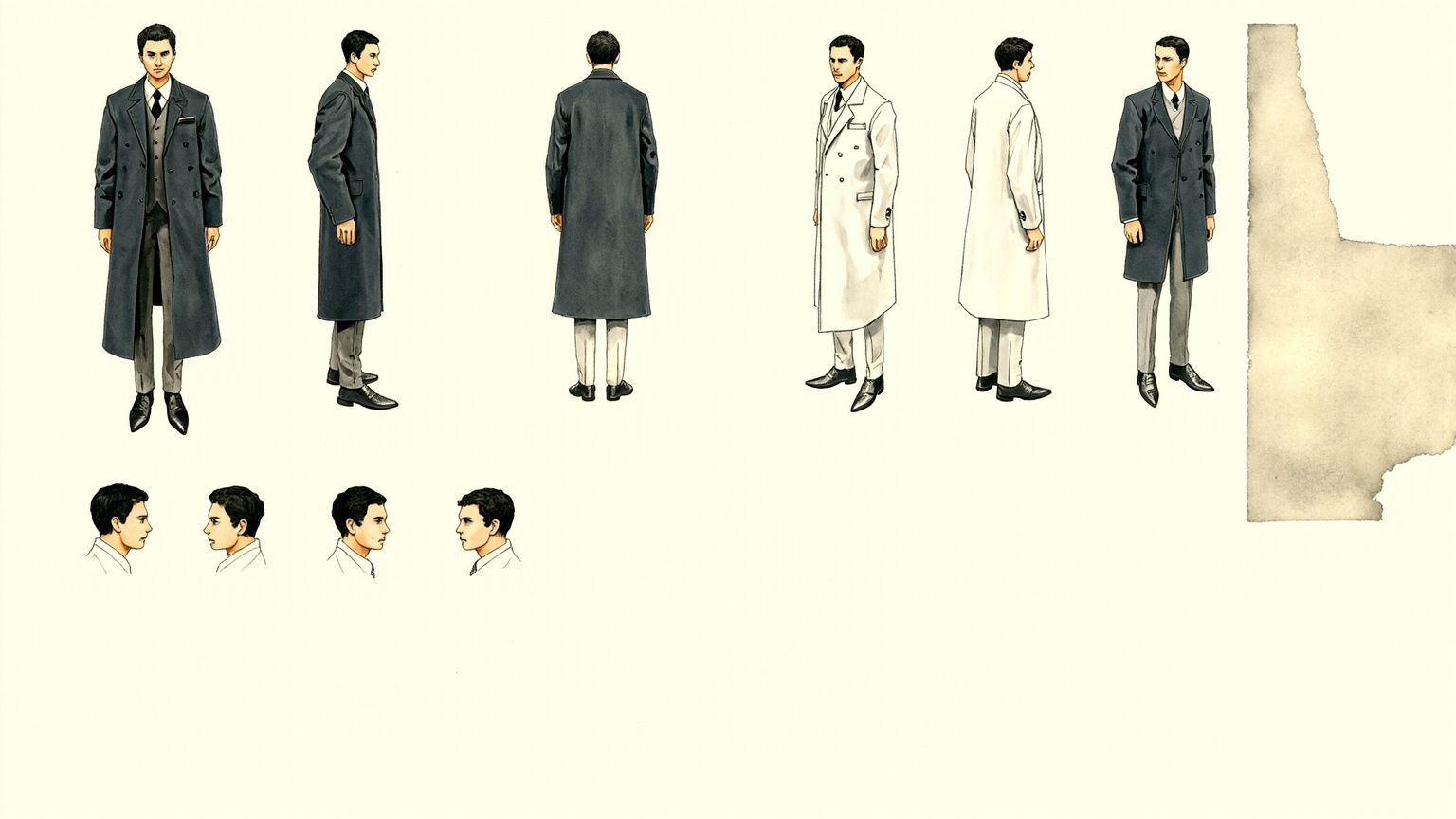
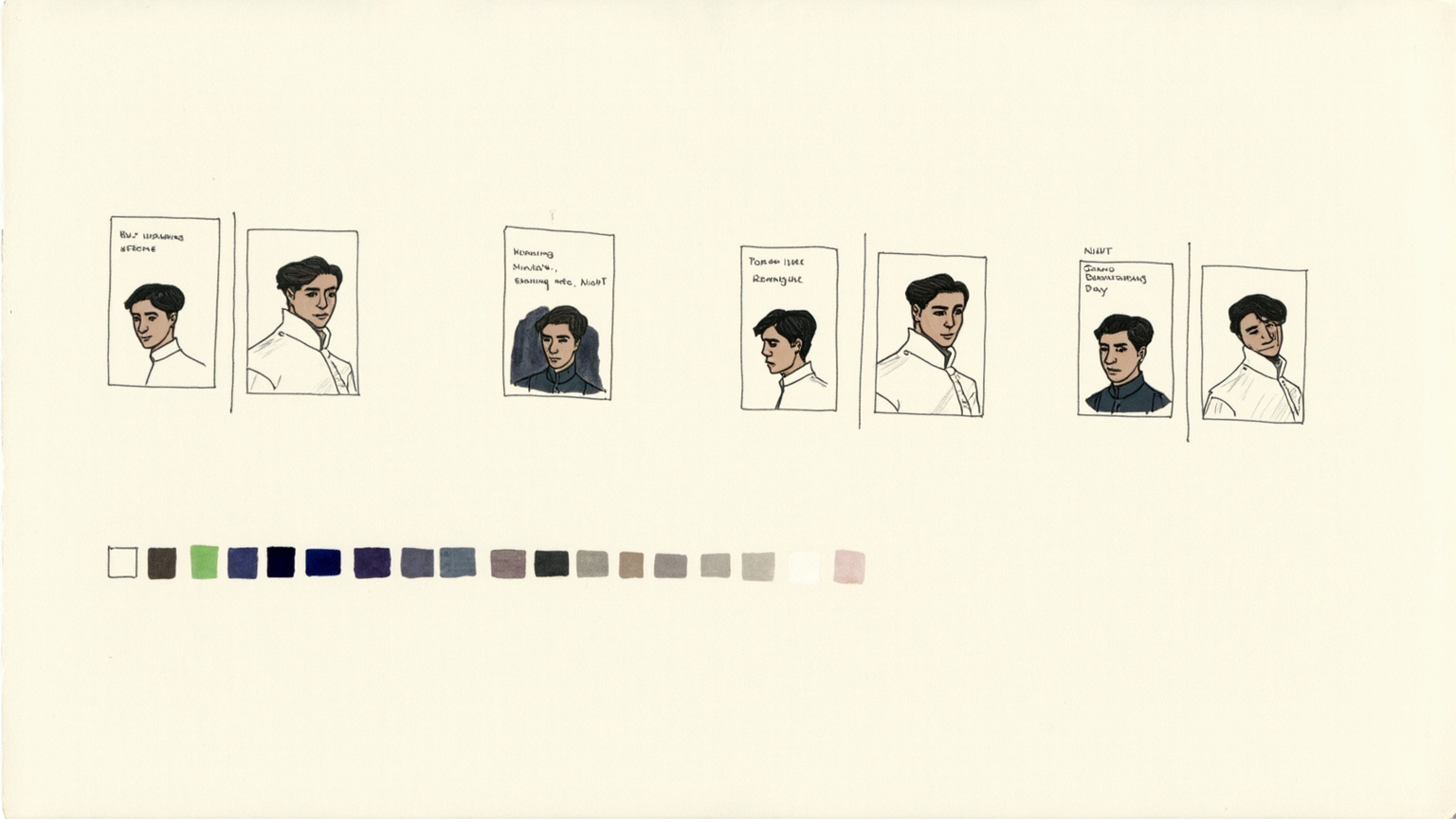
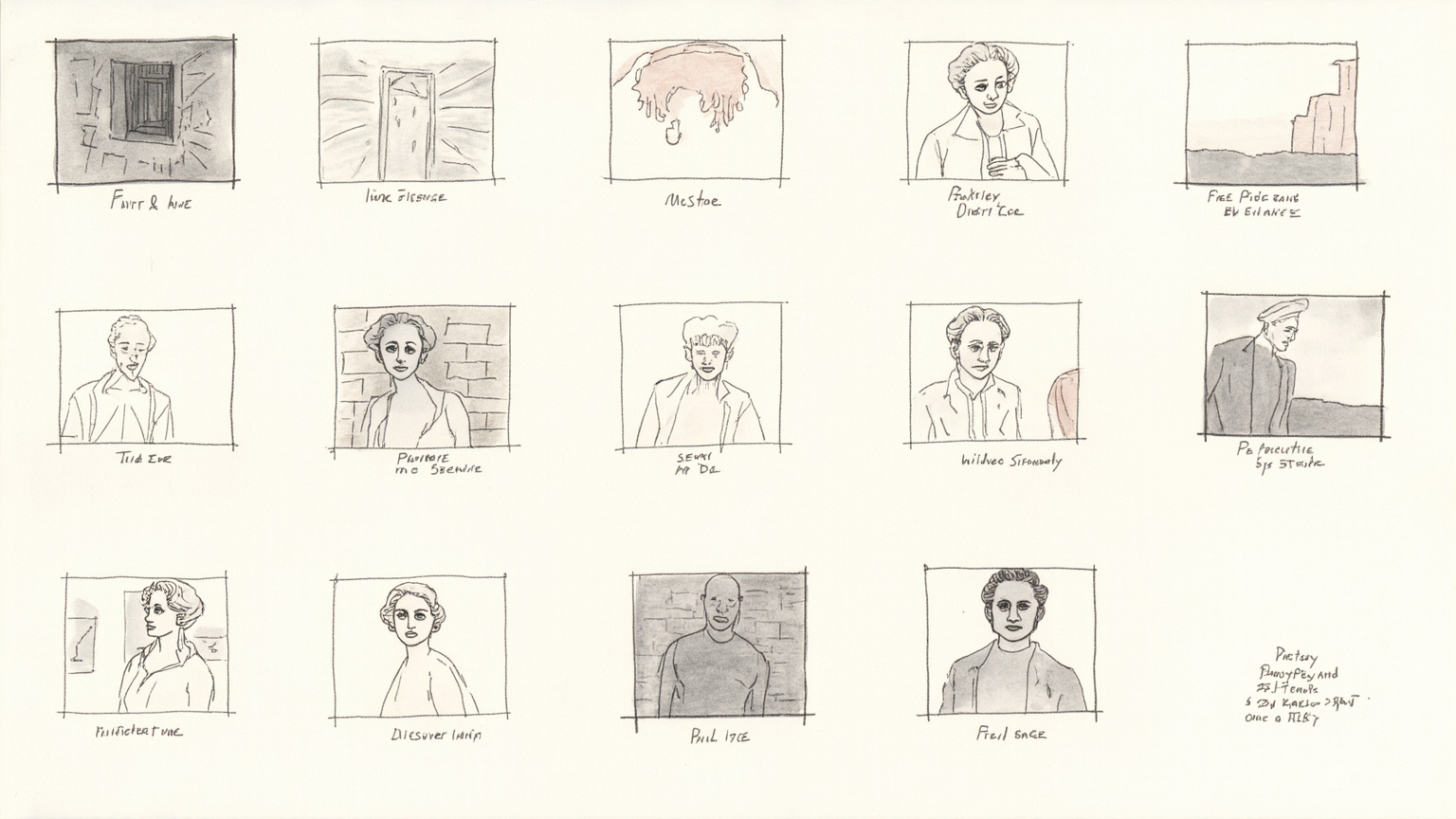
Art Direction4 plates
Before the guide was written, this book got a visual foundation — every illustration you just read grew out of it.