Paris, 1857: an anonymous walker crosses the crowd, and a book of poems is fined three hundred francs
Text and illustrations produced by the pipeline
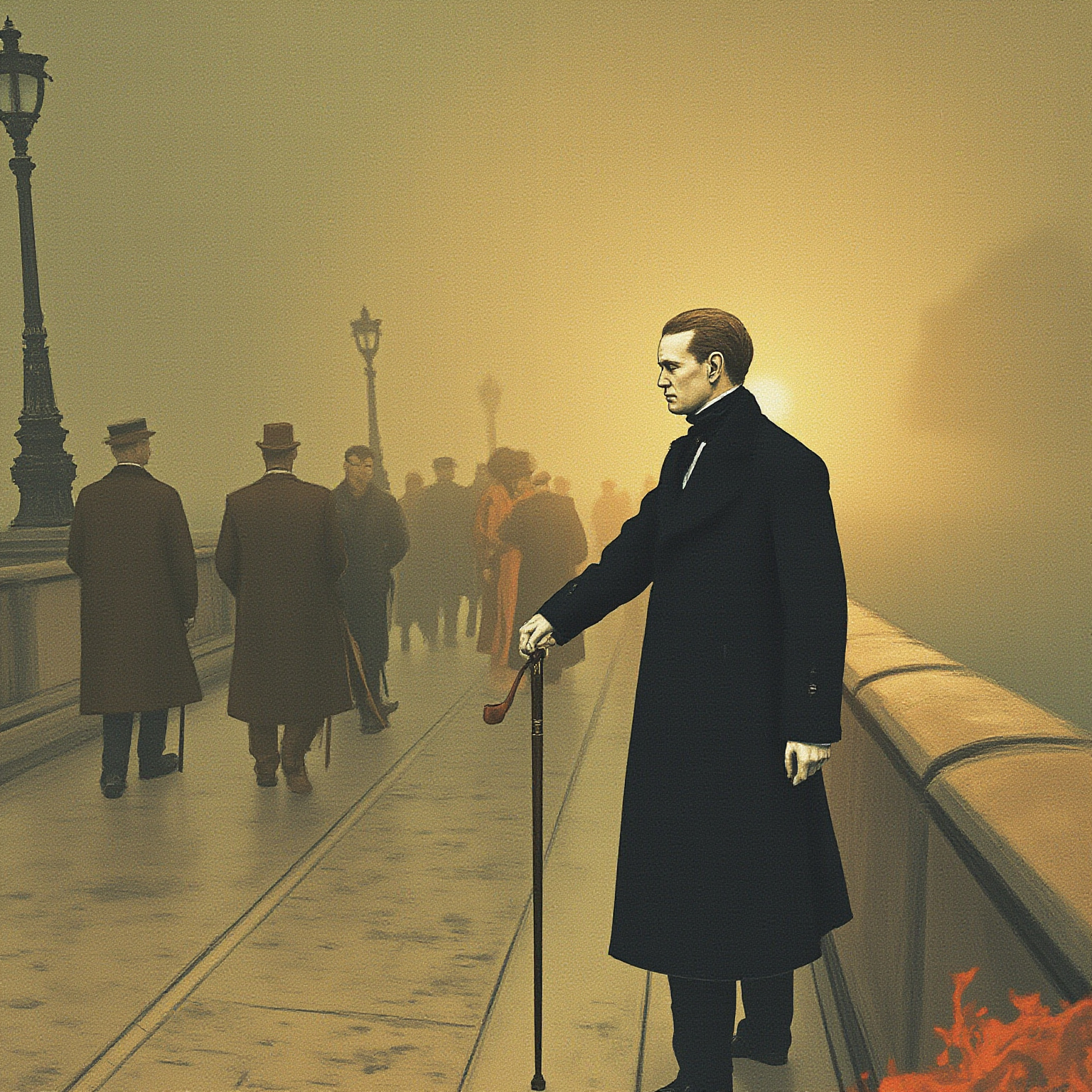
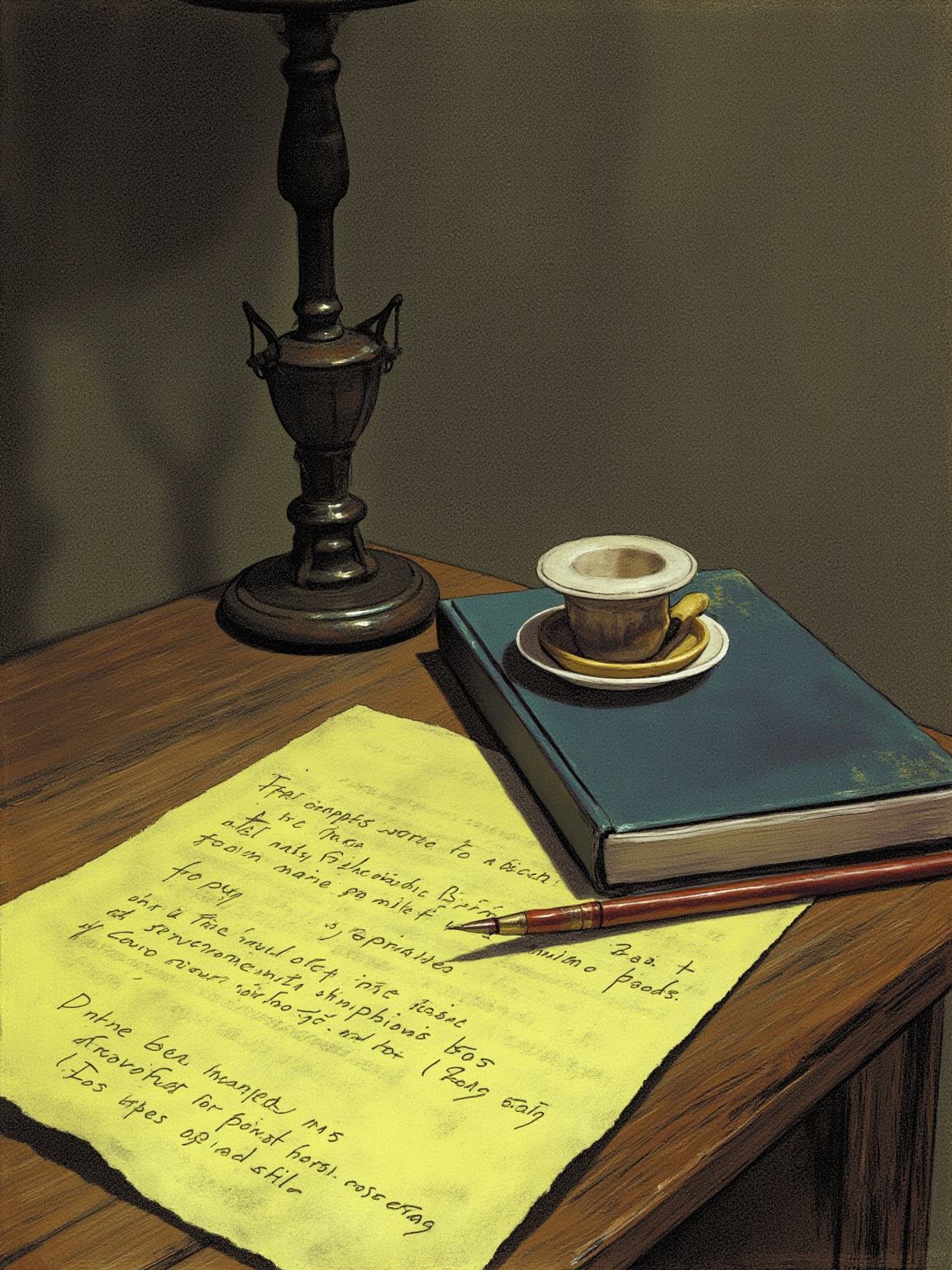
Rain hits the iron bridge over the Seine. A figure in a long coat stops, looking down at a gaslight trembling in the water, orange, and where the rain strikes it, it breaks into a spill of shattered gold. He looks up. Across the river the arcade is still lit; someone passes through its depths, face unreadable, just the corner of a coat. That summer, he handed this collection to his publisher. Three months later, he stood in a Paris courtroom.
The collection was called The Flowers of Evil, published in the summer of 1857. A poet and the city he had lived in his whole life were put in the dock together.
Charles Baudelaire was born in Paris in the early nineteenth century and spent his youth wandering the city, writing, running up debts, getting turned away. In 1845 he attempted suicide, and in his later years he was ill for a long stretch, before his forty-six years came to an end sometime in the 1860s. These are life facts, offered as coordinates, not a case history. One poet's life, compressed into a collection of fewer than two hundred poems.
The collection is remembered not because it is beautiful but because it did something no one else dared: it made the vulgar, the weary, the city's dark side, the exhaustion of desire, wine and smoke and crowds, into legitimate subjects for poetry. It is arranged in six sections: Spleen and Ideal, Parisian Scenes, Wine, Flowers of Evil, Revolt, Death, with no plot, only themes. Trace Rimbaud, Mallarmé, Eliot, or Benjamin back far enough and you land on this book; modernity and correspondence are the two ideas it left to every poetics that came after the nineteenth century.
No one in this collection has a name. Its protagonist is anonymous, an I moving through the streets of Paris, its arcades, the thresholds of its cafés, a bridge on a rainy night. Literary history has a name for this I: the flâneur. He is no hero and no victim, just an eye that walks the city, watches, and never stops. Once Baudelaire invented him, modern literature kept returning to the type for the next hundred and fifty years; Benjamin devoted an entire twentieth-century book to him.


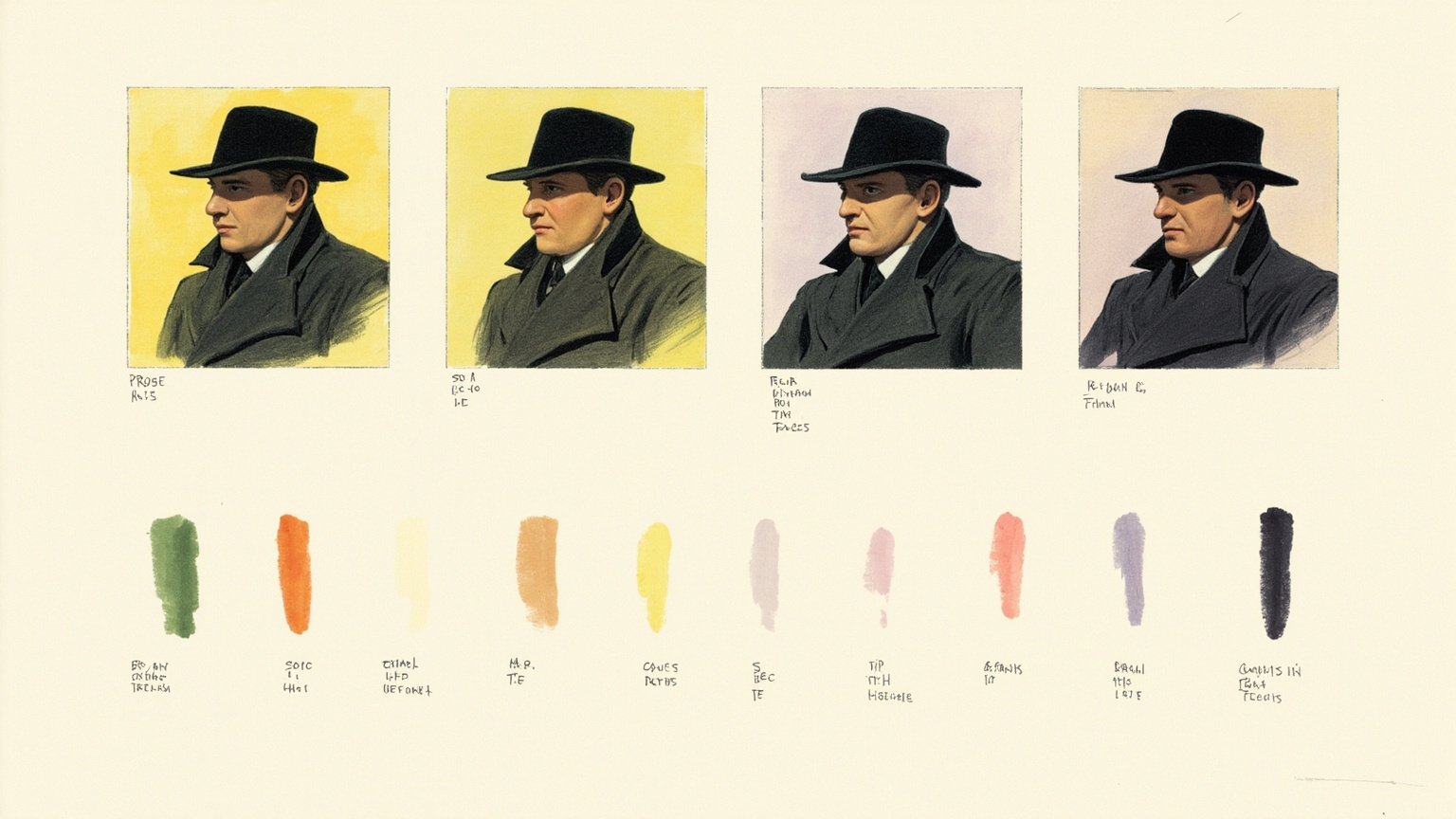
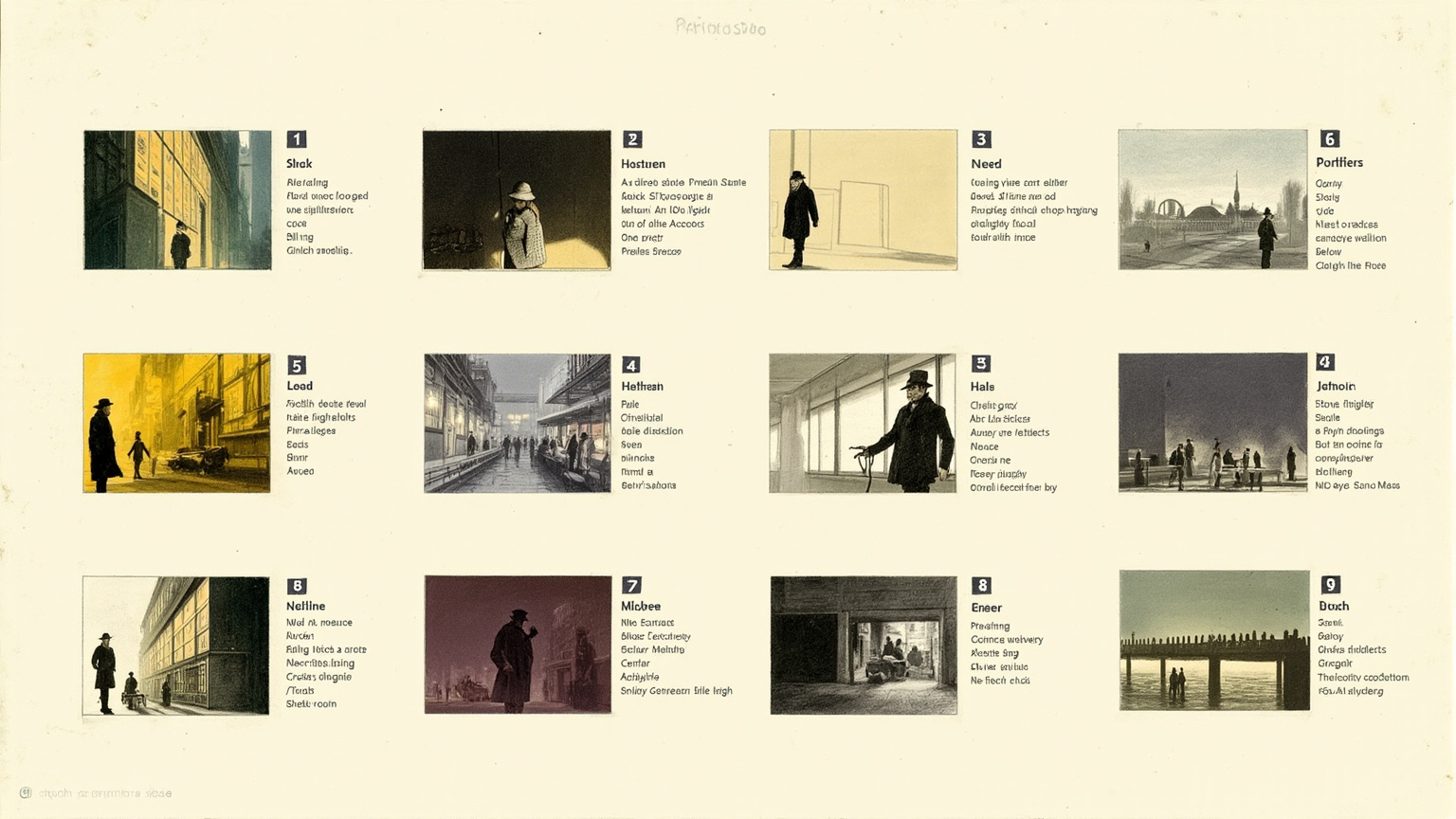
Before the guide was written, this book got a visual foundation — every illustration you just read grew out of it.
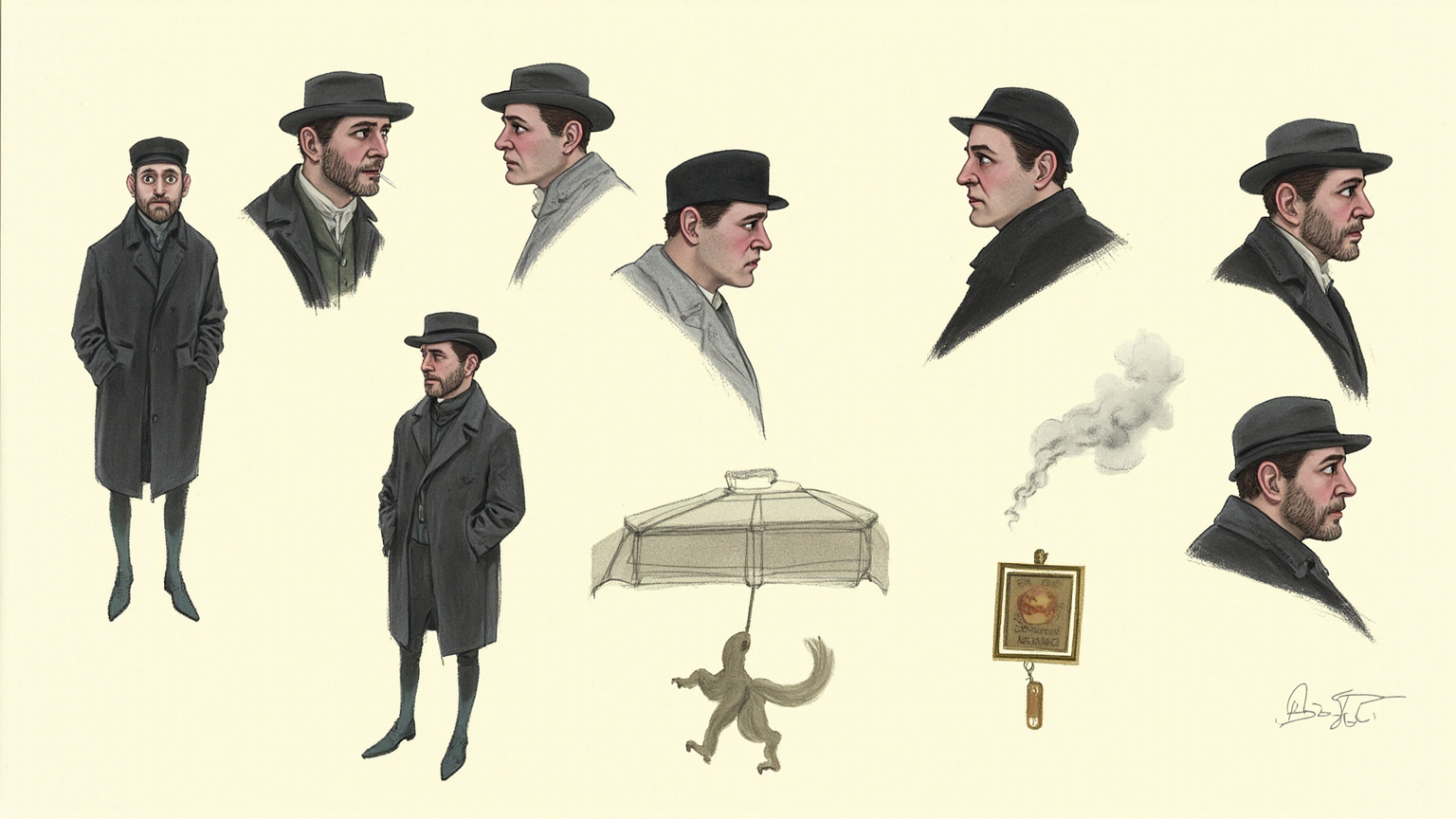

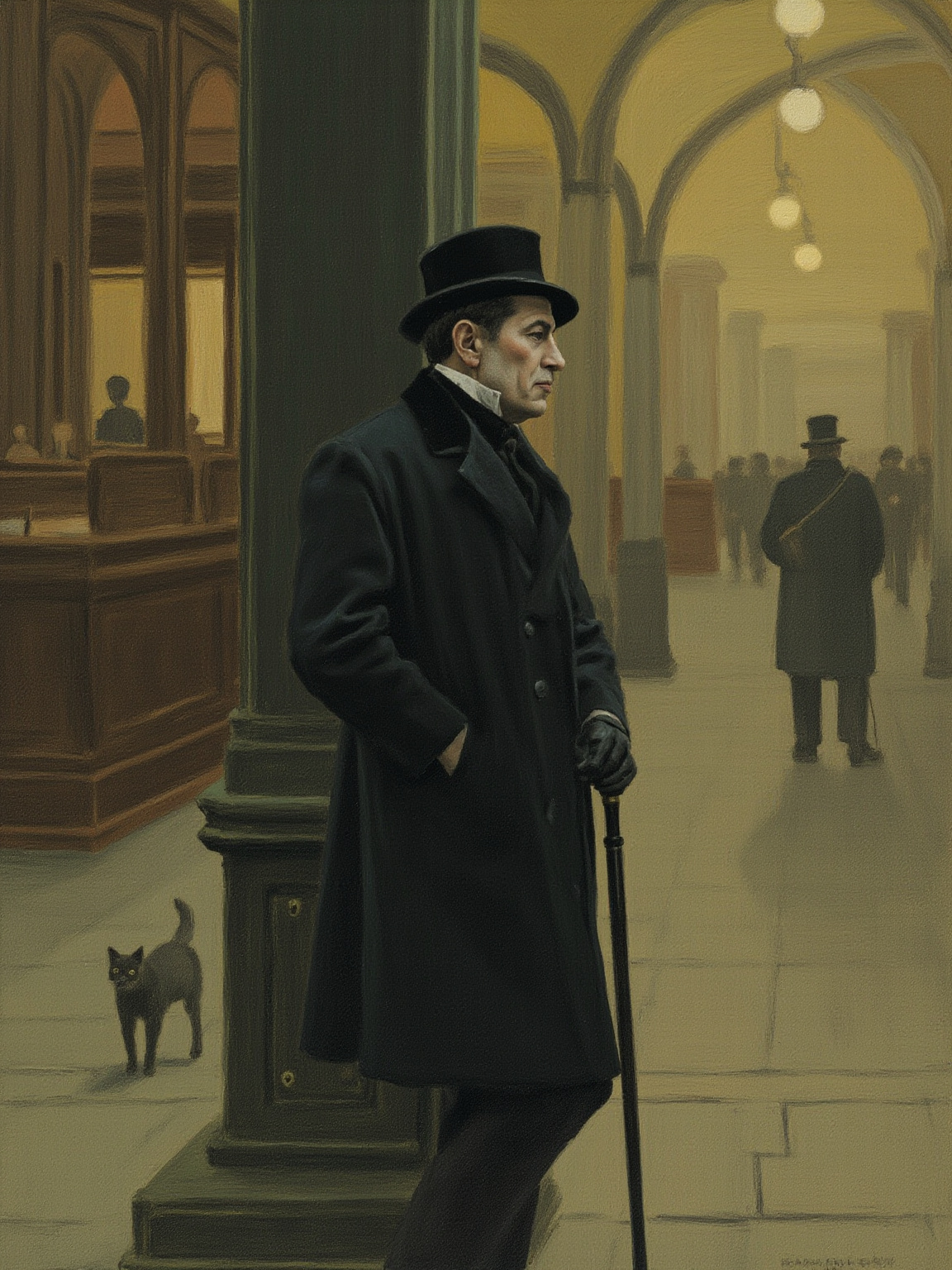
The people he sees have no names either. A stooped old woman flickers past on the street. A cat slips away at his feet. A ragpicker sifts through a heap of refuse, an image Benjamin later carried into his Paris studies: the ragpicker salvages scraps from the city's waste exactly as the poet salvages images from its prose, the same gesture twice. Jeanne Duval was Baudelaire's longtime companion and muse, and her mixed-race identity and the erotic charge of their relationship have been argued over throughout the critical history, but her place is outside the collection. Inside it, there is only the city.
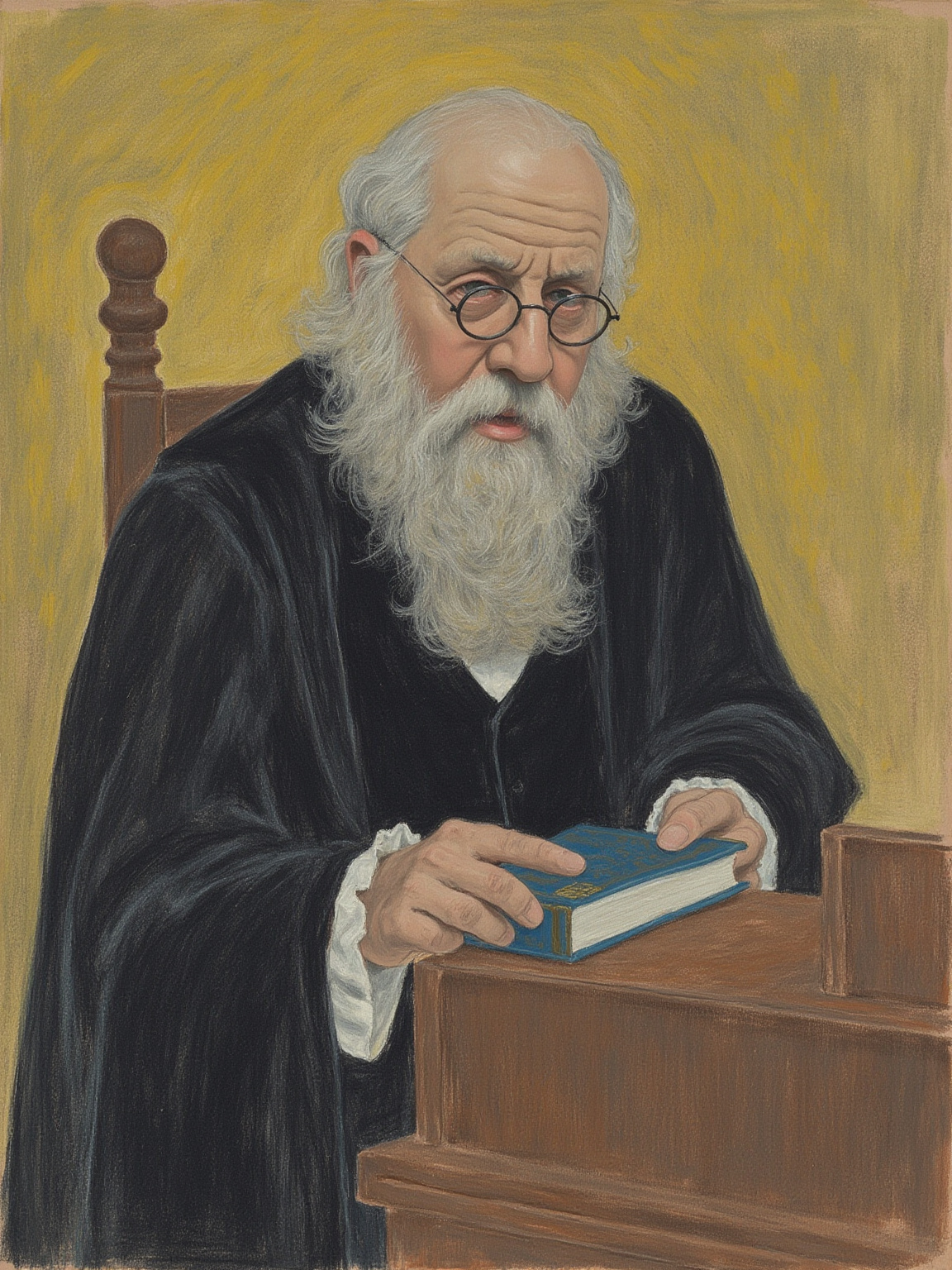
In the summer of 1857, The Flowers of Evil was published in Second Empire Paris. That August, the public prosecutor charged Baudelaire with offending public morals. The verdict came on August 20: a fine of three hundred francs, and six poems banned. From that year on, the book's publishing history and its literary history were the same story.
The collection is not about the new city but about the old Paris the new city swallowed. Starting in 1853, Baron Haussmann began remaking the city: old quarters torn down, boulevards cut through, gaslights lit one by one. What Baudelaire wrote were the arcades, the docks, the shabby taverns, the bridges on rainy nights that these projects knocked down. The city itself is the collection's real protagonist, not a character, but alive on every page.
The flâneur walks into the crowd. This is the collection's central image: an anonymous observer moving through the old Paris before Haussmann, pausing in an arcade, glancing sideways down a boulevard, standing a moment at a café threshold, neither entering nor leaving. He sees a stooped old woman and forgets her the instant he looks away; he sees a cat slip past his feet, its eyes green; he sees a ragpicker digging through a heap of refuse, fingers red with cold. None of these people has a name. They are close-up frames cut from the crowd of the city.
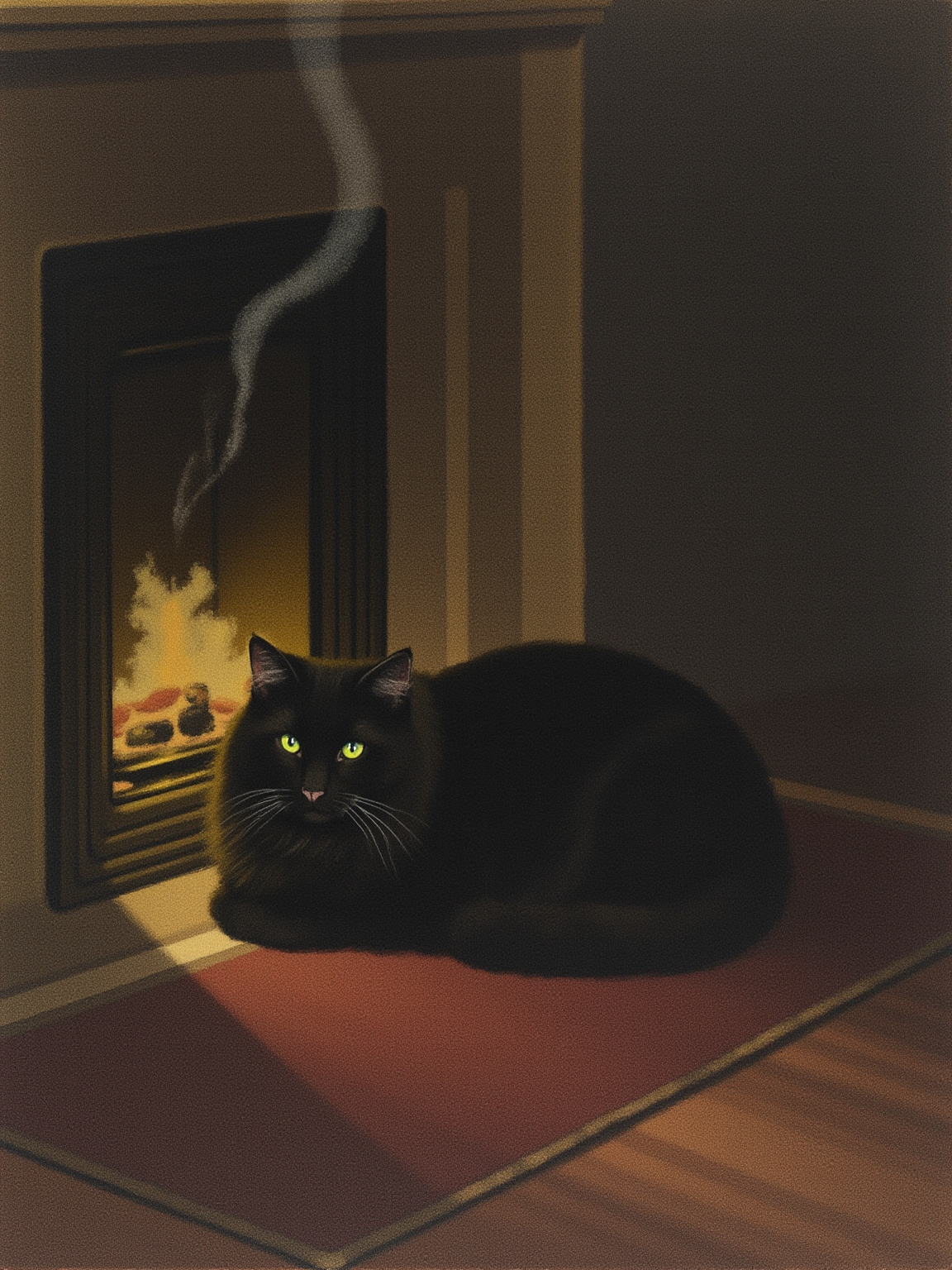
As a method, Baudelaire invented a new poetics: correspondence, correspondances. Smell, sound, color, touch translate into one another. A perfume is black; a note is purple. Crossing the senses this way was strange for its time, though today it reads as naturally as breathing. The cat the collection keeps returning to is both a companion by the parlor fire and a mysterious fellow traveler on the street, a real cat, and at the same time the vehicle for correspondence.
The six sections trace an inner arc. Spleen and Ideal is where the tearing starts: vulgar routine, the city's weariness, desire worn thin, all locked at the throat with a longing for something higher. Parisian Scenes is the eye. Wine is the escape. Flowers of Evil is the case for writing ugliness into poetry. Revolt is the challenge thrown at God. Death is the end, and also a new route out. These six sections are not a plot but six turns of the same theme, the mid-nineteenth-century city becoming fully aware of itself.
After the trial came a second edition. In 1861 Baudelaire published it, forced to cut the six banned poems. The ban itself was not lifted until 1949, nearly a century later. This chain of dates is the heaviest history the book carries: indictment, verdict, fine, ban, cuts, repeal. Baudelaire lost money in that courtroom, but he won his afterlife. It was the trial itself, more than any single poem, that defined what a modern poem is.
The trial lost three hundred francs. The trial won the opening line of every modern poem for the next hundred and fifty years.
What The Flowers of Evil is really saying is that people in the industrial city realized, for the first time, that they were living in a new age. Modernity is not a theme in this book, it is the book. Docks, arcades, gaslights, fog, rainy nights, bridges, wine, cafés, street crowds: this book was the first to turn all of it into poetry, and after it, every inch of the city was fair game for a poem.
The most lasting invention in his method is correspondence. Before Baudelaire, the senses stayed separate in poetry: the eye handled color, the ear handled sound, the nose handled smell. After him, the senses crossed over, and a poem could say a perfume is black or a sound is purple. Modernist poetics as a whole inherited this idea, Eliot doing it in The Waste Land, Rimbaud doing it in Vowels, are the same move.
The essay gives you a map; the poems are the ground itself. There are things this map cannot give you. One is the physical feel: the rhythm, rhyme, and inner echo of the original French, some of which drops out in any translation. Dai Wangshu, Qian Chunqi, and Guo Hong'an each solved that problem their own way, but none of their versions is the original. Two is the trial itself: the verdict is a public record, but the details are buried deep inside the collection, the judge's face carved in woodcut, the smell of the ink, the way Baudelaire held himself at the defense table. Three is the feeling of being hit in the spine by a short poem: Baudelaire could write a single sonnet that turns an entire mid-nineteenth-century city inside out. Knowing the plot first only makes that density hit harder when it comes.