The Paul Street Boys · Companion Guide
帕尔街的男孩们
约瑟夫城两栋楼夹缝里的一块杂草地,被一群少年封为祖国;他们立正、暗语、木剑列阵,像大人一样去守一块注定要盖起公寓的空地。
Opening
A weedy vacant lot sits wedged between two apartment buildings. After school a pack of boys pile off the horse-tram, sling their satchels onto the doorstep of the caretaker's hut, and take up guard over their "homeland" on this forgotten strip of grass — that year they still called the place the grund, a word borrowed from German that simply means the ground itself.
Seventy years later, an Englishman named William Golding would write about boys turning on each other on a desert island; a few decades after that, Lord of the Flies became a modern fable. But this slim book, mailed out of Hungary in 1906, had already told the story of boys defending their turf once before — lighter, more everyday, and more painful.
What Kind of Book This Is
Ferenc Molnár was already a name in Budapest theater by the time he finished this book, not yet thirty. The world remembers him for the plays that later toured international stages. But in his own country, what carried his name forward was this short novel about boys who form a gang and go to war over a plot of land — Hungary's most translated book, required reading on school lists in country after country. It stands near the root of an entire genre, the story of boys defending their turf, and its influence has trickled for over a century into the school novels and fables that came after.
The Characters and Their World
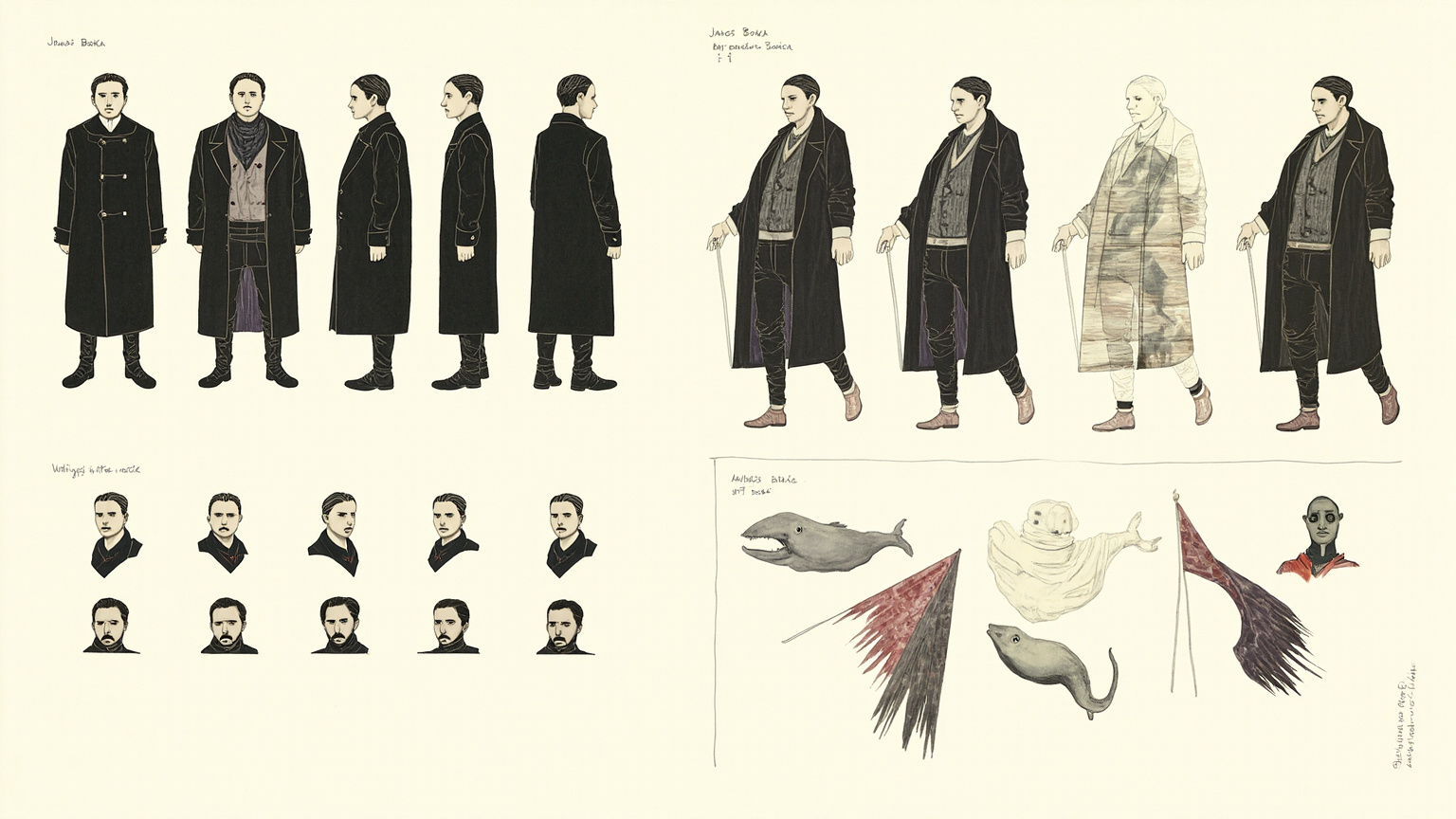
János Boka is the old-fashioned kind of boy leader, with a small-adult steadiness in his face — he can take a crowd of squabbling kids and turn them into a unit that stands at attention and trades passwords. Ernő Nemecsek is the smallest of the whole troop, the kind of boy who gets shoved aside by the bigger ones, stumbles, and charges straight back in. Feri Áts leads the rival gang from the Botanical Garden, the Redshirts, and is said never to laugh; his base sits by the glass hothouses and a frozen pond nearby. Geréb and Csónakos trail behind Boka too, core members who carry plenty of the book's everyday scenes. But the two characters the author truly brings to life are Boka and Nemecsek — one who keeps his word, one who pays the price for the whole group.
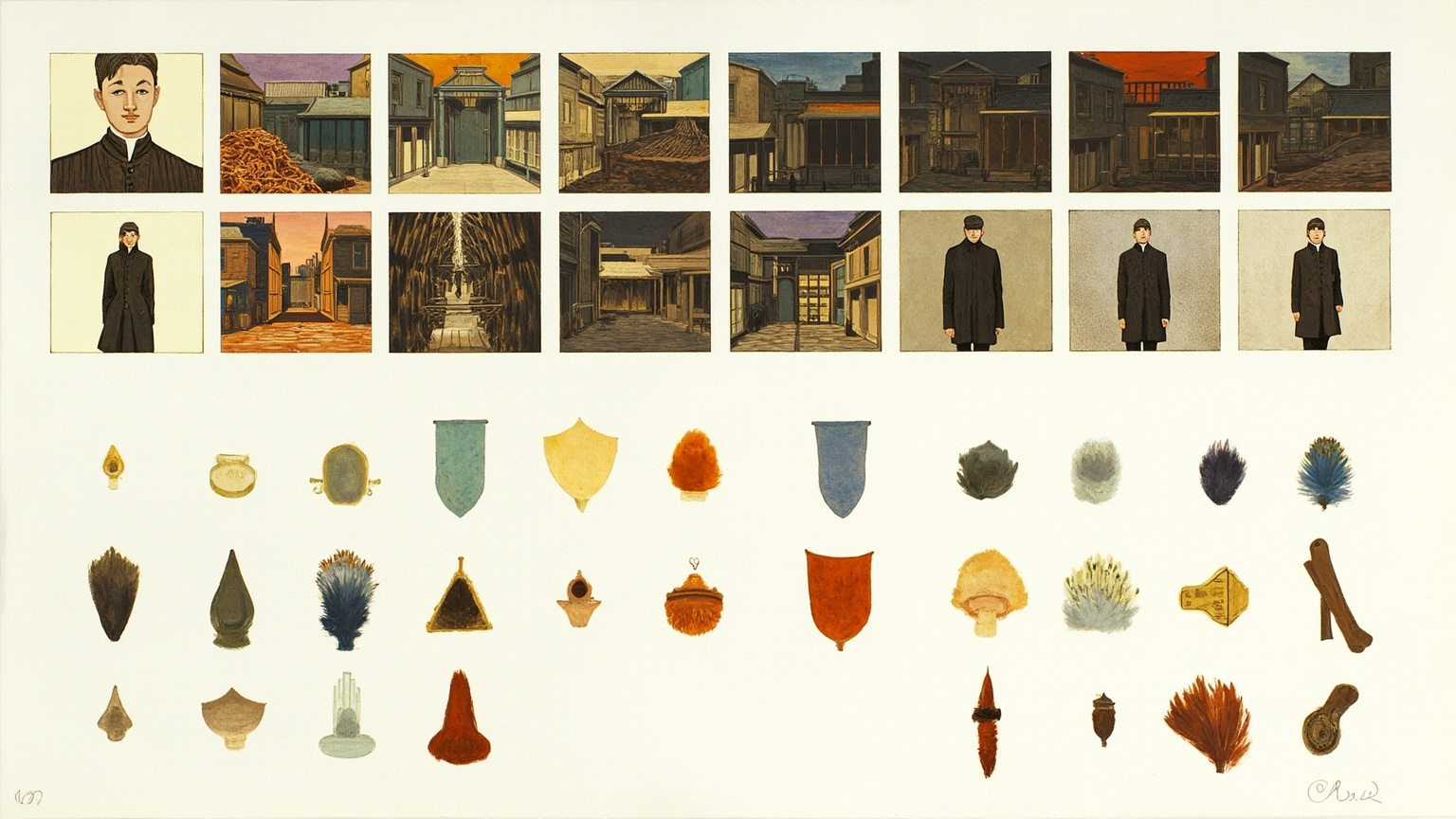
The world is small, small enough to fit inside a single block. This is Józsefváros in 1889 — Joseph Town, as it was still called — a Budapest of horse-trams, gas lamps, and cobblestone streets. The grund the boys defend sits between two buildings on Paul Street, stacked with lumber piles that make good cover for an ambush; next to it stand a sawmill, the caretaker's hut, and a wooden gate. The rival camp, the Botanical Garden, has glass hothouses, palms, and a pond that freezes over in winter. Farther off are the rooftops and chimneys across the Danube — the city is only backdrop. The boys' entire war fits inside a few hundred meters.
How a Patch of Weeds Became a Homeland
Boka gathered up a bunch of boys with nowhere to go after school and laid down rules for this unclaimed patch of weeds — this became their territory, the source of their badges, their flag, their passwords, their wooden swords. The lumber piles stacked on the grass became city walls, the caretaker's hut became a sentry post, the wooden gate became the fortress door. A piece of make-believe, the kind kids play at, turned into real territory the moment a group of boys decided to take it seriously.
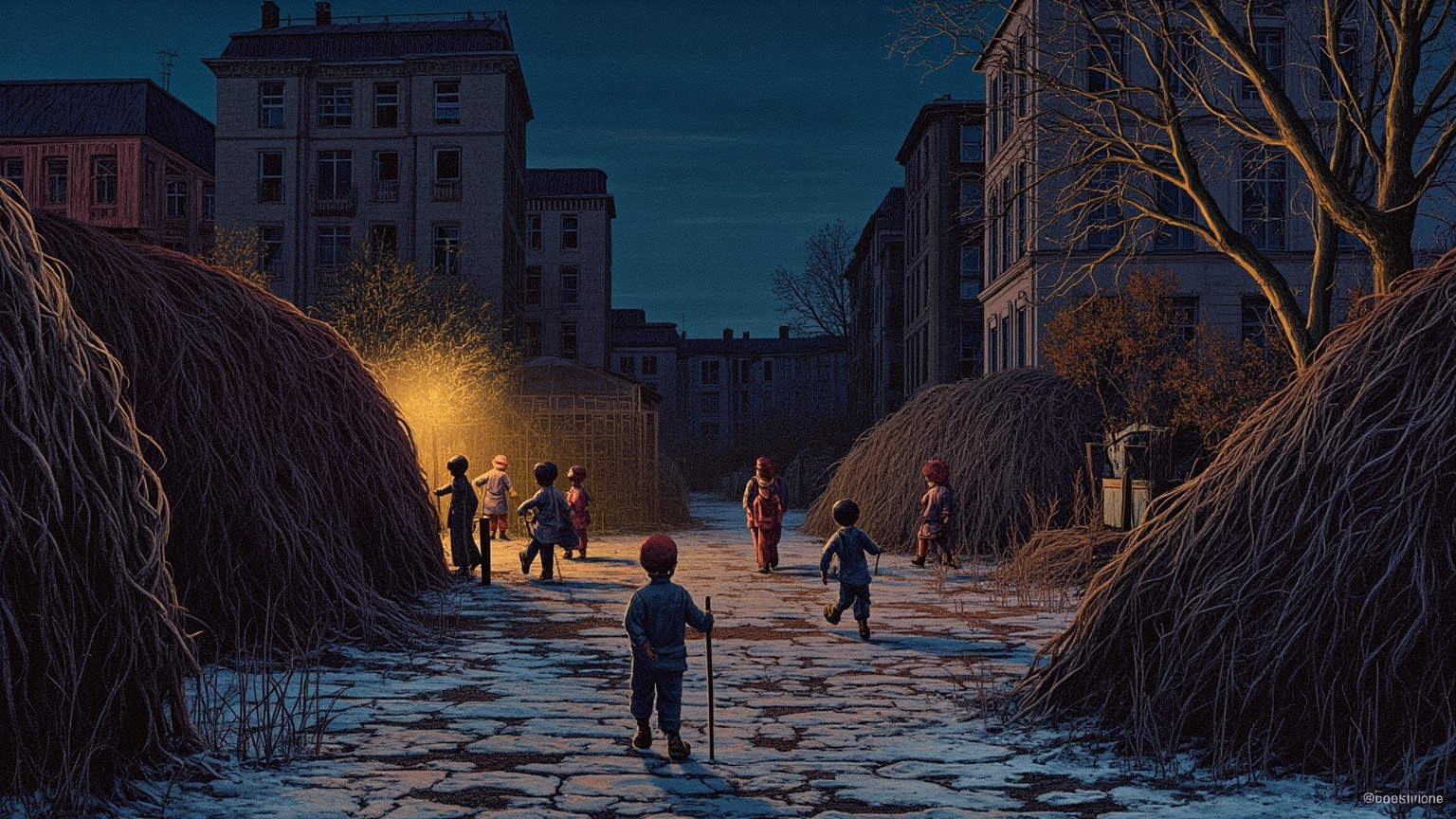
It was the ground of the Paul Street boys: a strip of long grass between two blocks of flats, with a lumber-yard at one end, and they defended it as their fatherland.
那是帕尔街男孩们的地盘:两排公寓之间一条长草的空地,一头是木材厂,他们守它,就像守着祖国一样。
金句 · 开篇 · 两栋楼之间的那块草地
I couldn't help laughing when I read this part — laughing with respect, too. A group of boys guarding a patch of weeds like it's their homeland is absurd enough on its own; but the author makes you believe they mean it. They made their own stamps, their own flag, their own passwords, sawed their swords out of firewood, and ran the whole ceremony with a solemnity that's almost unsettling. But that unease is the good kind — it's childhood brushing up against the word solemn for the first time.
The Enemy Marches Out of the Botanical Garden
Feri Áts's Redshirts are camped in the nearby Botanical Garden — glass hothouses, palms, a frozen pond, their own separate turf. The two gangs already have bad blood between them, and now Áts's crew is sharpening its knives, planning to take the grund away from the Paul Street boys. The moment word gets out, Boka's side goes on a war footing — a homemade stamp on the back of your hand makes you a soldier, a wooden sword makes you armed, and the right password proves you belong.
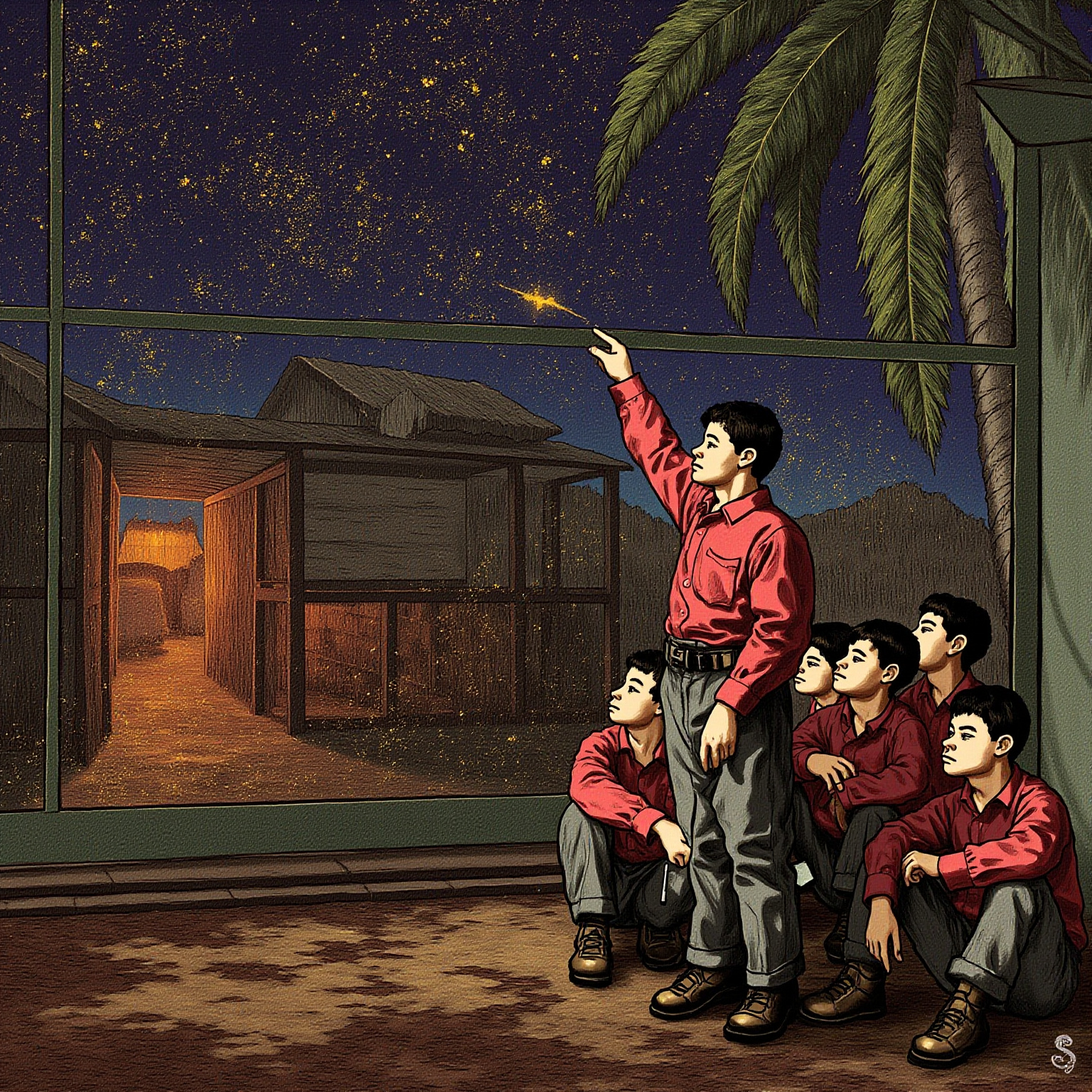
The enemy—Feri Áts and his redshirts—were encamped in the Botanical Garden, and they were coming to take the grund from us.
敌人——费里·阿奇和他那伙红衫帮——就驻扎在植物园里,他们要来夺我们的 grund。
金句 · 备战章 · 红衫帮的来犯
What makes this scene of mobilizing for war so gripping is its solemnity — a line of boys standing at attention, eyes gone cold like grown men's. The pageantry of a founding ceremony has been transplanted onto a patch of weeds. Two gangs squaring off should be farce, but the author insists on writing these boys like a real army falling into formation. You laugh out loud, then look up and find yourself a little breathless.
War in the Lumber-Pile Alleys
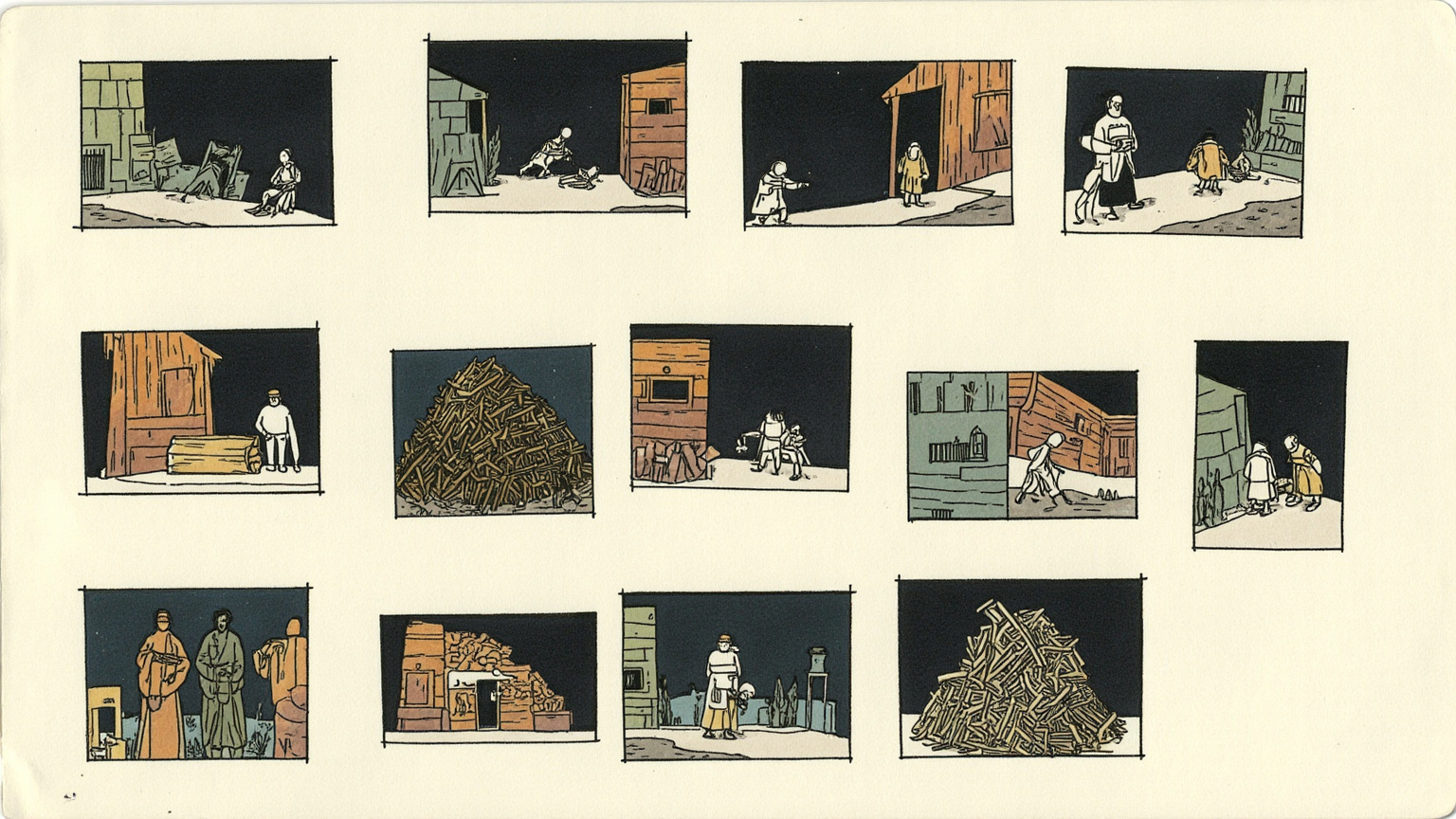
The two sides finally clash in the alleys between the lumber piles and along the pond — a war in miniature. The tower-like stacks of timber serve as both cover and scalable walls; the pond has frozen over, its edges thick with wet mud and fallen leaves, the very ground the story's final pages will stand on. The whole fight looks like a real battle and is unmistakably kids at play at the same time: wooden sword against wooden sword, the chase running from the alleys down to the pond, the losers falling back, the winners holding an inch of ground.
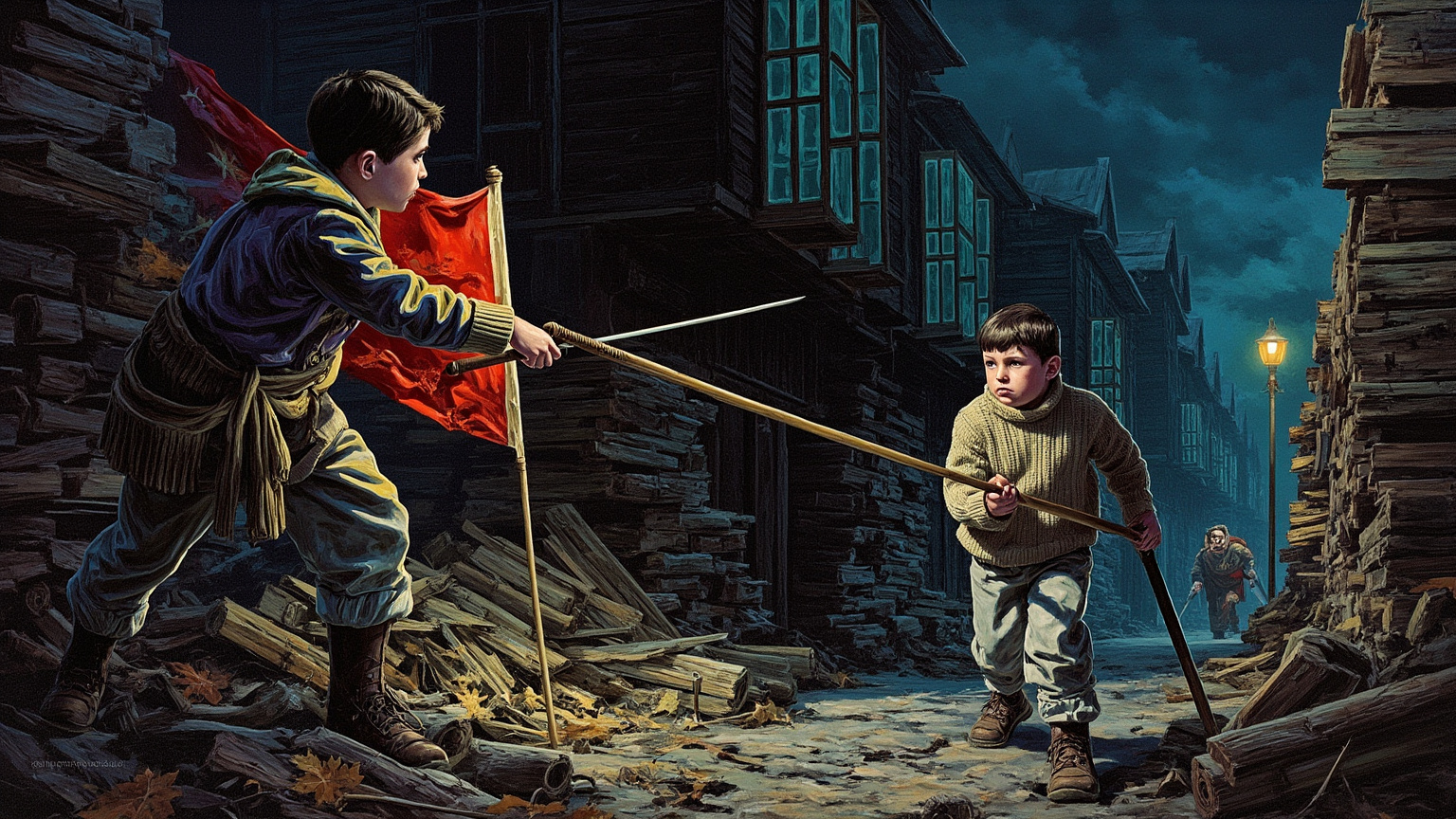
The smallest of them all, Nemecsek, flung himself into the fight—thrown down, soaked, half-frozen, and always on his feet again.
他们中间最小的一个,奈梅切克,一头扎进了混战——被摔倒,被淋透,冻得半死,可总是一次又一次地站起来。
金句 · 战争章 · 木材垛巷道中的冲锋
Nemecsek is the one who charges out again and again in this melee. He's the smallest boy there, knocked down, shoved aside, splashed with pond water — and every time he claws himself up out of the mud and charges back in. This is the heart of the book: smallness and toughness bound together in one boy. Every time he's out in front, the author makes sure you see how small he is; every time he's knocked down, you find yourself bracing for what it will cost him later.
Victory Belongs to the Grund
The Redshirts fall back. The Paul Street boys hold their ground — a boy's version of victory. Boka and his core lieutenants line up on top of the lumber pile and stand at attention before the flag they cut and sewed themselves. The first cold wind of autumn scatters dead leaves around their feet, and the wet mud still bears the marks of wooden swords. They have won the most solemn battle of their boyhood.
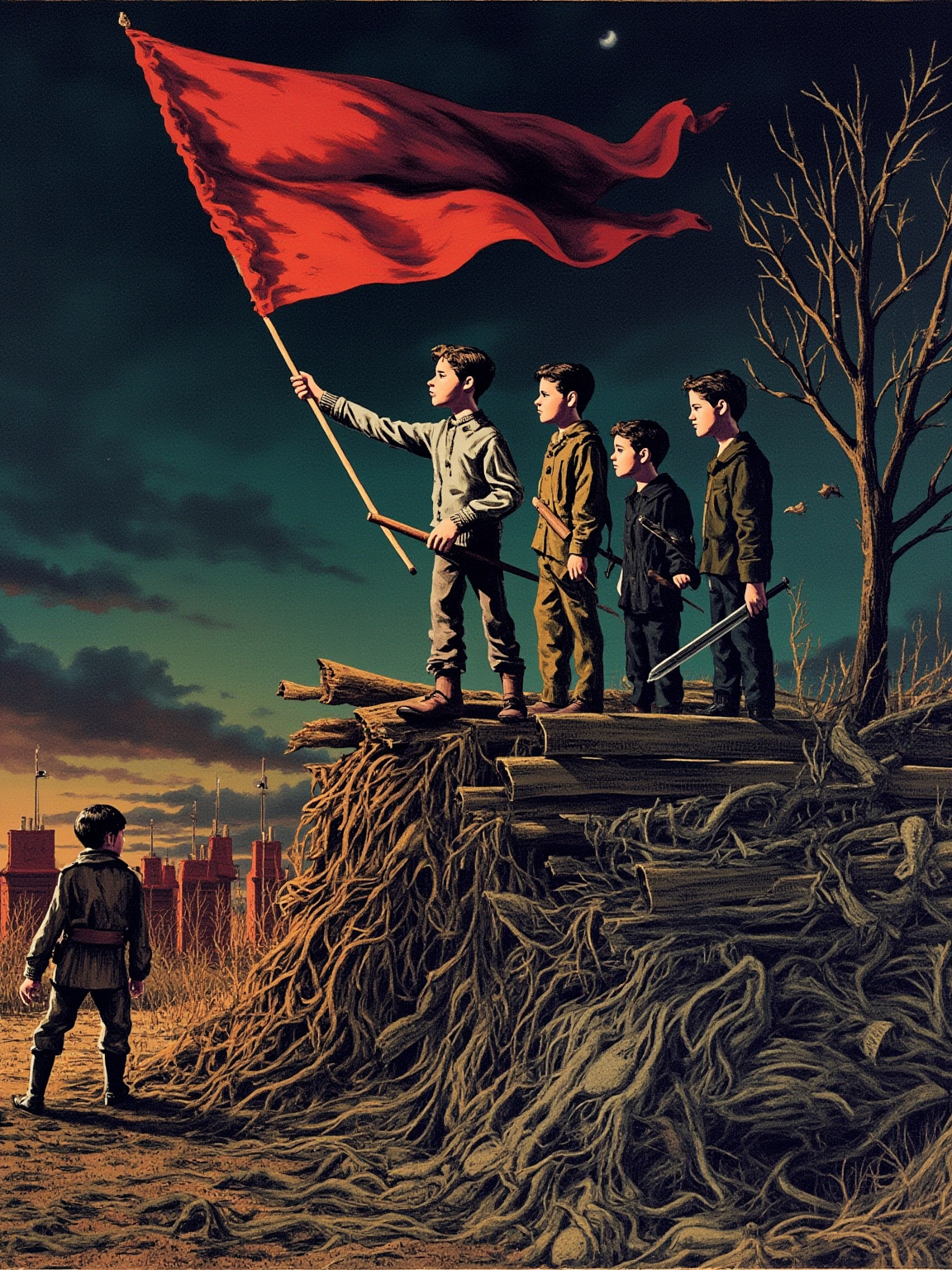
We have won! said Boka. But the autumn wind was already lifting the first dead leaves over the victor line.
我们赢了!博卡说。可秋风已经把最初的几片落叶,卷过胜者的队列。
金句 · 胜利章 · 第一阵冷风与立正致意
They won the battle. But the day they won it is, of everything in this book, the lightest page in it.
The Bill Nemecsek Pays
There's a cost hidden behind the victory. Nemecsek, charging out again and again through the alleys and the pond in the melee, got soaked and caught a chill. Autumn turned that chill into a cold, the cold into a fever, and the fever wore him down day by day in his small room. The author writes this with extreme restraint — no sickbed scene, no mourning, no deathbed. He lets you know only one thing: the smallest boy in the troop never made it to the next after-school war.
This is the most painful stroke in the book, and the cleanest one. Molnár doesn't turn the boy's death into an adult-style elegy, and he doesn't even let the book pause for it — the story keeps moving, the world keeps turning, the grund is still there. That restraint is cold to the bone, and it's precisely that coldness that concentrates the whole weight of the book into Nemecsek's handful of charges.
The Last Blow
The days after the victory pass like any other — until Boka hears a new piece of news: the grund they fought so hard to hold is going to become an apartment building. The lumber piles will be hauled away, the caretaker's hut torn down, the wooden gate pulled out of the ground. The most solemn campaign of their boyhood was, from the very start, something the world was always going to take back without a word.
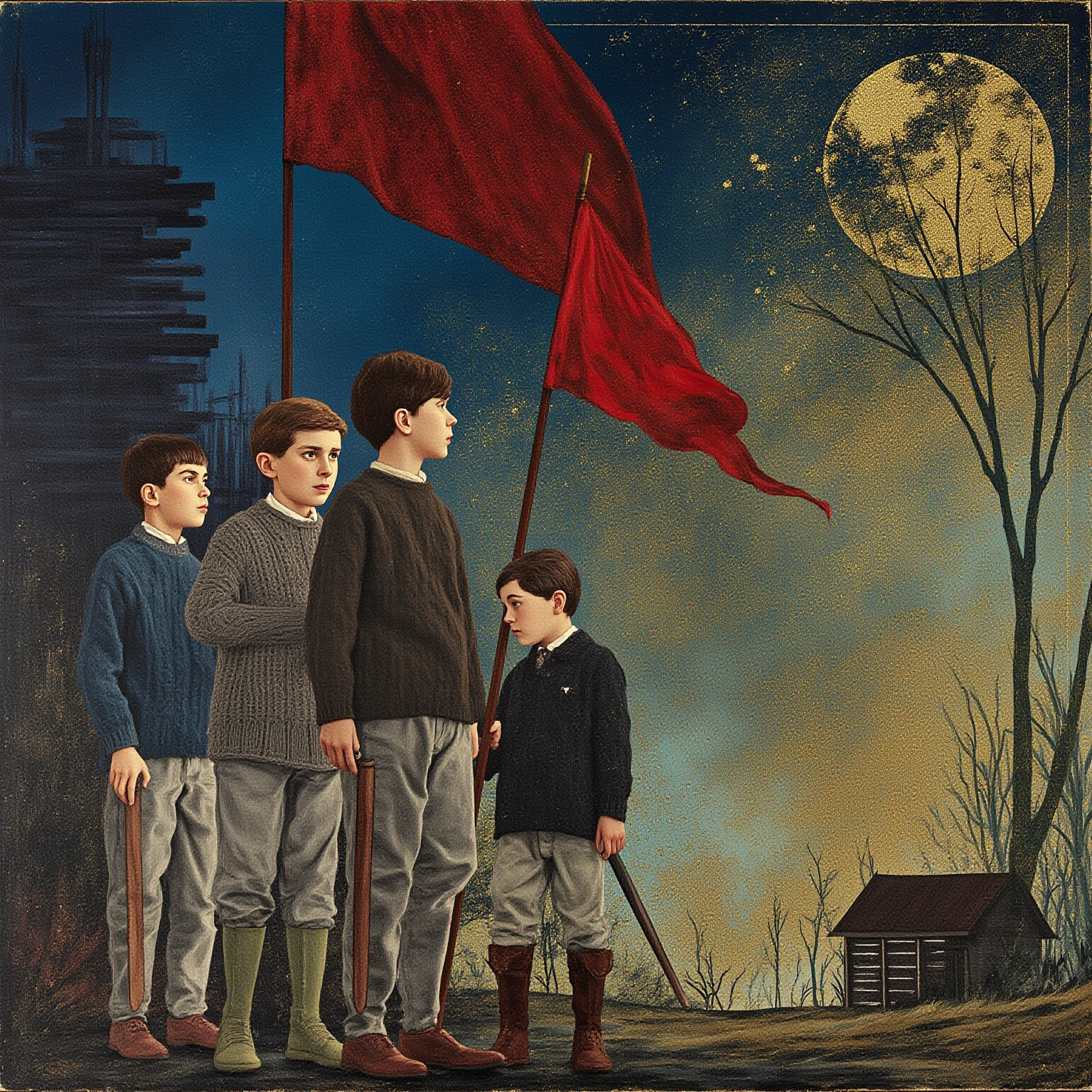
A fever took him; in a few days the boy who had been the smallest and the bravest was gone.
一场风寒把他撂倒了;没几天,那个最瘦小、也最勇敢的男孩,就这样没了。
金句 · 尾声章 · 奈梅切克之死
This is the book's real ending — not a boy hero's triumph, but his farewell. The boys learn for the first time what loyalty means, what it means to stand up for something, what it means to owe a debt you can't refuse — and then they learn that these things cost more than they thought. Looking back, the most solemn campaign of their lives turns out to be a few footprints on a few yards of weeds.
What the Book Is Really Saying
On the surface it's a boys' war; underneath it's a farewell. Solemnity and comedy, tragedy and innocence, loyalty and futility — Molnár takes pairs of things that should pull apart and fuses them into one piece. You want to laugh at the kids standing at attention on the grass, and the next moment your throat tightens at Nemecsek's charges. You want to cheer the boys' victory, and the last page knocks the wind out of you with the news that the grund is about to become a building. It's a rare kind of honest ending for a coming-of-age novel — boyhood isn't transcended here, it's quietly taken away.
Better still is Nemecsek himself. The smallest boy, and the one who steps up again and again — that contrast between small and tough is the single strongest image in the book. Children's literature has written plenty of small heroes since, but few manage to make a handful of a boy's charges catch in your throat inside ninety thousand words. Hungarian literature doesn't carry much weight on the world map, and this book is its loudest calling card.
You Already Know the Ending. Read It Anyway.
I've just told you the whole plot. And I still think you should read the thin book itself. A companion piece can tell you what happens, but it can't give you the rhythm that only ninety thousand words of the original Hungarian carry — dry, sharp, restrained almost to the point of coldness, then suddenly tightening around Nemecsek's charges. You have to open the book yourself to catch the small sound of cloth brushing against wood as those boys slip between the lumber piles, and to feel the word grund lift off the page on the last line — still lodged in your head long after you've closed the cover.
And the book itself runs barely over ninety thousand words. One afternoon is enough to finish it. Once you have, you'll understand why children all over the world have kept it by their bedside for generations — and why a strip of weeds wedged into a Józsefváros block could teach one generation of young readers after another what it feels like to lose something you fought to keep.
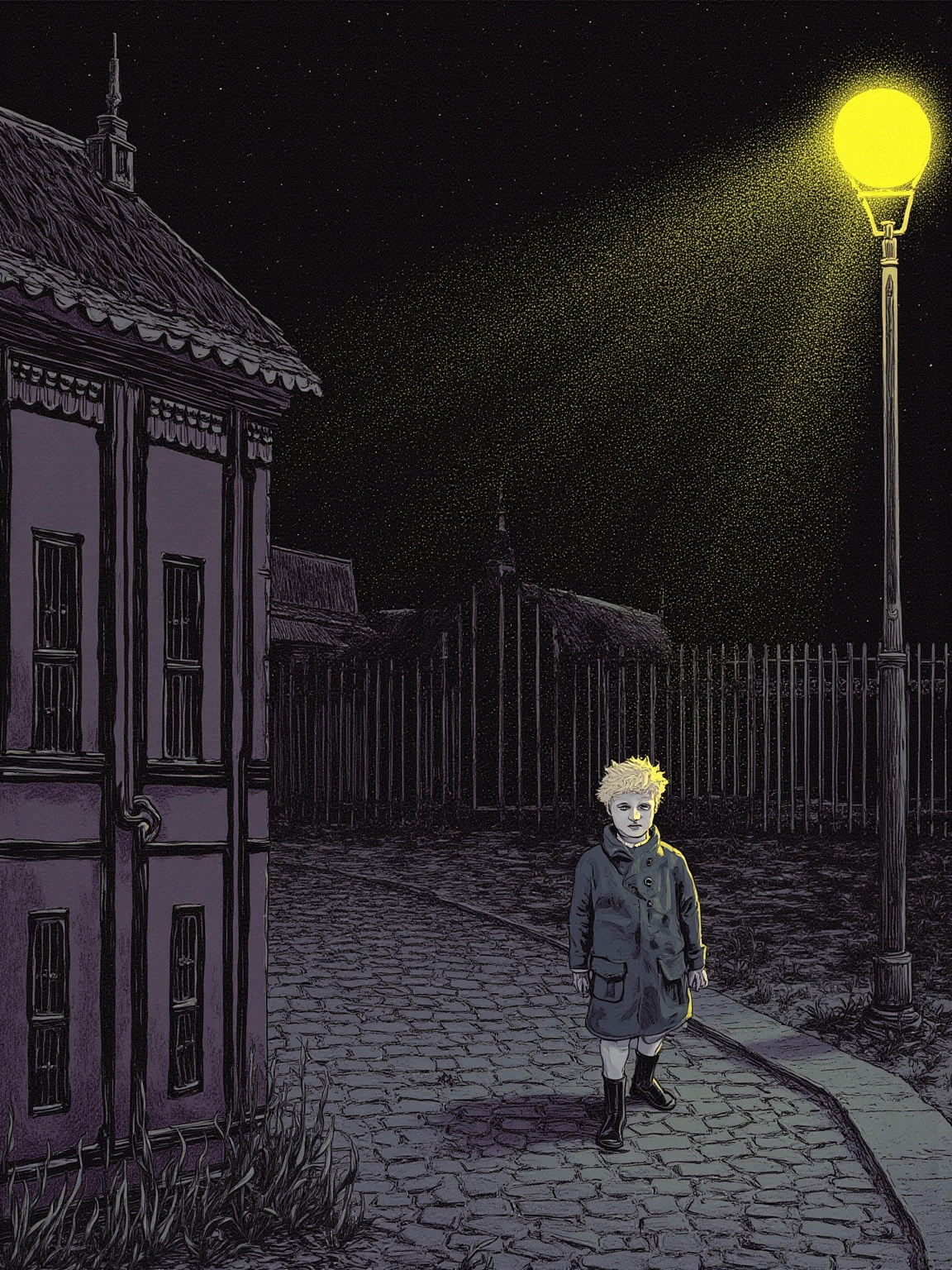
They will build a tenement house on our grund. The lumber-piles, the gate, the whole fatherland of the Paul Street boys—gone.
他们要在那块地上盖公寓了。木材垛、木栅门、帕尔街男孩们整个的祖国——一笔勾销。
金句 · 结尾章 · grund 之死
Art Direction4 plates
Before the guide was written, this book got a visual foundation — every illustration you just read grew out of it.