The Seven Storey Mountain · Companion Guide
七重山
纽约地铁的暖黄灯渐次熄灭,肯塔基钟楼的石灰白光一寸一寸覆上来——一个二十世纪的人如何被钟声按回地面。
1. A Suitcase Never Unpacked
The suitcase stands in the room, and no one comes to carry it away. A thin layer of dust settles on the lid. Inside are the paintbrushes and English novels a boy took to France, a pair of small shoes never worn — things his mother used on her last trip. This is the image Merton wants you to see at the opening of The Seven Storey Mountain: not a footstep, but something pulled out from under you. A child stands in a London flat in 1921, and the roots are already gone.
2. What This Book Is
The Seven Storey Mountain is Thomas Merton's autobiography, published in 1948. It sits on the shelf next to Augustine's Confessions and Rousseau's Confessions — the same shape of story, I was lost and then I came back, except Merton's version plays out on the streets of twentieth-century New York. It became one of the century's best-selling spiritual autobiographies, translated into dozens of languages, and book clubs are still wearing out their copies of it. The pitch is simple: a man who spent his days in bars, writing poetry, and arguing his way through Columbia classrooms gets pulled, inch by inch, by forces he can't see, into a monastery with whitewashed walls and a bell tower in rural Kentucky.
3. The Cast: Who He Was, Who His Father Was, What He Believed
The protagonist is Merton himself — born in France, raised in the English countryside, educated in New York, a convert to Catholicism who ended up a Trappist monk. His father, Owen Merton, was a New Zealand-born British painter, gifted and unrecognized, sensitive, bound to his son by a relationship that was both difficult and lasting. His mother, Ruth Jenkins Merton, was American, an artist, raised in the Christian Science tradition, and she died in London when Merton was six. Both deaths left behind childhoods spent being passed along — one stretch with his English grandparents, another in Bermuda.
At Columbia, Mark Van Doren was the man who turned his adolescent rebellion toward literature and ideas; Father Dan Walsh was the one who led him into the Catholic Church. A classmate, Fred Durham, was the friend who later walked with him into Kentucky. None of these people are decoration — they are the hands that did the pulling, in the slow climb up that steep grade Merton describes.
4. The Plot, Part One: From the Suitcase to the Pubs of Cambridge
Merton's childhood was split between two sets of grandparents, one in London, one in Bermuda. The suitcase just stood there in the sitting room. The space his mother had occupied stayed a hole in the house — he tried to fill it with paper boats, poems, arguments, and never managed to. In the early 1930s he was sent to Cambridge to prepare for university, and he sank into drink, girlfriends, and philosophy books, writing poetry, running a magazine, arguing with anyone in reach. It looked like rebellion. It was really a search. He had a phrase for that stretch of his life that lands exactly right: a state of continuous discontent.
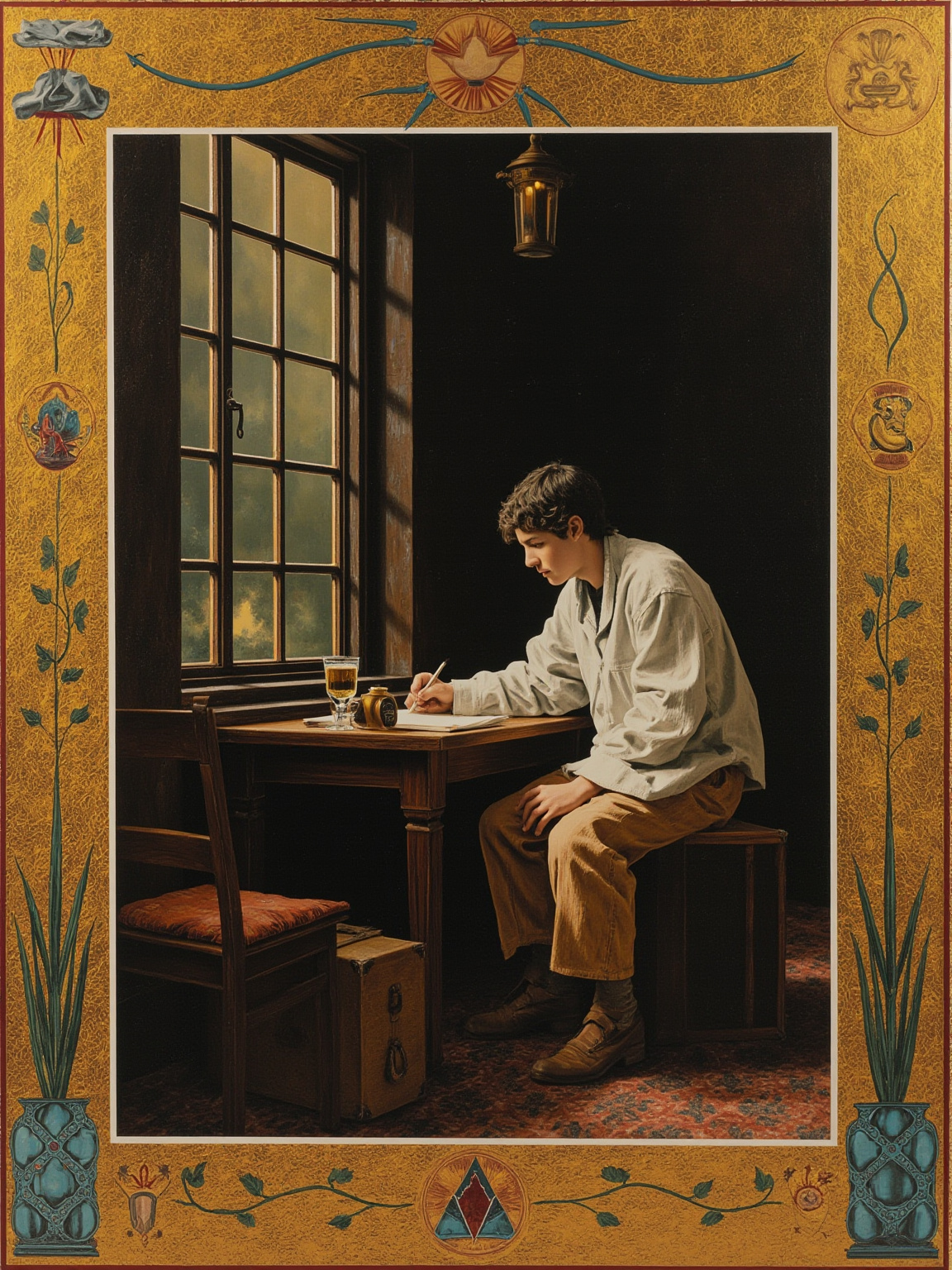
The emptiness of a house where a mother has been taken away can be more acute than the presence of one still there.
母亲被抽走之后,一所房子留下的空洞,往往比母亲仍在时更尖利。
金句 · 序章 · 未启的行李箱
5. The Plot, Part Two: New York, Columbia, and Literature as Matchmaker
In 1935 Merton transferred to Columbia University in New York. This is the book's real visual center — grey-brown streets, the subway, newsstands, small parish churches, a university library with old books stacked to the ceiling. He took literature courses, and Van Doren's classroom opened something in him: reading poetry wasn't just rhetoric, it was a way of dragging the mess inside you out into the open. Van Doren handed him a copy of The Little Flowers of St. Francis almost as an afterthought. Merton thought nothing of it, went back to his room, flipped through a few pages, and stopped cold.
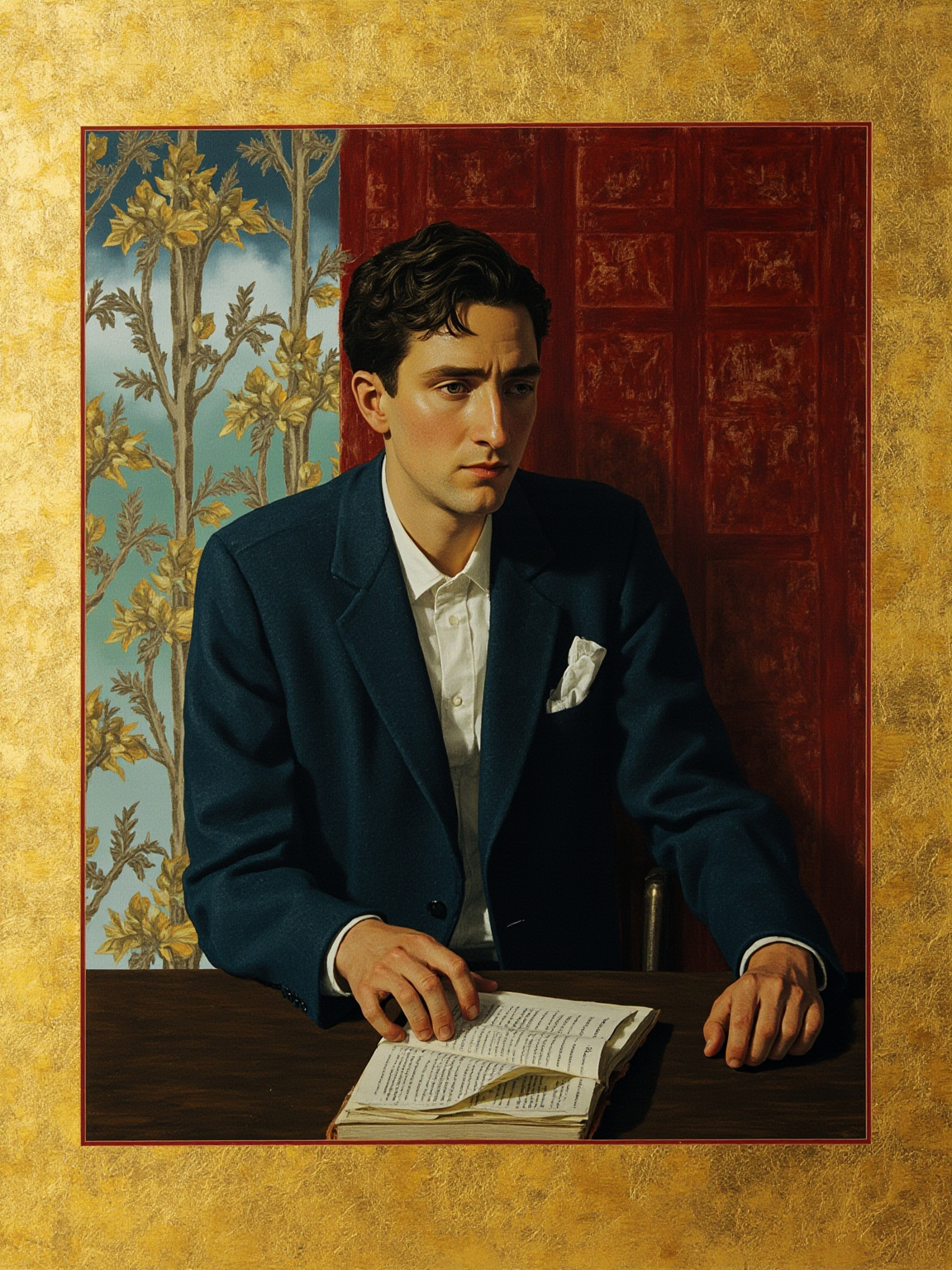
I was living in a world that was completely insane and the only way I could keep my sanity was to pretend that I was not in it.
我住在一个彻底疯狂的世界里,唯一让我保持神志的办法,是假装自己不在其中。
金句 · 第三部 · 纽约的灯火
6. The Plot, Part Three: Baptism, Around Christmas 1938
Merton writes about becoming Catholic slowly, and it comes out sounding almost frightening. Nobody talked him into it. He was walking through the streets of Manhattan, went into a church, and came out already knowing he would walk through that same door again. Father Dan Walsh, a former Protestant minister who had converted to Catholicism, became the man who prepared him for baptism. Around Christmas, he received Catholic baptism in a church in New York, and the doors of his old life closed behind him one by one.
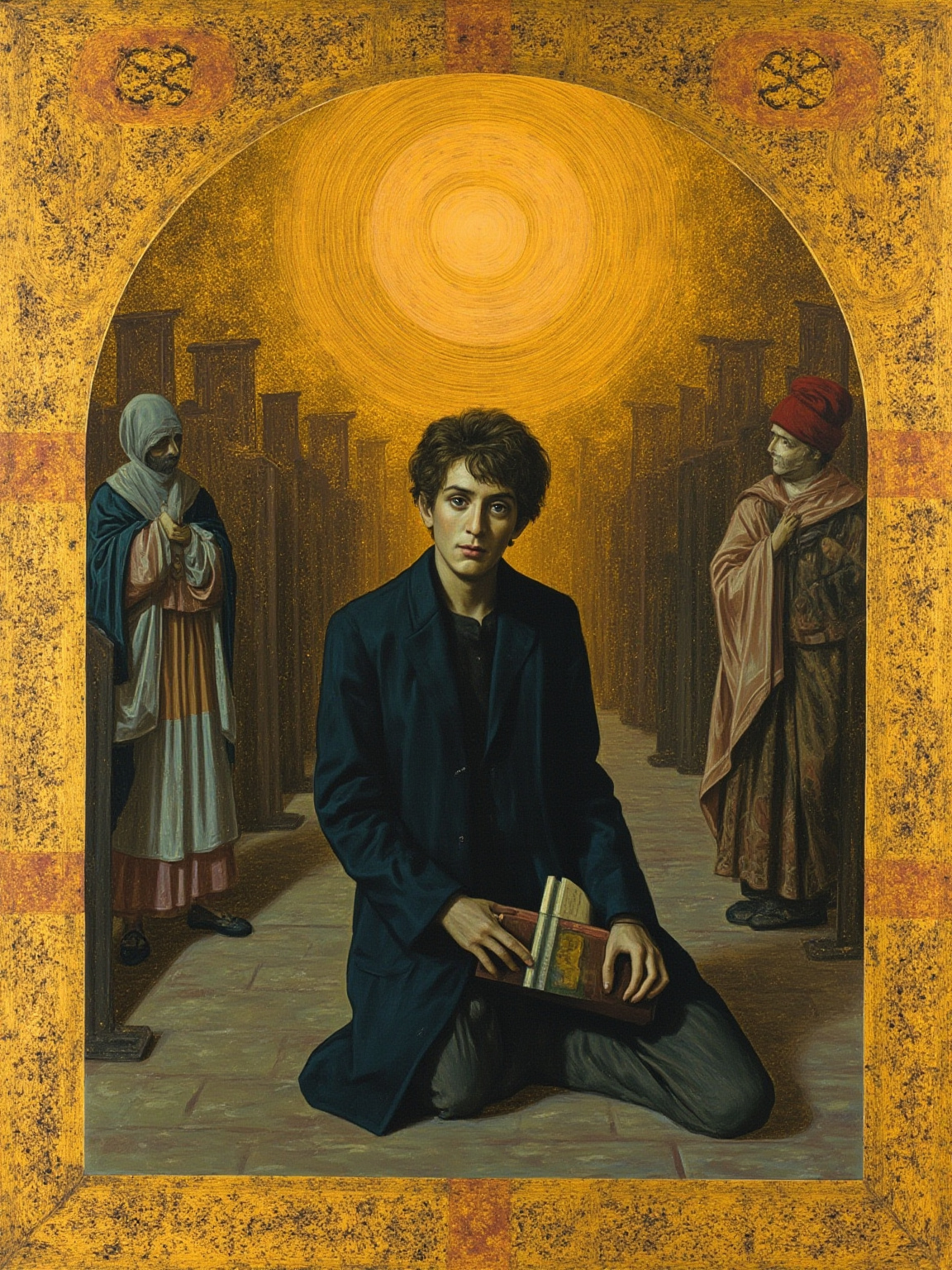
7. The Plot, Part Four: Spring 1941, Walking Into Kentucky
Three years after his baptism, Merton and his friend Fred took a train to Bardstown, Kentucky. The Abbey of Gethsemani was, at that time, a small world few outsiders ever saw: one of the strictest houses of the American Trappists, the monks in white habits under black scapulars, a cluster of whitewashed buildings gathered around a bell tower. Fields still held a haze of early spring mist when they walked in on foot. It was Lent, and Merton had his head shaved as a novice. That handful of cut hair was the last physical thing tying him to the man he used to be.
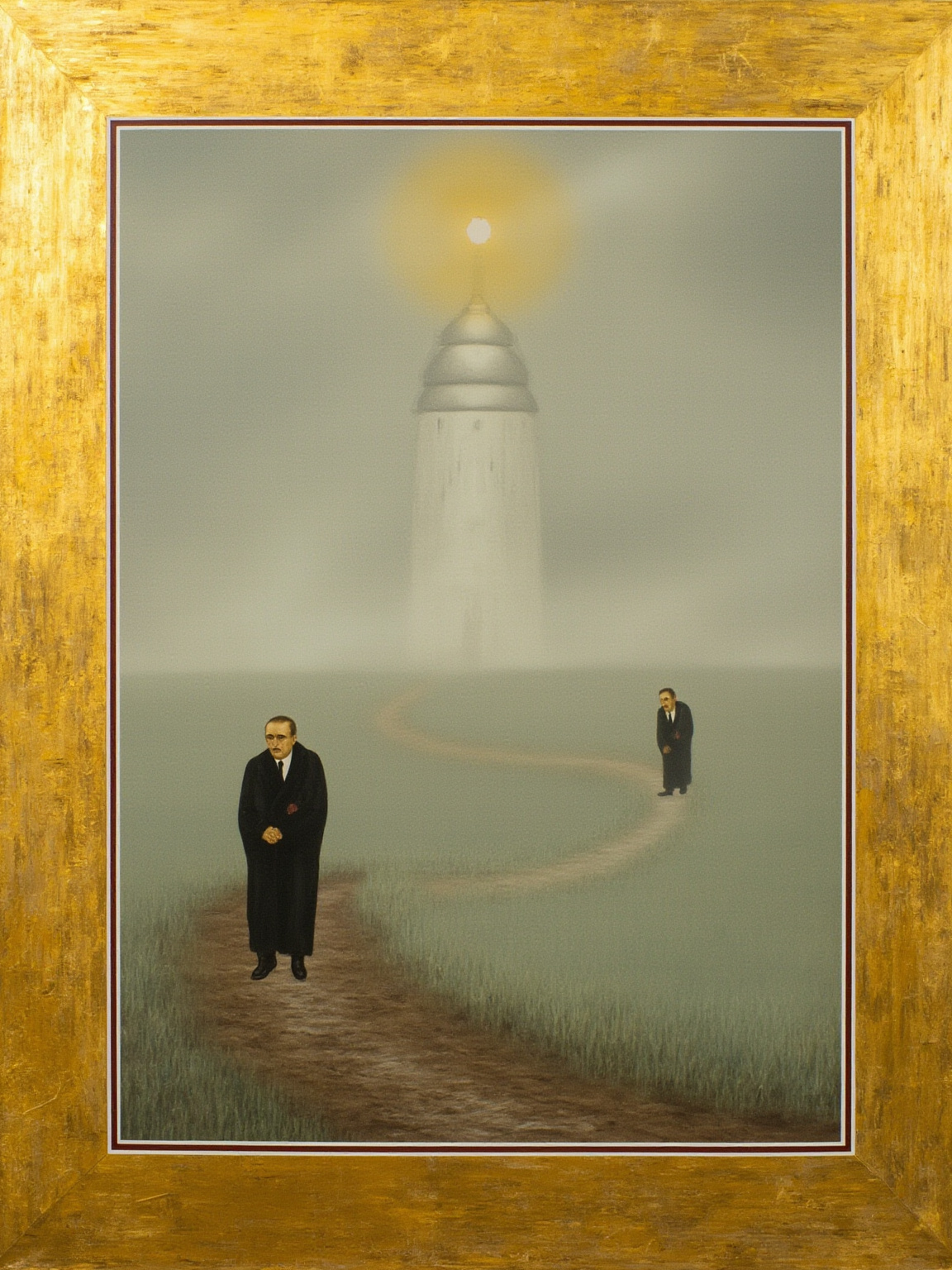
I came to the monastery looking for God, and I found the whole world there instead.
我走进修道院,原本是为寻上帝,结果反倒在里头撞见了整个世界。
金句 · 第四部 · 客西马尼的春寒
8. The Plot, Part Five: How Silence Gets Learned
In the book's last third, the story stops moving forward and starts moving inward. Merton is under the charge of a mentor he calls only 'the Father Master,' who teaches him three things: copying manuscripts, bending over rows in the vineyard, and keeping his mouth shut during the singing of the office. He writes about the Trappist rule laborare est orare, to work is to pray, like a rope being wound tighter and tighter. He had once believed faith was reading, arguing, a flash of insight scribbled down by the bed at night. Now he is being told that faith is how you hold yourself together in the silences between the bells.
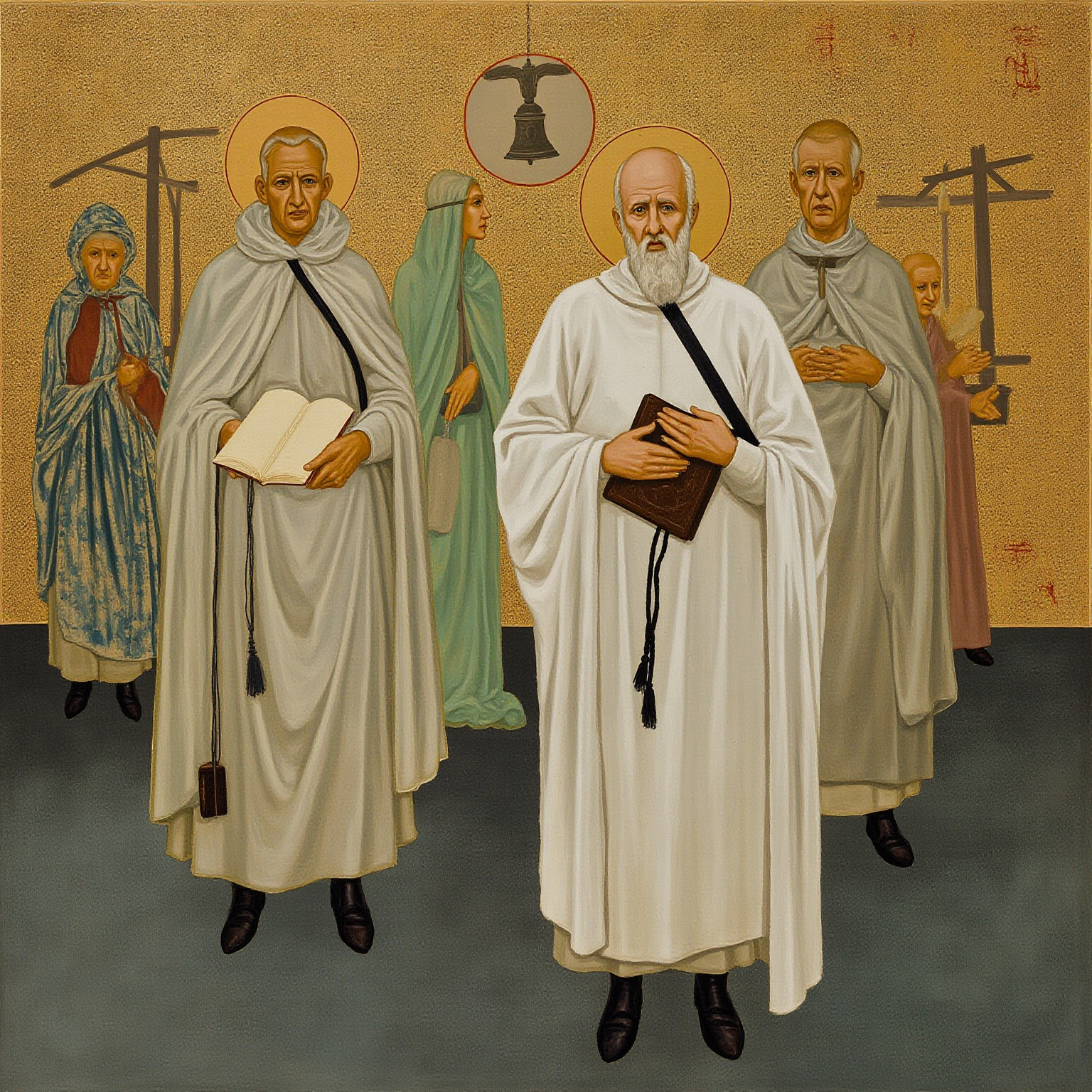
To labor is to pray. The work of our hands is the substance of our worship.
工作即是祈祷;我们双手的劳作,正是敬拜的实体。
金句 · 第五部 · 葡萄园与抄经台
9. The Plot, Part Six: Vineyard, Wheat Field, Bells — the Seven Storey Mountain
The title borrows its name from a medieval vision of Saint John, in which a good soul climbs through seven levels on its way up. Merton cuts his own life into the same seven pieces: the ignorance of childhood, worldliness upon worldliness, self-knowledge, conversion, entry into the order, first vows, final vows. It is not seven literal mountains, a mistake people often make. It is seven steps, each one quieter than the last. In the closing pages he stands between the vineyard and the wheat field, the bell tolling stroke by stroke, and in that rhythm he finally knows where he is going to stop.
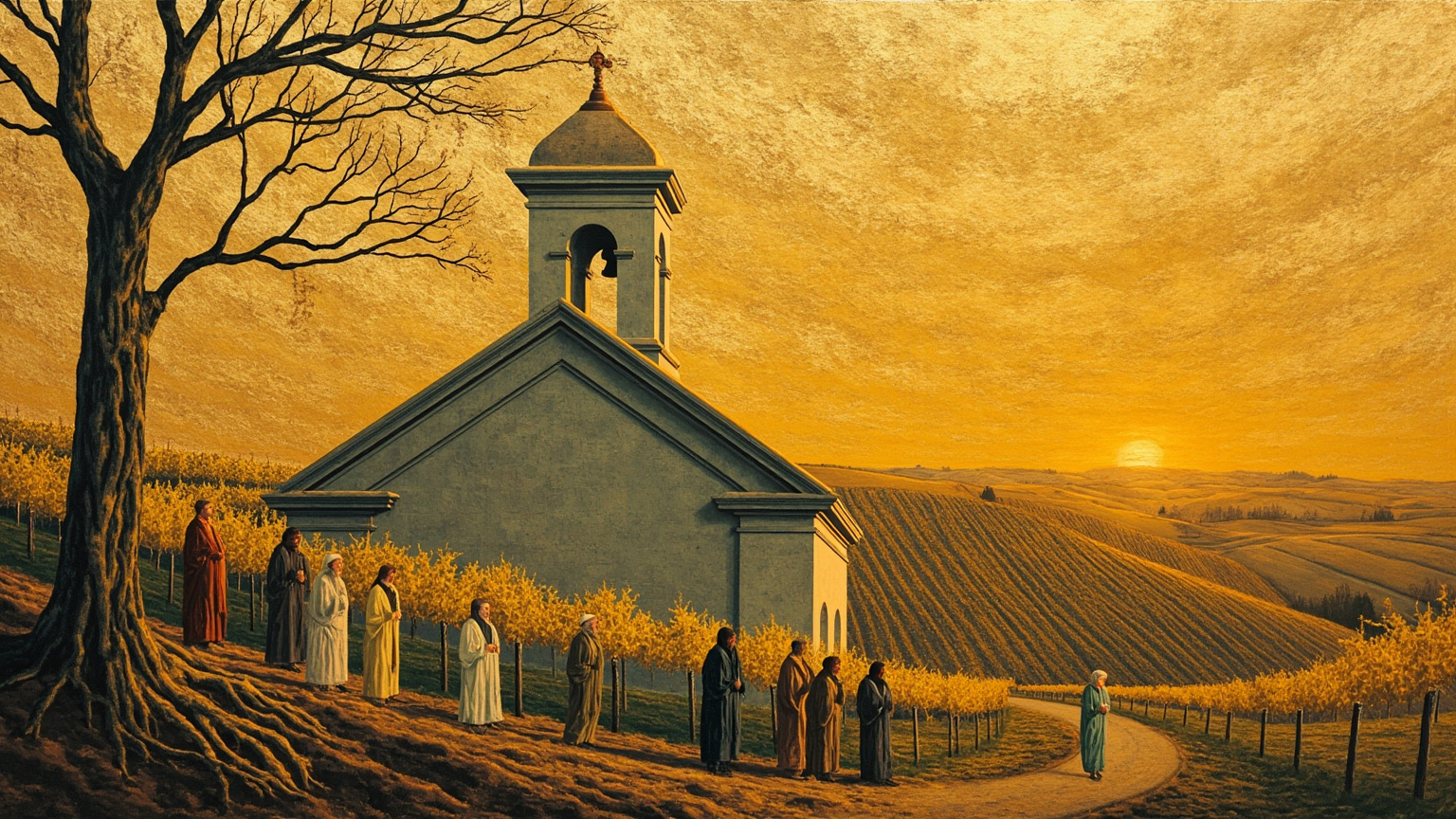
The seven storey mountain is not a place on a map; it is the seven steps by which a soul climbs from nothingness to God.
七重山并非地图上的某个所在,而是一颗灵魂从虚无向天主攀升所经的七级台阶。
金句 · 尾声 · 七重山
10. What the Book Is Actually Saying
What it is actually saying: this is how a modern man circles back, the long way, to believing in God — not some instant recognition, but something forced on him inch by inch, by bars, subway cars, term papers, love letters, a friend's funeral, a small book someone happened to hand him. It isn't a morality play. Merton doesn't dock any points for the dissolute years. It pushes back against the modern habit of treating faith as nothing but an idea: the scripture, the copying, the vineyard, the fasting aren't decoration, they're the scaffolding that pins a person down and takes away the option of running. That is why people still read it. The need to be pinned down like that has never gone away.
The finest thing Merton does as a writer is hold a shifting visual tension steady underneath the whole book, from the warm yellow light of the New York subway to the cold grey-blue of a Kentucky morning, from shop windows to whitewashed bell towers. The bell starts ringing in the first chapter, seemingly out of nowhere, and it never really stops. The first time I read the closing passage, where he hears the bell in the vineyard and doesn't know how he ended up back there, I went back and paged through the first three hundred pages again. The bell had already been ringing in this book the whole time.
11. Why the Original Is Still Worth Reading
An explainer can give you the map, not the ground. I've laid out the path he walked, but what Merton is actually offering you is the tone still warm on the page as he wrote it down: arguing with you when he writes about the New York bars, stopping short when he gets to his mother, laying each word down slowly in that grey-blue cold when he reaches the vineyard. What sentence he uses to hold the silence between the bells at the end, you have to read for yourself. Say that passage under your breath and you'll know. One thing bears repeating: The Seven Storey Mountain has never been made into a film. The images are still clean; no one has looked at them for you first.
Merton isn't writing, I found faith. He's writing how a bell, ringing inch by inch, pressed a man back down to the ground.
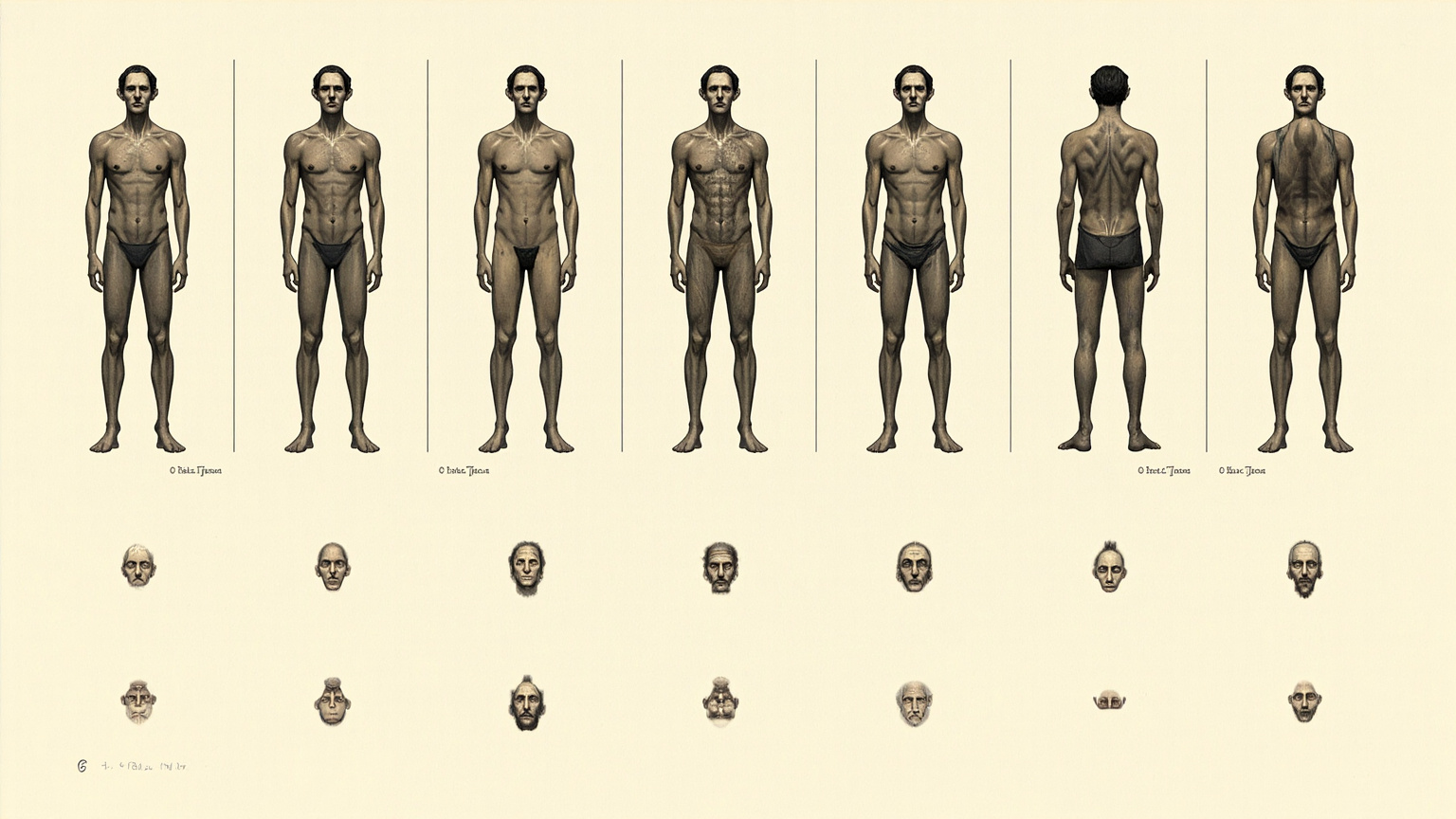
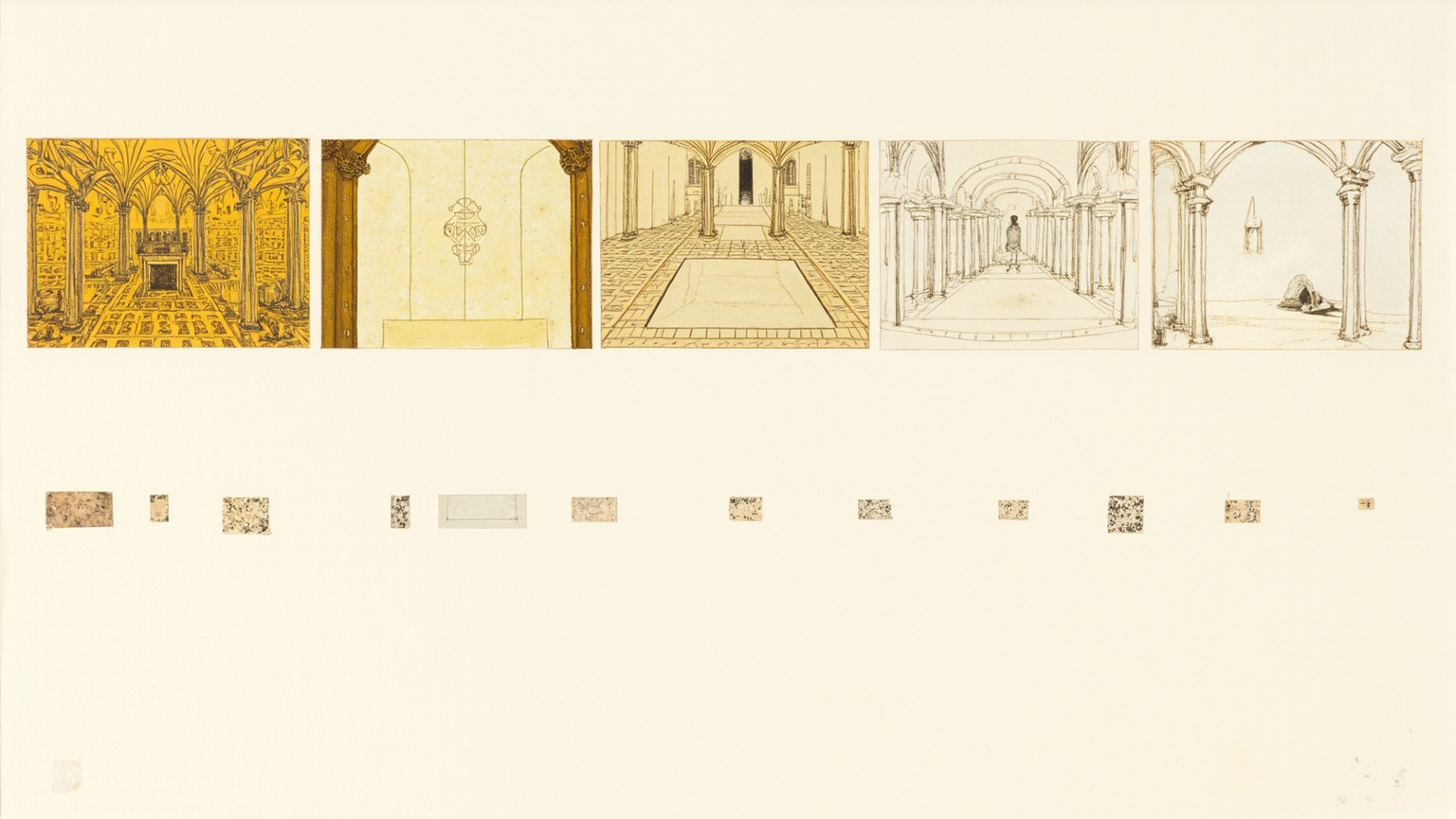
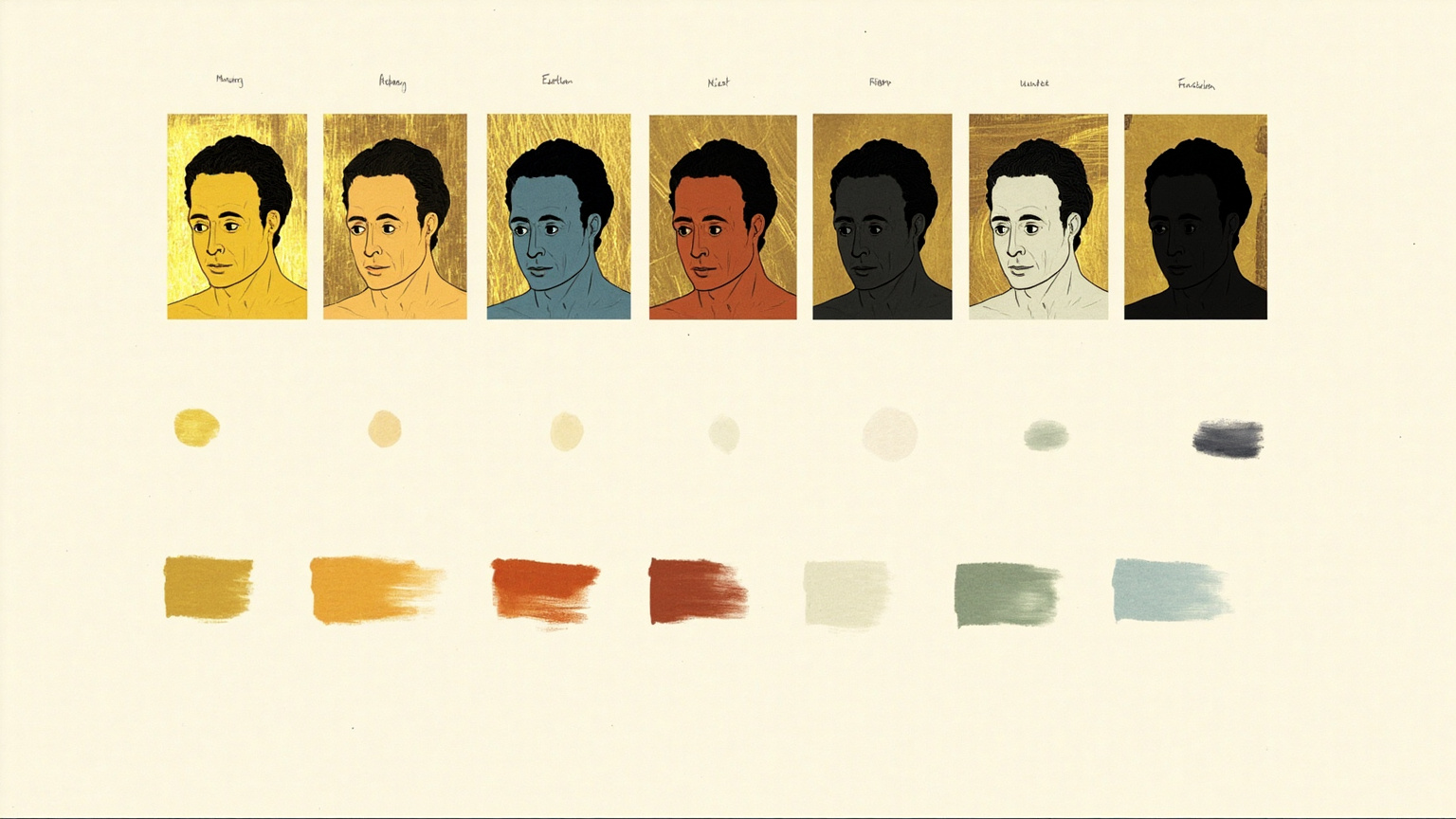
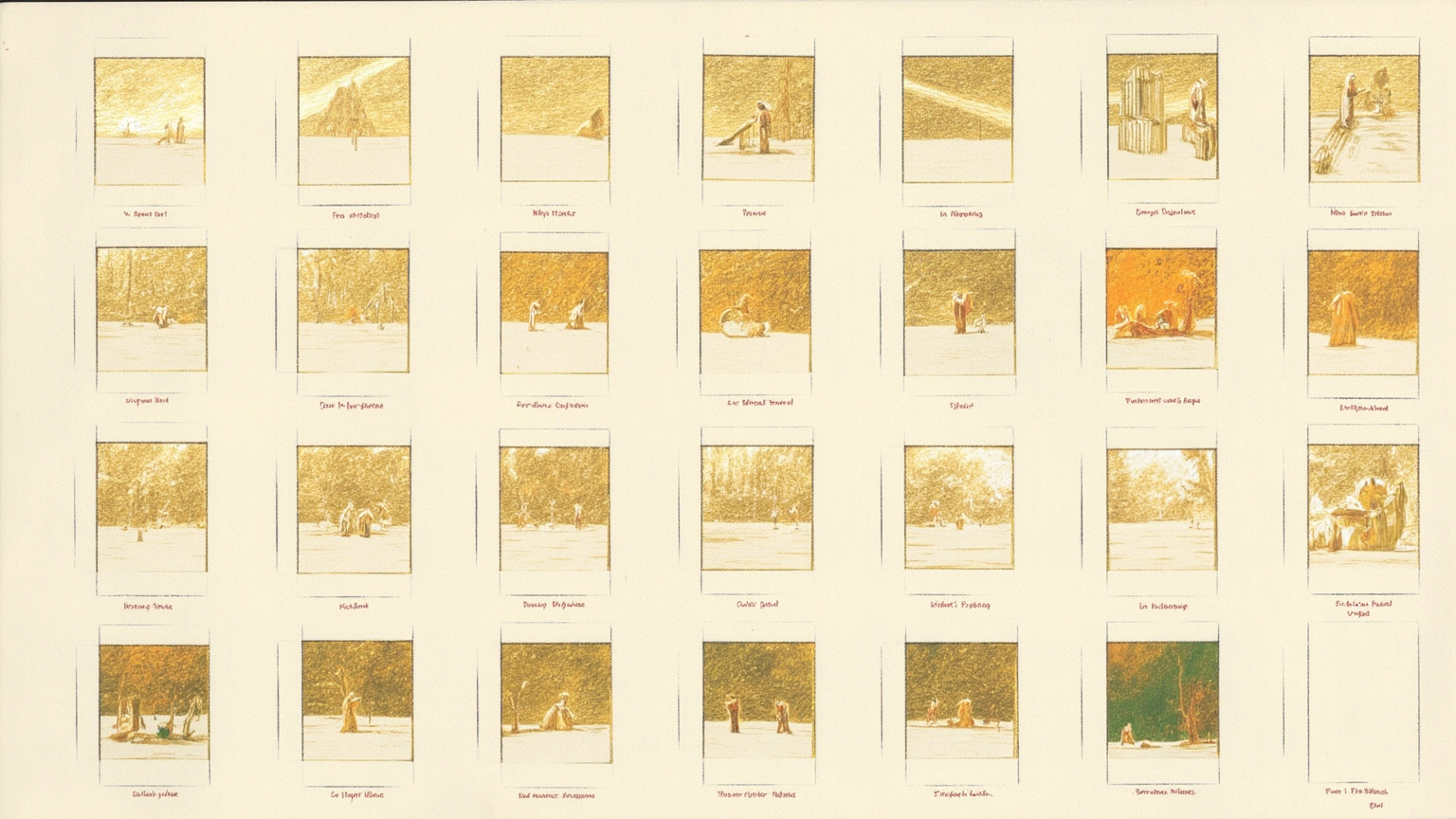
Art Direction4 plates
Before the guide was written, this book got a visual foundation — every illustration you just read grew out of it.