The World of Yesterday (Die Welt von Gestern) · Companion Guide
昨日的世界
一个维也纳少年从咖啡馆的暖光里起身,穿过两次大战与流亡的边境,最后在巴西的山城替旧欧洲写完最后一封信。
A suitcase, unclaimed
The summer of 1914, and train stations across Europe were piled with unclaimed suitcases. Their owners had been drafted into the ranks, or had already fallen somewhere — no one came back for the cases. Zweig puts this scene in his own eyes in the memoir: a young man departing Vienna, standing on the platform, watching the suitcases pile higher and higher. This scene became the metaphor for the whole book — not the war itself, but war uprooting a world from its people.
What he wanted to tell was this: how does a person go from an orderly, refined, coffee-scented world to a world where no one claims the luggage. His name is Zweig, he called himself a "European."
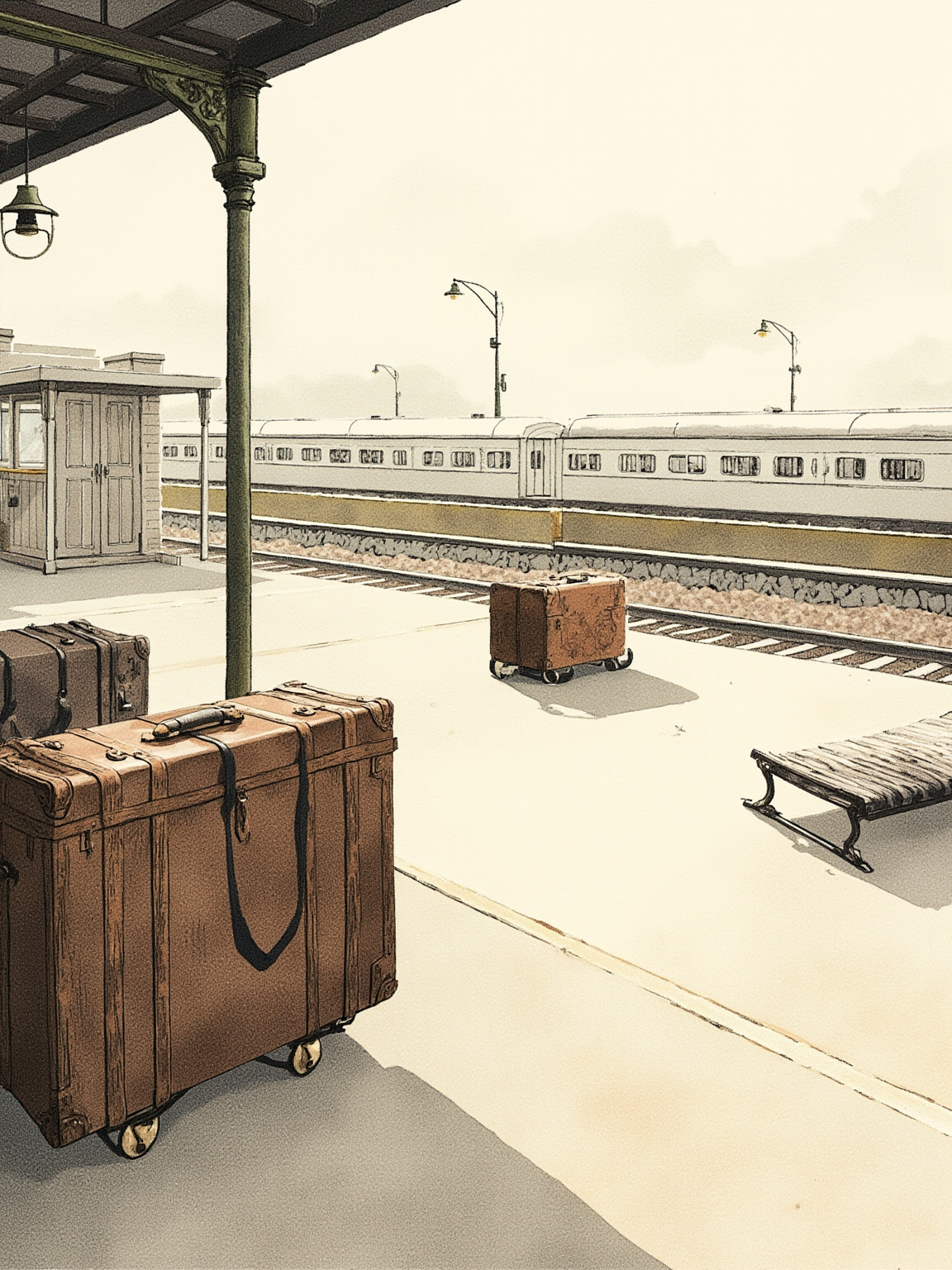
I was born in 1881 in a great and mighty empire, in the reign of the old Emperor Franz Joseph.
我出生于一八八一年,那是一个庞大帝国的时代,老皇帝弗朗茨·约瑟夫还坐在他的位子上。
金句 · 第1章 · 太平世界
What This Book Is
The World of Yesterday, subtitle "memoirs of a European," is Zweig's final work, written during his exile in Brazil and published posthumously in 1942, months after he and his wife took their own lives in Petrópolis. It is not the kind of autobiography that runs from childhood to old age — Zweig deliberately omits his two wives and family life, writing only about himself and the times, and the minds he knew. He writes of Rilke in his Paris garret, writing poetry in solitude; of Freud, still seated upright in his study on the eve of exile; of Romain Rolland, corresponding with him from across the trenches.
The book was placed in the front rank of twentieth-century European memoirs because it is an "old European's" epitaph for that old Europe.
The Person and the World
Zweig is the narrator, a boy born in 1881 into a wealthy Viennese Jewish merchant family, raised in the smoke of the Ringstraße and Café Central, determined to become a "world citizen." Vienna was the foundation of his intellectual life — the opera, the cafés, the universities, the manuscripts of famous writers — these were his entire universe as a teenager.
The book's real protagonist isn't only him. Hofmannsthal was Vienna's prematurely gifted poetic talent, a few years older than Zweig, an idol from boyhood; Rilke was the kind of pure poet who lived for poetry, who would only sit in a chair after carefully choosing it; Romain Rolland was French, stood firm for humanism during the World War, and Zweig corresponded with him for years; Freud was his teacher, a man of few words, but as cold as a scalpel; Strauss was the composer, and they collaborated on an opera; Rathenau was Germany's foreign minister, knowledgeable about both art and industry, ultimately assassinated by nationalists — Zweig turned him into the sound of "the world of yesterday" shattering against realpolitik.
A Childhood in the World of Peace
From the first paragraph of the memoir, Zweig makes you hear Vienna: the horses' hooves on the Ringstrasse, the bright lights after theater performances, the clink of cups in the Café Central. He was born into the upper-middle of that world, a wealthy family with no worries about the future, and in Vienna in the 1890s his Jewish identity posed no threat — it actually let him move more freely between two cultures.
In his boyhood, literature and music filled him. At sixteen he was already emerging in literary circles, idolizing Hofmannsthal — a few years older, a boy genius who could write poetry, write plays, and dress impeccably. When Zweig wrote about their little circle, he used a tone with a touch of self-mockery: I thought then that the world would simply keep turning steadily, that no one would disturb our afternoons of talking poetry in the café.
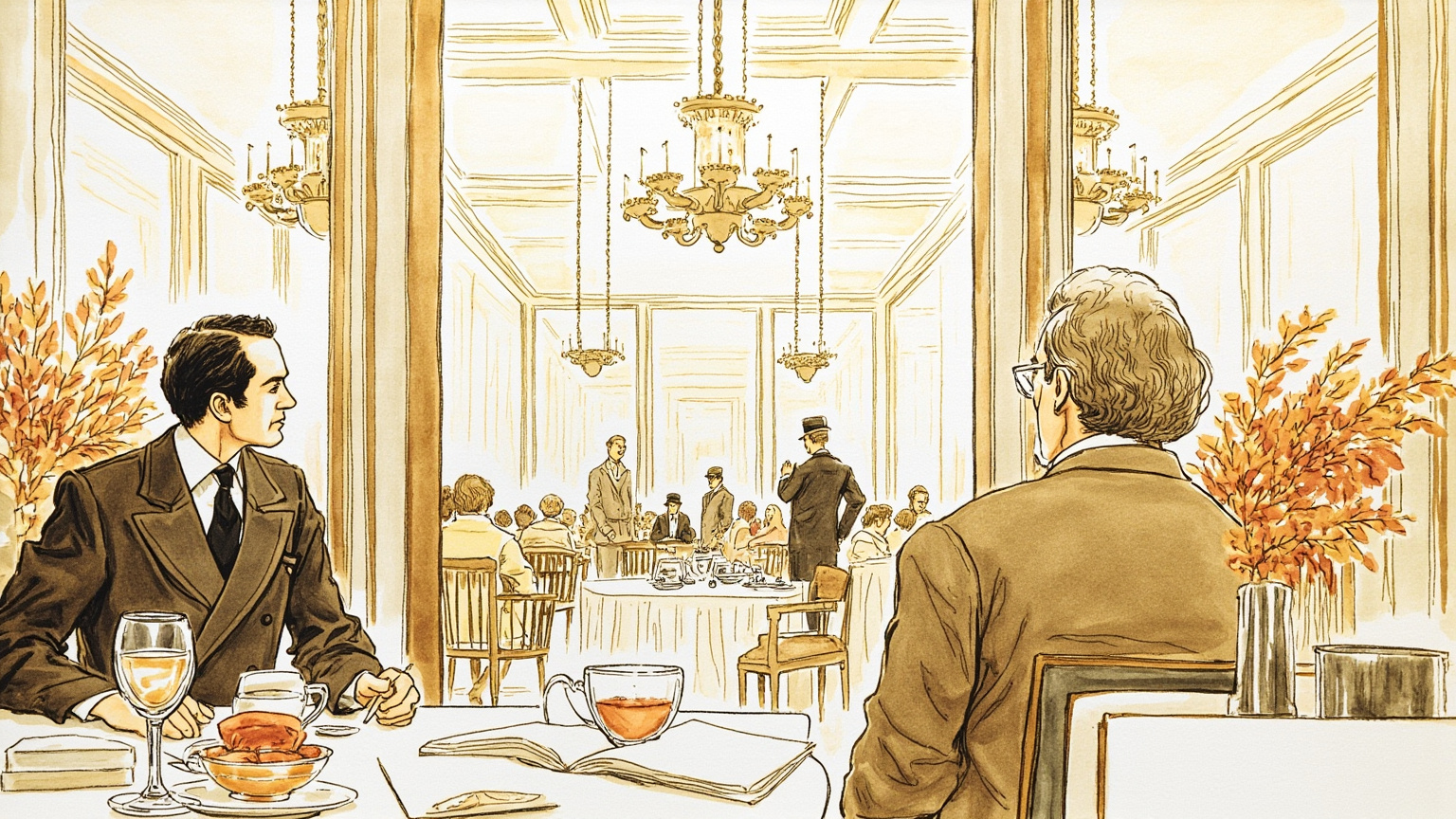
Vienna was a city in which I could feel myself at home, and the café was the world. To this day I cannot understand how I could have been so oblivious to the signs of the times.
维也纳是我那时可以安然栖身的城市,咖啡馆就是整个世界。直到今天我也想不明白,自己当时怎会对那些时代的征兆浑然不觉。
金句 · 第2章 · 校园与咖啡馆
Traveling Europe, Meeting a Whole Star Map
In his youth, Zweig began traveling far. Berlin, Paris, London — he embedded himself in a web of European intellectuals using train tickets and curiosity. Rilke was the most dramatic encounter along the way — a person more unreal than poetry itself, always searching for the right room, the right chair, for his next poem. Zweig wrote about Rilke with a novelist's pen: he didn't just say Rilke was sensitive, he wrote about Rilke trembling at the colors outside the window, changing hotels at the sound of a neighbor's footsteps.
Romain Rolland was another kind of encounter. They corresponded around 1910, Rolland in Paris, Zweig in Vienna, different nationalities but cut from the same cloth: believing literature could cross borders. This friendship later became the only spiritual rope Zweig could grasp during the World War.
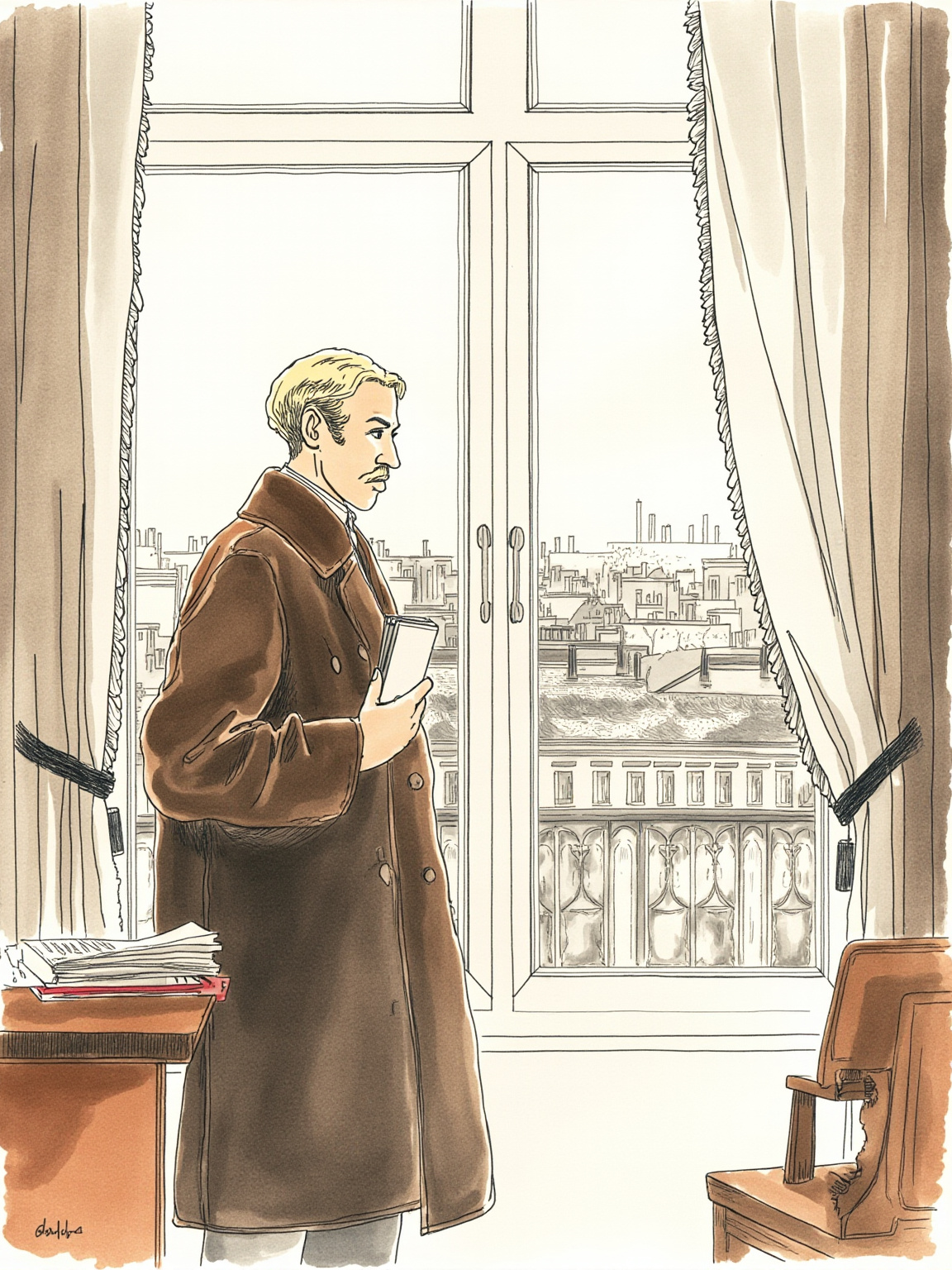
There were no limits to my belief in the present, and I felt no desire to look beyond it.
我对眼前的时代怀有一种毫无保留的信任,从未想过要看它的边界之外。
金句 · 第3章 · 通往欧洲的途程
1914, the Café Splits Open
Then came 1914. Zweig devotes a whole chapter to the rupture of this year. In August, military music suddenly rang through the streets; friends who had been discussing Nietzsche together in cafés the day before now met without shaking hands. Zweig wrote: national frenzy was like a fever, burning from Vienna to Berlin to Paris, and hardly an intellectual could escape it.
He decided not to go along with the craze. He started an anti-war publication and continued corresponding with people like Rolland, whom his own country was calling a traitor. The cost was double: in his own country he was a "betrayer," in the other country a "foreigner" — he got an early taste in his own body of what exile would mean. It was the first time he realized that the peaceful world he had always believed in was made of paper.
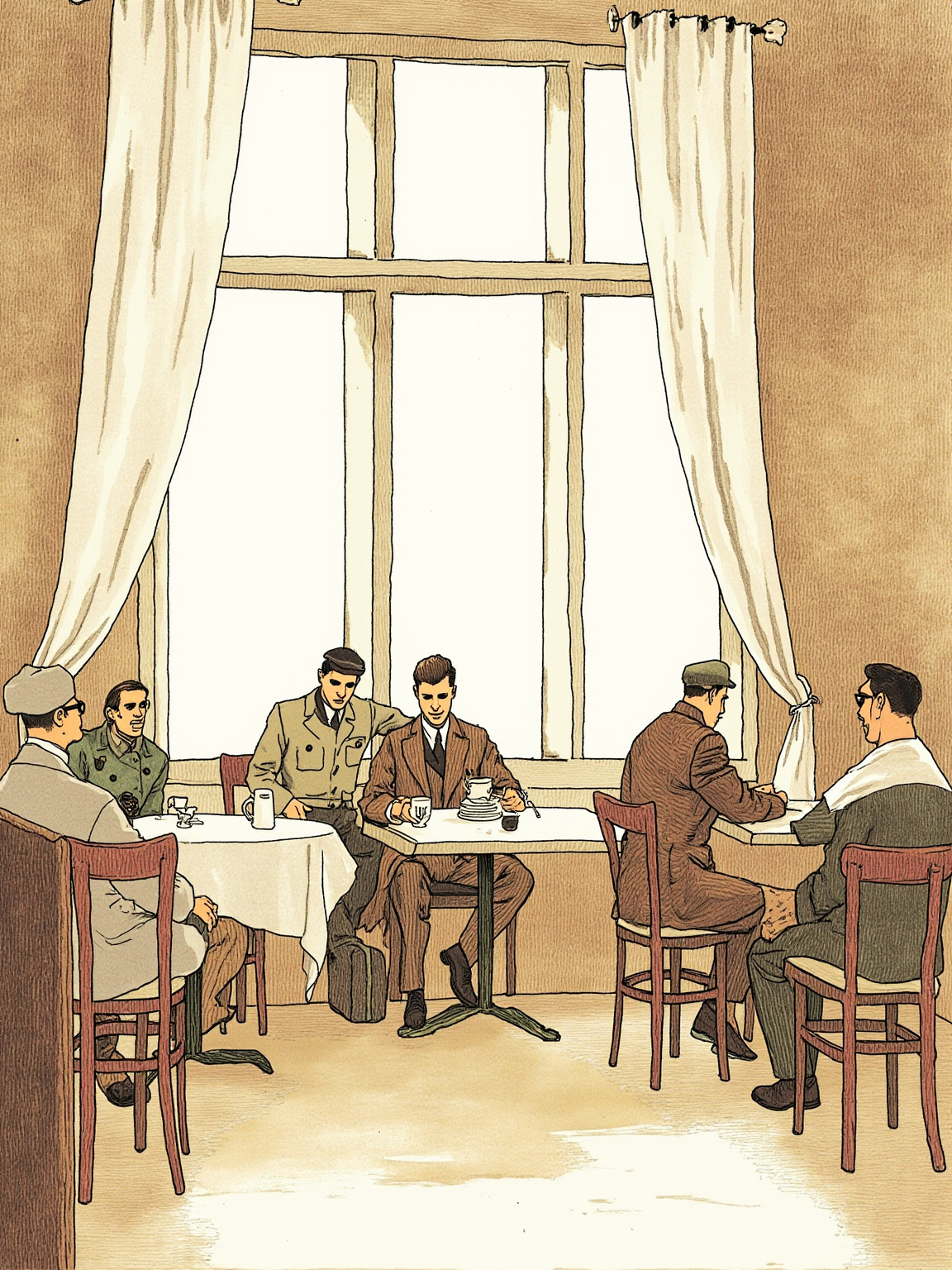
Never has the world been more beautiful, and never has it been more wretched. The light of summer was in every leaf, and everywhere the laughter of guests at the table; everywhere the feeling of an irrevocable end.
世界从未如此美丽,也从未如此令人绝望。夏日的光漫进每一片叶子,宾客的笑声在席间回荡,而每一个人都隐隐感到,这一页正在翻过去。
金句 · 第5章 · 一九一四年的夏天
The Good Days in Salzburg
After the war, Zweig bought a house on Kapuzinerberg in southern Salzburg and lived a reclusive life of writing. This was his golden age: collaborating with Strauss on operas, with The Silent Woman running multiple shows on German stages; his novels were translated into dozens of languages and the royalties poured in; his home became yet another "European drawing room," the visitor list reading like a who's who of the cultural world.
On June 24, 1922, Zweig was at his desk when news came — German Foreign Minister Rathenau had just been assassinated by nationalist extremists. Zweig was not particularly close to Rathenau, but Rathenau was exactly the kind of person Zweig believed in: someone who understood art, understood industry, understood diplomacy, someone who wanted to bring Germany into Europe. Zweig wrote of that day as the death knell of the old European ideal. What happened later was just the death knell growing louder.
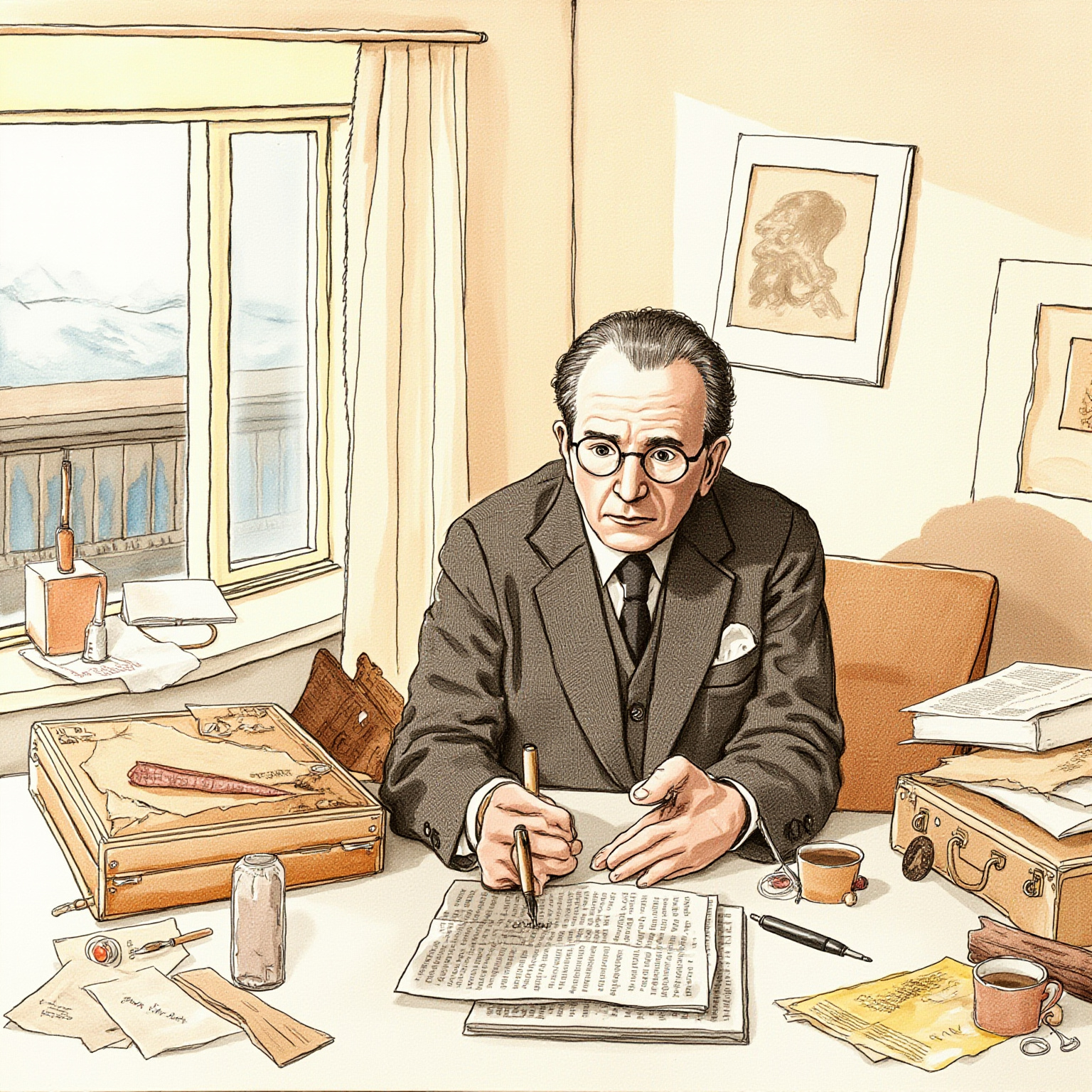
Then I learned that those to whom I had given my hand shook their fists at me in rage.
我这才知道,那些曾与我同席握手的人,已经在朝我挥拳。
金句 · 第6章 · 战时的友谊与敌意
Books Burned, Passports Confiscated
In 1933, the Nazis came to power in Germany. Overnight, Zweig's books were publicly burned in Berlin; within a few years his citizenship was revoked and he became a writer outside his native language. His Salzburg home was searched and he had to leave.
From 1934 he was in exile in Britain, moving between London and Bath; later through New York in America, finally drifting to Brazil in the southern hemisphere. Petrópolis was a mountain town, warm, but not the warmth he needed. He rented a small house there and wrote The World of Yesterday. The writing itself became his reason for living — until he finished it.
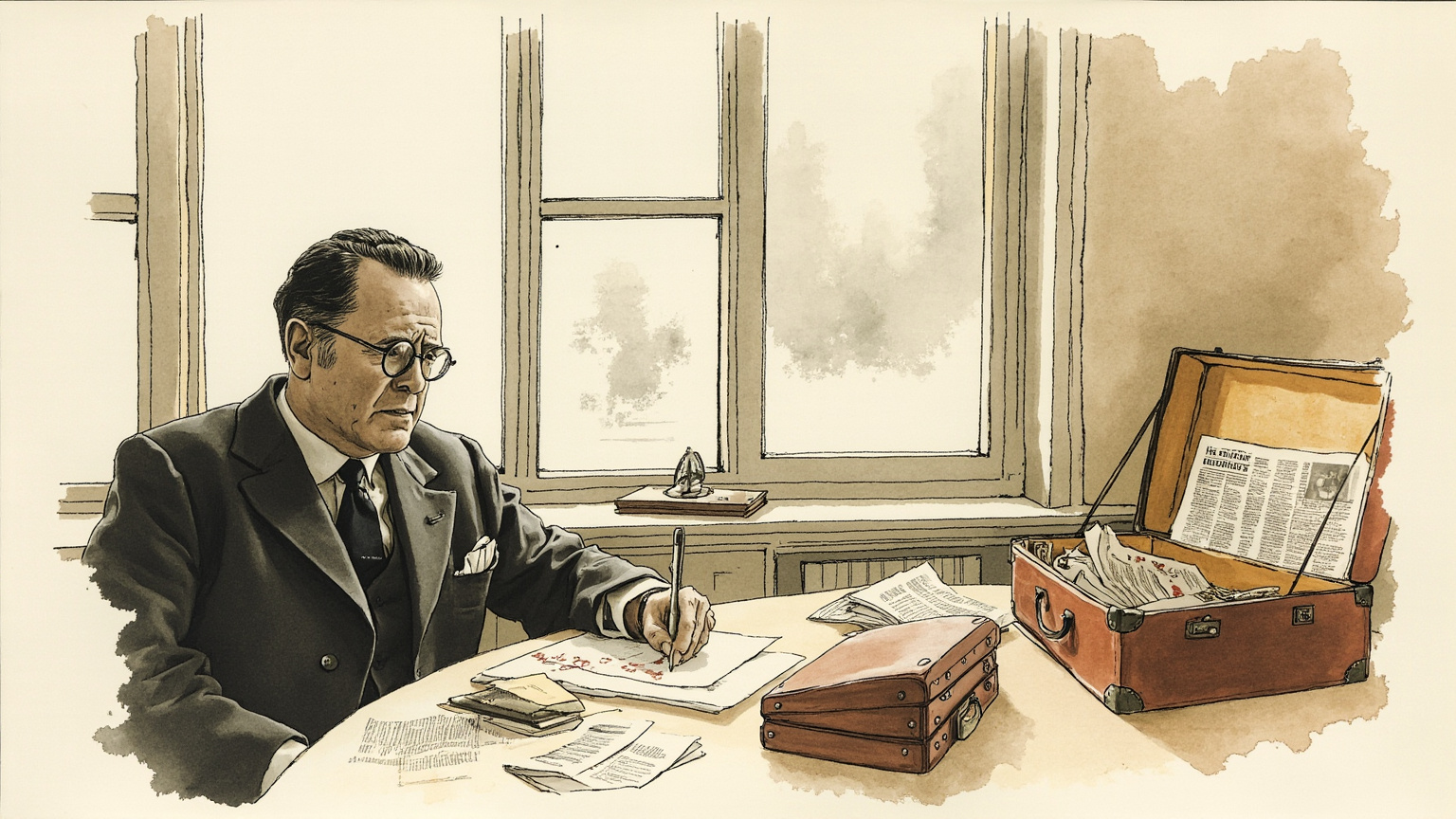
I stood in the middle of my life, in the middle of my work, and was forced to bid farewell to the past all at once.
我站在自己生命的正中央,站在自己的事业正中央,却被迫在同一时刻向过去告别。
金句 · 第8章 · 一九三四年之后的流亡
The Final Farewell
Zweig ends his memoir by describing his arrival in Brazil. The prose is calm—unnervingly so. He dedicates the whole book to "the world of yesterday," that vanished era when a European could sit in a café and hear a dozen languages, could feel at home everywhere. He knew that world was gone. He was giving it a proper burial.
In February 1942, Zweig and his second wife Lotte took their own lives in their home in Petrópolis. The manuscript had been sent off before his death.
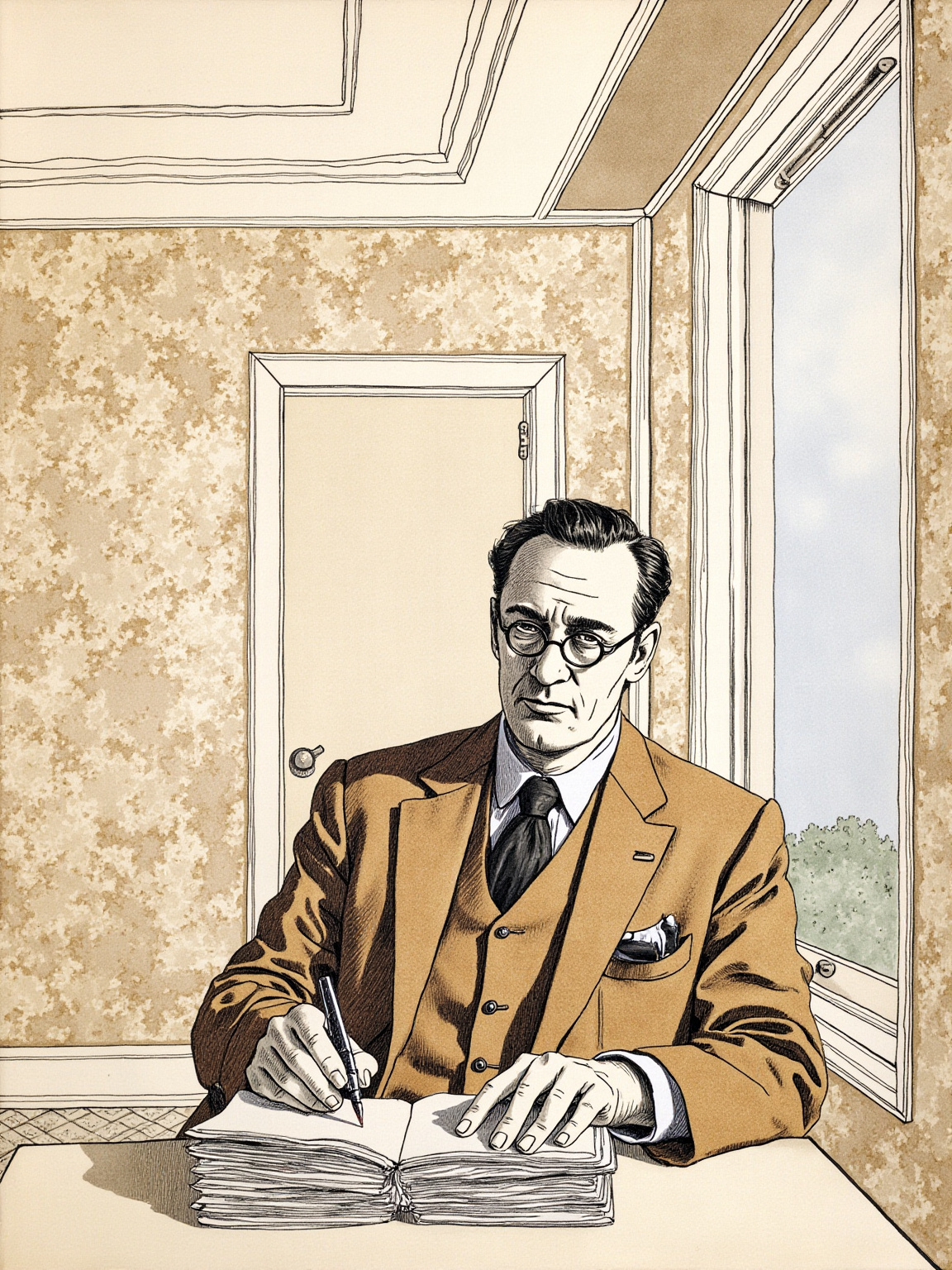
For our inner self is in all the worlds, or rather in none.
因为我们的精神自我居于所有的世界之中——或者也可以说,哪一个世界也不属于它。
金句 · 结语 · 昨日的世界
What This Book Is About
Zweig romanticizes pre-WWI Europe as a golden age. But this nostalgia comes with filters—he's talking about the Habsburg Austro-Hungarian Empire, with its ethnic tensions, class divisions, the undercurrent of antisemitism. He probably saw all that then, but he chose to remember the version that let him sit in the Central Café and write poetry in peace. That selective memory is both the cost and the honesty of nostalgia.
What he really wanted to write about was loss. Losing a café where you could read Nietzsche in your mother tongue, losing the freedom to sit down without having to explain your nationality, losing the very concept of a "spiritual homeland." That's why this book has no battle scenes, no blood, no flags—just empty chairs, unclaimed luggage, torn letters, burned books. It's history written through evidence.
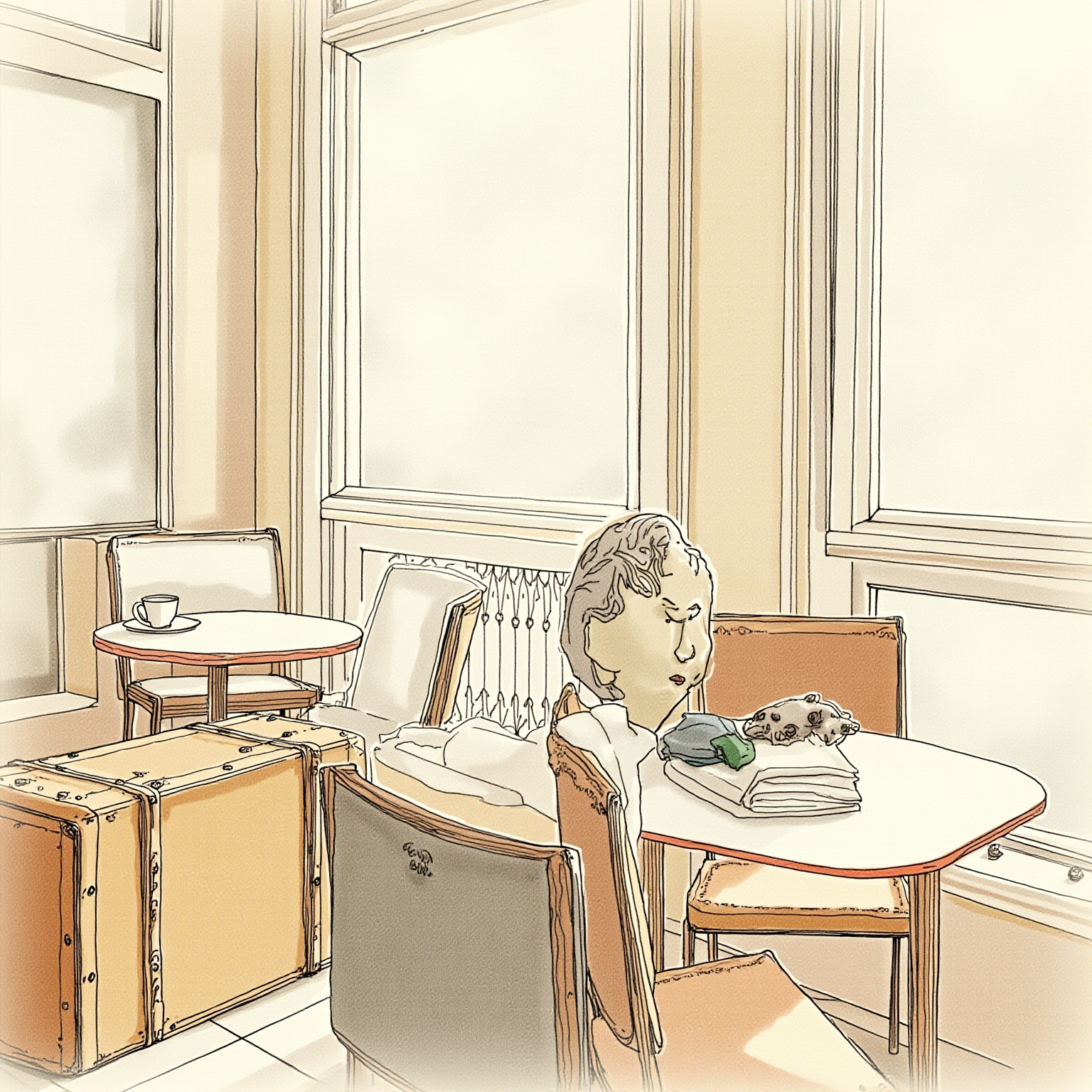
Why Read It Today
Zweig writes memoir like a novelist. He doesn't just tell you what happened in a scene—he makes you see Rilke picking out a chair, watch suitcases gather dust under the station lights. This doesn't read like a document; it feels like an old friend sitting across from you, telling you about their youth. When I first read about Rathenau's assassination, I had to go back and reread the previous page.
So it's not merely "a gateway to understanding Europe before and after the World War" — it's a demonstration: how to use one person's eye to write the rise and fall of an entire civilization in a way that lets readers a century later sit in quiet.
He wasn't killed by the war — he watched the kind of people he believed in disappear from his side, one by one.
Go read the main text
What the commentary gives you is a map; the main text is the land itself. The map can only mark "meeting Rilke," "correspondence with Rolland," "exile in Brazil" — but Zweig in the original will let you stand for a moment at the window of a Paris attic, hear the faint sound of a friendship breaking in a 1914 café, see a name on the front page of a newspaper at a desk in Salzburg. These are moments you feel with your body; retelling cannot take them away.
And the book has a special way of being read: don't rush through from beginning to end. Pick a quiet afternoon and open to any chapter in the middle — it's really an old man going through old letters in a drawer, and you just follow him as he turns the pages.
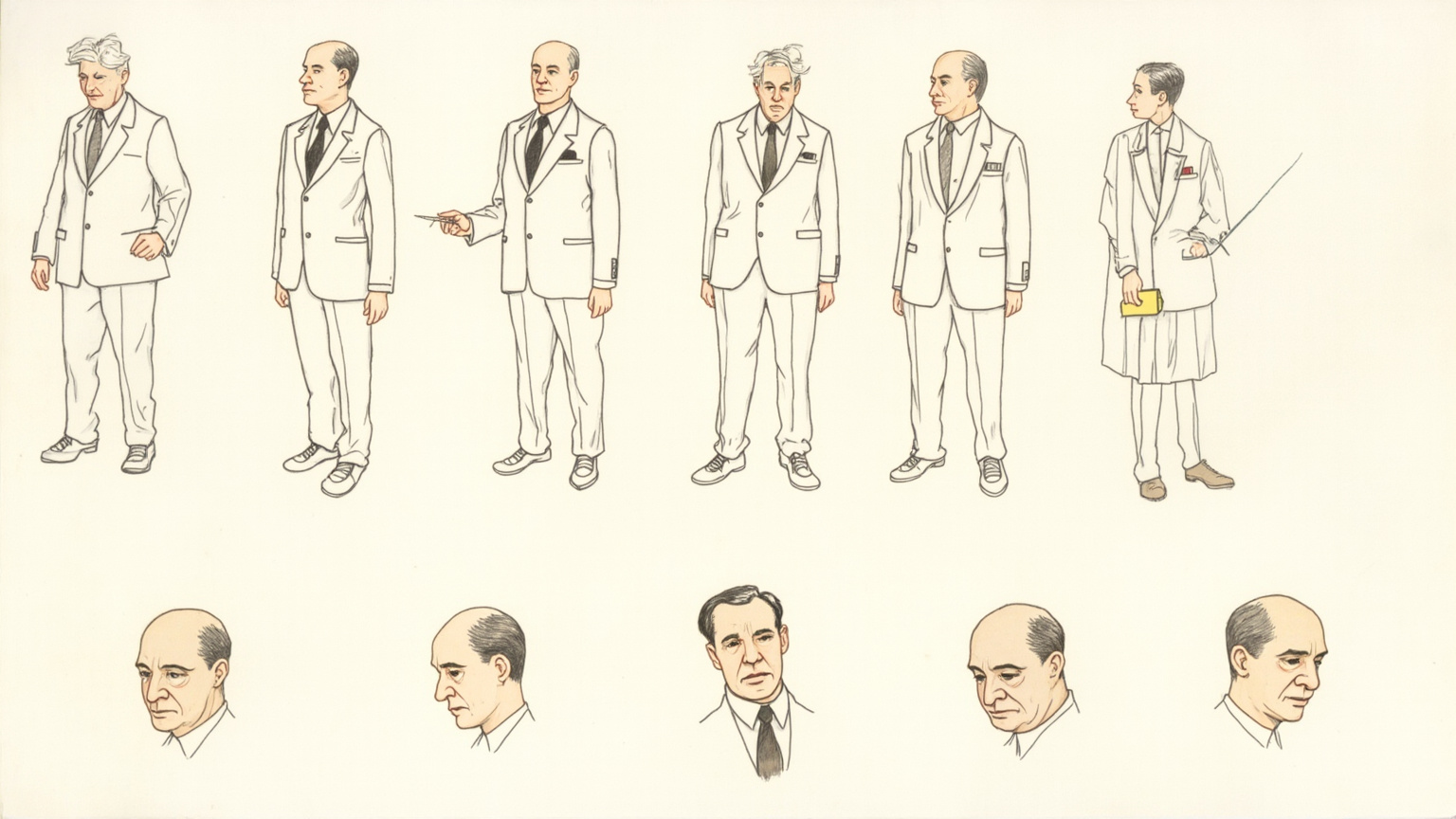
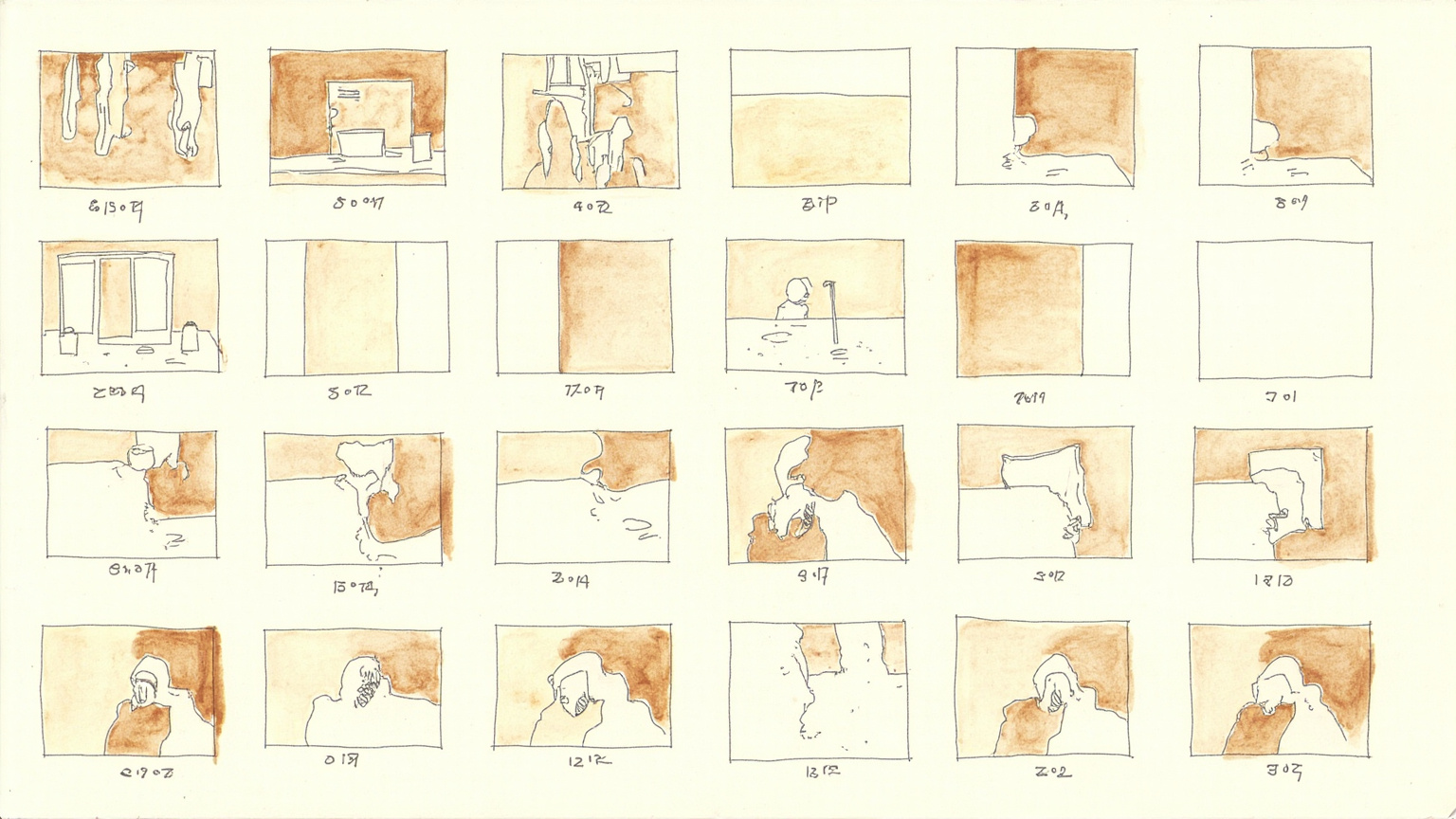
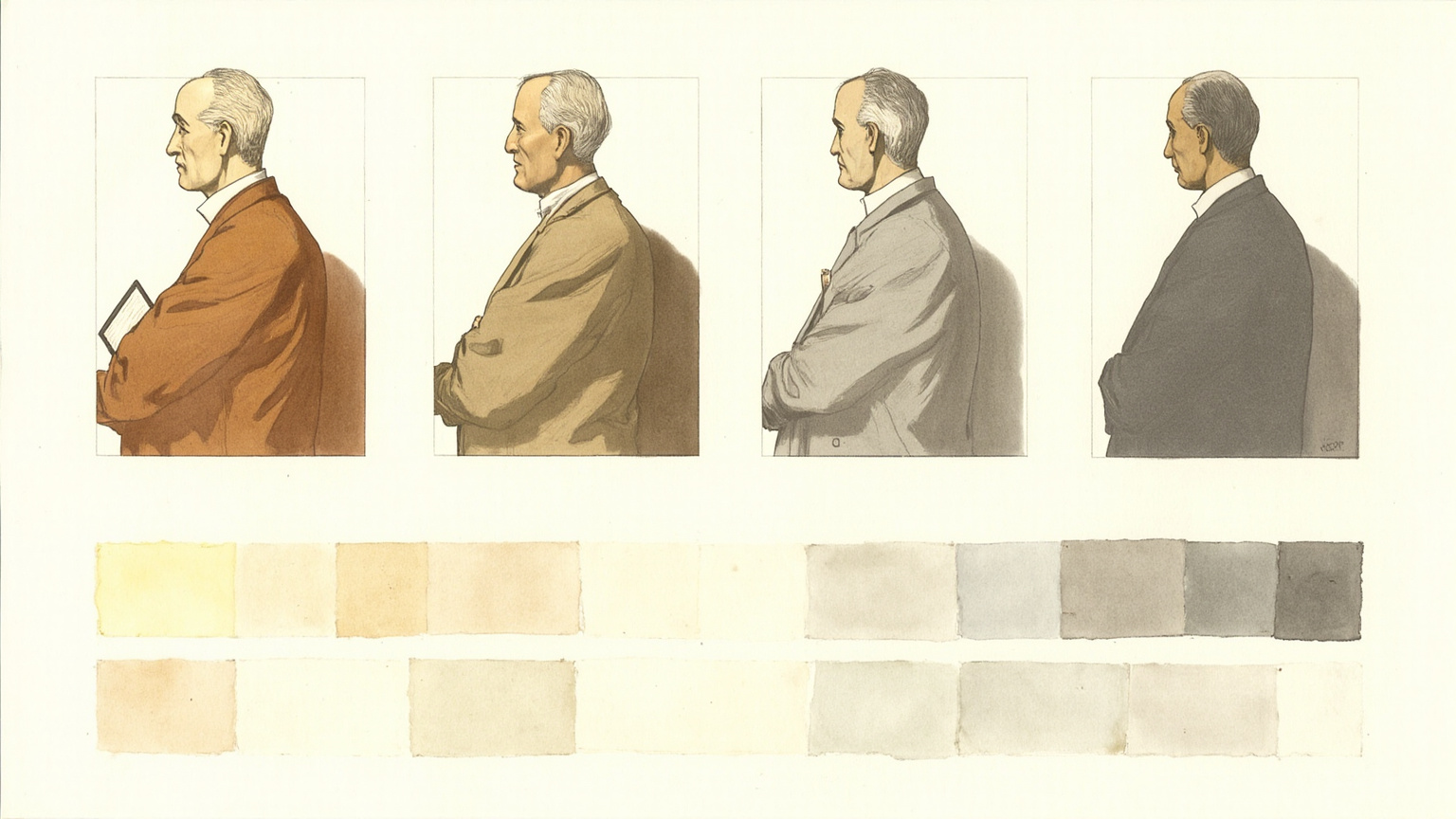
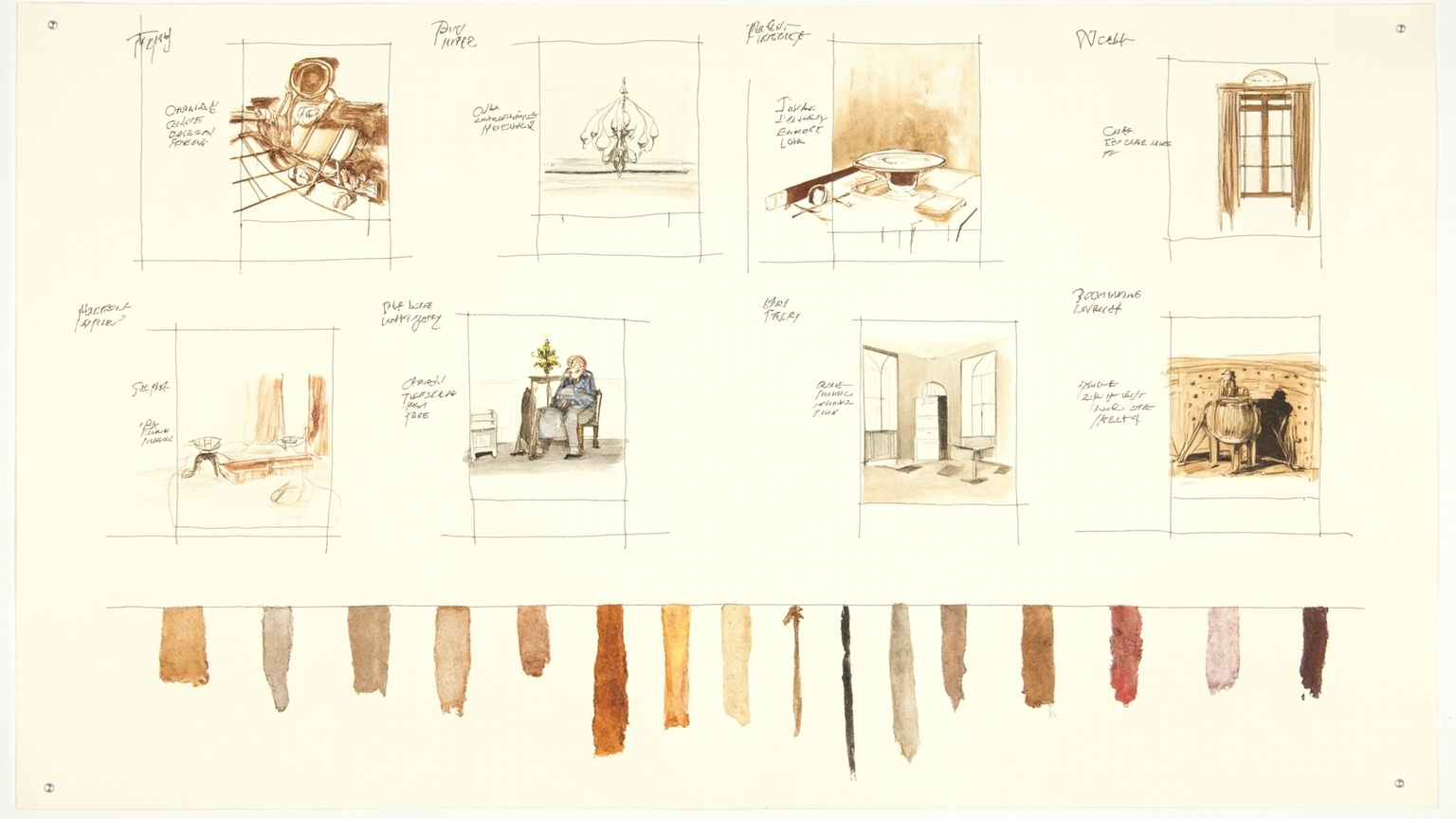
Art Direction4 plates
Before the guide was written, this book got a visual foundation — every illustration you just read grew out of it.