Up From Slavery · Companion Guide
力争上游
一个奴隶之子,半夜排队买砖,一砖一瓦把一所学校从空地上盖起来——并因此卷入了美国非裔思想史至今未完的那场争论。
A Farewell at the Door
His mother pushed her son up onto the wagon. Booker had a little loose change in his pocket and a change of clothes she had pressed on him, and he was setting out from the salt works of West Virginia to walk several hundred miles to a school he knew only by name. This was not the hunted flight of Twelve Years a Slave — the young man was already free; his trouble wasn't the law, it was poverty, plain and total. The mother at the door was named Jane Washington, who had raised her children one by one after the war by spinning and taking in laundry. She did not stop him.
It is the opening scene readers remember best from Up From Slavery, and it carries the whole book's logic in that one wagon: a boy leaving with almost nothing to his name, one idea fixed in his head — get an education — and several hundred miles of dirt road ahead of him. In the America of 1901, the shadow of slavery had not yet lifted, and what a young Black boy had to do was not run, but travel. Travel toward a place where he could finally sit down and open a book.
What Kind of Book This Is
Up From Slavery is Booker T. Washington's autobiography, published in New York in 1901. He was born on a Virginia plantation in the mid-nineteenth century, his mother a weaver, the family surviving on bare endurance. The book is now widely counted among the founding works of African American autobiography, and it stands as the most complete, constructive self-account that a Black intellectual left behind from the transition years between Reconstruction and the hardening of Jim Crow.
It is remembered for two reasons. One is the arc itself: a man born into slavery who climbed all the way to a White House dinner invitation. The other is timing — two years later, W. E. B. Du Bois published The Souls of Black Folk and opened fire on this book from its very first page. Put the two together and you have nearly the whole argument over how Black America was supposed to rise, as the twentieth century began.
Who Appears, Who Is Waiting
The book has only one 'I' — the author himself. The narrator starts out as a slave's son who never knew his father, and is lifted, stage by stage, by his mother, by his employers, by his teachers. The first hands to shape him firmly belonged to Mrs. Viola Ruffner, the wife of a salt manufacturer in Malden, West Virginia, a woman famous for a standard of cleanliness that bordered on ruthless. Working as a houseboy in her home, young Booker learned for the first time that self-respect could start with a clean floor. The book writes about her with something like awe: she was the first pair of hands to push him from merely wanting an education toward wanting to become, in his own words, a person of real standing.
The man really waiting for him at the Hampton Normal and Agricultural Institute was its founding principal, General Samuel Chapman Armstrong, born in Hawaii to American missionary parents, who had served as a Union Army officer and was an abolitionist. Armstrong believed in teaching the hand and the head together: students farmed, built, kept accounts, and studied. What Washington later built at Tuskegee is, in almost every particular, Armstrong's method carried forward. And the person who later helped him raise Tuskegee out of nothing was Olivia Davidson — before their marriage she had gone door to door teaching in rural Mississippi, and after it she went door to door with him raising money. She is the half of this book that reads as two people building a school together.
The Dirty Room at Hampton
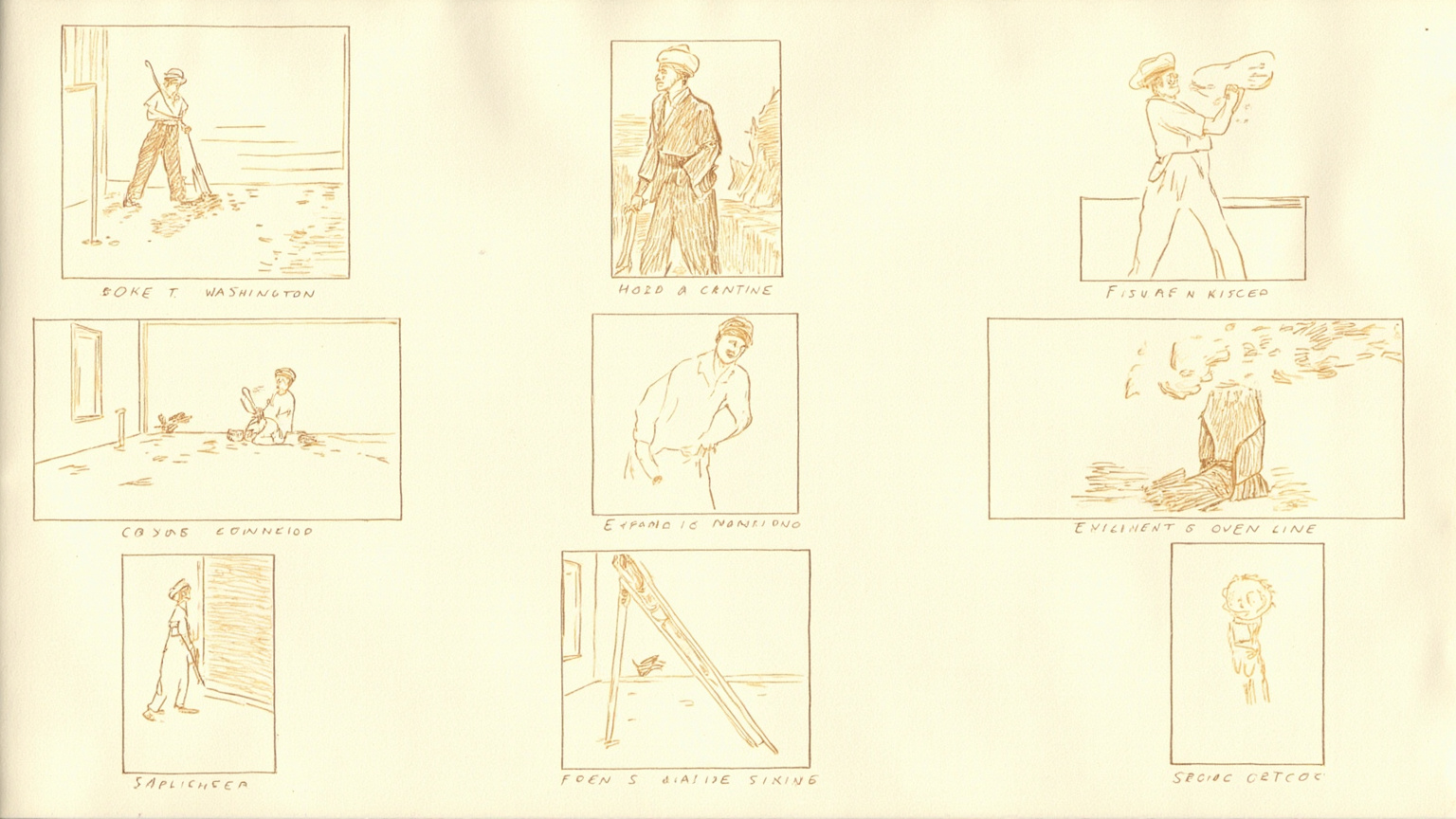
Young Booker arrived at the gate of Hampton Institute. He was met by Miss Mary Mackie, the head teacher, who skipped any pleasantries, walked him straight into a room thick with dust, put a broom in his hand, and said: Clean this room. There was no exam, no interview, only a broom and a floor. Booker dug the dust out of every crack between the boards, polished the desks and chairs until they shone, and turned that room into a showpiece. That sweep swept him into the school.
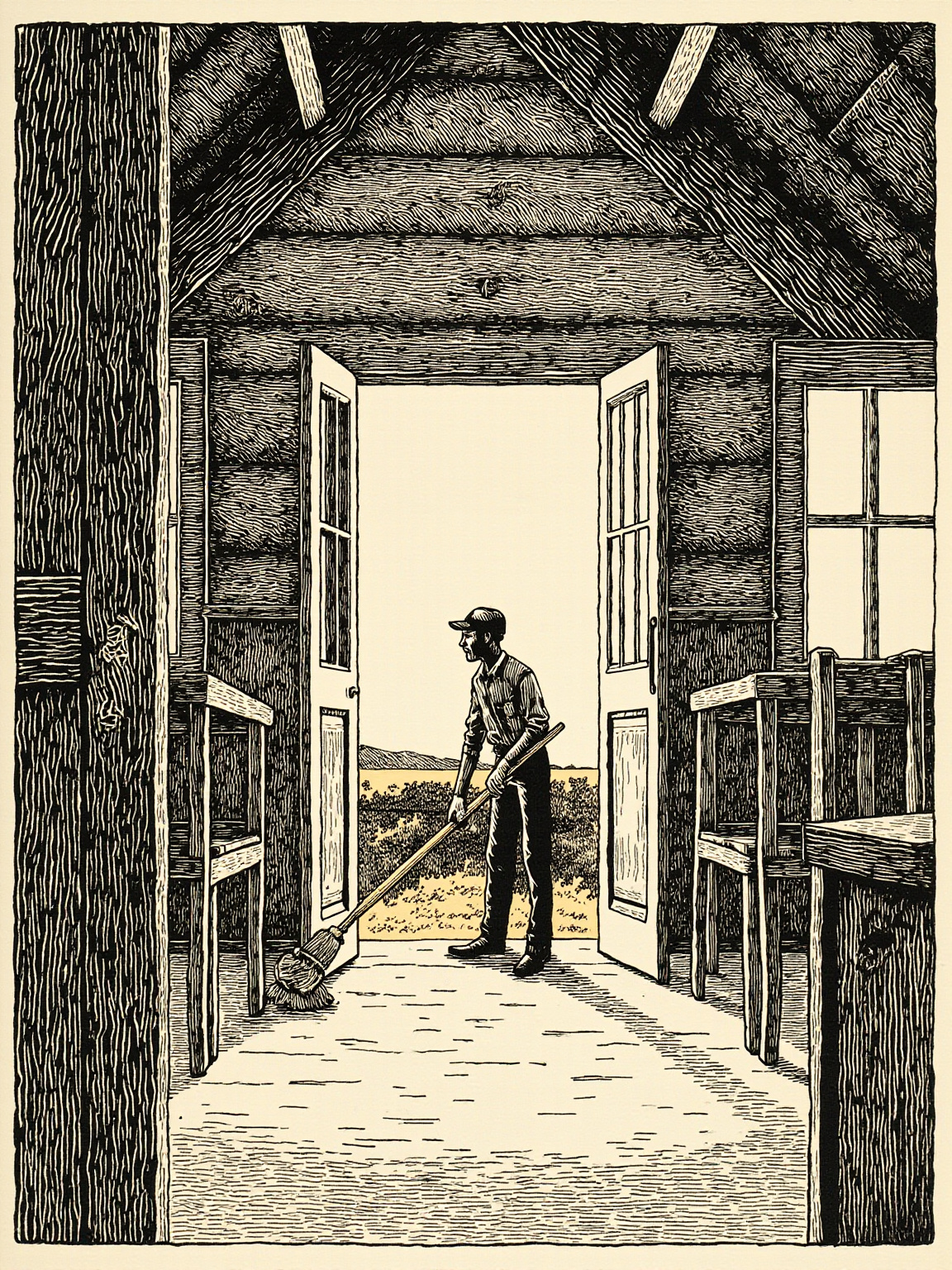
The lesson which I learned in this way has always remained with me, and I have found, in after years, that the lesson was worth more to me than the cost of my education at Hampton.
我以这种方式学到的那一课,始终跟着我;多年以后我发觉,这一课比我上学的花费对我更有价值。
金句 · 第3章 · 在汉普顿谋得一席之地
Later writers have quoted this scene so often that it gets flattened into a motivational cliché: sweep your way into a good school. What the book actually shows is more complicated than that — it wasn't a test of skill, it was a test of whether a young man would treat the most ordinary labor as a matter of dignity. Armstrong's philosophy of working with hand and head together starts, quite literally, on the floor of that room.
A Mentor, a Brick Kiln, and a Line at Midnight
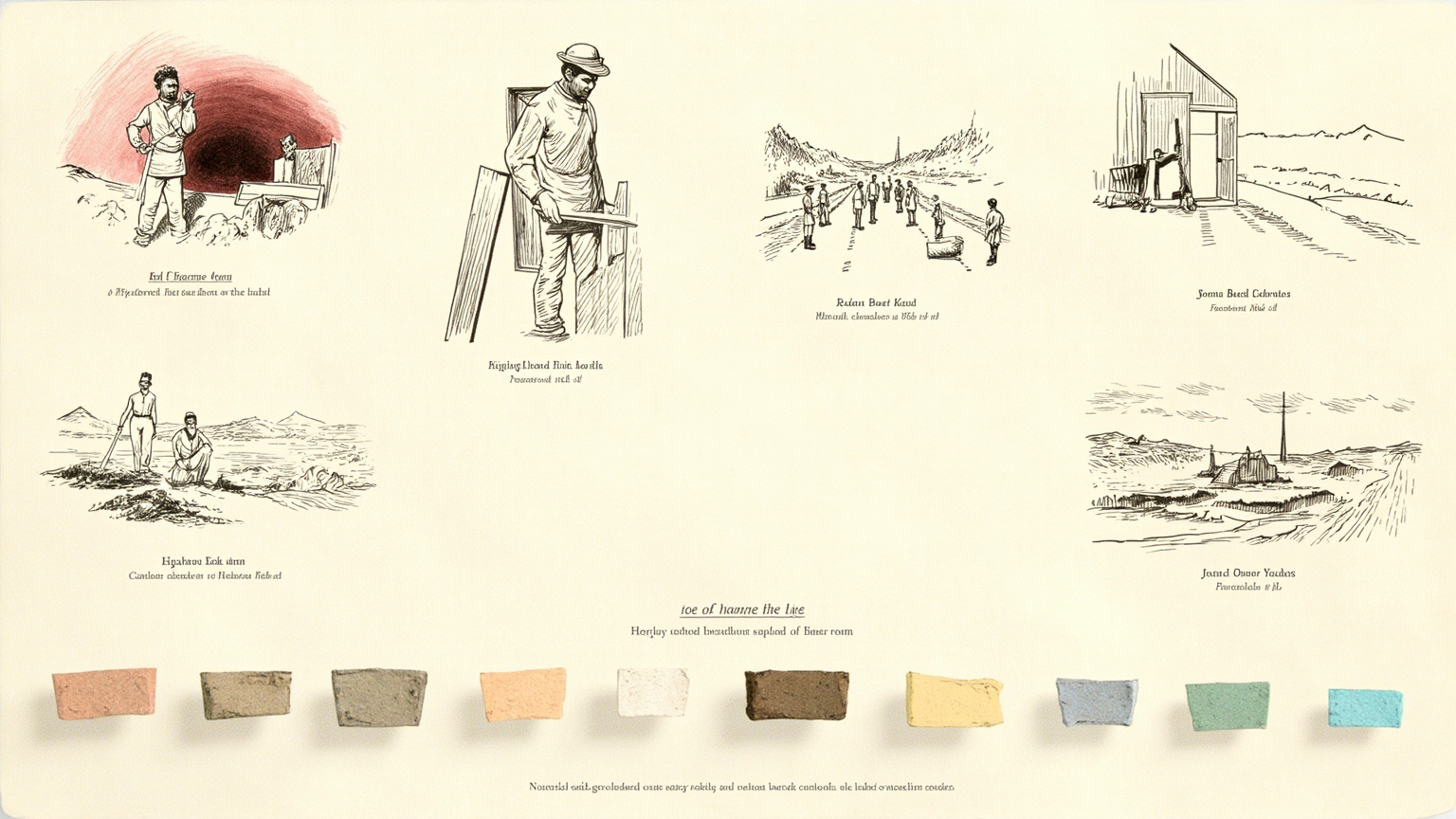
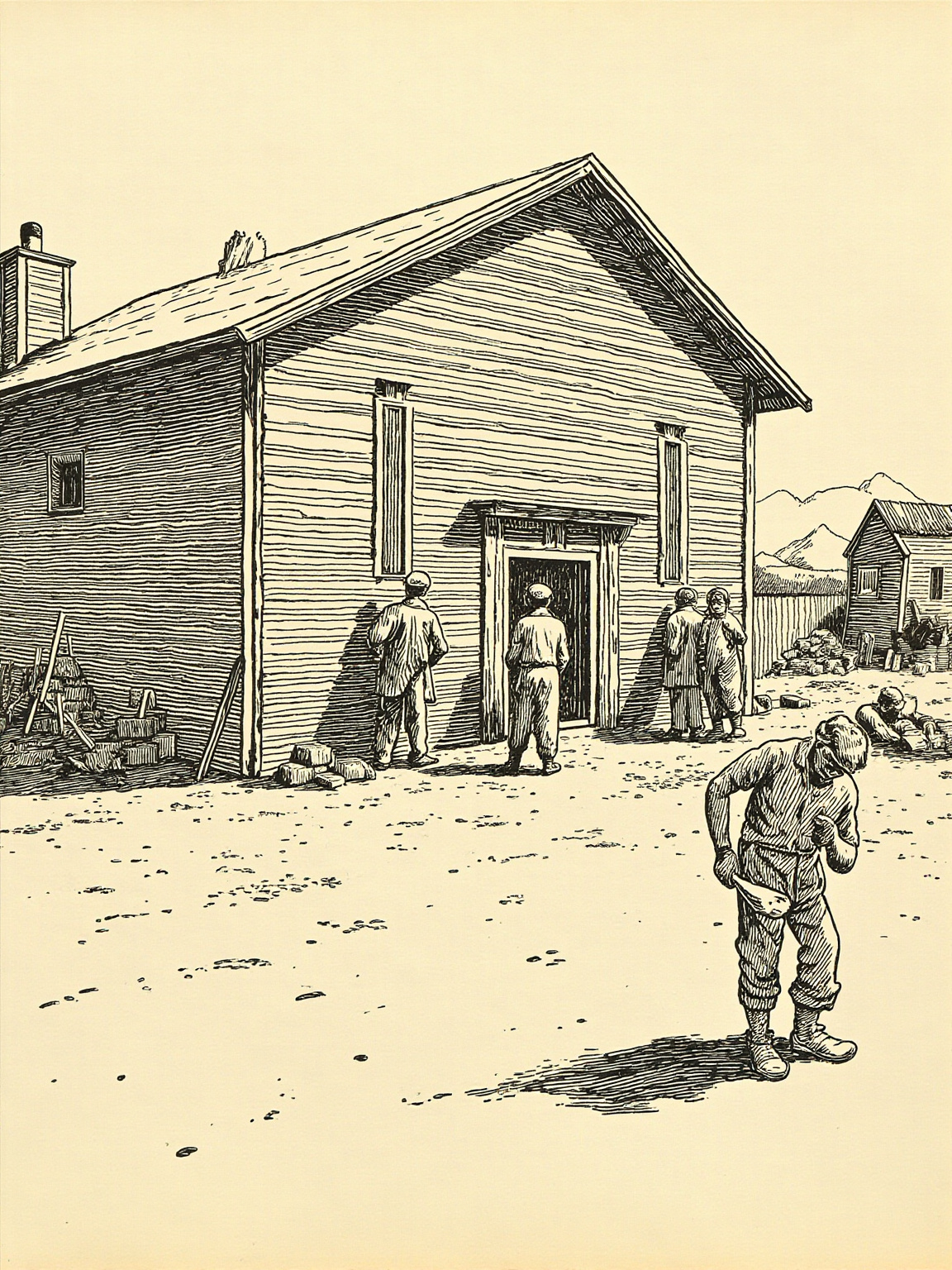
The years at Hampton were the years that finally shaped the young man. He worked his way through school, stayed on to teach after graduating, and in 1881 was sent to Tuskegee, Alabama, to start a new school from scratch. Tuskegee began with nothing: no buildings, no money, barely any students. He and his students got up in the middle of the night, walked to a nearby brick kiln to line up and buy brick, hauled it back, and dug the foundations, fired the clay, and laid the walls themselves. Calluses on the hands, dust in the small hours, classrooms rising inch by inch — these are the most constructive images in the book.
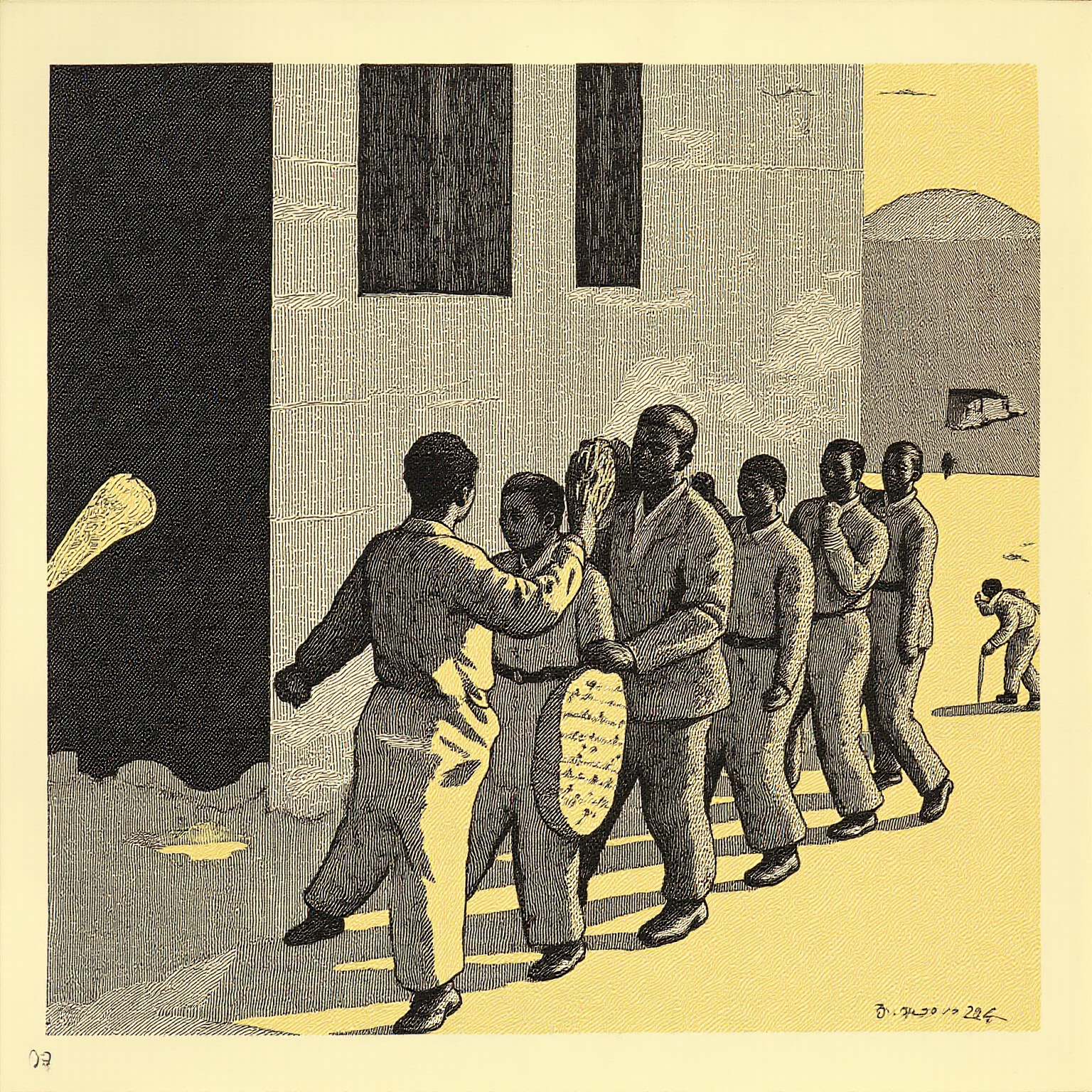
I could not have secured money to erect the first buildings, so I decided to have the students perform the labour themselves.
我筹不到钱来盖起最初的几幢楼,便决定让学生自己动手来砌。
金句 · 第10章 · 塔斯基吉校舍的诞生
While he built the school, he was also touring and giving speeches to raise money. In the famous 1895 Atlanta Compromise address, he told the audience that Black Southerners should work first and claim their rights later — a line later generations have judged him for again and again. The book itself spends surprisingly little ink on that speech; most of its attention goes to the constructive path of earning white society's respect through hard work, character, and labor. That is the key to reading this book correctly: its real protagonist is not a speech. It is a brick kiln.
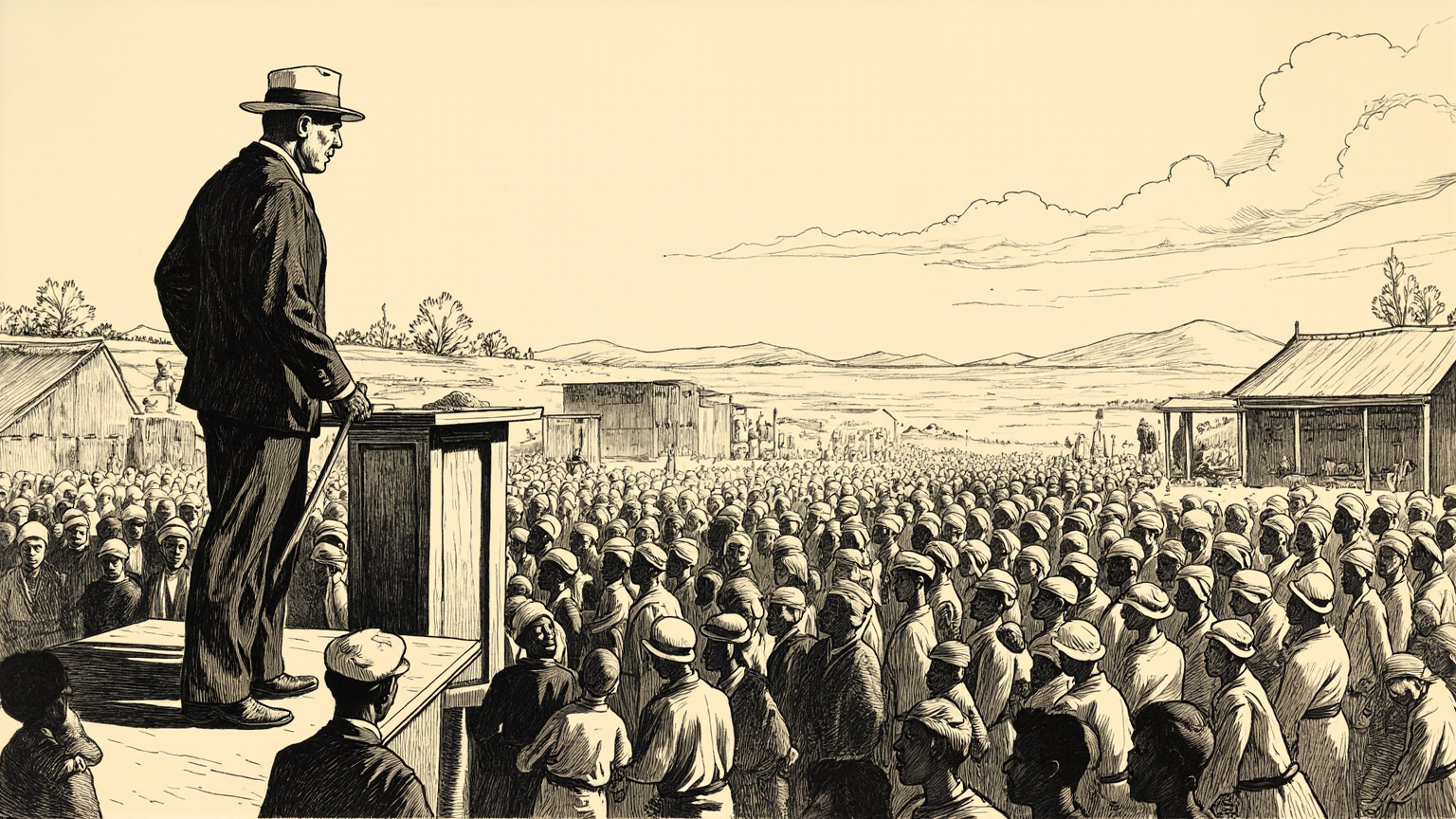
No race can prosper till it learns that there is as much dignity in tilling a field as in writing a poem.
一个种族若不懂得耕田与写诗同样体面,便无从真正兴旺。
金句 · 第11章 · 亚特兰大妥协演说
The Other Side: An Argument That Still Isn't Over
Two years after Up From Slavery came out, W. E. B. Du Bois published The Souls of Black Folk, and its first chapter went straight after Washington's approach. Du Bois argued that work first, rights later was, in substance, a surrender to segregation, one that pushed an entire generation's political rights off into an indefinite future. Two Black intellectuals, one working from the ground up through schools, the other from political rights and access to higher education, split the question of how to rise into two halves at almost the same moment.
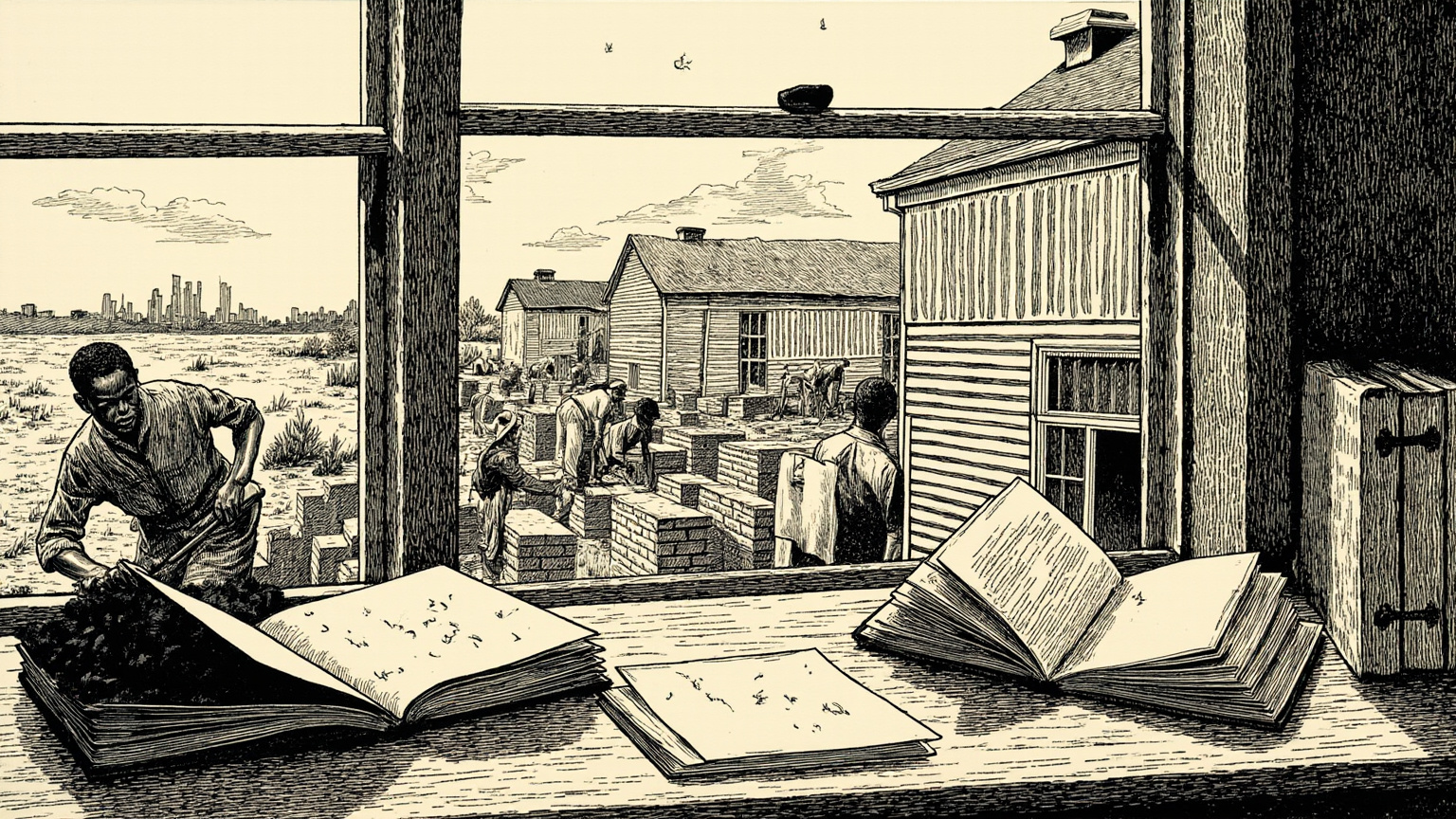
I shall help to make the laws that shall punish the white man who attempts to cheat, misrepresent, or defraud his black neighbor.
我愿出力制订法律,去惩处那白人中企图欺骗、诳骗、坑害他黑人邻居的人。
金句 · 第11章 · 亚特兰大妥协演说
African American thought has been pulled between those two halves ever since. Looking back now, Washington's practical, trade-based education and Du Bois's push for immediate full civil rights and access to higher education don't look as opposed as they did at the time. The book itself states plainly that its author believed Black Americans deserved full civil rights and a fair education, and that he simply opposed pursuing them through open confrontation. Reading Washington as someone who didn't believe in equality, or Du Bois as someone who opposed vocational education, both flatten the record.
Why This Book Is Worth Reading
Start with the quality this book gets credit for least: how Washington writes detail. A timber frame collapsing in a mine, a dripping clock in the salt house, the wagon at his mother's door, the dusty room he had to sweep — he doesn't stack up emotional language to build a suffering narrative. He builds the daily texture of the postwar South out of small, physical, touchable things. The real pleasure of reading this book is following him as he digs dust out of floorboards, waits in line at a brick kiln, and lays a foundation on open ground. The tiredness in your body is not something a companion guide can carry for you.
My mother, who was standing by my side, leaned over and kissed the writer of these notes, as did several others of us.
站在一旁的母亲俯下身来,亲了亲这封来信的执笔者,我们其余几个人也同样亲了亲。
金句 · 第2章 · 母亲门前送别
The other layer is the unfinished argument attached to it. Almost no one reads this book today without also knowing Du Bois's rebuttal, and that doubles what the book gives you: reading earn respect through your own hands, you remember the blow that landed two years later; reading work first, rights later, you wince a little for the author, and you also find yourself arguing in his defense. The reader this book actually wants is someone willing to sit inside that back and forth.
Go Read the Book Itself
A companion guide gives you a map. The book itself is the land. What no guide can reproduce is the brick-by-brick pace of it — when he describes building an empty classroom out of nothing, the slow work, the slow exhaustion, the roof slowly coming into view, you will want to put the book down and look at the glass of water on your desk. Then there is the farewell at his mother's door: he uses not one heroic word for it, and you will still close the book and sit still for a while afterward. And there is that dusty room he had to sweep: its full weight only lands once you pick up the broom yourself and sweep it with him.
He isn't writing a misery memoir. He is teaching a course: how to use your hands, your mind, and a lifetime of patience to build a school out of open ground.
Art Direction4 plates
Before the guide was written, this book got a visual foundation — every illustration you just read grew out of it.