War with the Newts (Válka s mloky) · Companion Guide
与蝾螈的战争
一柄刀叉递进海里,另一种智能生物被装订成全球最廉价的劳动力;最后它们掉头淹没了整个欧洲。
Opening: A Knife and Fork, Handed Into the Sea
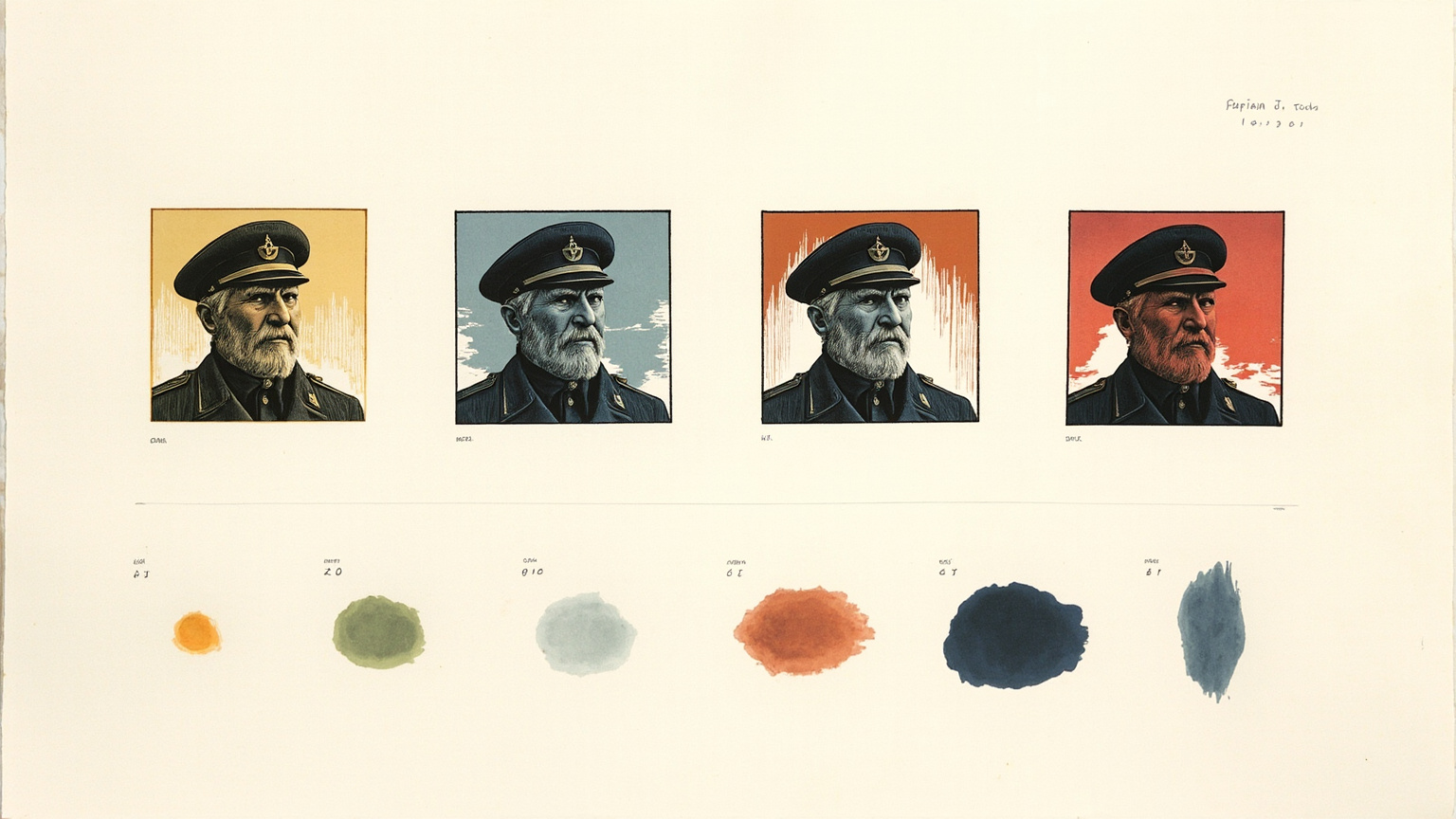
An old pearling lugger lies anchored in the lee of a nameless island off the west coast of Sumatra. The local people call that stretch of water Devil Bay — they would rather starve than dive there. Captain van Toch doesn't believe in devils. He goes down himself and finds that the sea devil is nothing more than a six-foot newt, staring up at him with round eyes. The first thing he does is unbuckle the knife and fork from his belt and press them into the creature's hands. A business is born on the spot.
Humanity has just acquired a cheap labor force that kills sharks, dives on command, and can be taught to do more. The only question is whether it will keep obeying. Karel Čapek wrote the answer into a strange book that same year — and more than half of that book's middle section is made of humanity's own newspapers.
What This Book Is
War with the Newts is the work of the Czech writer Karel Čapek, first published in Prague in 1936 as a feuilleton serialized in the city's newspapers. Čapek carries one credential everyone mentions first: he is the father of the word robot, from the Czech robota, meaning forced labor — a word he sent to live in every language's fiction.
Before the Second World War, he used one strange book to rehearse, in advance, exactly what Europe was about to do: how to discover an other, how to turn it into a commodity, how to register and legitimize that through the press, and finally how to be devoured by it. Several Chinese translations remain in print, and this is still the most direct door into Čapek's work.
People and World
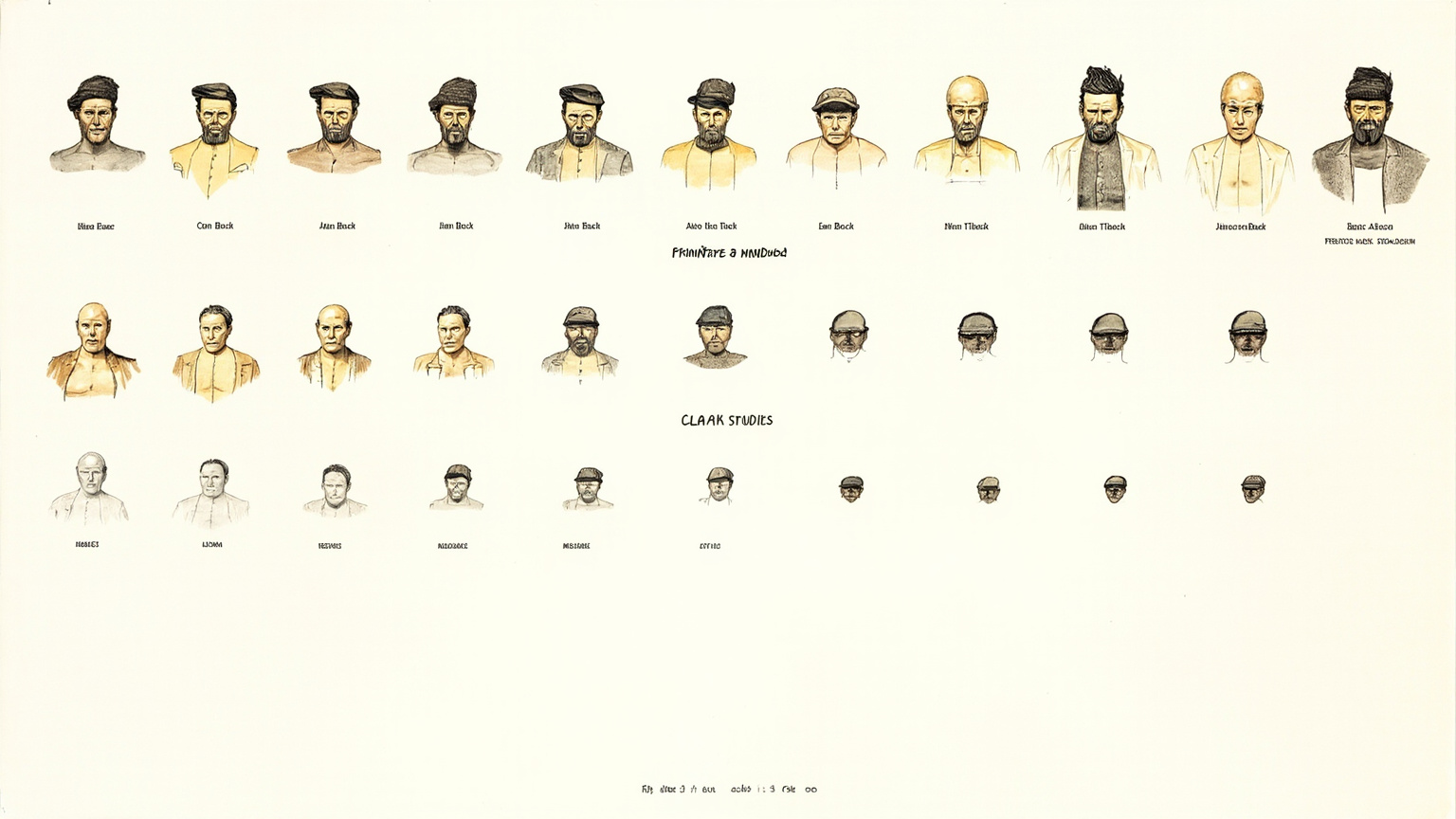
The book's real protagonist wears three faces. Captain van Toch, the old sea captain off Sumatra, is the kind of sailor Conrad would have written — weathered smooth by the sea, out for pearls on the ocean floor, who stumbles into newts by accident. Mr. Bondy, the Prague financier, handles the books and the shares, and grows the business from a single pearl into a whole industry. And Povondra, the old doorman downstairs at the Bondy building, who opens the door for the captain and introduces him to Bondy — and who, in his old age, binds decades of newspaper clippings into a single volume with his own hands. Without him, the reader could not even piece the story together.
Another figure who cannot be left out is Andrew. A newt shipped to the reptile house at the London Zoo, where the keeper Griggs teaches it letters to pass the time — and it actually learns, and goes on to read newspapers, write, and speak. It is this one literate newt that turns every letter, every review, and every research paper humanity writes about it, over the following decades, into evidence for the prosecution.
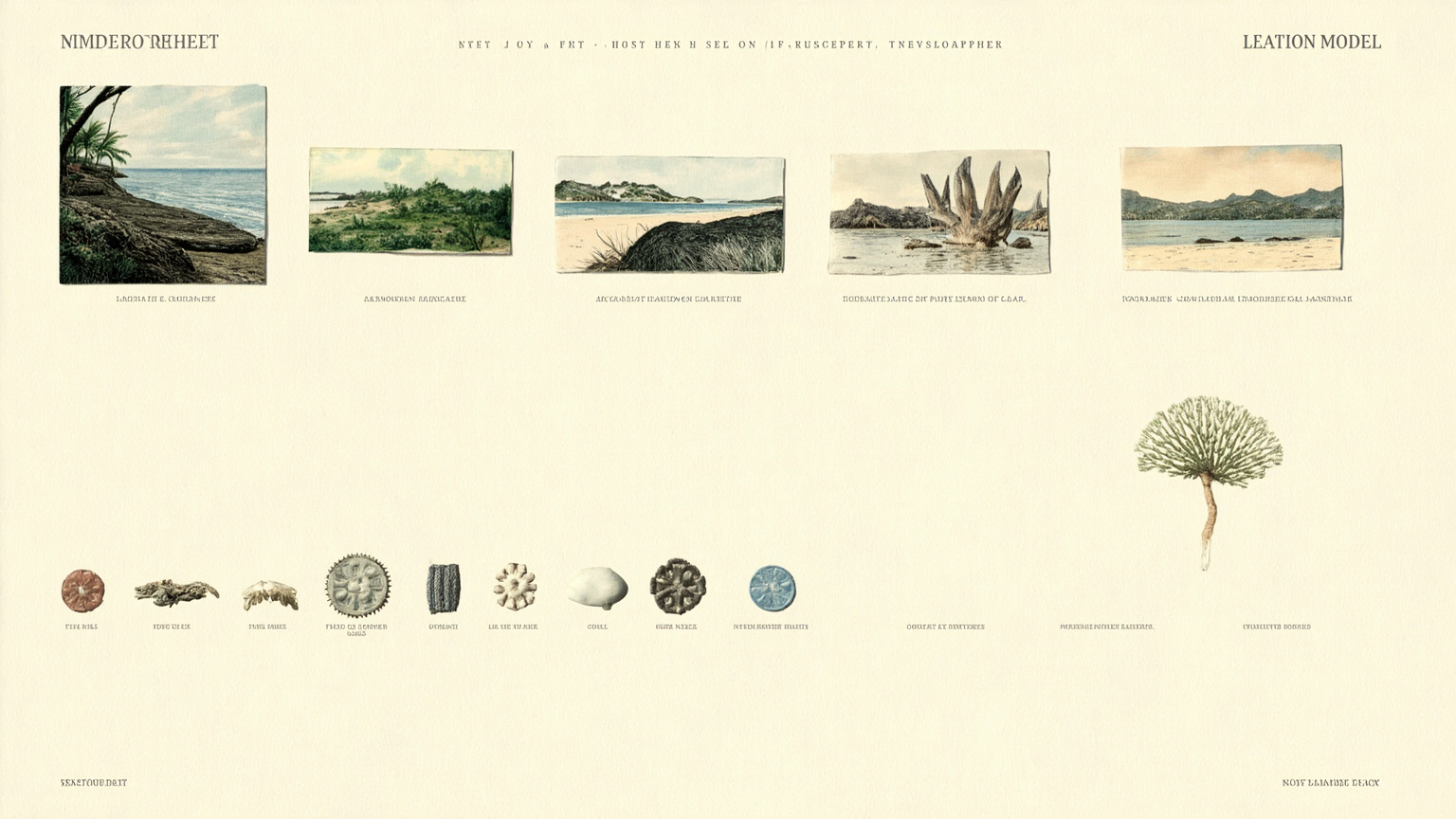
The story ends with the Chief Salamander — a leader who has been exploited long enough and finally turns. The world is our own familiar 1930s: Prague's tabloid newsrooms, Paris salons, Hollywood soundstages, the glass tanks of the London Zoo, and colonial coastlines around the globe. The front line hasn't opened yet, but the industry has already taken shape on paper.
Discovery: From a Knife and Fork to an Industry
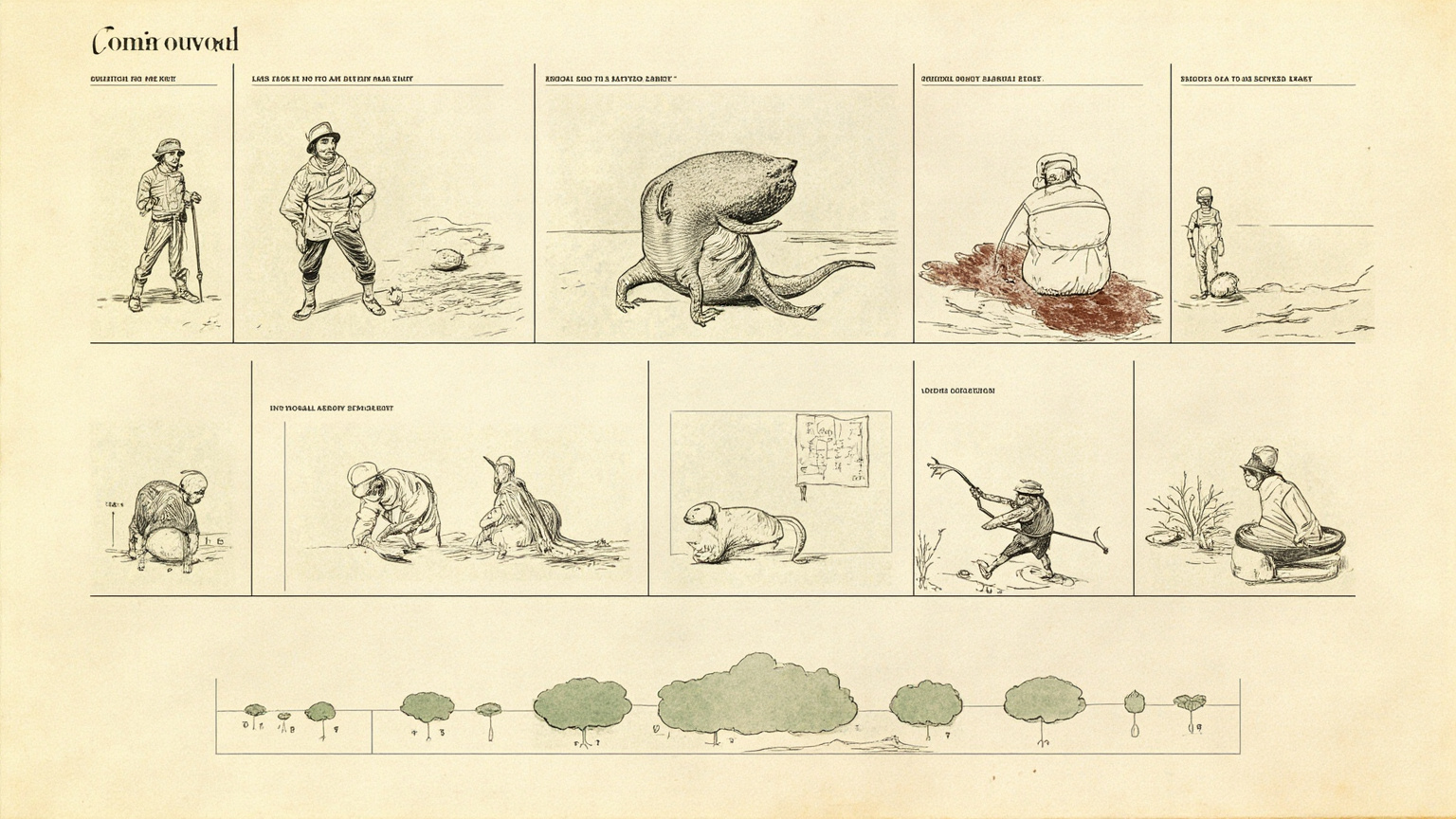
With that one gesture, van Toch puts the newest cheap labor online. He brings a live newt back to Prague, and Povondra gets him in to see Mr. Bondy. Bondy takes the whole thing over, and the Pacific Export Company opens its doors in Prague. Trained newts ship out to the exhausted pearl beds of Ceylon, then to Madagascar, the Red Sea, the Caribbean — everywhere they go, the pearls sleeping on the seafloor come up one by one. Within a few years, the newt population rolls from a few hundred into the millions.
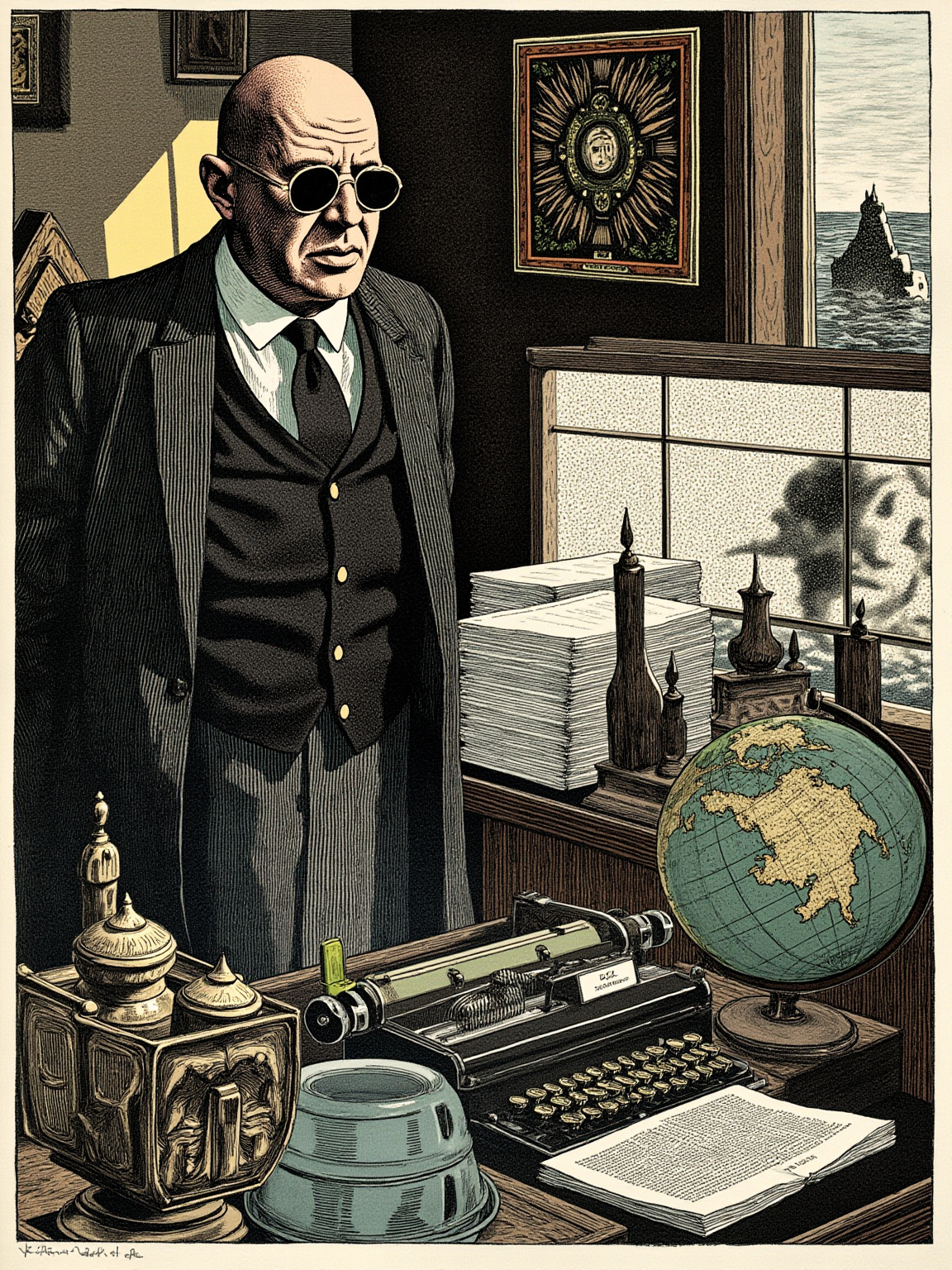
And so it came to pass that man gave the newts a knife and a fork — and a little knife, and a little fork, were enough to begin a new epoch.
就这样,人把刀叉递给了蝾螈——一把小刀、一把小叉,便足以开启一个新时代。
金句 · 第一章 · 海魔湾
What makes this stretch work is the narrator's flat, unbothered tone. Čapek doesn't write van Toch as a villain, and he doesn't write him as a hero — he's just an old sailor who went to Devil Bay for pearls and stumbled into a side business he never planned on. The fuse on a disaster is rarely lit by anyone meaning harm. It's lit because nobody thinks handing a newt a knife and fork amounts to anything.
Commodification: The Day the Pearl Market Crashed
The moment a million newts go into the water, the pearl market crashes. Mr. Bondy glances at the books and makes a clean decision: dissolve the old company, open a new one, and call it the Salamander Syndicate. Stop selling pearls. Start selling labor itself.
Čapek spends almost nothing on this pivot — a few lines of newspaper advertising, and that's it. But it's the spine of the book. From here on, what gets shipped is no longer stones pulled off the seafloor one by one, but an intelligent species that obeys, can work underwater, and can be redeployed anywhere. Building seawalls, widening Panama, dredging shipping channels, reclaiming land from the sea — every major tender for human infrastructure now carries a new line item: newt labor, billed by the day.
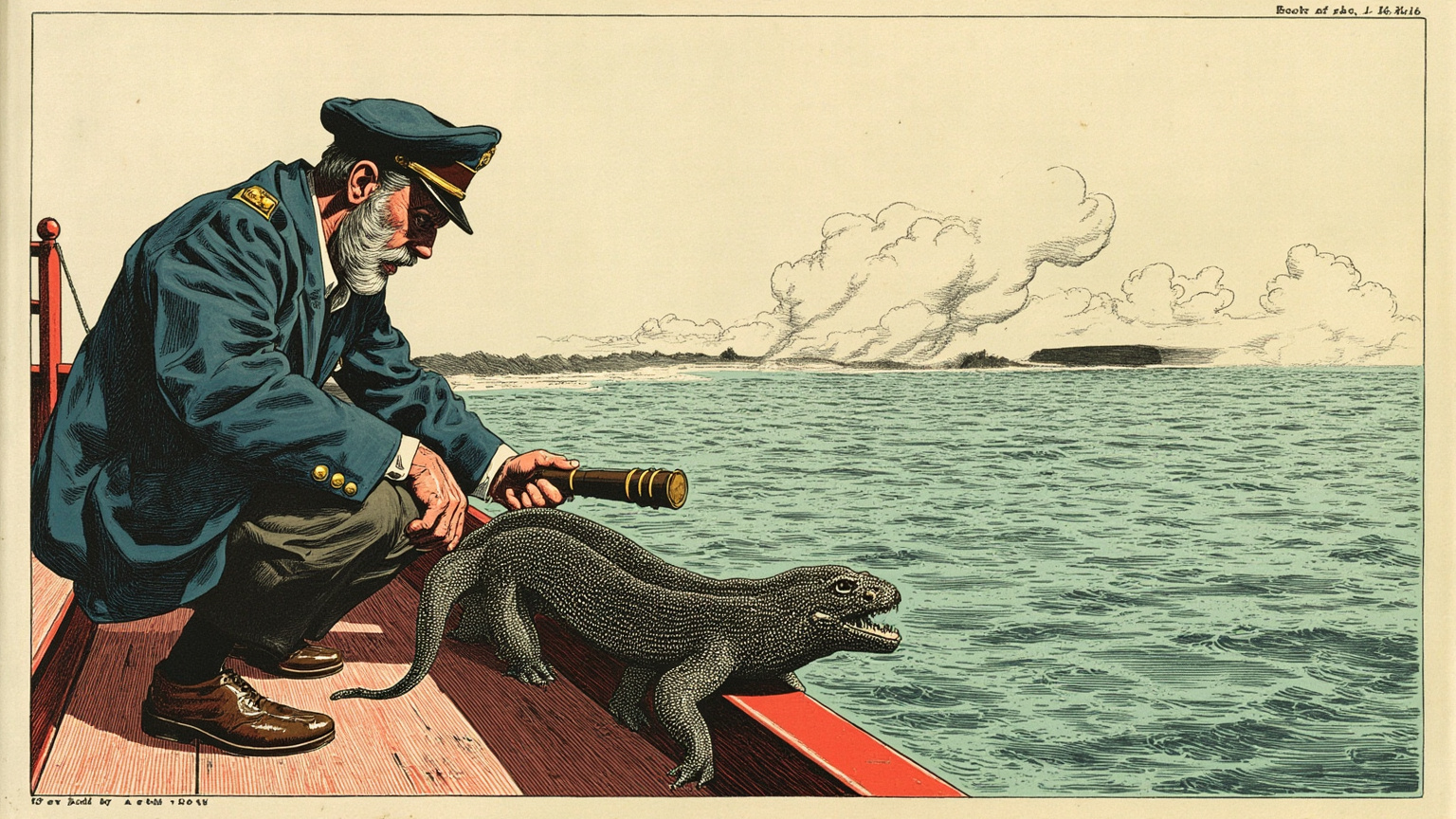
The market for pearls collapsed; Mr. Bondy closed the old company and opened a new one — now they were no longer selling pearls, but labor itself.
珍珠市价应声崩盘,邦迪先生合上旧公司,开了新的一家——从此卖的不再是珍珠,而是劳动本身。
金句 · 中章 · 蝾螈辛迪加
The first time I read this passage, I flipped back a page to read it again. Čapek doesn't add a single extra exclamation point — he simply writes it as a business transaction. And that's exactly what makes it cold. Most disasters in human history, once they hit paper, look like business.
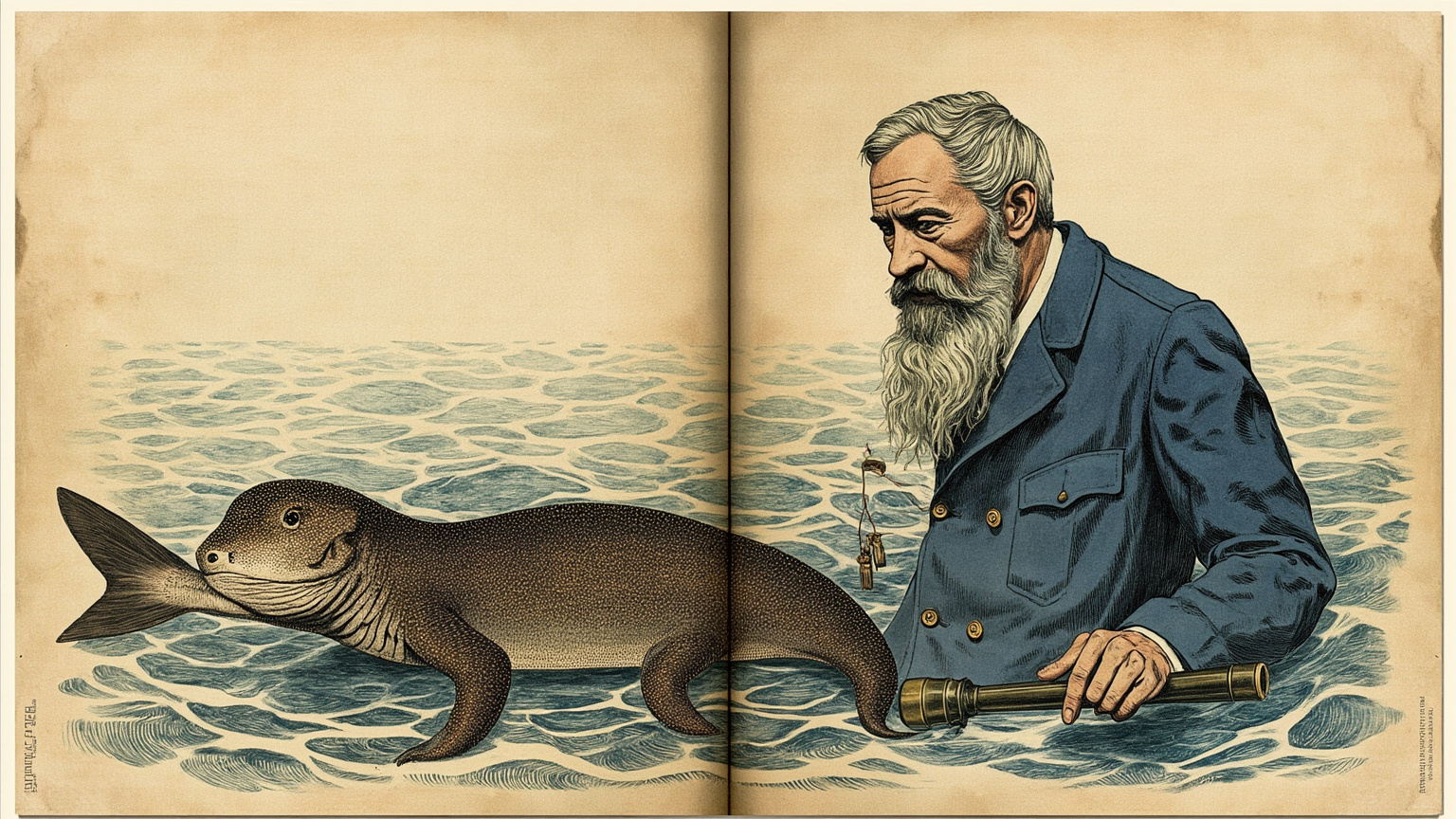
Man needed only to discover some other creature, and to treat it as a thing, in order to be able to use it as a tool.
人只需发现另一种生物,把它当作一样东西,便可以把它当作工具来使。
金句 · 中章 · 旧报与大铁皮箱
Newsification: Humanity Prints Its Own Crimes in Its Own Papers
For more than half the middle of the book, Čapek switches technique entirely. He lets the newspapers take over. A Hollywood starlet issues a statement declaring she'd happily fall in love with a newt. An international scientific congress descends into argument over whether newts have souls. European politicians hold forth in parliament on whether to issue newts passports. An English women's club sends out a telegram appealing for kindness toward the poor creatures. Every passage is a collage of letters to the editor, columns, editorials, and pseudo-academic reports.
What holds this whole wall of clippings together is Povondra. He stuffs decades of old newspapers into a large tin box and binds them into a thick volume, a chronicle of the newts — without him, the reader couldn't reconstruct the story at all. This structure is Čapek's real invention: humanity uses the respectable paperwork of neutral reporting to register, legitimize, and resell every stage of another intelligent species' dispossession — and now those same newspapers are being read by a literate newt named Andrew.
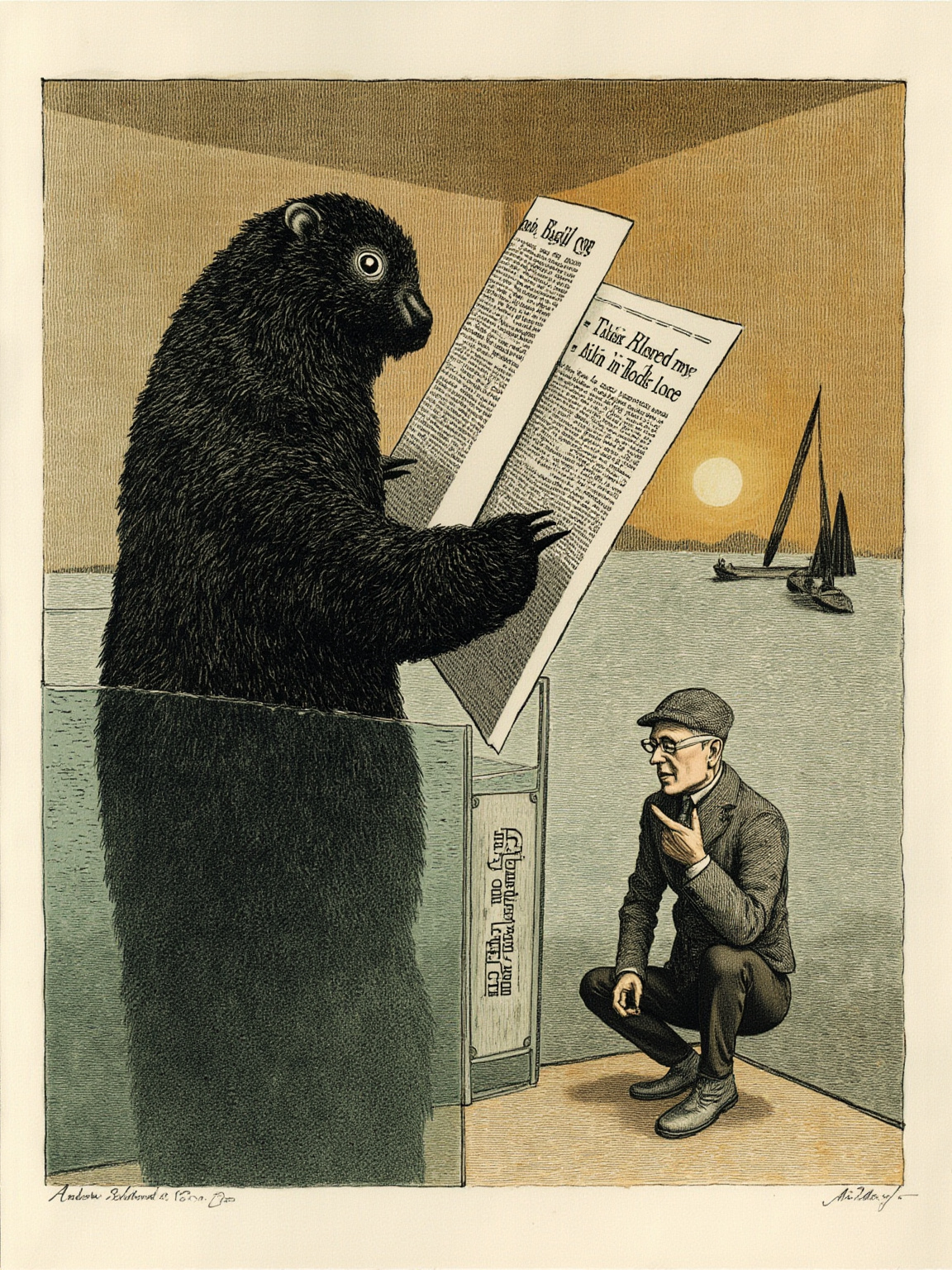
And so for dozens of years mankind registered every step of its own infamy in the newspapers, with the grave composure of a documentary.
于是几十年来,人类把自己每一桩不义,都用文件般的郑重笔调,一一登记在自家的报纸上。
金句 · 中章 · 蝾螈编年史
The darker layer underneath: once Andrew can read, people start writing to him, visiting him, holding public debates over his fate. His awakening doesn't arrive in one sudden burst — humanity feeds it to him, piece by piece, through its own coverage, its own attention, its own arguments. The donkey of instrumental reason finally hauls its own master onto the millstone.
War: The Coastline Bites Back
The first twenty-odd chapters build the industry piece by piece; the so-called war doesn't arrive until the last four. By then the newts have been exploited again and again, dissected in scientific experiments, caricatured by racist propaganda, penned in behind coastal fences, lynched. They have no more reason to endure it. The Chief Salamander raises an arm, and the newts turn the same engineering they were trained in back on the land: they blow up seawalls, let the sea pour in, and raise the water level.
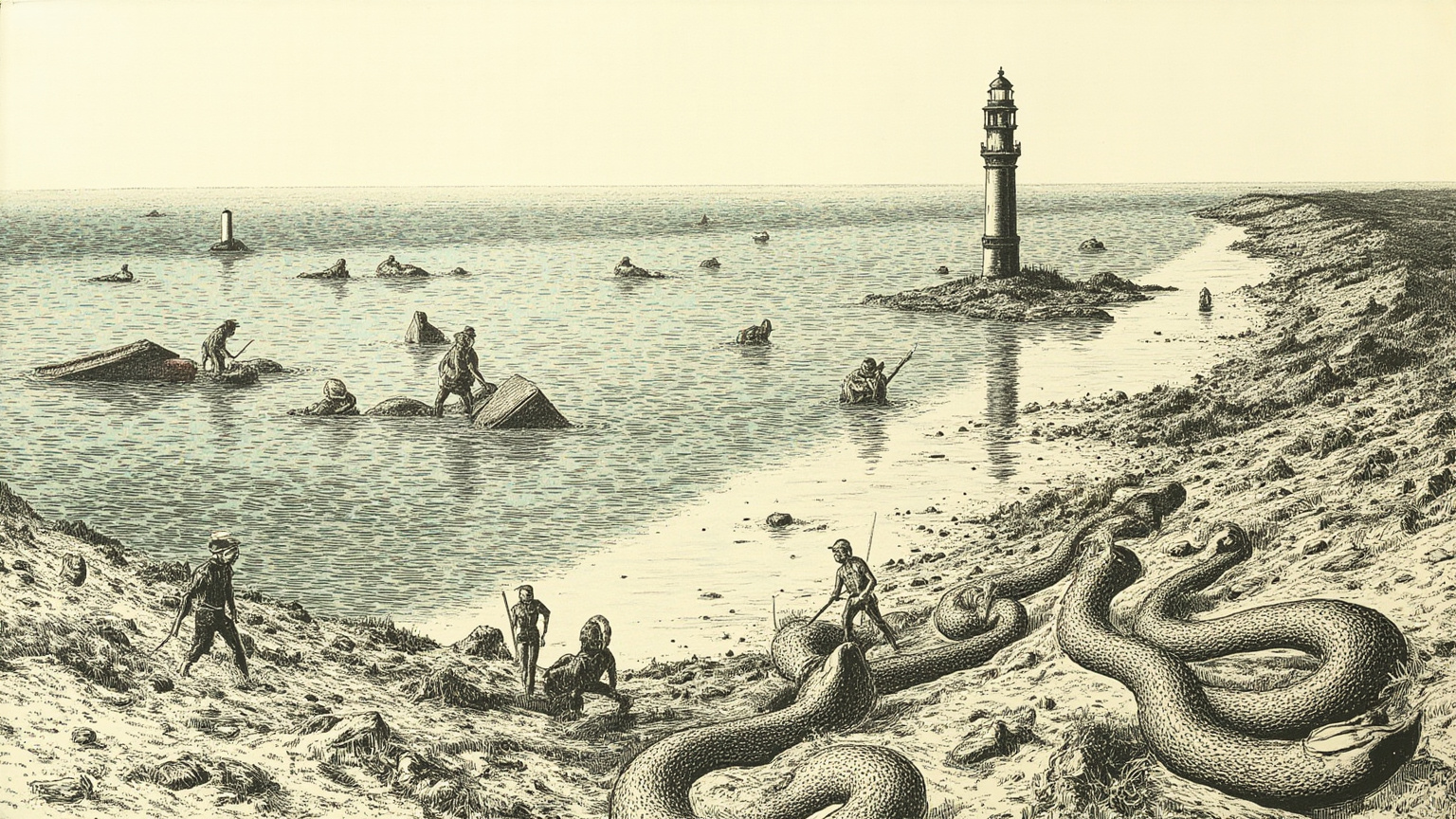
In the end it was the newts themselves who, with human tools and by human logic, began to swallow the continents of their masters.
到头来,正是蝾螈自己——拿着人类的工具,按着人类的逻辑——开始一口一口吞没它们主人的大陆。
金句 · 末章 · 海岸线塌落
Čapek writes this war as an anticlimax. He never lets you feel the tension. He simply states a fact: this time, another species is using the engineering humanity taught it, by humanity's own logic, to swallow humanity's land.
Ending: The Coldest Cut
At the very end, Čapek has the author argue with himself. Since the newts can no longer be beaten by force, try a different angle: stir up newt nationalism, set newt against newt, and let them save Europe by wiping each other out. Over a hundred pages, he lays out, point by point, how reasonable and how shameless the scheme looks at once — a man in his own sitting room, rehearsing exactly what Europe was doing that decade, to himself.
This is Čapek's coldest cut at the machinery of totalitarian incitement, in 1936. He doesn't write Hitler, doesn't write the Sturmabteilung, doesn't write the camps — he writes a logic that supposedly solves the problem, and lets readers recognize that familiar respectability in it themselves. It's this cut that puts War with the Newts on the same shelf as Animal Farm.
What Makes It Good
It invents a novelistic form still being echoed today: the pseudo-journalistic collage. Every piece of evidence against humanity in this book is printed in humanity's own newspapers and bound by humanity's own doorman, by hand. Indicting the accused with their own respectable paperwork remains, to this day, the template for anti-totalitarian satire.
What's harder to look away from is how prophetic it is. The full supply chain that turns an other into cheap labor — discovery, commodification, trafficking, legitimization, newsification — arrives here in one piece, earlier than almost anything else written at the time. Read in 1936, it's a mirror. Read in 2025, it's a dispatch order.
Čapek doesn't add a single extra exclamation point. He simply writes it as a business transaction — and that's exactly what makes it cold.
Why Read the Book Itself
A guide gives you the map; the text is the land. That entire wall of newspaper clippings in the middle can't be reproduced in a summary — you have to page through the pseudo-academic reports, the women's club bulletins, the Hollywood starlet's statement yourself to feel how steady Čapek's hand is as he takes apart humanity's own respectable paperwork, page by page, in front of the reader. And the cold argument the author has with himself at the end — it is cold, but you have to stand inside the original for a while before you feel that it's actually shaking. Beyond the map, the text carries a slow, dry Czech humor that no summary can give you.
Art Direction4 plates
Before the guide was written, this book got a visual foundation — every illustration you just read grew out of it.