Wind, Sand and Stars (Terre des hommes) · Companion Guide
风沙星辰
一架邮航机坠入沙漠,两位法国人濒死时听见骆驼铃声——圣埃克苏佩里写下人在天地间的微小与尊严
Opening: The dying man in the desert hears camel bells
A single-engine mail plane with fabric-covered fuselage slams into the sand, its wings shattered. Only two Frenchmen remain in the cabin — they have been walking for days, drinking nothing, their lips so cracked they cannot form whole sentences. Prévot licks the last drop of coffee. Saint-Exupéry looks up. At the edge of the horizon, a dark shape moves — a Bedouin camel caravan. A stranger dismounts and pours water from a leather bag. The moment the water hits his throat, he later writes in the book, he feels as if he has understood for the first time what the words "to be alive" actually mean.
What kind of book is this
This is a collection of essays published in 1939 by the pilot Saint-Exupéry, under the original title Terre des hommes — literally "The Land of Men," though the Chinese title Wind and Sand and Stars takes the three things that blow across that land. He later wrote The Little Prince, which is why many readers treat Wind and Sand and Stars as the fairy-tale author's mid-career notebook. But the desert, the stars, the loneliness, and the sense of responsibility in that fairy tale — all of it grew as small shoots from this book. It is not a novel; it is a mixture of memoir, reflection, prose, and a professional pilot's journal. The narrator's real name is the same as the author's.
Characters and world: The people in the sky who entrust their lives to each other
The narrator is the author himself, a postal pilot flying the route from Toulouse in France to North Africa, West Africa, and South America. Three names recur among his colleagues. Guillaumet is his fellow pilot, who survived an Andean crash by walking through snow for five days, sustained by thoughts of his wife. Mermoz is an earlier legend, a pioneer of South American night routes who later vanished entirely while crossing the Atlantic. Prévot is the mechanic who crashed with the narrator in the Libyan desert, surviving on dew and the last drops of coffee until the camel caravan arrived. Dora is not a pilot, but he occupies something like a judge's position in the book — the head of airline operations, the one who instills the word "responsibility" into the bones of every young pilot.
This world is not the usual adventure-story backdrop. Postal aviation in the 1930s was in its infancy — single-engine planes, visual navigation only, no radar, snowstorms and desert as constant companions, a high crash rate. What this group ran was not a hero's dream. It was the mail — postcards, money orders, family telegrams, the letters that landed in postboxes in remote villages. What they risked their lives for was whether those letters arrived on time.
Plot line: The key flights that form a spiritual biography
At first the narrator saw flying as purely technical — a matter of precise judgment about wind, fuel, and machinery. But slowly he came to realize that every time he broke through the clouds and skimmed the ground at three hundred meters, he wasn't operating a machine — he was running an errand for someone: someone in Casablanca waiting for a letter, someone in Dakar waiting for a money order. He began to treat being an airmail pilot as a kind of practice, a container for discipline — not the romance of soaring through the skies, but proving with every safe arrival that he was "a useful person." When he described the wind, he never used adjectives; he simply wrote what shape the wind pressed the canvas into.
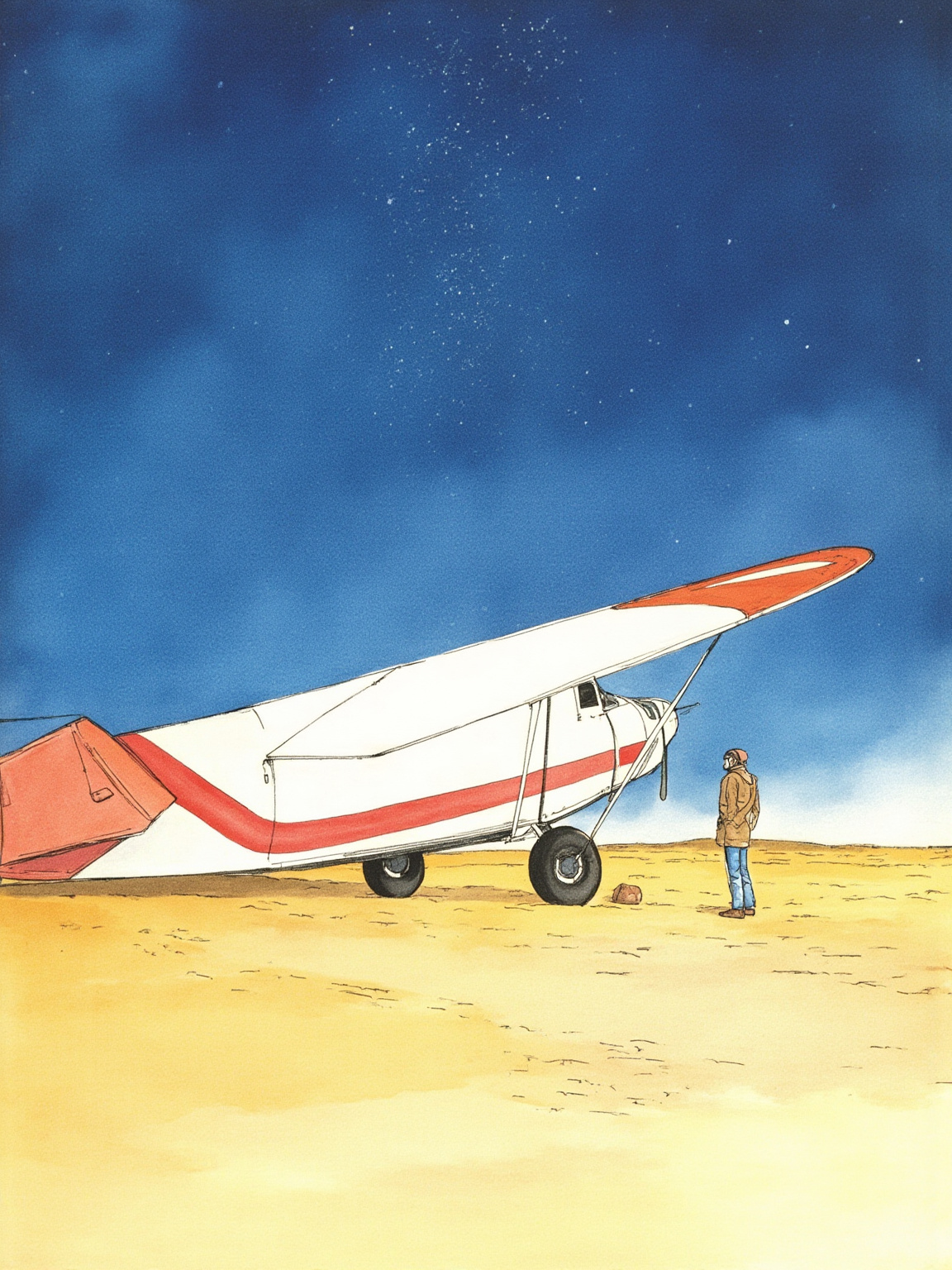
What saves us is the awareness that we are bound to one another, that the task of each man is the task of all.
救我们的是意识到人与人彼此相系,每个人的职责也是所有人的职责。
金句 · 尾声 · 人的大地
Guillaumet crashed in a snow valley while crossing the Andes. The narrator heard the news over the radio, and in that moment he waited on the ground, second by second, and the mountain gave back nothing. Later he learned that Guillaumet had walked for five days in sub-zero snow with no food or water, losing his toes to frostbite, until an Argentine shepherd accidentally found him and carried him down the mountain. The narrator flew to meet him, and the first thing Guillaumet said was: "What I did for my wife, no beast could do." — that quoted line later became the most cited passage in the book. The remarkable thing is that he didn't write Guillaumet as a hero; he wrote him as "a man held by love."
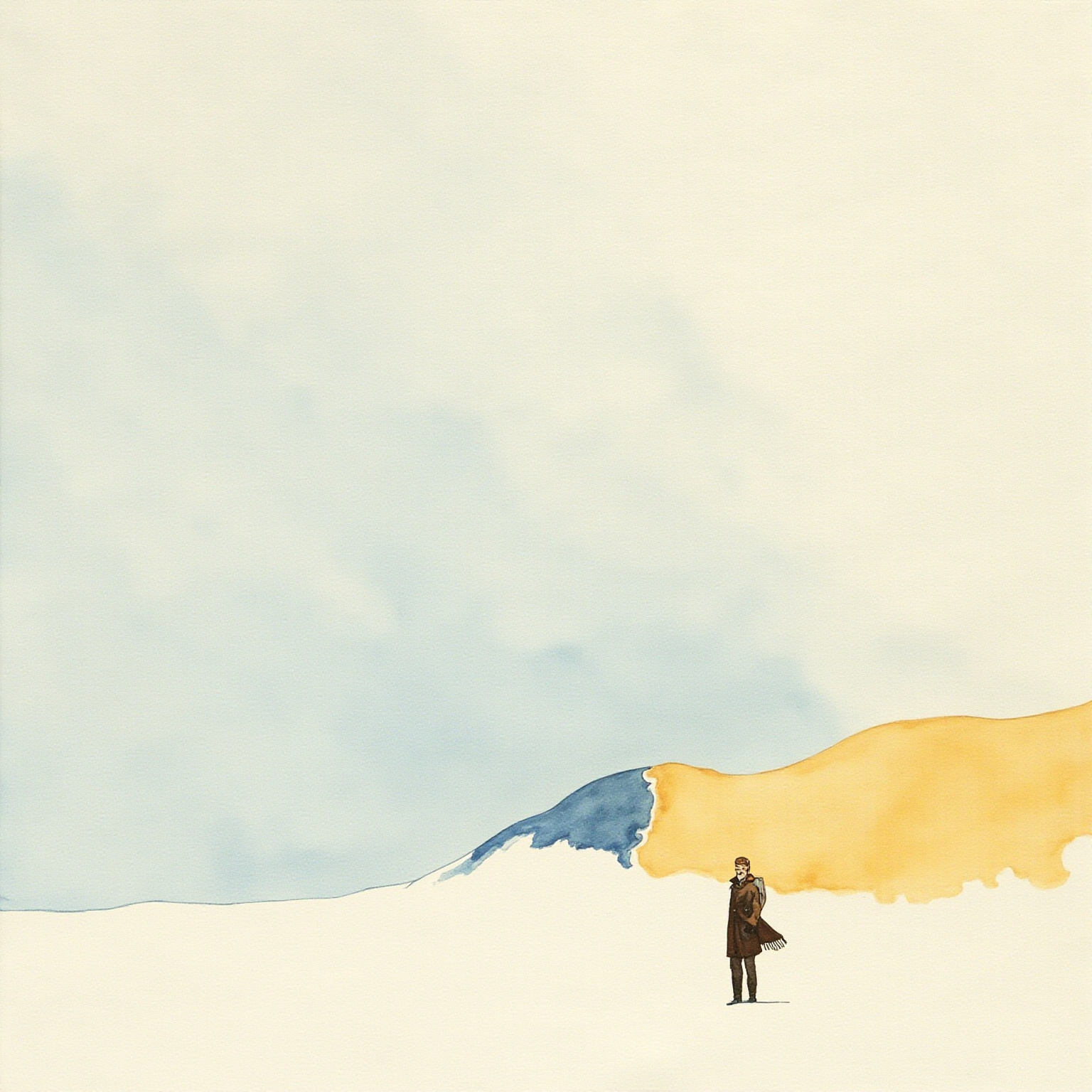
He walked for five days across the snow. What kept him upright was love.
他在雪地里走了五天。支撑他没有倒下的是爱。
金句 · 第六章 · 安第斯山中的吉约梅
Mermoz was a generation ahead of them, having opened the South American night airmail route. The narrator never worked with him at sea, but the way he wrote him into the book was entirely different — instead of describing some flight, he wrote how that man appeared on a street corner in Buenos Aires, how he walked toward the plane to catch a flight that might never arrive. Later, Mermoz disappeared over the Atlantic; the plane was never found, and the narrator simply wrote him into the book as "a man already devoted to the cause." Here death is not tragedy — it's accepted as part of the profession. Reading that passage, what frightens me most is not that he vanished, but that he was still smiling before he disappeared.
When it was the narrator's own turn to have an accident, he and Prévot made a forced landing in the center of the Libyan desert. The outcome has already been stated, but the two or three days in between constitute the book's heaviest passage: water was gone, the plane couldn't move, the sand immediately ate their footprints, the plane's reflection drove them briefly mad as they signaled for help, and dew could only moisten their lips. What he felt then was no longer a concrete thirst like "wanting water" — it was a far vaster dizziness — the realization that human beings are just so lightly poised on the surface of this planet, a few grains of sand, and even one's own insignificance cannot be sustained for long. This was the first time in the entire book that "the earth of men" was turned over and read from its reverse side.
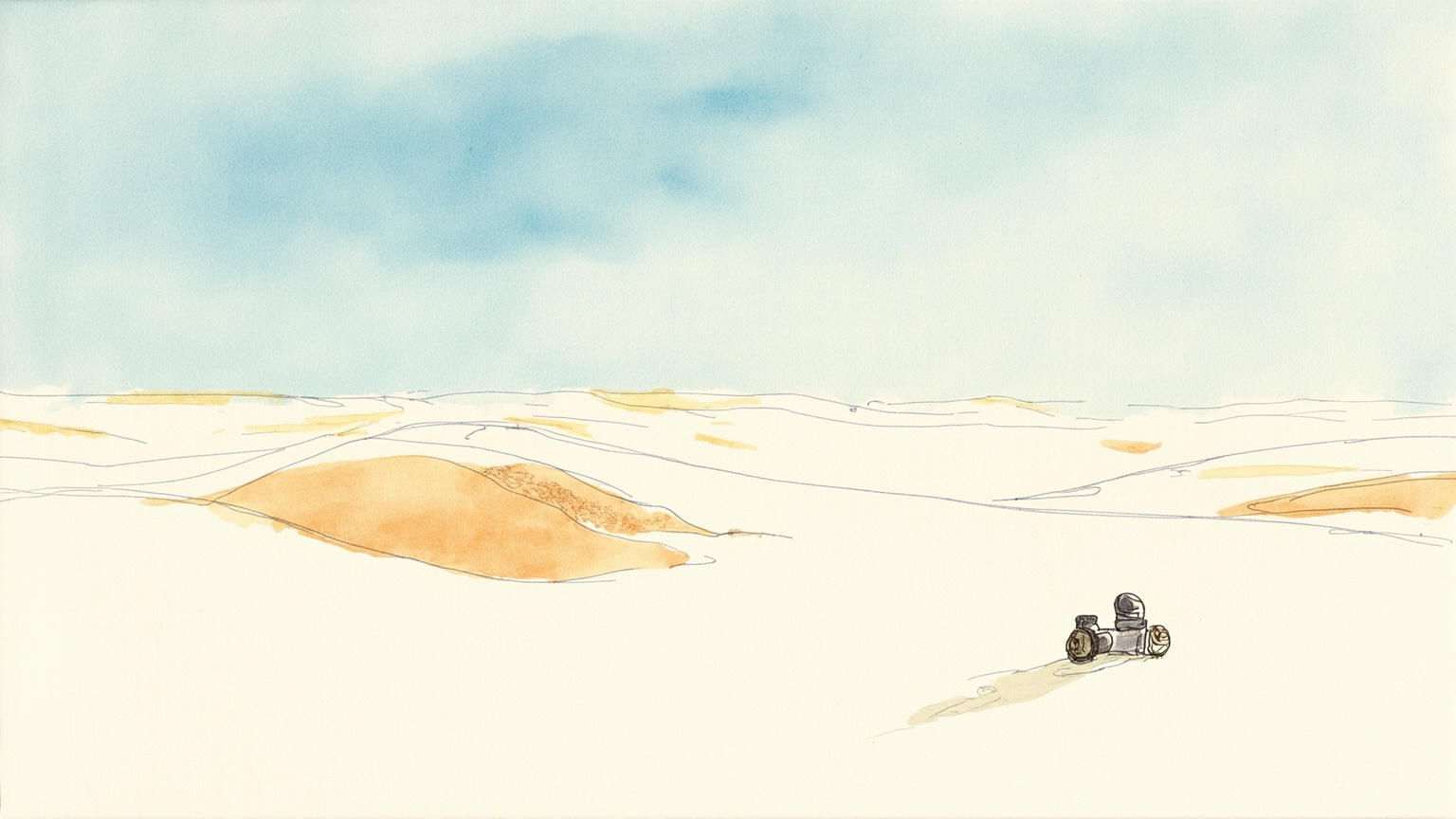
Our plane has crashed in the sand. We are dying of thirst. We have been walking for days.
我们的飞机栽进了沙里,我们快渴死了。我们已经走了好几天。
金句 · 第一章 · 沙漠
At the moment the camel bells rang, the narrator wrote a detail I still remember: the Bedouin poured water into a cup, then stepped half a pace back so the wounded man could drink first. That step's distance, in the desert, weighs more than any ethics textbook. The narrator realized that what was rescued was not two "pilots" — it was two naked human beings. The Bedouin didn't care which plane they'd fallen from or what was in the mail bags; water was handed to anyone lying on the ground. This was the specific scene in his mind when he later wrote about "the earth of men."
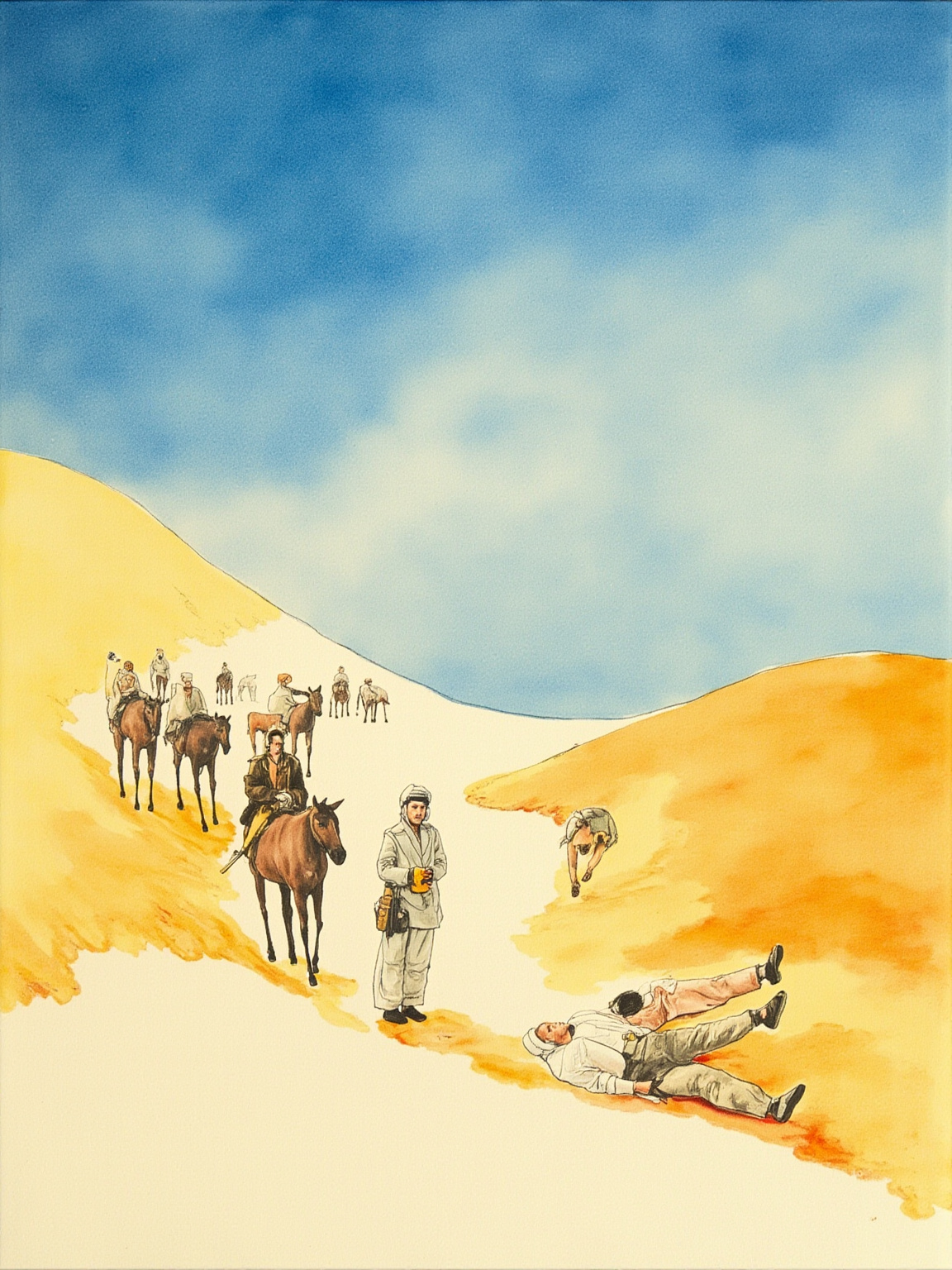
The Bedouin gave us water. He stepped aside to let the wounded drink first.
贝都因人递过水来,他退后半步,让伤员先喝。
金句 · 第一章 · 骆驼铃声
The Dorval passage sits in the middle of the book, like a fulcrum for the whole work. His rule was simple: no heroism, no risky takeoffs or landings, no letting colleagues pay for your recklessness. The narrator received a tongue-lashing from him as a young man, and only years later did he understand that those seemingly cold disciplines were actually forging a person toward being "a professional" — and once you became a professional, you were not just a pilot, you were part of the entire postal network covering a continent. The four words "the dignity of the craft" that recur throughout the book trace back to Dorval.
A man is a man because of other men. No one is alone.
人之所以为人,是因为别的人。没有谁是孤身一人。
金句 · 第三章 · 飞行员的纪律
At the moment of closing the book, the narrator folded all the crashes, all the goodbyes, all the half-cup of water in the desert, back into a single short sentence: it is through mutual responsibility, labor, and friendship that people find their footing on a cold planet. This is not religious comfort — it is a conclusion measured by mail bags. You are not flying in the sky; you are flying between people.
What it's really saying: why we should still read it today
The book was written in the 1930s, but it's actually answering a question that cuts deeper today: what is the real relationship between humans and tools? The narrator refuses to call the plane a machine. He insists on calling it a "tool" — because machines replace people, while tools allow people to become fully human. The plane carries him into the desert, drops him into a naked state, and then a Bedouin rescues him with a handful of water. Technology doesn't make people smaller; it makes them capable of being responsible for each other again. So he warns against the modern life that outsources everything, and also warns against the tourism aesthetic that screenshots every distant place.
Another theme is harder to translate for today: friendship isn't an emotion, it's labor. It's a relationship that grows from the same flight path, years of staring at the same stretch of cloud, from trusting your life to the silence of those hours in the copilot's seat. In this book, the friendship between postal pilots is close to the master-apprentice bond among craftsmen — you can't explain those details about the Bedouin and the water bag to a bunch of people you just nod to, people you've never met.
Why knowing the ending, the main text is still worth reading
This book wasn't written for airplane enthusiasts. It was written for everyone who wants to know what they stand on this planet by.
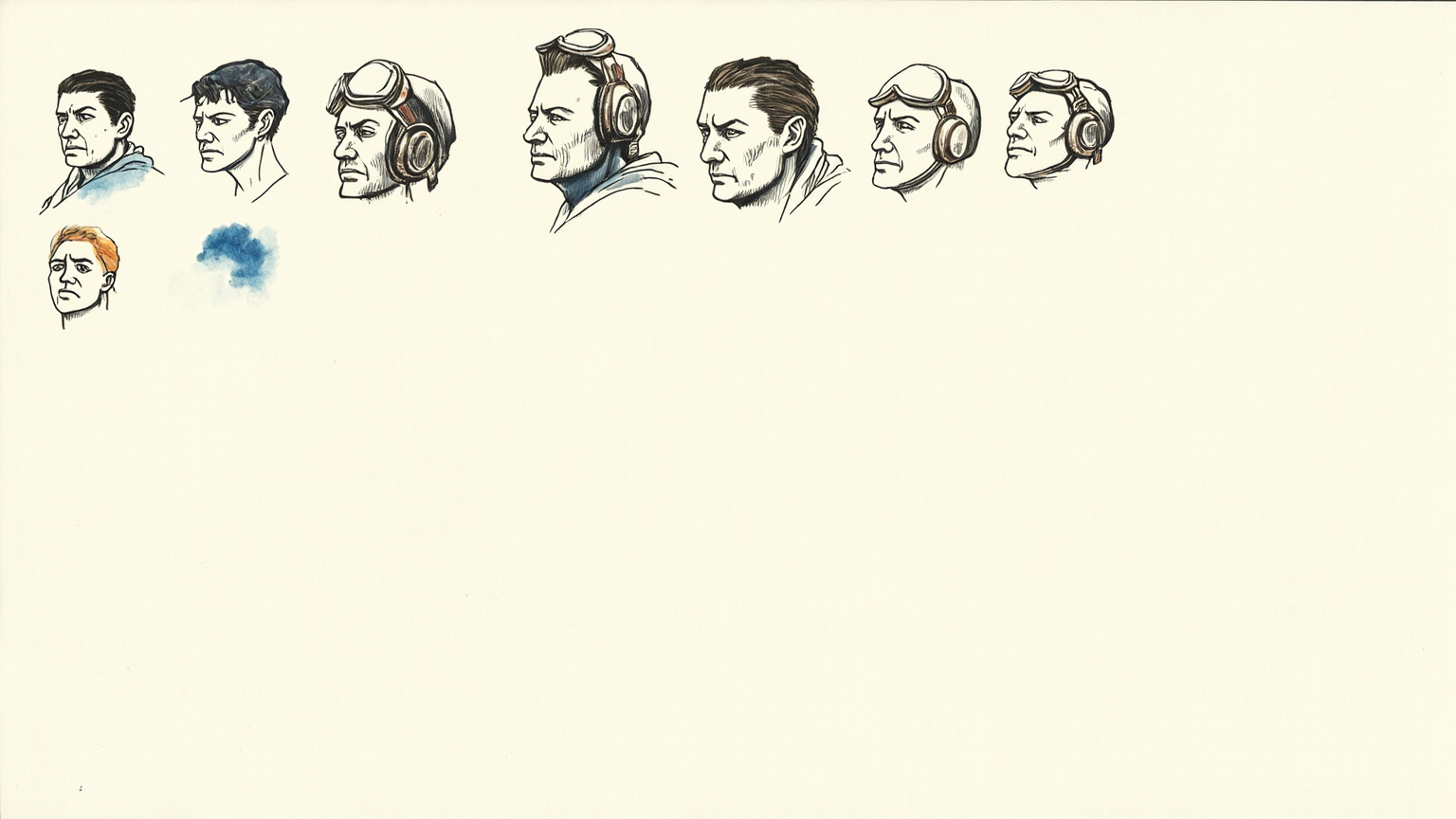
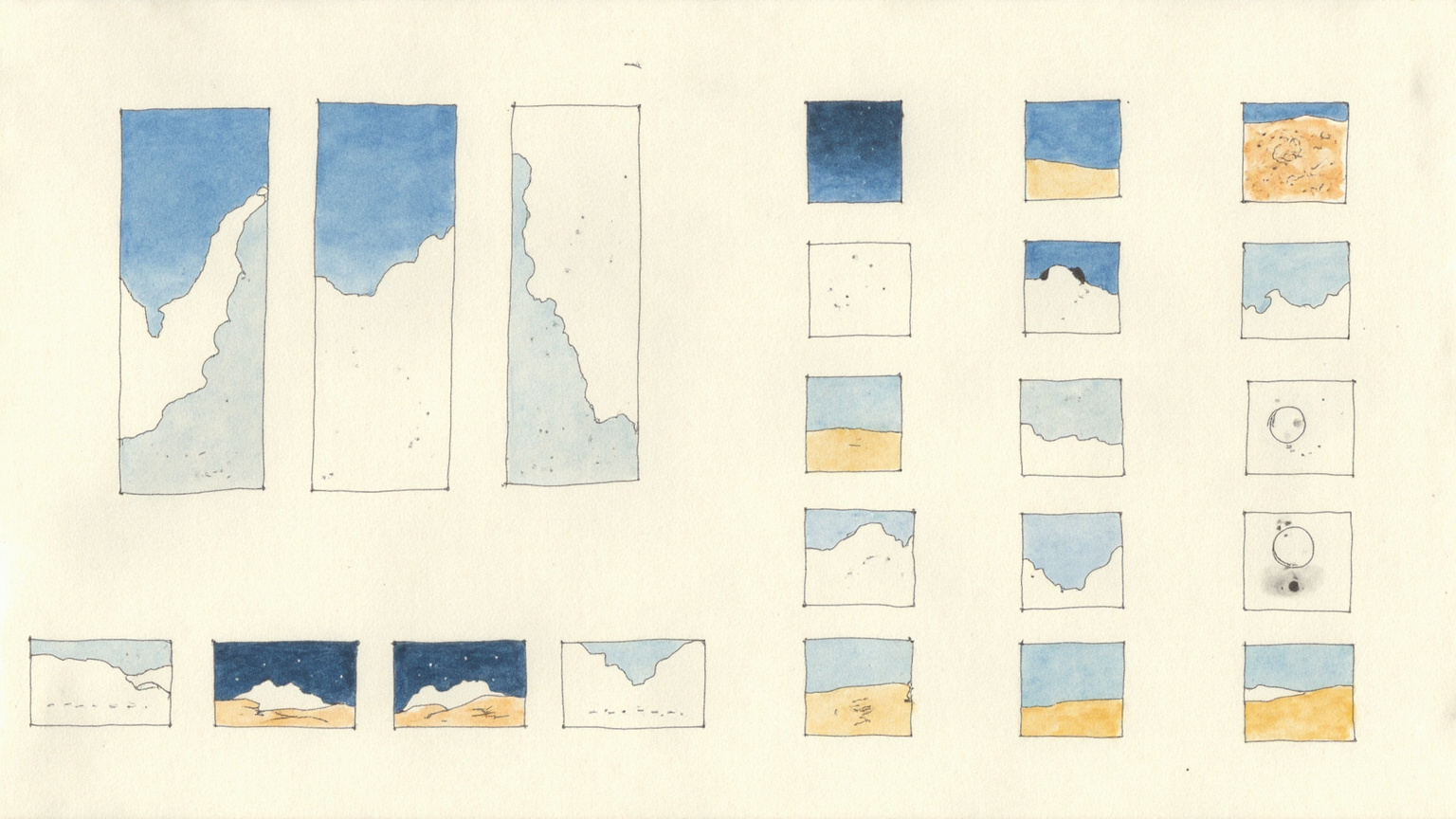
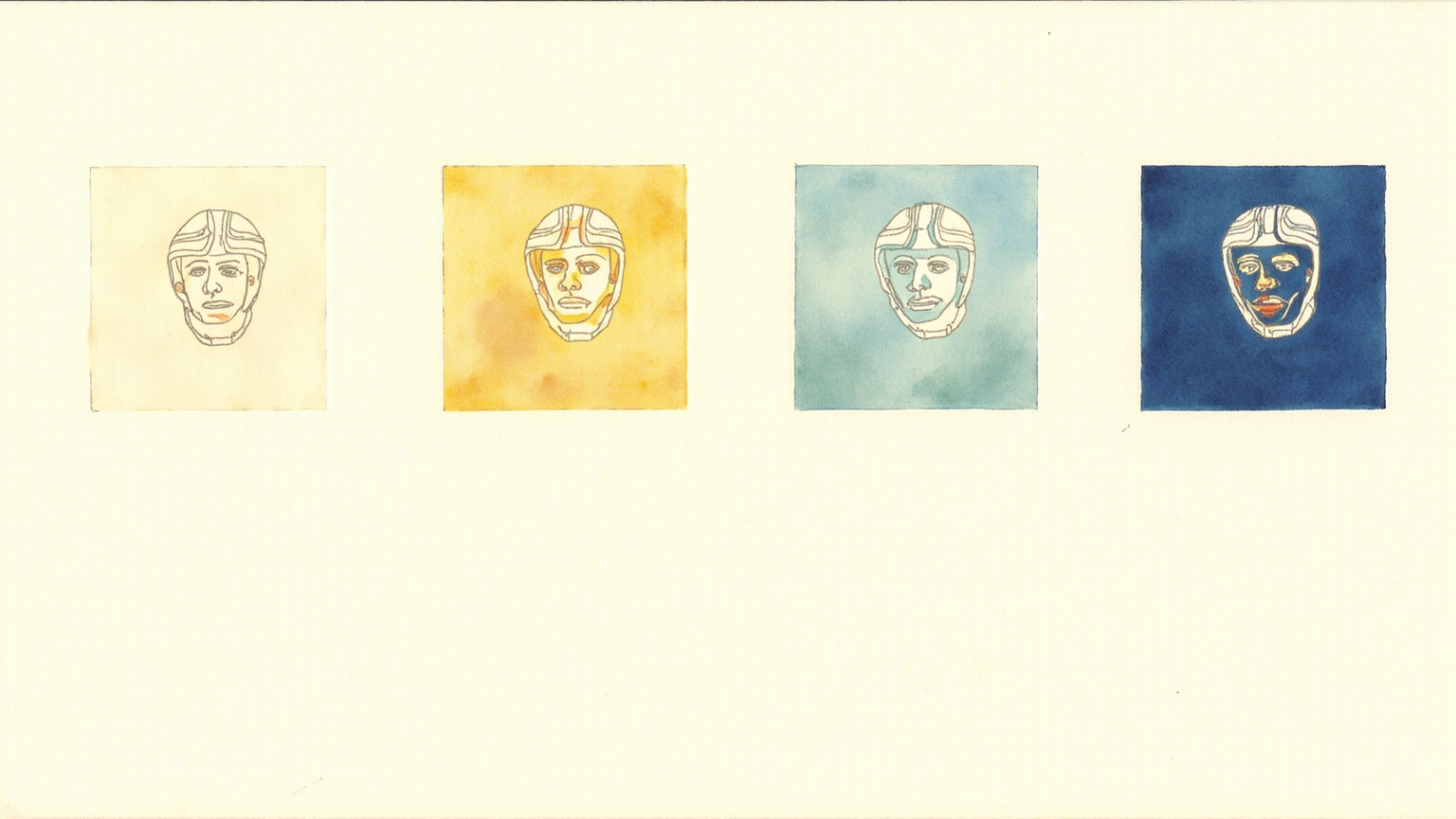
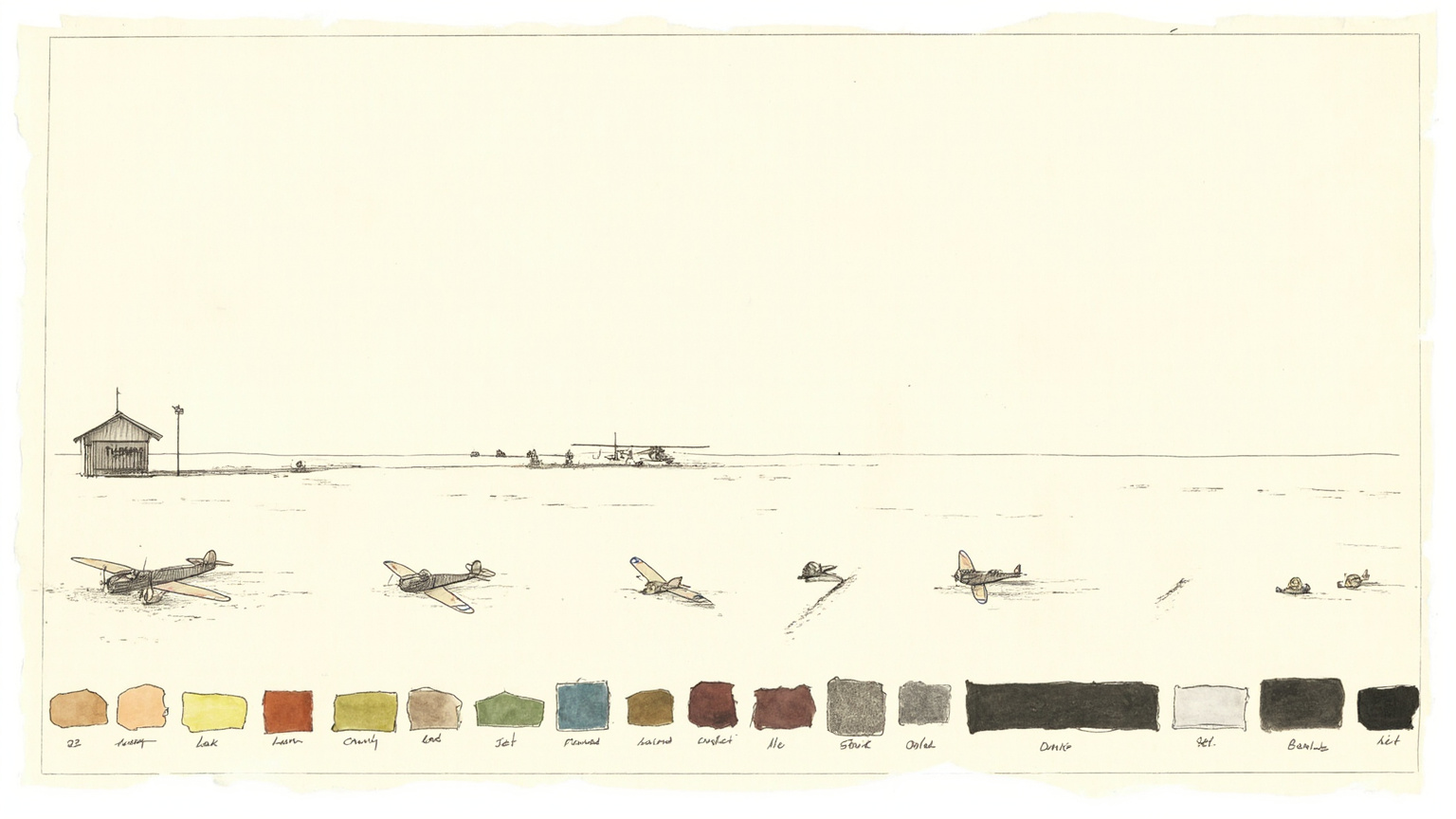
Art Direction4 plates
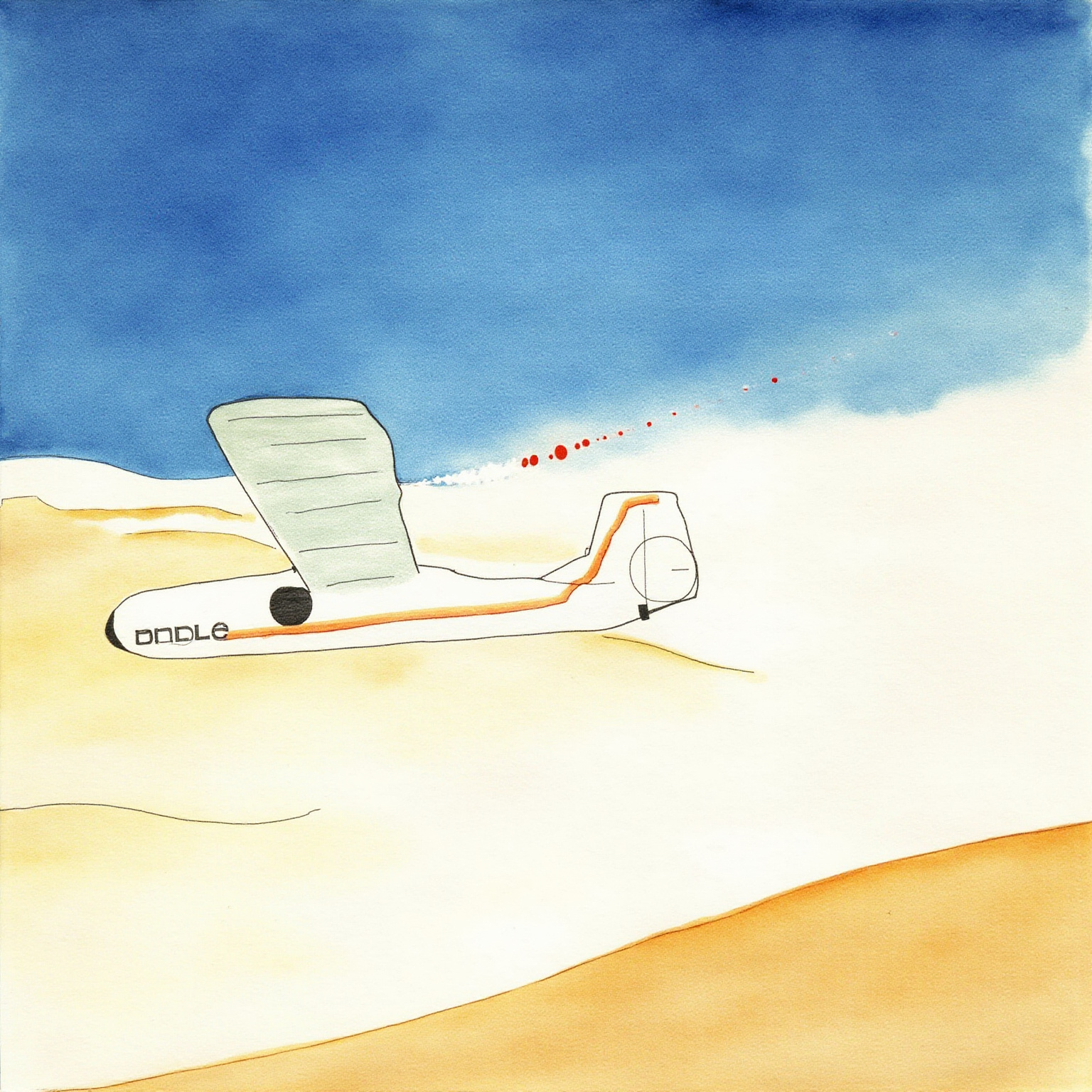
Before the guide was written, this book got a visual foundation — every illustration you just read grew out of it.