The History of Rasselas, Prince of Abissinia · Companion Guide
拉塞拉斯
一个凿墙出逃的王子,在尼罗河岸寻访一切活法,最后发现没有哪一种人生值得只停在选择里。
Opening
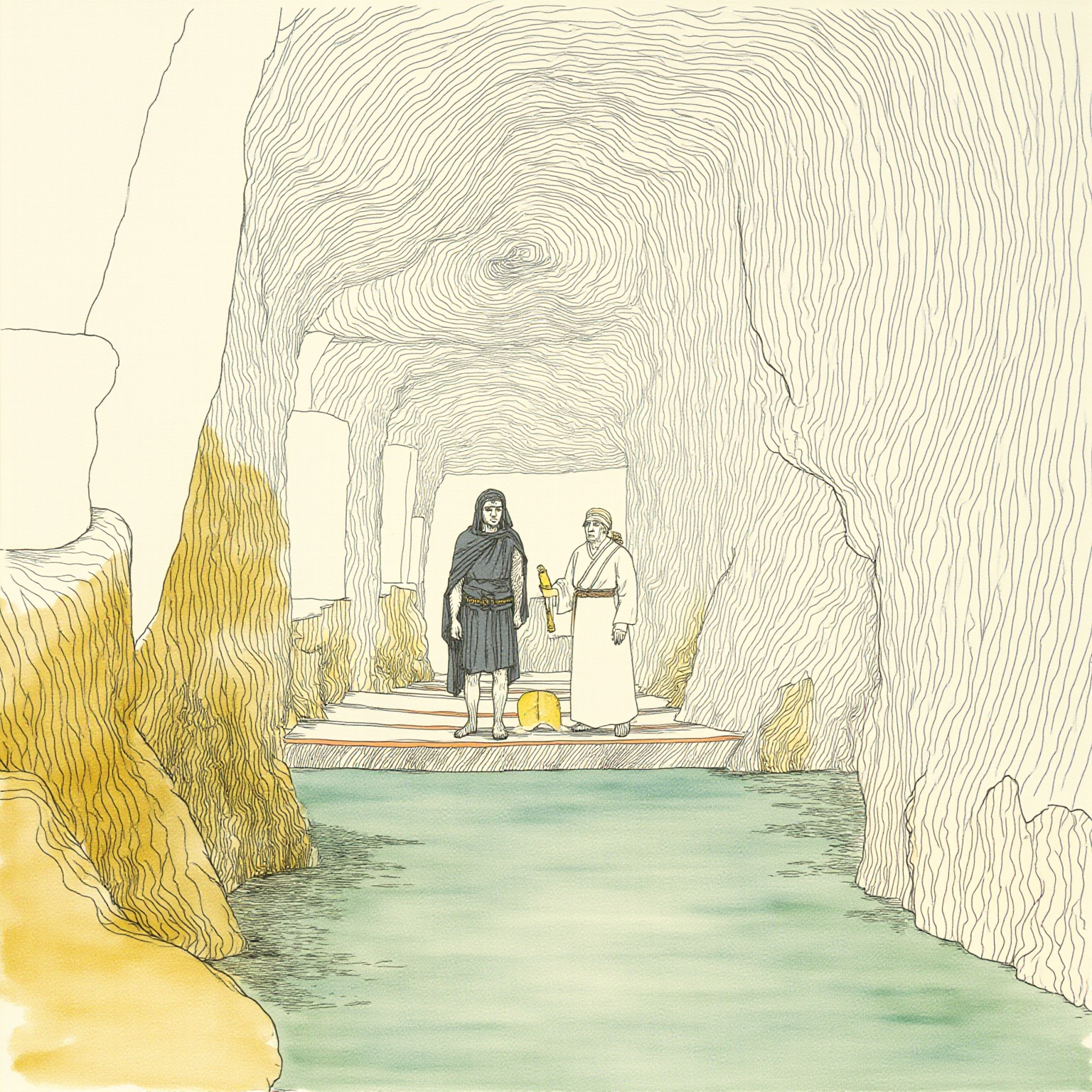
The stone gate was cut through from the inside. Rasselas, fourth son of the King of Abissinia, chiseled a crack through the base of the cliffs that had walled in his valley for decades, and led his companions out through it. Behind him lay the lake, the gardens, the colonnades, the musicians, the servants he had grown sick of. Ahead lay a world he had never seen: dusty, ordinary, imperfect in every part.
He left to answer a question specific enough to be maddening: which kind of life is actually worth living?
What kind of book this is
In 1759, Samuel Johnson, the man who would go on to compile the first great dictionary of the English language, wrote this short book in under a week. He called it The Prince of Abissinia: A Tale. It belongs to a genre rarely seen now, the philosophical romance. Its characters are not protagonists meant for the reader to inhabit; they are mouths built for argument. Its story is not a plot that pulls you forward page by page; it is a string of questions raised, one after another, by the footsteps of a small party.
It is remembered partly because Voltaire published Candide the same year. One book laughs at Leibniz's claim that this is the best of all possible worlds; the other refuses to answer at all, and does so with a cold, settled disappointment. Same year, same question, opposite temperaments: the two books together are what the Enlightenment left behind as a matched pair of specimens.
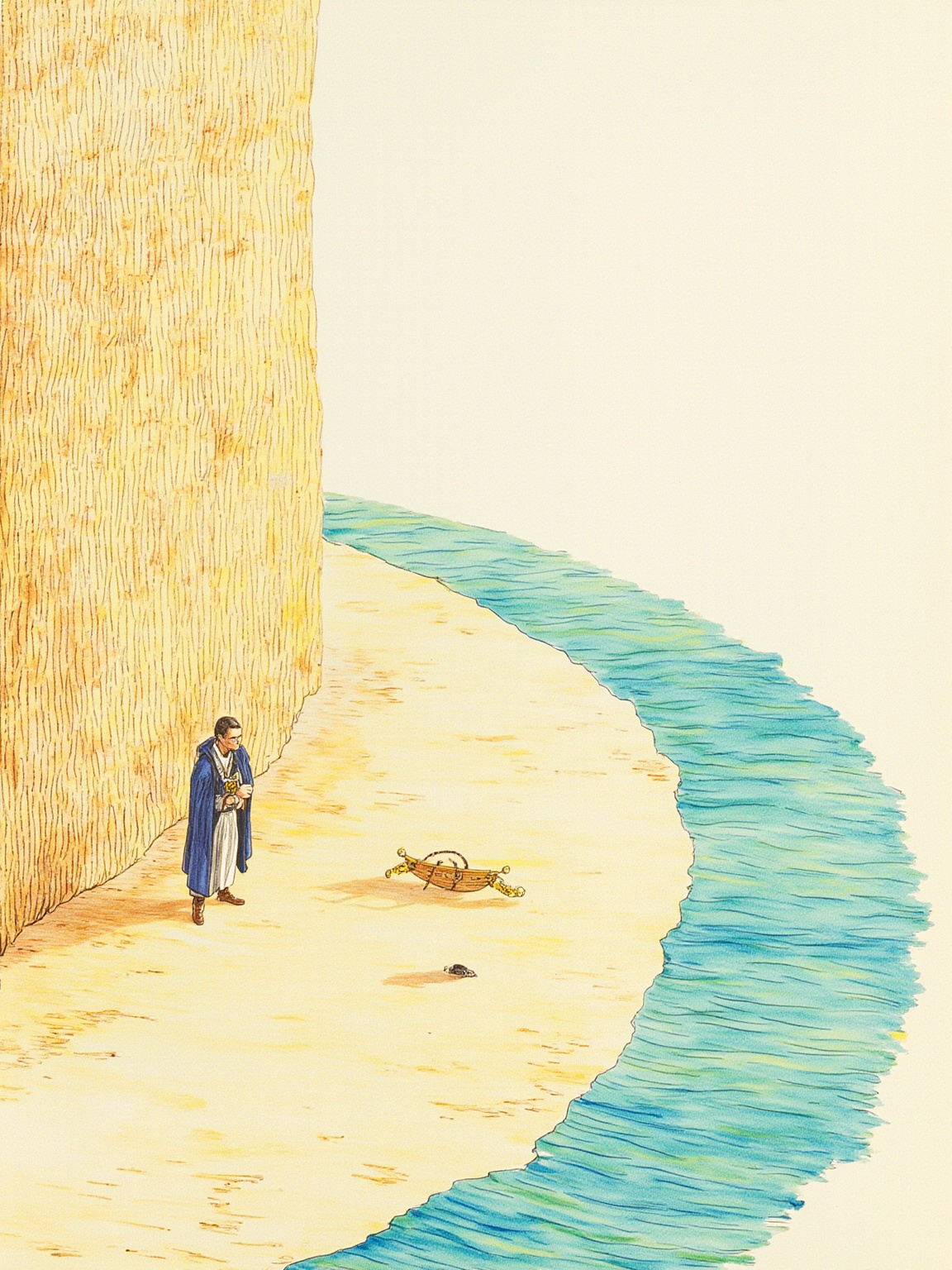
The prince, whose mind was wholly engrossed by the desire of something more than was yet within his reach, could find no pleasure in the possession of what he had already.
他心中已被一种尚未可及之物的渴望占满,眼前这许多已得之物,竟再无一件能叫他欢喜。
金句 · 第1章 · 幸福谷
People and world
Rasselas, the prince, has lived in the valley so long that every arranged happiness bores him, and he decides to cut through the wall and leave. Nekayah, his sister, is the sharpest talker in the book. She keeps pressing on marriage, widowhood, caring for aging parents, growing old, wanting to live and wanting to die. Pekuah, Nekayah's attendant, is gentle and quick to see what others miss. Imlac, a poet and philosopher, left the valley long before the prince did, traveled through the West, and is brought back to serve as guide. He is the character who sounds most like Johnson himself.
These four leave the valley, and that is the entire cast. The story's world splits in two. On one side is the Happy Valley, walled by cliffs on every side and closed by a single stone gate, lush as a garden and lacking nothing. On the other is Egypt beyond the valley: the markets of Cairo, camel bells on the caravan road to Suez, a hermit's spring among the rocks, an observatory built onto a rooftop. Neither side is whole. That is the book's central premise.
How the plot moves
Everything in the valley is good except that there is no way out. Rasselas grew up listening to music by the lake and wandering under the fruit trees, waiting for the line of succession to reach him. Over time he notices something wrong: every pleasure has been arranged in advance, so thoroughly that he cannot even be bored on his own terms. The night he breaks through the wall he takes no jewels with him, only his sister Nekayah, her attendant Pekuah, and Imlac, who had left the Happy Valley before him. The writing here stays plain. No anger, nothing grand, just a man bent over, cutting stone.
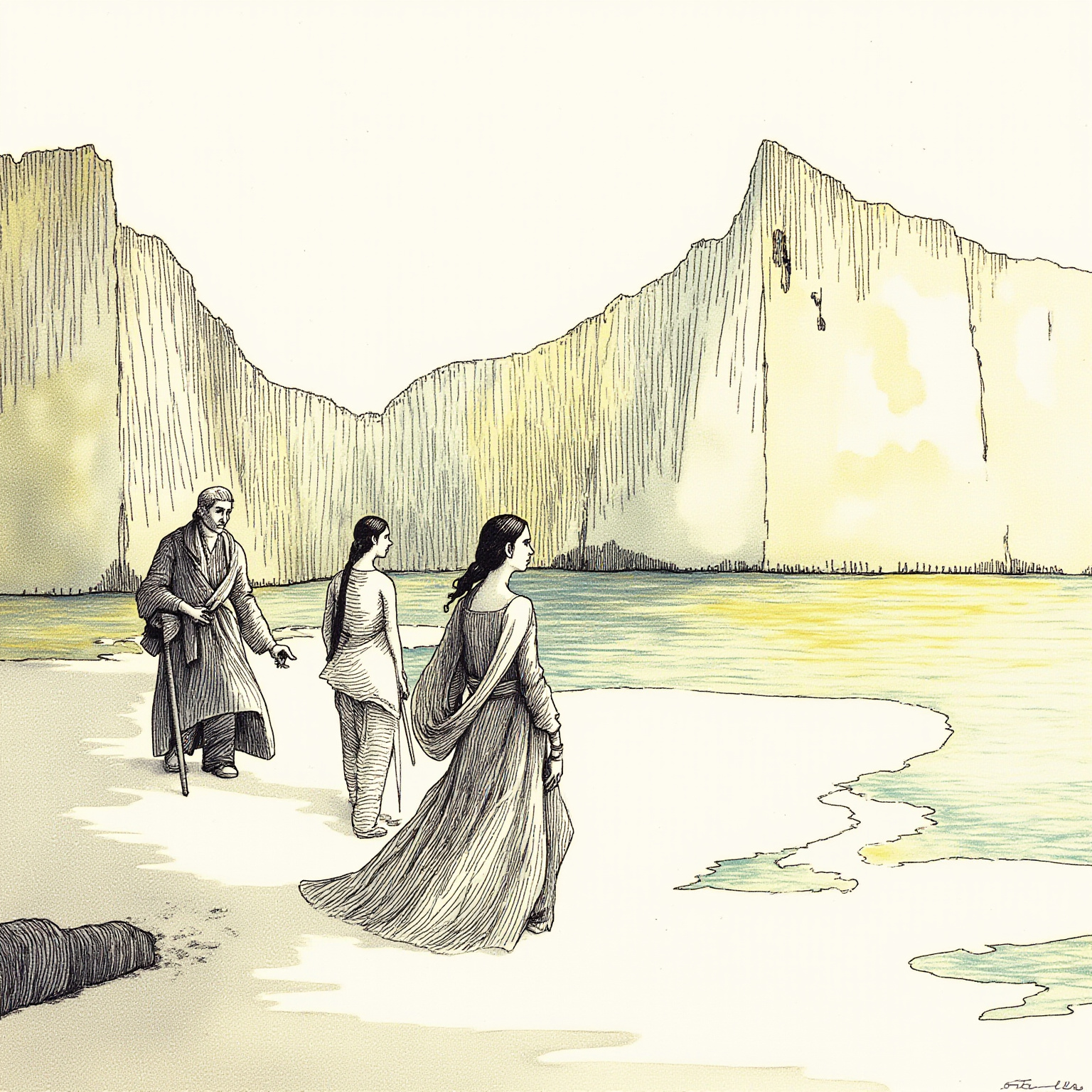
He that knows not what to do, let him consider on which side his wishes incline, and he will soon discover what road to take.
不知该往何处去的人,且去想一想他的心愿倒向哪一边——他自会看清,该走哪一条路。
金句 · 第2章 · 凿墙而出
Imlac agrees to guide them, and he agrees with a certain resignation. He left the valley early and came back early. He had already made his circuit through the dust of the wider world and found, in the end, that the days back in the valley were just as empty. What he offers the prince is not an answer but the tone of someone who has already looked and come back: I tried this too. The party travels down the reed channels of the upper Nile into the dusty world beyond. Johnson's prose for this stretch of river is slow, light, evenly balanced, laid down without a wasted step.
Outside the valley they try out one kind of life after another. The first they visit is a hermit, living by a spring among the rocks, dressed in coarse cloth, who tells the prince not to come. He himself had entered the mountain twenty years earlier full of hope, and now lives dragged along by a hope with nothing left in it. One stroke, and the path of solitude is closed off.
Next is an engineer, a highly skilled craftsman, invited to build a pair of man-powered wings on a cliff. Two men jump, fail to fly, and are hurt on landing. The romantic plan of breaking free of the earth collapses on the spot. Johnson draws no blood here; he simply records the failure itself. One light stroke, and two hopes of flight come back down to earth together.
Then comes the astronomer, living on a rooftop among brass instruments, star charts, and telescopes, claiming he can control the weather. He is not mad, only carried by desire into believing he governs the sky. After talking with Imlac about the stars, he comes back to himself, and it turns out he is not opposed to religion at all, but believes God's hand stands behind the stars. Johnson barely shows the astronomer observing anything; he shows him talking, eyes fixed on the sky.
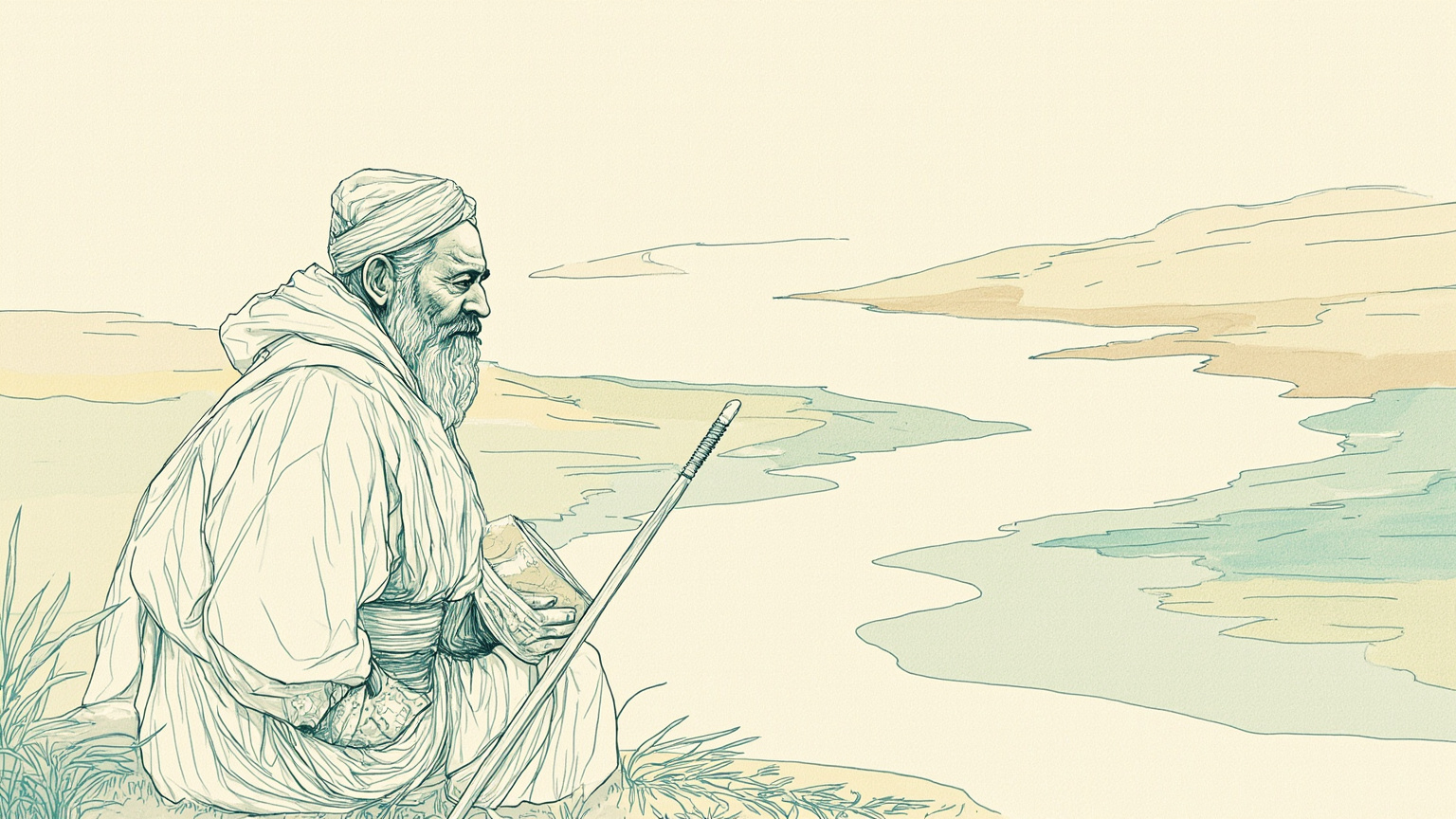
He that embarks in the voyage of life will always wish to advance rather by the impulse of the wind than the labour of the oar.
登上了人生这条船的人,总巴望着让风把自己吹向前——不肯老实地一桨一桨去划。
金句 · 第26章 · 天文学家
Last is the Bassa, a powerful official of the Ottoman Empire, who holds more resources than anyone else and will hardly lift a finger for the people under him. Imlac argues with him about power and responsibility, and comes away realizing the man is not cruel, only indifferent. Indifference is harder to fight than violence: there is nothing to push against. The path of power closes too.
The party moves on. Near Cairo they are attacked, and Pekuah is taken and later ransomed back. Johnson passes over the captivity itself in a line or two; what he keeps is the single thing she says on her return, that what people fear most is not death but being suddenly torn from the ones they love. That sentence carries more weight than any account of the captivity would.
Along the way Nekayah argues constantly with Rasselas and Imlac. Marriage, dowries, widowhood, caring for aging parents, growing old, wanting to live, wanting to die: each question comes to the table in turn. No side wins; after every argument the air holds a little more discouragement than before. This back-and-forth is not filler around the book's substance. It is the substance.
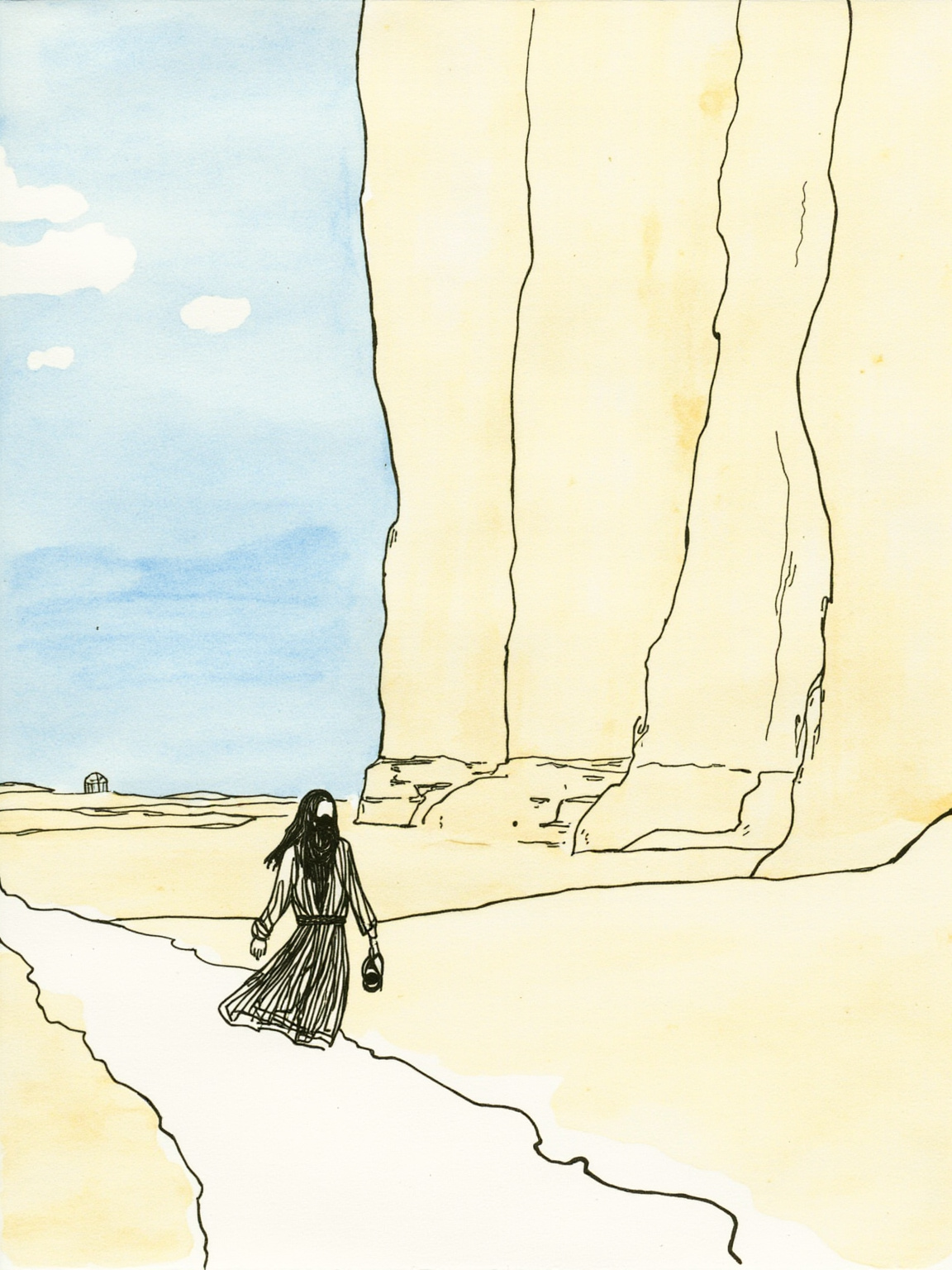
Of the blessings set before you make your election, and be happy.
眼前摆着这些好处,挑一样吧,挑了便该知足。
金句 · 第29章 · 巴夏与权势
Somewhere along the way, Rasselas works it out for himself: he has spent all his time choosing how to live, without ever actually living. It is one of the most quoted lines in the book. No one tells it to him; he reaches it on his own, which is Johnson's judgment about the order things should come in. Live first, choose after. Act first, ask after.
The ending offers no victory, no breakdown, no revelation. The party turns around and heads back to Abissinia. Johnson closes with a phrase later generations have kept repeating: the conclusion, in which nothing is concluded, an ending that settles nothing.
Theme and method
What this book is really asking is whether a person can ever reach happiness. The answer is not inside it. The book's stance is that expecting it to hand you one is the mistake itself. It was written at the moment England, at the middle of the eighteenth century, was becoming master of the world, and it borrows an Eastern setting without letting that setting turn into an excuse for empire. Johnson wrote it in the middle-aged depression that followed his mother's death, which is why the restraint in it is real, not a pose.
The business of the poet is to examine, not the individual, but the species; to remark general properties and large appearances: he does not number the streaks of the tulip, or describe the different shades of the verdant forest.
诗人要看的,不是这一朵花、这一棵树,而是那一整类事物普遍的容貌与最大的轮廓——他不会去数郁金香的花纹,也不会一一描摹整片森林的浓淡。
金句 · 第10章 · 因列论诗
A few things about the craft are worth noting. The characters are flat, and deliberately so: they are not protagonists to inhabit but vessels for thought. The structure is symmetrical, like one long walk out and back, moving at an even pace the whole way. And the sharpest move is the ending: no sentiment, no collapse, no resolution. A group of people walk through the world, find that everything falls a little short, and return to where they started. That is the book's own particular flavor, a disappointment held perfectly still.
Why the text is worth reading
A guide gives you the map; the text is the land itself. Three things in particular cannot be delivered here: the restraint of Johnson's English prose, where every long sentence stands on its own feet without showing off or losing its footing; the sense of air between the four speakers, where you can almost hear their pacing and their pauses; and the particular middle-aged feeling of having walked through the whole world and come away empty-handed. That last one you can only get by walking it yourself.
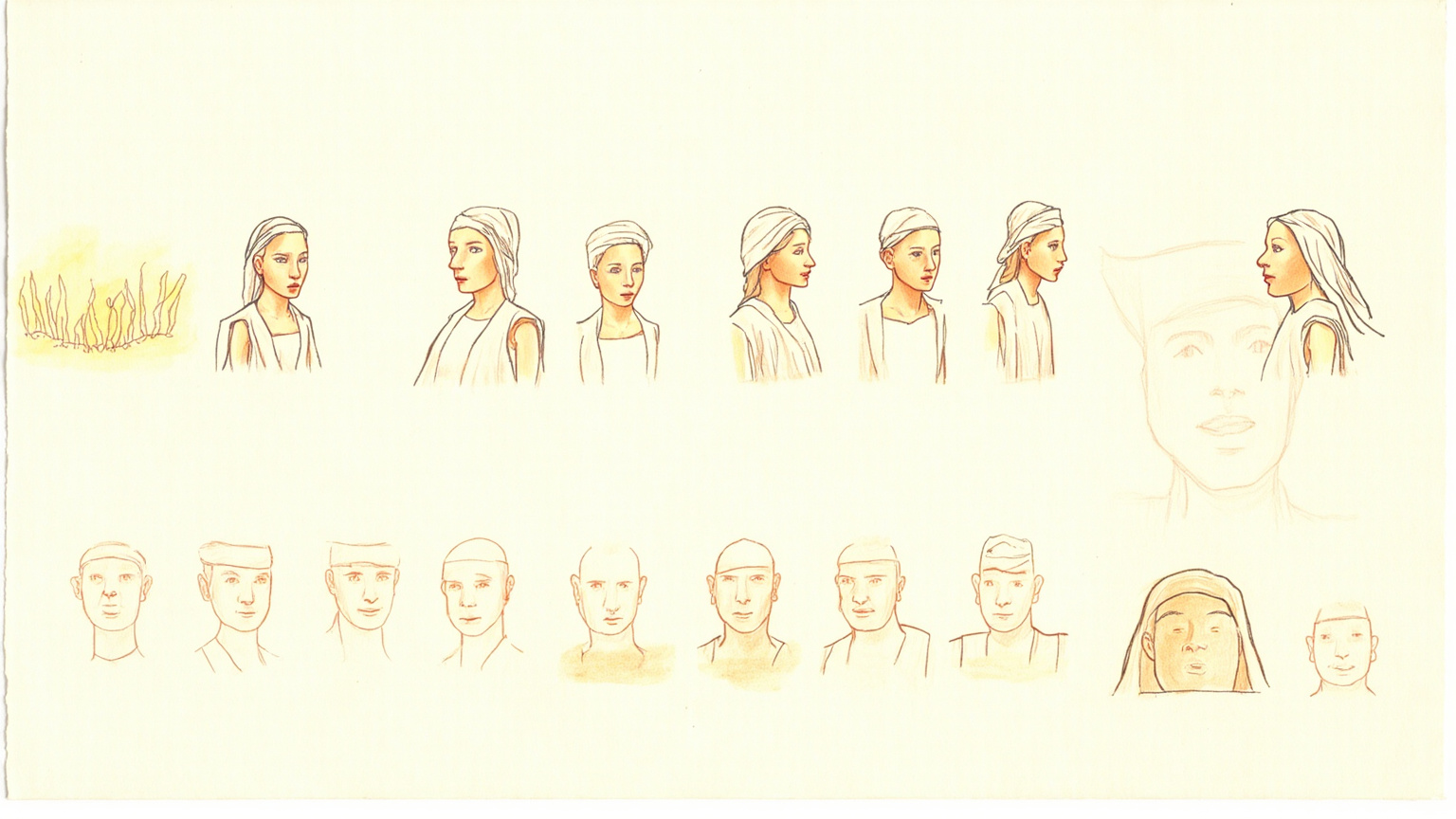
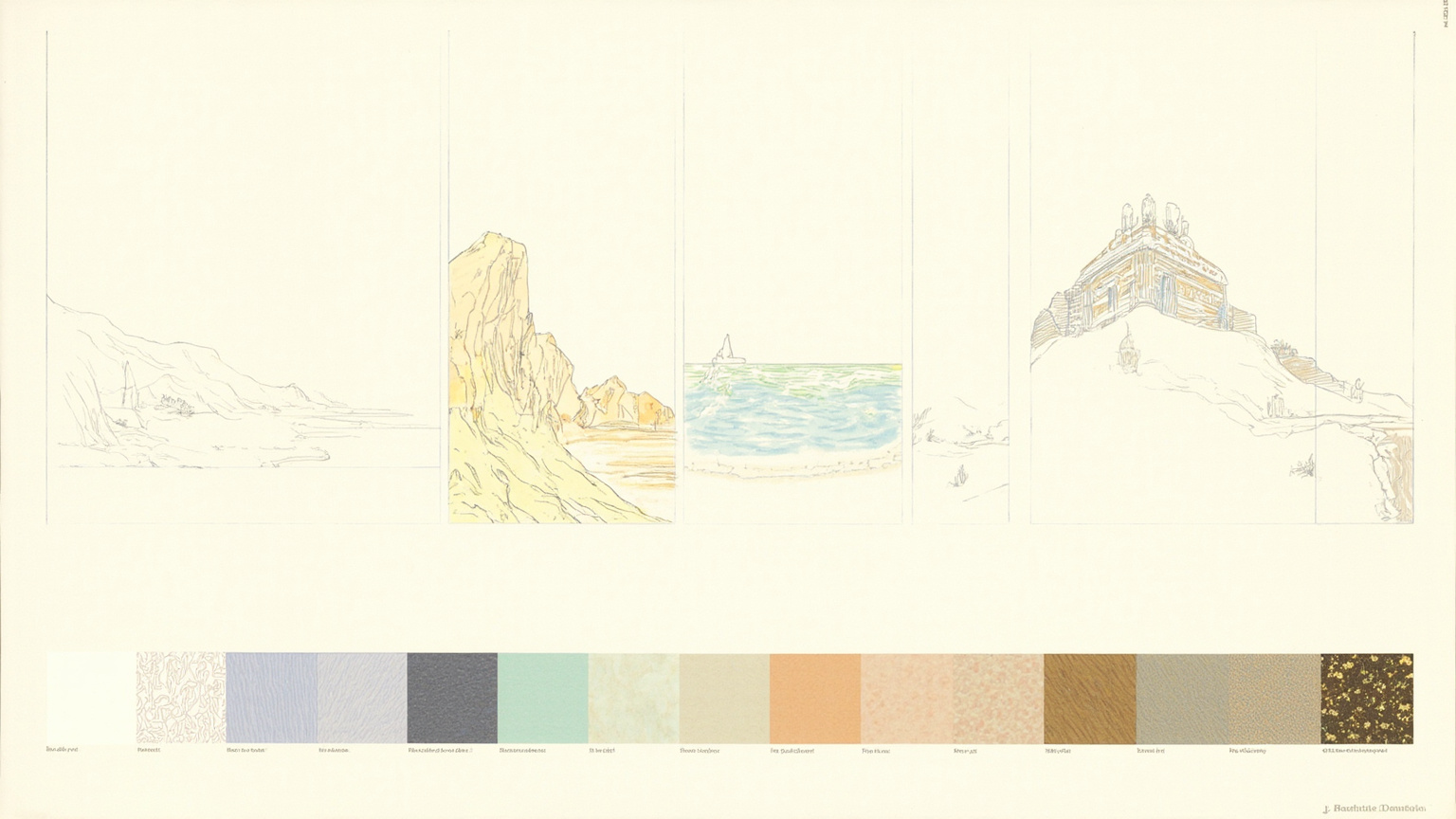
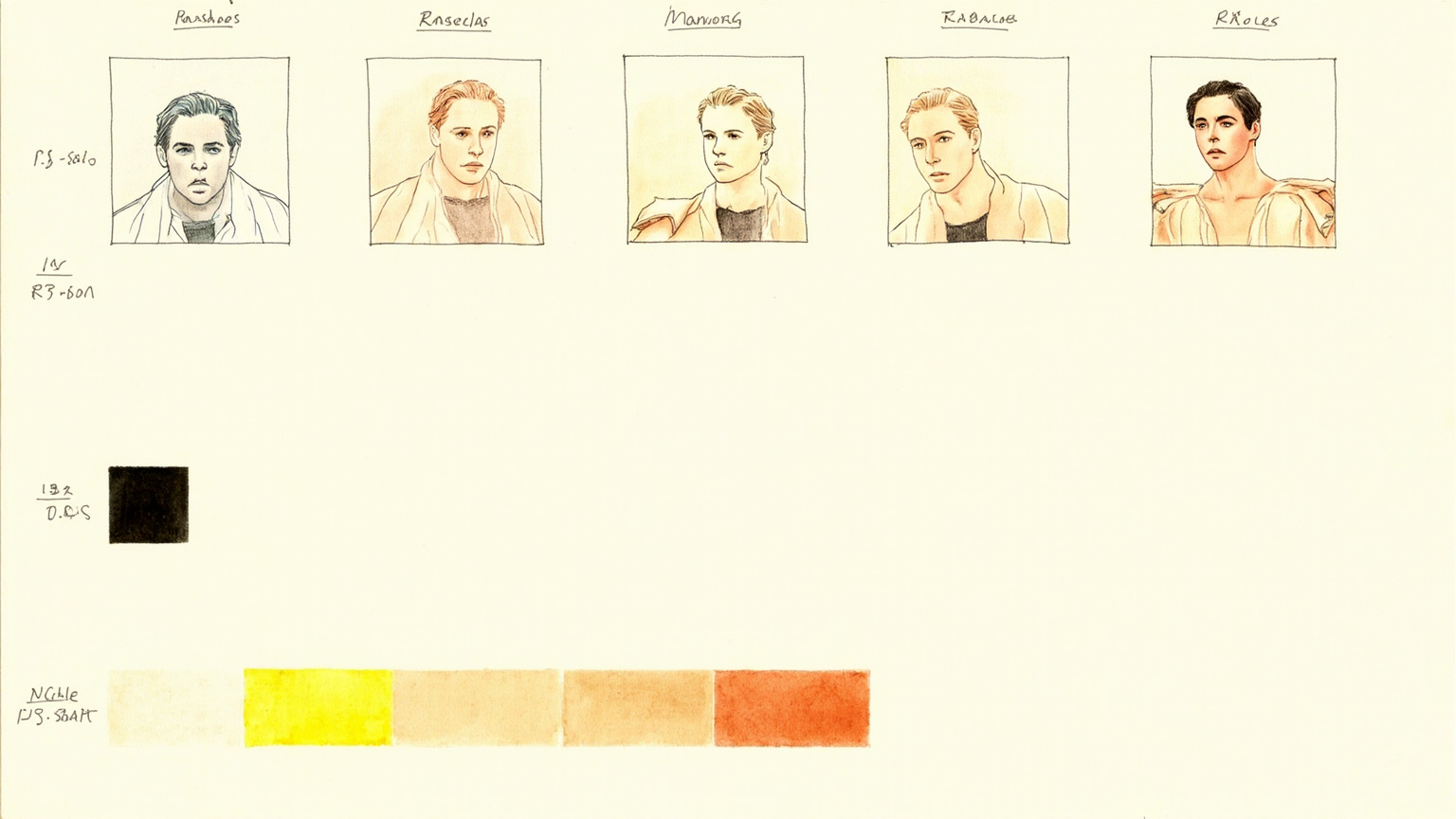
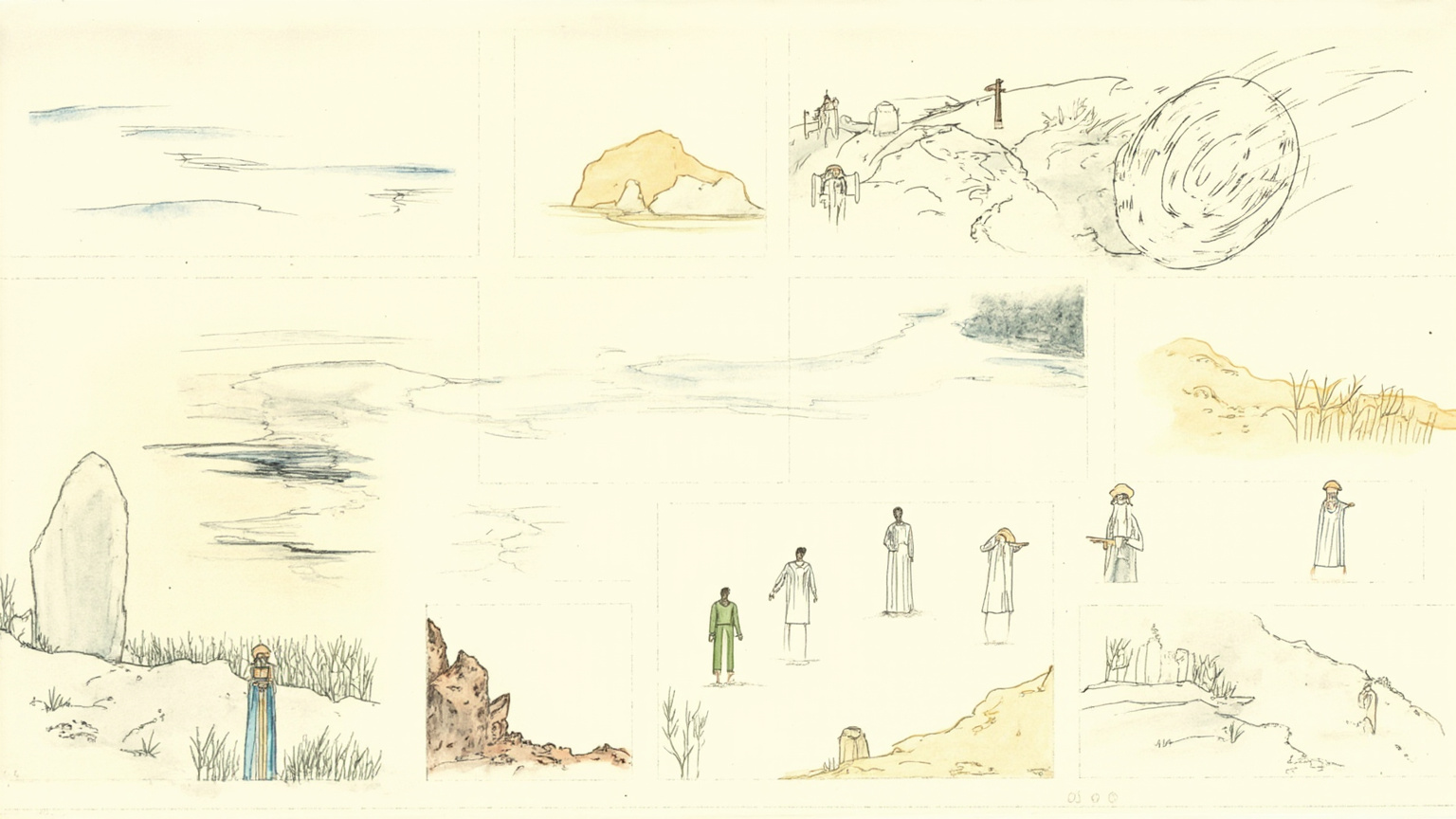
Art Direction4 plates
Before the guide was written, this book got a visual foundation — every illustration you just read grew out of it.